Select Language

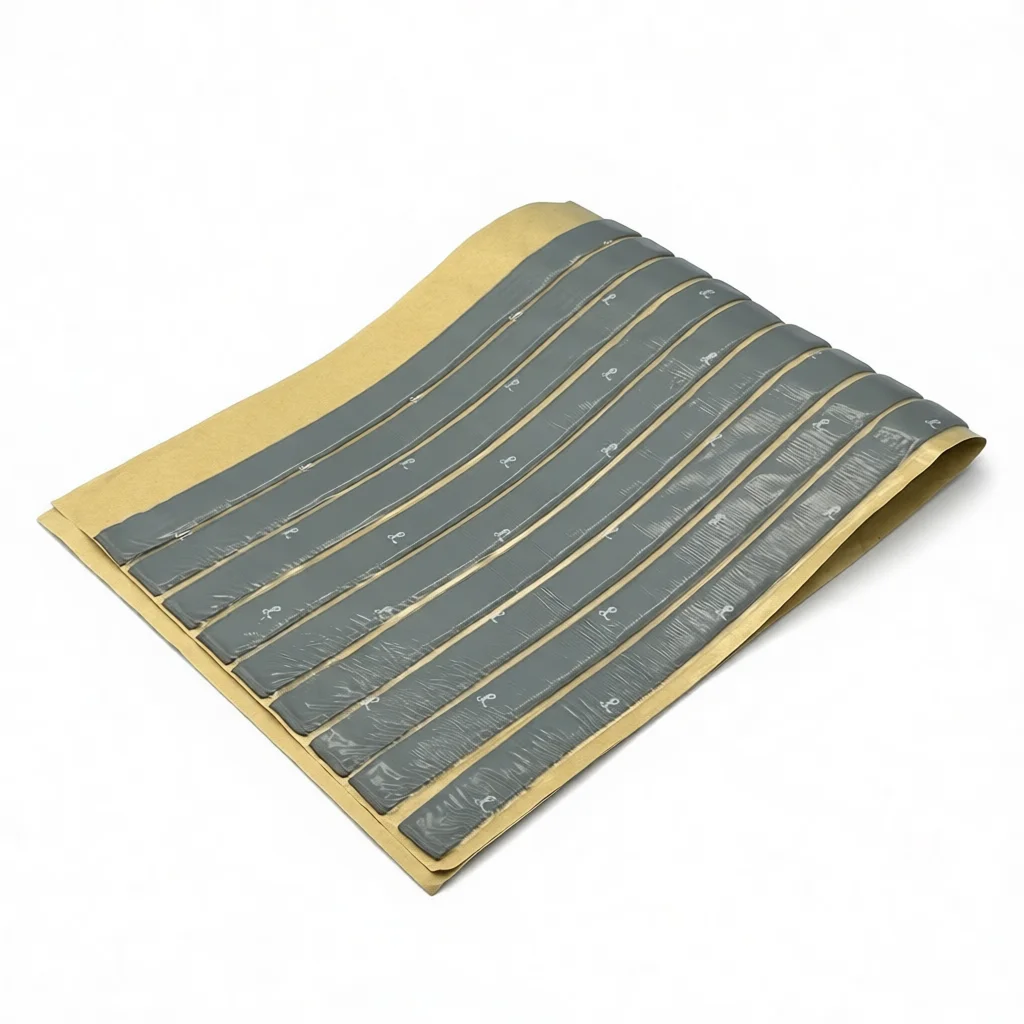
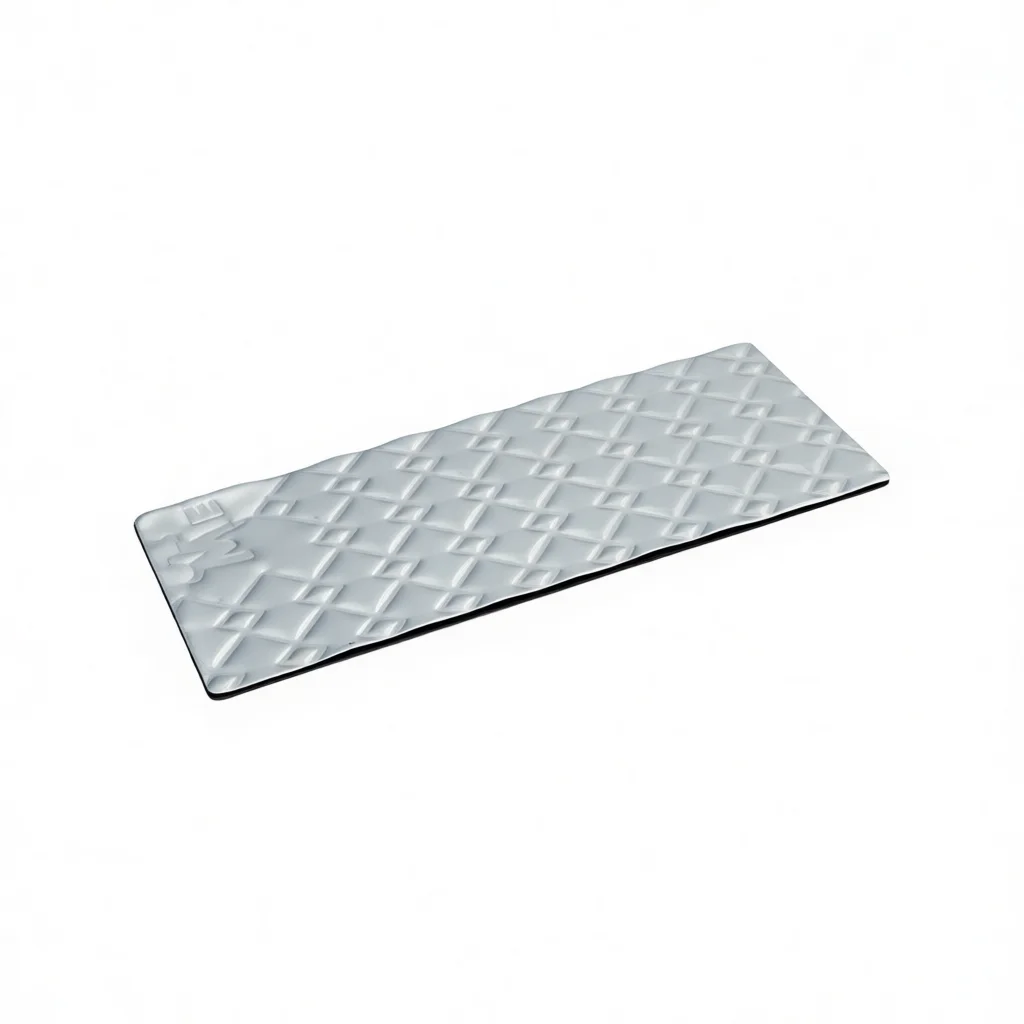
The Multi-Layer Composite High-Damping Vibration Damper is an advanced engineering solution designed to mitigate mechanical shock and eliminate structure-borne noise in high-precision machinery and automotive systems. By integrating a sophisticated multi-layer architecture of butyl rubber and aluminum foil, this damper optimizes the glass transition temperature range, ensuring superior energy dissipation and structural stability across diverse operational environments.
Engineered for critical NVH (Noise, Vibration, and Harshness) performance, these dampers are ideal for everything from luxury vehicle chassis and rail transit components to CNC machines and robotic arms. With a composite loss factor of ≥0.4, the product effectively converts vibrational energy into heat, protecting sensitive electronic modules and enhancing the overall longevity and precision of industrial equipment.
| Composite Loss Factor | ≥0.4 (High Damping Level) | Structural Design | Multi-layer Butyl Rubber + Aluminum Foil + PSA |
|---|---|---|---|
| Operating Temperature | -50℃ to 100℃ | Installation Temperature | 10℃ to 40℃ |
| Core Materials | Viscoelastic Rubber & Engineered Polymers | Surface Layer | Aluminum Foil Reflective Layer |
| Adhesion Type | Pressure-Sensitive Self-Adhesive | Durability | Anti-aging, Moisture-proof, Mildew-proof |
| Environmental Standards | RoHS2.0, REACH, PAHs, TSCA, EN45545 | Compatibility | Sheet Metal, Composites, High-Precision Frames |
The synergistic butyl structure absorbs resonance energy effectively, drastically reducing sheet metal vibration and mechanical noise.
Maintains consistent high-damping properties from -50℃ to 100℃, preventing thermal fatigue in extreme environments.
Works synergistically with sound insulation cotton to eliminate road noise, wind noise, and engine resonance.
Engineered to resist oils, chemical splashes, UV exposure, and moisture, ensuring reliability in harsh factory settings.
Eliminates micro-vibrations to protect sensors, battery packs, and metrology instruments from impact fatigue.
Self-adhesive backing allows for custom cutting and seamless application to complex, irregular structural surfaces.

Optimizes floor systems and wheel arches to reduce tire noise and structural resonance.
Provides stability for robotic arms and CNC machines by suppressing high-frequency vibration.
Adapts to engineering scenarios requiring wide-temperature damping for heavy-duty vehicles.
Eliminates micro-vibrations to ensure the accuracy of semiconductor manufacturing equipment.
Meets lightweight design requirements while maintaining strict high-standard NVH levels.
Protects motor housings and gearboxes from long-term dynamic stress and heat fatigue.
| Performance Metric | Single-Layer Rubber | Multi-Layer Composite |
|---|---|---|
| Vibration Attenuation | Basic/Moderate | Superior/High-Efficiency |
| Temperature Range | Limited (Harden/Soften) | Wide (-50℃ to 100℃) |
| Internal Friction Loss | Low | High (Loss Factor ≥0.4) |
| Service Lifespan | Prone to Aging/Cracking | Extended via Composite Reinforcement |
| Installation Effort | Requires Mechanical Fasteners | Fast Self-Adhesive Application |
The loss factor represents a material's ability to dissipate vibrational energy as heat. A value of ≥0.4 indicates high-damping performance, meaning it can effectively suppress resonance and reduce noise far more efficiently than standard industrial rubbers.
Yes. The multi-layer composite design is specifically engineered for environmental resistance, offering protection against UV exposure, moisture, and chemicals, making it suitable for both indoor factories and outdoor installations.
The aluminum foil acts as a reflective layer and provides structural rigidity, which helps distribute mechanical loads more evenly across the butyl rubber layers, enhancing the overall attenuation efficiency.
Absolutely. Our dampers are designed to provide maximum NVH reduction with minimal weight addition, meeting the dual requirements of lightweight architecture and premium quietness for electric vehicles.
For optimal bonding, we recommend a construction temperature between 10℃ and 40℃. Ensure the target surface (sheet metal or polymer) is clean, dry, and free of oils before applying the self-adhesive backing.
Yes, customizable versions are available to meet strict global regulatory standards including RoHS2.0, REACH, PAHs, TSCA, and EN45545 for rail applications.