 Select Language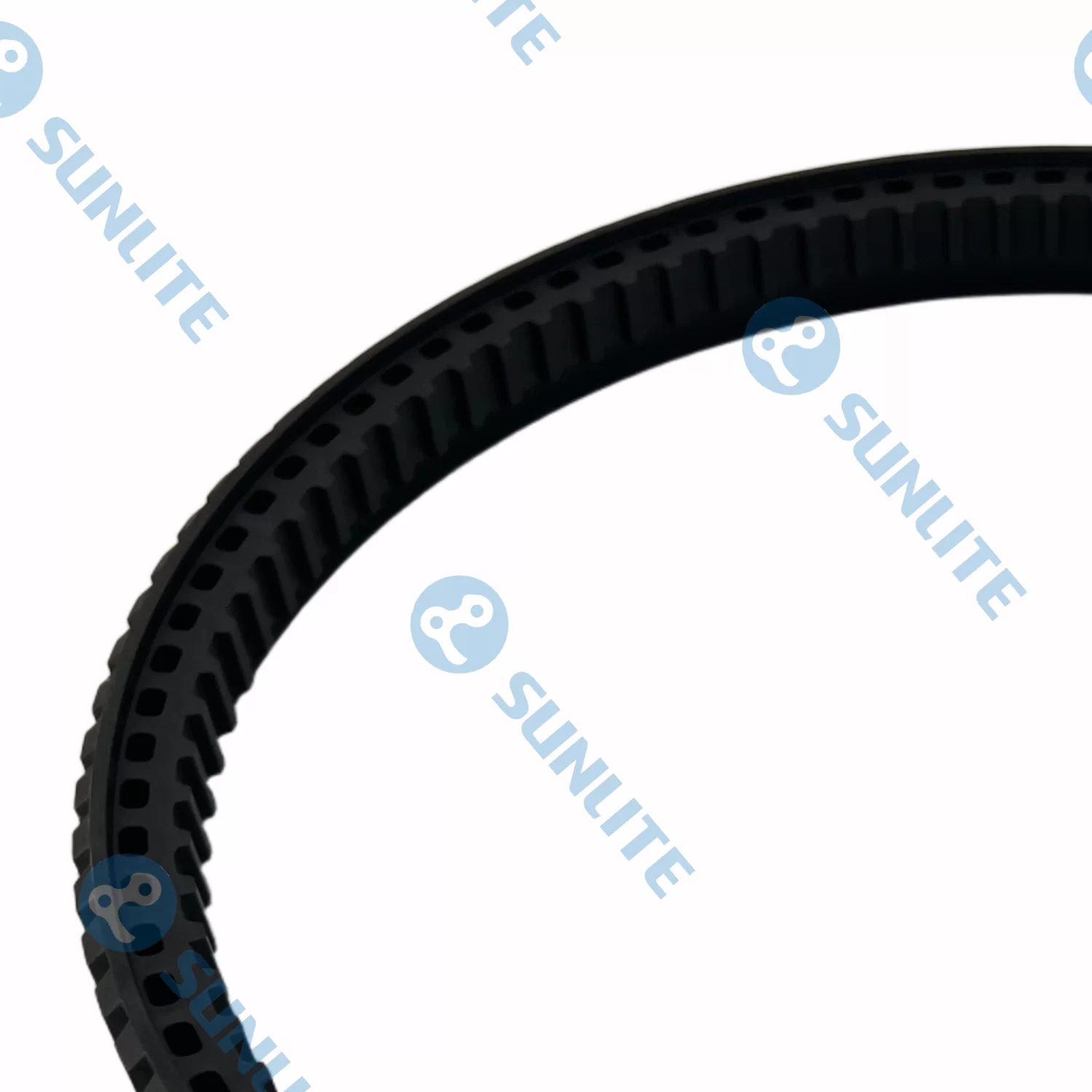
APPLICATION SCENARIOS
1. Underwater Structure Surface Inspection & Maintenance
2. Submarine Pipeline/Cable Inspection
3. Sediment/Sludge Zone Operations
4. Hazardous or Confined Space Inspection
5. Nuclear Industry & High-Radiation Environment Inspection
Product Description
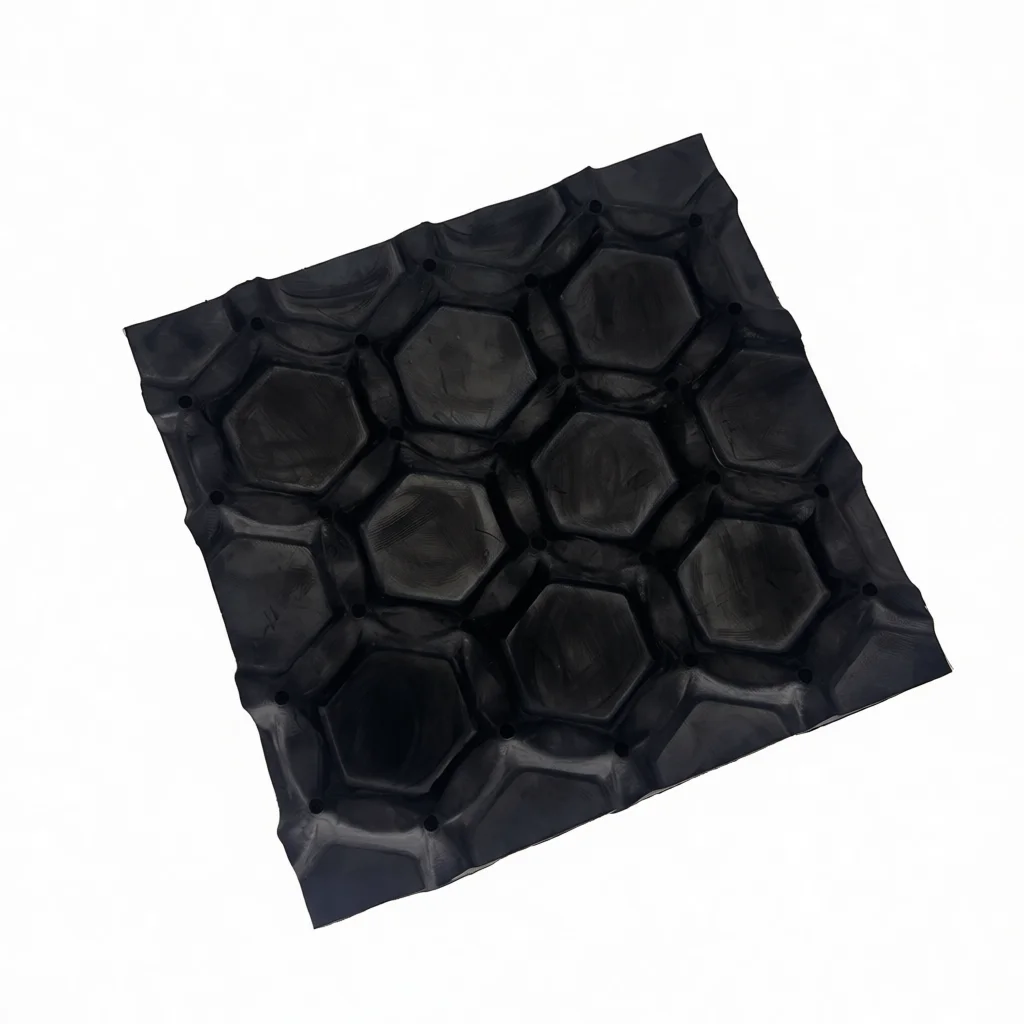
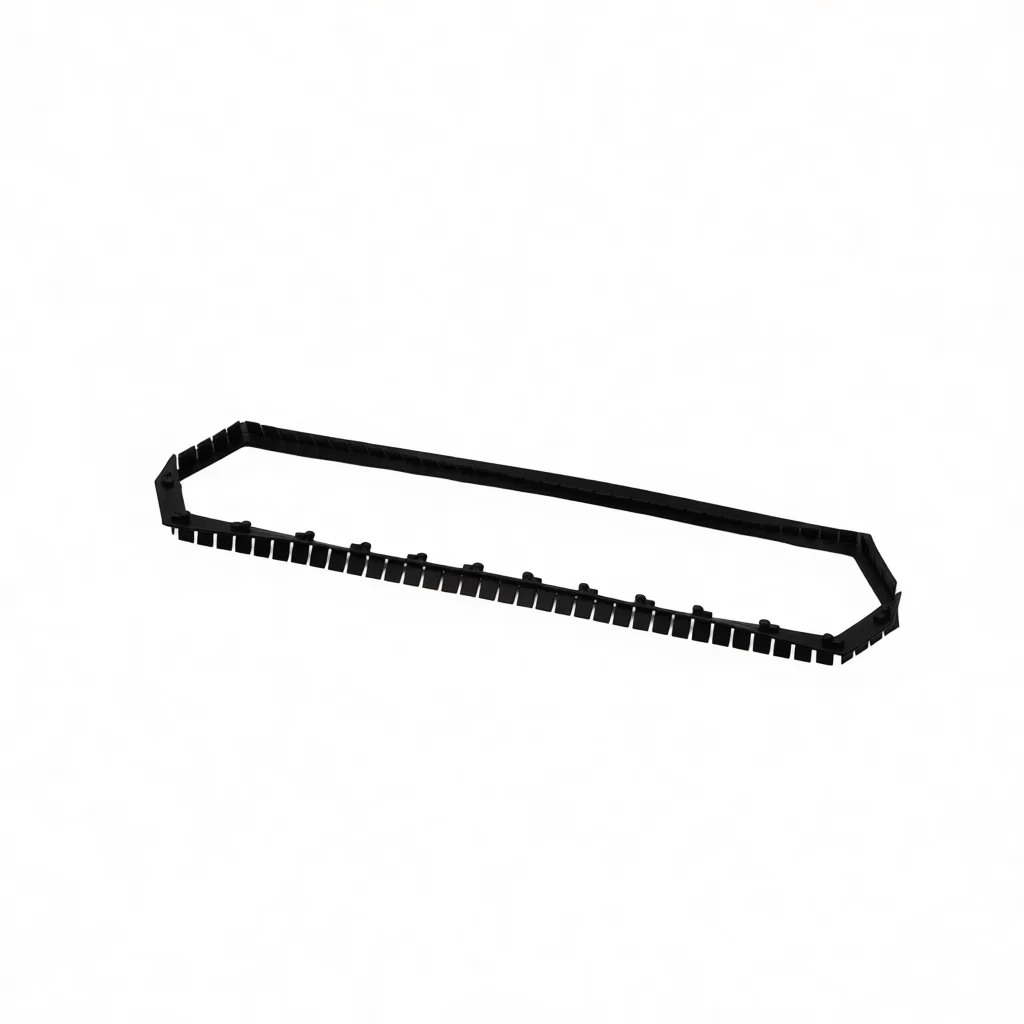
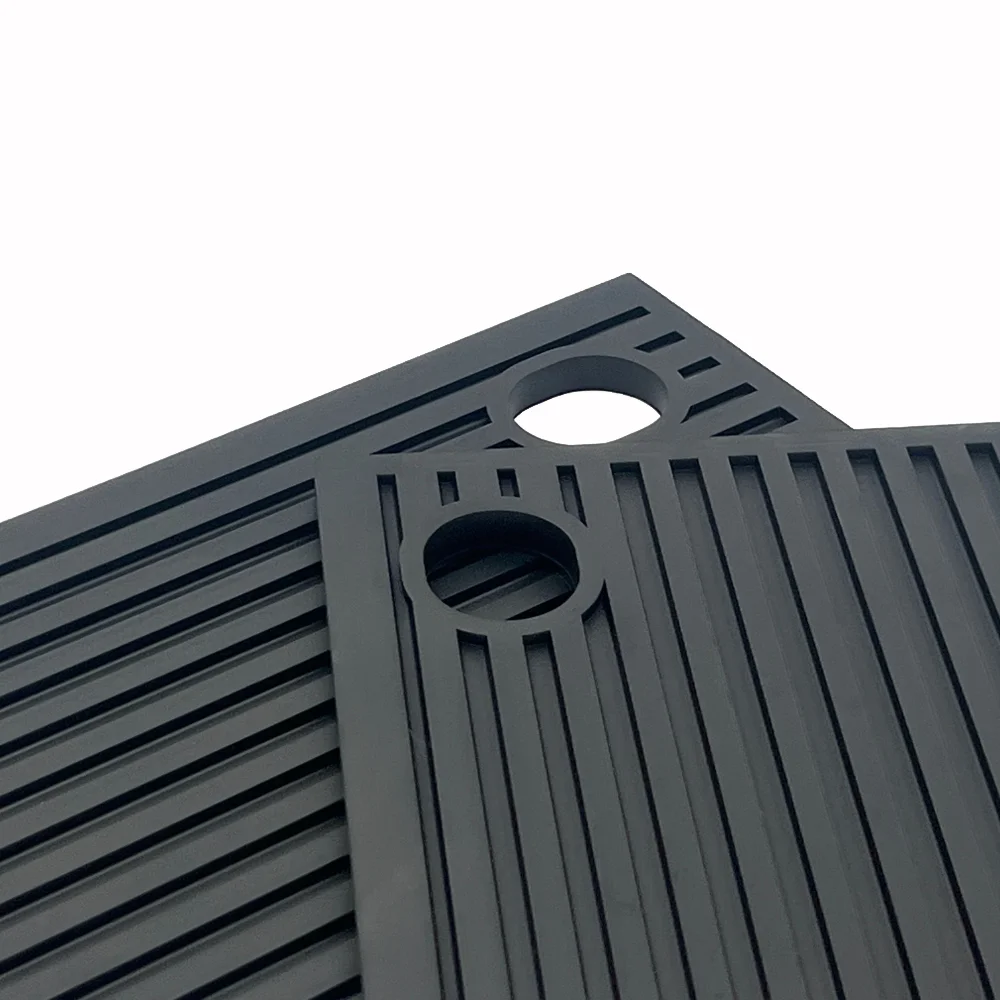
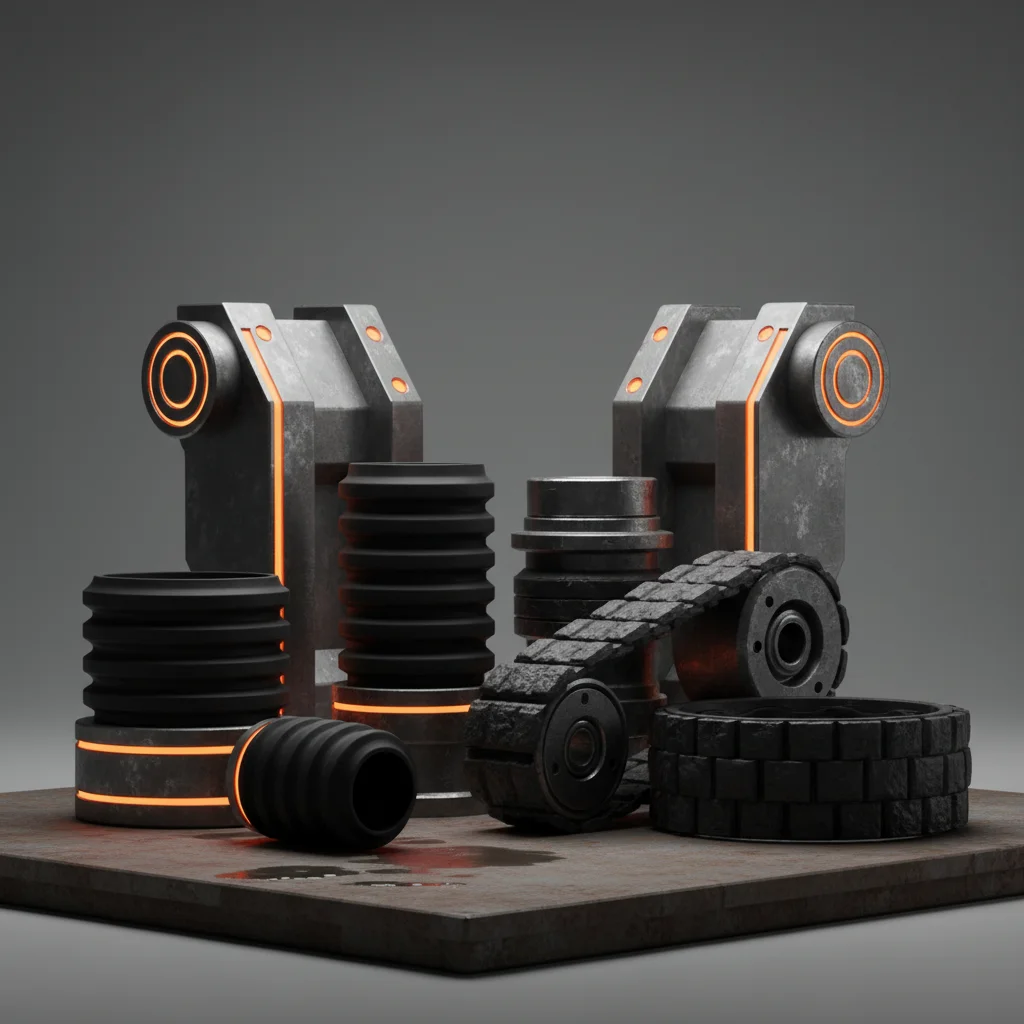
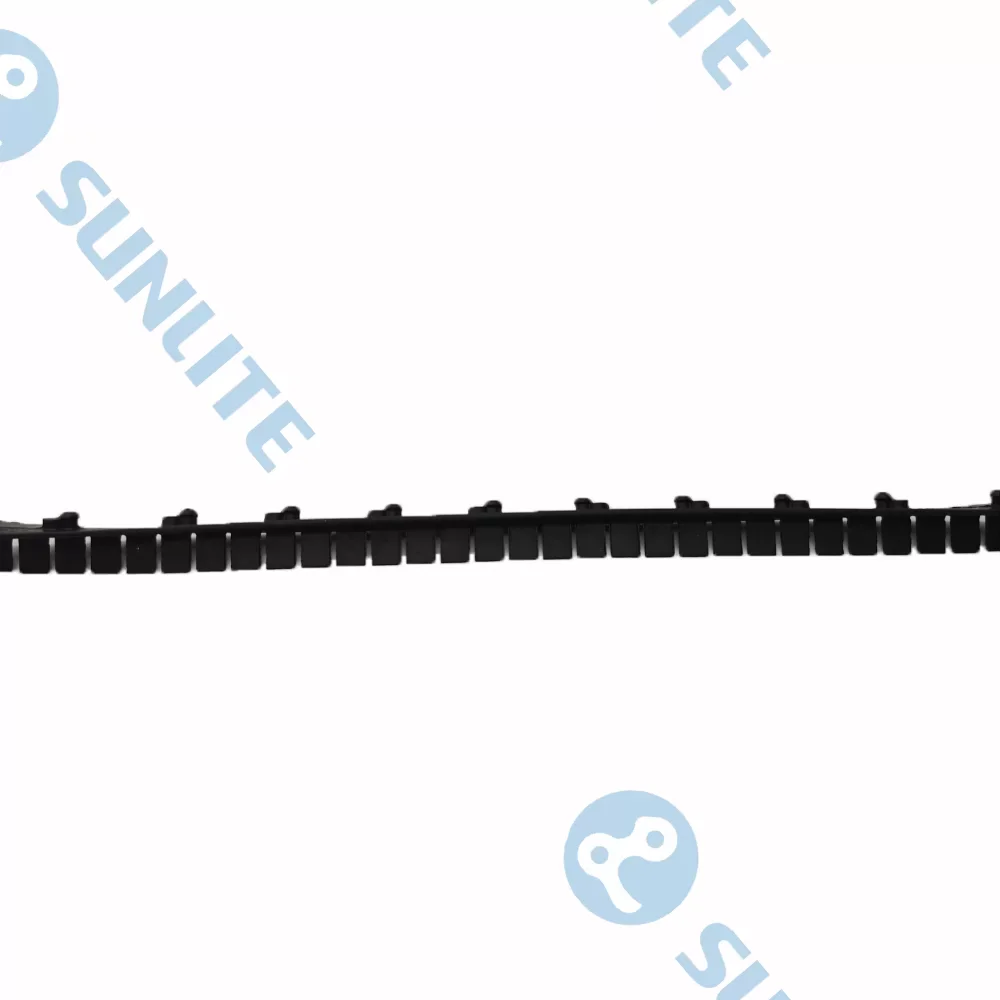
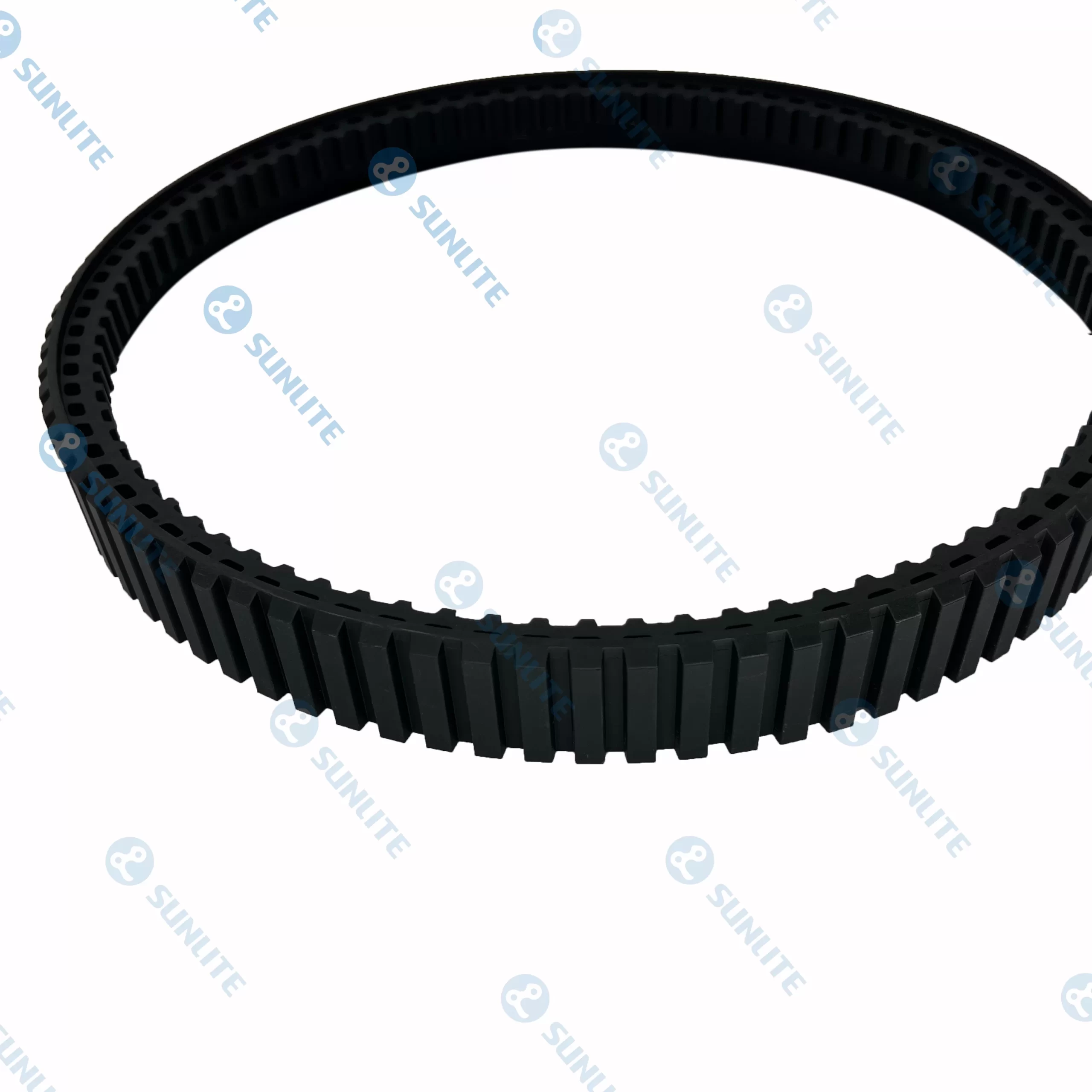
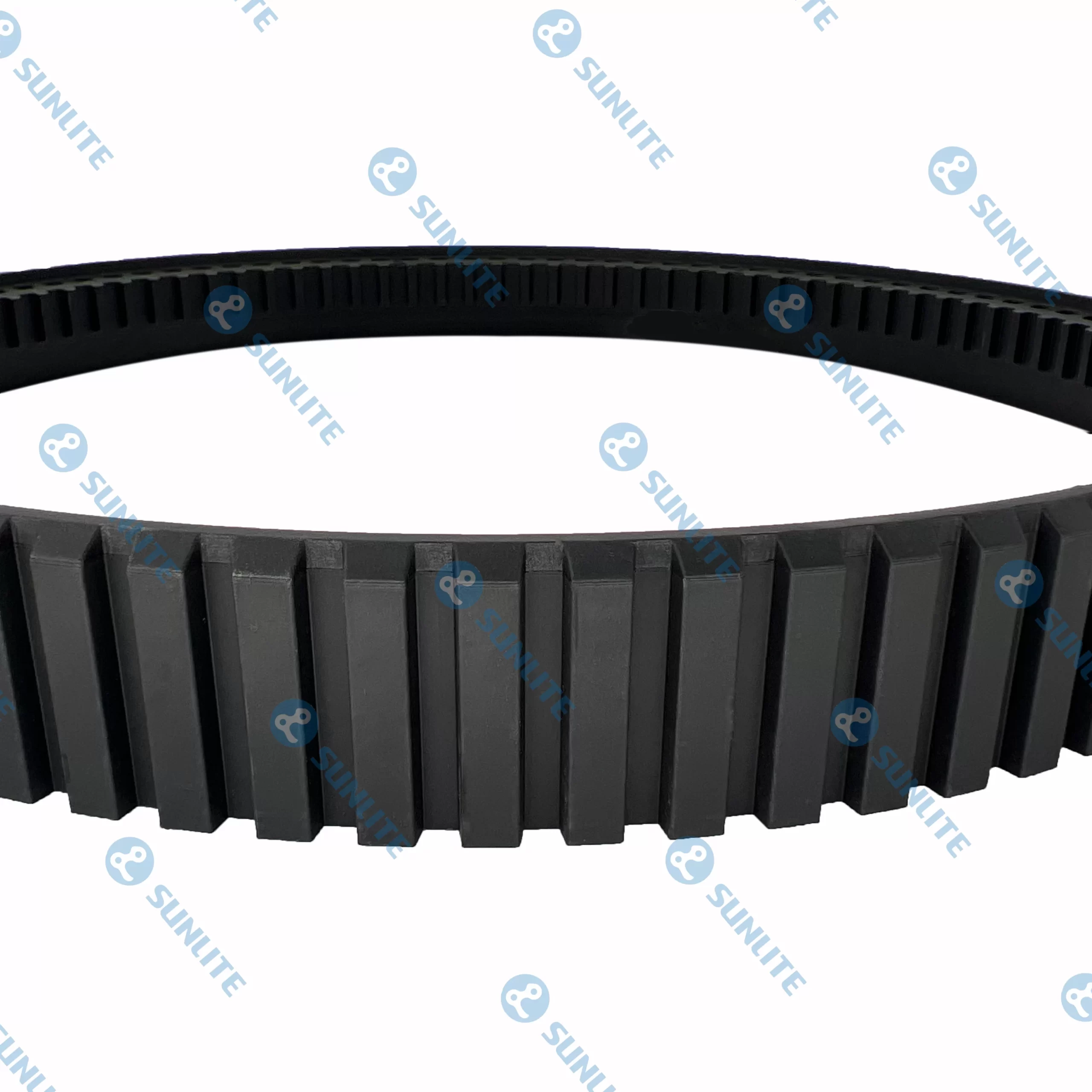
The rubber track product series uses NBR nitrile rubber as the primary material, specifically designed for underwater robots operating in complex environments such as underwater walking and pool wall climbing. It features excellent chemical corrosion resistance and high friction performance. Customization is available based on provided drawings or samples.
PRODUCT FUNCTION
Specially designed for underwater environments, these rubber tracks deliver superior traction and friction performance to ensure stable operation of underwater robots on slippery or inclined surfaces. The material features corrosion resistance, oxidation resistance, UV protection and ozone resistance, significantly extending equipment service life while enhancing operational stability.
PERFORMANCE INDEX
Chemical Resistance: Maintains ≥75% performance retention and ≤15% volume change after 30-day immersion in residual chlorine, copper sulfate, flocculants, acids/alkalis, sodium hypochlorite, etc.
UV Resistance: ≥75% performance retention after 168 hours of UV exposure
Ozone Aging Resistance: No surface cracks after 72 hours under ozone concentration conditions
Temperature Cycling Resistance: Meets dimensional requirements after 6 cycles between -20℃ to 60℃
APPLICATION AREA
This product of rubber tracks is widely used in intelligent equipment requiring high underwater friction and corrosion resistance, including underwater robots, pool cleaning devices, and submersible inspection robots. It is particularly suitable for complex underwater environments such as pool maintenance, scientific research exploration, and environmental monitoring.
Advanced underwater mobility for inspection and maintenance robots is critically dependent on the performance of their locomotion system, making rubber robot tracks a key element in next-generation designs. These tracks, specially formulated with NBR (nitrile rubber), are designed to overcome the fundamental challenge of achieving traction and stability in slippery, wet, and often chemically hostile underwater environments.
The core of this advanced mobility lies in the track's superior traction and friction performance. Underwater surfaces, whether pool walls, concrete structures, or metal pipelines, are inherently slick, posing a significant challenge to stable movement. The rubber robot tracks are engineered with a specific tread pattern and material composition to maximize grip, ensuring the underwater robot can achieve stable operation on slippery or inclined surfaces, including complex tasks like pool wall climbing. This capability is vital for underwater structure surface inspection & maintenance, where consistent wall contact is necessary for high-resolution surveying.
Durability and environmental resistance are crucial for ensuring continuous mobility. The track's chlorine-resistant & anti-corrosion properties are non-negotiable for long-term underwater use. NBR's formulation provides corrosion resistance, oxidation resistance, and resistance against chemicals like chlorine and acids often found in maintenance waters. This chemical stability prevents the track material from degrading, swelling, or hardening, which would severely compromise its friction capabilities and lead to slippage.
Furthermore, the rubber robot tracks offer exceptional resilience against environmental aging factors. Features like uv & aging resistance ensure that the material maintains its structural integrity and flexibility over time, resisting cracking from ozone and prolonged exposure. This resilience, combined with its temperature cycling resistance (ensuring dimensional stability across thermal changes), significantly extends the equipment service life and enhances operational stability in diverse conditions, from cold deep-sea exploration to warm pools. This high level of durability is particularly important for robots used in hazardous or complex settings like nuclear industry & high-radiation environment inspection.
The success of submarine pipeline/cable inspection tasks relies heavily on the stability and traction provided by the robot track system. These environments demand precise, sustained movement along curved, often fouled, and slippery surfaces, necessitating a track design with robust adhesion and resilience. Insights into track performance highlight how these components ensure the reliable execution of critical infrastructure monitoring.
A fundamental performance insight is the necessity of strong adhesion combined with high friction. Submarine pipelines and cables are typically covered in biofouling or sediment, presenting a smooth and challenging surface. The rubber robot tracks are specifically designed to grip these surfaces securely, ensuring the submersible inspection robot can maintain a fixed orientation and speed. This capability is essential for stable data acquisition, as any slippage or instability can compromise the quality and accuracy of sensor readings taken during the inspection run.
The track's chlorine-resistant & anti-corrosion material properties are paramount. Although submarine environments are primarily saltwater, the track must withstand galvanic corrosion threats posed by contact with metal structures, as well as the chemical complexities of surrounding sediment. The NBR rubber base offers excellent chemical corrosion resistance, protecting the track from degradation caused by various salts, sulfides, and organic acids found near pipelines and cables. This chemical resilience maintains the track's physical integrity and optimal tread depth over prolonged missions, securing its performance and extending service life.
Furthermore, operational stability is maintained through the track’s resistance to aging. The robot track features uv & aging resistance and ozone aging resistance. While submerged, it is protected from atmospheric factors, but during retrieval, deployment, and storage, exposure to sunlight and ozone can quickly damage conventional rubber. By resisting these effects, the track retains its flexibility and structural strength, ensuring consistent performance for future inspection tasks. This durability profile makes the rubber robot tracks suitable for the continuous, high-reliability needs of underwater structure surface inspection & maintenance and submarine pipeline/cable inspection.
Heavy duty robot tracks are absolutely essential for ensuring reliable mobility and operational success in challenging environments like sediment/sludge zone operations and hazardous or confined space inspection. These zones are characterized by low visibility, uneven terrain, soft substrates, and concentrated chemical contamination, all of which demand a locomotion system engineered for maximum grip and durability.
The ""heavy duty"" designation stems directly from the need for strong adhesion and superior traction in low-density, soft substrates. Unlike flat, hard surfaces, soft sediment and sludge require the rubber robot tracks to distribute the robot's weight effectively while maximizing contact area and sheer strength to prevent the robot from sinking or getting stuck. The NBR rubber tracks are specifically designed to provide the necessary friction and pushing power to navigate and operate stably within these viscous, unstable environments, ensuring the underwater robot can move effectively for sediment/sludge zone operations.
Material resilience is critical in these zones, as sludge often concentrates corrosive chemicals and hazardous materials. The track's chlorine-resistant & anti-corrosion features are necessary to maintain the integrity of the rubber tank tracks for robots. The NBR nitrile rubber base offers excellent chemical corrosion resistance, protecting the track material from acids, alkalis, and other aggressive substances often found in polluted sediment layers. This resilience ensures the tracks do not swell, weaken, or disintegrate upon prolonged contact with hazardous materials, a critical requirement for hazardous or confined space inspection and applications in the nuclear industry & high-radiation environment inspection.
Moreover, stability is guaranteed by the track's environmental durability features. The track’s uv & aging resistance and temperature cycling resistance ensure that the material remains robust and dimensionally stable despite operational stresses and varying thermal conditions. This long-term durability is a hallmark of heavy duty robot tracks, guaranteeing that the robot maintains stable footing and consistent traction across demanding terrains. The ability to customize the design also ensures the rubber robot tracks can be tailored for optimal weight distribution and tread depth specific to the viscosity of the target sludge, thereby guaranteeing the necessary stability for successful operation in the most challenging underwater areas.