Select Language APPLICATION SCENARIOS
1. Motor shaft sealing
2. Gearbox sealing
3. Battery compartment sealing
4. Switch and button sealing
5. Interface and connecting component sealing
Product Description
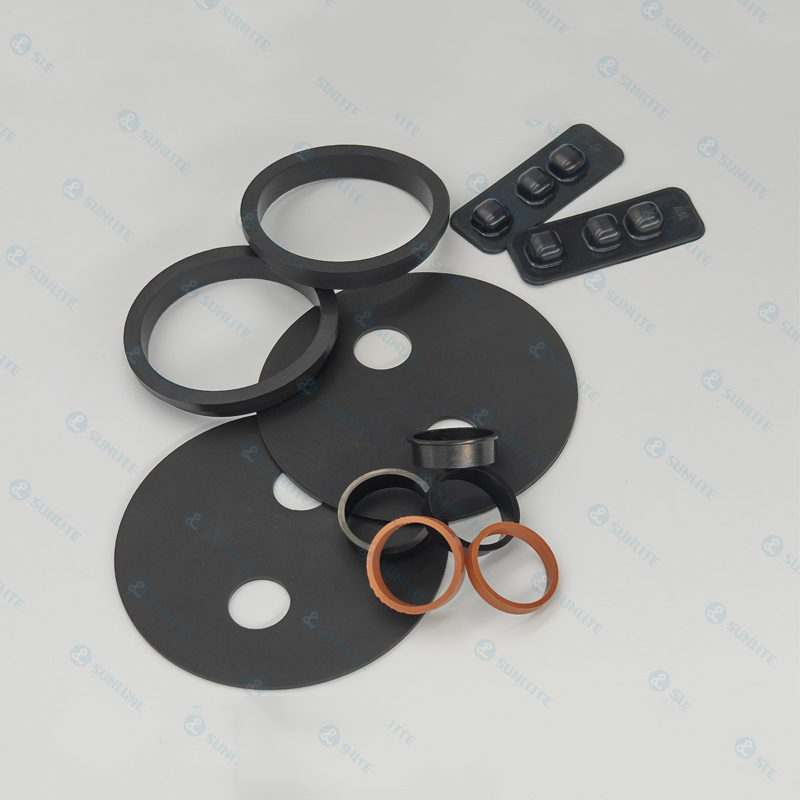
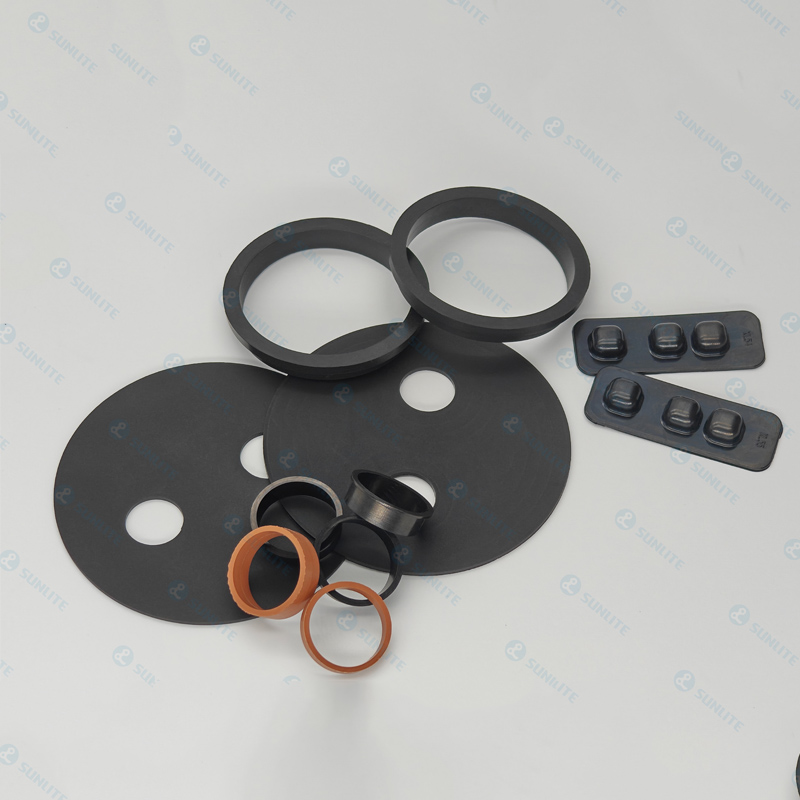
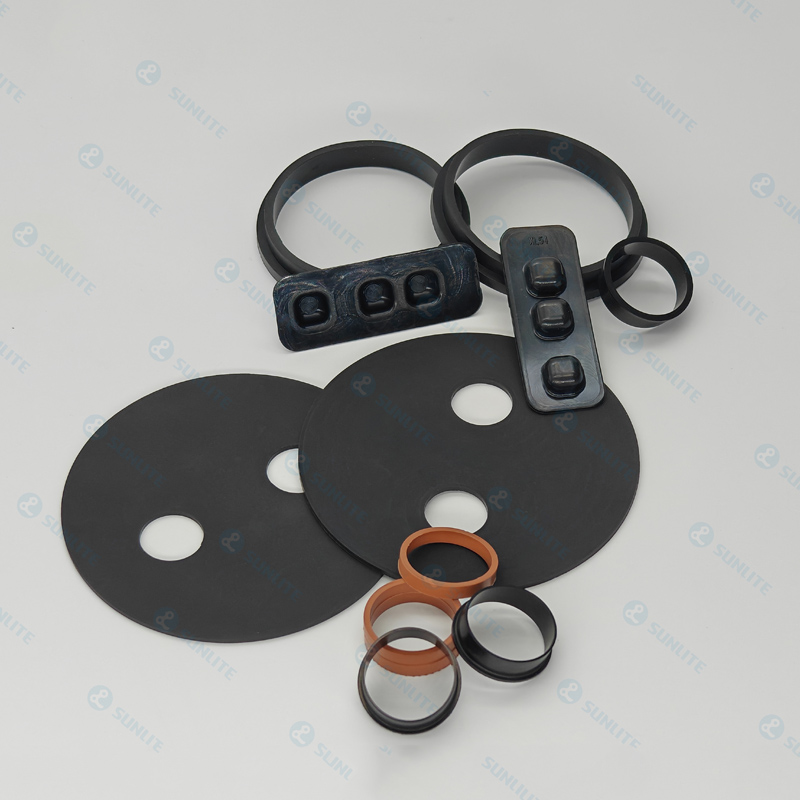
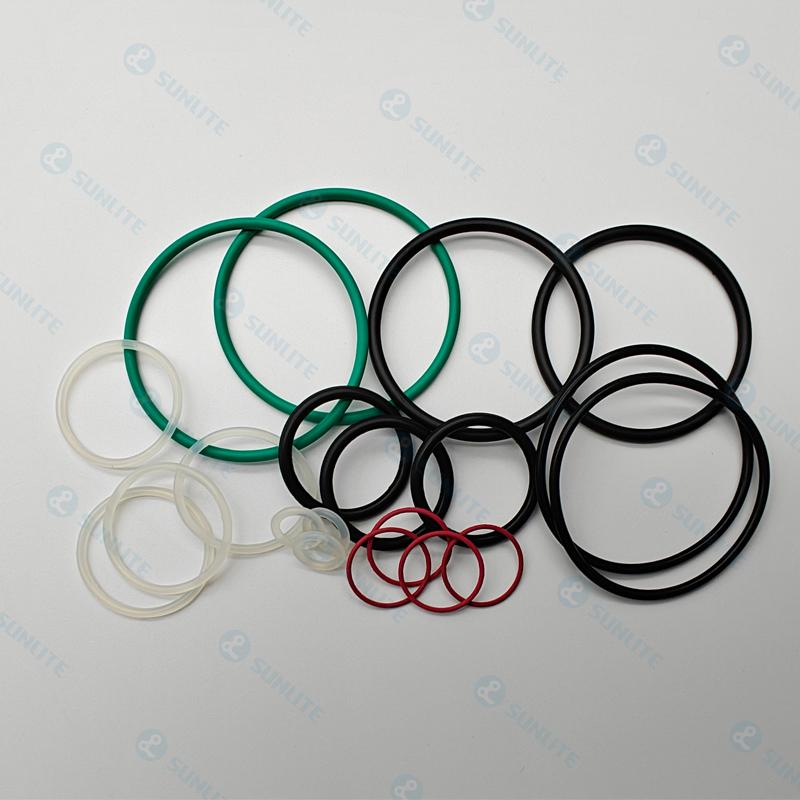
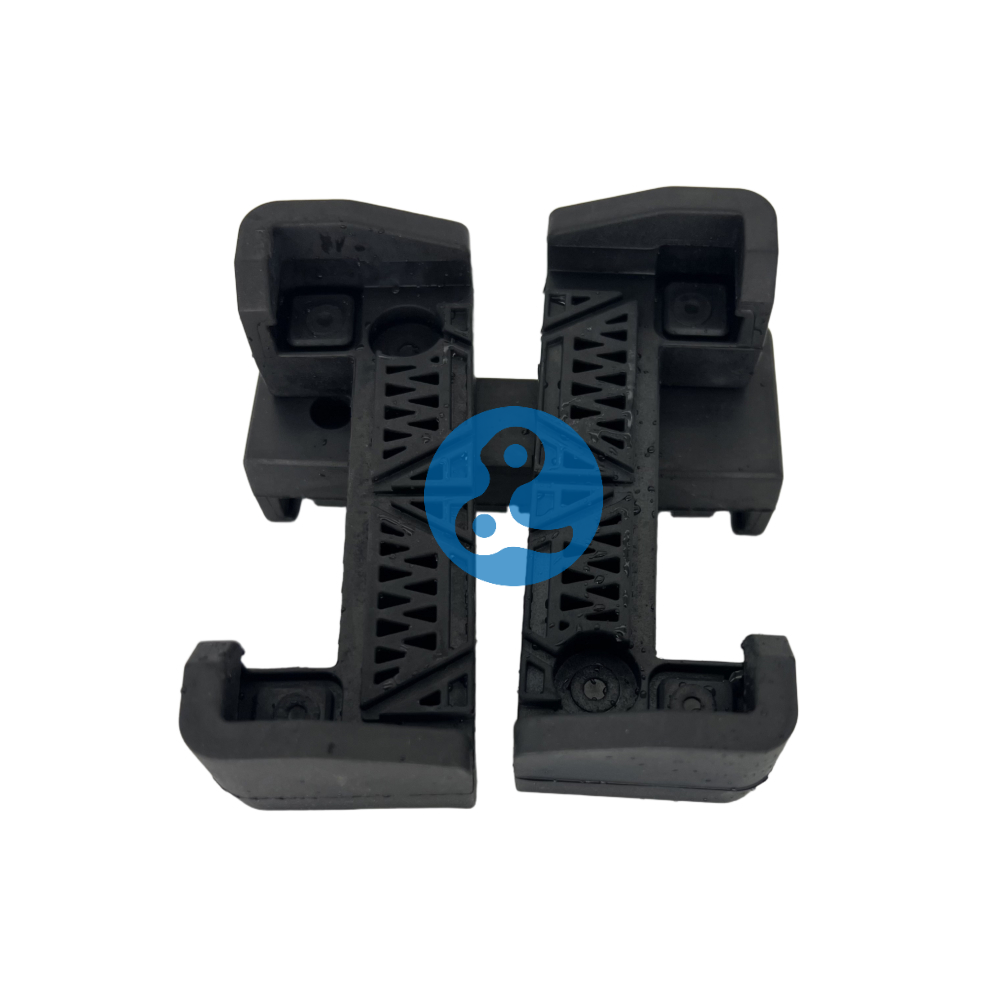
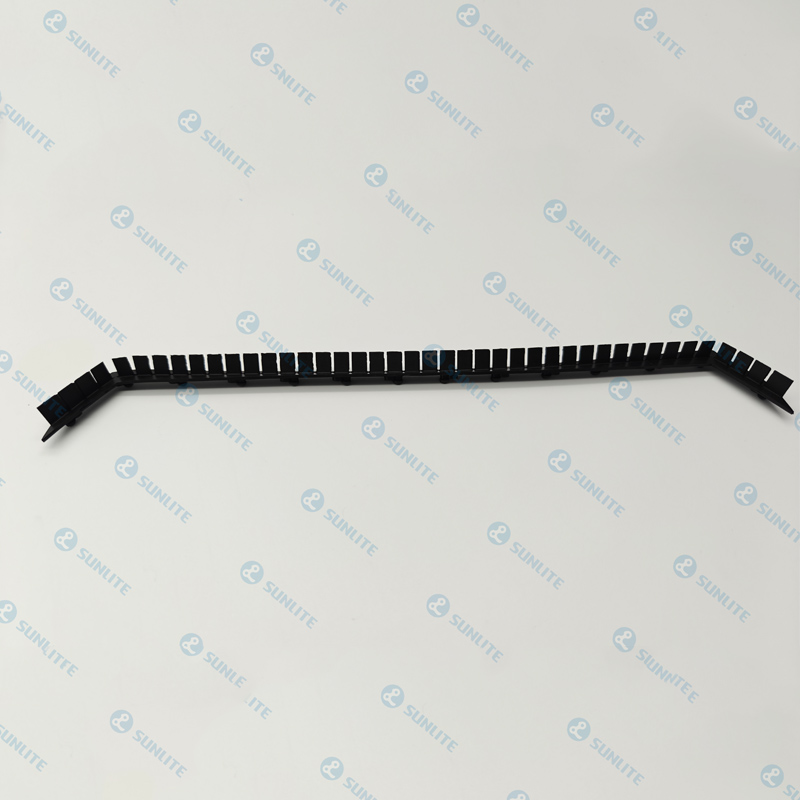
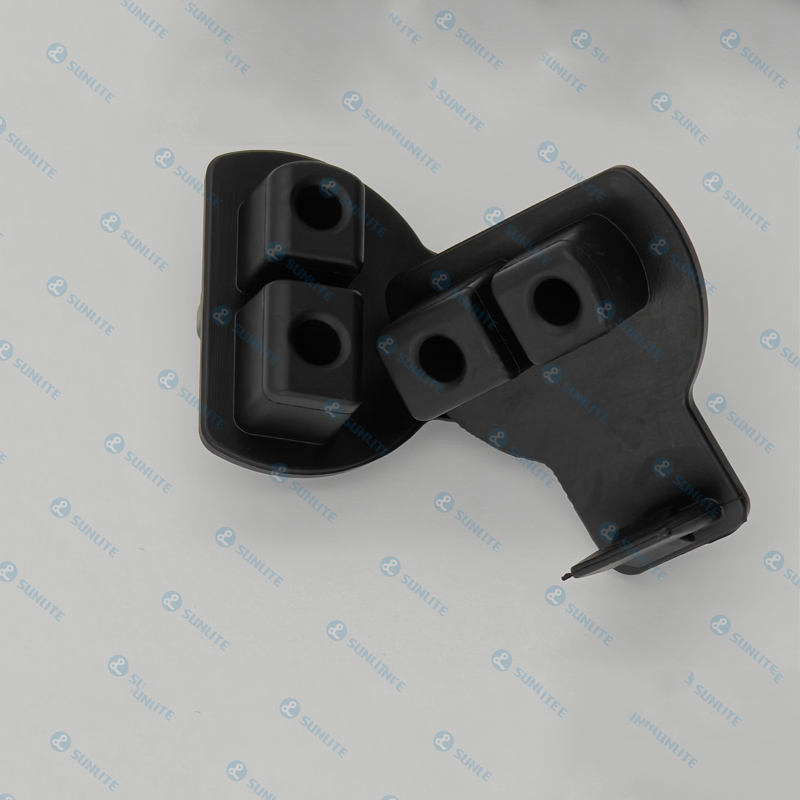
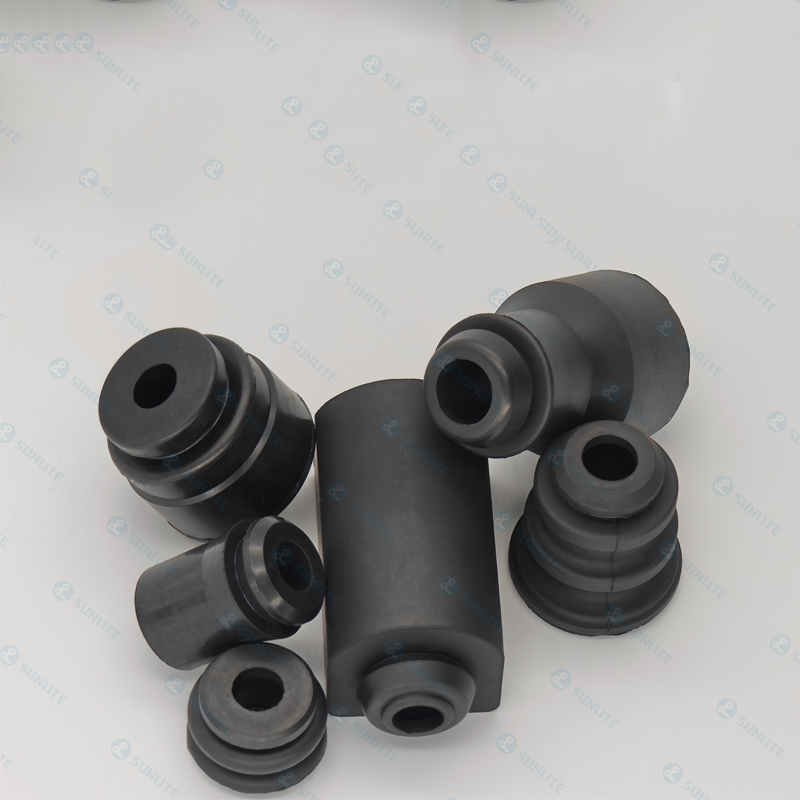
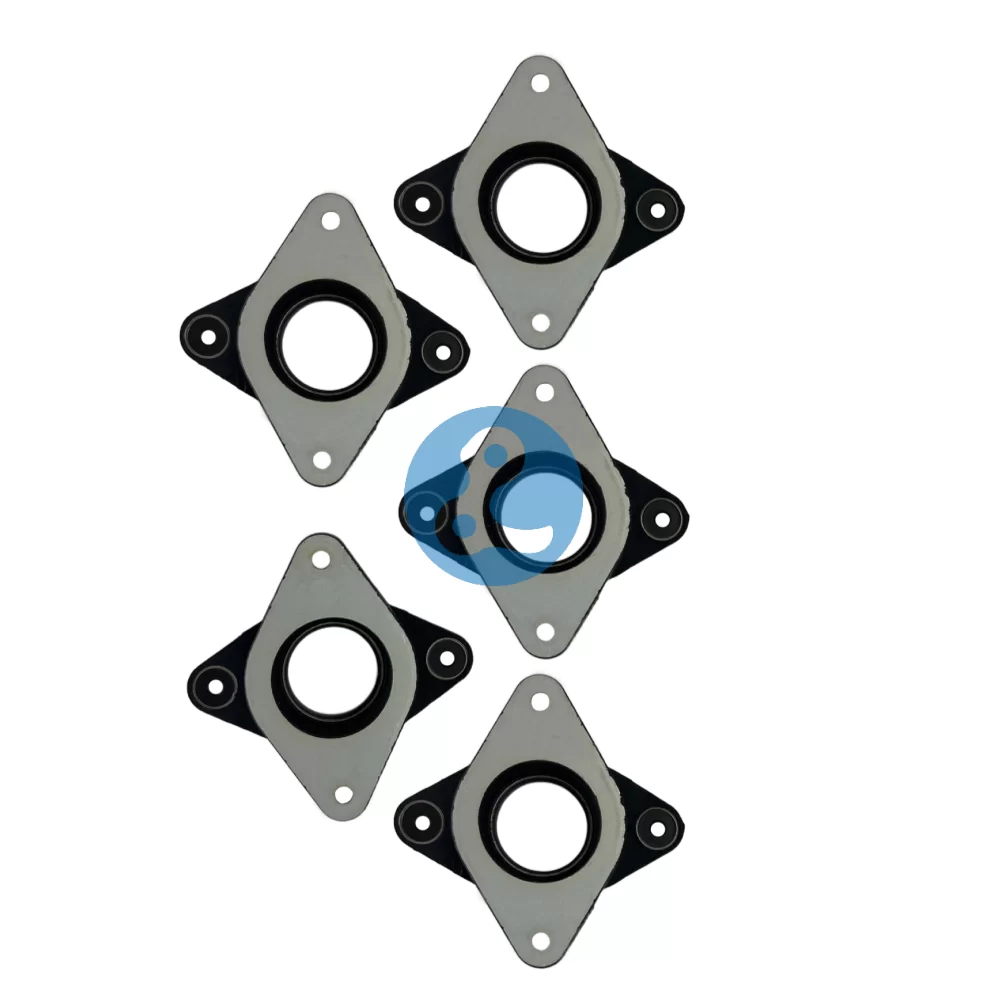
This series of sealing products are mainly made of EPDM (Ethylene Propylene Diene Monomer) or silicone. With a scientifically designed composite anti-aging and vulcanization system, they feature excellent chemical corrosion resistance and high/low temperature resistance. They are widely used for sealing pumps, valves, flanges, and compressor components in intelligent cleaning equipment and fluid pipeline systems. Suitable for motor intake gaskets, vibration-damping pads, sealing rings, sewage inlet seals, etc., supporting customization of sizes and formulations.
PRODUCT FUNCTION
The seal pad can resist various corrosive media such as acetic acid, bleach, detergents, ammonia water, and sea salt crystals for a long time;
Excellent resistance to high and low temperatures, adapting to complex operating environments;
With good resilience and low compression set, it ensures long-term effective sealing;
Enhances the sealing stability and operating life of key equipment such as pumps, valves, and motors.
PERFORMANCE INDEX
Chemical corrosion resistance for seal pad: After 120 hours of immersion in stock solution or saturated solution at 85℃, the mechanical property retention rate is ≥80%;
Volume and mass change rate: ≤10% for seal pad;
Hardness change for seal pad: ≤5 Shore A;
High and low temperature resistance range: EPDM applicable range is -40℃~150℃; silicone can reach -60℃~200℃;
Compression set: Superior grade, maintaining stable sealing effect under long-term working conditions for seal pad.
APPLICATION AREA
The seal pad is widely used in intelligent cleaning equipment, industrial pipeline systems, pumps, compressors, valves, and flange connection sealing structures, it is especially suitable for components and scenarios with high requirements for chemical corrosion resistance and environmental adaptability, such as motor intake gaskets, motor vibration-damping pads, protective rings, and sewage inlet sealing rings.

A Seal Pad is a critical sealing component engineered to provide reliable protection against water, dust, oil, and environmental contaminants in a wide range of mechanical and electronic systems. Designed for long-lasting performance and high structural integrity, the Seal Pad plays an essential role in safeguarding internal components such as motor shafts, gearboxes, battery compartments, switches, buttons, and interface connectors.
One of the primary functions of the Seal Pad is motor shaft sealing, where it prevents lubricant leakage while blocking contaminants from entering the rotating system. This ensures smooth motor operation, reduces wear on bearings, and maintains long-term mechanical stability. High-quality Seal Pads used around the motor shaft are typically made from rubber, silicone, EPDM, fluororubber, or specialized elastomer compounds that can withstand rotational friction and temperature fluctuations.
In gearbox assemblies, the Seal Pad provides additional sealing protection to retain transmission fluid and prevent dust or metal particles from entering the gear chamber. By maintaining a clean and lubricated environment, the Seal Pad supports efficient gear engagement, quiet operation, and prolonged equipment lifespan.
The battery compartment sealing function is another crucial application, especially in handheld devices, power tools, drones, and smart electronics. A well-designed Seal Pad creates a moisture-proof and dust-proof barrier around the battery housing, protecting delicate electronics from corrosion, short circuits, and environmental damage. Waterproof Seal Pads can also help devices achieve IP ratings such as IP54, IP65, or IP67 depending on the material and structure.
In devices with switches and buttons, a Seal Pad prevents contaminants from entering the control interface. This protects electronic contacts, maintains stable button feedback, and ensures reliable operation even in outdoor or dusty conditions. The Seal Pad also improves tactile comfort by providing cushioning beneath the button surface.
For interface and connecting components, such as ports, joints, and connectors, the Seal Pad acts as a buffer while sealing gaps between assembled parts. It enhances mechanical stability, reduces vibration, and prevents ingress of unwanted particles or moisture. This is particularly important in equipment that experiences frequent movement or exposure to harsh environmental conditions.
Seal Pads can be fully customized with different hardness levels, thicknesses, geometries, and materials to match the structural needs of the equipment. Precision die-cutting, molded designs, foam-rubber composites, and layered sealing structures allow Seal Pads to adapt to irregular shapes, tight tolerances, and dynamic mechanical conditions.
Overall, the Seal Pad provides essential sealing protection for modern mechanical and electronic devices, enhancing durability, improving safety, and prolonging service life across industrial, consumer, and outdoor applications.
A Seal Pad is an engineered sealing solution designed to ensure environmental protection, mechanical stability, and long-term reliability in equipment exposed to moisture, dust, vibration, and temperature changes. Its applications are diverse, ranging from motor shafts and gearboxes to battery housings, control switches, and connection interfaces.
One of the most important roles of the Seal Pad is in motor shaft protection. Here, the pad forms a tight, flexible seal around the rotating shaft, preventing oil leakage while blocking contaminants from entering the motor cavity. This function directly improves motor efficiency and prevents premature failure due to bearing wear or internal pollution.
In gearbox systems, where gears operate under high load and rotational speed, the Seal Pad maintains a controlled environment by keeping lubricants inside and abrasive particles out. This is important for ensuring smooth gear meshing and minimizing mechanical noise. The material composition of the Seal Pad—often high-strength rubber, silicone, or fluoroelastomer—provides excellent resistance to compression set and mechanical deformation.
Sealing of the battery compartment is equally essential, particularly in portable or outdoor electronics. The Seal Pad provides a gasket-like barrier that prevents moisture intrusion and dust accumulation around sensitive battery electronics. This helps maintain product reliability in harsh outdoor conditions and can support the device in achieving waterproof and dustproof ratings commonly required by international standards.
Another area where the Seal Pad plays a critical role is in switch and button protection. Control interfaces are often vulnerable to contaminants entering through gaps around the buttons. A Seal Pad placed beneath or around the switch assembly ensures consistent sealing, stability, and tactile performance, even under repeated operation or vibration.
For interface ports and connecting components, such as joints, plugs, and assemblies, the Seal Pad provides both structural cushioning and environmental sealing. It helps absorb vibrations, reduce noise, and prevent ingress of oils, water, and dust. This is particularly valuable in machinery, automotive systems, drones, and industrial electronics where connections are routinely exposed to dynamic conditions.
High-quality Seal Pads can be produced from a variety of materials including silicone rubber, EPDM, NBR, foam rubber, polyurethane foam, fluororubber (FKM), or soft composite materials. Each material offers unique advantages such as heat resistance, chemical resistance, elasticity, compression resilience, or long-term weathering stability.
Advanced manufacturing techniques, including precision die-cutting, molded sealing structures, laminated composites, and 3D-profiled gaskets, allow Seal Pads to be tailored for specific equipment designs. Custom shapes can be engineered to fit tight gaps, uneven surfaces, or components requiring multi-point sealing protection.
With increasing demands for equipment durability and environmental resistance, the Seal Pad has become an indispensable component in modern engineering. It enhances waterproofing, improves product safety, supports mechanical performance, and extends the lifespan of devices operating in challenging environments.