Select Language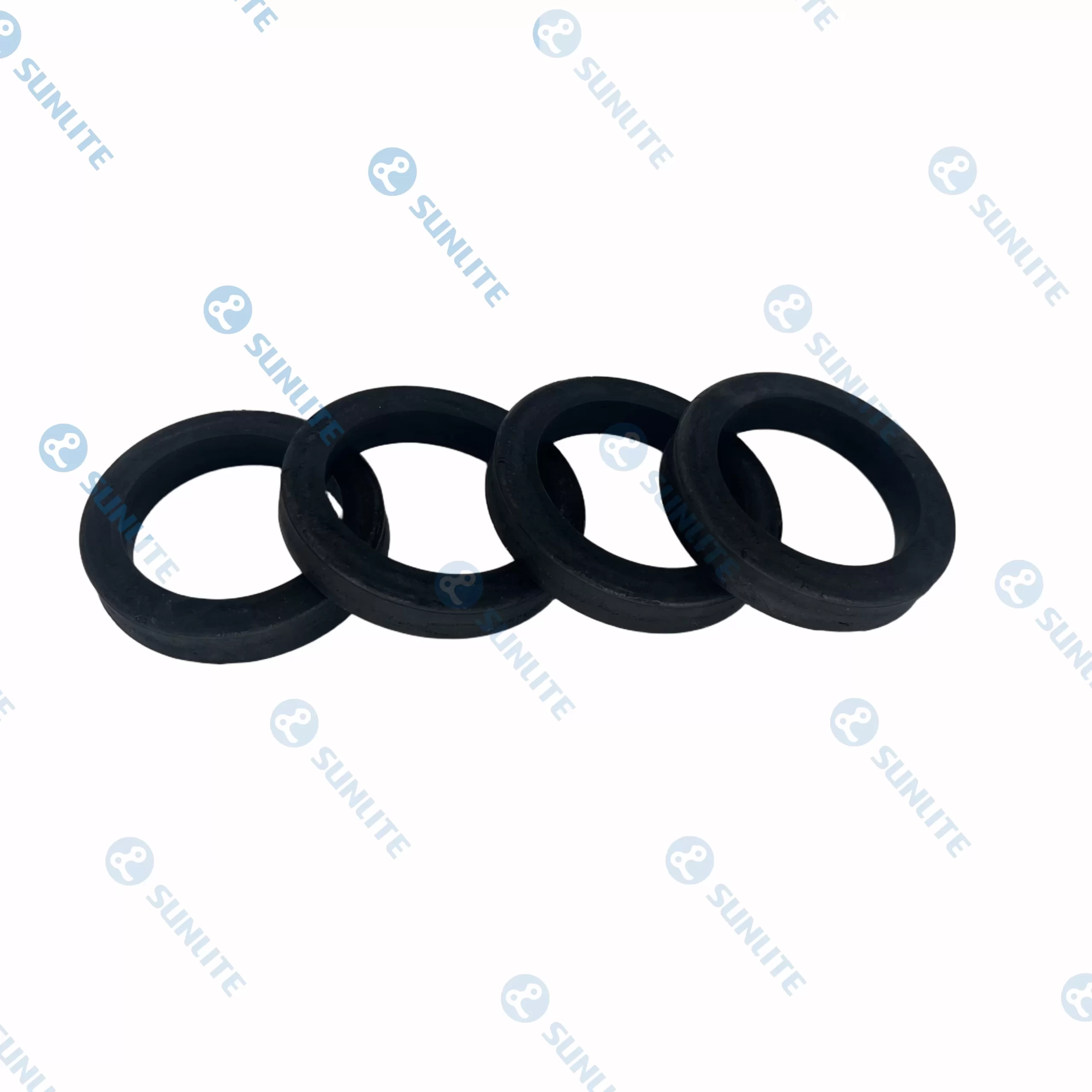
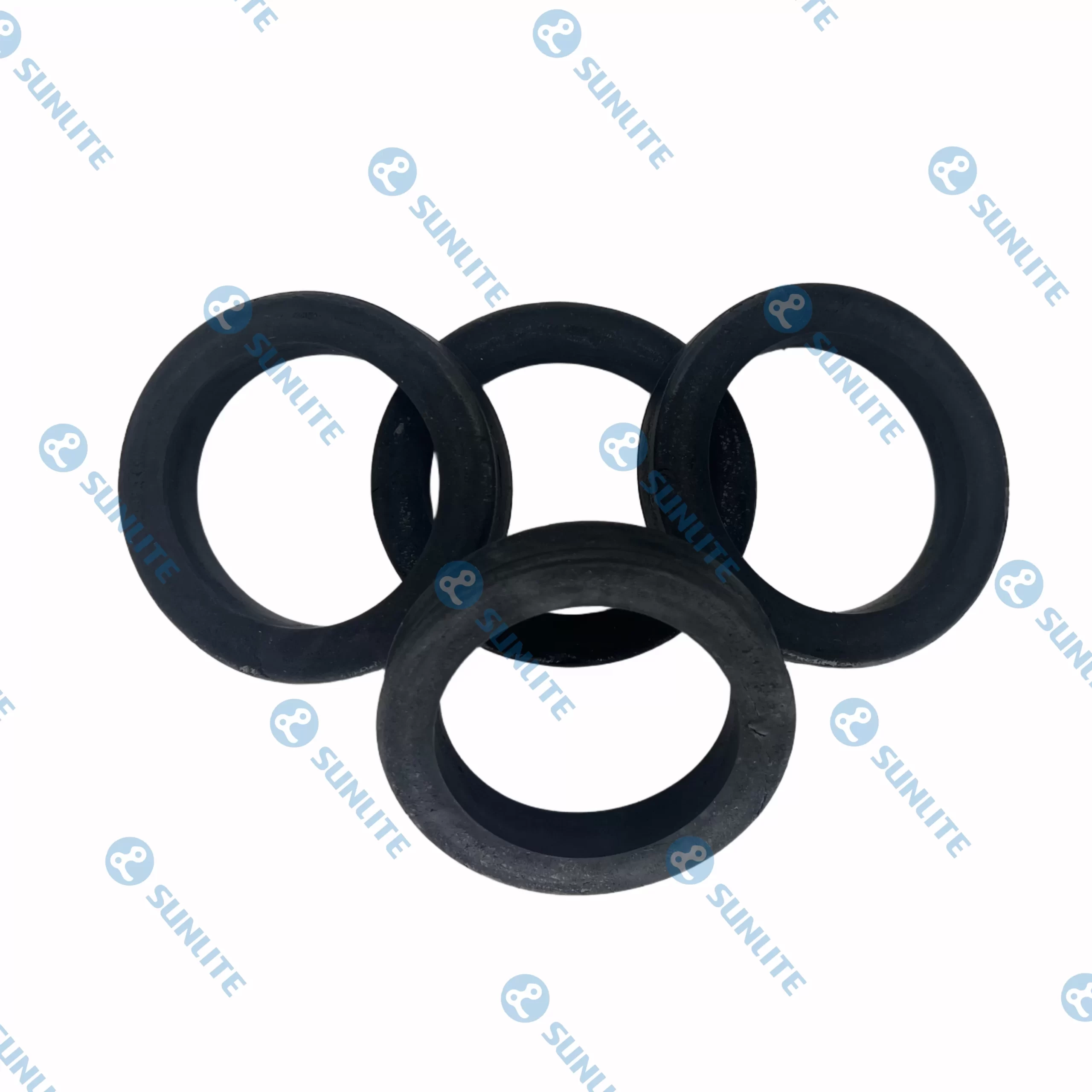
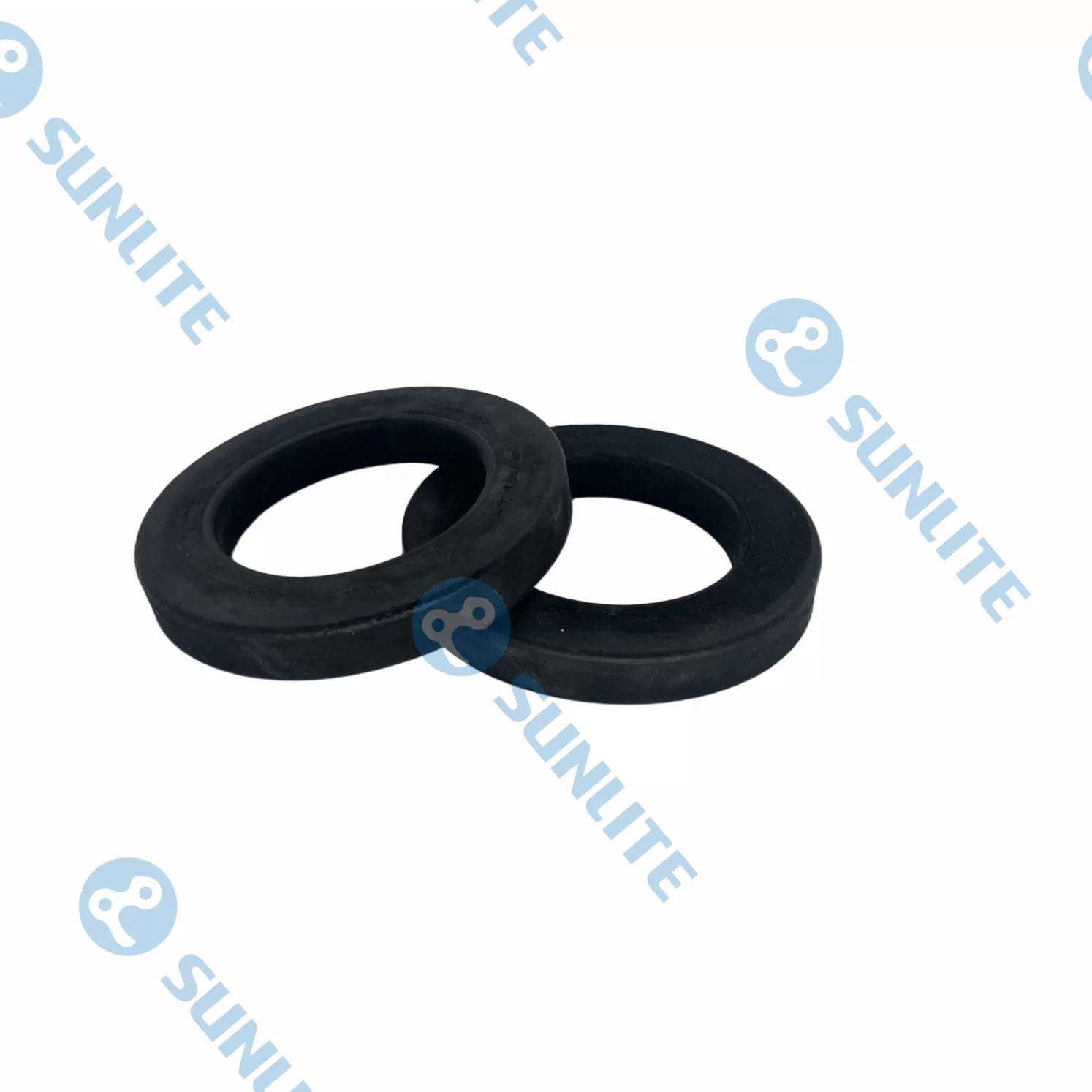
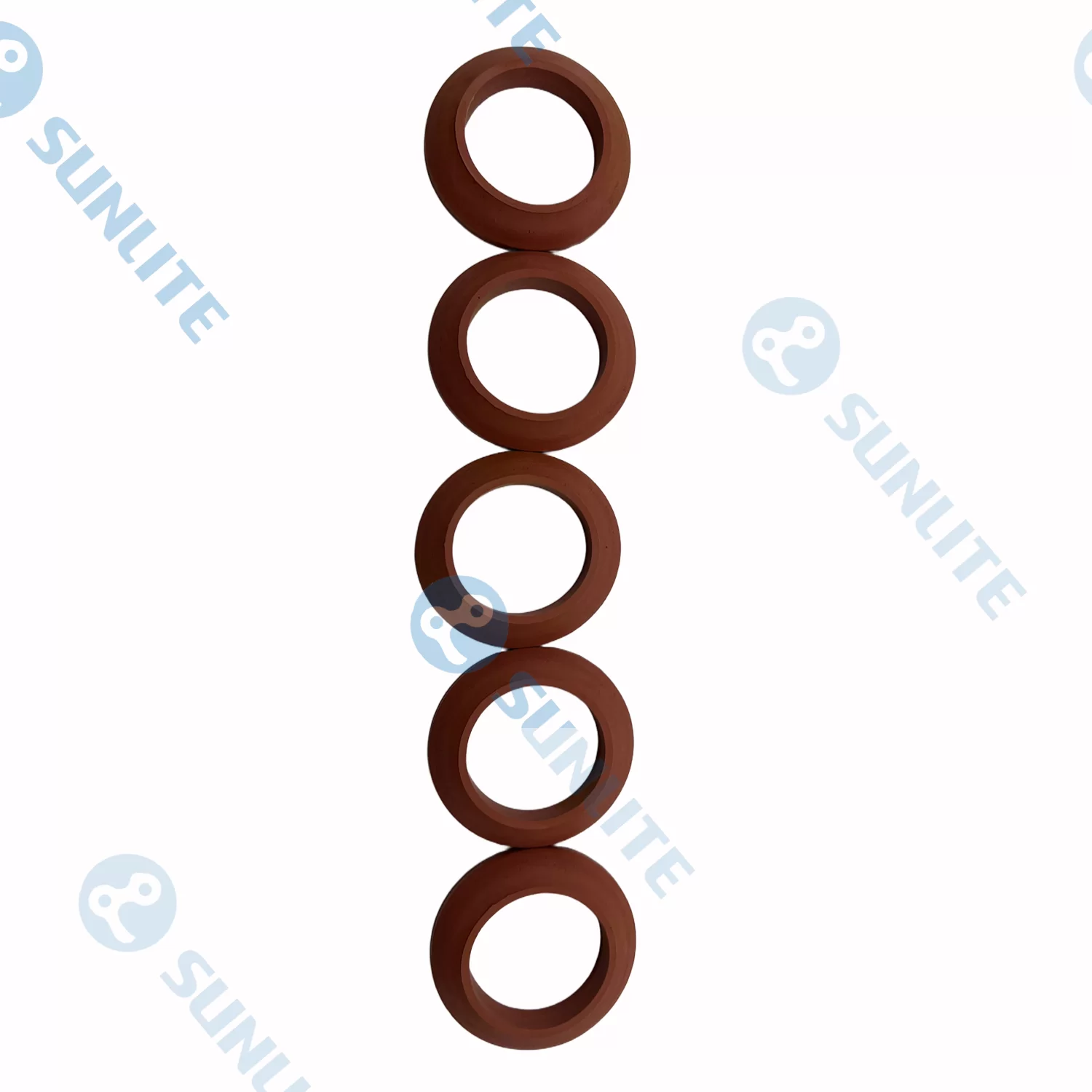
APPLICATION SCENARIOS
1. Cushioning for toilet installation base to prevent shaking and damage to the floor
2. Sealing of the connection between faucet and water pipe to prevent water leakage
3. Cushioning between washbasin and bracket to reduce vibration and noise
4. Sealing of shower door frame to prevent water leakage and collision damage
Product Description
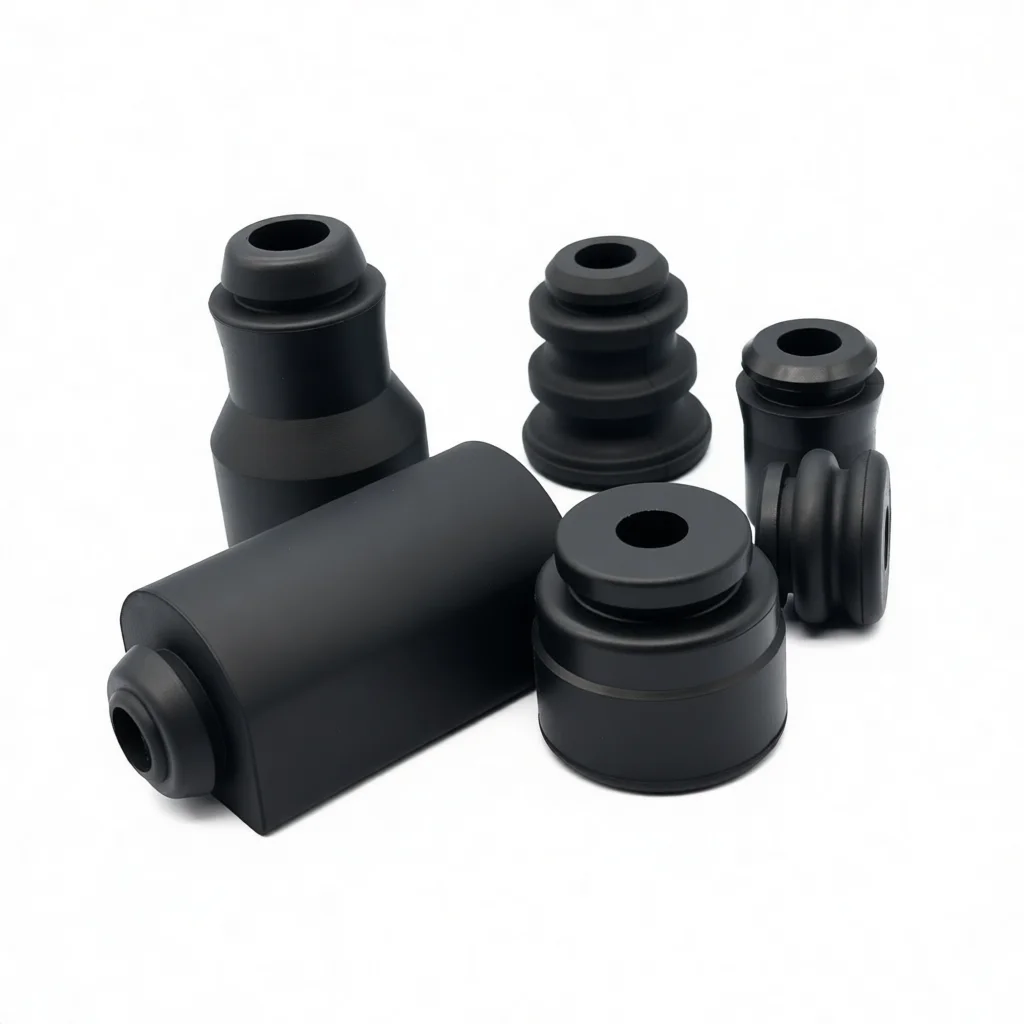
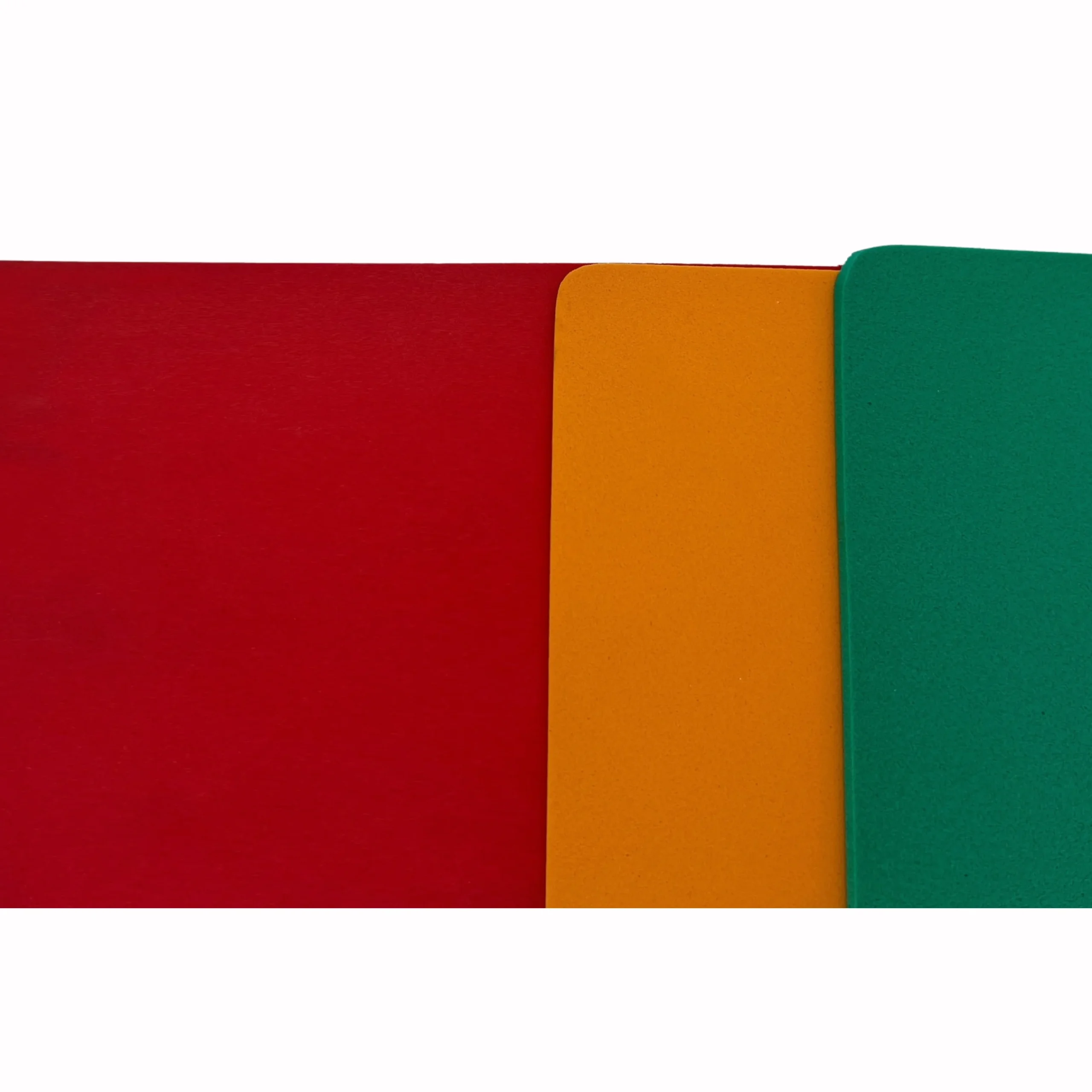
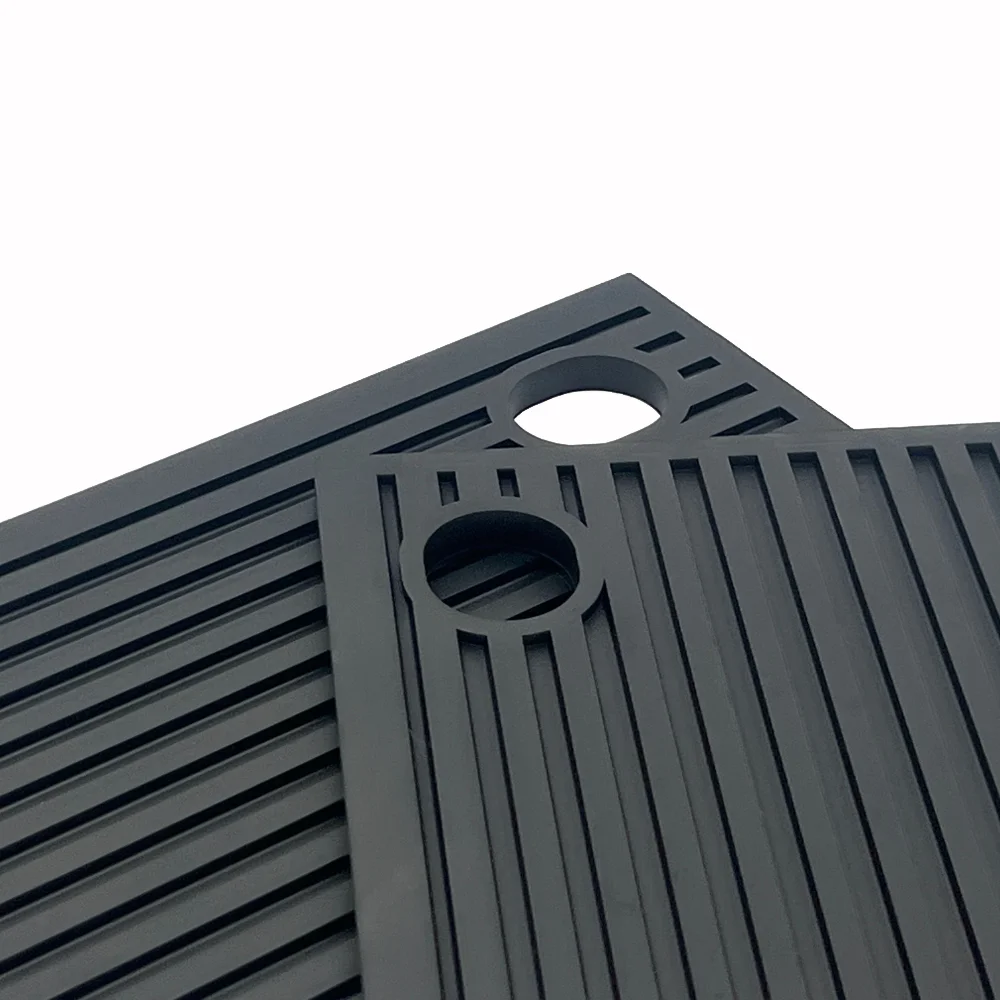
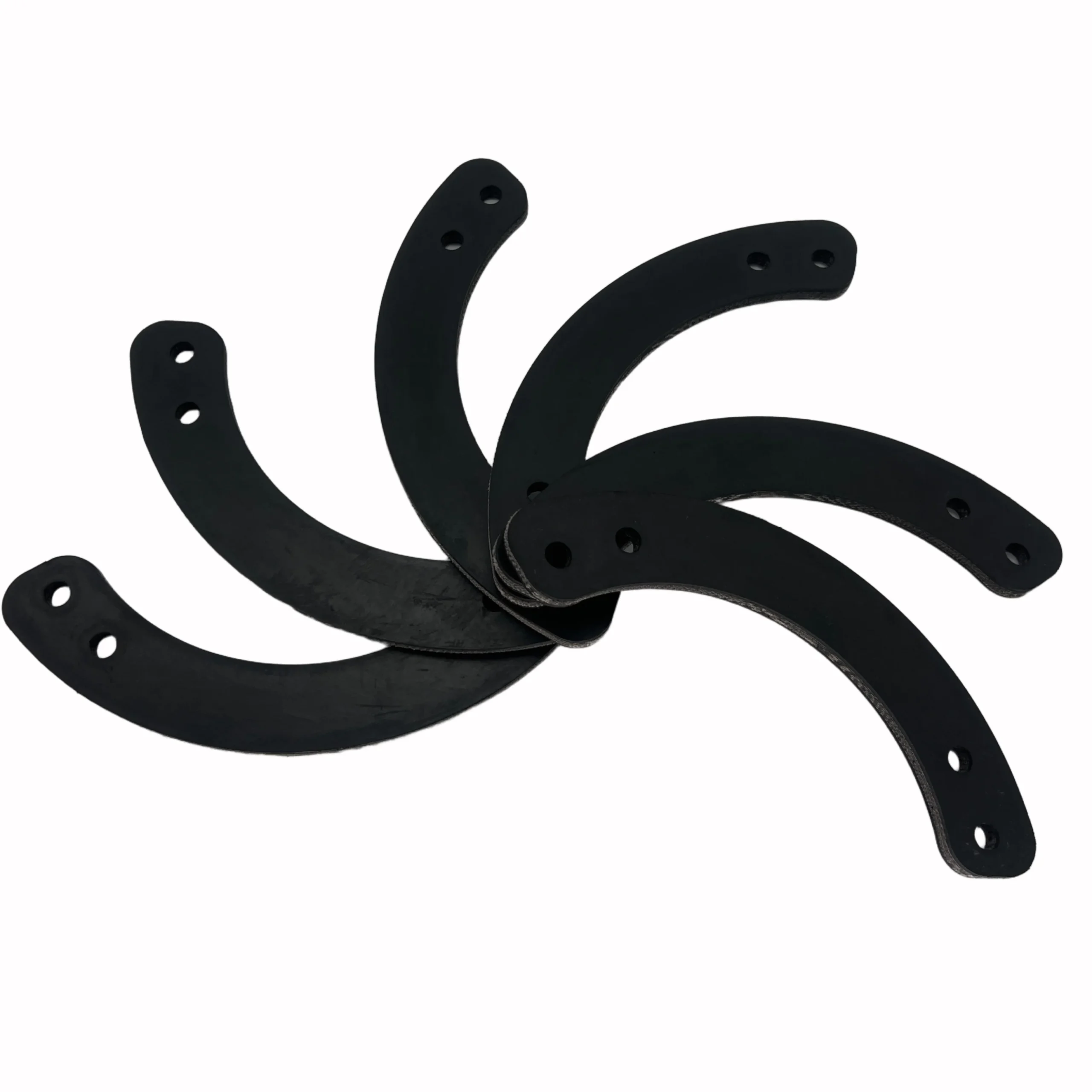
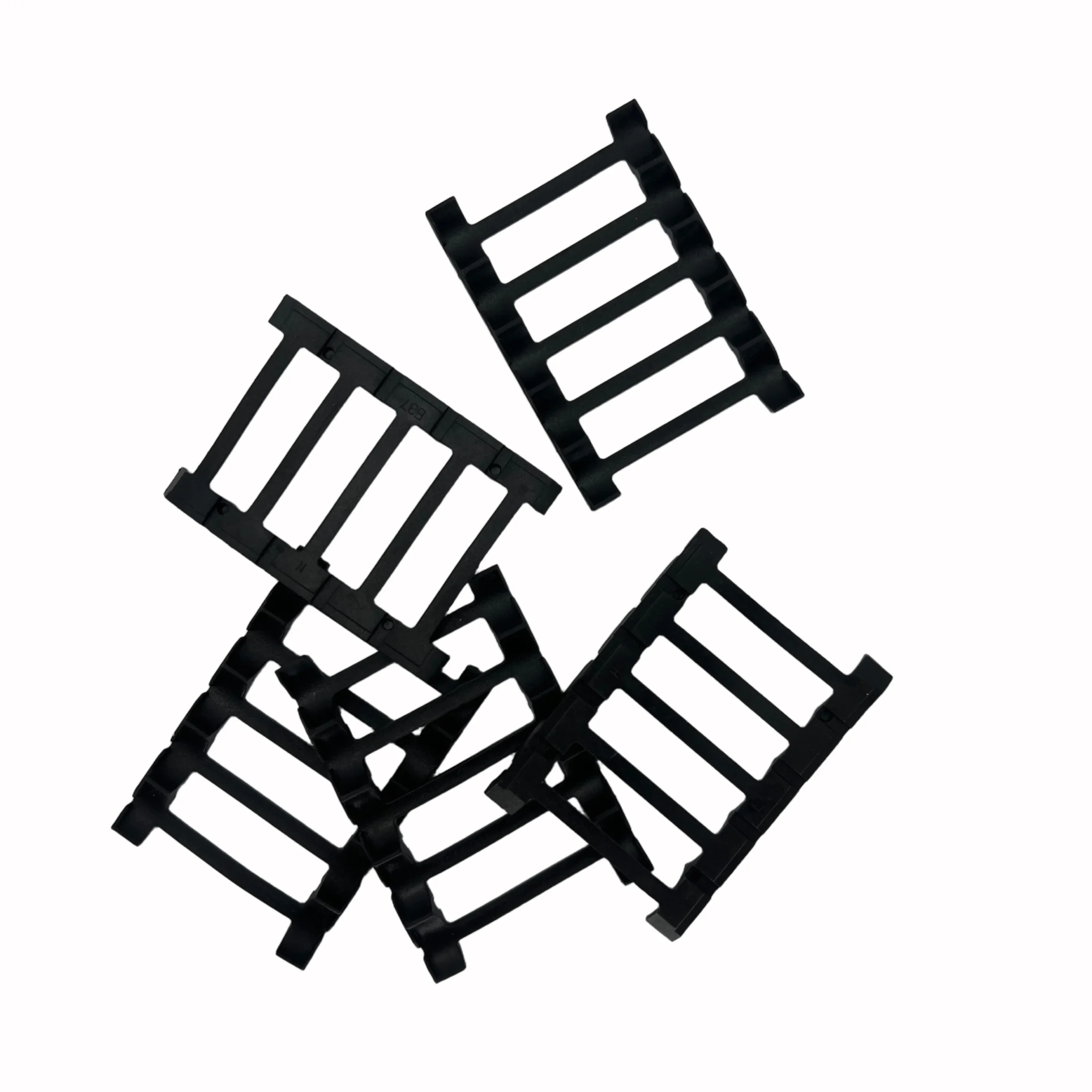
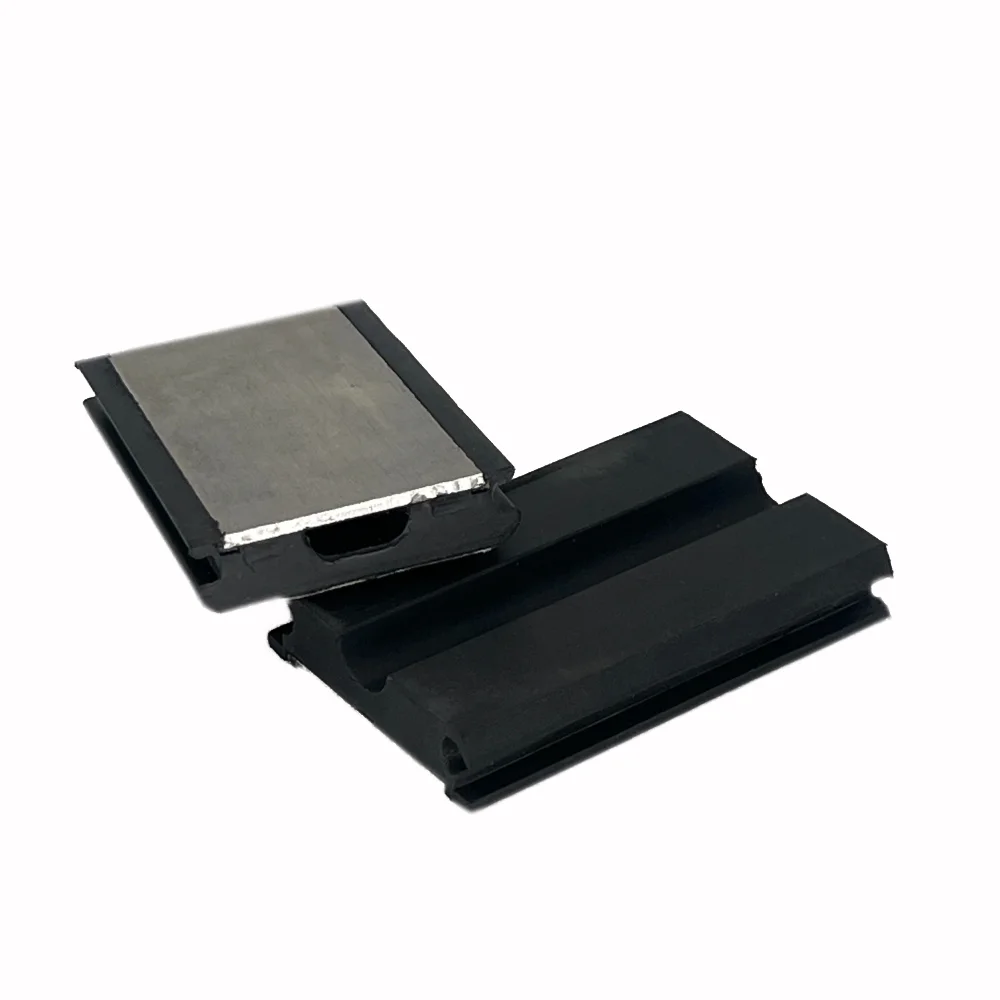
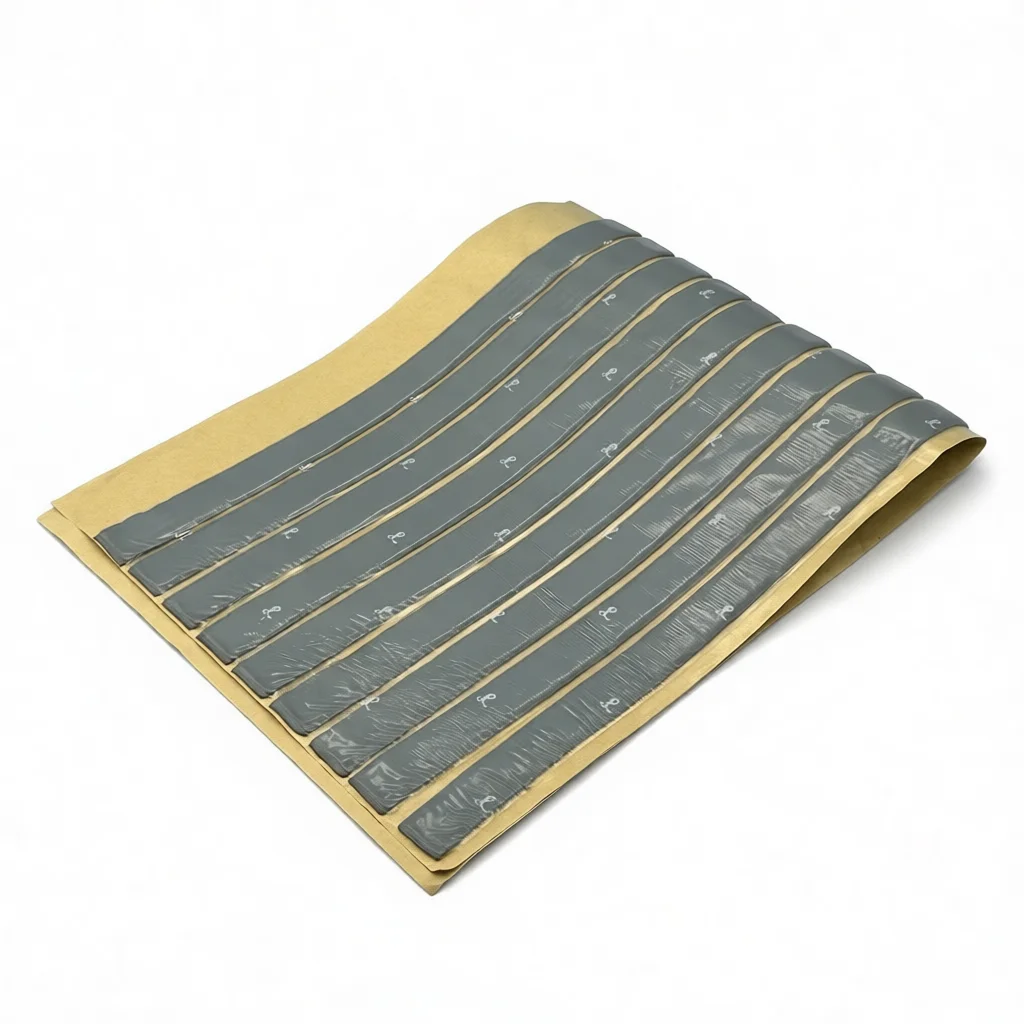
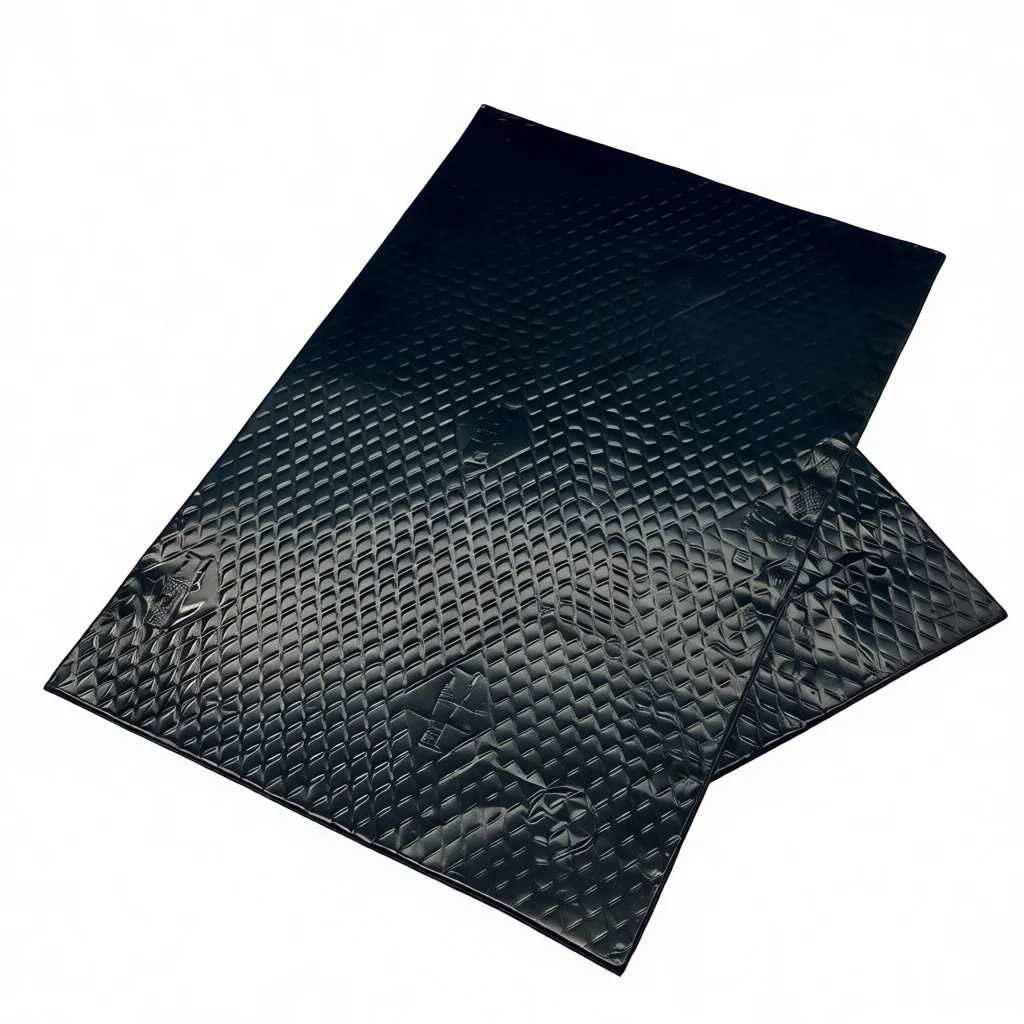
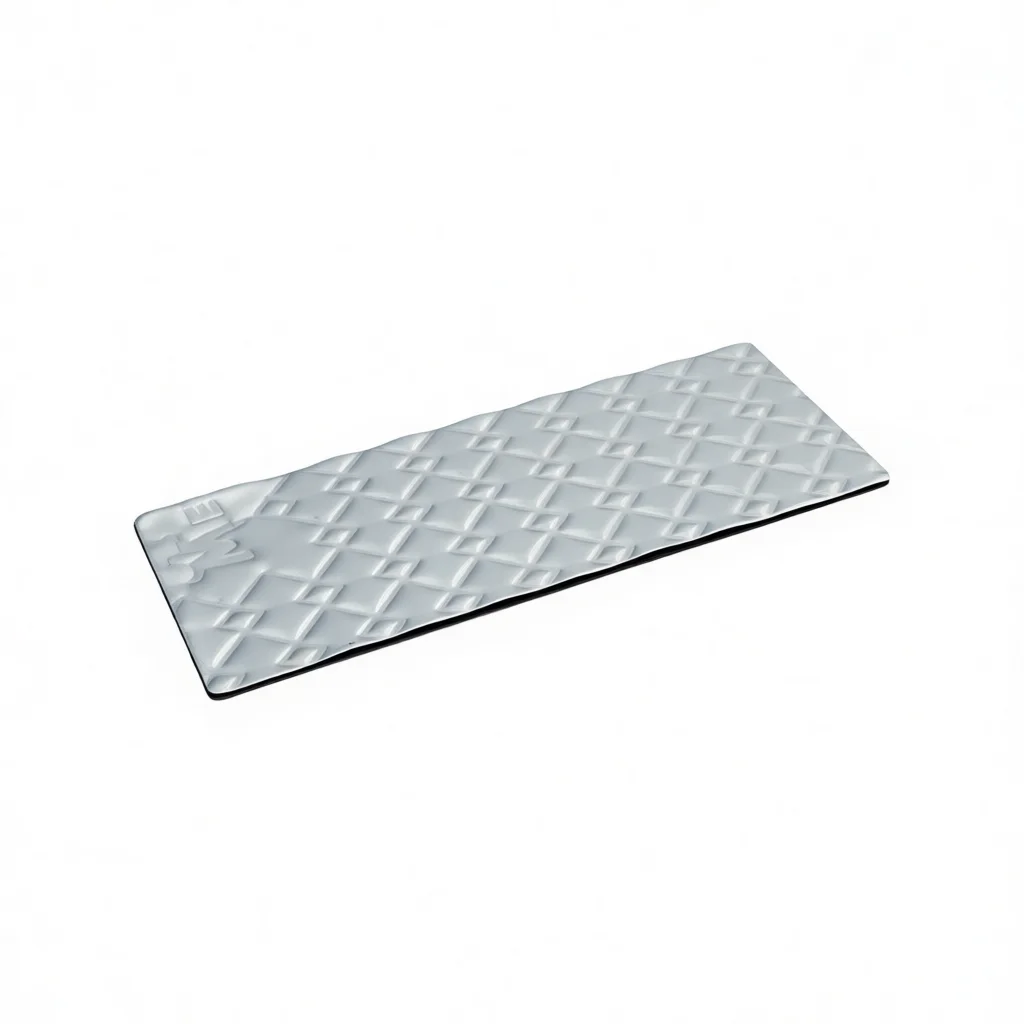
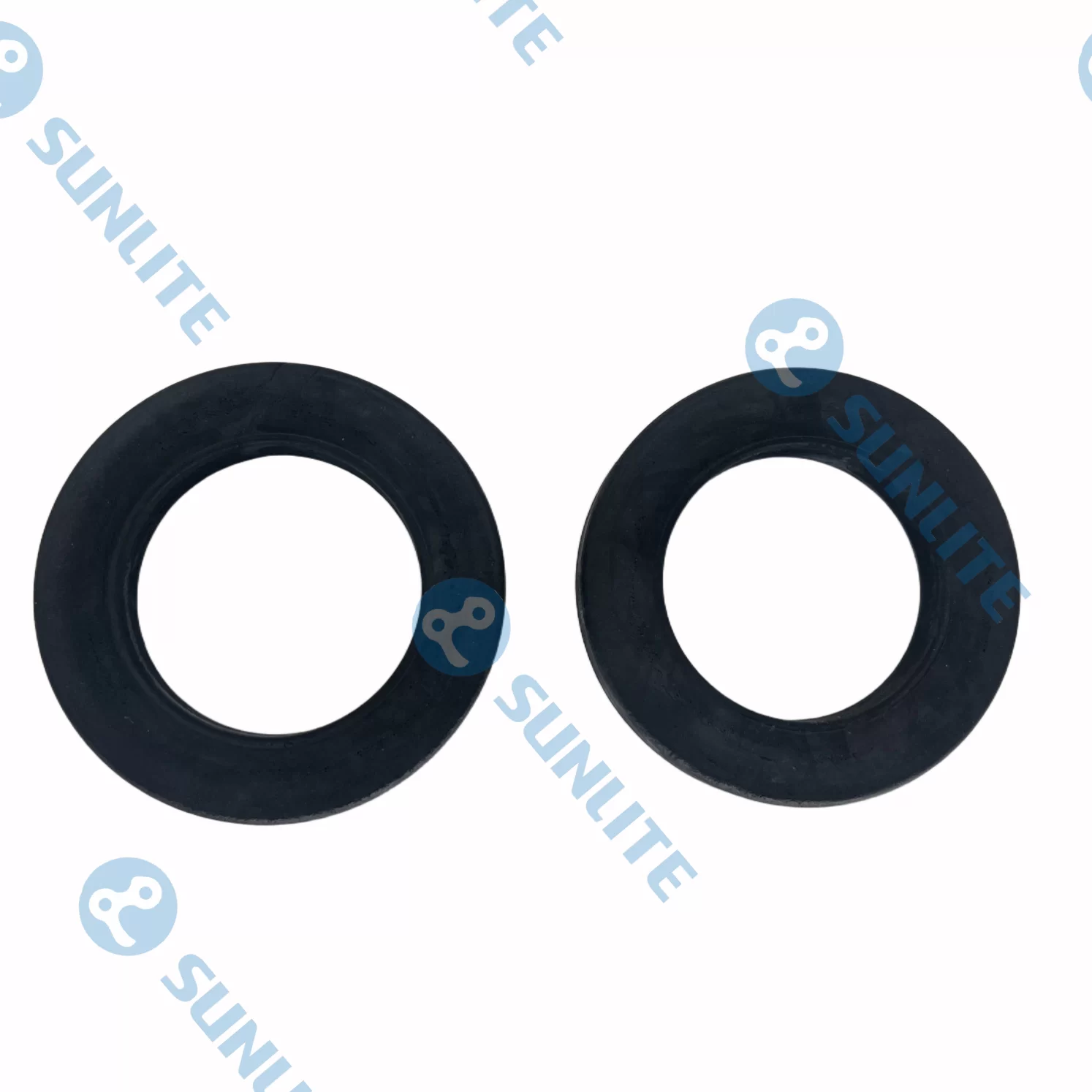
This series of sealing and cushioning parts are mainly made of foamed EPDM or natural rubber (NR), using a molding process. The material has a uniform structure and dense closed cells, with a density range of 0.25–0.85g/cm³. The product features both low water absorption (<1%) and="" high="" compression="" rebound="" rate="">85%), along with excellent weather resistance, resilience, chemical resistance, and water sealing performance. It is widely used in sanitary ware, hardware connection sealing, and cushioning & shock absorption scenarios. The product complies with environmental regulations such as RoHS2.0, REACH, PAHs, POPs, TSCA, and PFAS, and customization services are available.
PRODUCT FUNCTION
Sealing and leak-proofing: Effectively seal water tank components, faucet and water pipe interfaces to prevent leakage;
Cushioning and shock absorption: Used in the contact area between the toilet base and the floor to prevent shaking, indentation and damage;
Noise reduction and vibration isolation: Installed between the washbasin and bracket, it can reduce vibration and noise generated during use;
Strong structural stability: The closed-cell foam structure ensures minimal long-term compression deformation, maintaining sealing performance;
Eco-friendly and healthy: Free of harmful substances, suitable for domestic water systems with high requirements for hygiene and safety.
PERFORMANCE INDEX
Material: Foamed EPDM or Natural Rubber (NR)
Density: 0.25–0.85g/cm³
Compression rebound rate: >85%
Water absorption: <1% (closed-cell structure)
Weather resistance: Ozone-resistant, UV aging-resistant, with long outdoor service life
Chemical resistance: Resistant to weak acids, weak alkalis, cleaning agents, scale, and hard water corrosion
Environmental standards: Compliant with RoHS2.0, REACH, PAHs, POPs, TSCA, PFAS requirements
APPLICATION AREA
Sealing of water tank and fitting interfaces: Used in internal component assembly for waterproof sealing;
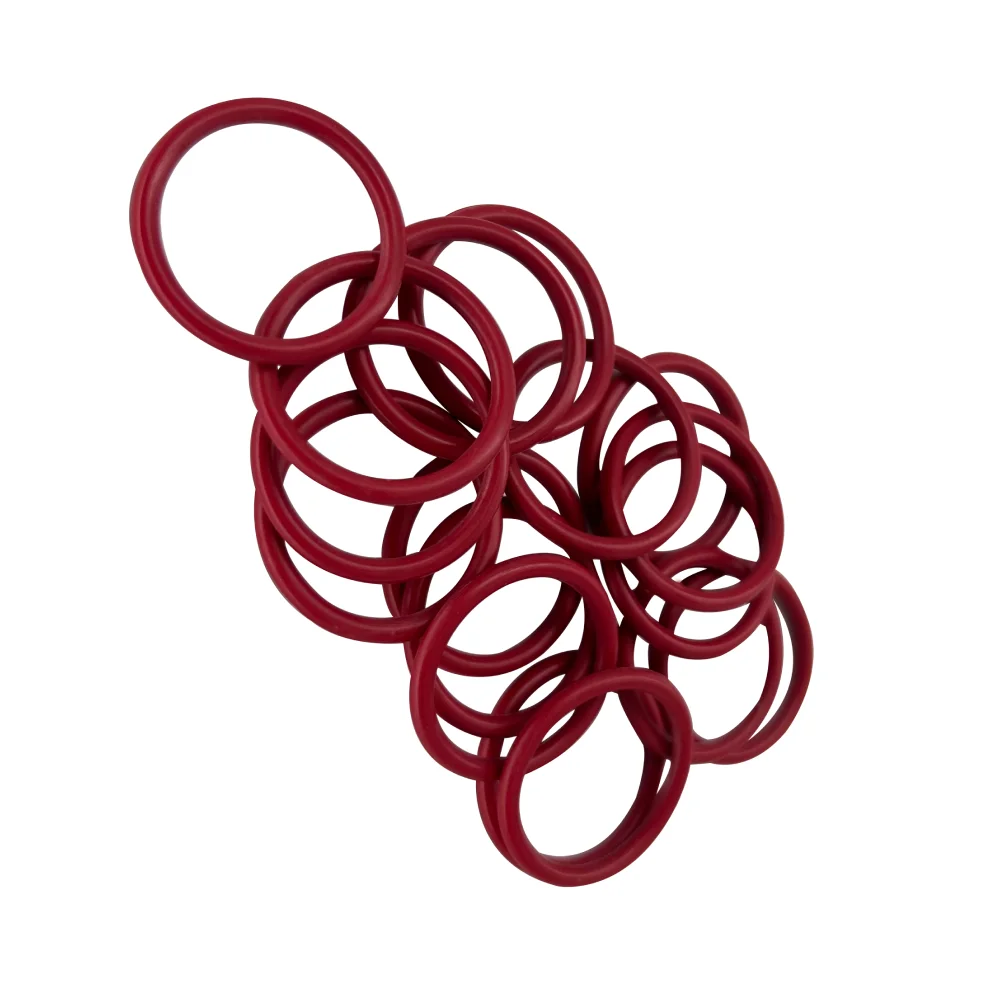
Connection between faucet and water inlet hose: Sealing rings prevent water leakage and enhance connection stability;
Toilet base cushion pads: Prevent contact wear between ceramic and the floor, and stabilize the structure;
Vibration isolation parts between washbasin and bracket: Reduce installation resonance and metal abnormal noise, improving usage comfort;
Suitable for kitchen and bathroom industries: Widely used in places such as home decoration, hotels, hospitals, and commercial facilities.
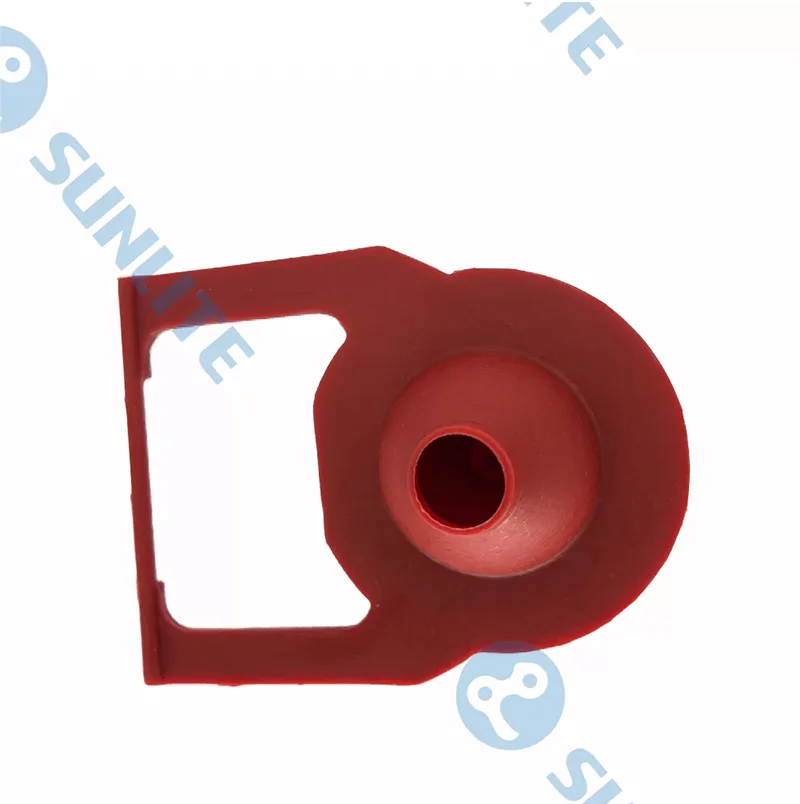
The design of the foam toilet gasket is specifically engineered to address critical installation issues, primarily to prevent shaking and damage to the floor when setting the ceramic toilet base. Unlike rigid seals, the gasket, made from foamed rubber sealing and cushioning parts such as EPDM/NR, uses its unique structure and material properties to provide effective cushioning and stabilization.
The key design feature is its dual role as a cushioning and shock absorption component. When installed, the foam toilet gasket acts as a base cushion pad, fitting precisely in the contact area between the hard ceramic base of the toilet and the rigid floor surface. The material's inherent resilience and its closed-cell structure allow it to conform to minor irregularities in both the ceramic and the floor, ensuring full contact and even weight distribution. This prevents concentrated stress points that could cause indentation and damage to sensitive flooring materials like tile or wood during installation and use.
Furthermore, the foam gasket provides strong structural stability. The closed-cell foam structure is critical because it resists significant long-term compression deformation. This means that once the toilet is bolted down and placed into service, the gasket retains its thickness and elasticity. This sustained rebound performance prevents the toilet base from gradually loosening or developing gaps that would lead to shaking or structural instability over time. By eliminating movement, the gasket enhances the stability of the structure and preserves the integrity of the underlying flooring.
The material's other properties contribute to installation safety and longevity. Being eco-friendly and healthy, it poses no risk to installers or users, which is essential for home decoration and commercial facilities like hospitals. Its excellent chemical resistance also ensures that cleaning agents or moisture will not degrade the cushion, allowing it to maintain its protective and stabilizing function for the long term. This specialized design transforms the installation base into a stable, cushioned platform, eliminating common issues associated with direct ceramic-to-floor contact.
The performance of foam rubber gasket material is intrinsically linked to its ability to provide vibration isolation and noise reduction across various bathroom installations and hardware connections. Materials like foamed EPDM or natural rubber (NR) are purposefully manufactured with a closed-cell structure to maximize their damping and sound-absorbing functions.
The key engineering feature is the material's high compression rebound rate and its viscoelastic properties. When installed, for instance, between the washbasin and bracket, the foam rubber gasket material acts as a buffer. The dense closed-cell structure and uniform consistency enable the material to effectively absorb and damp kinetic energy. This process involves converting vibrational energy into low-level heat rather than allowing it to transmit as structure-borne noise. By isolating the two connecting surfaces, the gasket significantly reduces vibration and noise generated during use, such as the resonance and metal abnormal noise that can occur when water runs or objects are placed in the basin.
The foam gasket provides significant performance in noise reduction and vibration isolation across multiple scenarios. In addition to reducing installation resonance, it is used for sealing of the connection between faucet and water pipe. Here, its sealing function prevents water leakage, while its damping ability absorbs the high-frequency vibrations often caused by water flow or the operation of the faucet mechanism. This dual functionality enhances both the performance and the usage comfort of the fixture.
Furthermore, the material's structural integrity ensures the longevity of the noise reduction effect. The dense, closed-cell structure guarantees minimal long-term compression deformation. This structural stability is essential because if the material were to collapse or harden over time, it would lose its rebound capability, allowing the connecting components to make direct contact and reintroducing noise transmission. By maintaining its elastic properties and excellent rebound performance, the foam rubber gasket material ensures persistent sound damping throughout its service life, making it suitable for high-requirement commercial facilities like hotels.
The structural integrity of foam rubber gasket material is defined by its closed-cell structure, which is directly responsible for its exceptional sealing and rebound performance in demanding bathroom installations. This stability is crucial for ensuring the longevity of both the seal and the physical protection provided to fixtures like toilets and washbasins.
The foundation of the material's structural stability is the closed-cell foam structure. This dense, uniform arrangement ensures that the material resists water intrusion and long-term compression. Because the cells are closed, the material exhibits low water absorption, which is paramount for hygiene and durability in perennially wet environments. If the material were open-cell, it would absorb water and cleaning agents, leading to material breakdown, odor, and failure of the seal. The closed-cell structure makes it ideal for the sealing of shower door frame to prevent water leakage and for sealing of water tank and fitting interfaces where continuous moisture exposure is guaranteed.
The compression rebound rate is a key performance metric linked to this stability. The high rebound rate, characteristic of the foamed EPDM or NR materials used, means the gasket can endure prolonged pressure (such as the weight of a toilet or a washbasin) and still spring back to its original shape when the pressure is removed or when minor movement occurs. This ability is vital for maintaining sealing performance over the long term, as it ensures the constant compressive force required for an effective seal is never lost, preventing leakage and structural loosening at connection points like the faucet and water inlet hose.
This structural stability also delivers tangible benefits in cushioning and shock absorption. By resisting collapse, the foam gasket maintains its buffering thickness, preventing contact wear between ceramic and the floor and absorbing external collision damage in installations like shower door frames. This enduring structural stability, coupled with its chemical resistance to common cleaning agents, ensures the foam rubber gasket material provides a safe, durable, and highly effective sealing and cushioning solution throughout the entire kitchen and bathroom industries.