Select Language

Industrial facilities rely heavily on stable machinery operation, workplace safety, and long-term equipment reliability. As modern manufacturing systems become more advanced and production environments grow increasingly automated, controlling vibration and mechanical impact has become a critical part of industrial engineering. Heavy equipment continuously generates movement, pressure, and operational force that can affect both machinery performance and structural stability. This is why Floor shock pads are widely used in industrial applications where vibration reduction and impact protection are essential.
From manufacturing plants and logistics centers to processing facilities and engineering workshops, industrial environments demand solutions that improve both safety and operational efficiency. Shock-absorbing materials help reduce vibration transfer, minimize equipment stress, and create more stable working conditions. Their role is no longer limited to simple cushioning because they directly contribute to machinery lifespan, infrastructure protection, and safer industrial operations.
As industrial technology evolves, the demand for advanced vibration control systems continues to increase. Companies now recognize that vibration management is an important investment in operational performance and long-term cost reduction.

Why Floor Shock Pads Are Essential in Industrial Environments
Modern industrial machinery produces constant mechanical force during operation. Equipment such as compressors, stamping systems, generators, automated conveyors, and heavy processing machines generate vibration that travels through floors and surrounding structures. Without proper isolation systems, this vibration can gradually damage machinery components and weaken structural foundations.
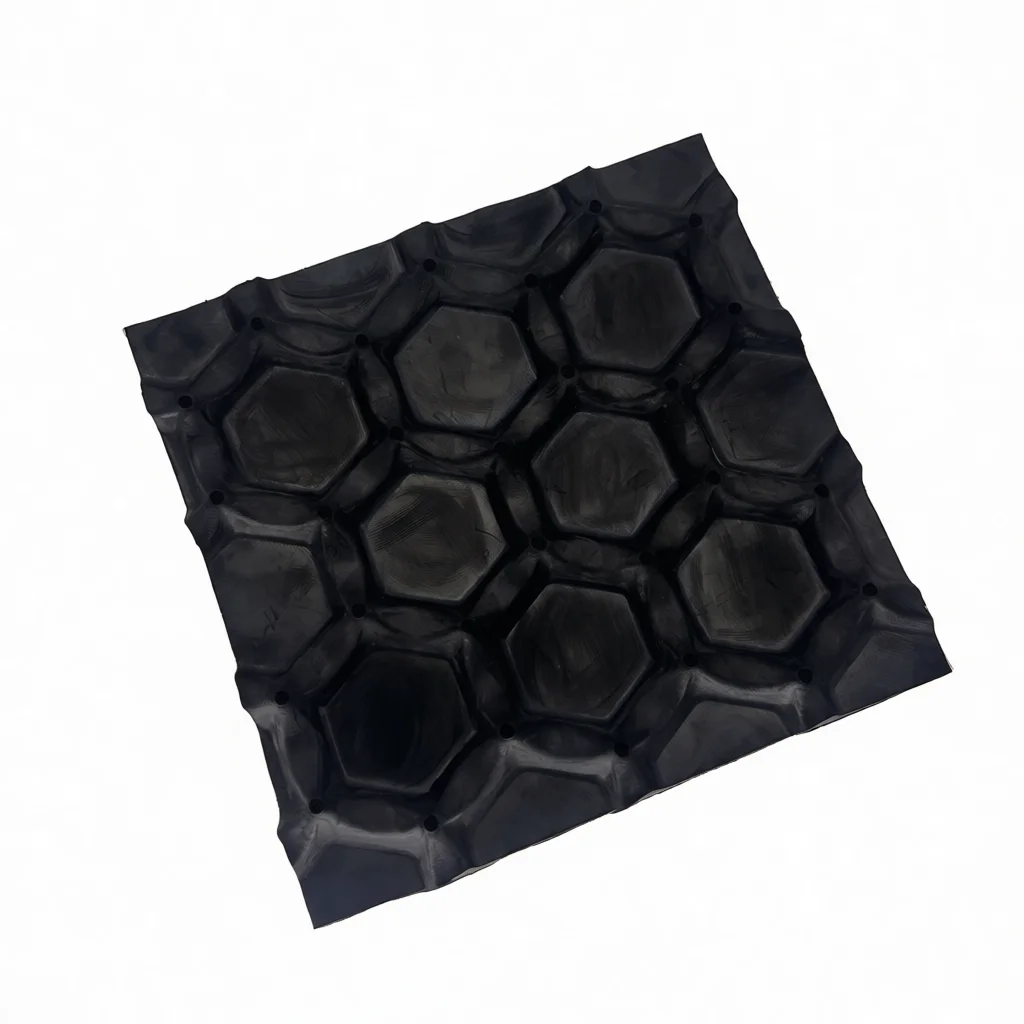
High-quality Floor shock pads help control these effects by creating a flexible barrier between machinery and floor surfaces. Instead of allowing vibration energy to spread through the facility, shock pads absorb and disperse impact force before it reaches nearby structures.
This vibration isolation process improves machine stability while reducing unnecessary movement. Stable machinery operation is especially important in industries where precision manufacturing and continuous production are required. Even minor vibration instability can affect production quality and increase mechanical wear over time.
Another important benefit is noise reduction. Industrial environments often struggle with excessive sound caused by vibrating equipment. Shock pads help reduce noise transmission by limiting direct vibration contact between machines and supporting structures. This contributes to more comfortable and productive workplace conditions.
As industries continue adopting high-speed automated systems, vibration management has become a fundamental part of equipment installation and facility planning.
How Floor Shock Absorbing Pads Protect Industrial Equipment
The main purpose of Floor shock absorbing pads is to reduce the transfer of impact and vibration generated during machinery operation. Industrial equipment experiences repeated force cycles during startup, shutdown, and continuous production activity. Without proper shock absorption, these forces can accelerate wear on machinery components and support structures.
Shock absorbing pads help distribute pressure more evenly while reducing direct impact on industrial floors. This decreases mechanical stress and supports smoother machine operation. Equipment that operates under stable vibration conditions generally experiences lower maintenance requirements and improved operational reliability.
Industrial machinery often represents a major investment for manufacturing companies. Protecting that investment requires more than routine maintenance because vibration-related damage can gradually affect internal components even when visible problems are not immediately apparent. Shock absorbing systems provide preventive protection by reducing unnecessary operational stress.
Rubber-based shock pads are especially valuable because they combine flexibility with durability. Their elastic structure allows them to compress under pressure while returning to their original shape after force is removed. This ability to absorb repeated impact makes them suitable for demanding industrial environments.
In facilities where heavy equipment operates continuously, shock absorption systems help extend machinery lifespan while improving production stability.
Vibration Damping Pads and Their Role in Operational Efficiency
The growing use of vibration damping pads reflects the increasing importance of operational efficiency in modern industrial facilities. Manufacturing systems today rely heavily on precision machinery, automated production lines, and interconnected equipment networks. Stable operating conditions are essential for maintaining productivity and product consistency.
Vibration damping pads help create these stable conditions by minimizing the effects of mechanical movement. Instead of transferring vibration directly into surrounding structures, the pads absorb energy and reduce unwanted machine motion. This supports more controlled equipment operation and lowers the risk of vibration-related disruptions.
One major advantage of vibration damping systems is their contribution to preventive maintenance strategies. Excessive vibration can loosen fasteners, damage bearings, weaken support frames, and increase component fatigue. Damping pads help reduce these problems by limiting force transmission throughout the machinery system.
Industrial facilities also benefit from improved environmental conditions when vibration is properly managed. Lower vibration levels often lead to reduced operational noise and smoother equipment performance, creating a more efficient workplace environment.
As industries continue moving toward automation and smart manufacturing technologies, vibration control systems will become even more important for maintaining production reliability and machinery precision.
Rubber Damping Pad Technology in Heavy Machinery Applications
A high-performance rubber damping pad provides an effective combination of elasticity, load-bearing strength, and environmental resistance. These characteristics make rubber materials highly suitable for industrial applications where machinery operates under demanding conditions.
Heavy equipment often generates both continuous vibration and sudden impact force. Rubber damping materials absorb these forces while helping maintain stable machine positioning. Their flexible structure allows them to adapt to changing load conditions without losing effectiveness.
Industrial facilities frequently expose materials to oil, moisture, dust, and temperature variation. Rubber damping pads are valued because they maintain performance under challenging environmental conditions while resisting aging and mechanical fatigue.
Another important advantage is anti-slip stability. Machinery movement can create positioning problems if equipment is not properly supported. Rubber materials provide friction and stability that help keep machinery securely aligned during operation.
Different industrial applications require different damping characteristics. Some systems need stronger shock absorption, while others require firmer support for precision machinery. Rubber damping technology can be customized to match specific operational requirements, making it highly versatile across multiple industries.
As manufacturing technology advances, demand for specialized rubber damping solutions continues to grow.
How Floor Shock Pads Improve Workplace Safety
Industrial safety depends not only on worker behavior but also on environmental stability and equipment reliability. Excessive machinery vibration can create hazardous conditions by increasing noise levels, causing equipment instability, and contributing to structural wear. Properly installed Floor shock pads help reduce these risks and improve overall workplace safety.
Stable machinery operation lowers the likelihood of unexpected movement or vibration-related equipment failure. Workers operating near industrial systems benefit from safer conditions when machines are properly isolated from surrounding structures.
Shock pads also contribute to floor protection. Industrial flooring systems are exposed to heavy mechanical pressure, and repeated impact can accelerate surface damage. By distributing force more evenly, shock absorption systems help preserve floor durability and reduce structural stress.
In addition, vibration reduction improves workplace comfort. Industrial environments with excessive vibration often create fatigue and discomfort for employees working near machinery. Proper vibration isolation helps create quieter and smoother operational conditions.
As workplace safety standards continue evolving, industrial companies increasingly recognize vibration management as an important component of employee protection and facility reliability.

Industrial facilities rely heavily on stable machinery operation, workplace safety, and long-term equipment reliability.