Select Language

In modern industrial environments, material performance is closely connected to operational reliability, workplace safety, and long-term equipment protection. Among the many industrial materials used in manufacturing plants, transportation facilities, heavy machinery systems, and commercial infrastructure, the CR rubber pad has become an essential solution for vibration control, anti-slip protection, and equipment stability. Known for its flexibility, durability, and resistance to environmental stress, this material plays an important role in both industrial machinery and safety systems.
As industries continue to demand quieter operation, safer working conditions, and more reliable mechanical performance, rubber-based isolation materials are being integrated into increasingly complex engineering applications. Whether installed beneath industrial equipment or used within protective flooring systems, CR rubber products provide a balance between elasticity and structural support that many traditional materials cannot achieve.

Why CR Rubber Pad Materials Are Widely Used in Industrial Equipment
A high-quality CR rubber pad is designed to absorb vibration, reduce noise transmission, and create a stable contact surface between machinery and supporting structures. In industrial operations where equipment continuously produces motion, pressure, or mechanical impact, rubber materials help minimize stress on both machines and surrounding infrastructure.
Unlike rigid support materials that transfer vibration directly into floors and structural frames, CR rubber compounds provide controlled flexibility. This allows machinery to operate with improved stability while reducing unwanted movement and resonance. The result is smoother equipment operation, reduced wear, and better protection for surrounding components.
Industrial environments often involve challenging conditions such as moisture exposure, oils, temperature fluctuation, and repetitive pressure cycles. CR rubber materials are valued because they maintain elasticity under demanding conditions while offering strong resistance to aging and environmental degradation. This makes them suitable for factories, workshops, processing plants, warehouses, and engineering systems where reliability is critical.
Industrial Rubber Isolation Sheet Solutions for Vibration Reduction
The use of an industrial rubber isolation sheet has become increasingly important in facilities that rely on precision equipment or high-power machinery. Industrial operations generate continuous vibration, and without proper isolation systems, this vibration can affect productivity, machinery lifespan, and even worker comfort.
Rubber isolation sheets are commonly installed beneath compressors, generators, pumps, conveyors, and automated manufacturing systems. Their primary purpose is to separate moving machinery from supporting surfaces, reducing the transfer of vibration energy throughout the structure.
In modern production facilities, vibration management is no longer viewed as a secondary concern. Excessive vibration can loosen components, increase maintenance requirements, and create long-term structural stress. By integrating industrial rubber isolation materials into machinery foundations, manufacturers can improve operational stability while protecting both equipment and building infrastructure.
Another important advantage of industrial rubber isolation sheets is their ability to support different load conditions while maintaining flexibility. Some machinery requires strong shock absorption, while other systems need more controlled support for precision alignment. CR rubber materials can be adapted for different industrial requirements, making them suitable for a wide variety of applications.
The Role of Rubber Shock Absorber Pad Systems in Machinery Protection
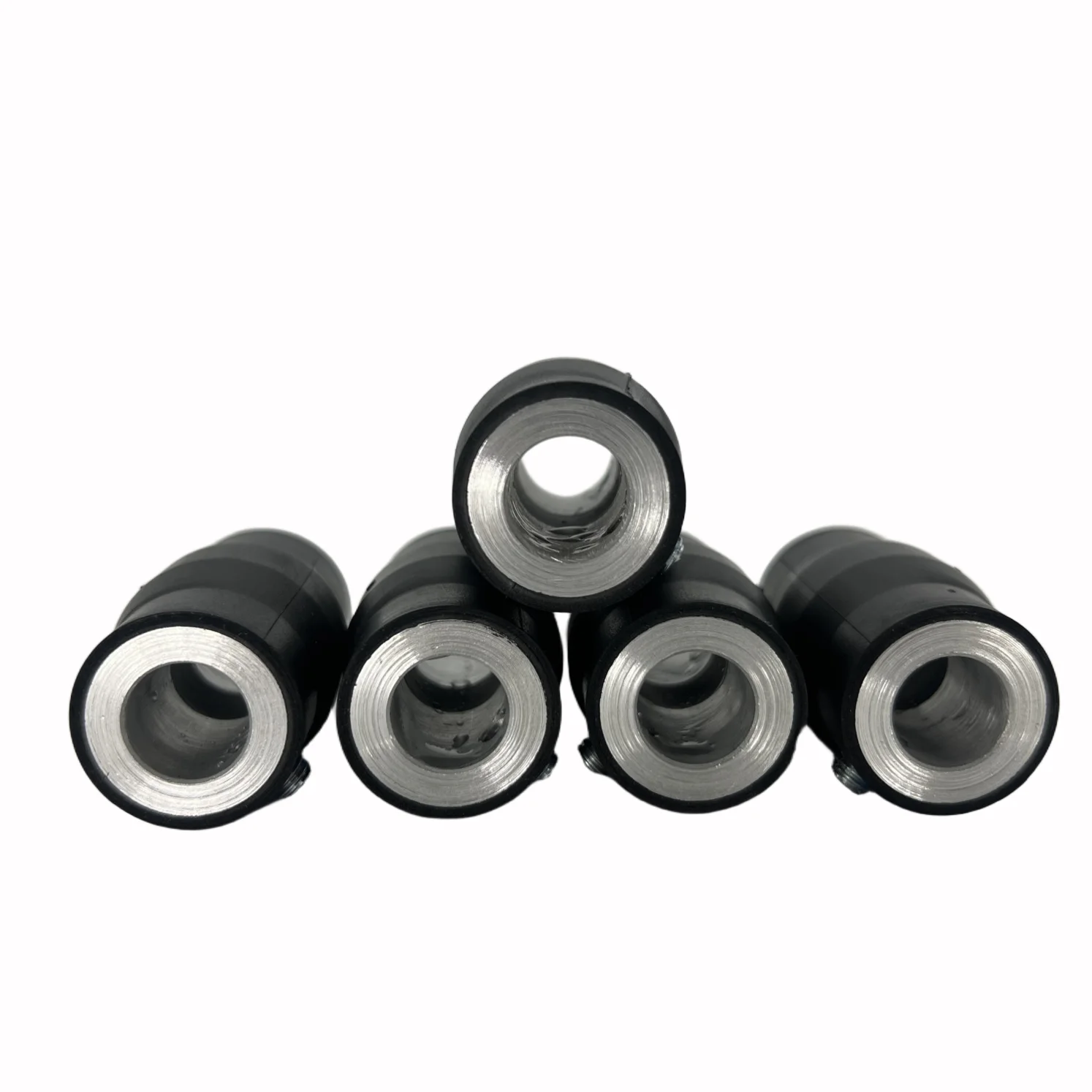
Heavy-duty industrial equipment often produces sudden mechanical impact during operation. In these situations, a rubber shock absorber pad helps reduce stress generated by repetitive motion, pressure fluctuations, or dynamic loading.
Shock absorption is especially important in machinery systems that operate continuously or under heavy mechanical force. Industrial presses, material handling systems, transportation platforms, and construction equipment all generate impact forces that can shorten equipment lifespan if left unmanaged.
A rubber shock absorber pad works by dispersing impact energy and reducing direct force transfer between connected components. This helps protect metal structures, reduce fatigue damage, and minimize vibration-related noise. In addition, the elastic properties of CR rubber allow the material to recover its shape after compression, supporting long-term durability in demanding industrial conditions.
Modern industrial design increasingly emphasizes operational efficiency and preventive maintenance. Shock absorber systems made from CR rubber contribute to these goals by reducing unnecessary wear and supporting smoother machine performance. As a result, manufacturers can improve equipment reliability while lowering maintenance interruptions.
Non-Slip Rubber Mat Applications in Workplace Safety Systems
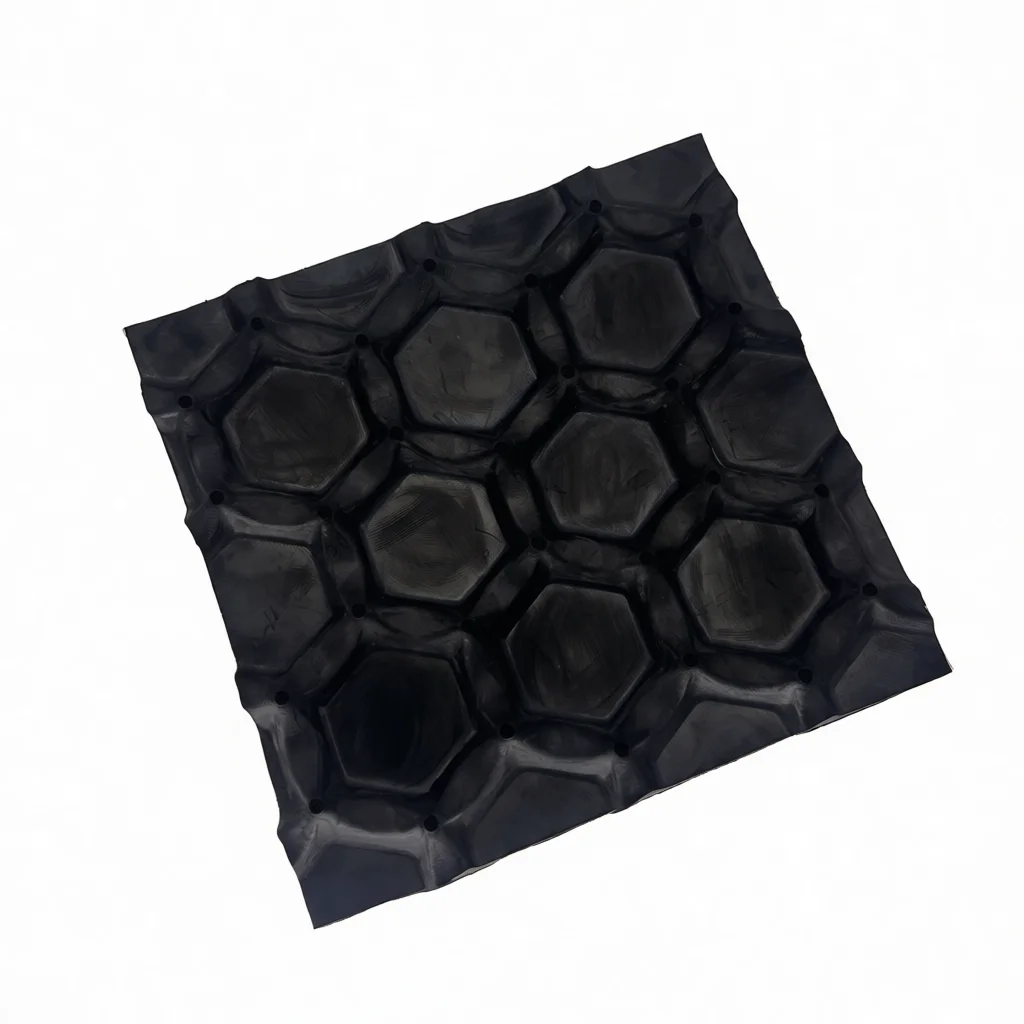
Industrial safety extends beyond machinery performance. Workplace flooring systems must also protect workers from slips, movement instability, and surface hazards. A durable non-slip rubber mat provides reliable traction and impact resistance in areas exposed to moisture, heavy traffic, or industrial debris.
Factories, loading docks, assembly lines, maintenance workshops, and transportation facilities all require flooring materials capable of improving worker stability while withstanding continuous use. Rubber-based safety mats help create secure walking surfaces while also reducing fatigue caused by prolonged standing.
The anti-slip characteristics of CR rubber make it particularly suitable for environments where liquids, oils, or dust may create hazardous conditions. By improving surface grip, rubber mats help reduce accident risks and contribute to safer working environments.
In addition to slip resistance, non-slip rubber mats also provide cushioning support. This is beneficial in industrial environments where employees stand for extended periods during production or inspection tasks. The flexible structure of rubber helps reduce pressure on joints and improves workplace comfort.
As industrial safety standards continue to evolve, businesses are increasingly investing in durable flooring solutions that support both operational efficiency and employee protection. Rubber safety systems have therefore become an important part of modern industrial infrastructure planning.
Elastic Rubber Backing Plate Technology in Equipment Stability
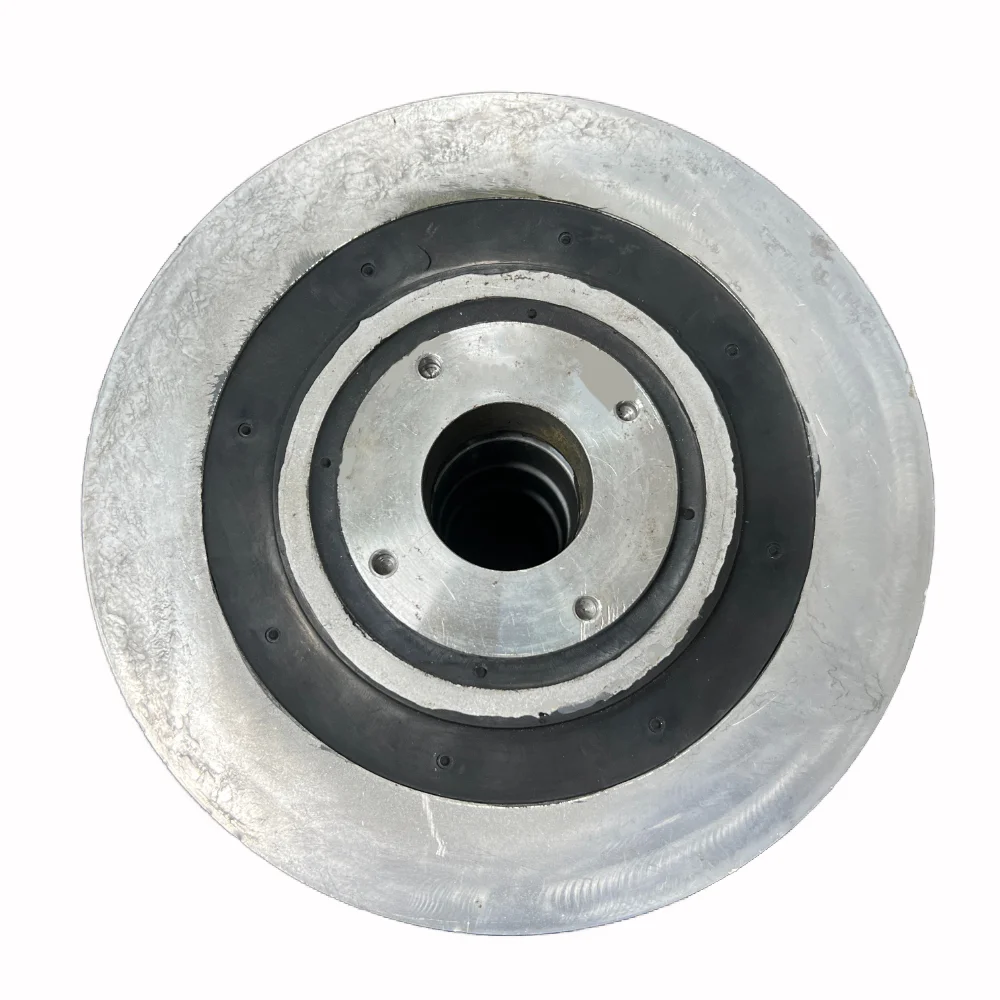
The integration of an elastic rubber backing plate into industrial systems helps improve load distribution and equipment stability. These backing plates are commonly used where machinery requires controlled flexibility combined with structural reinforcement.
Unlike rigid mounting systems that transmit vibration directly into surrounding structures, elastic rubber backing plates create a buffer zone between mechanical components and support surfaces. This allows equipment to operate more smoothly while reducing mechanical stress.
In transportation systems, manufacturing machinery, and engineering installations, elastic rubber backing plates are often used to stabilize mounted components while compensating for movement or vibration. Their ability to absorb pressure variations helps protect sensitive equipment from operational shock.
CR rubber materials are especially valuable in backing plate applications because they combine resilience with durability. They can withstand repeated compression while maintaining consistent performance over time. This makes them suitable for industrial applications where reliability and long-term performance are essential.
As machinery systems become more advanced and automated, the need for flexible support materials continues to grow. Elastic rubber backing technologies provide an effective solution for balancing mechanical strength with vibration control.

In modern industrial environments, material performance is closely connected to operational reliability, workplace safety, and long-term equipment protection.