 Select Language


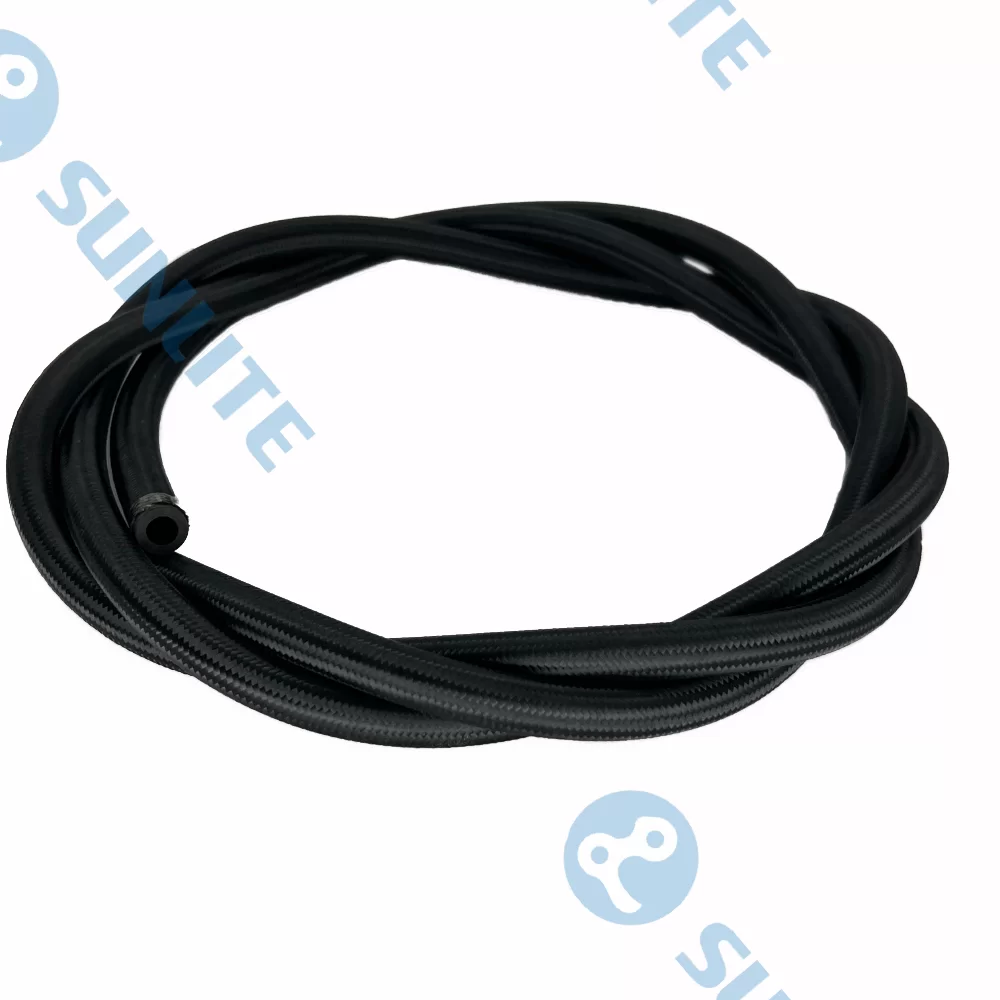
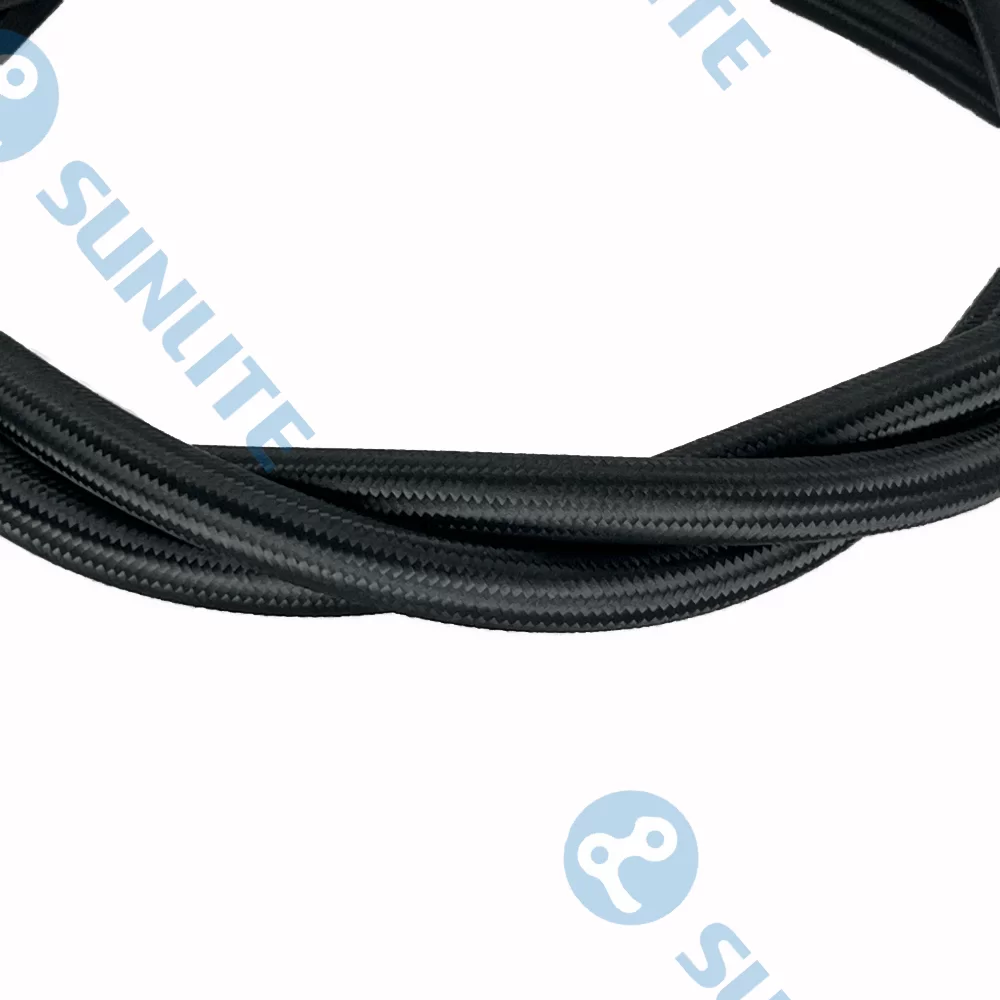
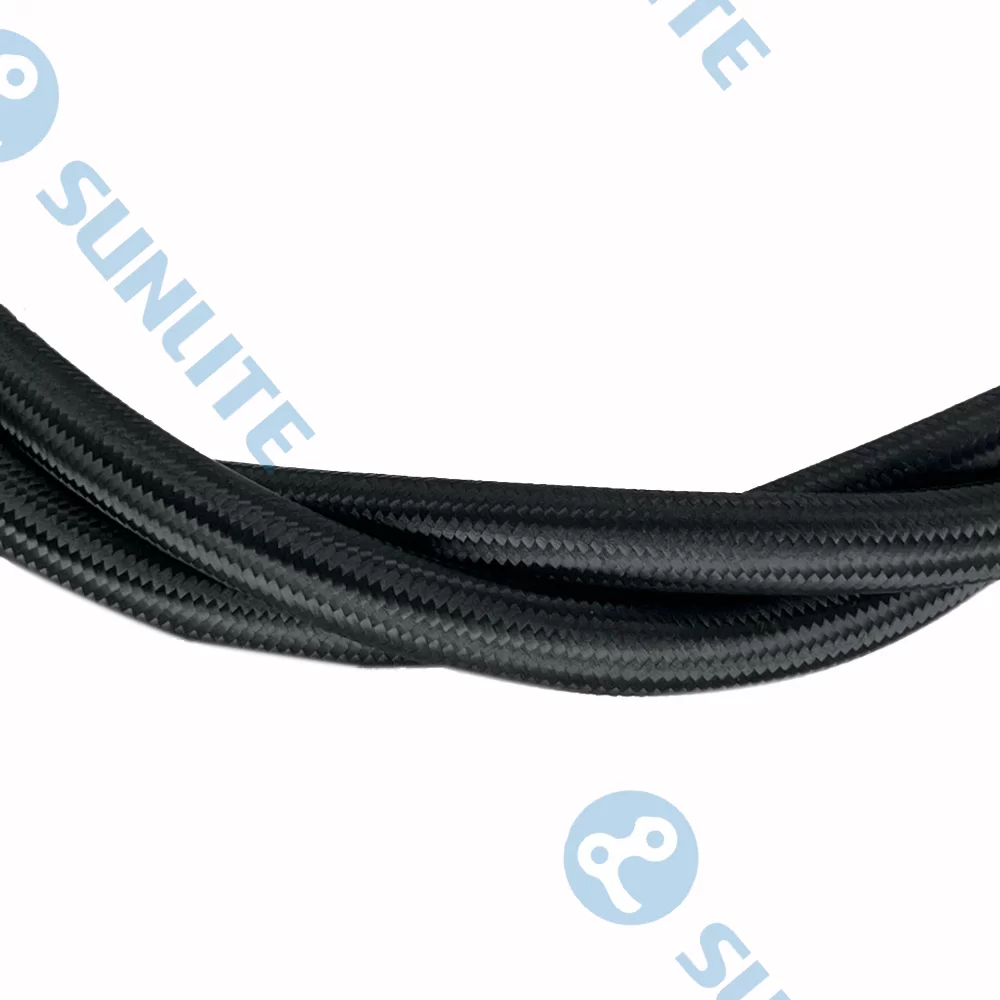
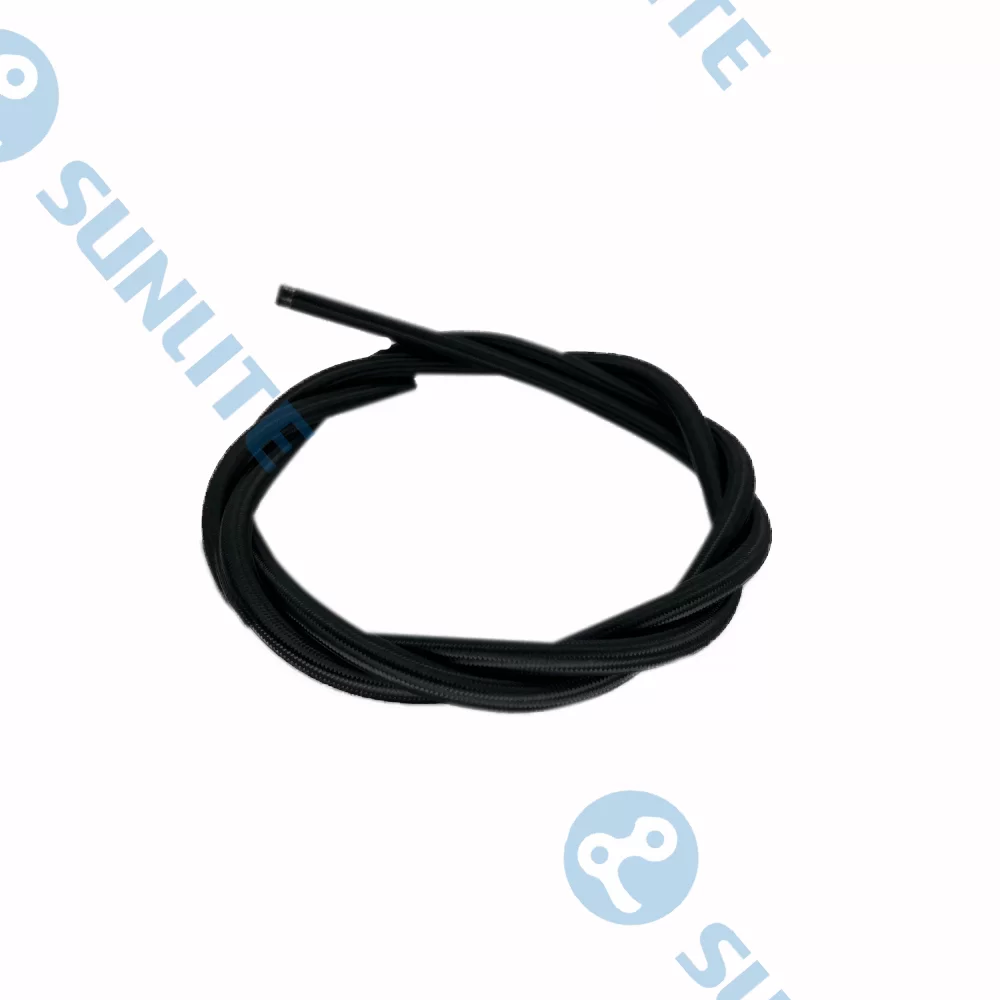
The Halogen-Free Flame-Retardant Cable is a high-performance wiring solution engineered for maximum safety and environmental sustainability. Utilizing advanced EPDM (Ethylene Propylene Diene Monomer) compounds, these cables eliminate the use of toxic halogens like chlorine and bromine, significantly reducing the emission of corrosive gases and dense smoke during combustion. This makes them an essential choice for critical infrastructure where fire safety and human evacuation are paramount.
Designed to excel in the most demanding environments, this cable provides exceptional electrical insulation, superior weather resistance, and a wide operating temperature range. From aerospace internal wiring and rail transit systems to data centers and offshore marine installations, our halogen-free solution ensures stable power transmission and signal integrity while complying with rigorous global standards such as UL, IEC, RoHS, and REACH.
| Base Material | EPDM (Ethylene Propylene Diene Monomer) | Flame Retardant Rating | UL94 V-0 Certified |
|---|---|---|---|
| Operating Temp (Long-term) | -55℃ to 150℃ | Thermal Shock (Short-term) | Up to 250℃ |
| Volume Resistivity | >10¹⁵ Ω·cm | Dielectric Strength | ≥20kV/mm (for ≤138kV class) |
| Weather Resistance | ≥1500h (UV/Ozone corrosion resistance) | Water Absorption Rate | <0.5% |
| Tear Strength | ≥15kN/m | Bending Radius | ≤6 times the cable diameter |
Halogen-free composition prevents toxic gas release and minimizes smoke, ensuring safety during fire emergencies.
Resistant to UV and ozone aging for over 1500 hours, ideal for high-altitude and high-radiation environments.
High volume resistivity and dielectric strength ensure zero leakage and safe transmission in high-voltage systems.
Reliable performance from -55℃ to 150℃, capable of withstanding short-term thermal shocks up to 250℃.
Low water absorption and high resistance to acid rain, salt spray, and petrochemical corrosion.
Fully certified by UL, IEC, RoHS, and REACH, meeting the strictest green building and safety requirements.
Optimized for internal wiring of aerospace equipment to ensure maximum fire resistance.
Engineered for subways and tunnels where low-smoke emission is critical for evacuation.
Provides safe wiring for high-density power transmission in high-rise smart buildings.
Perfect for wind power and PV systems operating in humid-heat and UV-heavy areas.
Resists mechanical stress and chemical exposure in heavy industrial plant environments.
Mildew-proof and corrosion-resistant materials for port and underwater cable laying.
| Performance Metric | Standard PVC Cables | Our Halogen-Free EPDM |
|---|---|---|
| Toxicity in Fire | High (Corrosive Acid Smoke) | Near Zero (Eco-Friendly) |
| UV Resistance | Moderate (Degrades over time) | Superior (≥1500h) |
| Temperature Range | Limited (-20℃ to 70℃) | Extreme (-55℃ to 150℃) |
| Maintenance Cycle | Frequent replacements | Long-term stable operation |
| Regulatory Compliance | Basic standards | UL, IEC, RoHS, REACH |
Conventional PVC cables release toxic halogen gases (like HCl) and dense black smoke when burned, which can be lethal and corrosive to electronics. Halogen-free cables produce minimal smoke and no corrosive gases, enhancing visibility and safety during evacuations.
Yes, the EPDM material used in our cables is specifically designed for outdoor use, offering exceptional resistance to UV radiation and ozone aging for ≥1500 hours, making it ideal for wind power and photovoltaic systems.
Absolutely. Our cables are suitable for medium-low to high voltage systems up to the 138kV class, featuring a dielectric strength of ≥20kV/mm and volume resistivity >10¹⁵ Ω·cm.
Our cables are engineered for extreme resilience, with a long-term operating temperature range of -55℃ to 150℃ and the ability to withstand short-term thermal shocks up to 250℃.
Our products comply with globally recognized standards including UL94 V-0 for flame retardancy, as well as IEC, RoHS, and REACH for environmental and safety compliance.
Yes, they are highly resistant to acid rain, salt spray, and chemical corrosion, making them perfect for petrochemical plants, marine ports, and heavy industrial environments.