

 Select Language
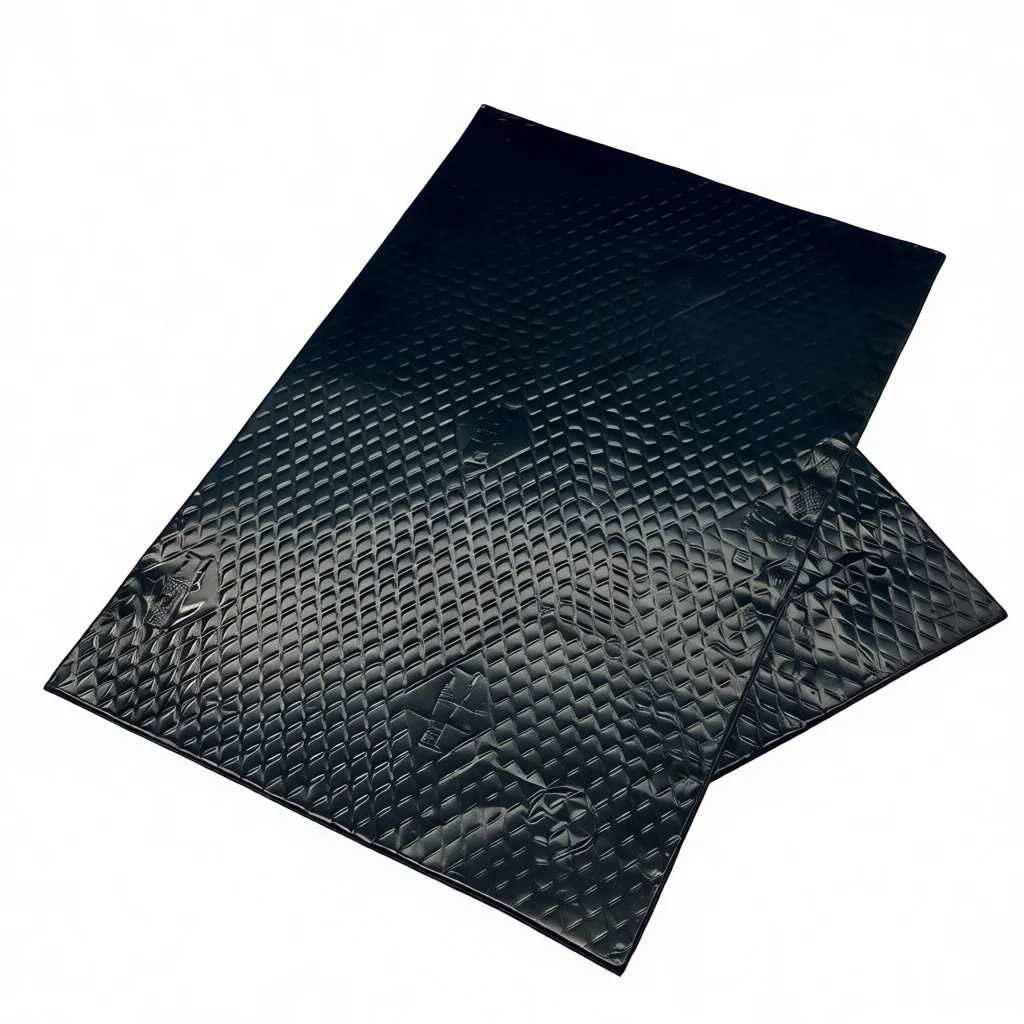
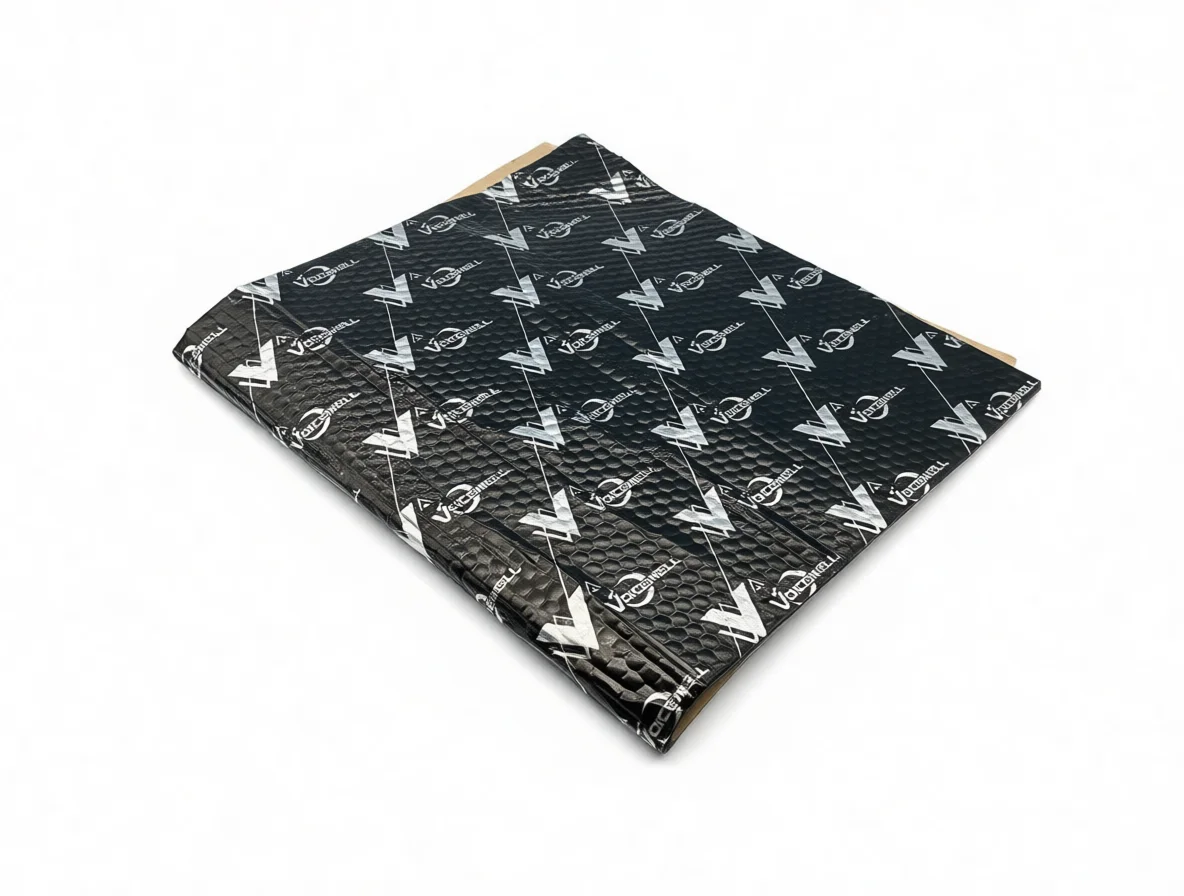
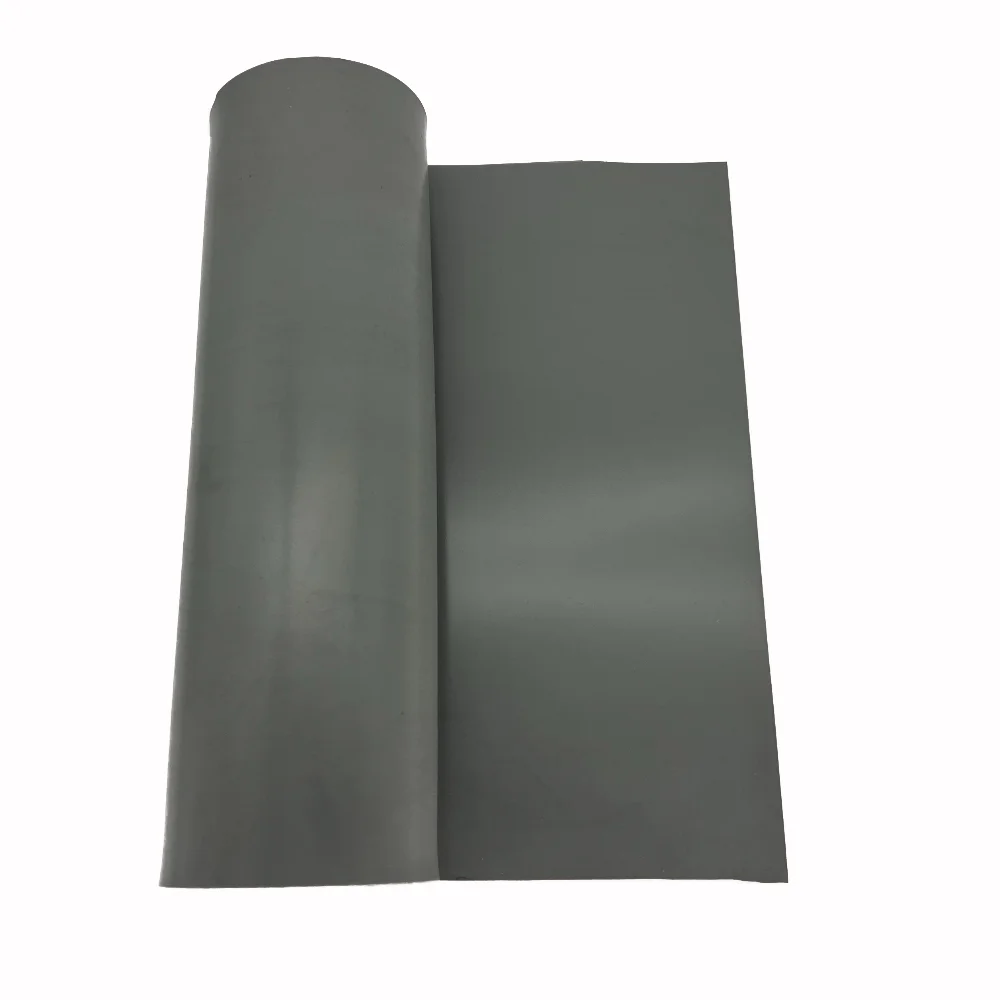
The journey toward a quiet cabin begins with the mitigation of structural resonance. An automobile is essentially a collection of thin metal panels that act like a series of interconnected drums. When the car moves, these panels vibrate, creating a low-frequency drone that can be physically exhausting over long distances. The primary weapon against this phenomenon is the anti-vibration rubber sheet.
Unlike rigid plastics or thin foams, a high-quality anti-vibration rubber sheet possesses visco-elastic properties. When bonded to the floor pans, door skins, or trunk floor, it adds functional mass to the metal. This mass changes the resonant frequency of the panel, effectively "tuning" out the vibrations. Instead of the metal ringing like a bell when struck by road debris or vibrating in sympathy with the engine, it becomes inert.
The application of these sheets is a transformative process. By applying them to the "thin" areas of the chassis, the tactile feel of the car changes. Doors shut with a solid, satisfying "thud" rather than a hollow "clank," and the floorboards no longer tingle under the driver's feet. This layer serves as the foundation upon which all other acoustic treatments are built, ensuring that the car’s own structure does not contribute to the noise floor of the interior.
Strategic Implementation of Car Noise Insulation
Once the structural vibrations are tamed, the focus shifts to airborne noise. This is the sound that enters the cabin through gaps, thin glass, and uninsulated cavities. Car noise insulation is a holistic approach that seeks to wrap the occupants in a protective acoustic cocoon. This stage of the process involves the use of open-cell and closed-cell foams, as well as fibrous mats, to dissipate sound waves as they attempt to pass into the seating area.
Effective car noise insulation requires a deep understanding of the vehicle's "weak points." For instance, the wheel wells are a major source of tire roar, especially on wet or textured pavement. By lining the interior side of these arches with thick insulating materials, the high-frequency "hiss" of the road is absorbed. Similarly, the roof of the vehicle—often an overlooked area—can be a major source of wind noise and the "drumming" sound of rain. Insulating the headliner transforms the acoustic profile of the car, making the interior feel more intimate and centered.
The beauty of modern insulation materials lies in their ability to handle multiple tasks. Beyond just silencing the cabin, these materials provide significant thermal benefits. By creating a barrier against the outside temperature, the vehicle's climate control system can operate more efficiently, maintaining a comfortable environment with less effort. This dual-purpose functionality makes high-quality insulation an indispensable upgrade for any vehicle.
Achieving Audio Clarity through Auto Sound Proofing
For the audiophile or the daily commuter who relies on podcasts and hands-free calling, the primary goal is often auto sound proofing. This specific application aims to lower the "noise floor" of the cabin to the point where the nuances of audio can be heard without turning the volume to maximum levels. In a standard, un-proofed car, the speakers must compete with a constant barrage of external sounds, leading to ear fatigue and a loss of clarity in the mid and high frequencies.
Auto sound proofing involves the strategic placement of barriers between the speakers and the outside world. When a speaker is mounted in a car door, the door cavity acts as an acoustic chamber. Without proper proofing, the back-wave of the speaker can cause the door's outer skin to vibrate, creating "coloration" and distortion in the music. By proofing the door with a combination of damping and absorption materials, the door becomes a rigid, silent enclosure, allowing the speaker to perform as its designers intended.
Furthermore, sound proofing drastically improves the performance of the vehicle's voice recognition and Bluetooth systems. By eliminating the "wind-tunnel" effect during highway speeds, the microphones can pick up the driver's voice with far greater accuracy, making the technological features of the car more accessible and less frustrating to use.
Maximum Protection with the High Density Shockproof Plate
In certain areas of the vehicle, standard rubber sheets and foams are insufficient. In the firewall—the barrier between the engine and the passengers—and the transmission tunnel, the levels of mechanical energy and heat are at their peak. This is where the high density shockproof plate becomes essential. These plates are engineered to handle the most aggressive forms of energy transmission.
A high density shockproof plate is typically a multi-layered composite designed to act as a "mass-loaded barrier." Because sound waves have a difficult time moving through dense, heavy objects, these plates serve as a formidable wall against engine clatter and mechanical whining. Their "shockproof" nature also means they can absorb the physical impacts of the powertrain's movement, preventing those shocks from being felt in the cabin.
The use of these plates is often the "secret ingredient" in high-end luxury vehicles. While a standard car might feel "buzzy" during hard acceleration, a vehicle equipped with high-density plates remains calm and composed. The engine's note is heard as a distant, refined purr rather than an intrusive roar. This level of isolation is what separates a utilitarian machine from a true luxury transport. By blocking the most violent energy at its source, these plates ensure that the lighter insulation layers can do their jobs effectively, resulting in a harmoniously silent environment.
The journey toward a quiet cabin begins with the mitigation of structural resonance. An automobile is essentially a collection of thin metal panels that act like a series of interconnected drums.