

 Select Language
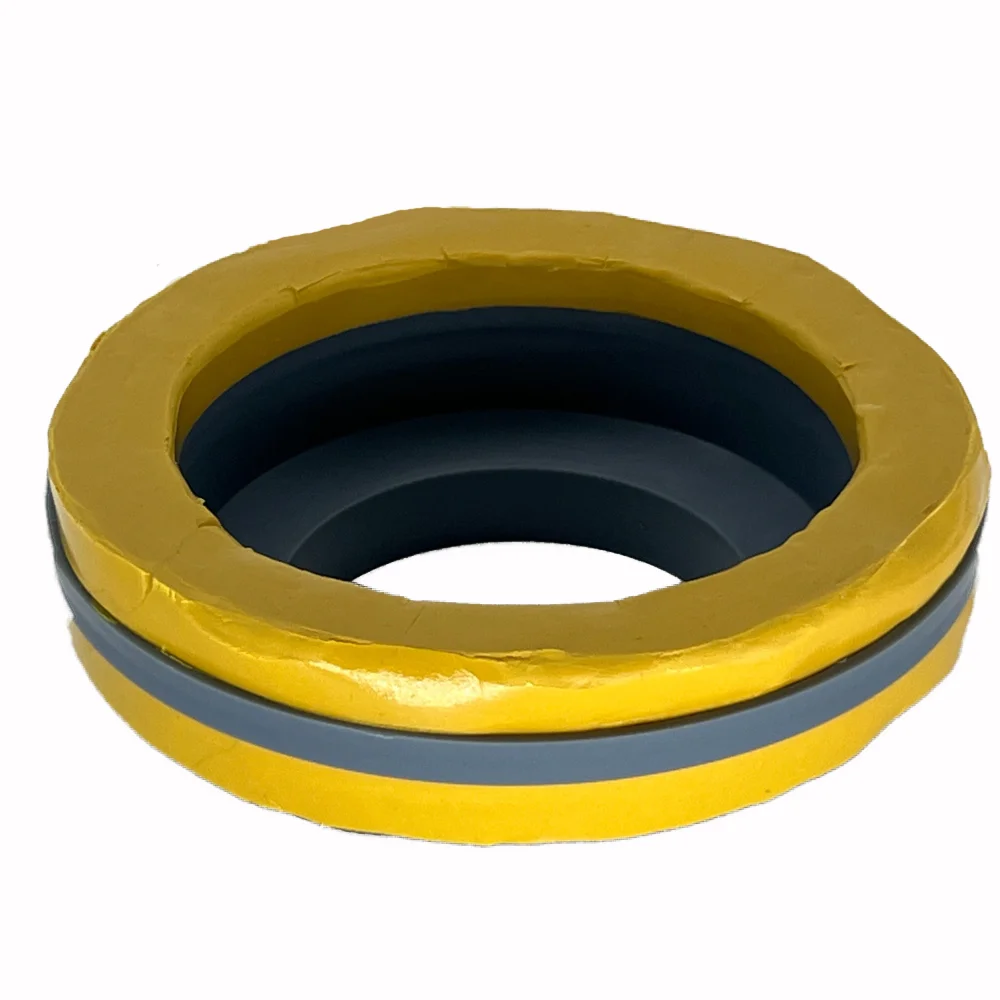
For more than a century, the toilet flange wax ring has served as the primary defense against leaks and sewer gases. This simple yet effective device is composed of a thick ring of molded petroleum-based wax, often reinforced with a plastic funnel to direct water flow into the drain. Its popularity persists because wax possesses a unique physical property: it is perfectly conformable. When a heavy ceramic toilet is set onto a toilet flange wax ring, the wax deforms to fill every microscopic irregularity in both the porcelain horn and the floor flange.
The beauty of the wax system lies in its "passive" nature. It does not require mechanical tightening or complex gaskets to function; the sheer weight of the toilet creates a permanent, airtight bond. However, this reliability comes with a caveat. Wax is a "single-use" material. Once a toilet is set and the wax is compressed, the seal is established. If the toilet is subsequently moved, bumped, or lifted, the wax will not spring back to its original shape, necessitating a full replacement. Despite the rise of modern alternatives, many professional plumbers still swear by the wax ring for its time-tested ability to create a gas-tight seal that can last for decades if left undisturbed.
Precision Engineering in Rubber Mould Manufacturing
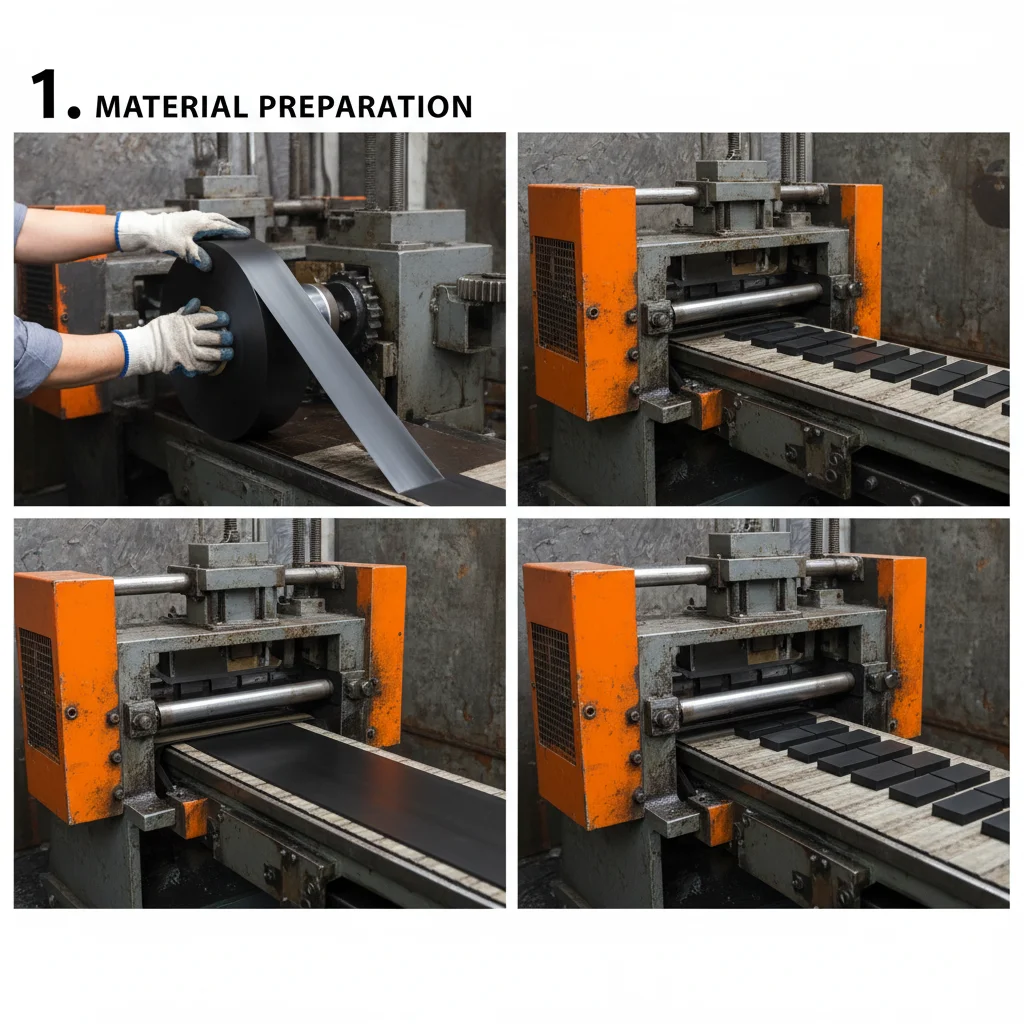
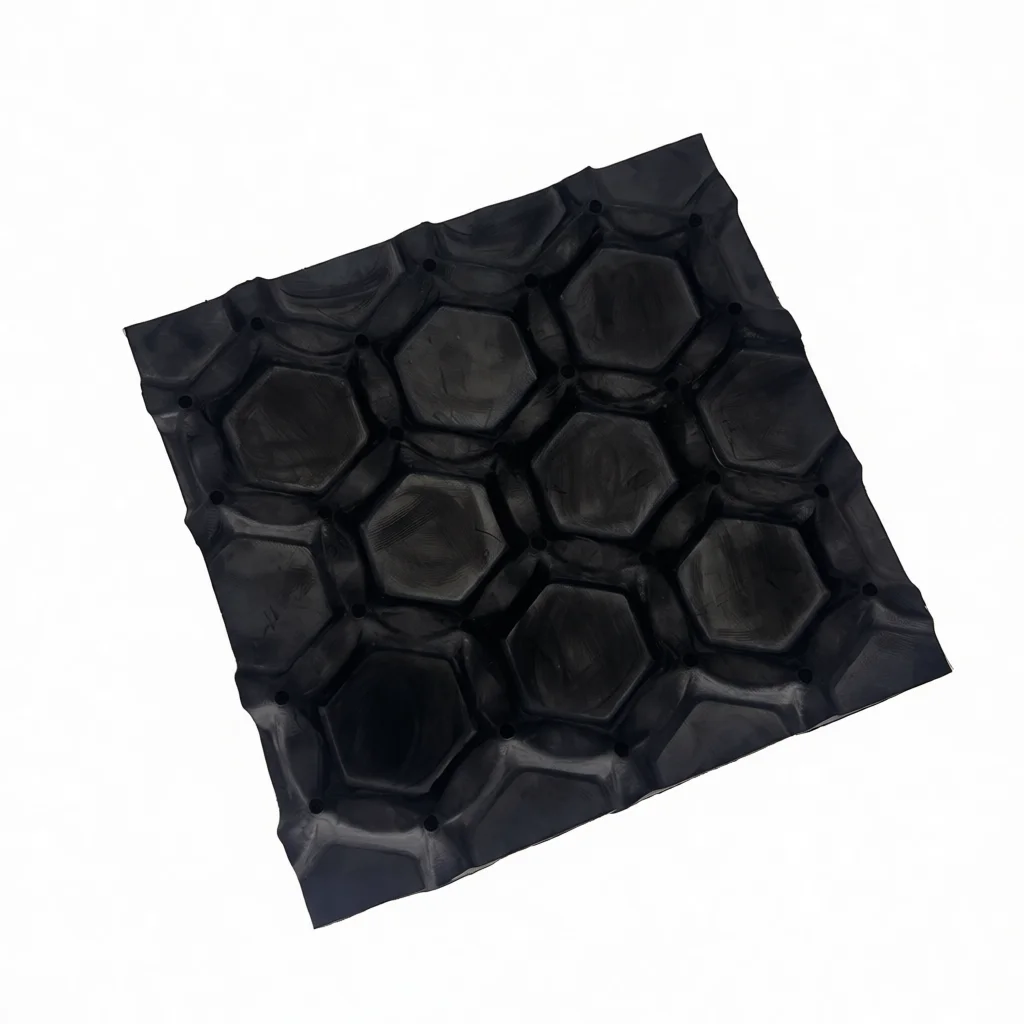
The shift from traditional wax to high-performance synthetic seals has been driven by advancements in rubber mould manufacturing. This industrial process is what allows for the creation of complex, multi-ribbed gaskets that offer "memory"—the ability to compressed and then return to their original form. Unlike the simple pouring of wax, the manufacturing of rubber seals involves sophisticated CAD/CAM design and high-pressure injection molding.
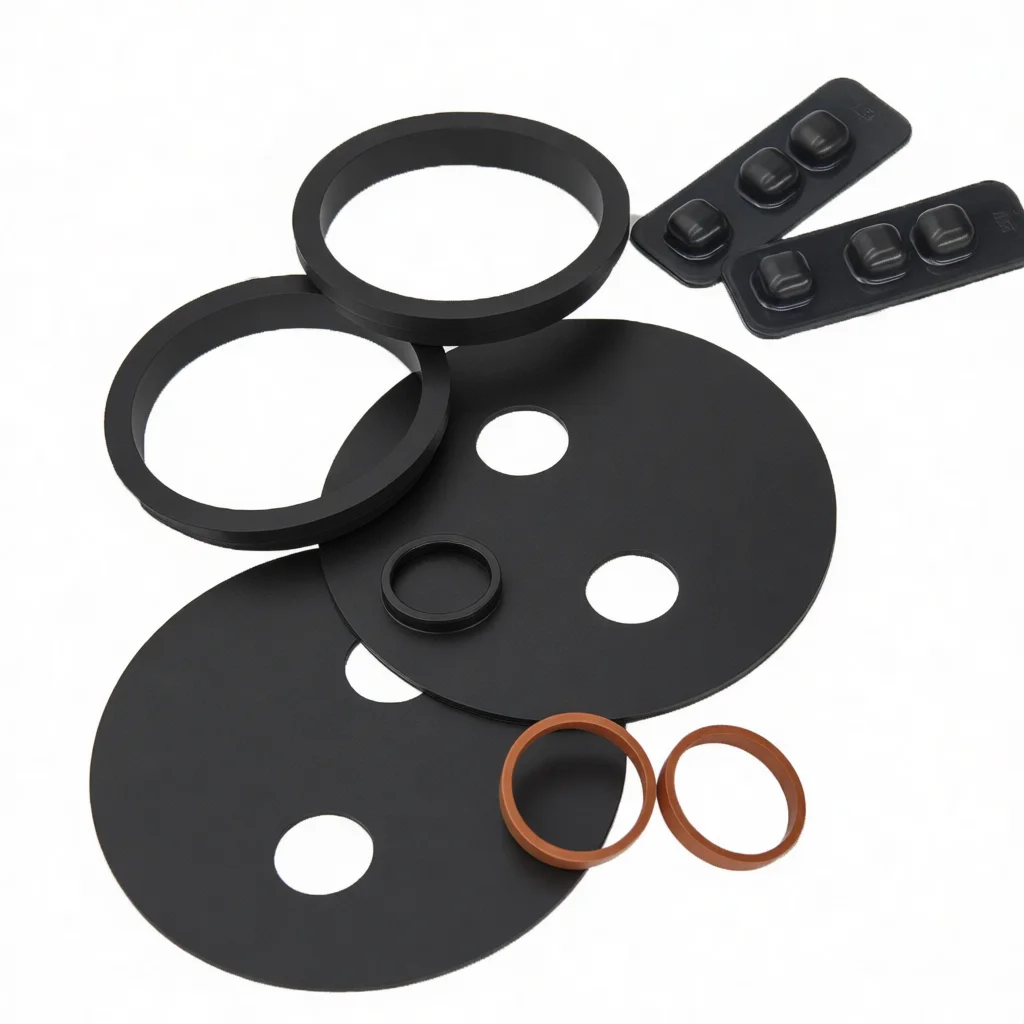
In a rubber mould manufacturing facility, raw elastomers such as EPDM or Nitrile are heated and forced into precision-machined steel cavities. These molds are engineered to create specific geometric features, such as "flipping" fins that can accommodate different pipe diameters or reinforced bases that prevent the seal from slipping into the drain. The quality of the final product is entirely dependent on the precision of the mold. If the mold is off by even a fraction of a millimeter, the seal may fail under the hydrostatic pressure of a flush. This industrial precision ensures that modern rubber seals can handle the vibrations of a moving building or the slight shifting of a subfloor, providing a level of resilience that traditional wax simply cannot match.
The Superior Resilience of the Silicone Toilet Ring
As materials science continues to progress, the silicone toilet ring has emerged as the premium choice for homeowners seeking the ultimate in durability and hygiene. Silicone is an extraordinary material in the plumbing context because it is chemically inert and extremely resistant to temperature fluctuations. While standard rubber can eventually become brittle or succumb to the caustic chemicals found in many bowl cleaners, a silicone toilet ring remains flexible and effective for an almost indefinite period.
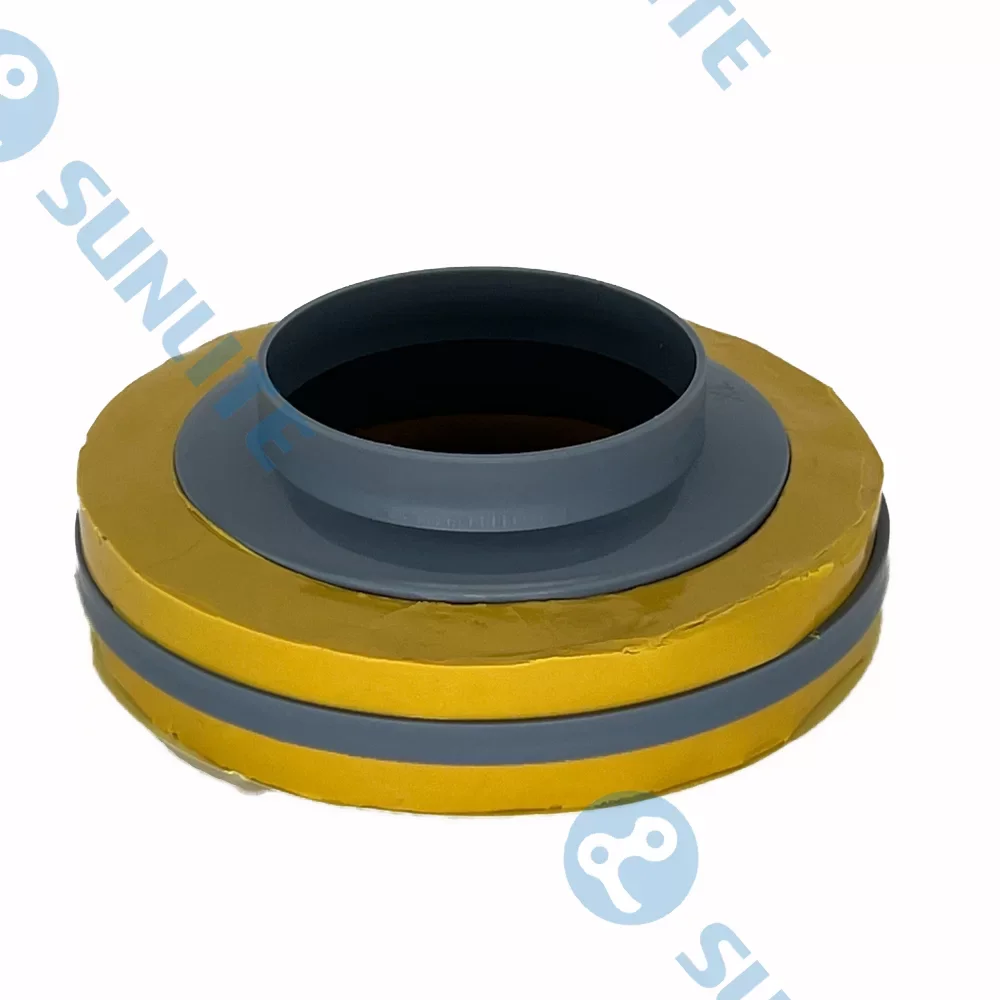
The primary advantage of silicone is its anti-microbial properties. Because silicone is non-porous, it does not provide a breeding ground for mold or bacteria, which are common issues in the damp environment under a toilet base. Furthermore, the silicone toilet ring is typically designed as a "waxless" solution. These rings often feature a stacked-seal design that acts like a series of O-rings, creating multiple layers of protection. If one rib fails to make a perfect connection, the subsequent ribs provide redundancy. This high-tech approach to plumbing ensures that the seal remains intact even if the toilet is not perfectly level, offering peace of mind to DIY installers and professionals alike.
Maintaining the Internal System with the Toilet Tank O Ring Seal
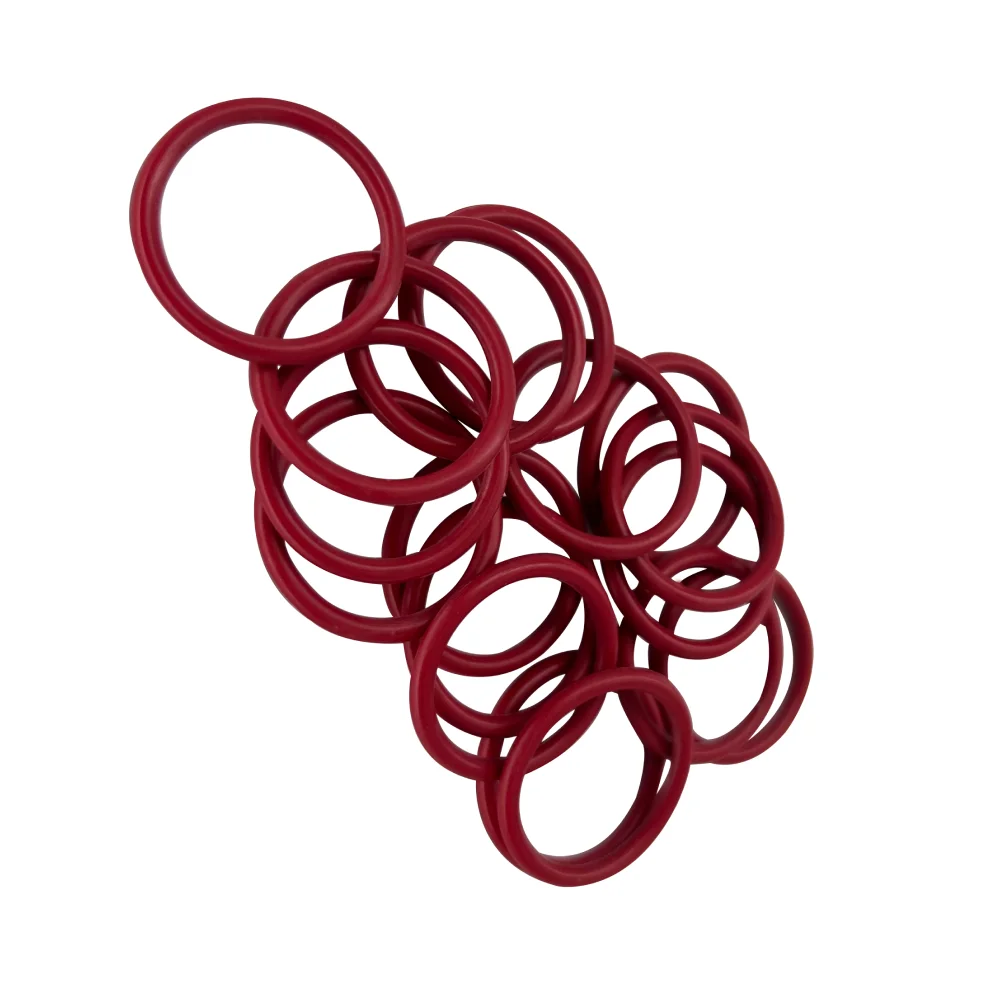
While the base of the toilet prevents external leaks, the internal mechanisms rely on specialized components like the toilet tank o ring seal. This component is situated at the junction where the tank meets the bowl, sealing the bolts and the flush valve opening. While it might seem less critical than the floor seal, a failure here results in a constant, silent leak that can waste thousands of gallons of water and eventually damage the bathroom floor.
The toilet tank o ring seal must endure constant submersion and the mechanical stress of every flush. Over time, the chlorine used in municipal water supplies can "dry out" these seals, leading to cracks and slow seeps. Replacing these internal seals is a vital part of proactive home maintenance. Because modern tanks are often made of thinner ceramic than vintage models, the O-ring must provide a "soft" yet secure seal that prevents leaks without requiring the mounting bolts to be over-tightened, which could crack the porcelain. The transition to high-quality synthetic O-rings has made these repairs easier and more permanent, ensuring that the "heart" of the toilet operates efficiently.
Silicone Toilet Ring: A Multi-Layered Approach to Plumbing Integrity
The modern bathroom is a testament to the quiet effectiveness of specialized seals. From the traditional, conformable toilet flange wax ring that has stood the test of time, to the cutting-edge results of rubber mould manufacturing, each component plays a specific role in protecting the home. The introduction of the silicone toilet ring has brought a new level of hygiene and durability to the industry, while the humble toilet tank o ring seal continues to ensure that water stays exactly where it belongs.
Understanding these materials and their manufacturing origins allows homeowners and builders to make informed decisions. Whether you are restoring a historic home or building a futuristic skyscraper, the integrity of the plumbing rests on these small, engineered boundaries. By choosing the right material for the right application, we ensure that our modern convenience never becomes a structural liability.
For more than a century, the toilet flange wax ring has served as the primary defense against leaks and sewer gases.