

 Select Language
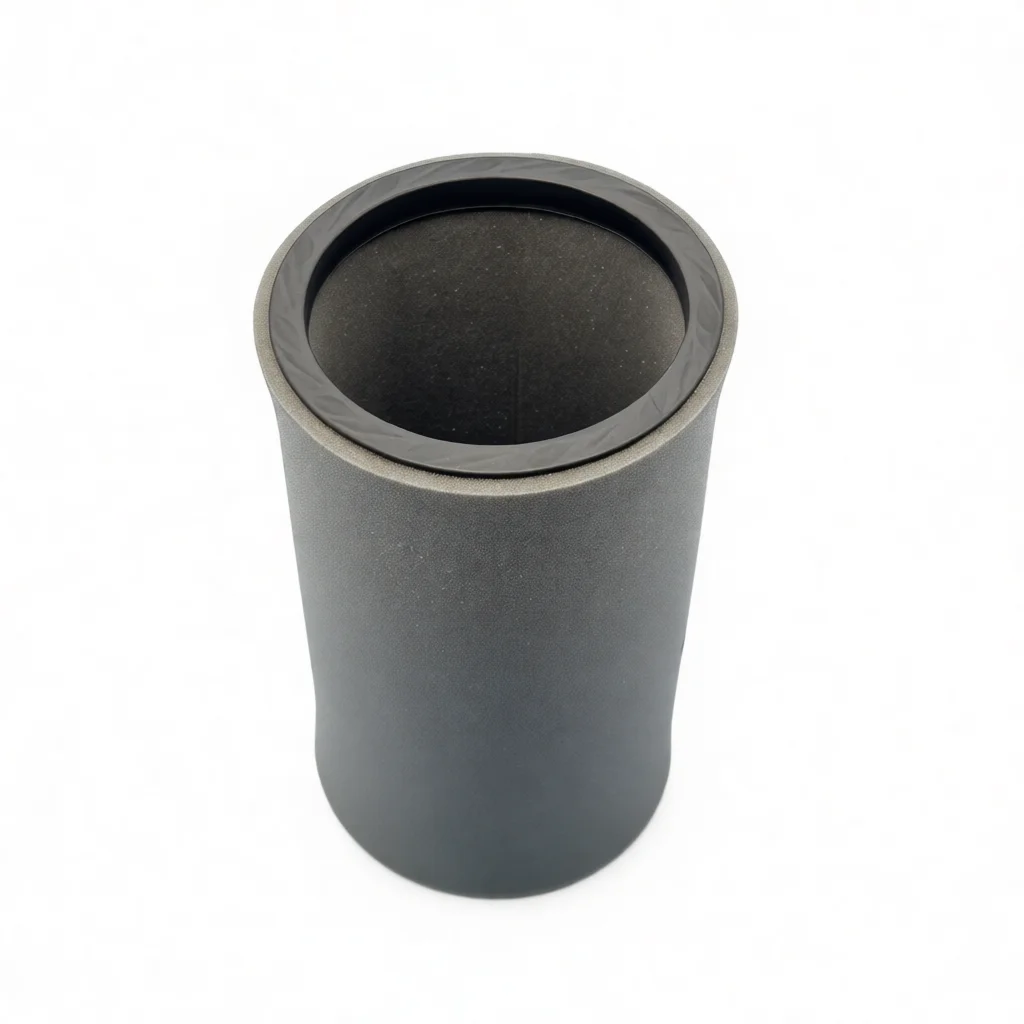
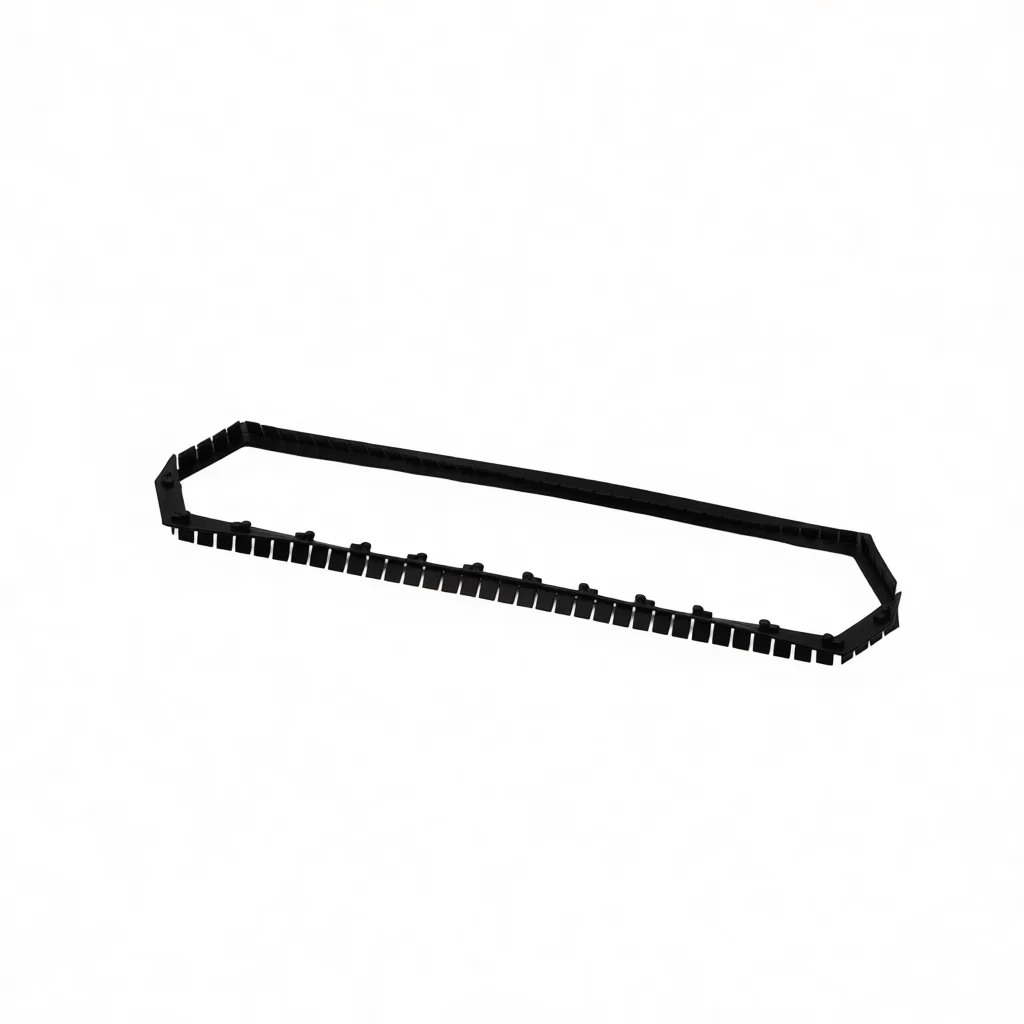
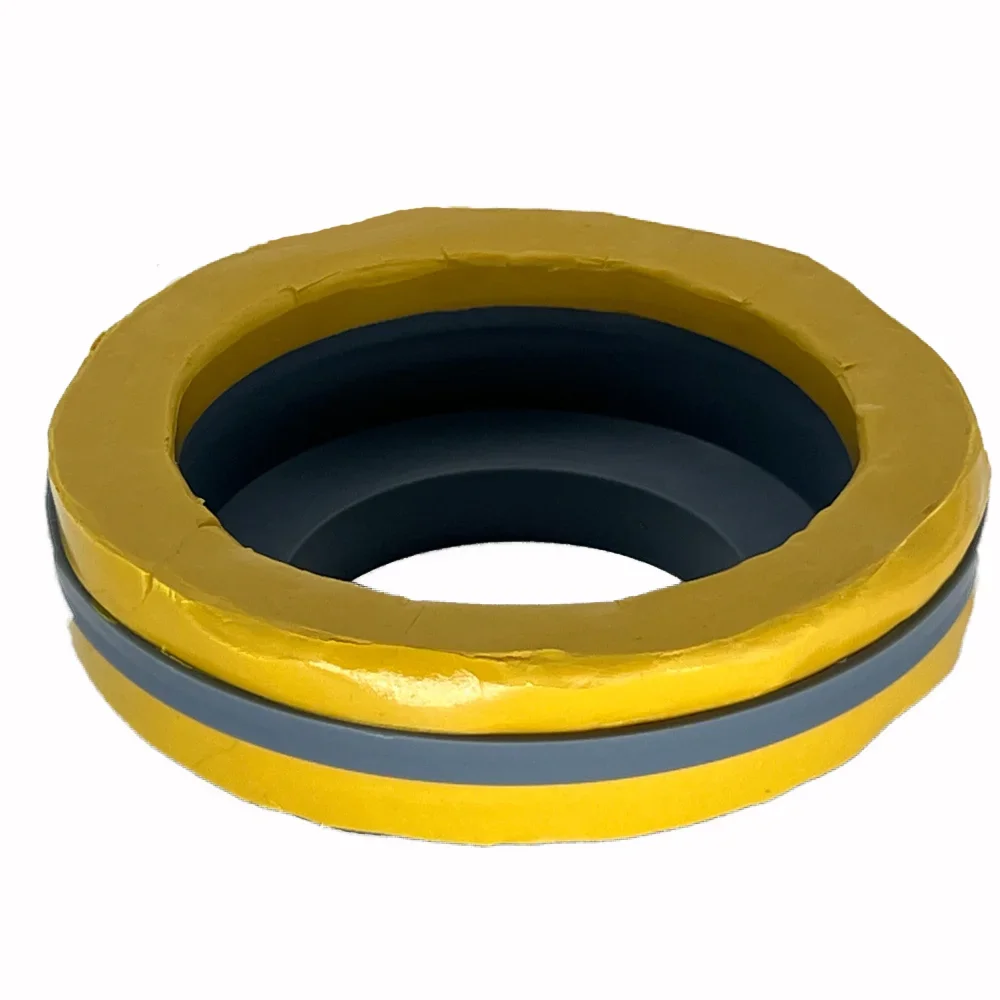
For a significant portion of the twentieth century, the seal between the toilet and the floor was dominated by wax. However, the inherent limitations of wax—its lack of elasticity and its tendency to melt in high-heat environments—led to the development of the foam ring for toilet applications. Unlike wax, which deforms permanently under pressure, a foam ring is engineered from closed-cell polymers that possess a "memory" effect.
The primary structural benefit of a foam ring for toilet installations is its ability to adapt to a fluctuating environment. Buildings are not static; they settle, floors flex, and temperatures cause materials to expand and contract. When a traditional wax seal is compressed by a slight shift in the floor, it creates a gap that it cannot fill. A high-quality foam ring, however, maintains constant tension against both the toilet horn and the floor flange. This creates a "dynamic" seal that moves with the building.
Furthermore, these rings are often encapsulated in a protective skin that resists the corrosive effects of sewer gases and caustic cleaning agents. This ensures that the foam does not degrade or become waterlogged over time. For the modern installer, the foam ring represents a cleaner, more reliable, and more forgiving alternative to the messy traditions of the past, providing a robust barrier that stands up to the rigors of daily use without the risk of a "blowout."
Ensuring Hydraulic Integrity with the Toilet Tank Seal Ring
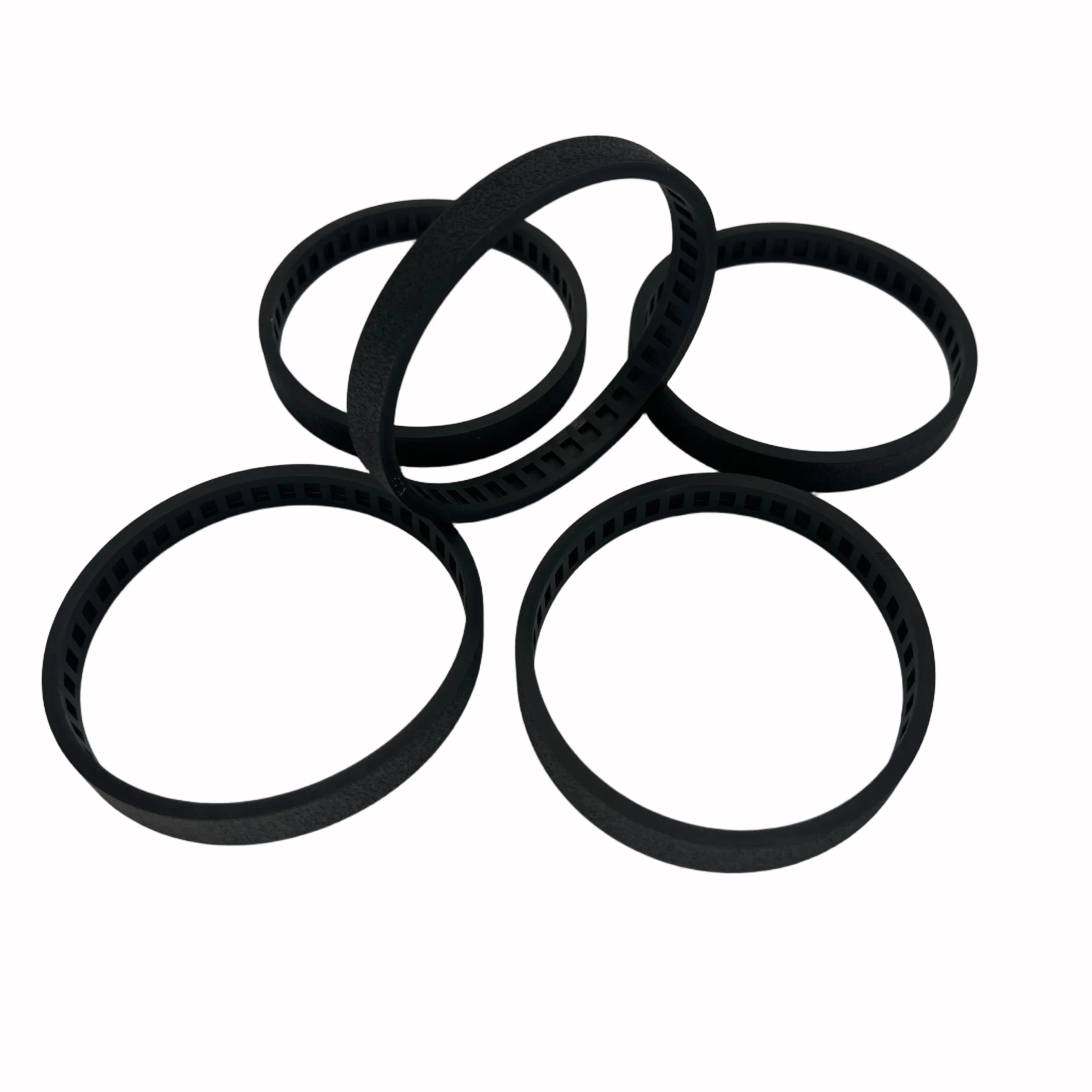
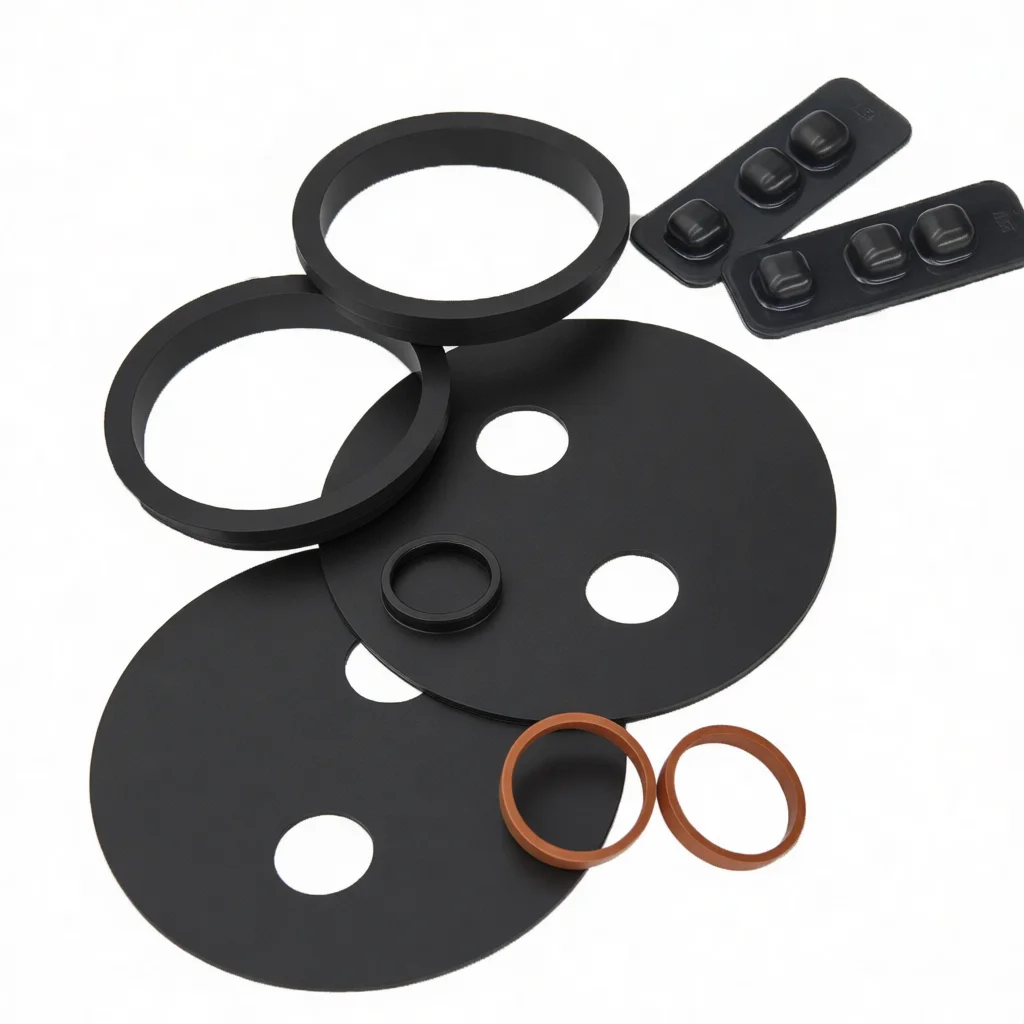
While the base of the toilet manages waste, the upper assembly manages the storage and release of clean water. The toilet tank seal ring, often referred to as the "spud washer" or the tank-to-bowl gasket, is the massive O-ring that sits at the junction of the two ceramic pieces. This component is under constant pressure from the weight of the water-filled tank and must provide a perfect seal during the violent turbulence of a flush.
The engineering of a toilet tank seal ring is particularly challenging because it must bridge a large gap while remaining soft enough to conform to the irregular, unglazed surfaces often found on the underside of a toilet tank. If the material is too hard, the installer might over-tighten the mounting bolts in an attempt to stop a leak, which often results in a cracked tank. If the material is too soft, it may deform and slip out of place under the weight of the tank.
Modern tank seals have evolved to include multi-tiered designs and tapered profiles. These shapes allow the gasket to "seat" itself more effectively into the flush valve opening, creating a wedge effect that tightens as the bolts are secured. By utilizing advanced synthetic rubbers that resist the degrading effects of chlorine and mineral deposits, the modern tank seal ensures that the most active part of the plumbing system remains silent and efficient, preventing the "phantom flushes" that waste thousands of gallons of water in untreated homes.
Precision Manufacturing through High Precision Silicone Rubber Moulds
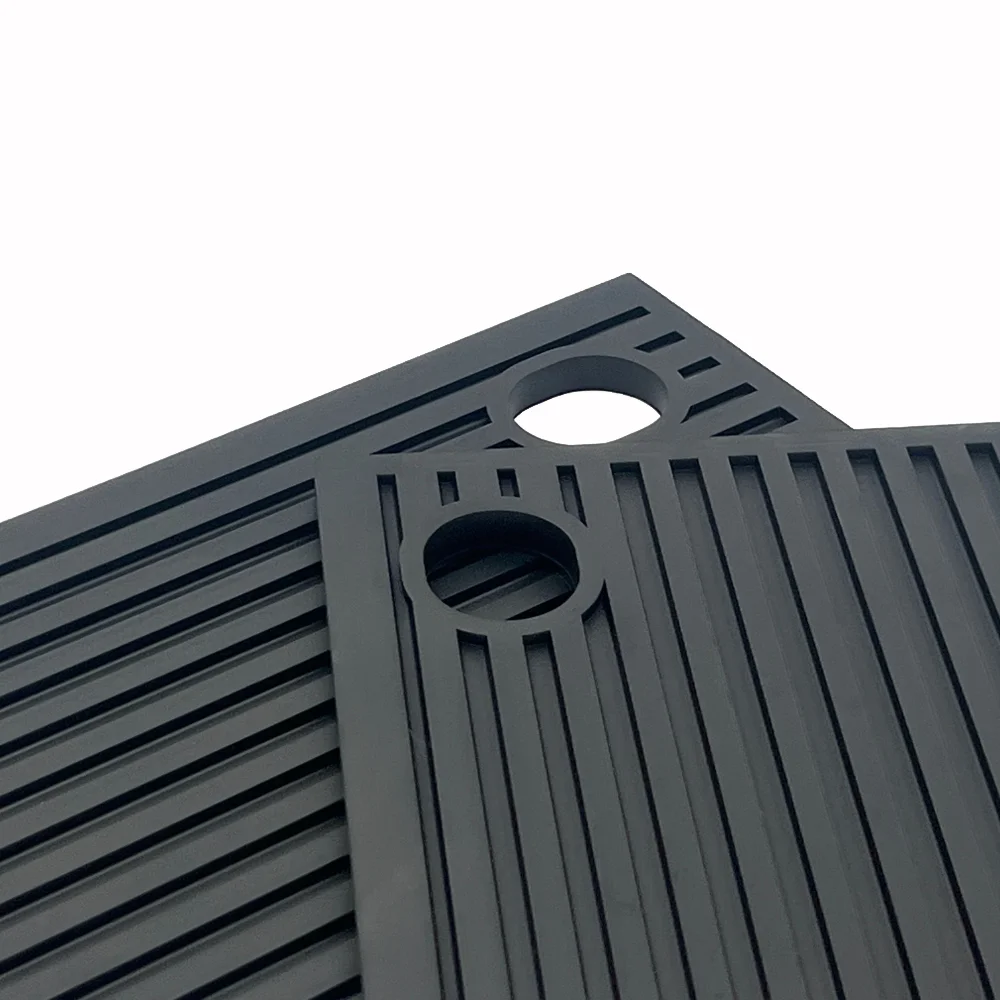
The transition from simple gaskets to complex, multi-functional seals has been made possible by the evolution of high precision silicone rubber moulds. In the past, rubber components were often roughly cut or molded with significant "flash" (excess material), which could lead to inconsistent sealing. Today, the demands of the plumbing industry require tolerances measured in microns, a level of accuracy that can only be achieved through high-end tooling.
The creation of high precision silicone rubber moulds involves advanced CNC machining and laser-etching techniques. These moulds are designed to handle liquid silicone rubber (LSR), a material that is injected at high temperatures to create incredibly detailed geometries. This precision allows engineers to design seals with micro-ribs, integrated "O-ring" layers, and varying thicknesses within a single component.
For instance, a modern flush valve seal might be thicker on the outer edge for structural support while being razor-thin and highly flexible at the contact point to ensure a light-touch seal. This level of functional variation is only achievable when the mould itself is a masterpiece of engineering. The result is a generation of plumbing components that are not only more effective at stopping leaks but are also easier to install and significantly more durable than their predecessors. Silicone, in particular, benefits from this precision, as its natural stability and heat resistance make it the ideal medium for high-traffic sanitary applications.
The Critical Role of the Toilet Flush Seal Ring in Water Conservation
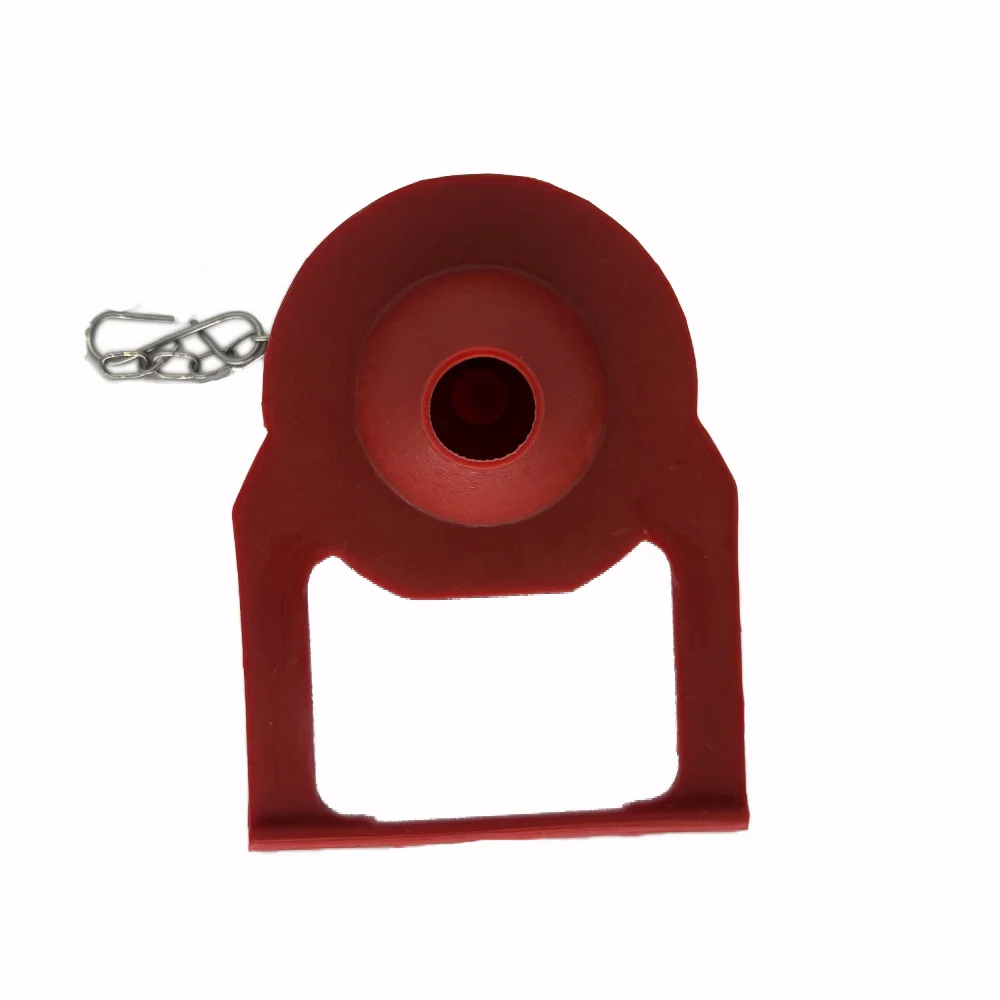
The final piece of the acoustic and hydraulic puzzle is the toilet flush seal ring. Located at the base of the flapper or the canister valve, this small but mighty ring is responsible for holding the entire volume of the tank’s water until the moment the handle is pulled. A failure here is often the most common cause of a "running" toilet, a nuisance that can significantly inflate a household's water bill.
A toilet flush seal ring must be incredibly smooth and flexible. Because it sits in standing water twenty-four hours a day, it is the component most susceptible to "blistering" or "warping" caused by the chemicals used in municipal water treatment. When the seal blisters, it can no longer make a flush connection with the valve seat, allowing a constant trickle of water to escape into the bowl.
To combat this, the industry has turned to specialized fluoropolymers and high-grade silicone. These materials are non-reactive and maintain their shape even after years of submersion. Furthermore, the design of these rings has become more "intelligent." Many now feature a suction-cup profile or a reinforced inner core that prevents the seal from "folding" under the pressure of the water. By ensuring a perfect, instantaneous shut-off after every flush, these specialized rings play a vital role in the global effort toward water conservation, proving that even the smallest part of a machine can have a massive environmental impact.
For a significant portion of the twentieth century, the seal between the toilet and the floor was dominated by wax.