

 Select Language
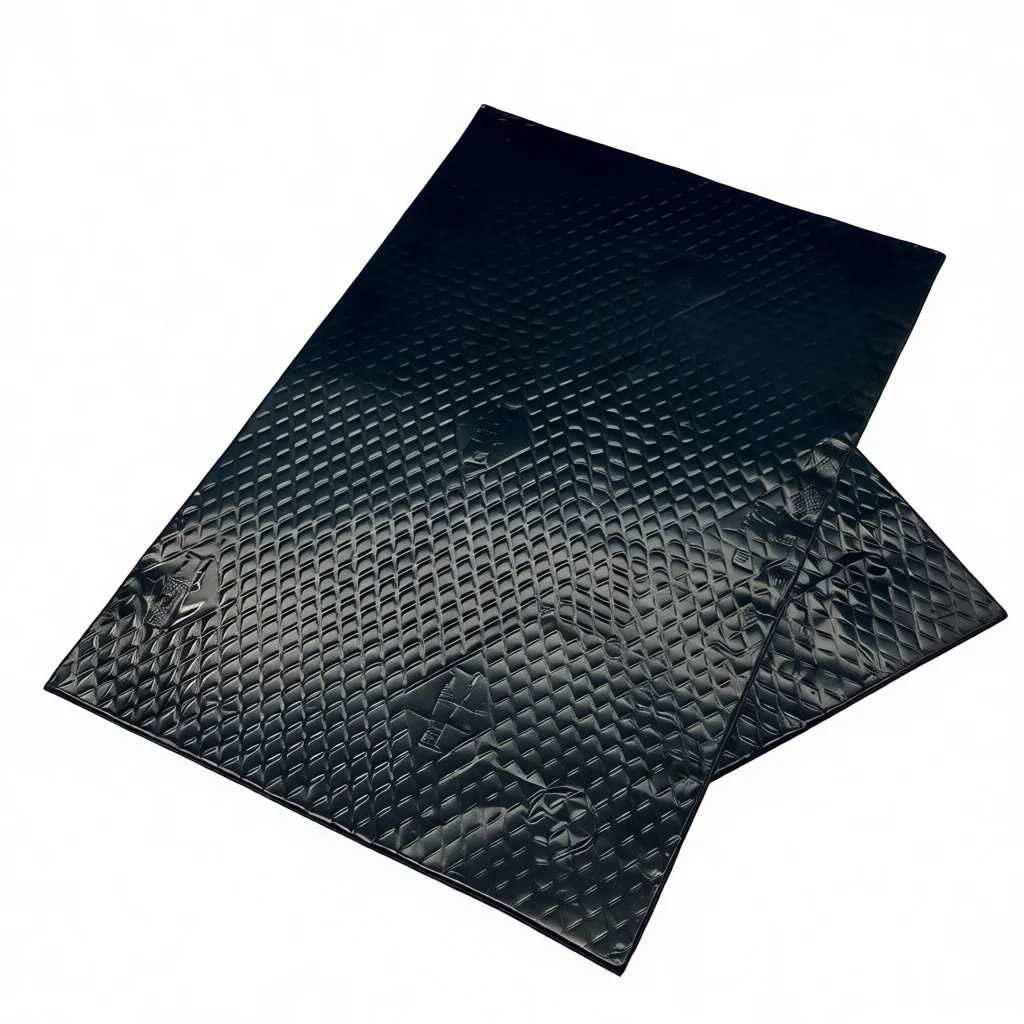
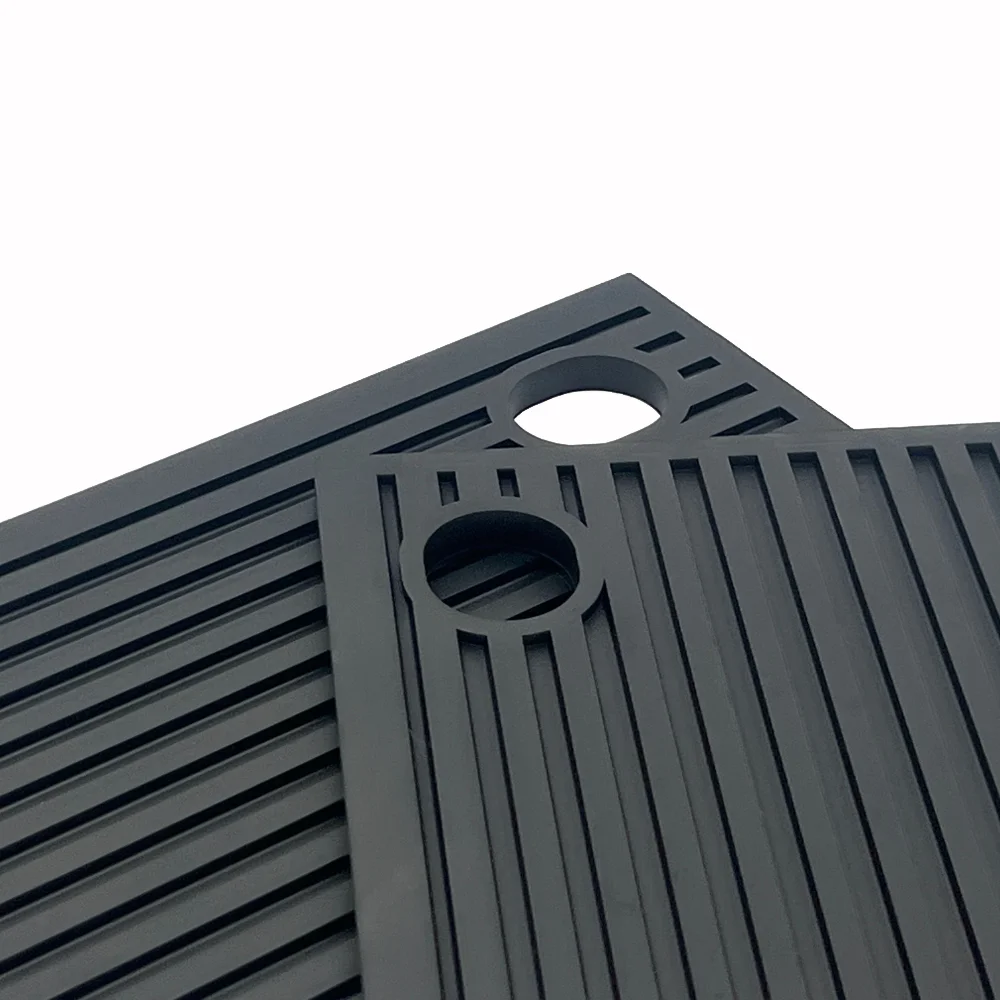
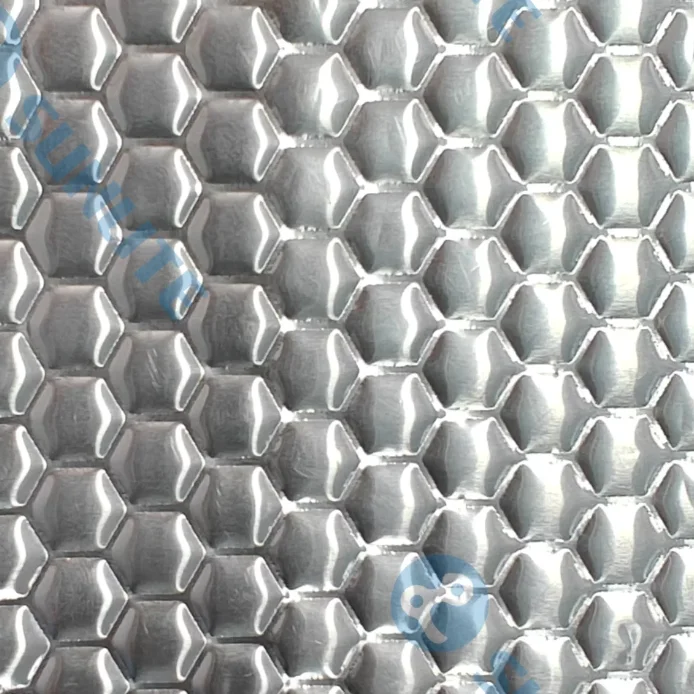
At the heart of automotive acoustic treatment lies the challenge of structural resonance. A vehicle is essentially a complex assembly of thin metal panels which, when subjected to engine torque or road impact, act like the skin of a drum. To counteract this, the installation of a vibration damping plate is the first and most critical step. These plates are not merely barriers; they are energy converters.s
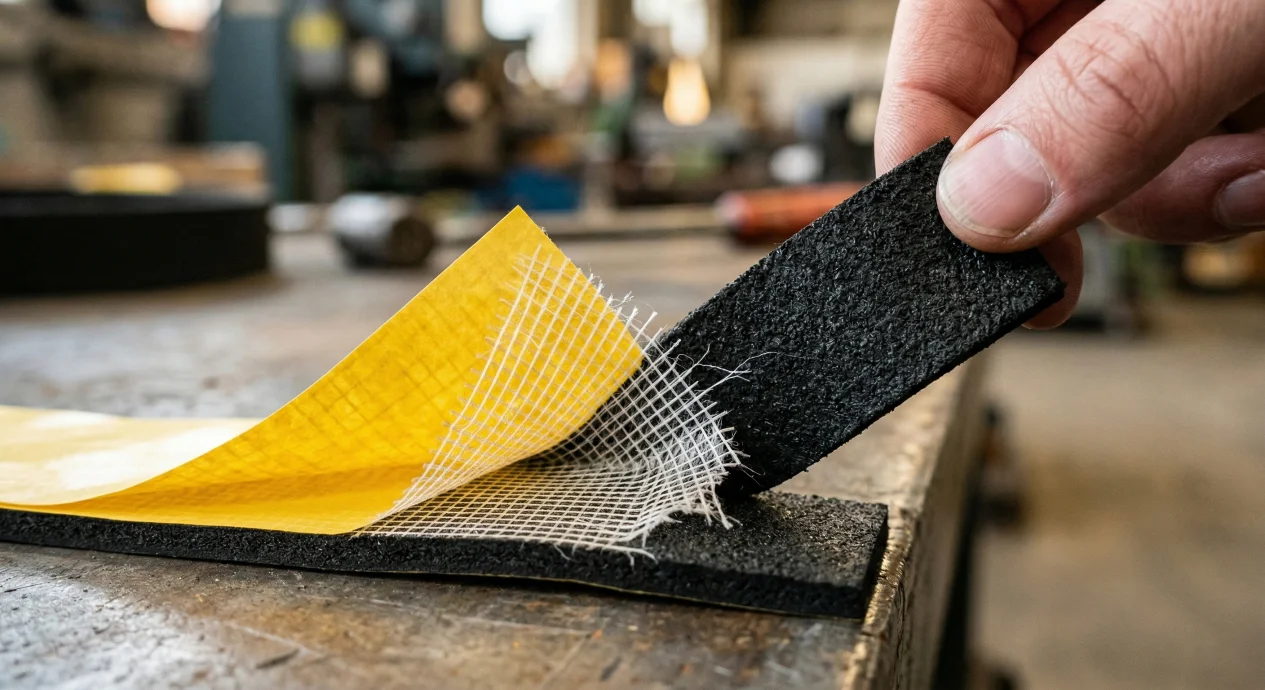
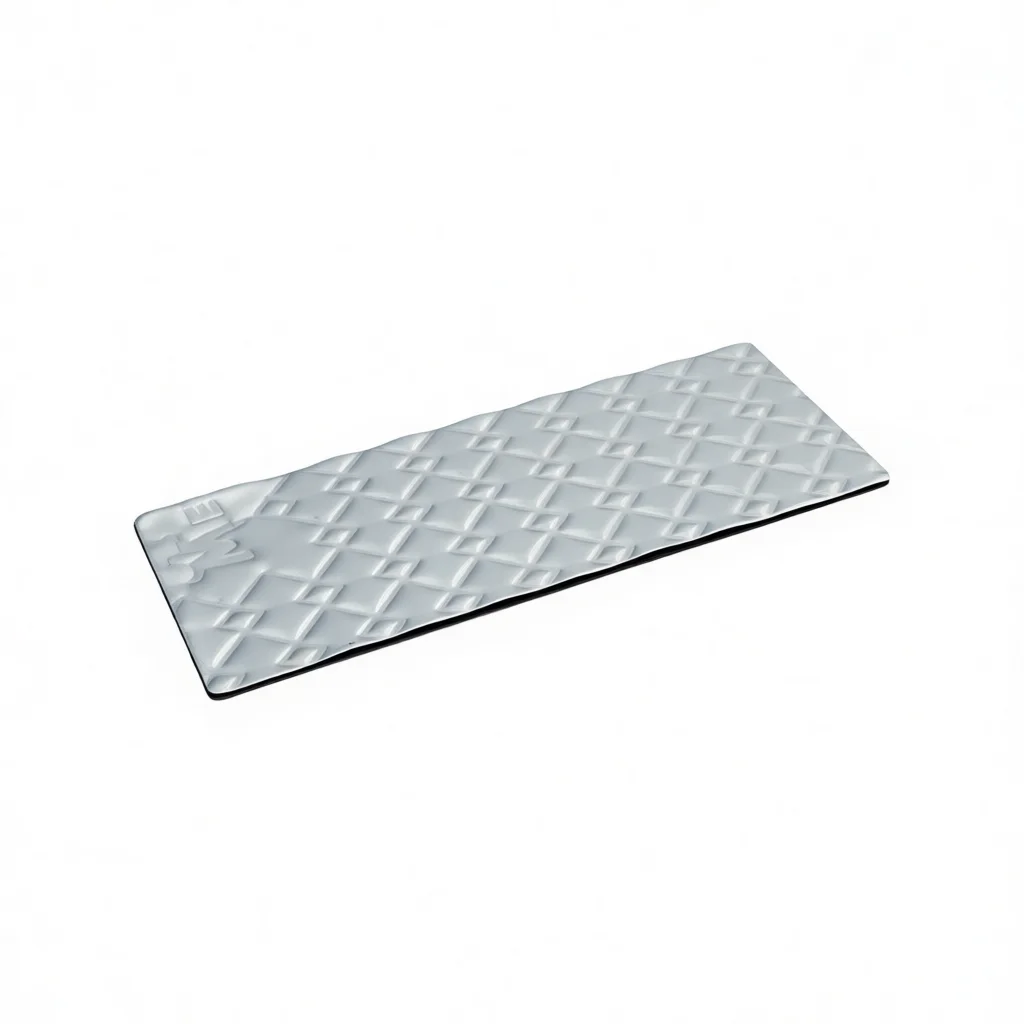
A high-quality vibration damping plate typically utilizes a visco-elastic polymer base, often a specialized butyl rubber, bonded to a constrained layer of aluminum. When the metal panel of the car attempts to vibrate, the damping plate moves with it. The internal friction within the visco-elastic layer converts that kinetic energy into low-grade heat, effectively "soaking up" the vibration before it can radiate as audible noise. This process, known as "damping," changes the resonant frequency of the panel, shifting it from a loud, metallic "clang" to a dull, muted thud. By strategically placing these plates on large, flat surfaces like door skins and floor pans, one can significantly stabilize the vehicle's frame.
Achieving Interior Serenity through Car Sound Deadening
Beyond managing the vibration of the metal itself, the broader goal of car sound deadening is to create a comprehensive acoustic envelope. This involves a multi-layered strategy that addresses different types of noise: structure-borne noise (vibrations traveling through the chassis) and airborne noise (wind, tire roar, and passing traffic).
The process of car sound deadening requires a meticulous approach to the vehicle's interior. It starts with the stripping of the cabin—removing seats, carpets, and door cards—to reveal the bare skeleton of the machine. The application of insulation in these hidden areas creates a silent sanctuary. For instance, treating the roof of a vehicle can drastically reduce the "drumming" effect during heavy rain, while treating the wheel arches can mitigate the constant hiss of tires on asphalt.
This holistic approach does more than just quiet the cabin; it enhances the performance of the vehicle's audio system. In an untreated car, speakers must compete with a high noise floor, often resulting in muddy bass and distorted mid-tones. By implementing a thorough car sound deadening strategy, the "signal-to-noise" ratio is improved, allowing the nuances of music to emerge clearly even at highway speeds.
The Industry Standard: Dynamat Sound Deadening
In the world of automotive restoration and high-end audio, certain brands have become synonymous with the technology they pioneered. Dynamat sound deadening represents the gold standard in thin-profile, high-performance acoustic insulation. Its reputation is built on the stability of its chemical composition, which is designed to remain effective across a vast range of temperatures without becoming brittle in winter or melting in summer.
What sets Dynamat sound deadening apart is its ease of integration. Because it is highly conformable, it can be pressed into the complex curves and recesses of a car’s floor pan or trunk without leaving air gaps. Air gaps are the enemy of acoustic treatment, as they allow for the continued transmission of sound waves. The permanent adhesive bond created by these premium sheets ensures that the damping material becomes an integral part of the vehicle’s structure, providing a permanent solution that lasts for the life of the car. For many collectors and custom builders, the "Dynamat" name is a mark of quality that signifies a vehicle has been built with an obsessive attention to detail.
Specialized Protection with the Anti Vibration Plate
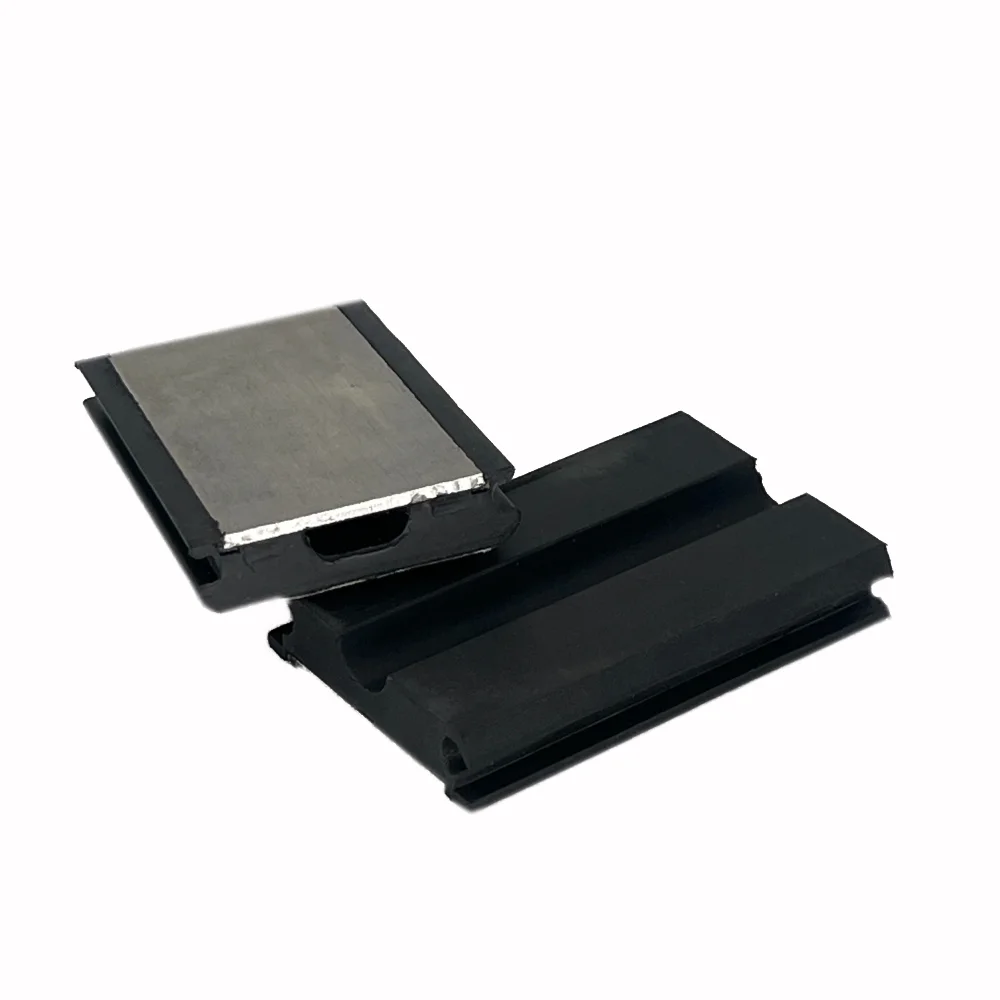
While many acoustic materials are designed for broad application, the anti vibration plate often finds its home in specific high-stress areas where heavy mechanical components meet the chassis. These plates are frequently utilized in the firewall area or around the transmission tunnel, where the heat and mechanical energy are most intense.
The anti vibration plate is engineered to be a rugged defender. Unlike lighter films, these plates are often thicker and may feature multi-stage construction to handle lower-frequency disturbances that lighter materials might miss. Their role is particularly vital in diesel vehicles or performance cars with stiff engine mounts, where the mechanical "rumble" is a constant presence. By decoupling the cabin from the engine bay using an anti vibration plate, the manufacturer can maintain the car's structural stiffness while isolating the passengers from the harsher sensations of the powertrain.
Total Isolation with High Density Anti-Vibration Sheet
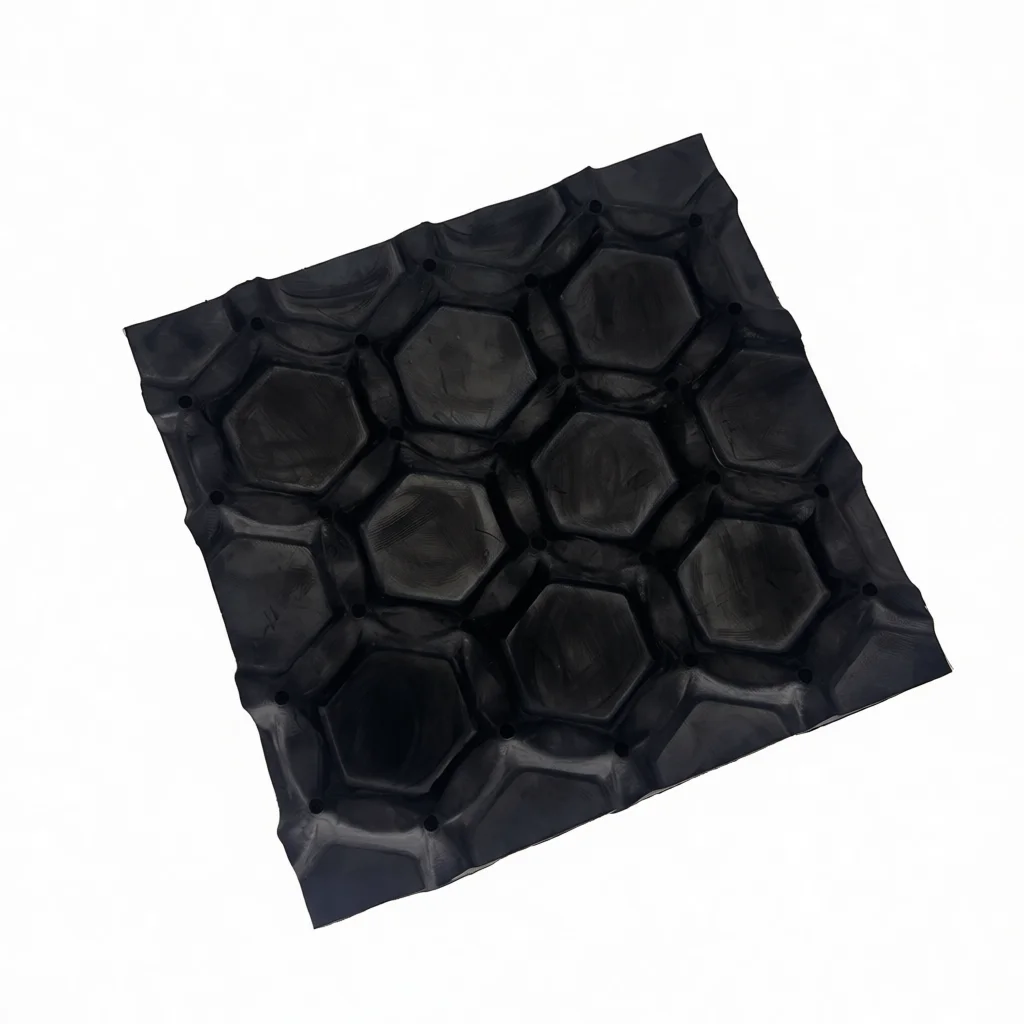
For the most demanding acoustic environments—such as luxury limousines or professional mobile recording studios—standard damping is often supplemented with a high density anti-vibration sheet. While damping plates focus on stopping the metal from vibrating, these high-density sheets act as a "mass-loaded barrier" to block sound waves from passing through the floor and firewall.
A high density anti-vibration sheet is typically much heavier than standard damping materials. This mass is essential because, in the world of acoustics, weight is the primary enemy of sound transmission. These sheets are often used as a secondary layer, laid over the damping material to create a "sandwich" effect. This combination is incredibly effective at blocking the low-frequency road roar that characterizes long-distance highway travel. Because these sheets are dense, they also provide a degree of thermal insulation, keeping the cabin cooler in the summer and warmer in the winter, further enhancing the comfort of the occupants.
Anti-Vibration Sheet: The Harmony of Form and Function
The science of silence in the automotive world is a testament to the progress of material engineering. From the foundational role of the vibration damping plate in taming the vehicle's metal skin to the heavy-duty protection of a high density anti-vibration sheet, these materials work in concert to redefine our relationship with the road. Whether one is utilizing the proven reliability of Dynamat sound deadening or embarking on a custom car sound deadening project, the result is a vehicle that feels more solid, more luxurious, and infinitely more peaceful. As we move toward an era of electric vehicles, where wind and road noise become the dominant sounds, the importance of these specialized anti-vibration and acoustic barriers will only continue to grow.
At the heart of automotive acoustic treatment lies the challenge of structural resonance.