Select Language

Industrial flooring environments face constant challenges from heavy equipment, continuous foot traffic, moisture exposure, and machine vibration. In facilities such as factories, warehouses, workshops, transportation hubs, and manufacturing plants, flooring safety and durability directly influence operational efficiency and workplace protection. One of the most effective ways to improve industrial floor performance is by selecting the right non slip rubber mat solution.
Choosing the correct industrial rubber flooring solution involves more than simply selecting a surface covering. The material must provide stability, vibration resistance, comfort, and long-term durability while adapting to specific environmental conditions. Understanding how different rubber materials function can help businesses make more effective flooring decisions for industrial applications.

Why Non Slip Rubber Mat Solutions Are Essential for Industrial Flooring
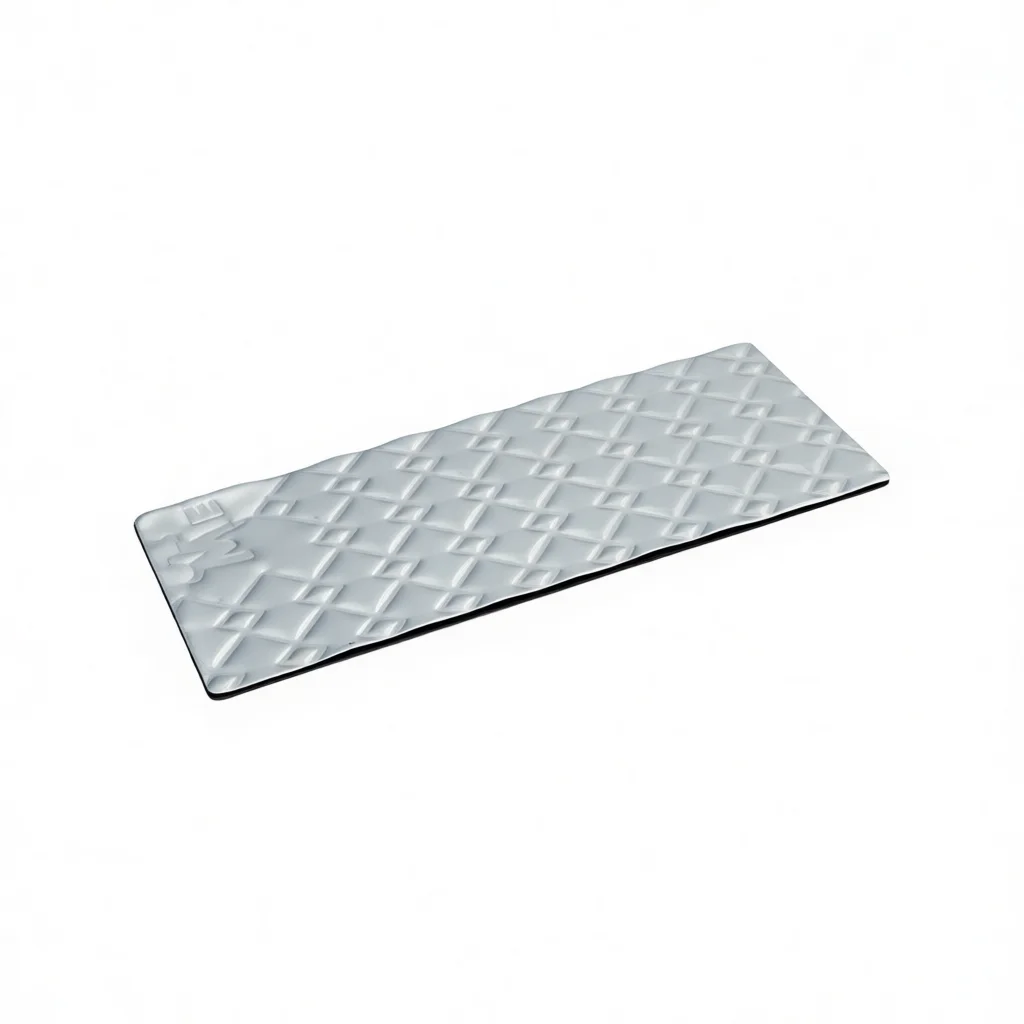
Industrial facilities are often exposed to oil, water, dust, chemicals, and heavy mechanical activity. These conditions increase the risk of slips, falls, and floor damage. A high-quality non slip rubber mat creates a protective surface layer that improves traction and enhances workplace safety.
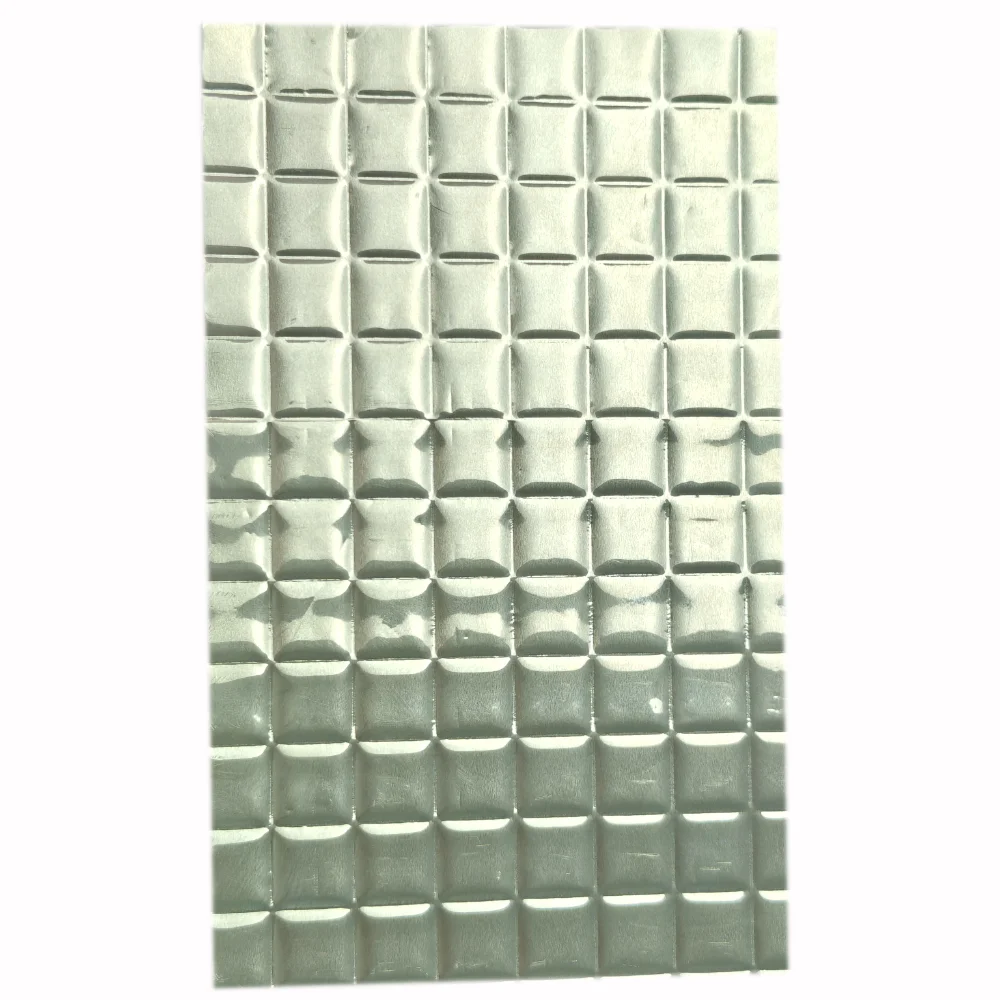
Rubber materials naturally provide better grip compared with many traditional hard flooring surfaces. Their textured surfaces help reduce slipping even in environments where moisture or contaminants are present. This makes rubber mats highly suitable for machine rooms, production lines, loading docks, and assembly areas.
In addition to safety benefits, a non-slip rubber mat helps absorb impact from foot traffic and machinery movement. The cushioning effect reduces pressure on flooring systems while improving walking comfort for employees who spend long hours standing in industrial workspaces.
Industrial facilities also benefit from the noise reduction properties of rubber flooring. Machinery vibration and movement often create excessive noise levels that can affect working conditions. Rubber materials help absorb vibration energy before it spreads across the floor structure.
How Soft Rubber Protection Mat Enhances Workplace Safety
A soft rubber protection mat is designed to create a safer and more comfortable working environment. Unlike rigid flooring materials, soft rubber surfaces provide flexibility and shock absorption that help reduce stress on both equipment and workers.
In industrial settings where employees stand for extended periods, hard surfaces can contribute to fatigue and discomfort. Rubber mats provide a cushioning effect that supports foot comfort and may help reduce strain on joints and muscles. This can improve worker productivity and create a more ergonomic workplace environment.
The flexible structure of a soft rubber protection mat also helps minimize damage caused by dropped tools, moving carts, or heavy equipment. Rubber absorbs impact energy more effectively than concrete or metal surfaces, helping preserve both flooring systems and industrial equipment.
Another important advantage is the mat’s ability to adapt to uneven floor conditions. Industrial facilities often contain surfaces with slight irregularities or vibration zones. Rubber protection mats help stabilize movement while maintaining a more balanced and secure surface.
EPDM Elastic Rubber Pad Offers Strong Environmental Resistance
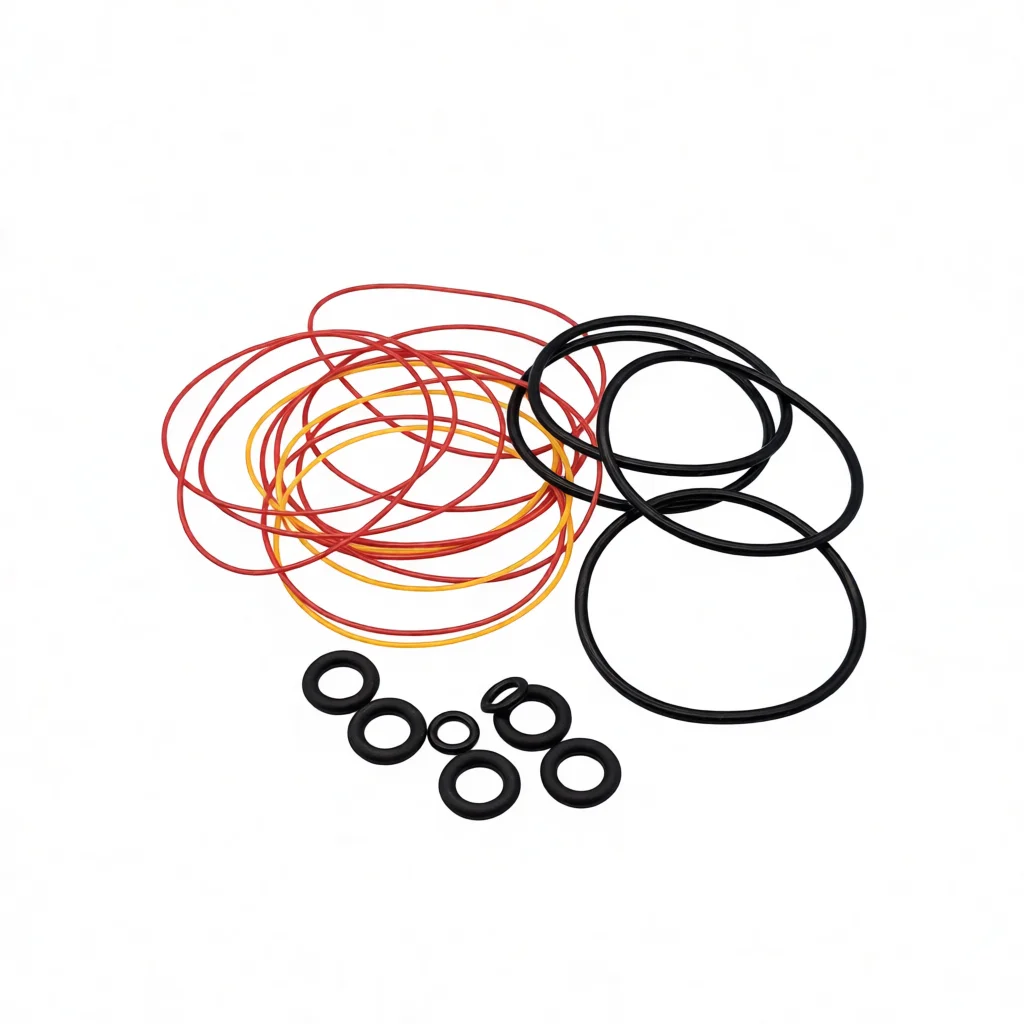
When selecting industrial flooring materials, environmental conditions play a critical role. Facilities exposed to heat, sunlight, moisture, or outdoor weather conditions require durable materials capable of maintaining long-term performance. An EPDM elastic rubber pad is widely recognized for its excellent resistance to environmental exposure.
EPDM rubber is known for its strong weather resistance and flexibility. Unlike some traditional rubber materials that may crack or deteriorate under extreme conditions, EPDM maintains stability across a wide temperature range. This makes it particularly suitable for outdoor industrial flooring systems and facilities exposed to changing environmental conditions.
An EPDM elastic rubber pad also performs well in areas where moisture resistance is essential. Water exposure can quickly reduce the lifespan of certain flooring materials, but EPDM rubber retains its structure even in humid or wet environments. This makes it useful for industrial kitchens, transportation facilities, marine environments, and processing plants.
The elastic properties of EPDM also contribute to vibration absorption and impact protection. Heavy equipment often creates dynamic forces that transfer through floors and surrounding structures. EPDM rubber helps isolate these vibrations while reducing stress on industrial flooring systems.
Industrial Rubber Isolation Sheet Improves Vibration Control
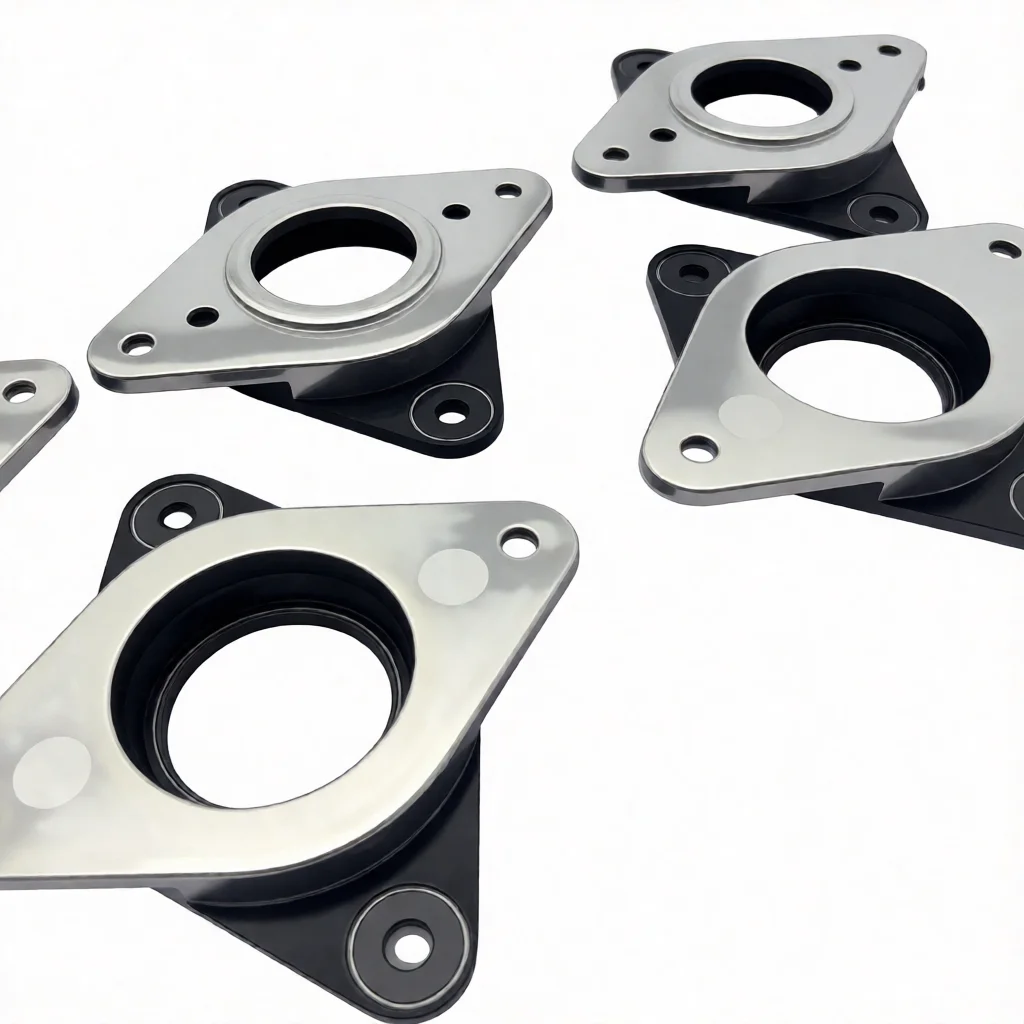
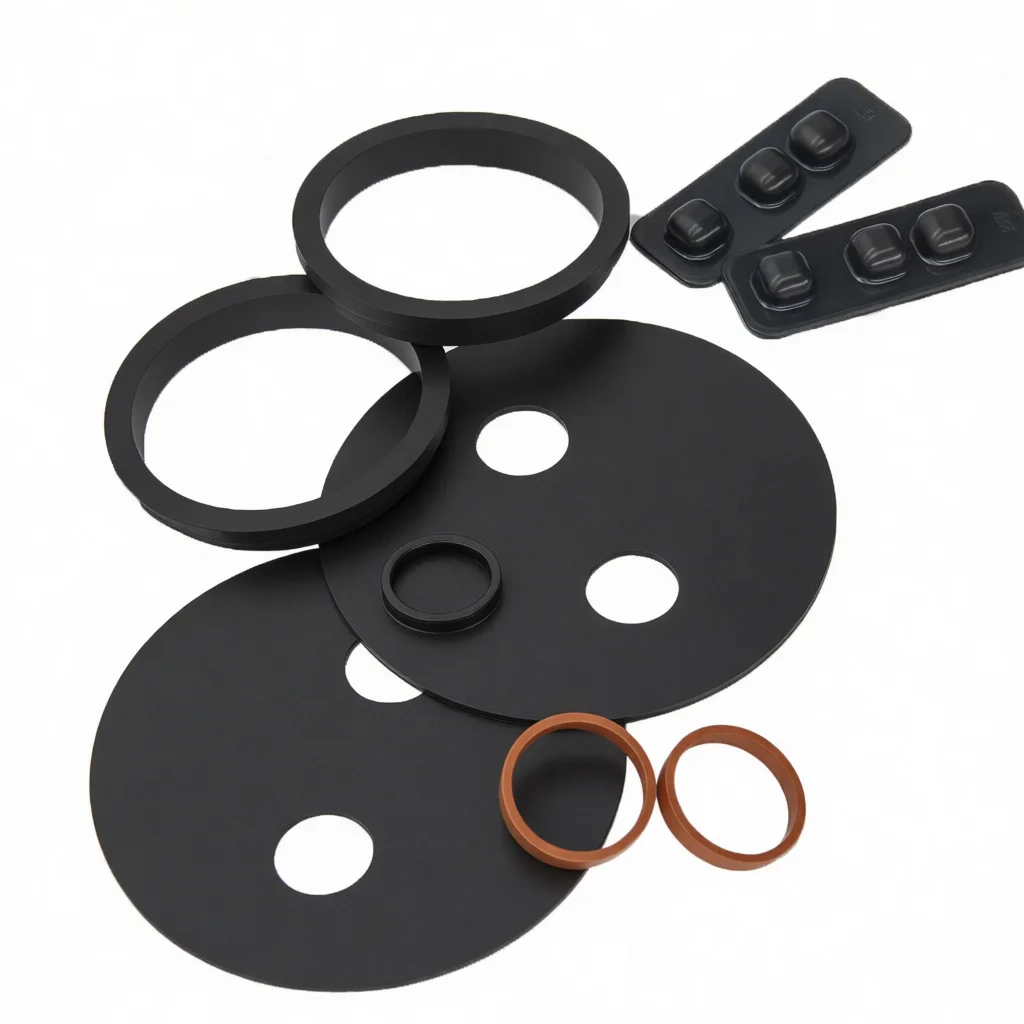
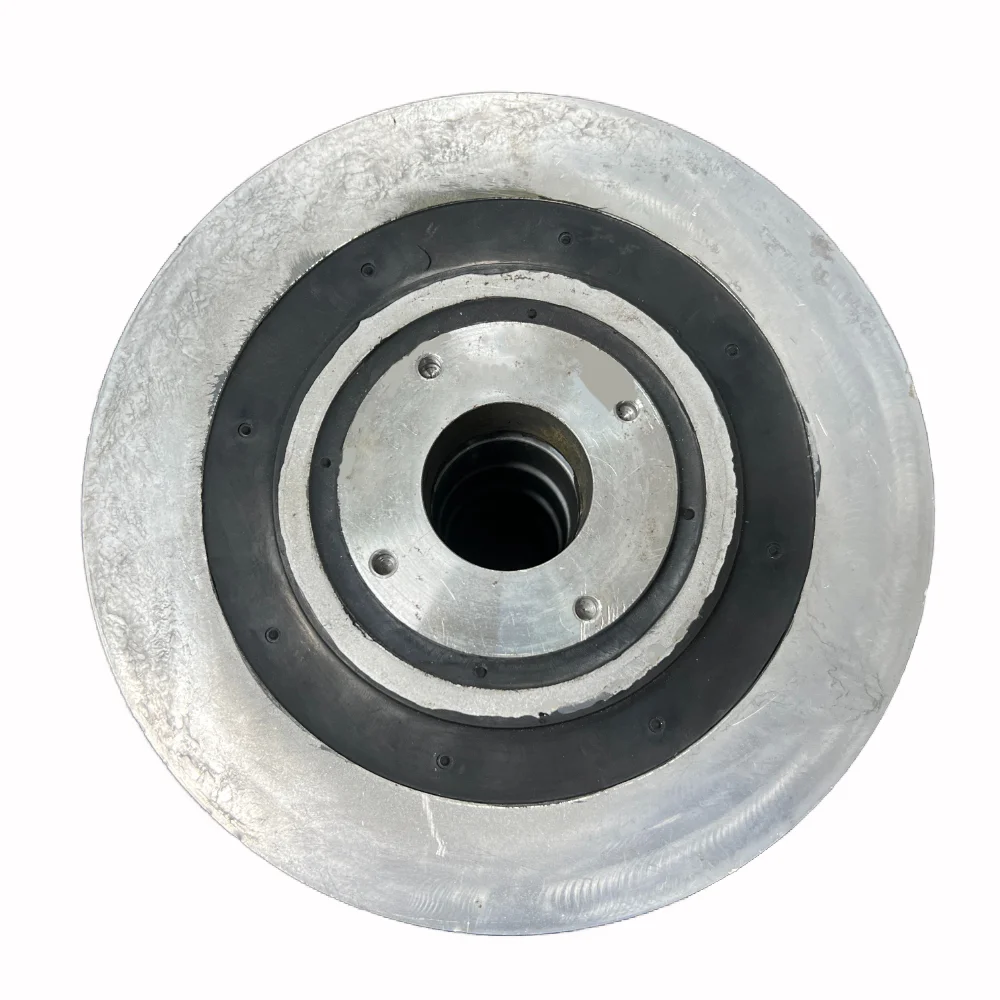
Industrial machinery generates continuous movement and vibration during operation. Over time, these vibrations can affect equipment stability, increase structural wear, and contribute to workplace noise. An industrial rubber isolation sheet helps control these issues by acting as a vibration-dampening barrier between equipment and flooring systems.
Rubber isolation sheets are commonly installed beneath machinery such as compressors, pumps, generators, and industrial presses. Their flexibility allows them to absorb vibration energy before it spreads into surrounding structures.
By reducing vibration transfer, an industrial rubber isolation sheet helps improve equipment stability and operational efficiency. Machines operating on stable foundations often experience lower mechanical stress and more consistent performance.
Floor protection is another important benefit. Heavy industrial equipment can place extreme pressure on flooring systems, especially during continuous operation. Rubber isolation materials distribute weight more evenly, reducing the risk of cracks, surface damage, and long-term structural deterioration.
In manufacturing facilities where multiple machines operate simultaneously, vibration isolation systems can also help protect nearby equipment from secondary vibration interference.
Choosing the Right Non-Slip Rubber Mat for Different Industrial Environments
Different industries have unique flooring requirements, which means selecting the right non-slip rubber mat requires careful consideration of operational conditions. Factors such as traffic intensity, equipment weight, moisture exposure, and chemical contact all influence the ideal flooring solution.
For heavy-duty industrial environments, thicker rubber mats may provide better durability and impact resistance. Facilities with high foot traffic often benefit from textured surfaces that maximize traction and reduce slipping risks.
Areas exposed to oils or industrial fluids may require specialized rubber materials with improved chemical resistance. In outdoor environments, weather-resistant options such as EPDM elastic rubber pad systems are often preferred due to their long-lasting performance under sunlight and moisture exposure.
Comfort is another important consideration. In workplaces where employees stand for long periods, softer cushioning materials can help improve ergonomic support while maintaining slip resistance.
Selecting the appropriate industrial rubber isolation sheet thickness and density also depends on vibration intensity and machine load requirements. Proper material selection helps ensure effective vibration control without compromising floor stability.

Industrial flooring environments face constant challenges from heavy equipment, continuous foot traffic, moisture exposure, and machine vibration.