

 Select Language
Let's be honest, few things are as universally dreaded as a leak. Whether it's a dripping roof or a damp basement, water ingress can be a real nightmare, causing damage and costing a fortune. For centuries, people have tried various methods to keep water out, from simple tar applications to, believe it or not, a form of Waterproofing Membrane, wax seal techniques. But times, as they say, have certainly changed.
Today, we're looking at advanced solutions that go far beyond what our ancestors could have imagined. The industry has seen a massive shift towards high-performance, durable, and surprisingly easy-to-apply materials. This isn't just about stopping water; it's about long-term structural integrity and peace of mind. Frankly, I've seen firsthand how a well-chosen waterproofing system can save a project from disaster.
Beyond the Basics: What's Driving the Trend?
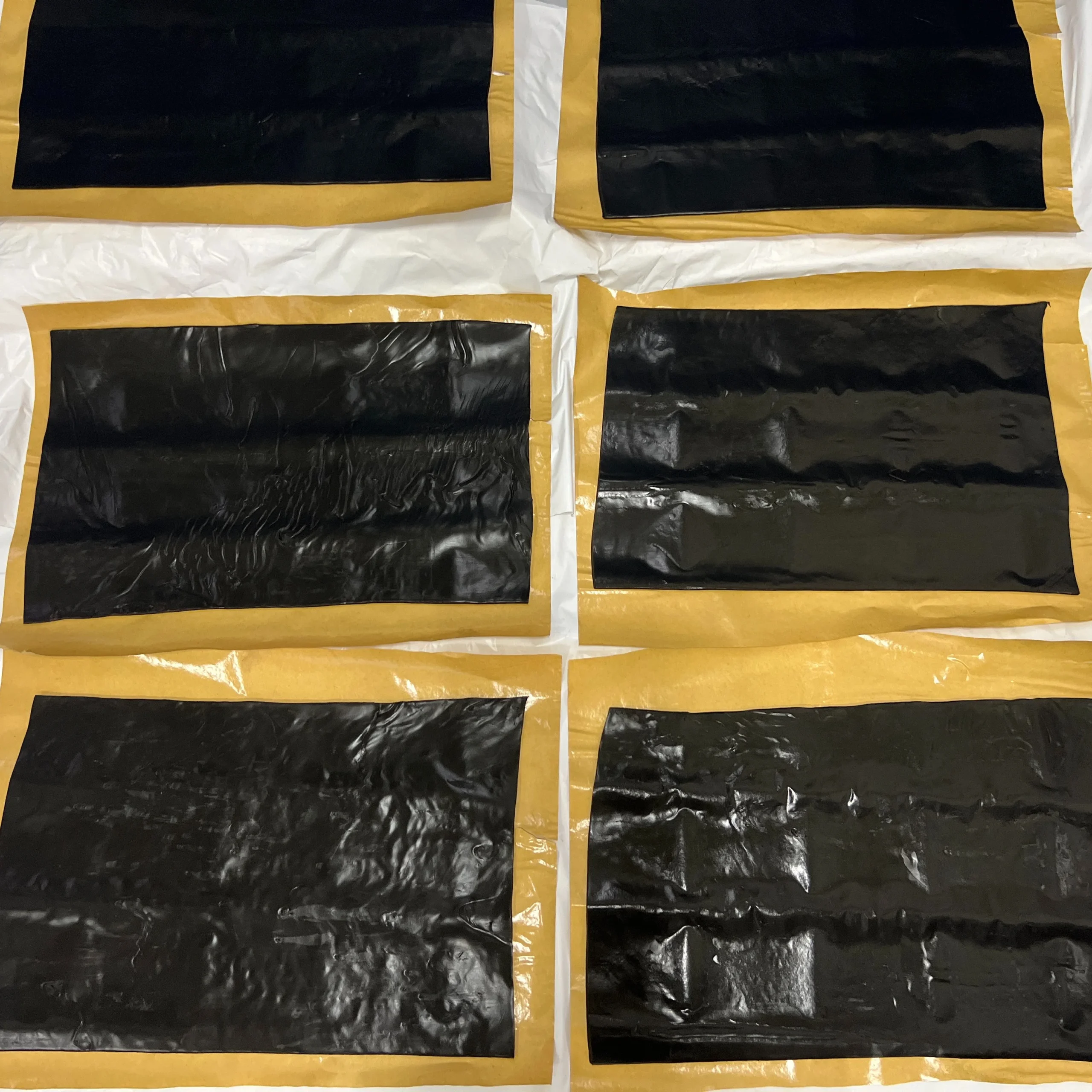
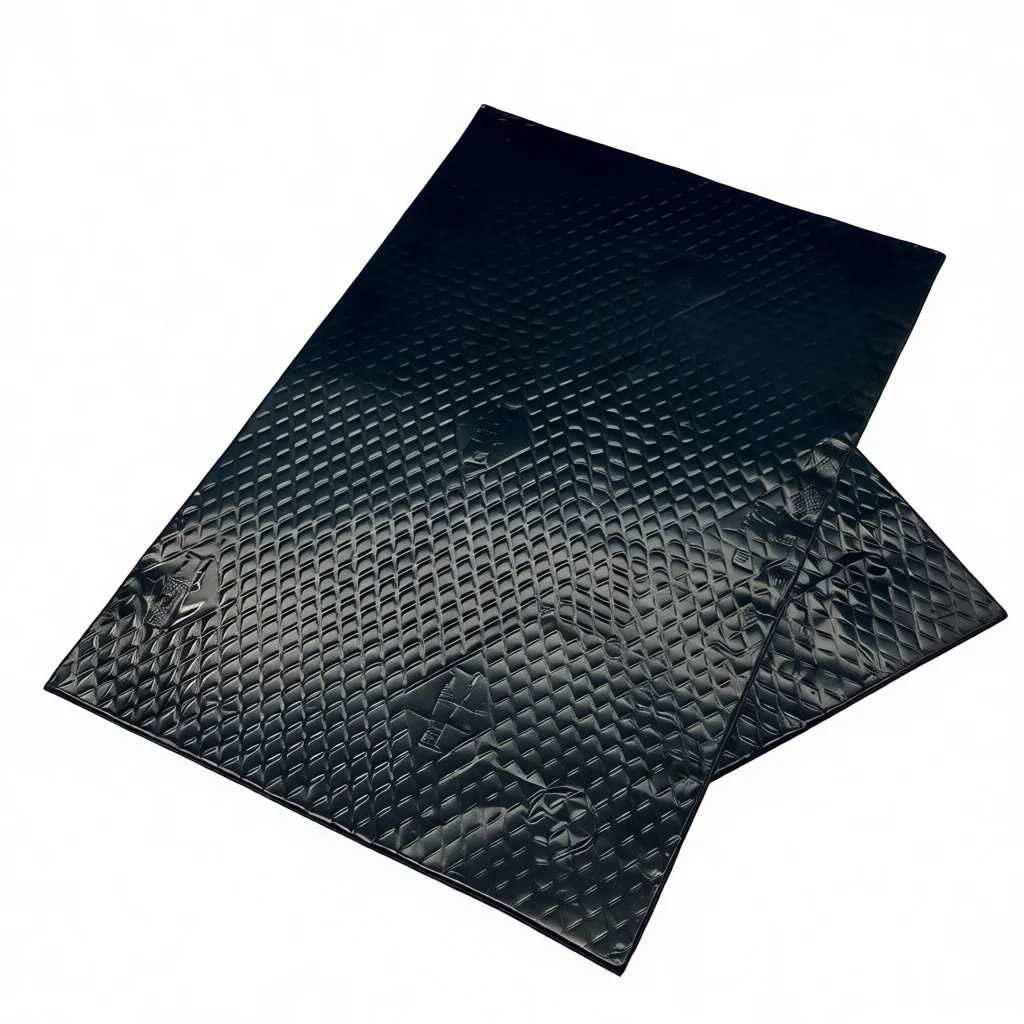
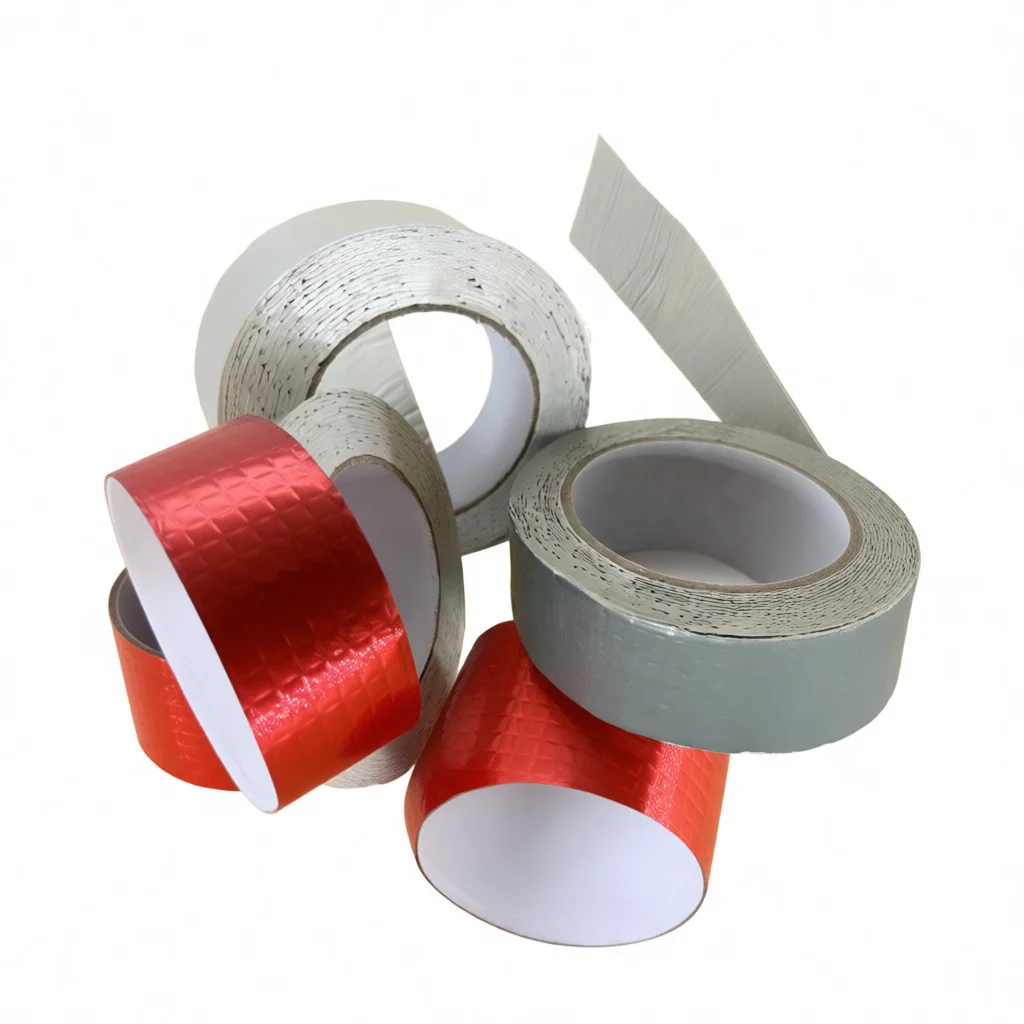
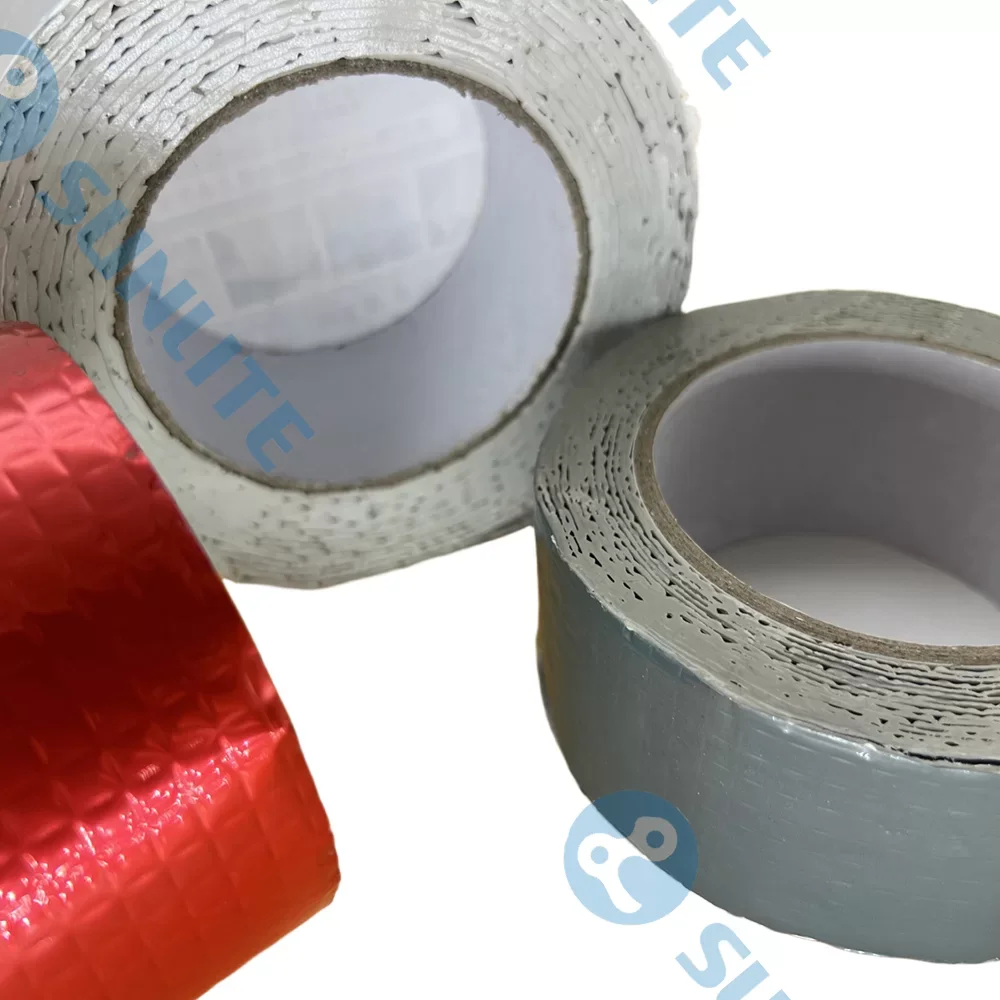
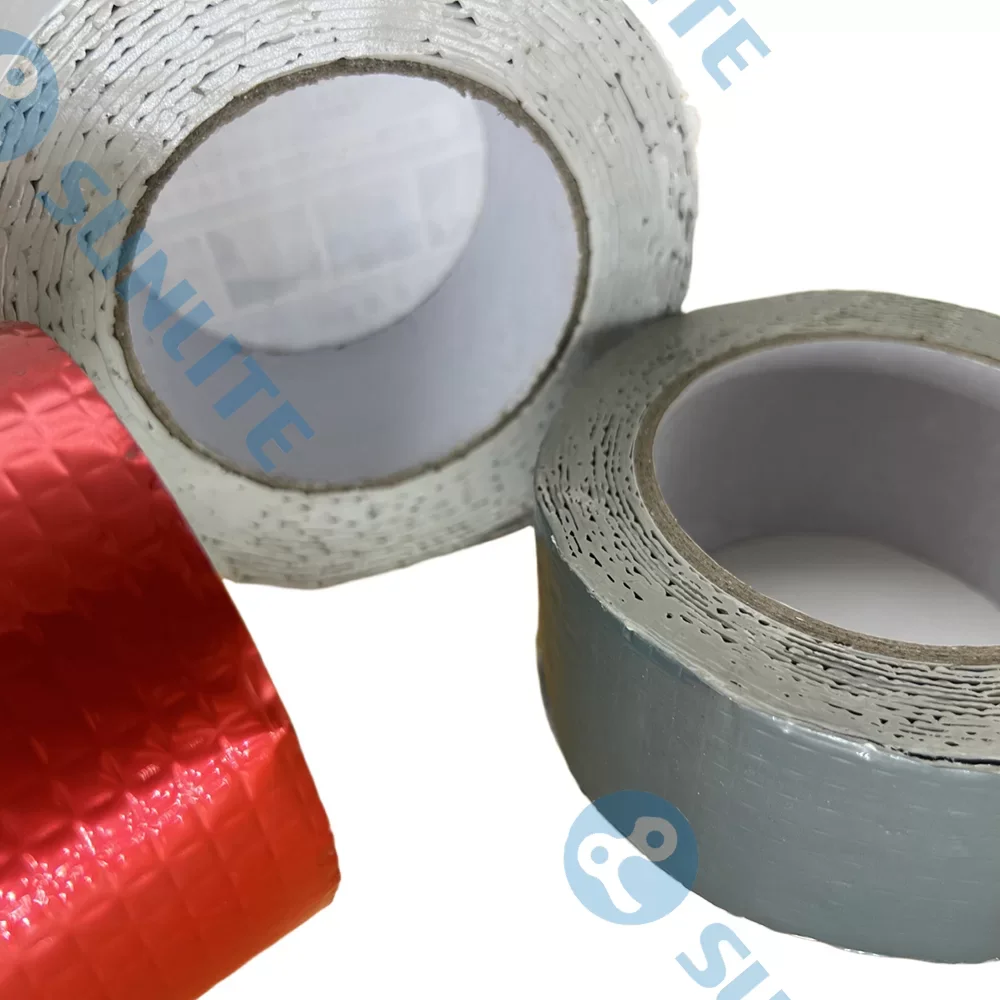
The biggest trend in modern waterproofing is efficiency combined with longevity. Think about it: quicker installation, minimal fuss, and a material that stands the test of time, even against harsh elements. Products like the Waterproof Roll, an Aluminum Foil Butyl Waterproofing Membrane, wax seal composite, are really setting new benchmarks. They leverage advanced materials like IIR (Isobutylene-Isoprene Rubber, a fancy name for butyl rubber) for incredible adhesion and elasticity, paired with aluminum foil for superior UV protection and reflectivity. It's a game-changer, especially compared to the labor-intensive hot-applied methods of old, or the less durable traditional seals.
A Closer Look: The Power of the Waterproof Roll
So, what makes this kind of Waterproofing Membrane, wax seal so effective? Well, the core is a highly adhesive butyl rubber layer, which acts as an impenetrable barrier. The aluminum foil surface isn't just for looks; it actively reflects over 90% of UV rays, significantly extending the material's lifespan. This combination means you get both immediate sealing and impressive long-term stability.
Key Technical Specifications
For those who appreciate the nitty-gritty details, here's a snapshot of what this product brings to the table. Performance is key, and these figures speak volumes about its robust nature:
Characteristic | Specification |
Substrate Structure | Aluminum foil + Butyl rubber composite |
Aluminum Foil Reflectivity | ≥90% |
Initial Adhesion Strength | ≥20N/25mm (various substrates) |
Water Impermeability | No leakage at 0.3MPa for 30min |
Elongation | ≥300% |
Operating Temp. Range | -30℃ to +80℃ |
Anti-aging Performance | Performance retention rate ≥80% after 168h UV |
The installation process is refreshingly simple, too. It's a cold self-adhesive application, meaning no open flames or special heating equipment. Just peel and stick, essentially. This isn't just convenient; it significantly boosts safety on site, which is a huge plus in my book. And that impressive elongation? It means the membrane can flex and move with the structure, preventing cracks and peeling over time. Many customers, actually, often praise the ease of application and the immediate peace of mind it offers.
Where Does It Shine? Application Scenarios
· Roof Waterproofing: From color steel tiles to concrete roofs and sealing those pesky joints.
· Underground Structures: Ideal for basement exterior walls and foundation structures, blocking groundwater infiltration.
· Moist Area Protection: Think bathrooms and kitchens where humidity is a constant challenge.
· Infrastructure: Bridges, tunnels, underground passages – crucial for protecting vital assets.
· Emergency Repairs: A quick fix for leaks and gaps, surprisingly handy for temporary solutions.
Comparing Your Options: Not All Membranes Are Equal
When you're looking at waterproofing solutions, it's easy to get lost in the jargon. But generally, the performance and cost benefits of advanced materials like the butyl rubber Waterproofing Membrane, wax seal are clear. Here's a quick, informal comparison:
Feature | Aluminum Foil Butyl Roll | Standard Asphalt Felt | Basic PVC Membrane |
Installation | Cold self-adhesive, very fast | Hot applied, requires torch/specialists | Welded/adhered, skilled labor needed |
UV Resistance | Excellent (>90% reflectivity) | Poor, needs top coat/ballast | Good, but varies by type |
Service Life | Very long (15+ years est.) | Moderate (5-10 years) | Long (10-20 years) |
Adhesion | Strong, multi-substrate compatible | Good to specific surfaces | Requires specific adhesive/prep |
Flexibility | Excellent (≥300% elongation) | Limited, prone to cracking | Good at varying temperatures |
It's clear that while initial cost might seem higher for advanced materials, the long-term savings in labor, maintenance, and avoided damage often make them the more economical choice. Plus, the environmental benefits of a longer-lasting product are undeniable.
Customization and Real-World Success
One of the beauties of modern manufacturing is the ability to customize. The Waterproof Roll, for instance, is available in multiple specifications, meaning it can be tailored to specific project needs – different widths, thicknesses, you name it. This adaptability is crucial for complex construction projects.
Case Study Snippet: Just last year, a client needed an urgent repair for a leaking industrial roof. Traditional methods would have meant significant downtime. Using the butyl rubber Waterproofing Membrane, wax seal, their team was able to quickly apply the self-adhesive rolls directly over the problematic areas, even on an irregular metal surface. The job was done in a fraction of the time, and they avoided costly production halts. It really highlighted the "strong adhesion & self-adhesive application" advantage.
The Final Word: Investing in Protection
In conclusion, the evolution from rudimentary seals to sophisticated Waterproofing Membrane, wax seal technology like the Aluminum Foil Butyl Waterproof Roll is truly remarkable. With certifications generally adhering to international standards for impermeability and material durability, these products offer a reliable, long-term solution to prevent water damage. For anyone in construction or property management, choosing the right Waterproofing Membrane, wax seal isn't just a purchase; it's an investment in the longevity and safety of your assets.
Authoritative Citations
1. ASTM D412 - Standard Test Methods for Vulcanized Rubber and Thermoplastic Elastomers—Tension.
2. ISO 10350-1:2018 - Plastics — Acquisition and presentation of comparable single-point data — Part 1: Moulding materials.
3. Building Research Establishment (BRE) – Digests on Waterproofing Practices.
Let's be honest, few things are as universally dreaded as a leak. Whether it's a dripping roof or a damp basement, water ingress can be a real nightmare, causing damage and costing a fortune.