

 Select Language
Let's be honest, few home improvement tasks fill us with as much dread as dealing with a leaking toilet. And for the longest time, the culprit – or at least the traditional fix – has been that messy, often frustrating toilet seal ring. I remember countless times, as a younger man, wrestling with wax rings, only for them to melt in the summer heat or crack in the winter chill. It was a cycle of temporary fixes and inevitable leaks. But thankfully, the industry has evolved, bringing us a much-needed upgrade in the form of advanced rubber toilet seal technology.
The shift from traditional wax seals to modern butyl-based rubber toilet seal products represents a significant leap. It’s not just about a cleaner installation, though that’s a huge plus! It's about long-term reliability, environmental responsibility, and, frankly, peace of mind. Many customers, myself included, have found these newer solutions to be far superior, offering a robust barrier against both water leaks and those unwelcome bathroom odors.
Why Upgrade? The Limitations of Traditional Wax
For decades, the wax ring was the standard. Simple, affordable, but inherently flawed. The biggest issues, as I mentioned, were temperature sensitivity. Wax just isn't built to withstand the extreme temperature swings found in many homes, especially basements or unheated bathrooms. It would soften and deform, leading to leaks, or become brittle and crack, causing similar problems. Plus, if you ever had to reposition a toilet, even slightly, you'd almost certainly need to replace toilet ring entirely, often resulting in a sticky, unpleasant mess. Honestly, it was a pain.
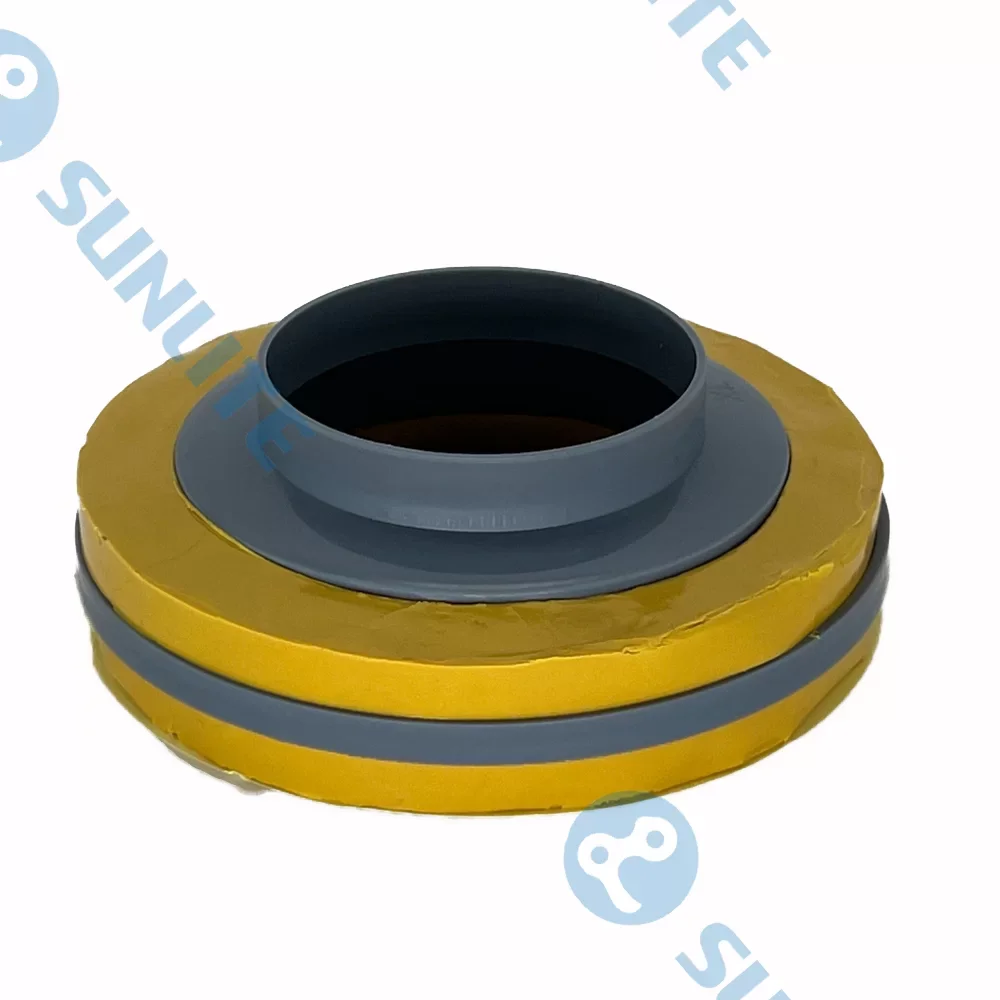
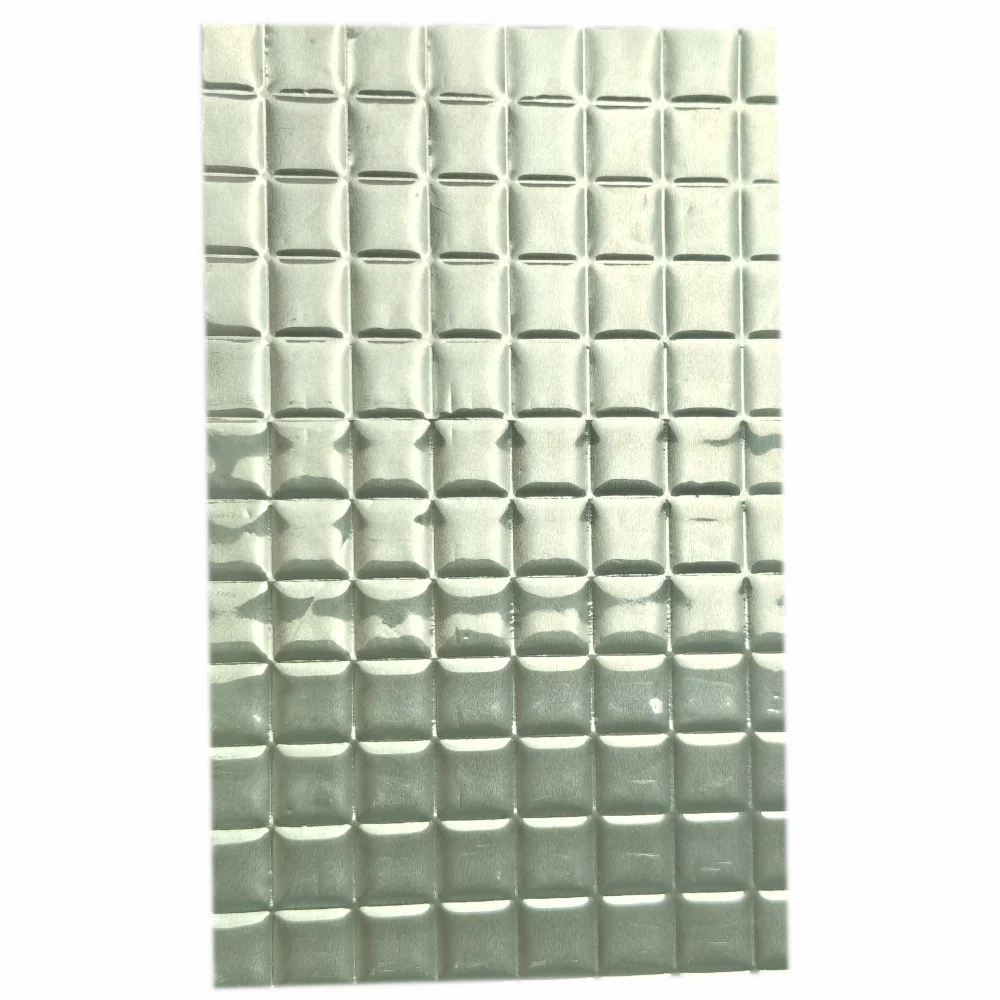
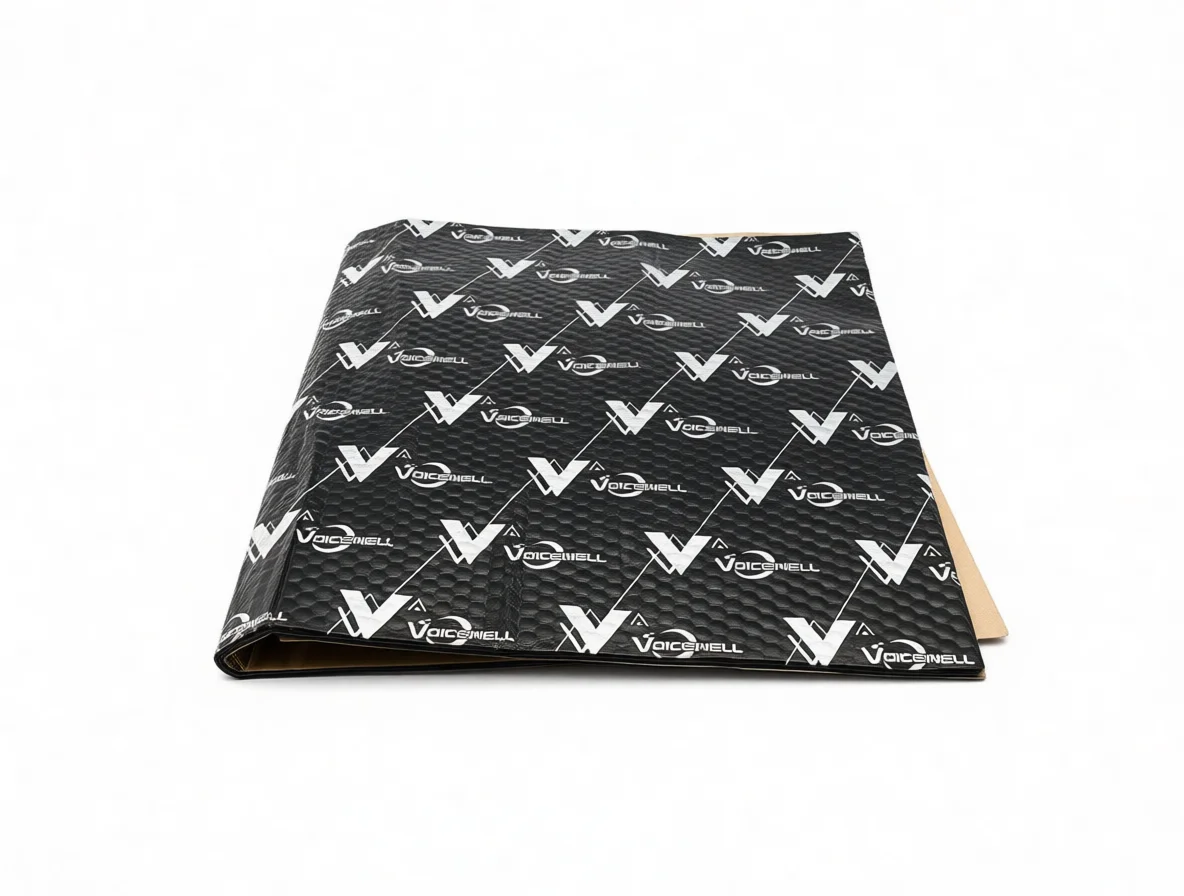
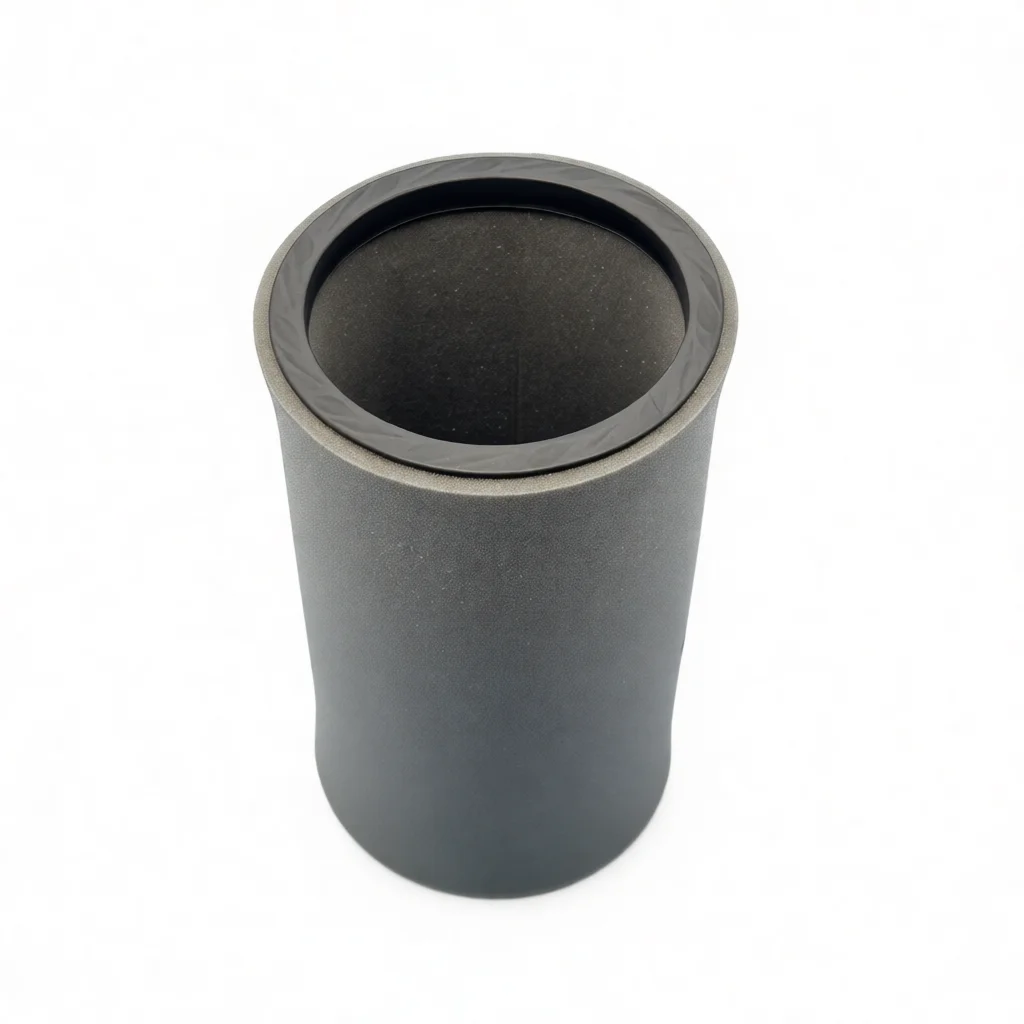
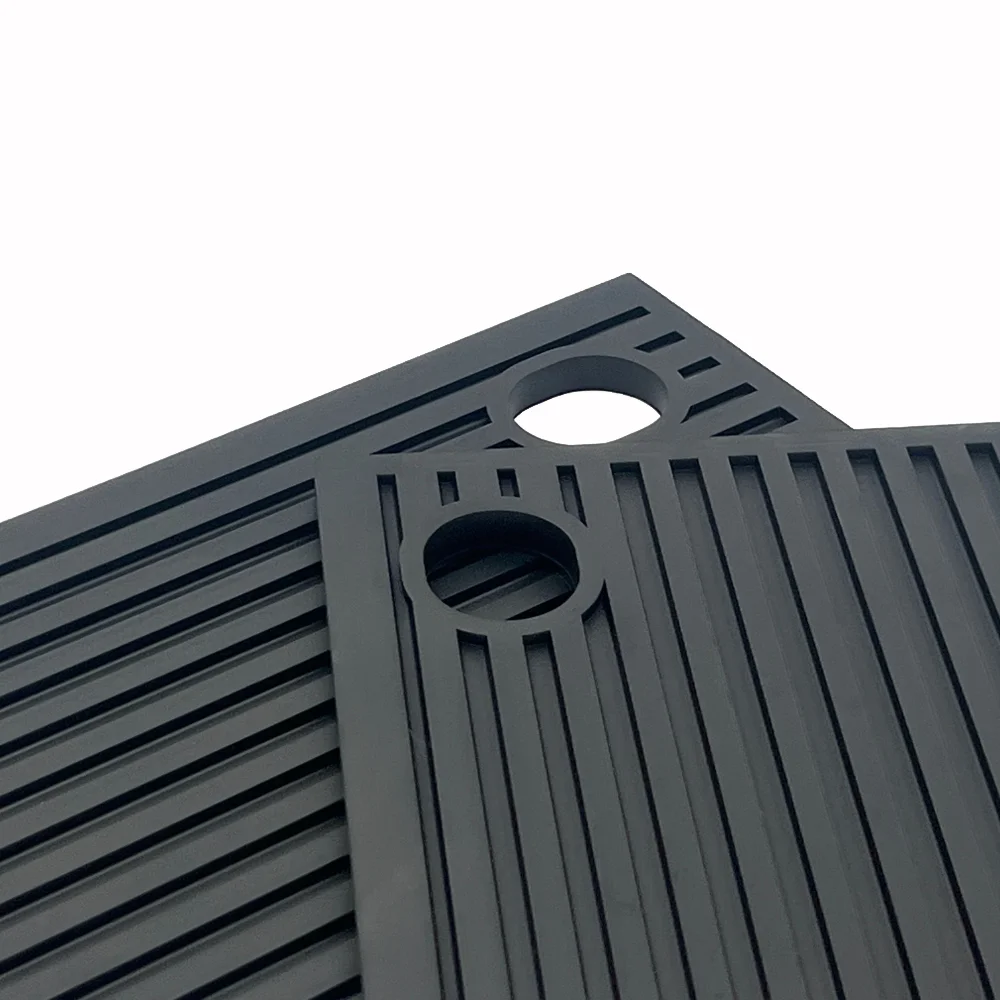
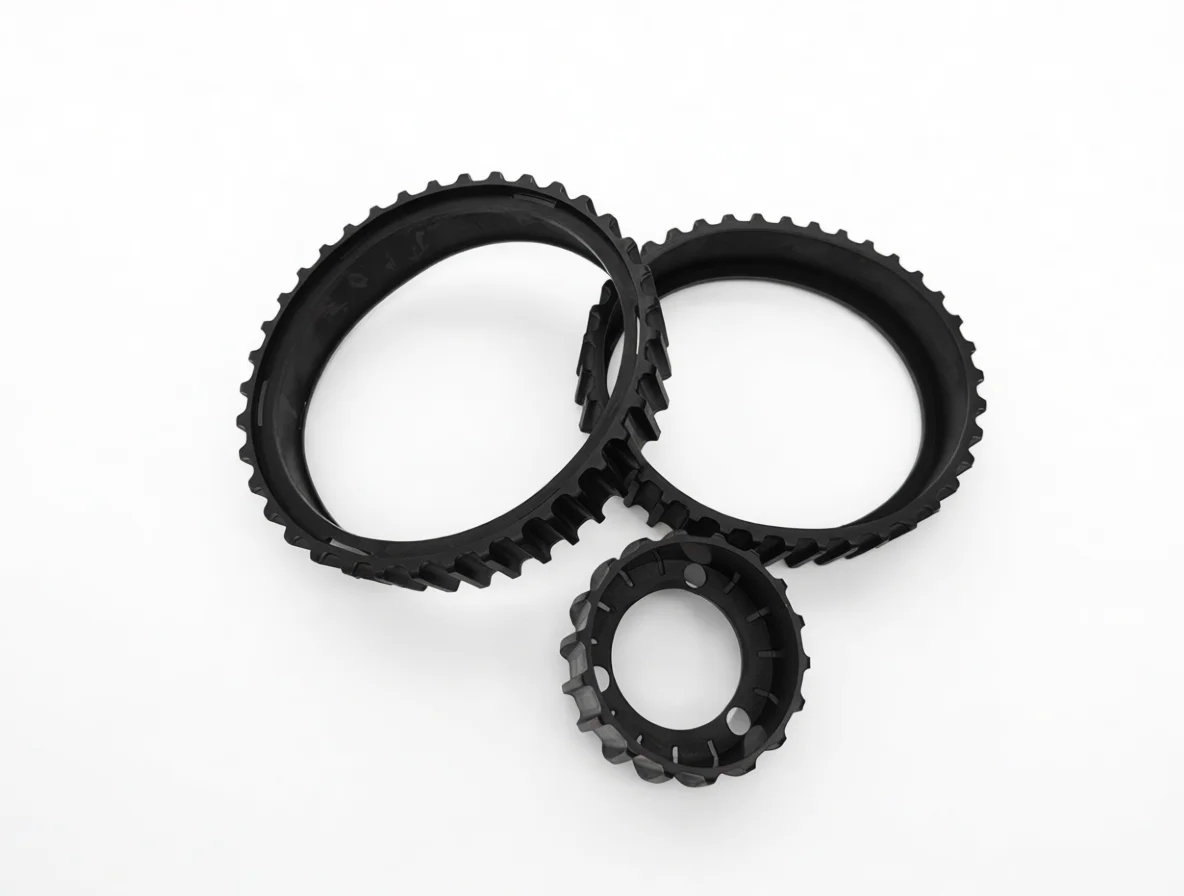
A modern butyl rubber toilet seal – a far cry from the old wax ring.
Introducing the Modern Toilet Flange Seal: A Technical Deep Dive
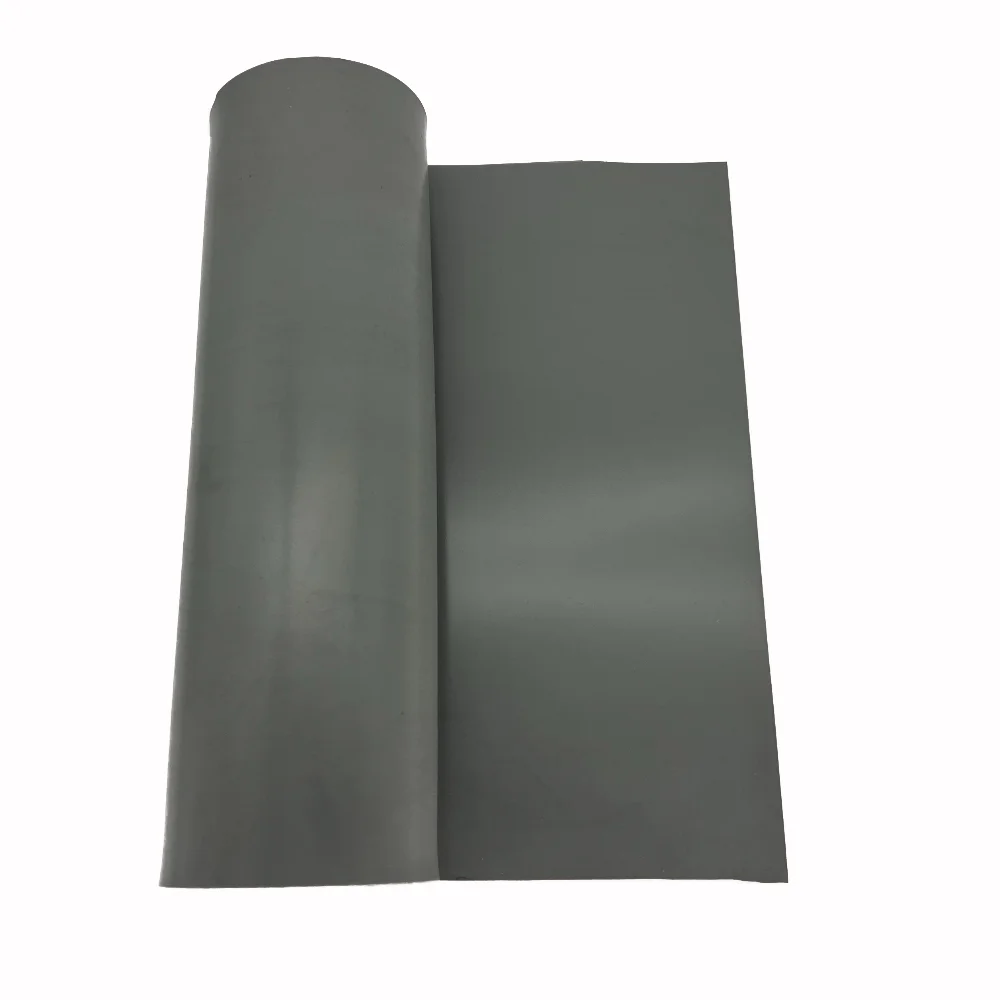
This is where innovation truly shines. Modern solutions, like the Toilet Flange Seal, leverage advanced materials to overcome those traditional weaknesses. The core material, in this case, is high-quality IIR (Isobutylene-isoprene rubber), or butyl rubber composite sealing mastic. This isn’t just any rubber; it's specifically engineered for flexibility, density, and exceptional adhesive properties.
Key Technical Specifications:
Feature | Specification (Sunlitek Toilet Flange Seal) |
Main Material | Butyl rubber composite sealing mastic (IIR) |
Temperature Resistance | -40℃ to 80℃ (no deformation under cold or heat) |
Sealing Performance | Water-resistant sealing ≥ 0.3MPa |
Adhesion Strength | Bonding to ceramics, PVC, stainless steel ≥ 18N/25mm |
Environmental Certifications | RoHS2.0, REACH, PAHs, POPs, TSCA, PFAS compliant |
Durability | Anti-aging, designed for long service life |
Installation | Soft, malleable, no heating required, quick & clean |
The manufacturing process involves composite processing, creating a mastic that fills gaps effectively. This means you get excellent sealing performance that isn't dependent on ambient temperature, unlike wax. Testing standards typically demand a water-resistant sealing capability of at least 0.3MPa, ensuring robustness against typical sewage pipe pressures. The strong adhesion to various materials, from ceramic to PVC, is also crucial for a reliable seal.
Application Scenarios & Advantages
These modern toilet seal ring products are surprisingly versatile. They're perfect for the initial sealing of the interface between the toilet bowl and the sewage pipe, preventing water leakage and odors. Beyond that, they reinforce the stability and waterproofing of toilet bowl installation and fixing points. If you're tackling a bathroom renovation or even just need to replace toilet ring on an older unit, these are your go-to accessories. They're compatible with various floor-drain and wall-drain structures, making them ideal for everything from residential homes to hotels and hospitals.
From a functional perspective, the advantages are clear:
· Stable Sealing: No more melting or cracking, providing consistent performance.
· Leak-proof & Odor-proof: The highly plastic mastic truly fills every gap.
· Easy Installation: Good adhesion, no mess, no special tools, surprisingly quick.
· Eco-friendly & Safe: Free of solvents, asphalt, and harmful substances, meeting strict international standards like RoHS2.0 and REACH.
· Longer Service Life: Anti-aging properties mean less frequent replacements.
Vendor Comparison: Wax vs. Butyl Rubber
When you compare side-by-side, the choice becomes pretty obvious, I guess.
Feature | Traditional Wax Ring | Modern Butyl Toilet Seal Ring (e.g., Sunlitek) |
Material | Petroleum wax, sometimes with a plastic horn | Butyl rubber composite mastic (IIR) |
Temperature Range | Limited (melts at high, cracks at low temps) | -40℃ to 80℃ (stable) |
Sealing Integrity | Prone to deformation, requires precise placement | Flexible, fills gaps, maintains integrity |
Reusability/Repositioning | Rarely, usually requires replacement | Often allows slight adjustments without compromise |
Installation Mess | High (sticky residue) | Low (clean, easy) |
Eco-friendliness | Can contain petroleum byproducts, less certified | Solvent/asphalt-free, multiple environmental certifications |
Long-term Reliability | Varies greatly, can degrade | High, durable, anti-aging properties |
Customization & Case Studies
For large-scale projects or unique specifications, customization is often available. Manufacturers like Sunlitek offer sample-based customization services, meaning if you have a specific requirement for a rubber toilet seal not covered by standard products, they can engineer a solution. This is invaluable for specialized plumbing systems or architectural designs.
Consider a recent refurbishment project for a boutique hotel. They were plagued by persistent subtle sewage odors in some guest bathrooms, despite seemingly functional wax rings. The decision was made to replace toilet ring seals with these new butyl-based versions. The feedback? Not only was the installation process significantly cleaner and faster, but the odor complaints vanished entirely. The hotel manager, as I understand it, noted the long-term cost savings from reduced maintenance calls alone were substantial.
Final Thoughts
In conclusion, the days of wrestling with wax are largely behind us. Modern toilet seal ring solutions, particularly those made from butyl rubber, offer a superior, more reliable, and environmentally conscious alternative. They streamline the installation process, provide robust, long-lasting sealing, and, frankly, make the whole experience of replacing or installing a toilet far less daunting. It’s a small component, but its impact on the comfort and hygiene of a bathroom is, in fact, immense.
Authoritative Citations:
1. ASTM International. (2022). Standard Specification for Rubber Sealing Gaskets, Joints, and Couplings for Non-Pressure Applications. ASTM D3212.
2. Environmental Protection Agency (EPA). (Various). Guidance on Toxic Substances Control Act (TSCA).
3. European Chemicals Agency (ECHA). (Various). REACH Regulation Information.
4. International Organization for Standardization (ISO). (Various). Standards for Rubber and Plastics.
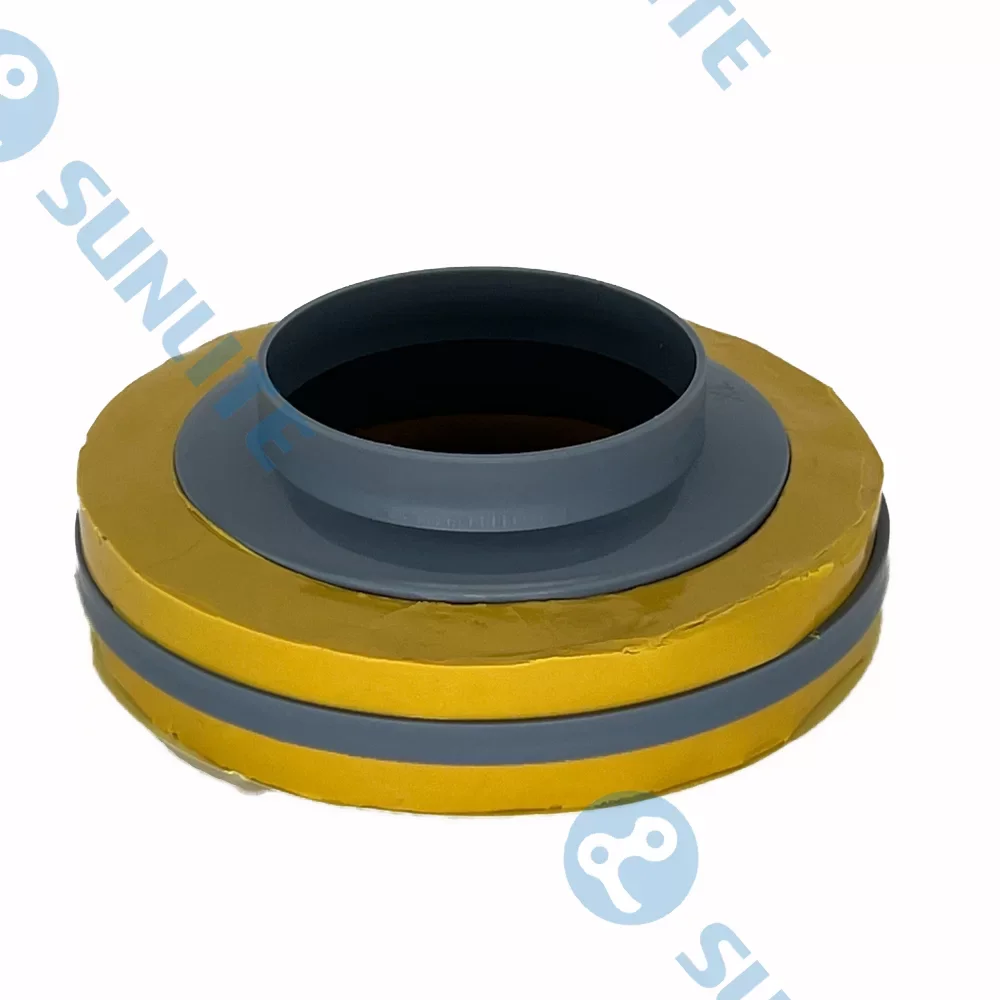
Let's be honest, few home improvement tasks fill us with as much dread as dealing with a leaking toilet.