

 Select Language
Let's be honest, nobody really thinks about toilet seals until something goes wrong. And when it does, oh boy, does it go wrong! That dreaded smell, the subtle leak that eventually ruins your bathroom floor – it's a homeowner's nightmare. For years, the trusty wax ring was the undisputed champion, and while it served its purpose, it wasn't exactly a marvel of modern engineering, was it? It had its limitations, particularly concerning long-term durability and, dare I say, the very pungent problem of "flavor" leaks (you know, those lingering odors).
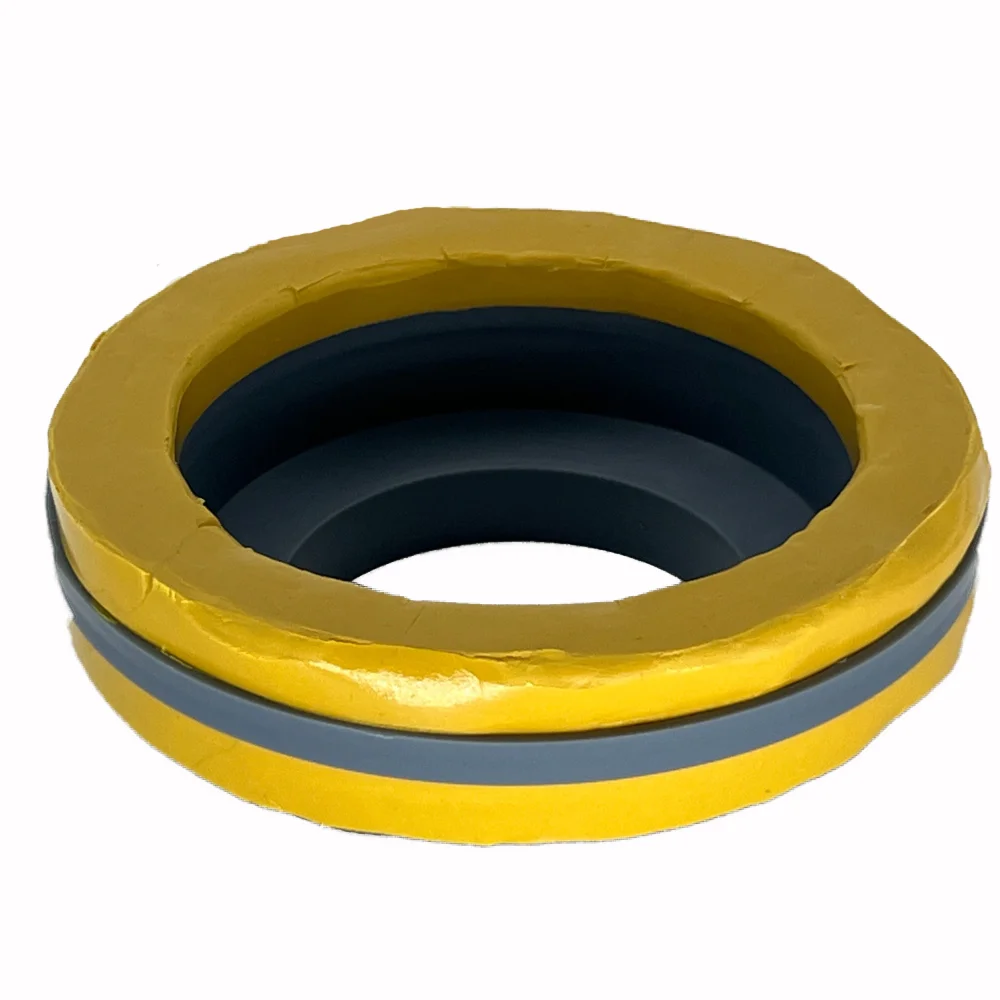
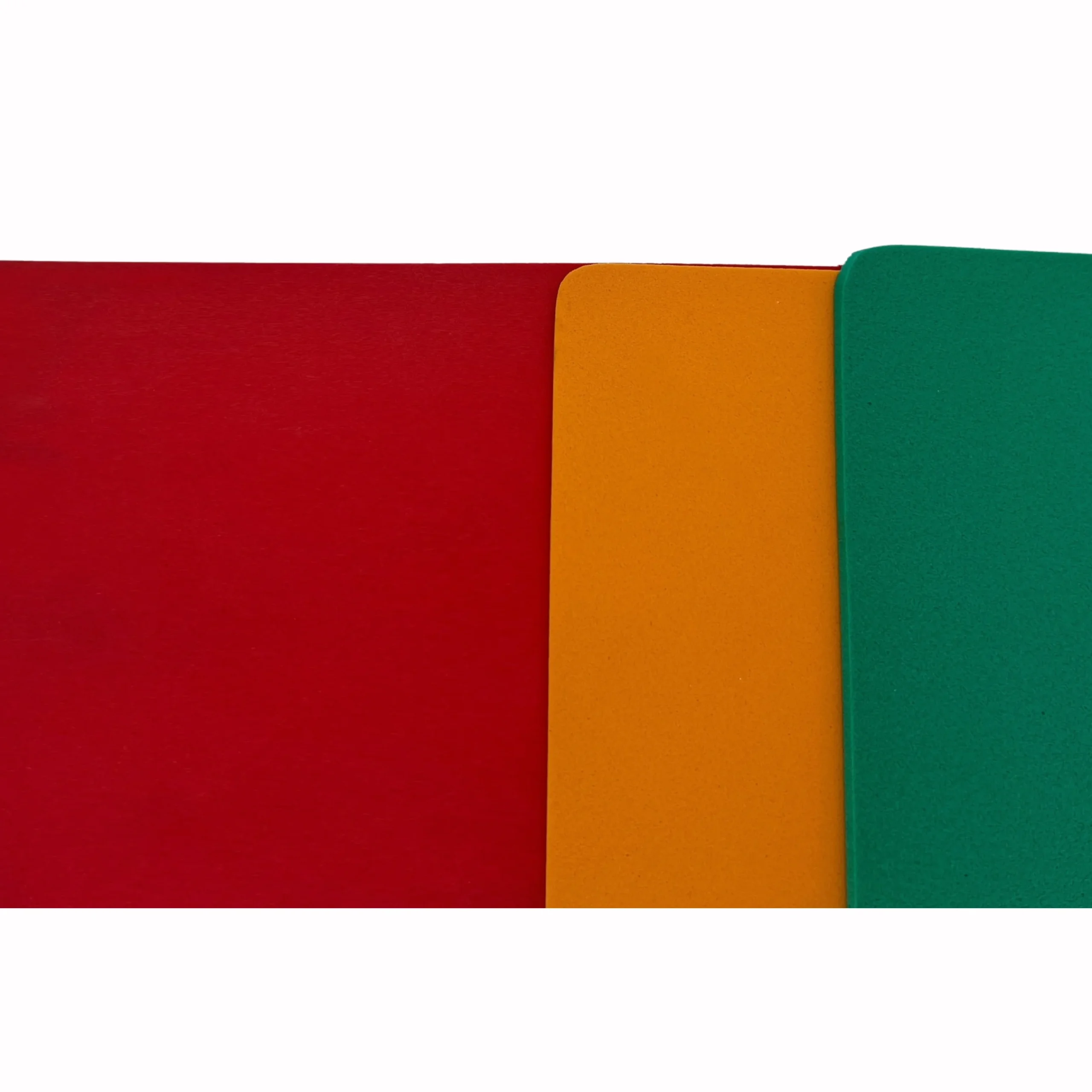
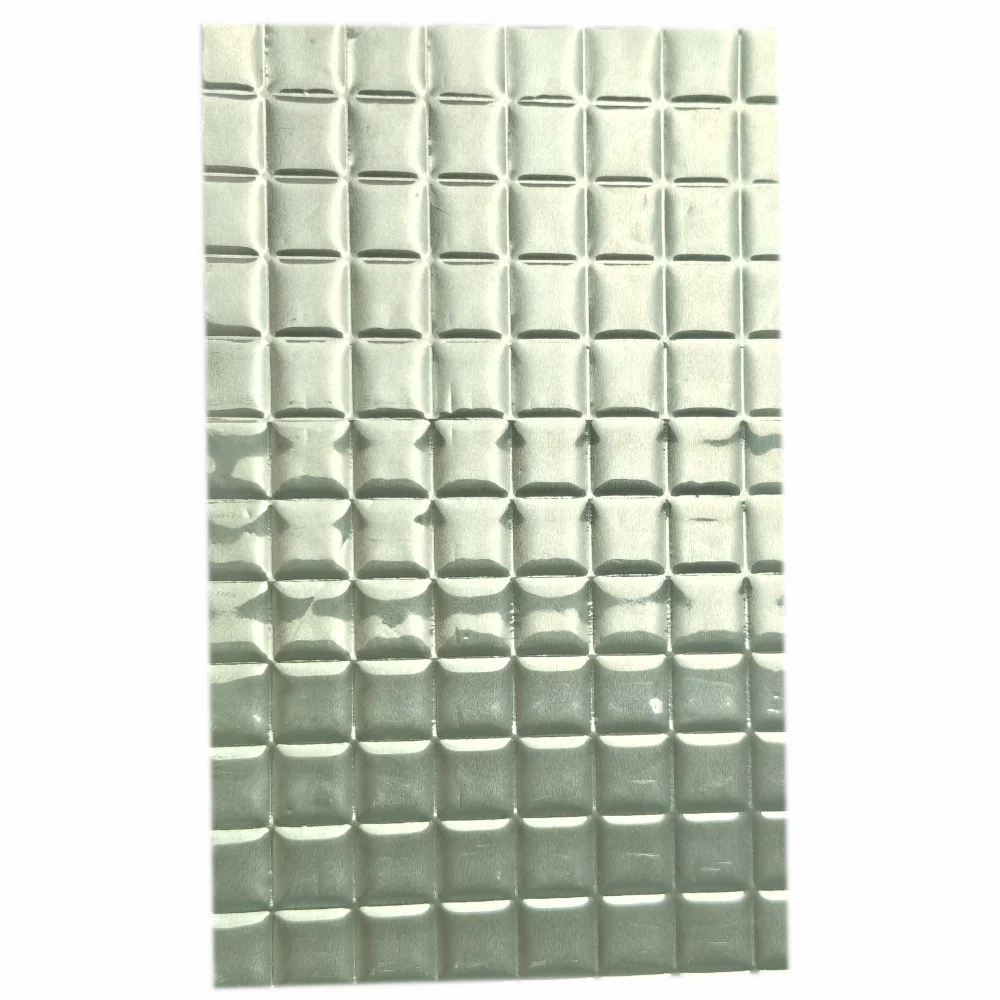
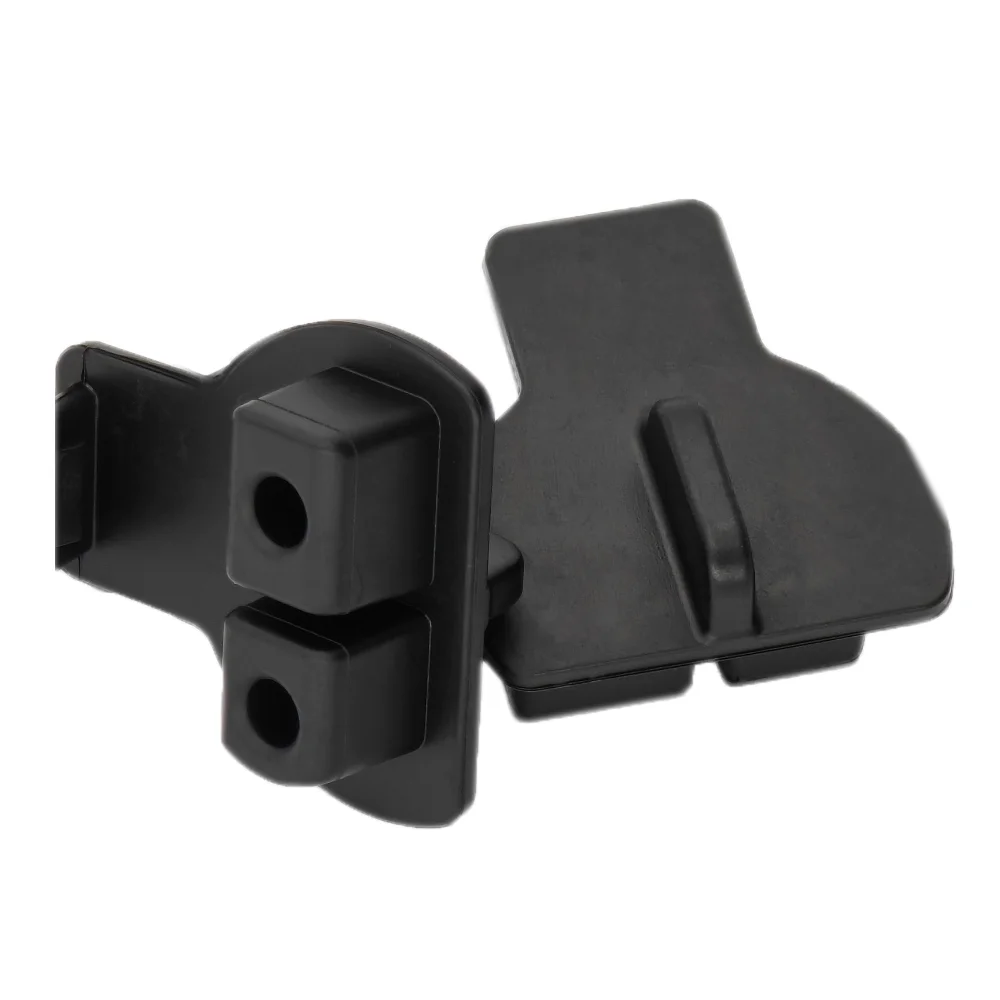
But times, they are a-changing. As an industry insider, I've seen a clear trend towards more advanced, reliable materials making their way into even the most humble plumbing components. And today, I want to shine a light on one such game-changer: IIR, or Isobutylene-Isoprene Rubber, often known simply as butyl rubber. This material is making waves in creating superior sealing solutions, including the critical IIR sealing for toilet, toilet flavor seal applications that promise to redefine our expectations of bathroom hygiene.
What's So Special About IIR for Toilet Seals?
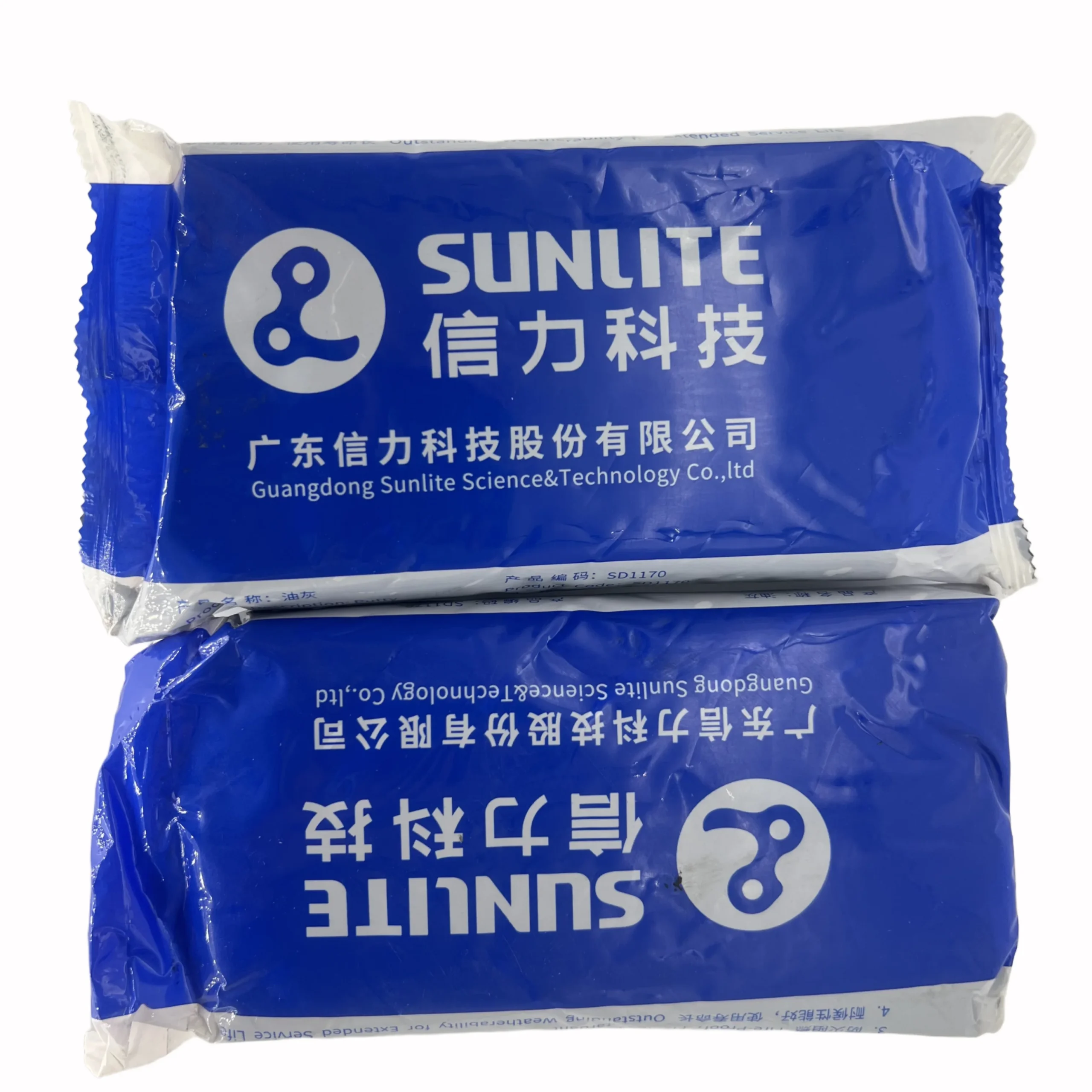
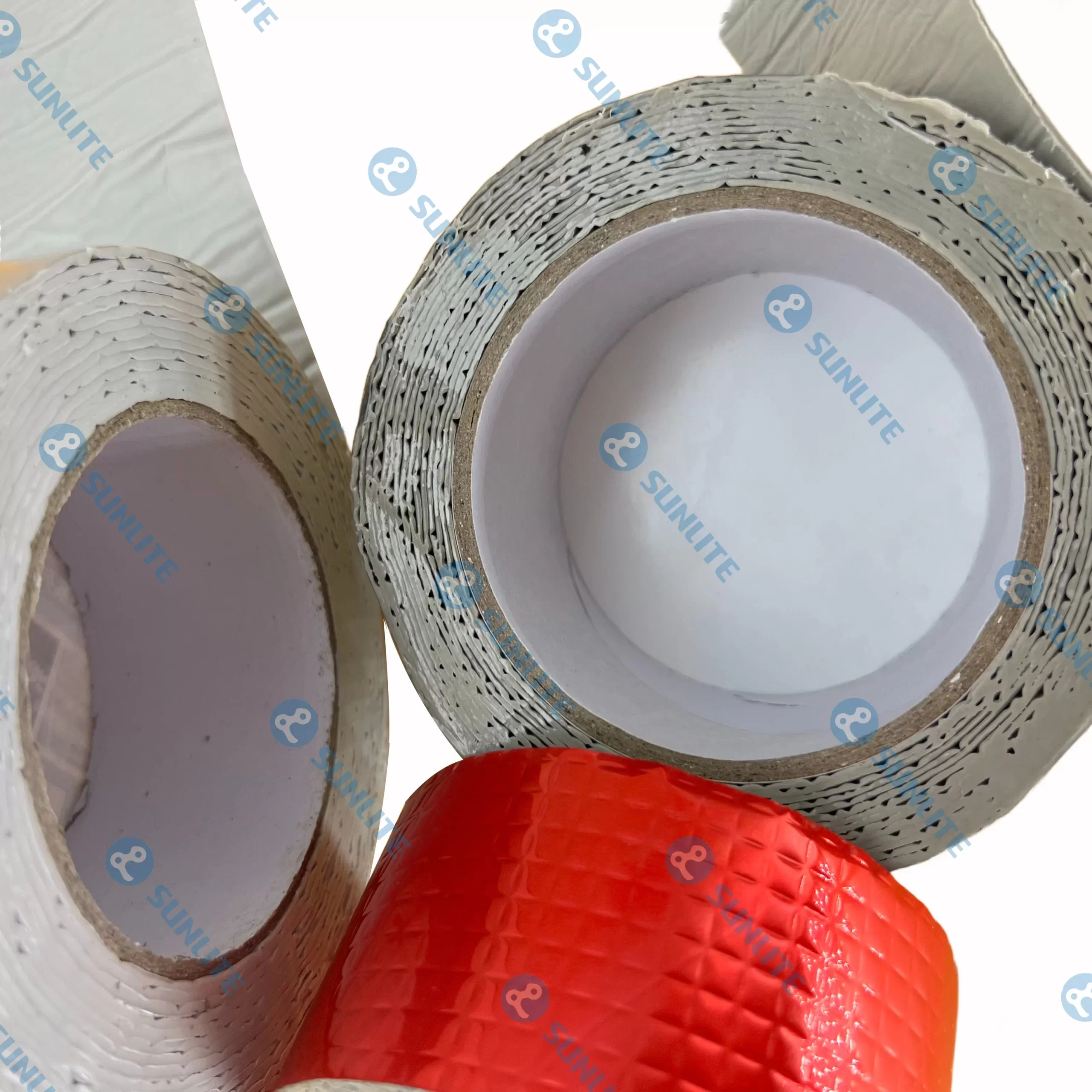
You might be familiar with butyl rubber from its use in high-performance applications like inner tubes, tire linings, or even robust waterproof membranes. In fact, many companies leveraging advanced IIR materials, like Sunlitek's robust butyl-based products, truly understand its incredible resilience and barrier properties. The magic of IIR lies in its unique molecular structure. It's a synthetic rubber with exceptionally low gas and moisture permeability, excellent chemical resistance, and surprisingly, fantastic aging properties. This combination makes it absolutely ideal for applications where maintaining a perfect, long-lasting seal is paramount, especially in a demanding environment like a toilet connection.
Technical Prowess: Why IIR Outperforms
When we talk about a toilet seal, we're talking about a highly demanding environment. Constant exposure to water, harsh cleaning chemicals, and varying temperatures can quickly degrade lesser materials. Traditional wax rings, while forming a good initial seal, can harden, crack, or even shift over time, leading to leaks and those unmistakable odors. IIR sealing for toilet, toilet flavor seal solutions, however, bring a different league of performance to the table.
· Superior Chemical Resistance: Think toilet bowl cleaners, bleach, hard water treatments. IIR stands up to them like a champ, maintaining its integrity.
· Low Permeability: This is absolutely crucial for a true toilet flavor seal. IIR's dense molecular structure means gases (and thus, odors) struggle mightily to penetrate, keeping your bathroom smelling fresh, not like the sewer line below.
· Excellent Compression Set: It retains its original shape after compression much better than many other elastomers, ensuring a consistently tight seal over its extended service life.
· Durability & Longevity: We're talking years, if not decades, of reliable performance. This means fewer call-backs for plumbers and, believe me, a lot less hassle for homeowners.
Typical IIR Toilet Seal Specifications
While exact specifications vary by manufacturer and specific product design, here’s a general idea of what you can expect from high-quality IIR sealing for toilet, toilet flavor seal products:
Feature | Specification (Typical) |
Material Type | Isobutylene-Isoprene Rubber (IIR) / Butyl Rubber |
Hardness (Shore A) | ≈ 40-70 |
Temperature Range | -40°C to +120°C (real-world use may vary slightly) |
Compression Set | < 20% (for optimal, lasting sealing) |
Chemical Resistance | Excellent against acids, alkalis, detergents, ozone |
Service Life | 10+ years (with proper installation and conditions) |
Vendor Landscape & Comparison
The market for toilet seals is definitely evolving. While many still offer traditional wax, a growing number of forward-thinking manufacturers are adopting IIR and other advanced elastomers. When choosing, you'll want to look for factors like ease of installation, compatibility with different flange heights, and crucially, adherence to plumbing industry standards.
Feature | Traditional Wax Ring | Advanced IIR Seal |
Material | Petroleum wax, sometimes with horn/fiber | Isobutylene-Isoprene Rubber (IIR) / Butyl |
Odor Control | Good initially, but can fail over time | Excellent, long-term toilet flavor seal integrity |
Durability | Prone to cracking, hardening, shifting | Highly resilient, extremely long-lasting |
Chemical Resistance | Poor to moderate | Excellent against common household chemicals |
Installation | Often messy, needs precise placement | Typically cleaner, more forgiving designs, often reusable |
Price Point | Lower initial cost | Higher initial cost, but significantly lower long-term cost |
The Bottom Line: Investing in Peace of Mind
Honestly, the choice seems pretty clear to me. While the upfront cost of an advanced IIR sealing for toilet, toilet flavor seal might be slightly higher than a traditional wax ring, the benefits far outweigh it. You're investing in peace of mind, a consistently fresh-smelling bathroom, and avoiding potential costly repairs down the line due to water damage. Many customers, both seasoned professionals and ambitious DIYers, have shared overwhelmingly positive feedback praising the superior durability and robust odor control of these modern seals. Always look for certifications like ASTM standards for rubber properties, or even NSF standards if available for plumbing components, as these indicate adherence to authoritative quality benchmarks.
In conclusion, never underestimate the humble toilet seal. With innovations like IIR, it's transforming into a high-performance component that significantly contributes to the longevity, hygiene, and overall comfort of your bathroom. It’s truly a testament to how even the smallest details can make a huge difference in our daily lives.
Authoritative Citations
1. ASTM International. (n.d.). Manual on the Standardization of Butyl Rubber. (Provides general reference for Butyl Rubber standards and properties).
2. NSF International. (n.d.). Plumbing Fixtures, Components and Materials. (General reference for plumbing component certification and safety standards).
3. ScienceDirect. (n.d.). Butyl Rubber. (Detailed technical overview of Butyl Rubber's properties and applications).
Let's be honest, nobody really thinks about toilet seals until something goes wrong. And when it does, oh boy, does it go wrong!