

 Select Language
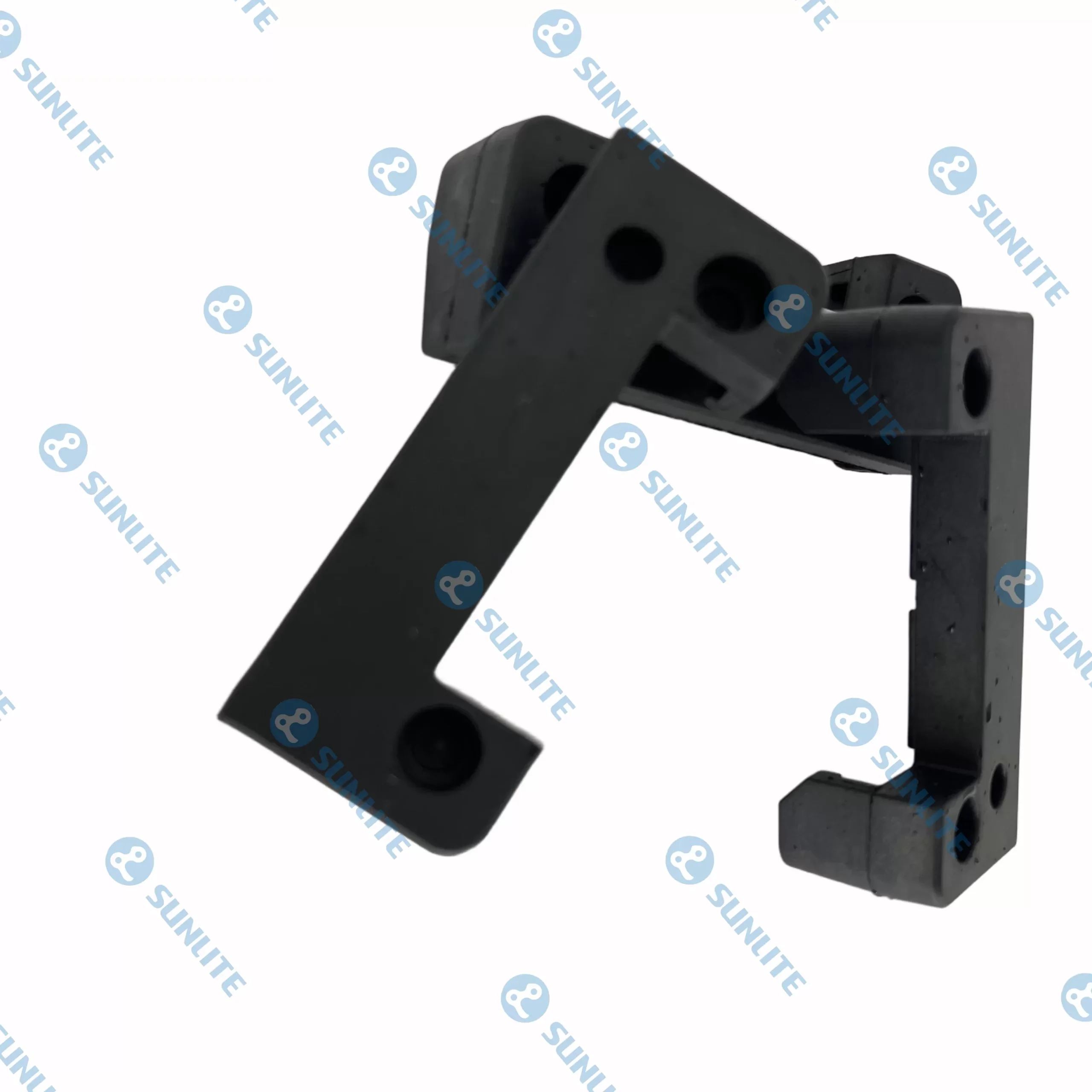
The rapid progression of unmanned aerial vehicle technology has necessitated a fundamental shift in how structural components are designed and integrated. Beyond the sophisticated software and high-torque motors lies the essential physical framework that must maintain its integrity under extreme environmental stress. Achieving true engineering resilience requires a comprehensive focus on the smallest sealing and damping components, which are often the primary line of defense against atmospheric contamination and mechanical fatigue. In high-stakes industrial and tactical flight operations, the failure of a minor interface can lead to catastrophic system degradation. Therefore, the strategic application of a UAV rubber stopper has become a cornerstone of modern airframe protection strategies. These components are not merely passive fillers but active participants in the management of vibration and the prevention of moisture ingress, ensuring that the internal electronic architecture remains isolated from the unpredictable external environment.
Enhancing Airframe Integrity with the Precise Application of a UAV Rubber Stopper
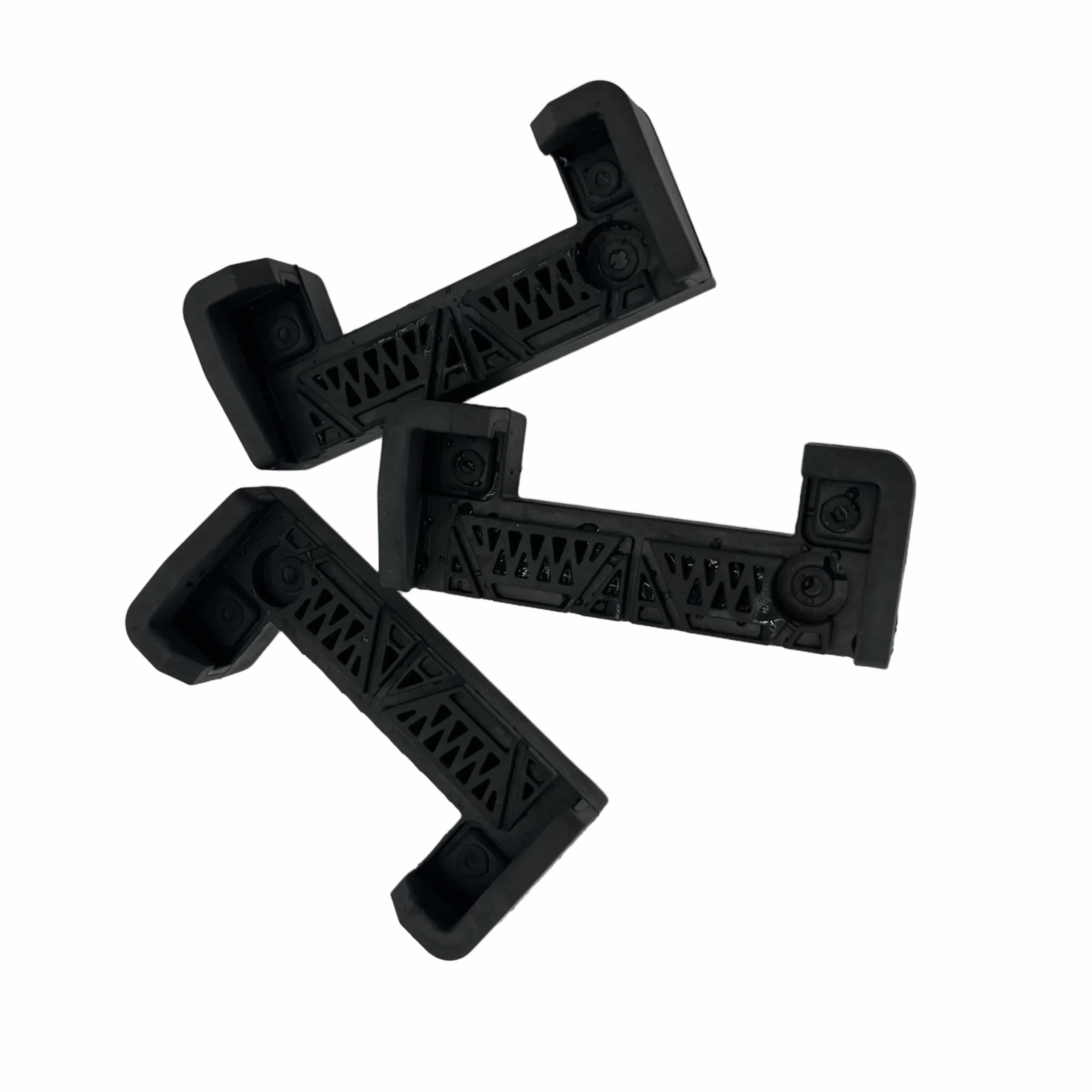
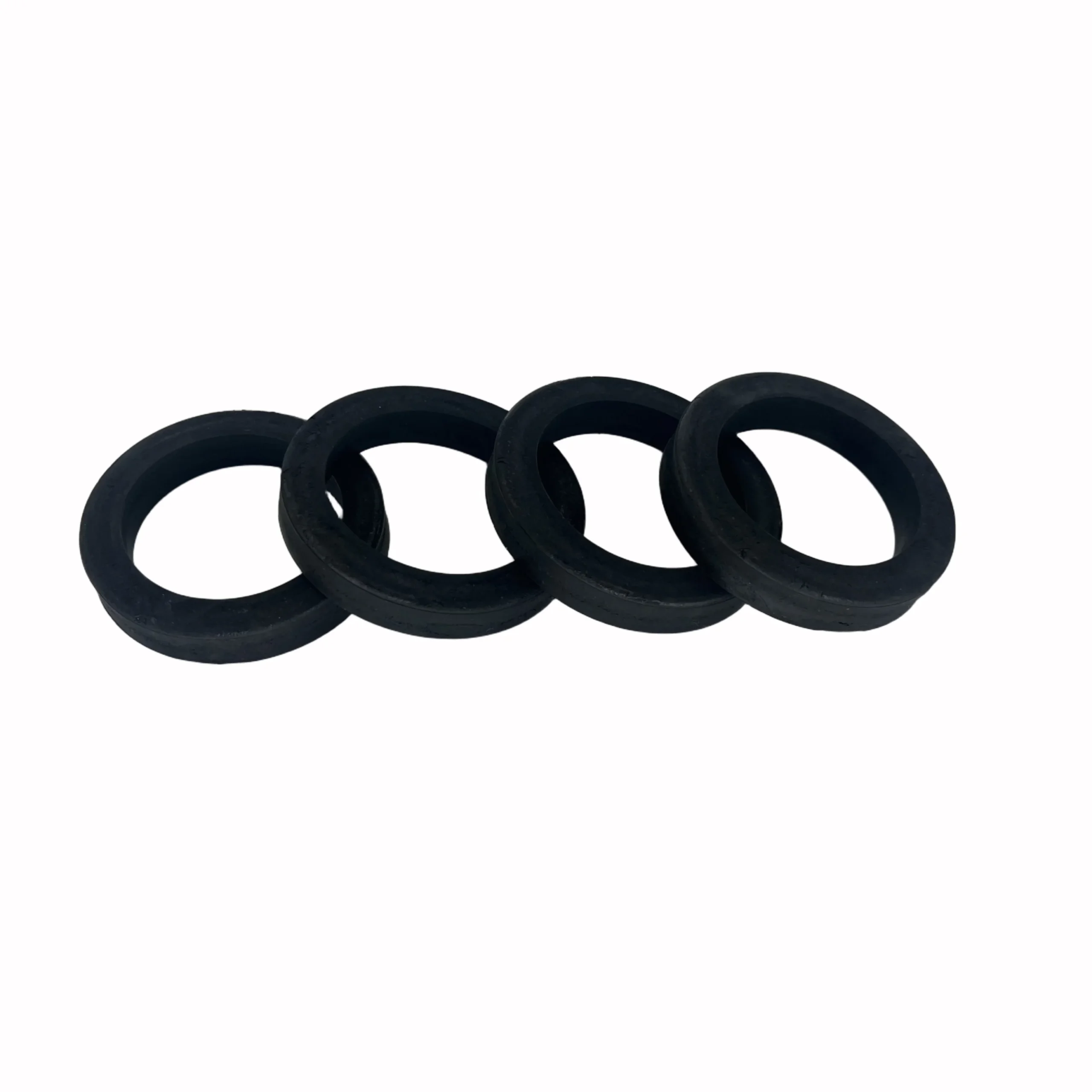
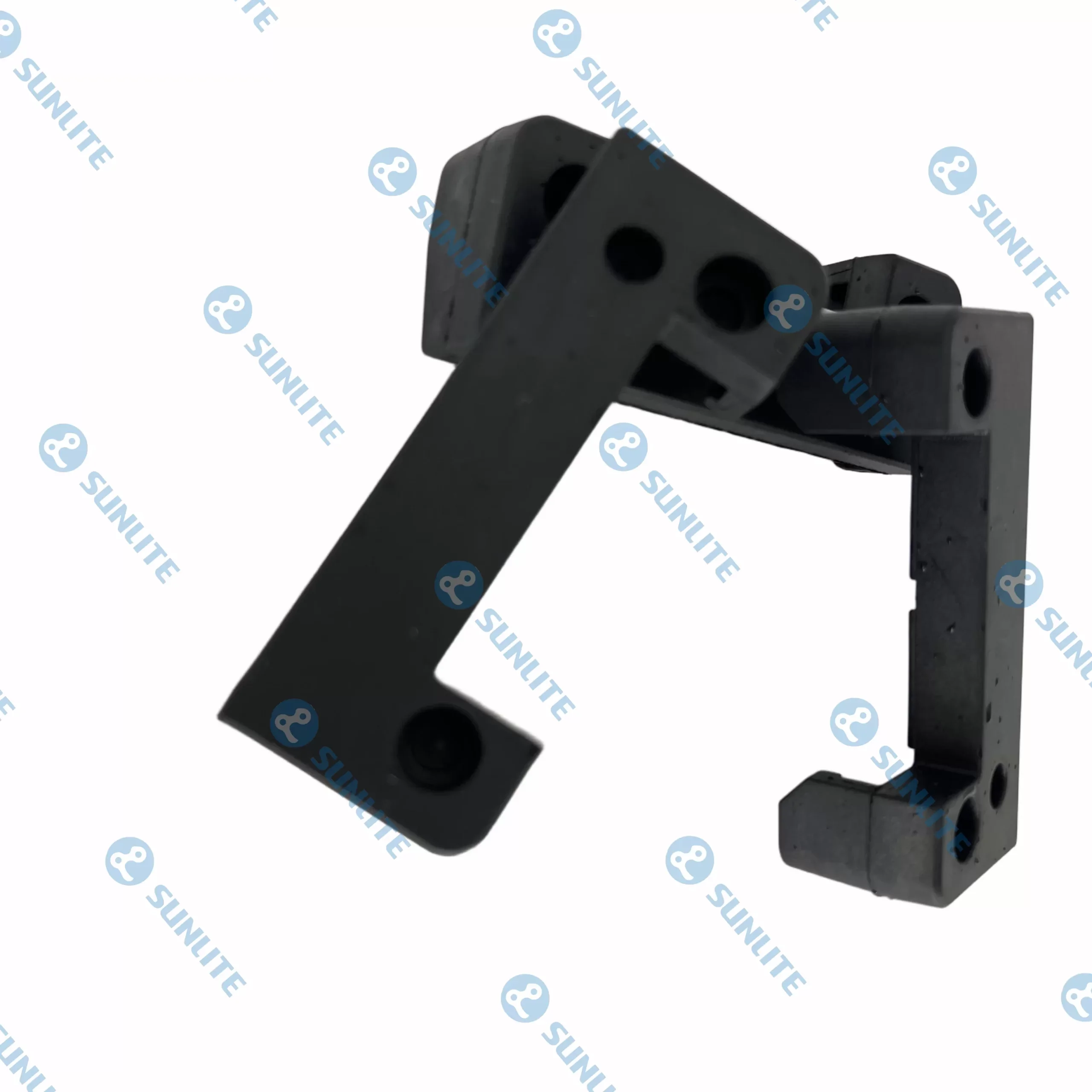
The structural resilience of a professional flight platform is often determined by its weakest mechanical interface. In complex UAV designs, ports, joints, and battery compartments represent significant vulnerabilities where dust, moisture, and fine particulate matter can penetrate the internal housing. The integration of a UAV rubber stopper into these critical junctions provides the necessary mechanical barrier to preserve the sensitive flight controllers and sensors that govern autonomous navigation. Unlike traditional sealing methods, a high-performance UAV rubber stopper is engineered to provide a consistent compression set, ensuring that the seal remains effective even after thousands of operational cycles or repeated mechanical stress.
Engineering for resilience also involves a deep understanding of vibrational damping. During high-velocity maneuvers, the propulsion system generates significant kinetic energy that can lead to micro-vibrations across the airframe. These vibrations, if left unmanaged, can interfere with optical stabilizers and inertial measurement units. A strategically placed UAV rubber stopper acts as a kinetic buffer, absorbing high-frequency oscillations and preventing them from reaching the core electronic components. This passive damping capability is essential for long-endurance missions where structural fatigue could otherwise compromise the safety of the aircraft. By prioritizing the quality of these damping interfaces, manufacturers can ensure that their platforms remain reliable in the most demanding flight envelopes.
Environmental Shielding Through High Performance EPDM Drone Plugs
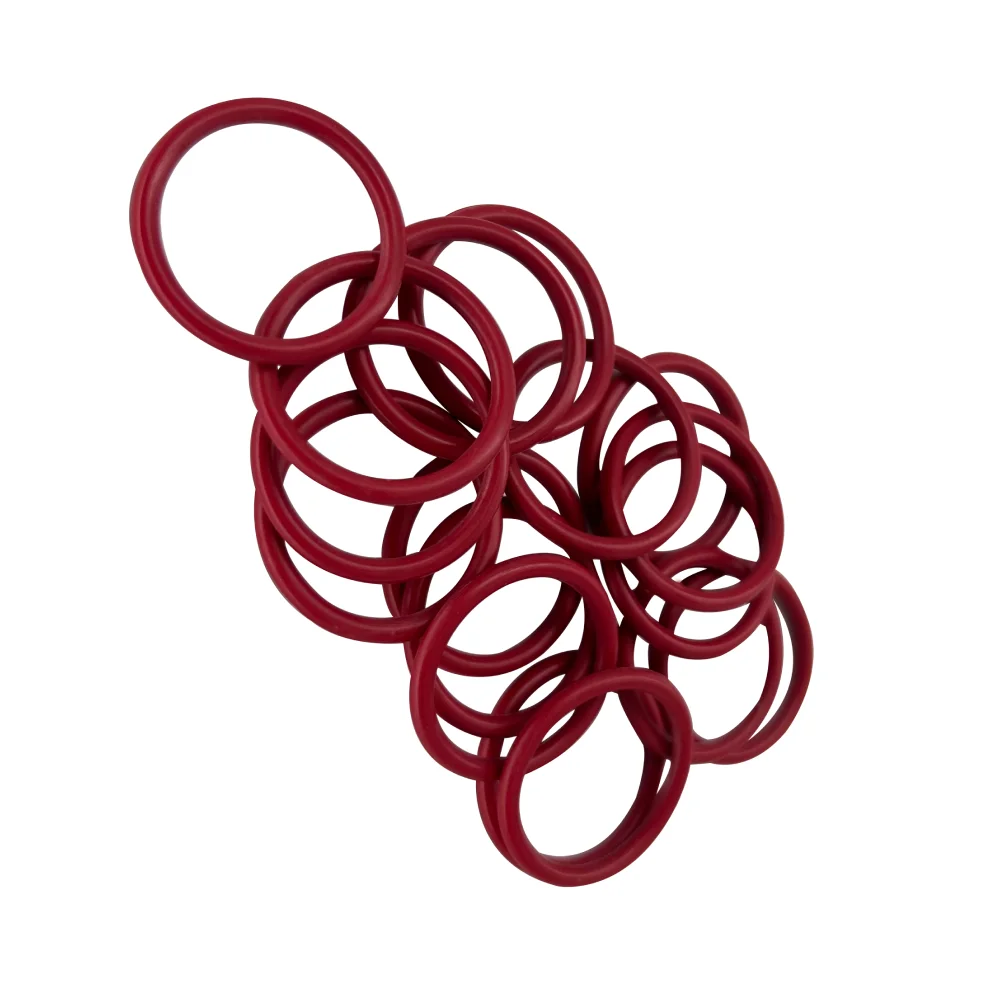
When drones are deployed in outdoor environments, they are constantly exposed to ultraviolet radiation, ozone, and fluctuating humidity levels. Standard rubber components often fail under these conditions, leading to embrittlement, cracking, and eventual seal failure. To combat this, aerospace engineers increasingly utilize EPDM drone plugs due to the inherent chemical stability of ethylene propylene diene monomer. This material is uniquely suited for outdoor aerospace applications because it maintains its elastic properties across an incredibly wide temperature range. Whether the aircraft is operating in the frigid conditions of high-altitude surveillance or the intense heat of a desert research mission, EPDM drone plugs provide a consistent and reliable barrier against environmental degradation.
The choice of EPDM as a primary sealing material is also driven by its resistance to weather-related aging. Unlike many other elastomers, EPDM drone plugs do not degrade when exposed to prolonged sunlight or ozone, ensuring that the protective seals do not become a maintenance liability over time. This longevity is crucial for fleet operators who manage dozens of aircraft and require components that do not need frequent replacement. Furthermore, the molecular structure of these plugs allows for precise molding, enabling the creation of complex geometries that fit perfectly into specialized airframe ports. This precision ensures that the shielding is comprehensive, leaving no gaps for atmospheric moisture to penetrate the flight platform's heart.
Structural Versatility and the Integration of Drone Rubber Plug Interfaces
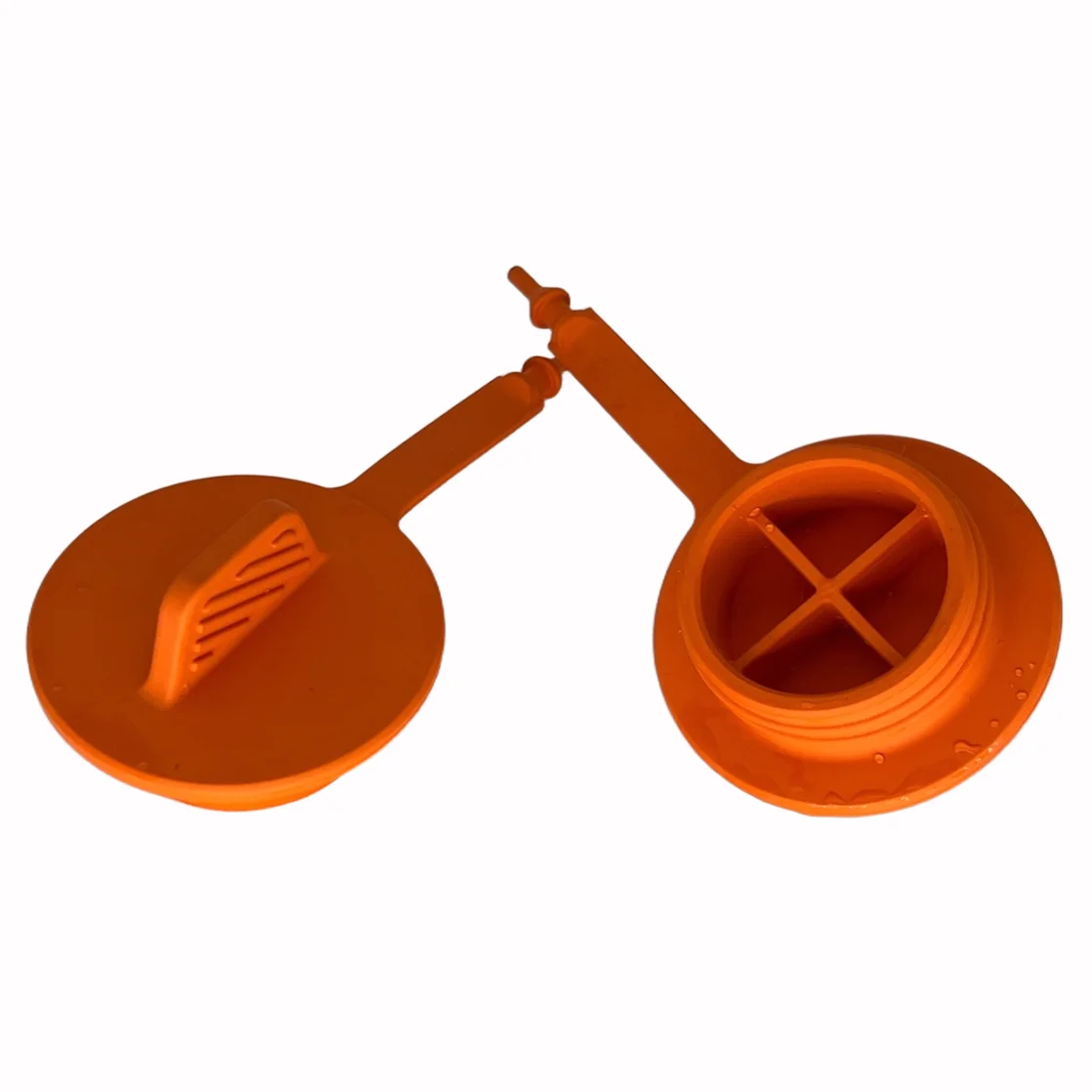
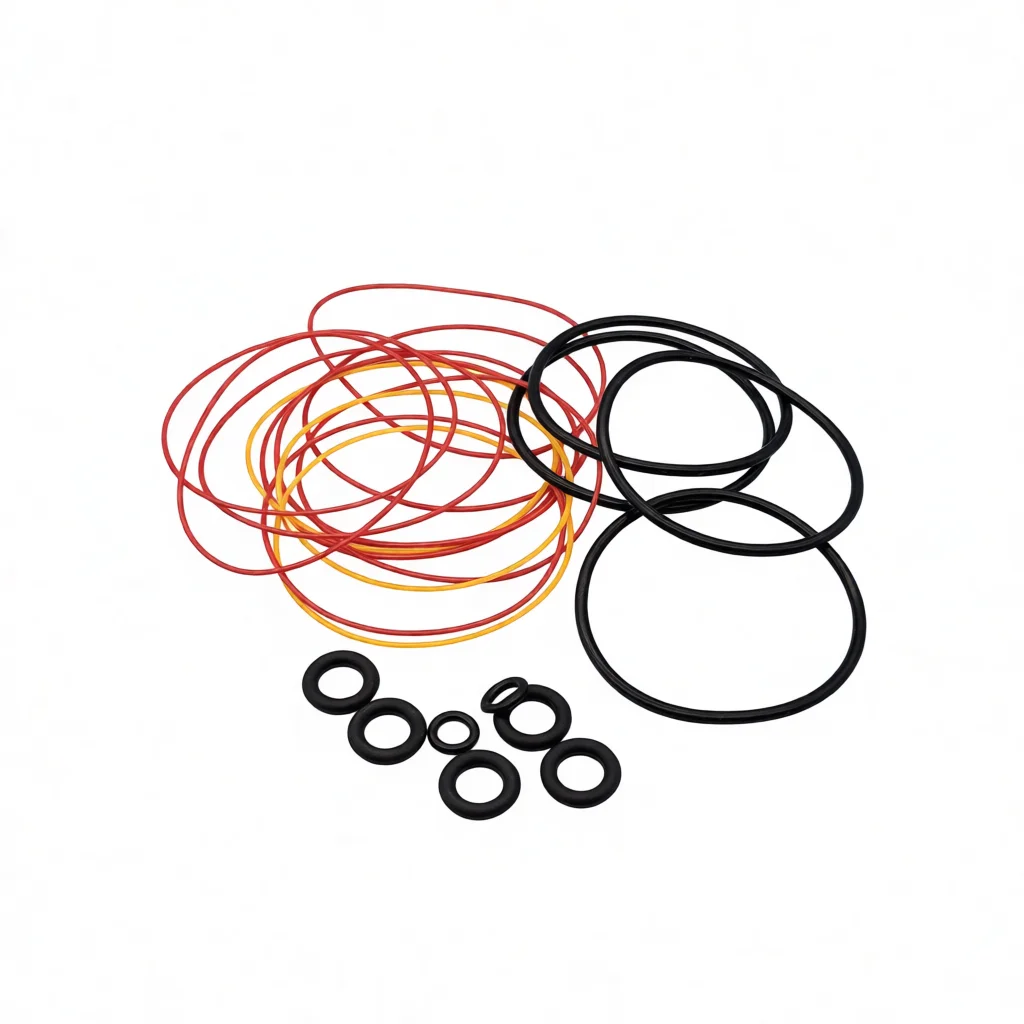
The internal architecture of a modern drone is a dense matrix of wiring, sensors, and power systems. Managing the entry and exit points for these systems requires a sealing solution that is both flexible and robust. The use of a drone rubber plug allows for a versatile approach to airframe design, enabling engineers to create modular ports that can be easily sealed when not in use. This modularity is essential for multi-mission platforms that may require different sensor payloads for different flights. A high-quality drone rubber plug ensures that when a port is empty, the airframe remains airtight and protected from the elements.
Resilience in this context also refers to the ease of maintenance and the prevention of human error during field operations. A drone rubber plug must be designed for intuitive installation and secure retention. If a plug is accidentally dislodged during flight, the sudden exposure of internal electronics to the airflow can lead to immediate failure. Therefore, the mechanical design of the drone rubber plug focuses on specialized ribbing and retention grooves that lock the component into place. This mechanical security, combined with the material's natural friction, creates a failsafe environment that protects the aircraft even during high-G maneuvers or turbulent weather conditions.
Ergonomic Stability and Maneuverability through Advanced UAV handles
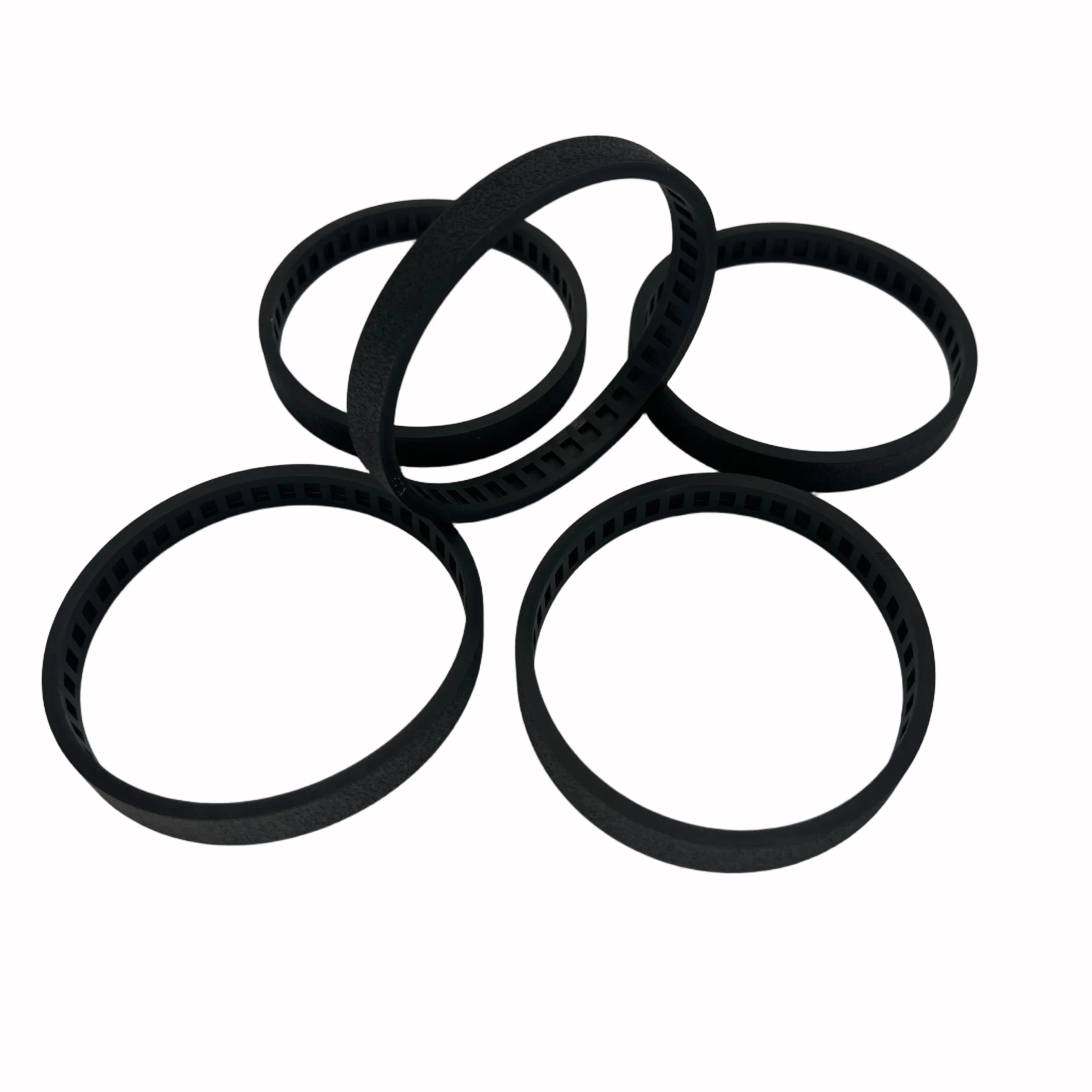
While much of the focus in UAV resilience is placed on sealing and damping, the physical interaction between the operator or technician and the aircraft is equally important for long-term operational success. The integration of high-strength UAV handles into larger industrial airframes allows for safer transport, deployment, and retrieval of the aircraft. These components must be engineered to support the full weight of the platform while providing a secure, non-slip grip in various weather conditions. Utilizing high-performance polymers for UAV handles ensures that the grip remains consistent even when exposed to oil, rain, or sweat.
The engineering of UAV handles also plays a role in the overall structural modulus of the airframe. These handles are often integrated into the primary structural ribs of the aircraft, meaning they must contribute to the rigidity of the system without adding unnecessary weight. By using advanced composite-reinforced rubbers or high-density elastomers, manufacturers can produce UAV handles that are lightweight yet capable of withstanding the immense stresses encountered during rapid deployment or manual recovery. This focus on the physical interface ensures that the aircraft is not only resilient in flight but also durable during ground handling and transportation, reducing the risk of accidental damage to the airframe's exterior.
The rapid progression of unmanned aerial vehicle technology has necessitated a fundamental shift in how structural components are designed and integrated.