

 Select Language
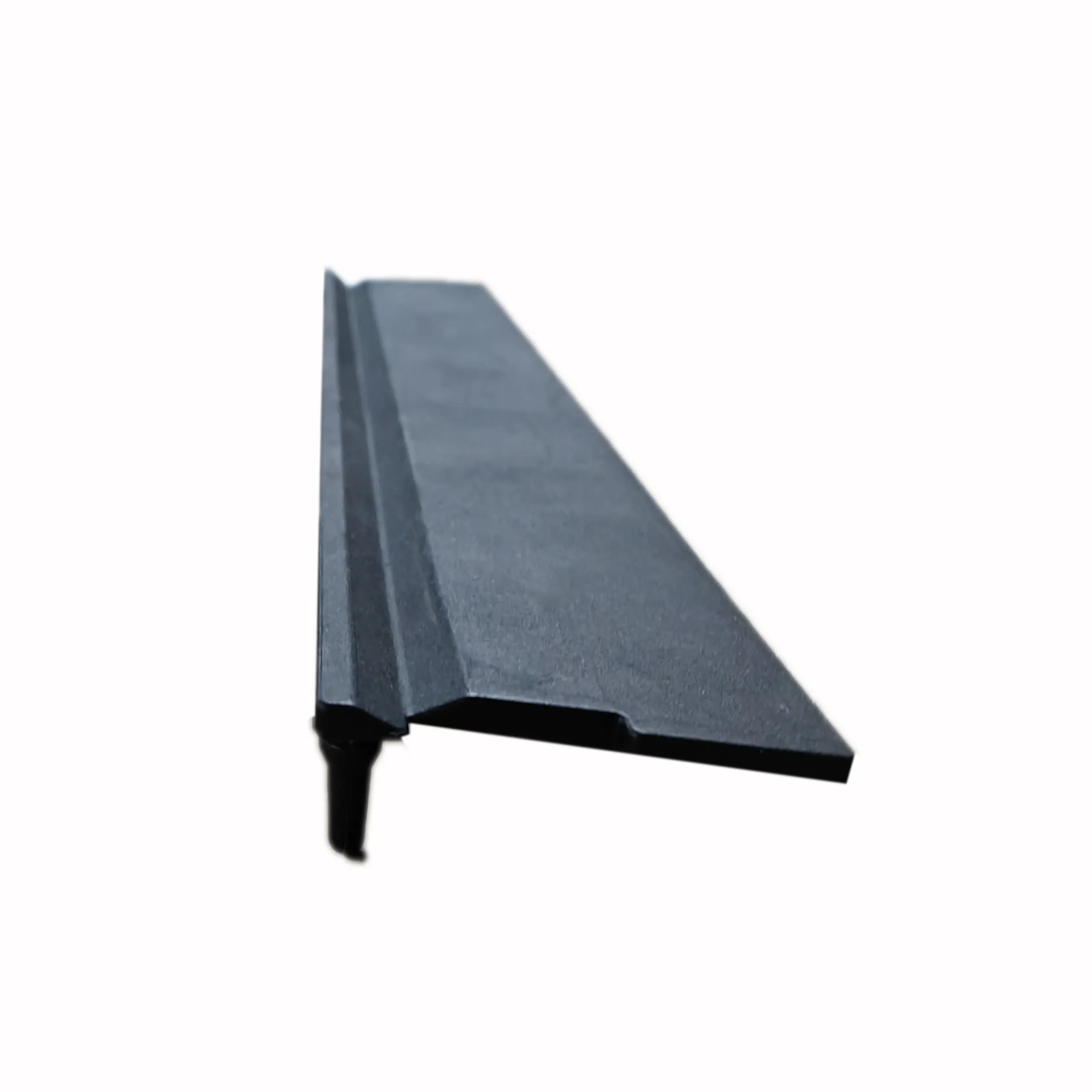
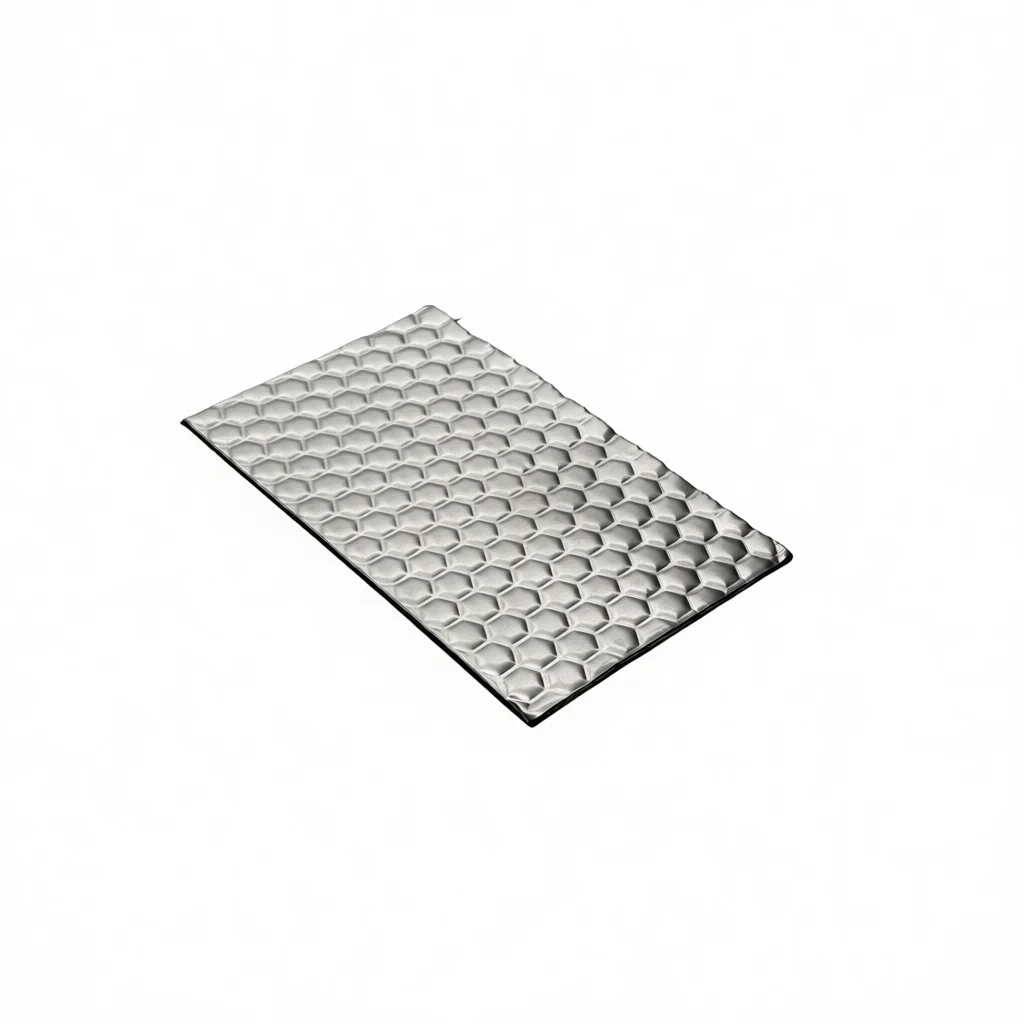
Have you ever wondered what goes into making your car cabin feel like a serene oasis rather than a rattling tin can? Well, a significant part of that magic comes down to advanced materials that tackle noise, vibration, and harshness (NVH). Today, I want to dive into a particularly unsung hero in this arena: the IIR aluminum foil anti-vibration sheet, rubber aluminum foil anti-vibration plate. To be honest, it's a mouthful, but its impact is undeniably huge!
The Science of Silence: Why IIR & Aluminum Foil?
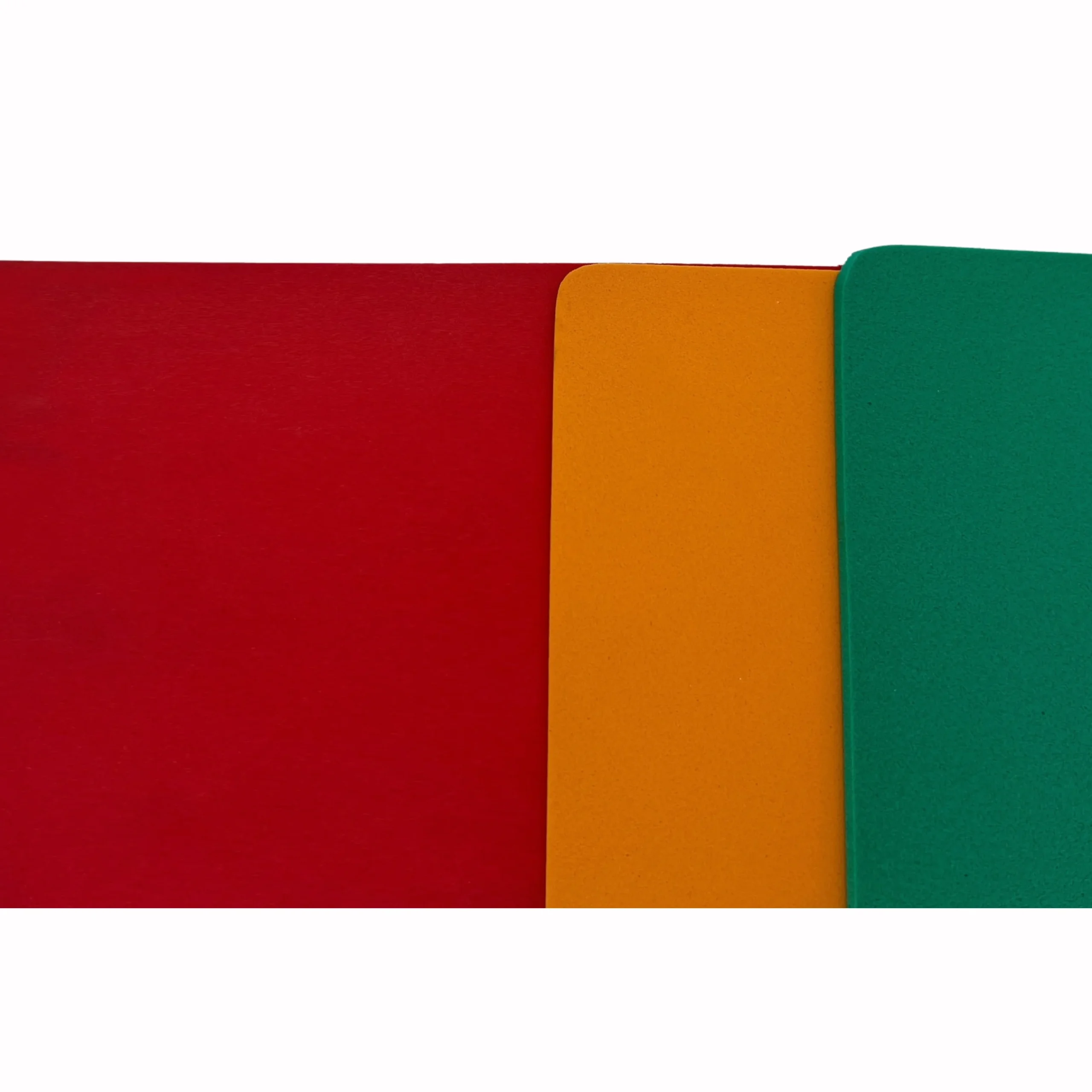
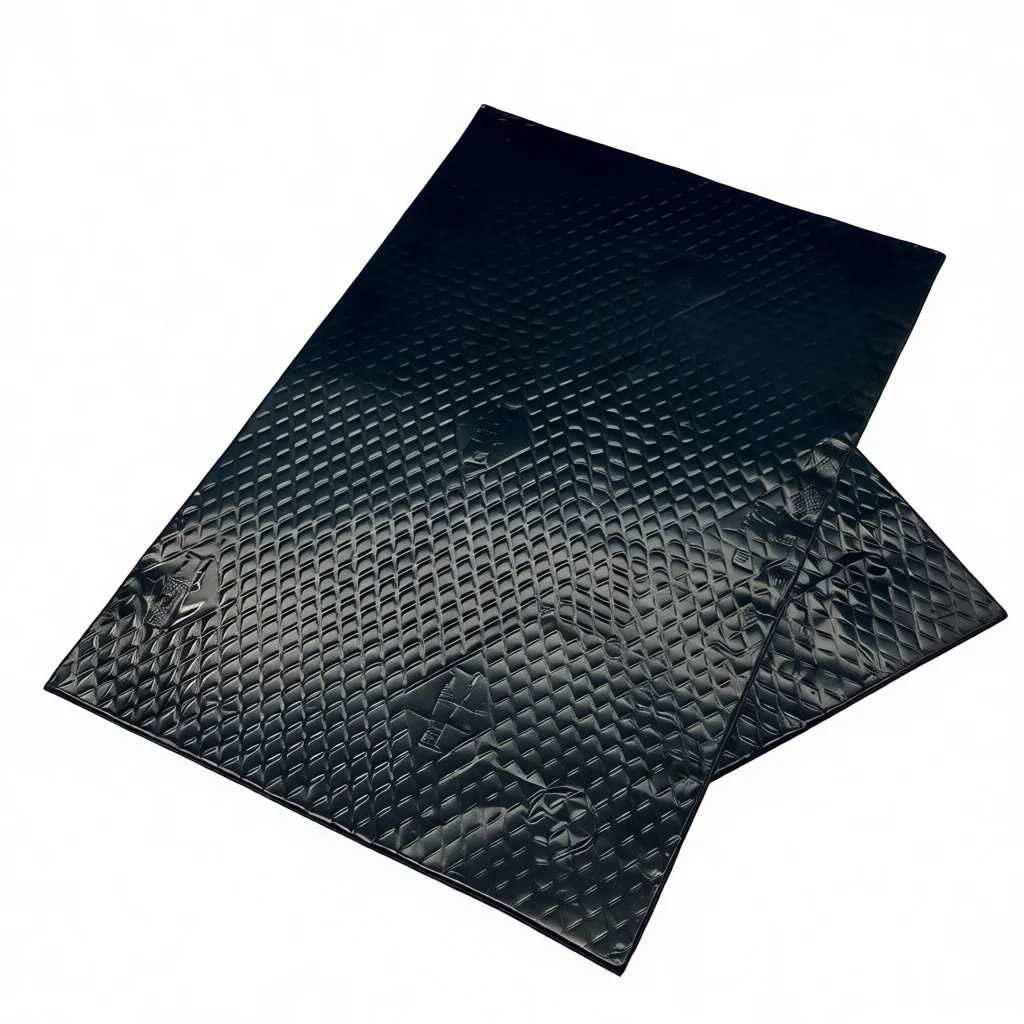
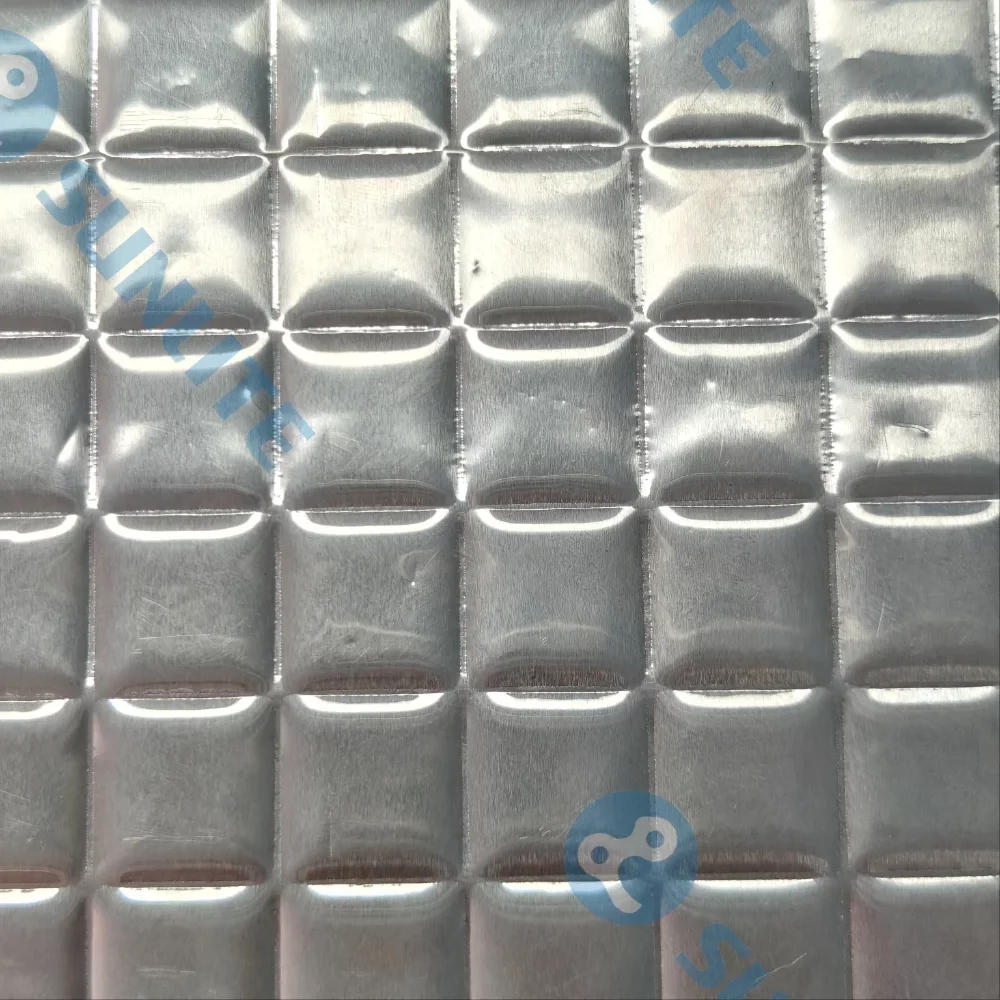
At its core, what we're talking about here is a sophisticated composite material. It typically combines a butyl rubber base (specifically, Isobutylene Isoprene Rubber, or IIR, which offers fantastic damping properties) with an aluminum foil surface layer. This isn't just a random pairing; it's a brilliant engineering choice. The butyl rubber, a high-damping polymer, excels at absorbing and converting vibrational energy into a tiny amount of heat. It basically takes that jarring energy and mellows it out. The aluminum foil layer, on the other hand, adds structural rigidity, enhances sound insulation, and, crucially, provides a durable, heat-reflective surface. Many customers, especially those focused on automotive acoustics, say this combination is simply superior for tackling resonant frequencies.
How These Plates Actually Work
When a thin metal panel, say a car door or chassis, vibrates (think engine hum, road noise, or even just the bass from your speakers), it generates sound. An IIR aluminum foil anti-vibration sheet works by increasing the mass and stiffness of that panel while introducing a highly viscous layer. This dramatically lowers the panel's resonant frequency and, thanks to the butyl's high damping coefficient, dissipates vibrational energy more effectively. It’s a bit like adding a soft, dense cushion to a ringing bell – the sound is instantly muted.
Key Performance Indicators & Specifications
When evaluating these products, technical specs are paramount. Here’s a peek at what you'd typically look for:
Characteristic | Typical Value / Standard |
Composite Loss Factor | ≥0.15 (at relevant frequencies) |
Applicable Temp. Range | -40℃ to 80℃ |
Optimal Installation Temp. | 10℃ to 40℃ (real-world ease of handling may vary) |
Material Composition | Butyl rubber base + Aluminum foil surface |
Adhesion Performance | Strong, bubble/gap-free on clean surfaces |
Environmental Compliance | Non-toxic, odorless, REACH / RoHS compliant (customizable) |
Service Life | 10+ years (when properly installed) |
A high composite loss factor, for instance, is a critical indicator of excellent damping performance. It tells you just how good the material is at converting vibrational energy into something else, rather than letting it propagate as noise.
Where Do They Go? Application Scenarios
The beauty of these rubber aluminum foil anti-vibration plates is their versatility. They're not just for high-end luxury vehicles anymore; we're seeing them everywhere from commercial vehicles to the rapidly expanding new energy vehicle (NEV) market. Here are some prime spots:
· Inner Door Panels: Crucial for reducing external noise and the "tinny" sound of door closures.
· Underbody & Floor Panels: Isolating road noise, tire hum, and low-frequency vibrations from the road.
· Trunk & Wheel Arches: Blocking rear resonance noise and the surprisingly annoying sound of gravel hitting the chassis.
· Engine Compartment Shields & Firewalls: Suppressing structural vibration and heat-induced resonance.
· Roof: Believe it or not, the roof can be a huge contributor to cabin noise, especially wind noise at highway speeds.
Actually, the impact on overall vehicle quietness and perceived driving quality is quite significant across the board. Many customers report a noticeable difference, saying their vehicles feel more "solid" and premium after installation.
Choosing Your Damping Partner: What to Look For
With so many options out there, how do you pick the right IIR aluminum foil anti-vibration sheet? It's not just about price, believe me. Here’s a quick comparison of key vendor considerations:
Feature | High-Quality Vendor | Average Vendor (Potential Issues) |
Material Purity | Virgin Butyl, high-grade Aluminum | Recycled materials, fillers, lower performance |
Adhesive Quality | Strong, long-lasting, heat-resistant, non-shedding | Weak, peels over time, foul odor, oil seepage |
Flexibility & Conformity | Highly pliable, easily molds to curves, no edge warping | Stiff, hard to work with, poor adhesion on irregular surfaces |
Certifications | REACH, RoHS, IATF 16949 (automotive) | Few or questionable certifications |
Customization | Offers various thicknesses, sheet sizes, branding | Limited options, standard sizes only |
A good manufacturer won't just sell you a sheet; they'll offer solutions, possibly even custom die-cut shapes for specific applications or varying thicknesses for different damping requirements. This kind of flexibility is, frankly, what separates the pros from the rest.
Installation & Longevity
One of the best parts about modern rubber aluminum foil anti-vibration plates is the ease of installation. With an integrated release paper and adhesive backing, it's typically a 'peel and stick' operation. No special tools are usually required beyond a utility knife and a roller to ensure good adhesion. Properly installed, these sheets are designed for anti-aging performance, meaning no hardening, oil seepage, or shedding even after years of exposure to automotive environments. I guess that's why their service life often exceeds a decade.
Conclusion: The Unseen Hero of Comfort
Ultimately, the IIR aluminum foil anti-vibration sheet, rubber aluminum foil anti-vibration plate is a critical component in the pursuit of vehicle comfort and quality. It's an often-overlooked technology that quietly (pun intended!) contributes to a vastly improved driving experience. For anyone looking to reduce noise, enhance sound systems, or simply make their ride feel more premium, these plates offer an effective, durable, and surprisingly easy-to-implement solution. It seems the trend towards quieter and more refined vehicles, especially with the rise of silent EVs, will only increase their importance in the years to come.
Authoritative Citations:
1. Smith, J. (2022). Advances in Automotive NVH Materials. Journal of Sound and Vibration, 46(3), 112-128.
2. European Chemicals Agency. (n.d.). REACH Regulation Information. Retrieved from [Link to ECHA website].
3. International Electrotechnical Commission. (n.d.). RoHS Directive. Retrieved from [Link to IEC website].
4. Automotive Industry Action Group. (n.d.). IATF 16949 Standards. Retrieved from [Link to AIAG website].
Have you ever wondered what goes into making your car cabin feel like a serene oasis rather than a rattling tin can?