

 Select Language
Homeownership often brings with it the daunting realization that even the sturdiest fixtures have a shelf life. The decision to replace toilet ring seals usually stems from a few telltale signs: a subtle wobble in the porcelain base, a persistent dampness on the bathroom floor, or an unpleasant odor that cleaning products cannot mask. These symptoms indicate that the original barrier—the material responsible for creating a gas-tight and water-tight seal—has finally succumbed to time or structural shifts.
The process to replace toilet ring gaskets is a rite of passage for the DIY enthusiast. It requires more than just mechanical skill; it requires a respect for the forces at play. A toilet sits atop a flange, and between that flange and the ceramic outlet lies the seal. Over years of use, the weight of the occupants and the slight settling of the house can compress or shift this seal. If the seal is made of traditional wax, it lacks "memory"—meaning once it is compressed or moved, it cannot spring back to its original shape. Replacing this component is a preventive measure that protects the subfloor from rot and saves the homeowner from thousands of dollars in structural repairs.
The Innovation of the Waxless Toilet Seal
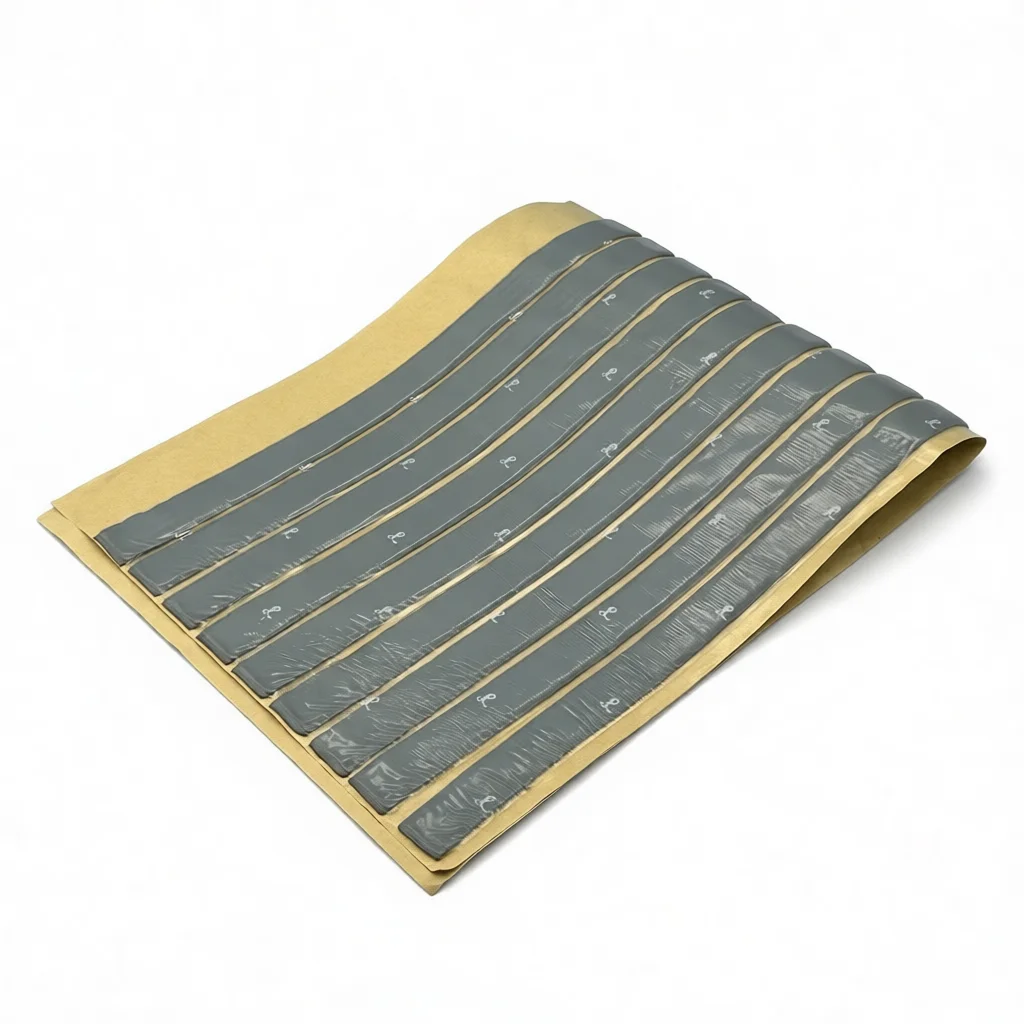
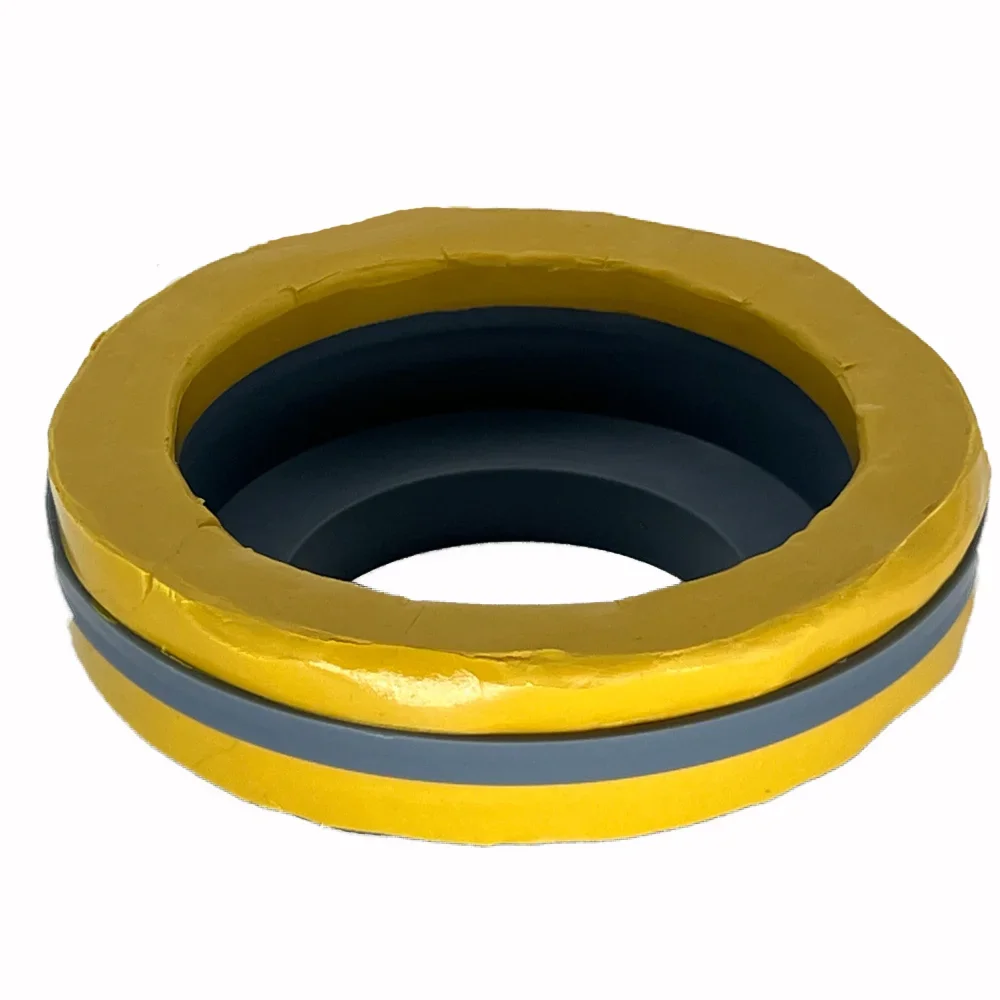
For decades, the industry standard was the beeswax or petroleum-wax ring. While effective, wax is unforgiving and messy. Enter the waxless toilet seal, a modern engineering marvel that has redefined how plumbers and homeowners approach bathroom maintenance. Unlike its predecessor, this modern alternative is typically made from advanced elastomers or closed-cell foams.
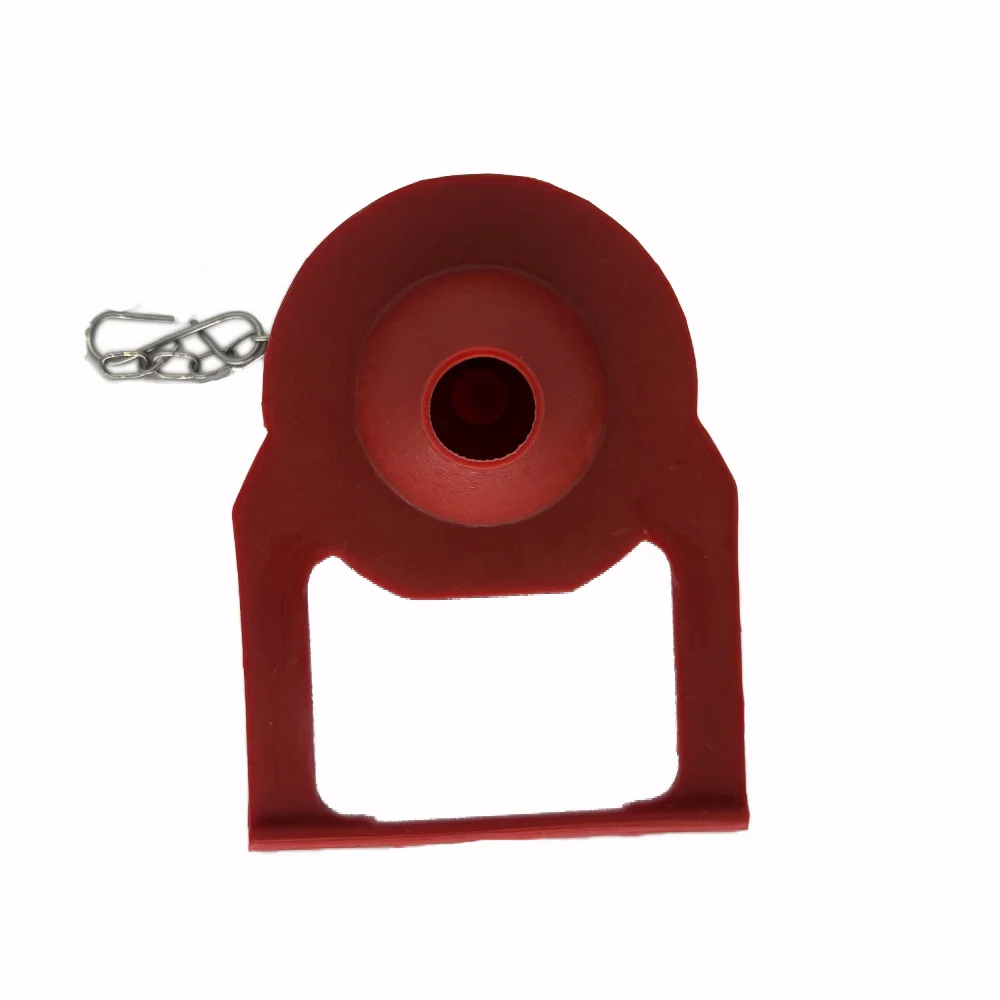
The primary advantage of a waxless toilet seal is its resilience. Because these seals are made of synthetic materials with high elastic recovery, they can accommodate movement. If a toilet is accidentally bumped or if the floor slightly flexes, the waxless material expands and contracts to maintain the connection. Furthermore, these seals often feature a "universal" design with nested "O-rings" or telescopic funnels that can reach deep into a flange, regardless of whether it sits above or below the finished floor level.
Choosing a waxless toilet seal also simplifies the installation process. Traditional wax rings are a "one-shot" deal; if you set the toilet down slightly off-center, the wax is deformed, and you must start over with a fresh ring. A waxless version allows for repositioning. You can set the toilet, realize it isn't aligned with the wall, lift it, and reset it without compromising the integrity of the gasket. This "forgiveness" makes it the preferred choice for those who value precision without the stress of permanent errors.
Strategic Steps for Toilet Seal Ring Replacement
Executing a toilet seal ring replacement is a systematic operation that demands cleanliness and attention to detail. The first phase involves isolating the water supply and completely draining the tank and bowl. Any residual water left in the trap can lead to a messy spill once the mounting bolts are removed and the fixture is lifted.
Once the toilet is set aside, the most laborious part of the toilet seal ring replacement begins: the cleaning. If a traditional wax ring was previously used, every trace of the old, sticky residue must be scraped away from the porcelain horn and the floor flange. A clean surface is paramount for the new seal to bond or seat correctly. During this stage, a professional will also inspect the flange itself. If the metal or plastic flange is cracked or corroded, simply replacing the ring will not solve the problem.
After the surfaces are prepared, the new seal is positioned. Whether it is a foam-based or a rubberized version, it must sit centered over the waste pipe. The final act of "setting" the toilet requires a vertical drop. One must lower the fixture onto the bolts with steady hands, ensuring that the horn of the toilet enters the center of the ring. Instead of rocking the toilet side to side—which can damage certain types of seals—one should apply firm, downward pressure to compress the gasket evenly.
The Resilience of the Toilet Rubber Seal Ring
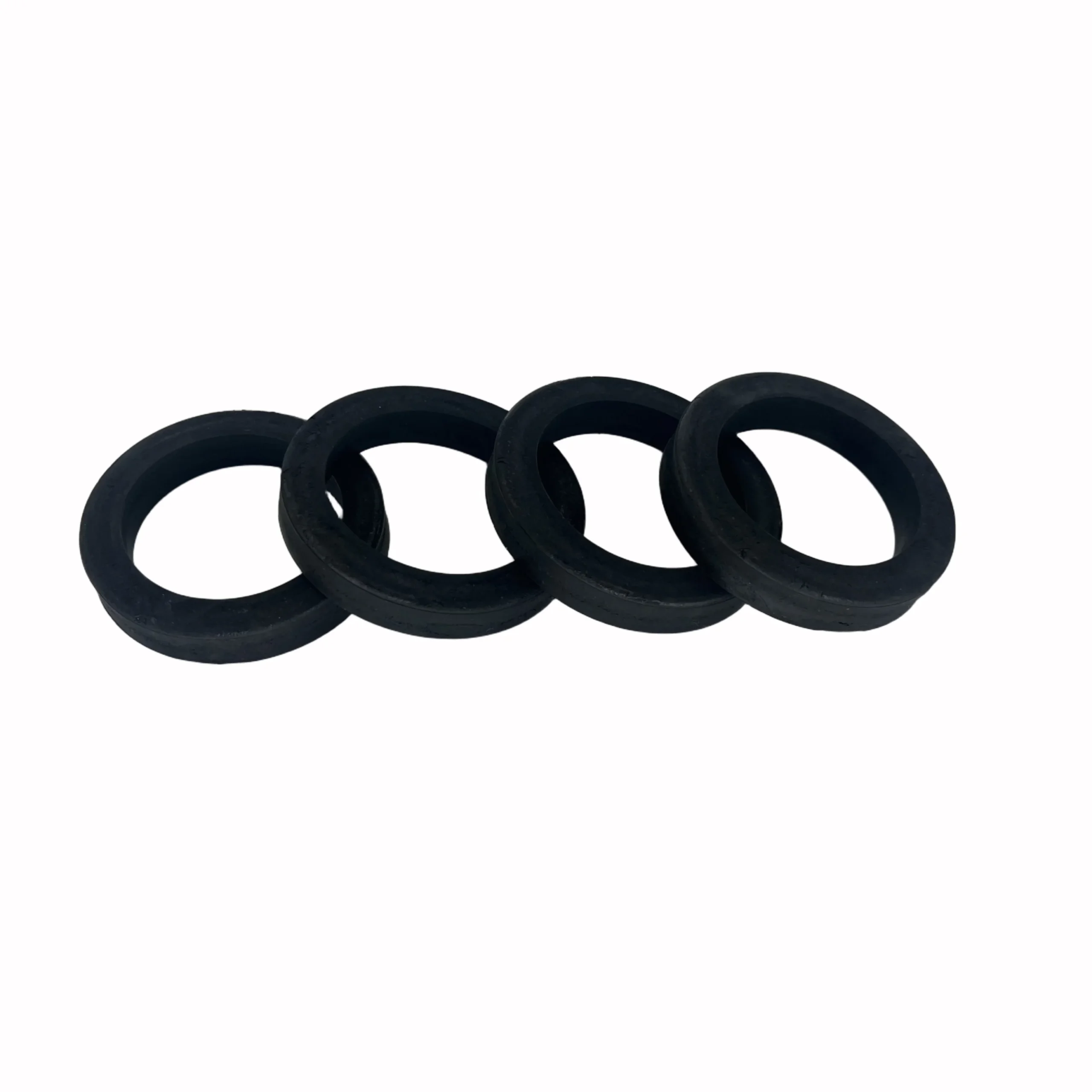
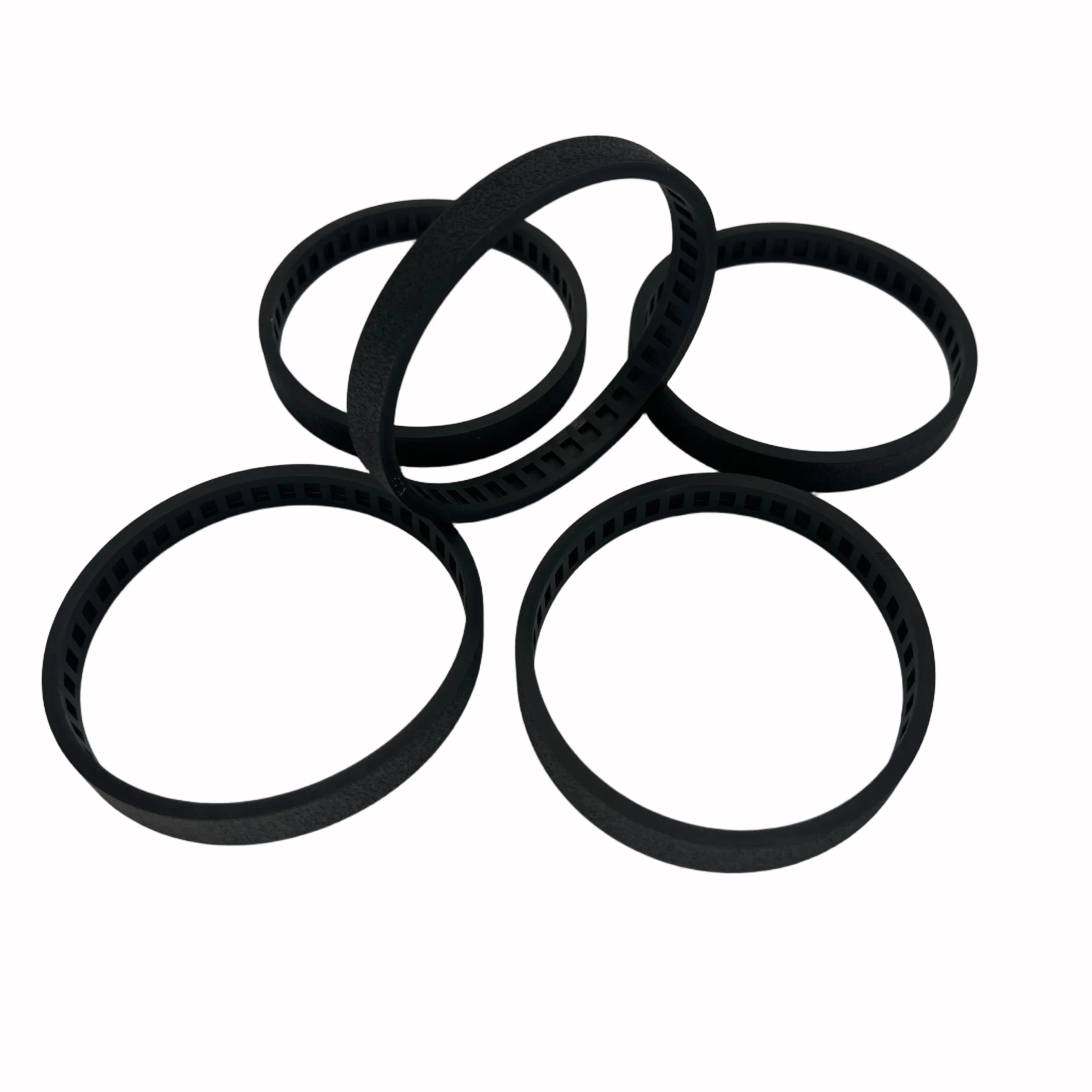
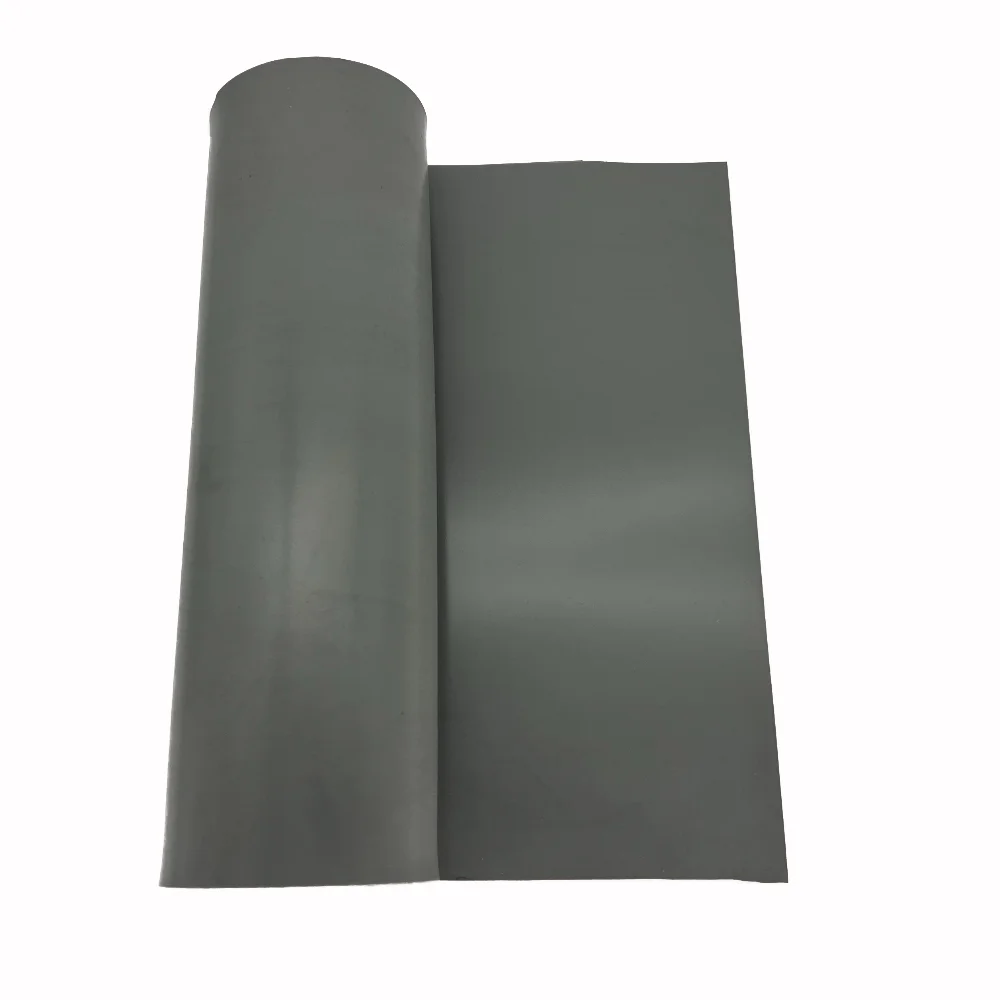
When discussing durability, the toilet rubber seal ring stands out as a high-performance option. Rubber, particularly high-grade synthetic blends like EPDM (Ethylene Propylene Diene Monomer), offers a level of chemical resistance that wax cannot match. The bathroom environment is surprisingly harsh; the seal is constantly exposed to caustic bowl cleaners, chlorine in the water, and the fluctuating temperatures of the home.
A toilet rubber seal ring is engineered to resist these elements without becoming brittle or melting. The molecular structure of the rubber allows it to provide a "hermetic" seal that blocks sewer gases from entering the living space. These gases are not just foul-smelling; they can be hazardous. The ribbed design found on many rubber gaskets creates multiple points of contact, ensuring that even if the floor is slightly uneven, there is a secondary or tertiary barrier to prevent leaks. This redundancy is what makes rubber an elite material in the plumbing world.
Precision in Silicone Mould Processing for Plumbing Components
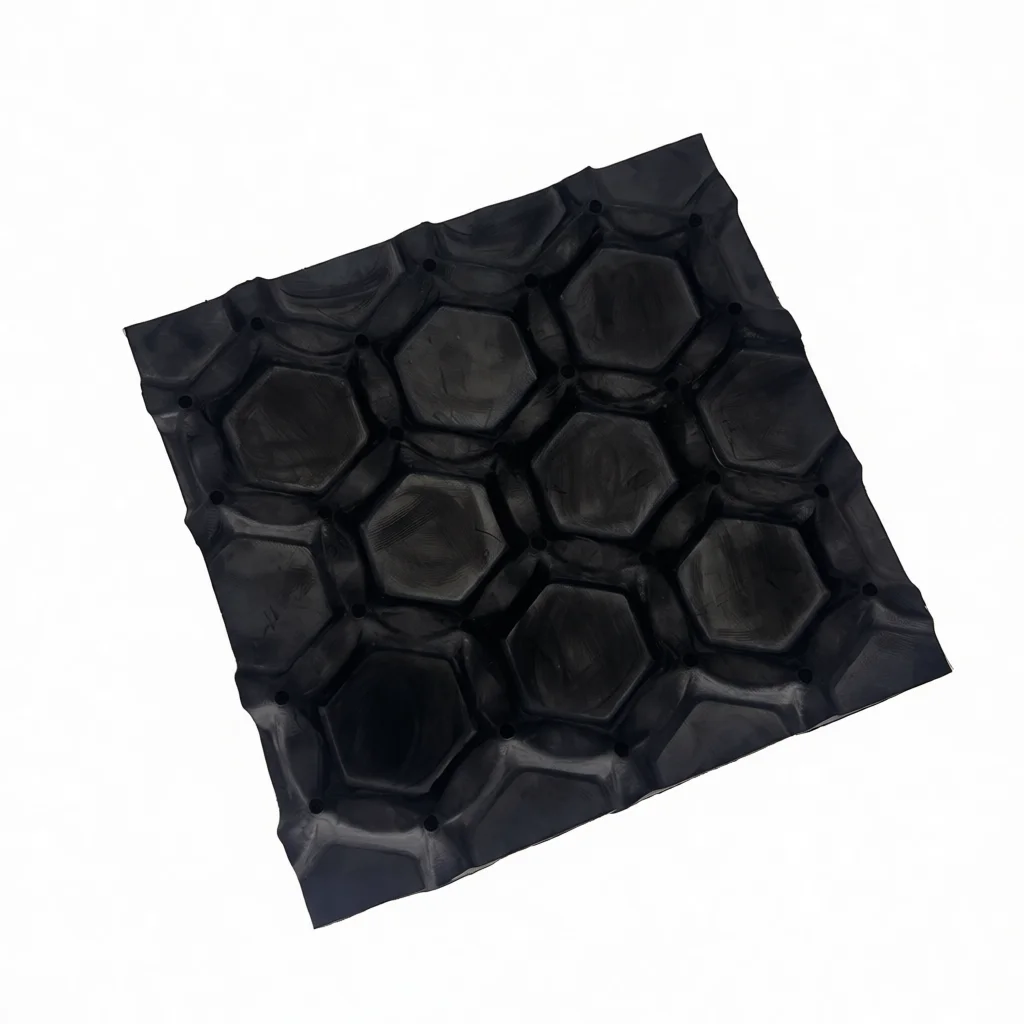
While rubber and foam are common, the high-end sector of the market is increasingly turning to silicone. The manufacturing of these premium gaskets involves complex silicone mould processing. Silicone is favored for its extreme temperature stability and its "inert" nature, meaning it does not react with chemicals or harbor mold and bacteria.
The silicone mould processing begins with the creation of a high-precision metal mold, often designed via CAD (Computer-Aided Design) to ensure that the tolerances are within fractions of a millimeter. Liquid silicone rubber (LSR) is then injected into these molds under high pressure and heat. This process allows for the creation of intricate shapes—such as triple-blade seals or integrated anti-microbial layers—that would be impossible to achieve with traditional rubber molding.
Because of the precision of silicone mould processing, these gaskets fit the toilet horn like a glove. They offer a "soft touch" seal that requires less compression force to become effective, which reduces the risk of cracking the porcelain base of the toilet during installation. For the homeowner, a silicone seal represents the pinnacle of "set it and forget it" technology.
Homeownership often brings with it the daunting realization that even the sturdiest fixtures have a shelf life.