

 Select Language
I’ve been around a few traction substations and maintenance depots, and one lesson keeps coming up: stray current is a silent asset killer. If you’re reading this you’ve probably looked at a cathodic protection system for stray current, anti-stray current insulation pads, stray current isolation solution for metro systems and wondered if it actually works in the real world. Spoiler: it can — when specified and installed correctly.
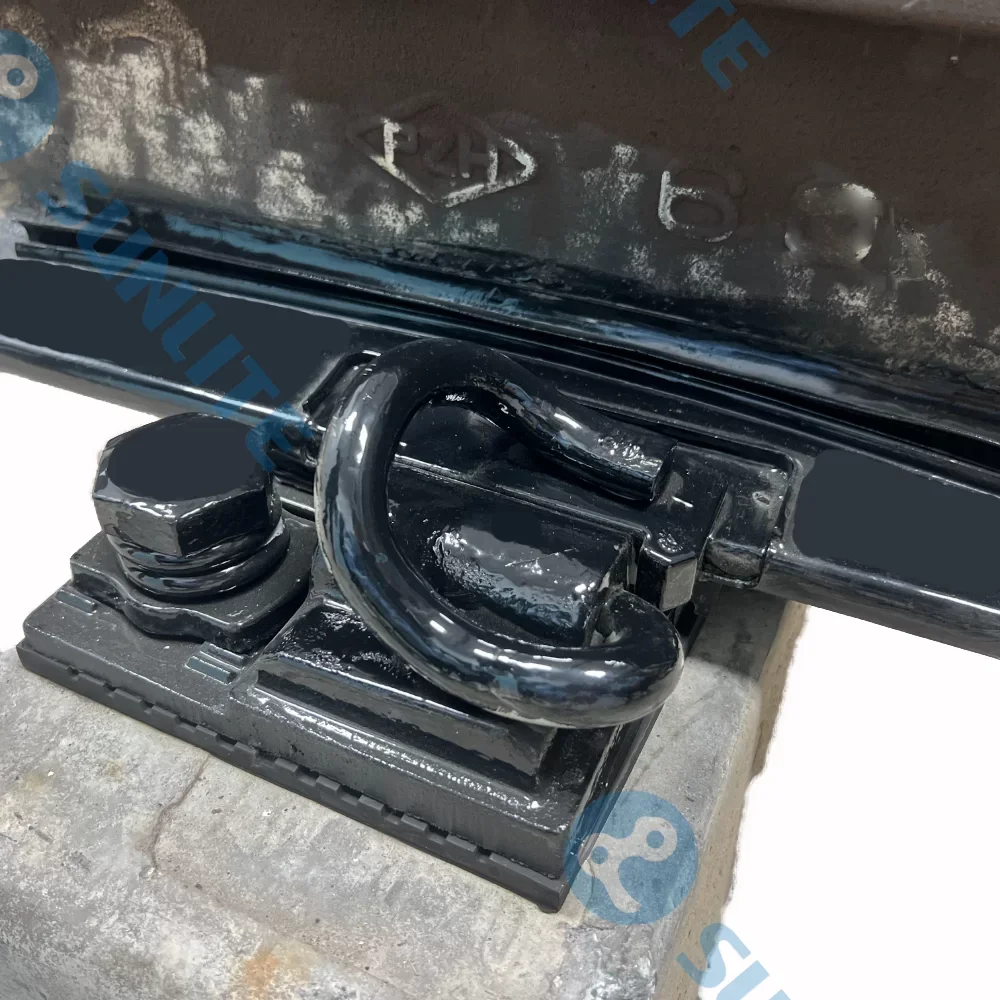
What the product is (short)
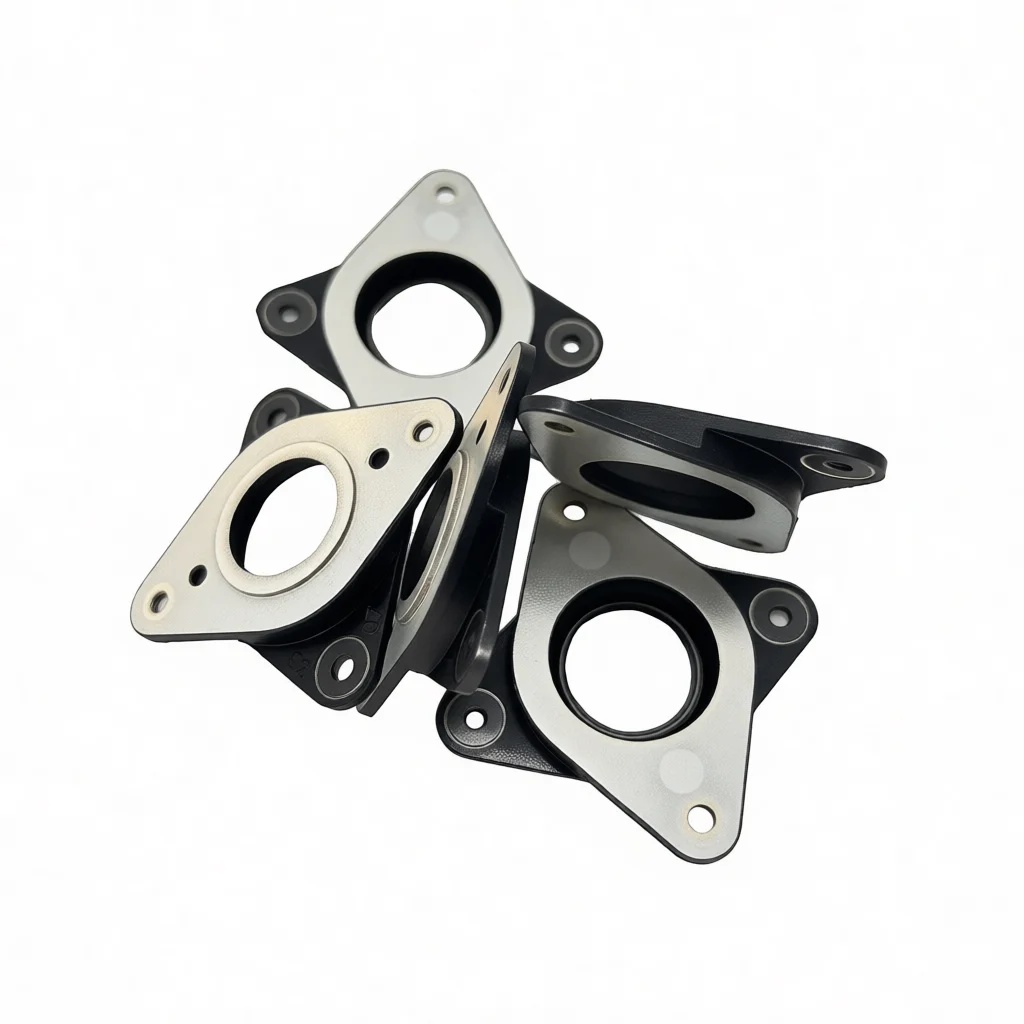
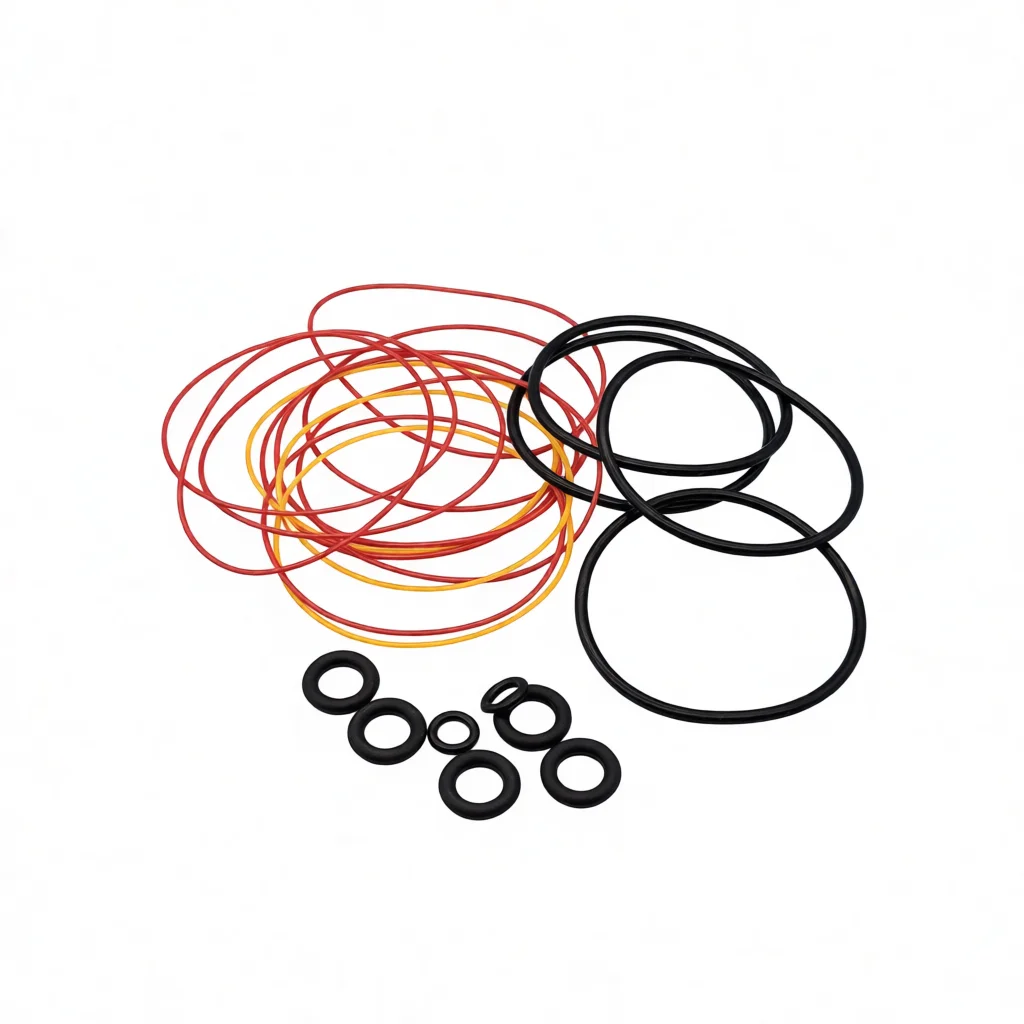
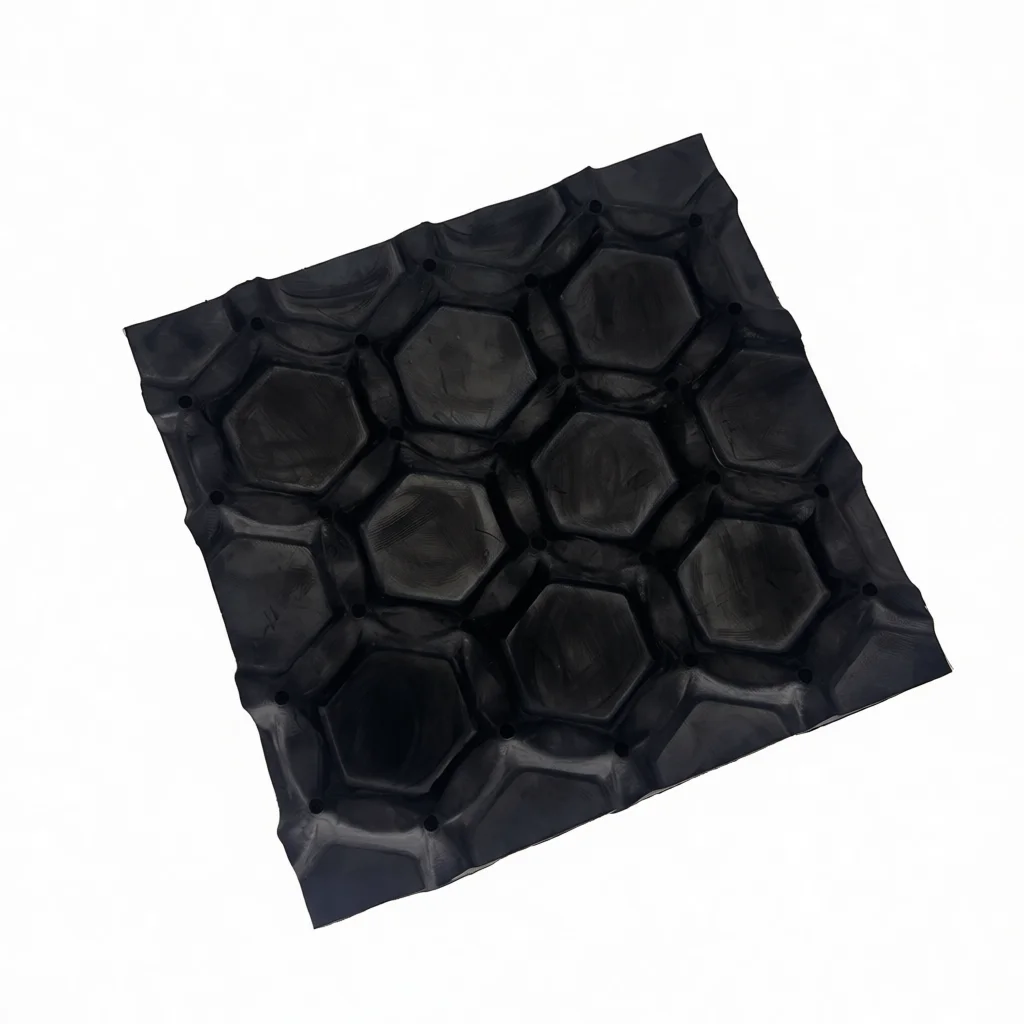
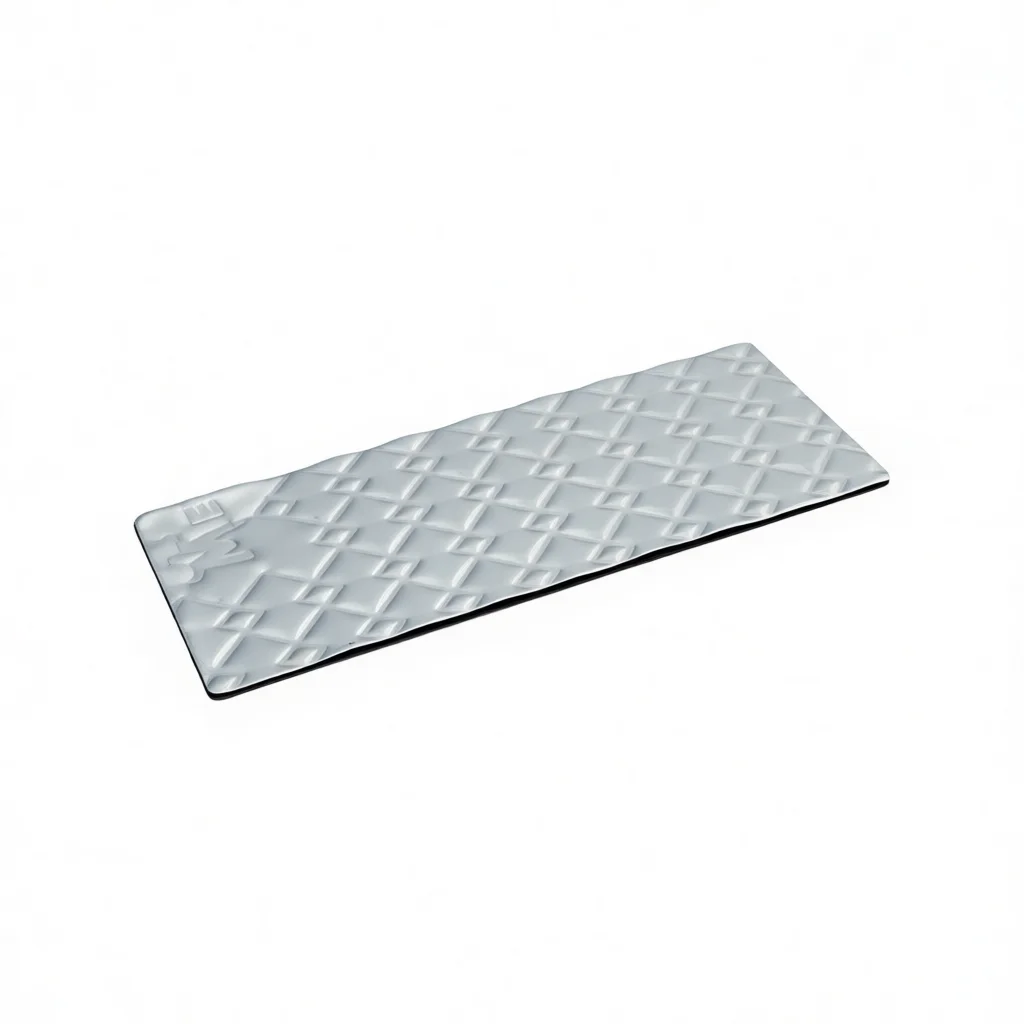
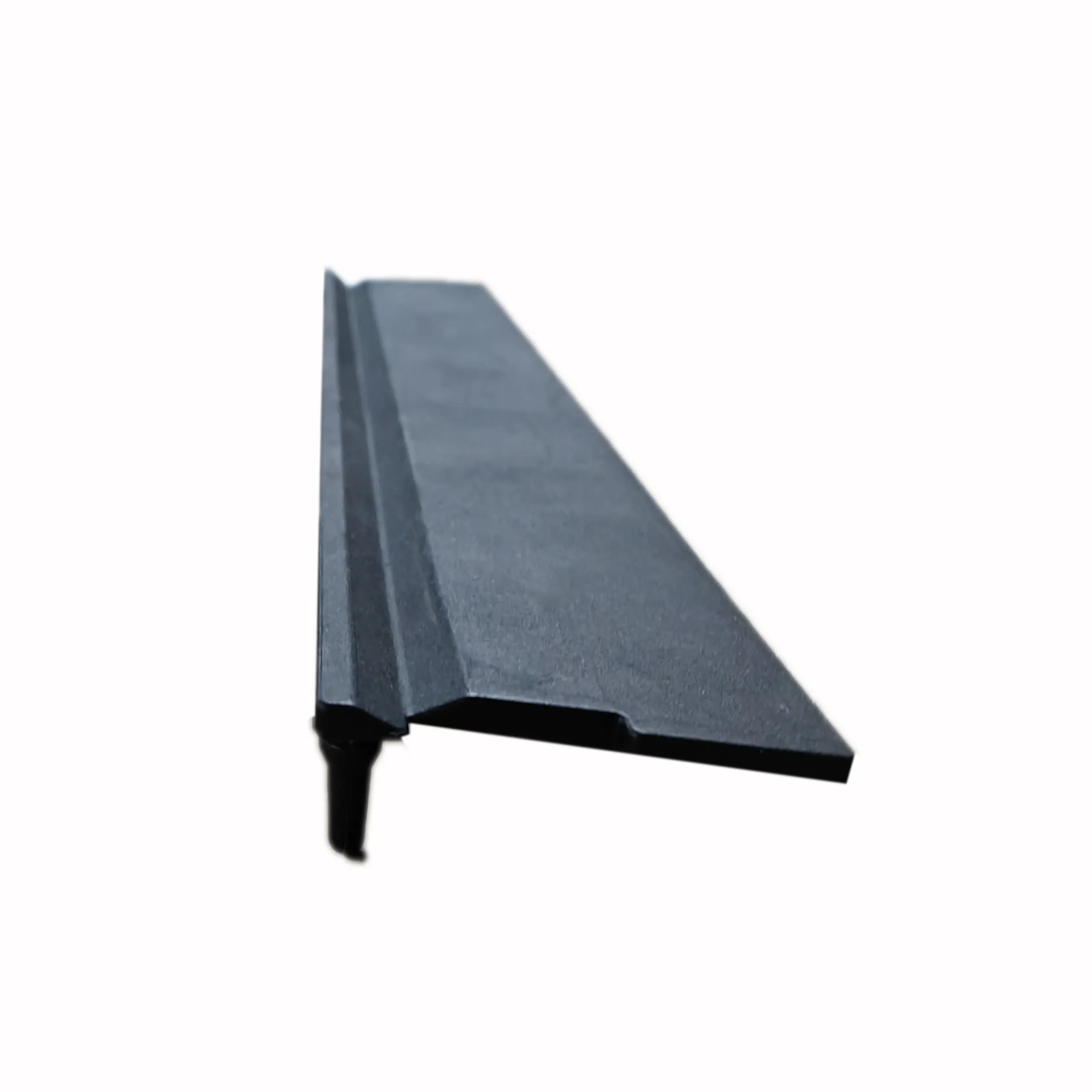
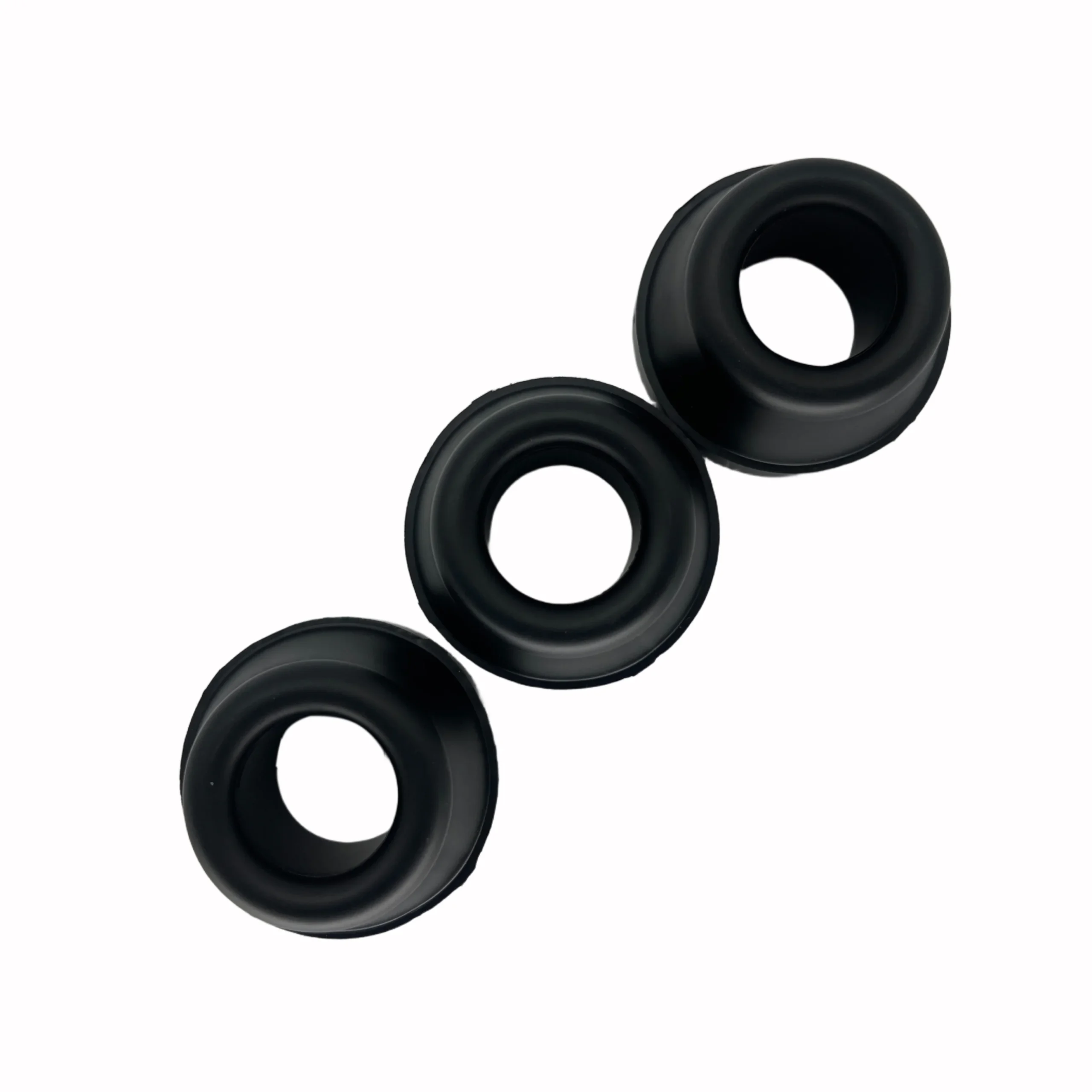
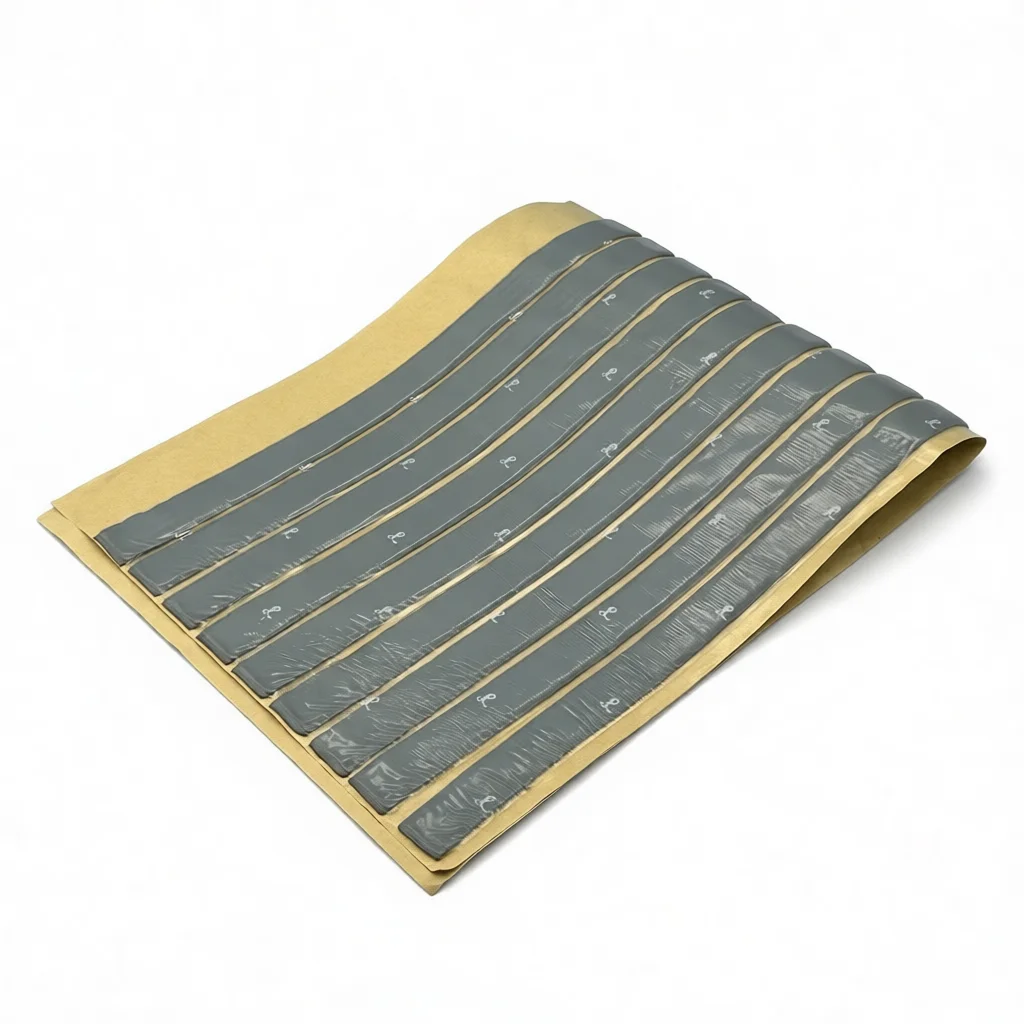
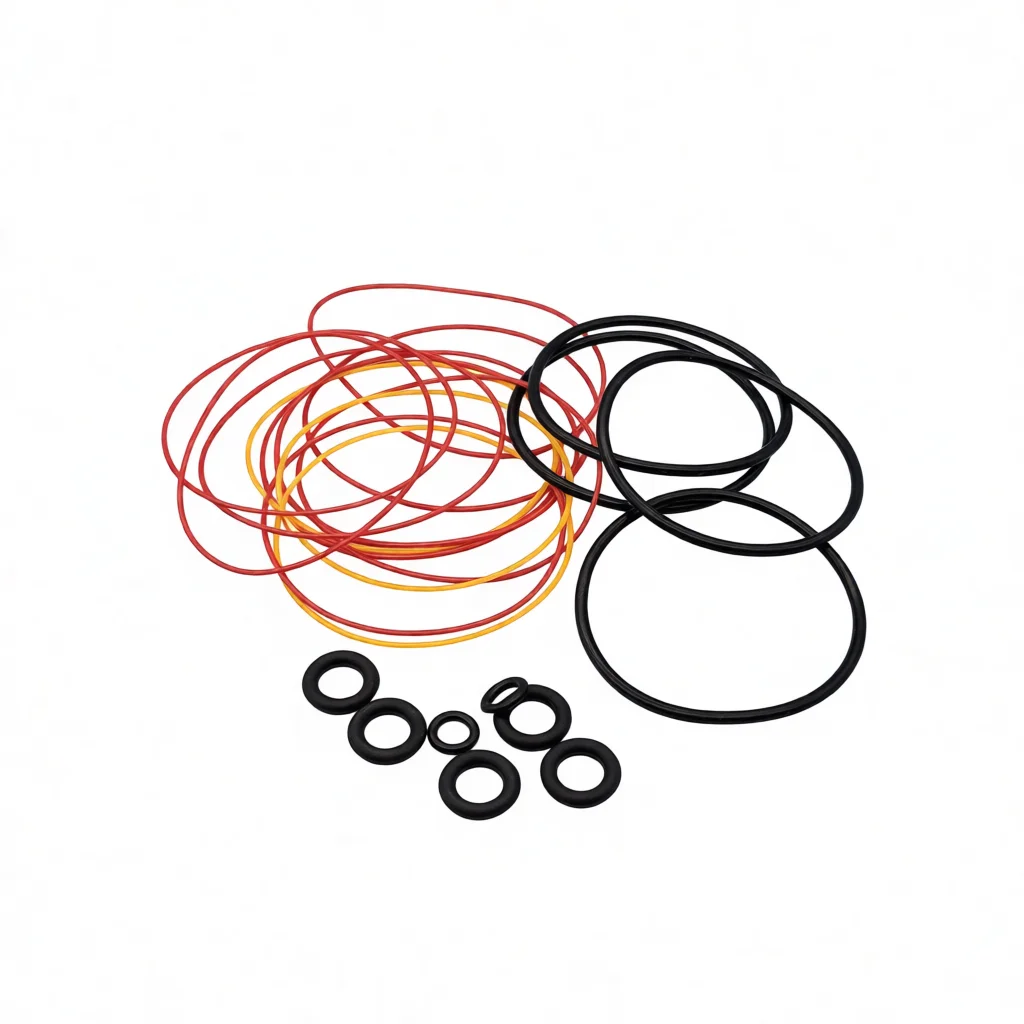
The Stray Current Insulation Protection System is a rail insulation enhancement system that combines polymer encapsulation with a dual-hydrophobic insulating coating. The vendor quotes a transition resistance >30 Ω·km and all-weather corrosion protection — useful details when track circuits and structural steel are at risk.
Technical snapshot & testing
Technically this sits between cathodic protection design and insulation engineering. Key terms you’ll hear: rail-to-ground transition resistance, polymer composite encapsulation, hydrophobic coating, and insulation pads. Typical testing and standards referenced include EN 50122 (railway electrical safety and return circuit), ISO 15589-1 (cathodic protection — pipelines, adapted practices), and routine salt-spray / accelerated weather tests (real-world use may vary).
Product specification (typical) | |
Item | Specification |
Material | Polymer composite + dual-hydrophobic insulating coating |
Transition resistance | >30 Ω·km (typical) |
Service life | ≈25–30 years (real-world use may vary) |
Applications | Urban metro, high-speed lines, electrified tracks, bridges, turnouts |
Vendor comparison — quick view
Vendor | Product focus | Notable claim |
SunliteTek (this product) | Rail insulation pads & polymer encapsulation | Transition R >30 Ω·km; dual-hydrophobic coating |
Vendor B | Ceramic insulation pads | High temperature resistance; brittle in impact |
Vendor C | Cathodic anodes & monitoring | Good for buried assets; not tailored for rail joints |
Installation, testing & case notes
Installation is usually staged: prepare rail surface → apply polymer encapsulation → install insulating pads at rail joints/bridges/turnouts → coat with dual-hydrophobic layer → verify with continuity and transition-resistance tests. On-site verification typically uses four-wire resistance measurement and stray-current mapping. Many customers say the system reduced rail corrosion hotspots within a season — surprisingly fast results if drainage and bonding are done correctly.
For specs and procurement, request test reports (salt spray, adhesion, transition resistance), certifications (ISO 9001, CE, RoHS — commonly claimed), and a 3–5 year performance warranty with options for life-cycle inspection. If you’re specifying for a metro system, mention EN 50122 and insist on field verification after commissioning.
One last aside: this isn’t magic. Complementary measures (bonding, track drainage, return current routing) are just as important. The cathodic protection system for stray current, anti-stray current insulation pads, stray current isolation solution for metro systems is a critical tool but not a standalone cure.
1. EN 50122 series — Railway electrical safety and return circuit standards.
2. SunliteTek Stray Current Insulation Protection System product page: https://www.sunlitetek.com/product/stray-current-insulation-protection-system.html
3. ISO 15589-1 — Cathodic protection of pipeline systems (guidance for corrosion control practices).
I’ve been around a few traction substations and maintenance depots, and one lesson keeps coming up: stray current is a silent asset killer.