

 Select Language
Across the automotive, industrial machinery, and consumer electronics sectors, sound deadening has become a critical technology for improving NVH (Noise, Vibration, and Harshness) performance. During operation, mechanical structures generate resonance noise, impact noise, and structure-borne sound waves. These issues not only degrade user experience but may also accelerate mechanical fatigue and lead to long-term system performance degradation. As a result, the use of high-efficiency acoustic damping materials and optimized vibration control design is essential for modern engineering applications.
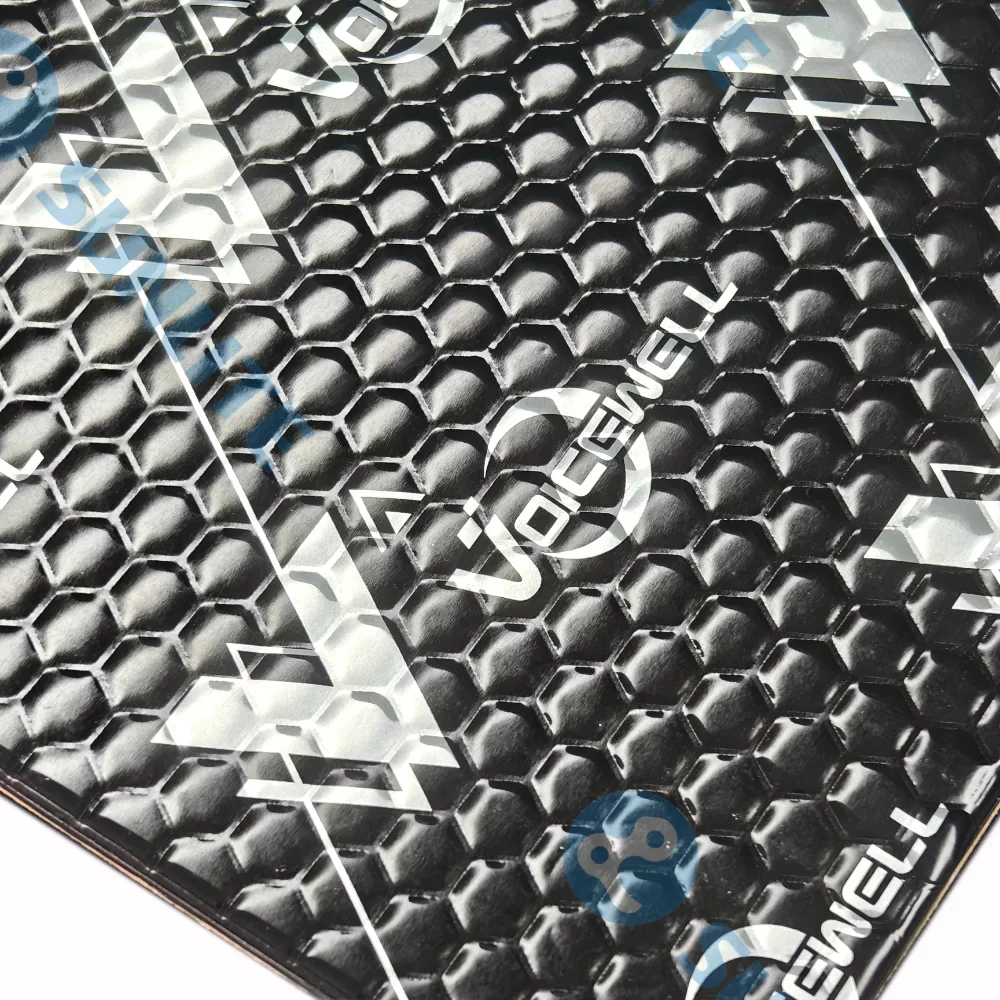
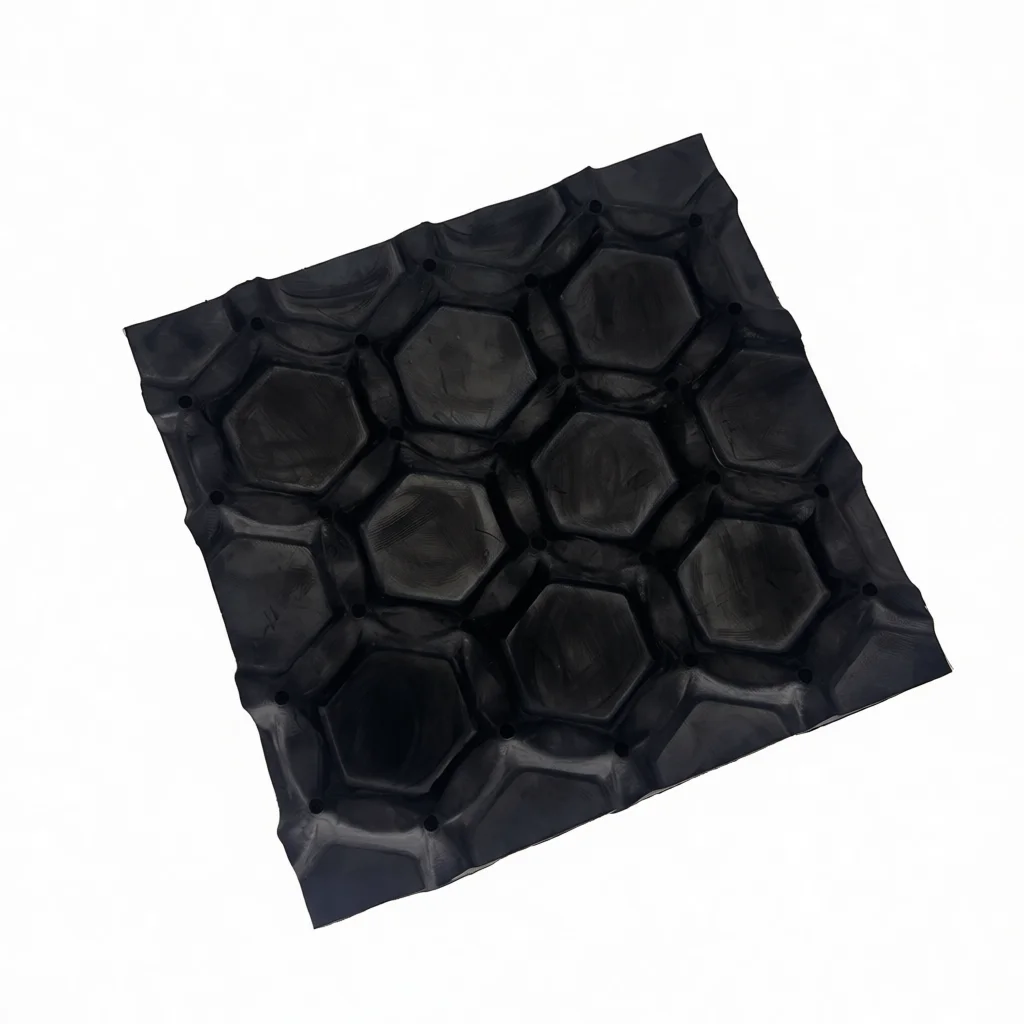
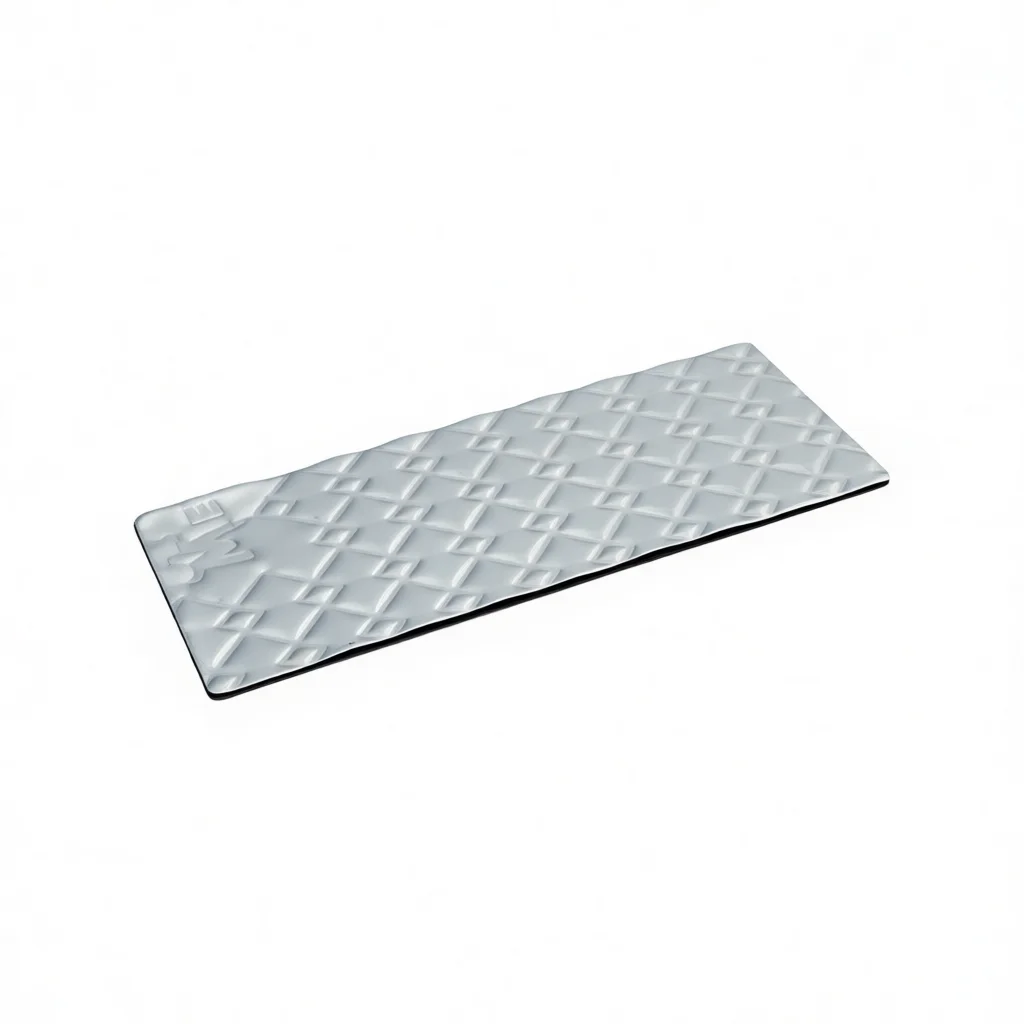
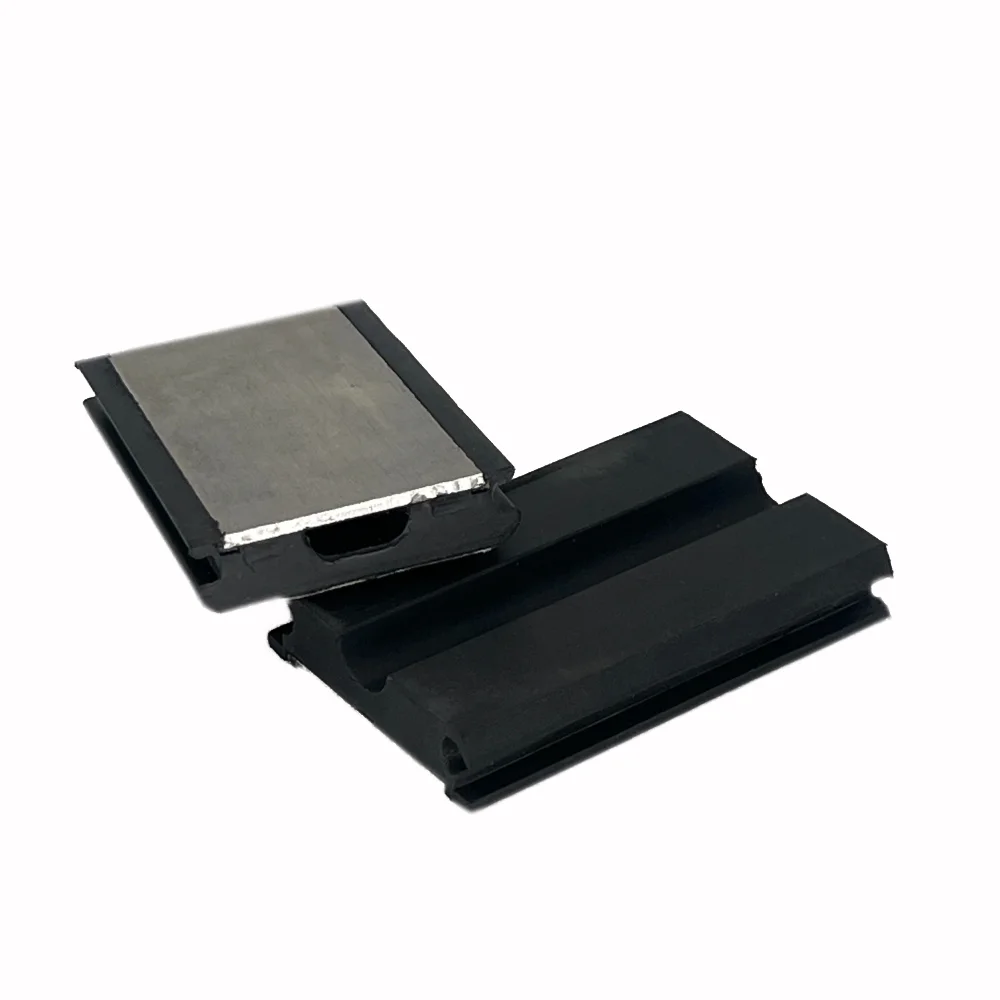
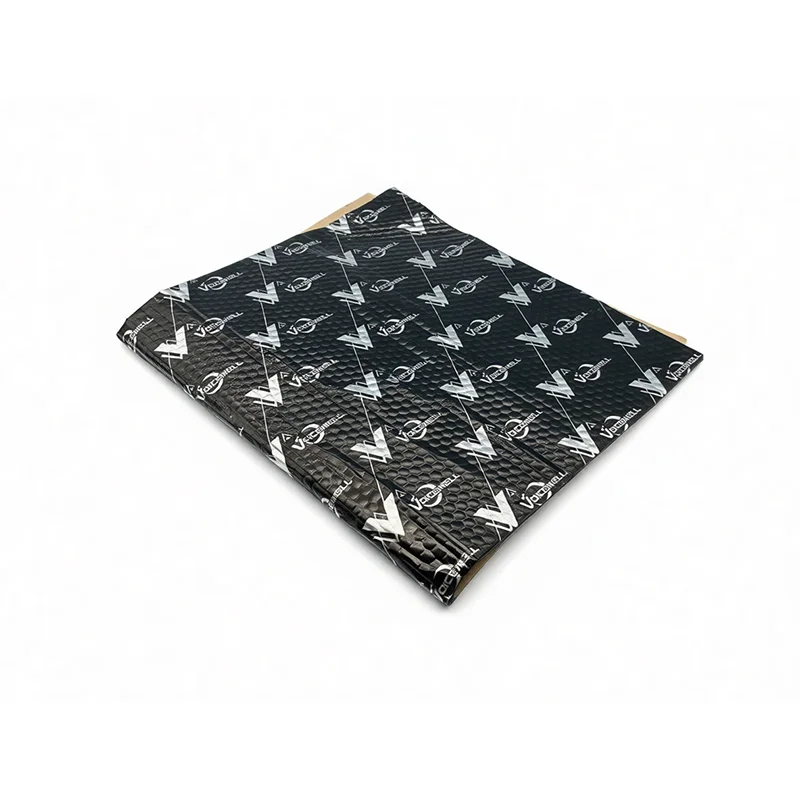
SunliteTek’s dynamat sound deadening solution — the Halogen-Free Flame-Retardant Vibration Damper is a high-performance material specifically engineered for acoustic insulation and vibration control. This product features a composite structure of butyl rubber (IIR) and aluminum foil. Through the intrinsic viscoelastic behavior of the rubber layer and interlayer shear energy dissipation, mechanical vibration energy is effectively converted into thermal energy, significantly reducing noise caused by structural resonance. At the same time, it meets strict requirements for flame retardancy, aging resistance, and environmental compliance.
These sound deadening materials are widely applied in automotive door inner panels, engine bay bulkheads, vehicle body sidewalls, and enclosures of high-frequency vibrating equipment, providing reliable noise suppression and vibration control.
Core Technical Advantages
1. High-Efficiency Noise Reduction and Vibration Energy Dissipation
Traditional sound insulation materials primarily rely on mass loading effects. In contrast, modern sound deadening materials achieve superior noise attenuation through viscoelastic energy dissipation mechanisms, delivering higher performance with lower added weight. SunliteTek damping materials demonstrate excellent energy loss characteristics in low- and mid-frequency ranges, significantly reducing structural noise peaks.
2. Flame-Retardant and Safety-Oriented Design
The product adopts a halogen-free flame-retardant formulation and complies with international fire safety standards such as UL94 V-0 and EN 45545. This ensures compliance with stringent engineering safety requirements and makes the material suitable for applications where flame spread control is critical.
3. Long-Term Durability and Environmental Resistance
The butyl rubber base exhibits outstanding resistance to aging, humidity, heat, and chemical exposure. Performance remains stable under temperature cycling, salt spray, and UV radiation, making it well-suited for long-term operation in demanding environments.
Typical Application Scenarios
Automotive Engineering: Door vibration damping panels, trunk sound insulation layers, engine bay acoustic barriers, and chassis noise absorption structures.
Rail Transportation: Interior vibration isolation and acoustic insulation, equipment cabinet noise reduction.
Home Appliances & Industrial Equipment: Noise control for air-conditioning compressors, machine tools, and power transmission systems.
Integration with Engineering Design
Incorporating advanced sound deadening materials at the early stages of product design not only reduces final noise levels but also minimizes vibration-induced structural fatigue, extending system service life. Engineers are advised to evaluate material performance through simulation tools such as acoustic modeling and finite element–based NVH analysis. By optimizing parameters including material thickness, coverage area, and installation method, a balanced and efficient noise control solution can be achieved.
Across the automotive, industrial machinery, and consumer electronics sectors, sound deadening has become a critical technology for improving NVH (Noise, Vibration, and Harshness) performance.