

 Select Language
Automotive sealing strips are one of the key components in a vehicle. They are widely applied to doors, windows, body structures, seats, sunroofs, engine compartments, and trunks, providing multiple functions such as waterproofing, sealing, sound insulation, dust prevention, frost resistance, vibration reduction, thermal insulation, and energy efficiency.
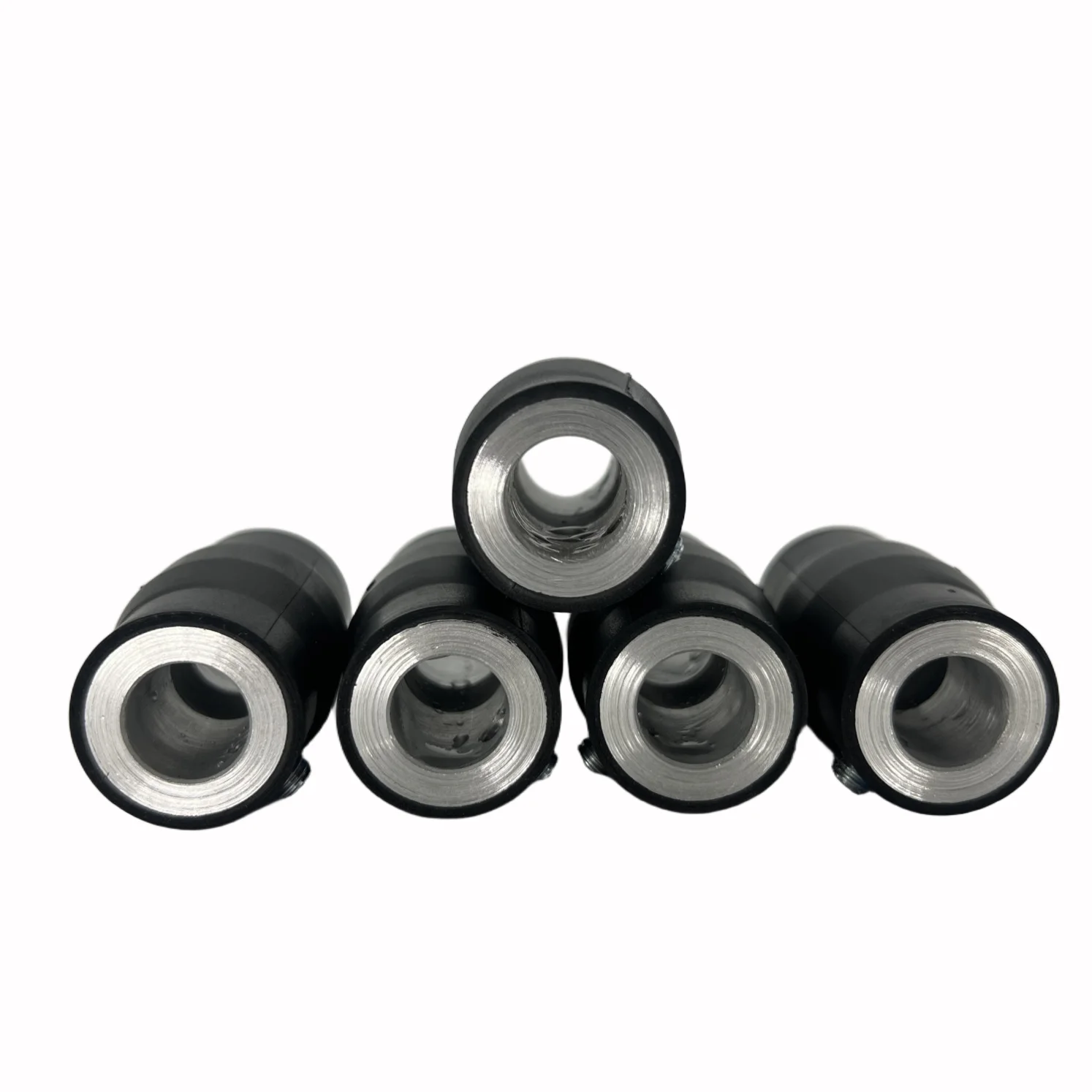
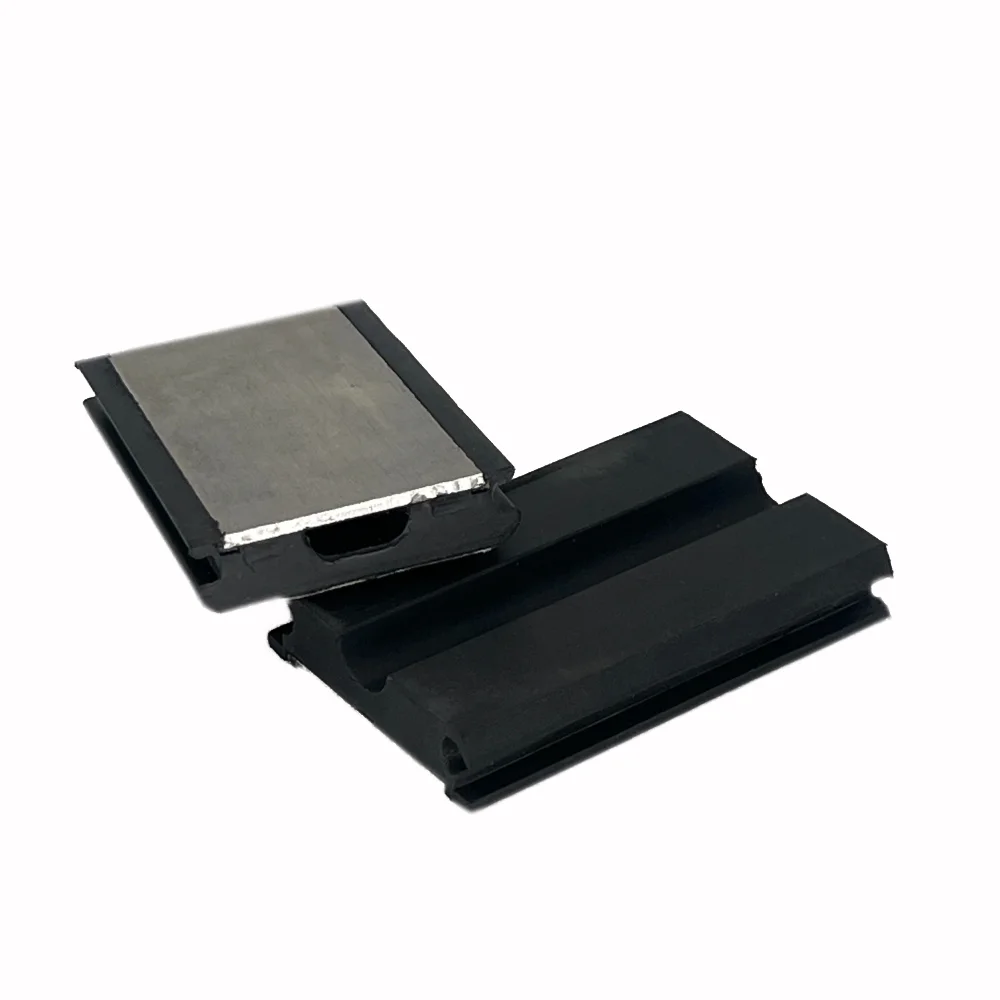
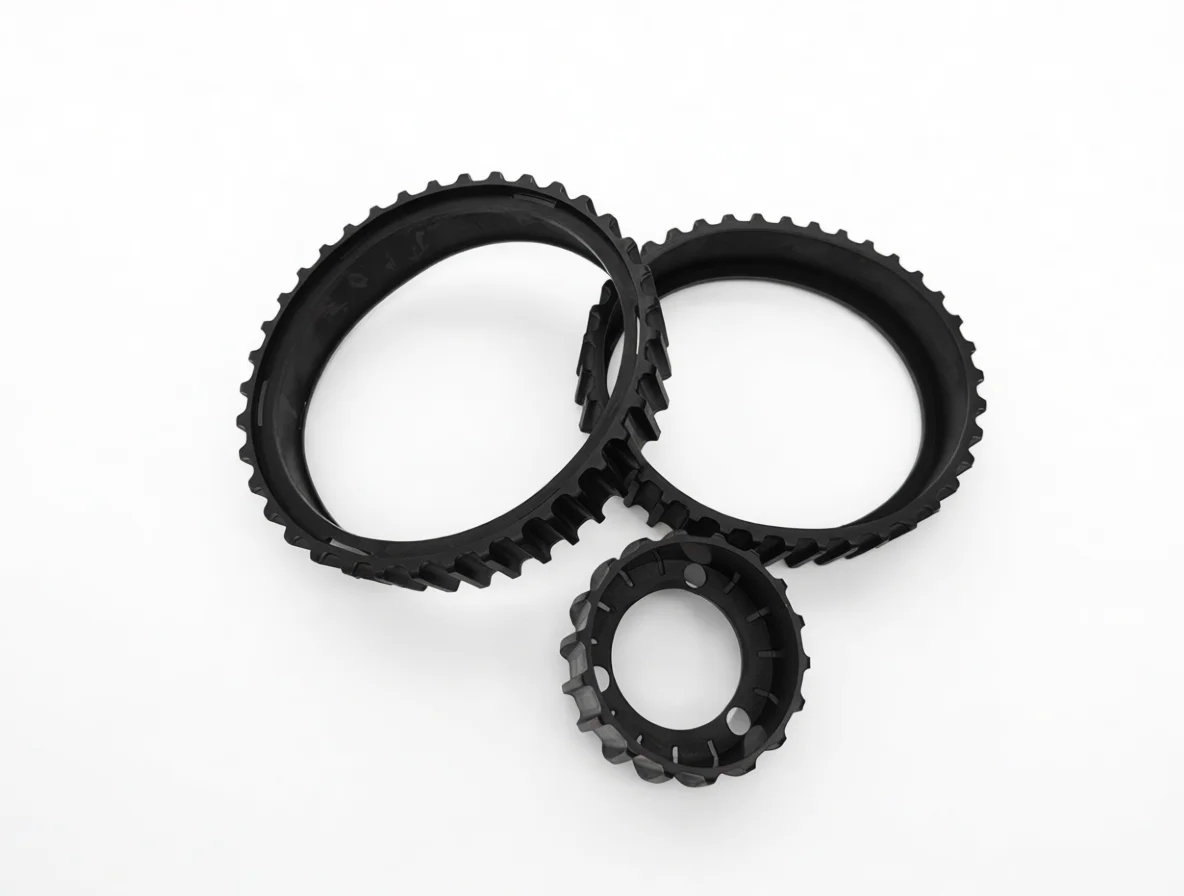
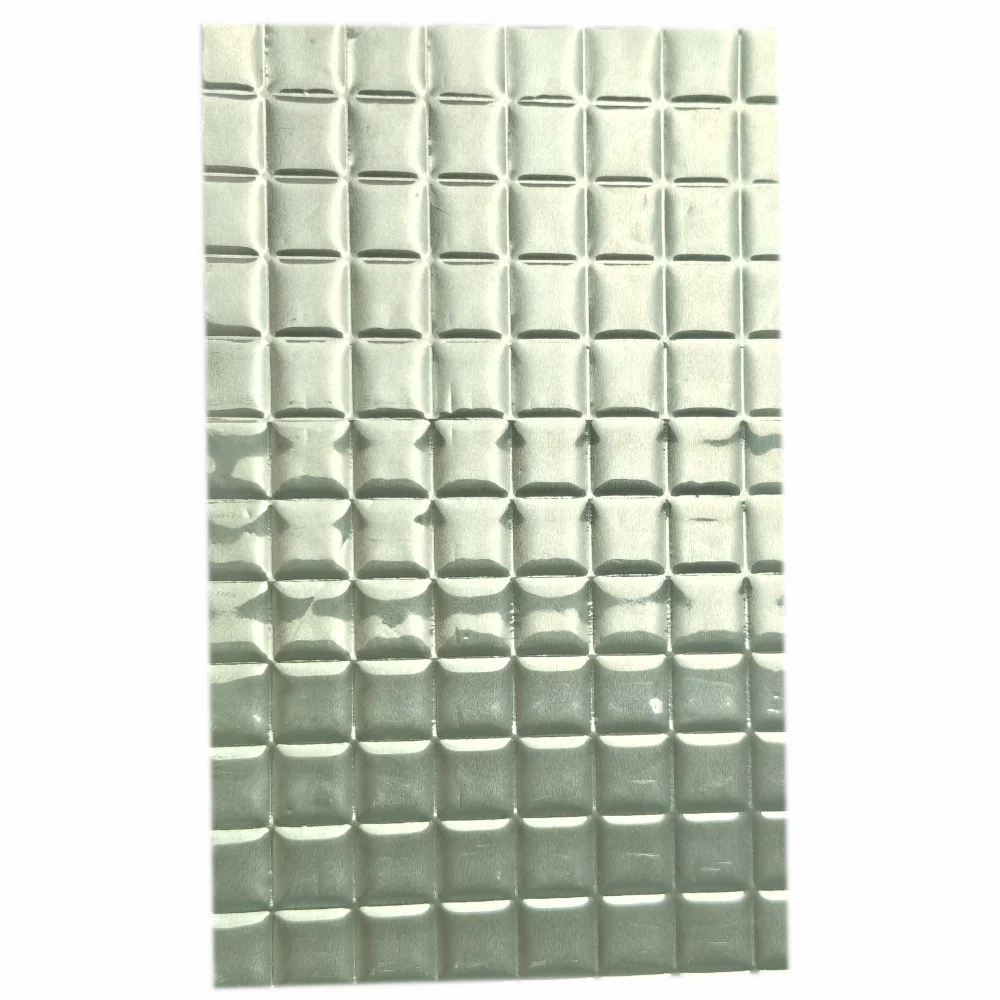
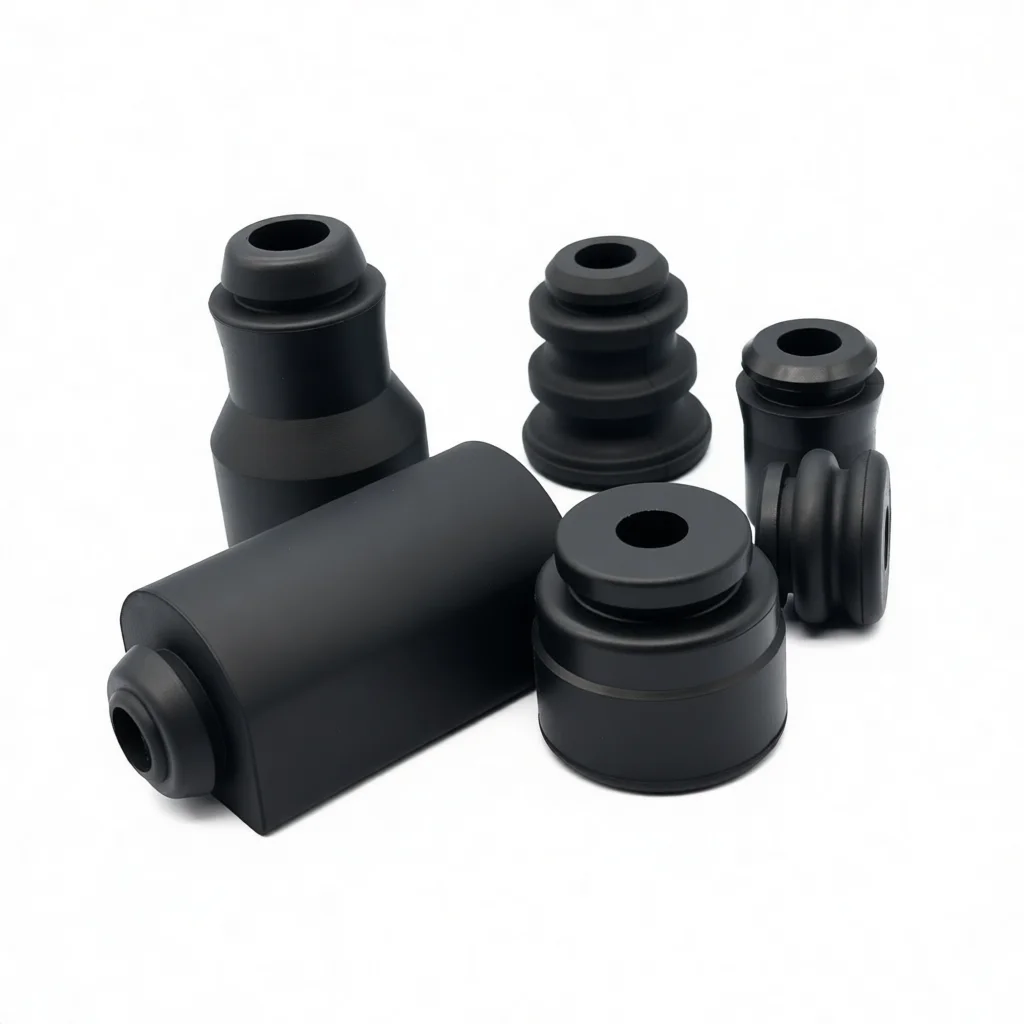
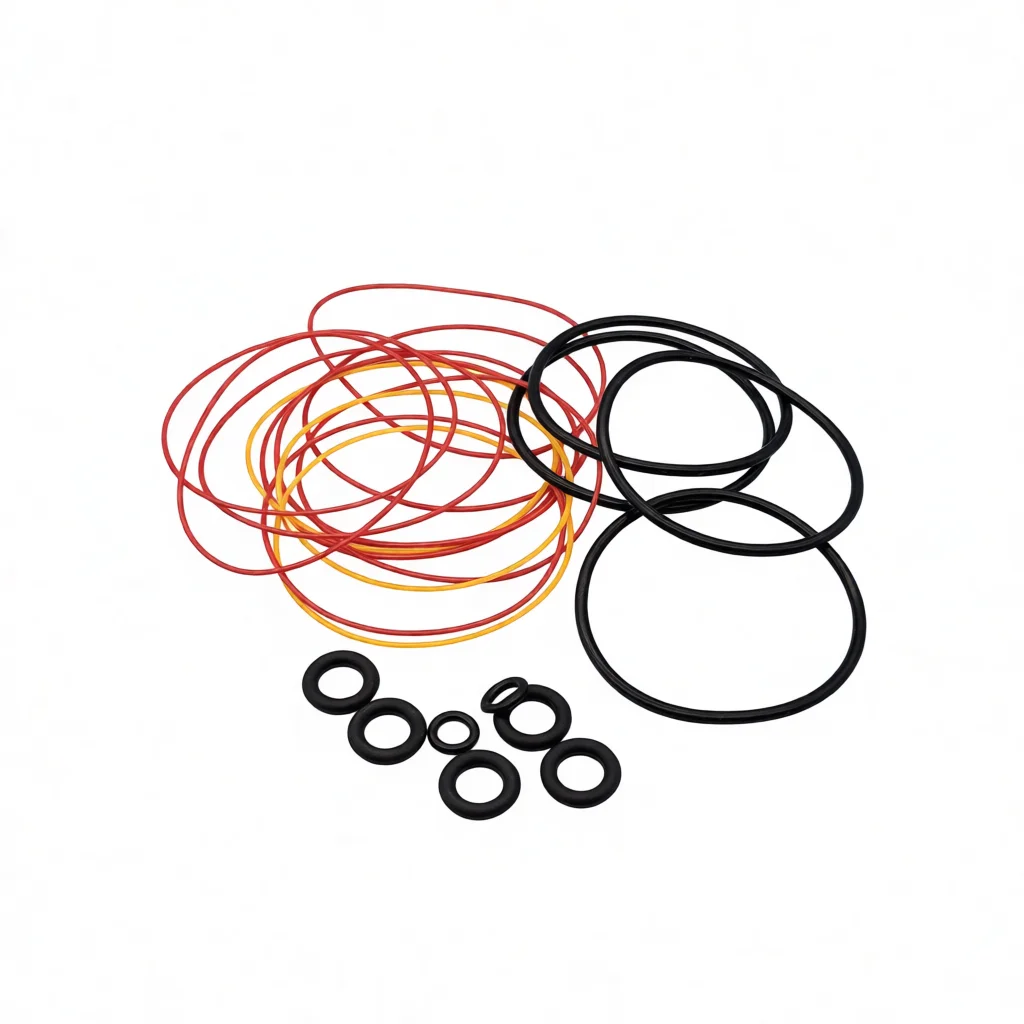
As a fundamental part of the rubber system, sealing strips often work together with other major rubber components, including O-Rings, used for hydraulic and fluid sealing; Anti-Vibration Plates, installed in body structures and chassis areas; and Machinery Vibration Control Plates, used for body noise reduction and lightweight design. These components collectively form the vehicle’s sealing and vibration-control system, significantly enhancing durability and ride comfort.
In terms of performance, sealing strips must feature excellent tensile strength, elasticity, temperature resistance, and aging resistance. Their cross-section structures must precisely match the corresponding vehicle profiles to ensure reliable sealing performance.
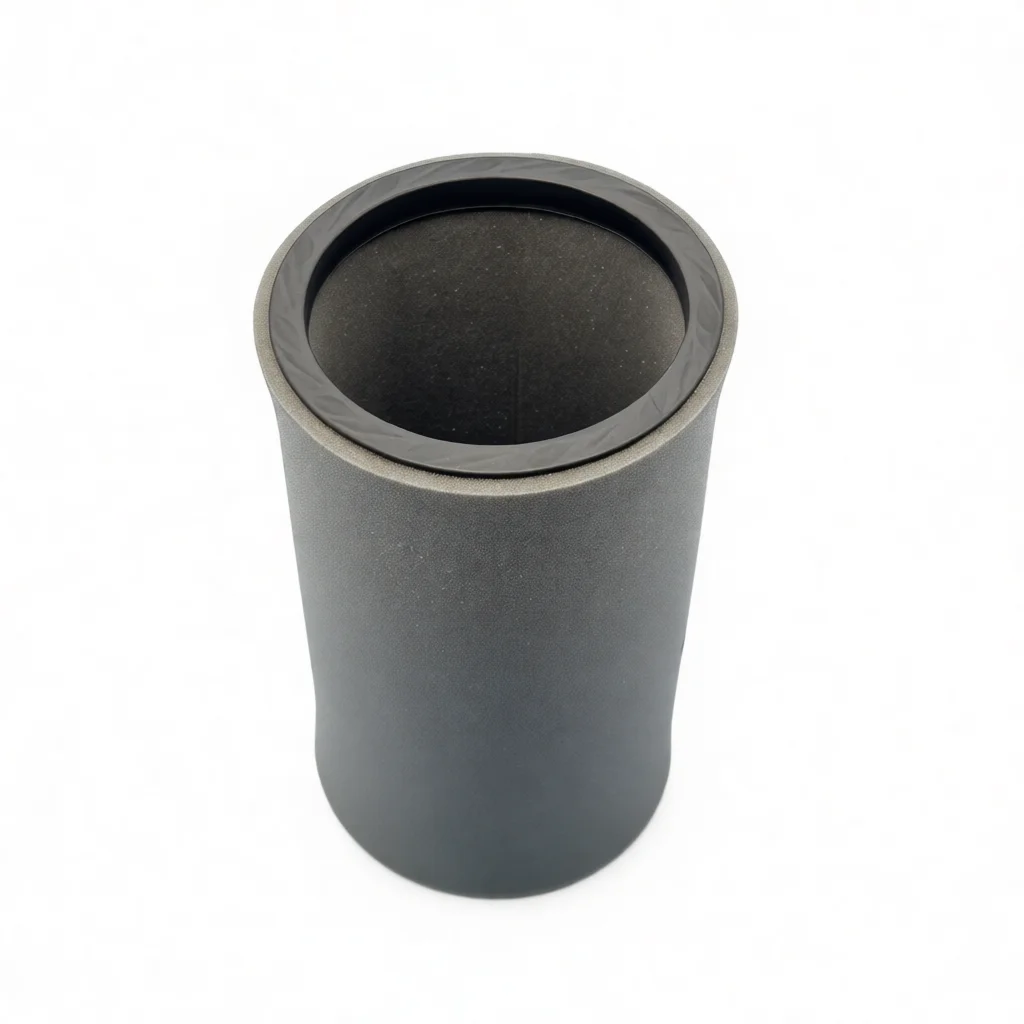
At the same time, O-Rings, as another essential rubber product, must exhibit strong temperature resistance and media compatibility to guarantee long-term leak-free sealing. Anti-Vibration Plates and Machinery Vibration Control Plates play key roles in vibration control, complementing the noise-insulating and damping capabilities of sealing strips to jointly enhance the vehicle’s NVH performance (Noise, Vibration, Harshness).

1. Classification by Installation Location
By installation area, sealing strips can be categorized into Hood Seals (front, side wall, rear), Door Seals, Windshield Seals, Side Window Seals, Sunroof Seals, Primary Door Seals, Glassrun Channels, Waistline Seals, Trunk Seals, Anti-Noise Seals, Anti-Dust Seals, etc.
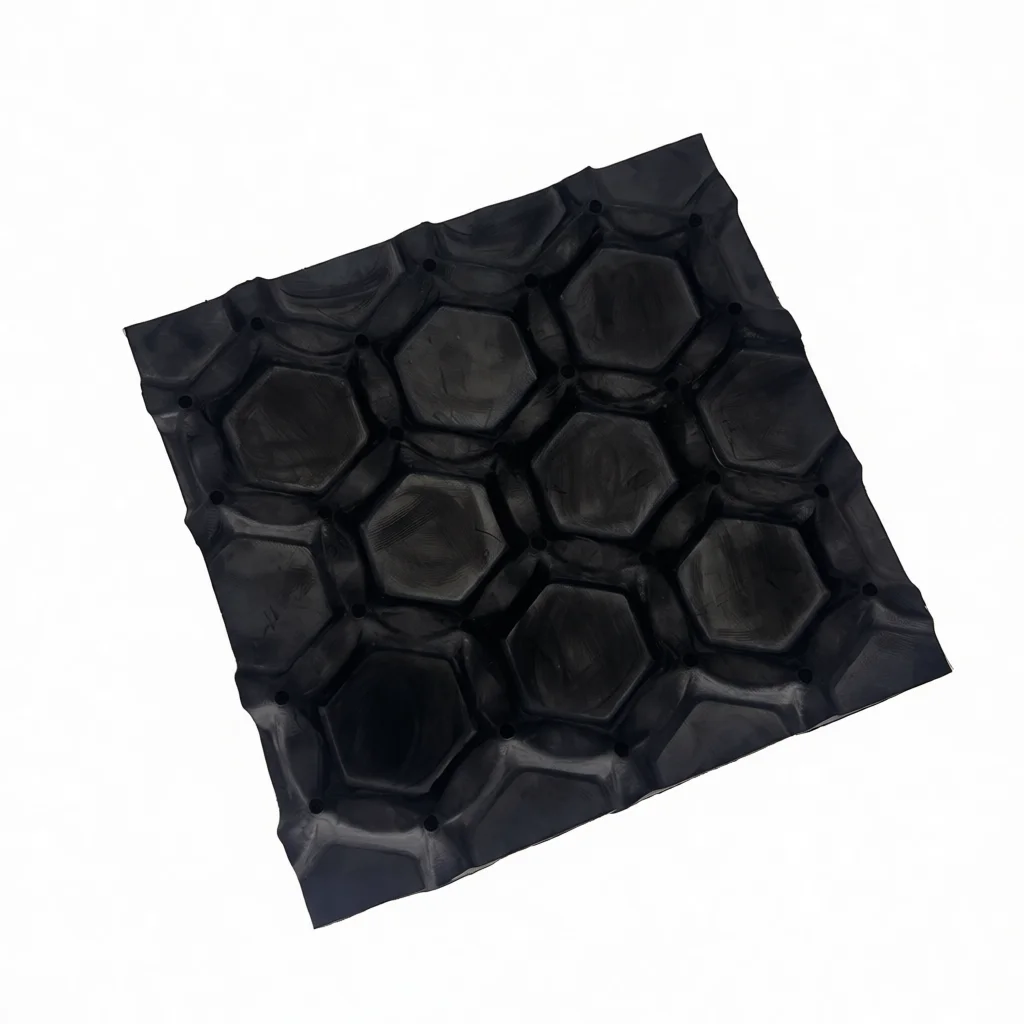
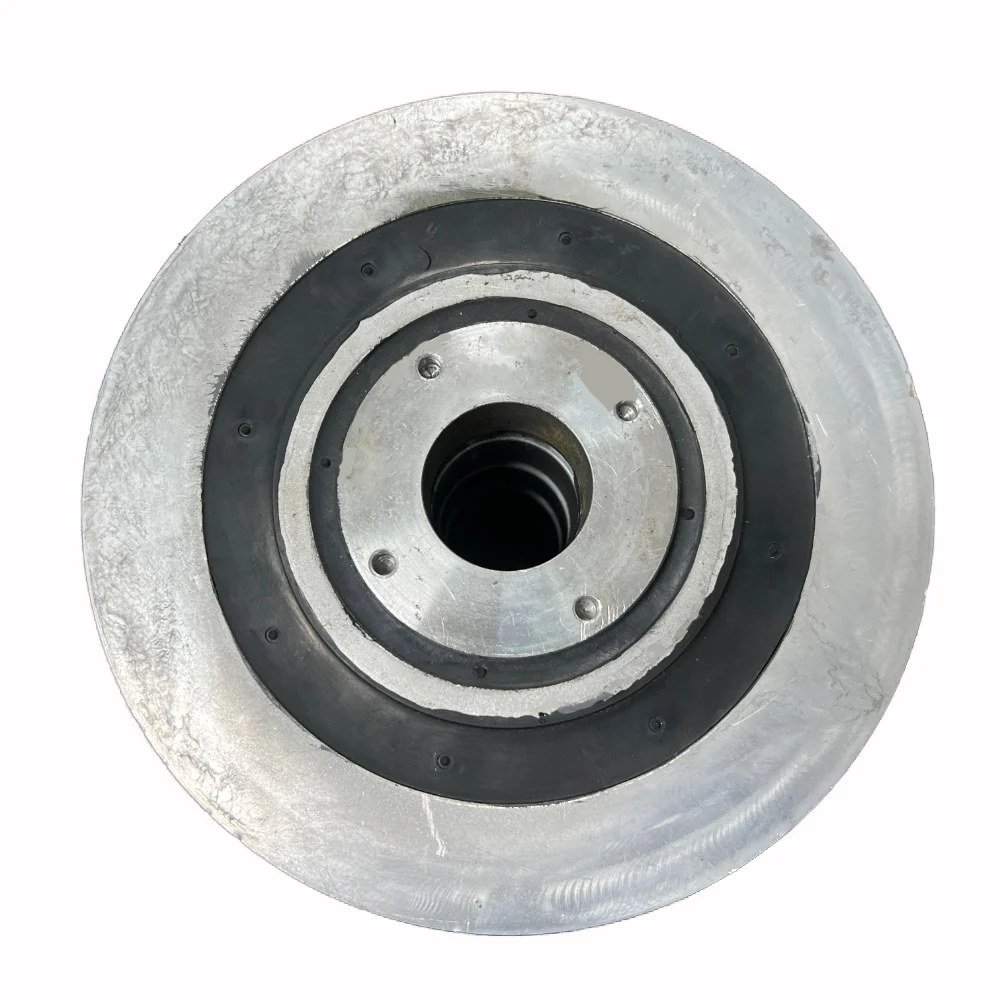
In many of these areas, Anti-Vibration Plates are also used to reduce structural resonance—such as in the dash panel area, chassis, and A-pillar region.
Some thin-panel areas (doors, side walls) may be paired with Machinery Vibration Control Plates to further enhance NVH performance.
2. Classification by Cross-Section
Sealing strips include solid, hollow, and metal-rubber composite types, among which composite sealing strips account for over 60%.
Cross-section design is critical for sealing performance, including lip shape, thickness, glass-contact pressure, and fit with metal channels.
Similarly, Machinery Vibration Control Plates require customized thickness and damping coefficients according to body geometry, achieving optimal vibration attenuation.
O-Rings, in hydraulic systems, also rely on precise cross-section dimensional control to ensure sealing life.
3. Classification by Sealing Function
They can be divided into Weatherstrips and General Seals.
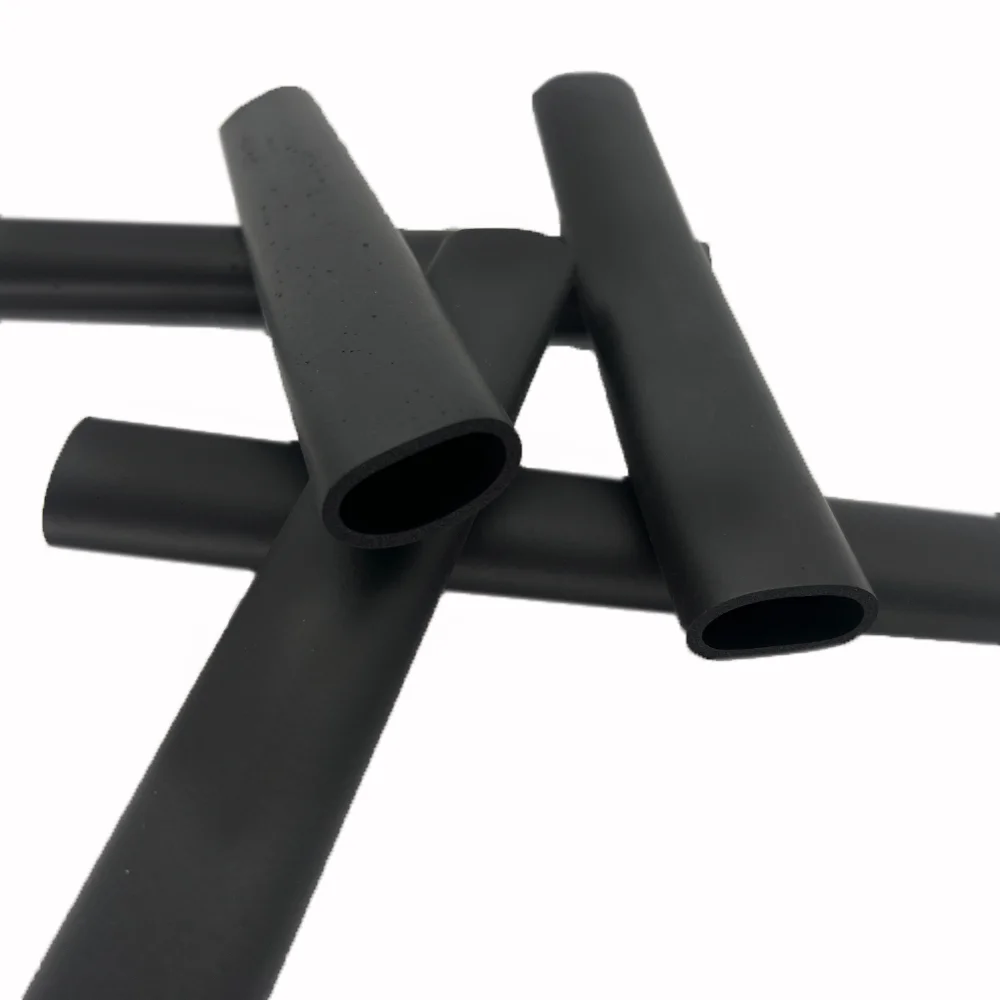
Weatherstrips usually contain hollow sponge tubes for enhanced temperature and humidity resistance. General seals are commonly used for windshields, corner windows, and outer trims.
Within the overall sealing system, weatherstrips prevent water, heat, and dust intrusion, while Anti-Vibration Plates suppress vibrations in adjacent metal structures, further enhancing sound insulation.
Machinery Vibration Control Plates installed in the chassis reduce low-frequency vibration and road noise, forming an integrated NVH solution together with sealing strips.
4. Classification by Material Composite Structure
Sealing strips may be single-material, dual-material, tri-material, or quad-material composites.
Quad-material structures significantly extend service life through multiple rubber combinations and surface protective layers.
Similar composite technologies are used in
Anti-Vibration Plates (e.g., rubber + metal + damping layers)
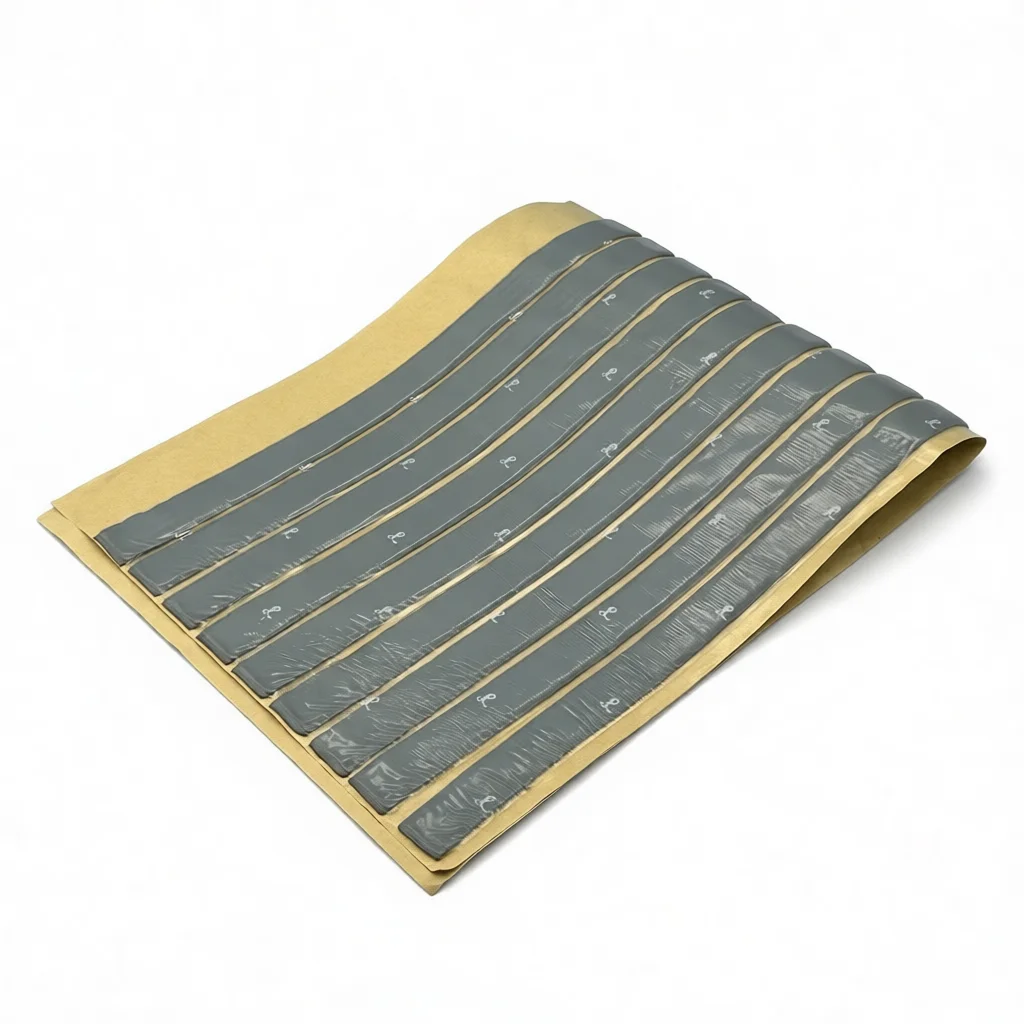
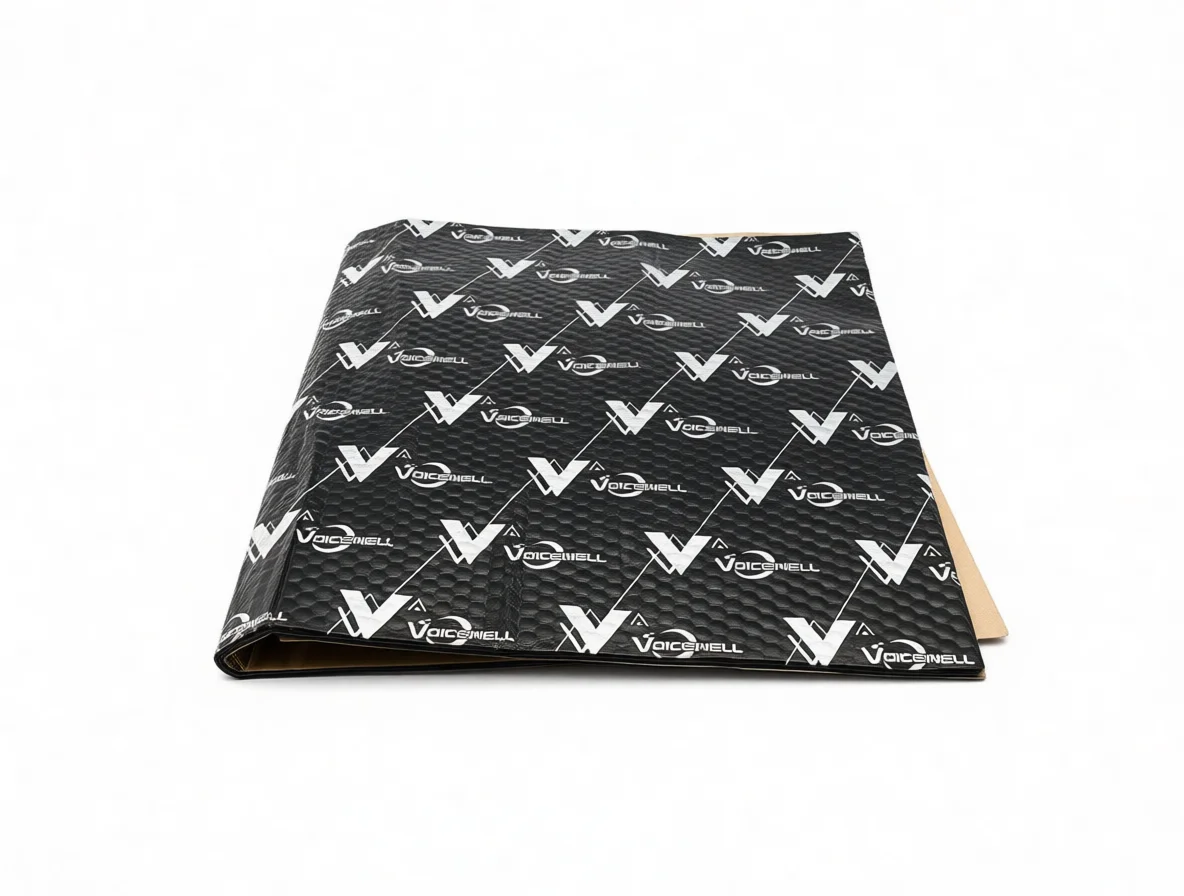
Machinery Vibration Control Plates (e.g., butyl rubber + fiberglass + lightweight foam)
to achieve a balance of lightweight, heat resistance, and high damping.
5. Classification by Material Type
They are classified into rubber sealing strips, plastic sealing strips, and thermoplastic elastomer sealing strips.
EPDM rubber is the mainstream choice due to its superior weatherability, heat resistance, and ozone resistance.
EPDM is also widely used in O-Rings and in the damping layers of some Anti-Vibration Plates.
Machinery Vibration Control Plates commonly use butyl rubber or TPO for lightweight and enhanced adhesion.
6. Classification by Surface Treatment
These include flocked sealing strips, coated sealing strips, and fabric-laminated sealing strips, mainly used to reduce friction, minimize noise, and extend service life.
To improve NVH performance, Anti-Vibration Plates often apply heat-resistant and anti-corrosion coatings; Machinery Vibration Control Plates may use laminated films to enhance adhesion and durability.
7. Special Functional Types
Examples include smart anti-pinch sealing strips.
With increasing vehicle intelligence, sealing strips are evolving toward integrated sensing functions.
Similarly, in vehicle electronic auxiliary systems:
O-Rings are widely used in smart thermal-management systems for fluid sealing;
Machinery Vibration Control Plates reduce vibrations affecting electronic modules, improving their reliability.
Characteristics
Automotive sealing strips are primarily made of EPDM sponge + dense rubber, reinforced with internal metal carriers for high durability and temperature resistance.
Within the broader sealing and damping system, O-Rings, Anti-Vibration Plates, and Machinery Vibration Control Plates each play key roles in high-temperature sealing, structural vibration control, and chassis noise reduction, jointly forming the foundation of vehicle comfort.
Maintenance
Winter wind noise and water leakage are often caused by aging sealing strips. Regular inspection is required.
In some models, maintenance also includes checking the Anti-Vibration Plates for detachment and O-Rings for aging to maintain sealing and NVH performance.
Industry Development Trends
With advancements in materials and manufacturing, sealing strips are evolving from single-function parts to multi-functional systems offering sealing + noise reduction + environmental performance + comfort, geared toward lightweight and high-performance rubber materials.
At the same time, automotive vibration-control technologies are upgrading:
Anti-Vibration Plates → higher damping, stronger adhesion, recyclable
Machinery Vibration Control Plates → ultra-lightweight, high-efficiency low-frequency damping
O-Rings → higher heat resistance, chemical resistance, extended lifespan
Together with sealing strips, these components form the core system of automotive rubber parts, supporting future improvements in comfort, safety, and environmental performance.

Automotive sealing strips are one of the key components in a vehicle.