

 Select Language
In the contemporary aerospace sector, the ability of an unmanned aerial vehicle to operate across diverse and hostile climates is no longer a luxury—it is a baseline operational requirement. As the industry moves away from fair-weather consumer toys toward industrial-grade platforms used in offshore energy, precision agriculture, and emergency response, the challenge of atmospheric ingress becomes paramount. The internal electronics of a modern drone, comprising high-density circuit boards, lithium-polymer batteries, and sensitive inertial measurement units, are extremely vulnerable to moisture, salt spray, and fine particulate matter. Achieving true atmospheric resilience requires a sophisticated approach to sealing every aperture in the airframe. Central to this strategy is the application of EPDM drone plugs, which serve as the primary defensive barrier against the unpredictable forces of nature.
Molecular Stability and the Technical Superiority of EPDM Drone Plugs
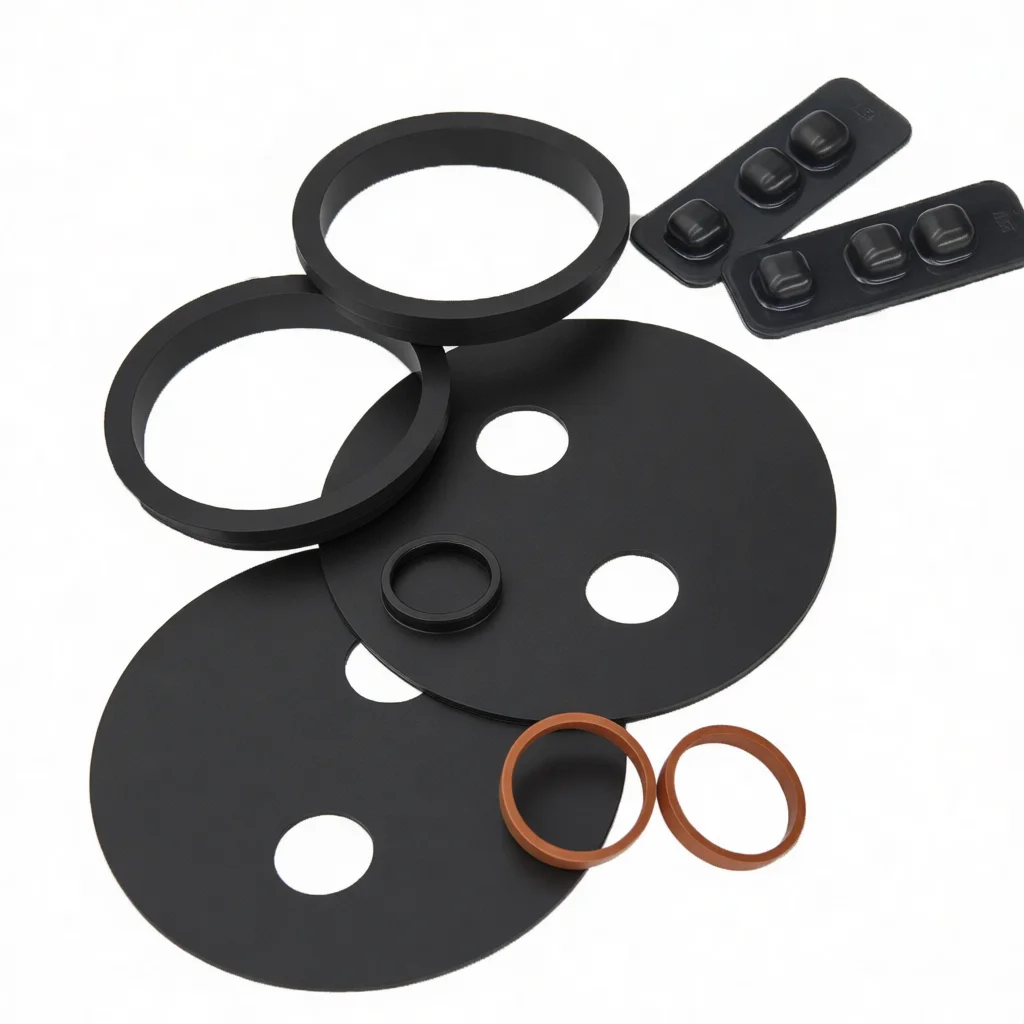
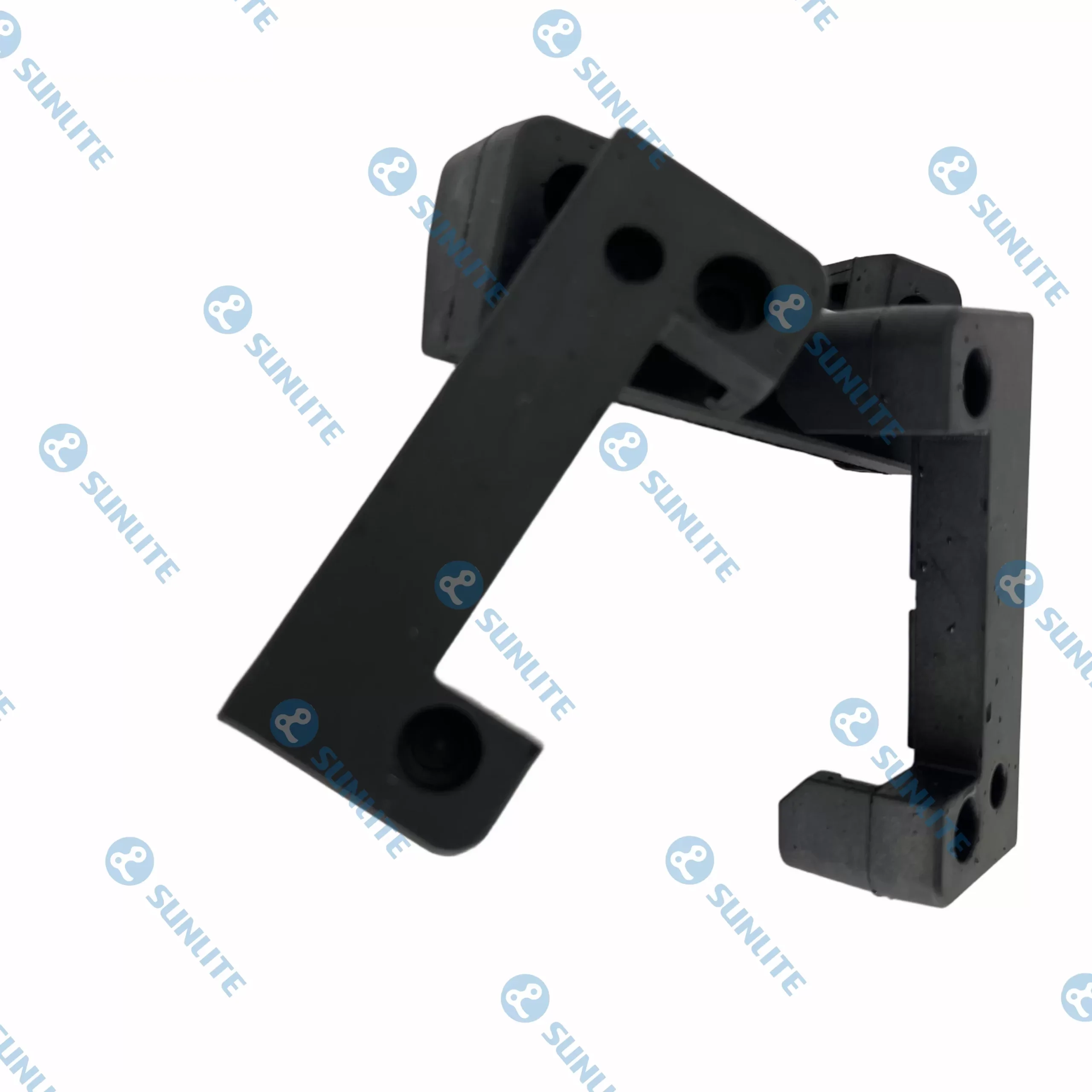
The selection of sealing materials in aerospace is dictated by the harsness of the operating environment. Traditional elastomers often suffer from ozone cracking or thermal hardening when exposed to the intense ultraviolet radiation found at high altitudes. This is why EPDM drone plugs have become the industry standard for professional-grade weatherproofing. Ethylene Propylene Diene Monomer is a synthetic rubber characterized by an incredibly stable saturated polymer backbone. This molecular structure provides inherent resistance to heat, oxidation, and weather-related aging. Unlike natural rubber, which can become brittle and lose its sealing force, EPDM drone plugs maintain a consistent structural modulus, ensuring that the airtight seal remains intact even after years of exposure to direct sunlight and fluctuating humidity.
Furthermore, the chemical resilience of EPDM drone plugs makes them indispensable for industrial applications where the drone might come into contact with specialized fluids. In agricultural spraying or industrial inspections, drones are often exposed to fertilizers, pesticides, or cleaning agents that can degrade standard seals. EPDM demonstrates outstanding resistance to polar solvents and hydraulic fluids, ensuring that the defensive barrier does not dissolve or swell when exposed to these substances. This material-specific durability is the foundation of a "zero-maintenance" sealing strategy, allowing fleet operators to focus on data collection rather than worrying about the degradation of their atmospheric shielding.
Precision Sealing Geometry with the UAV Rubber Plug Interface
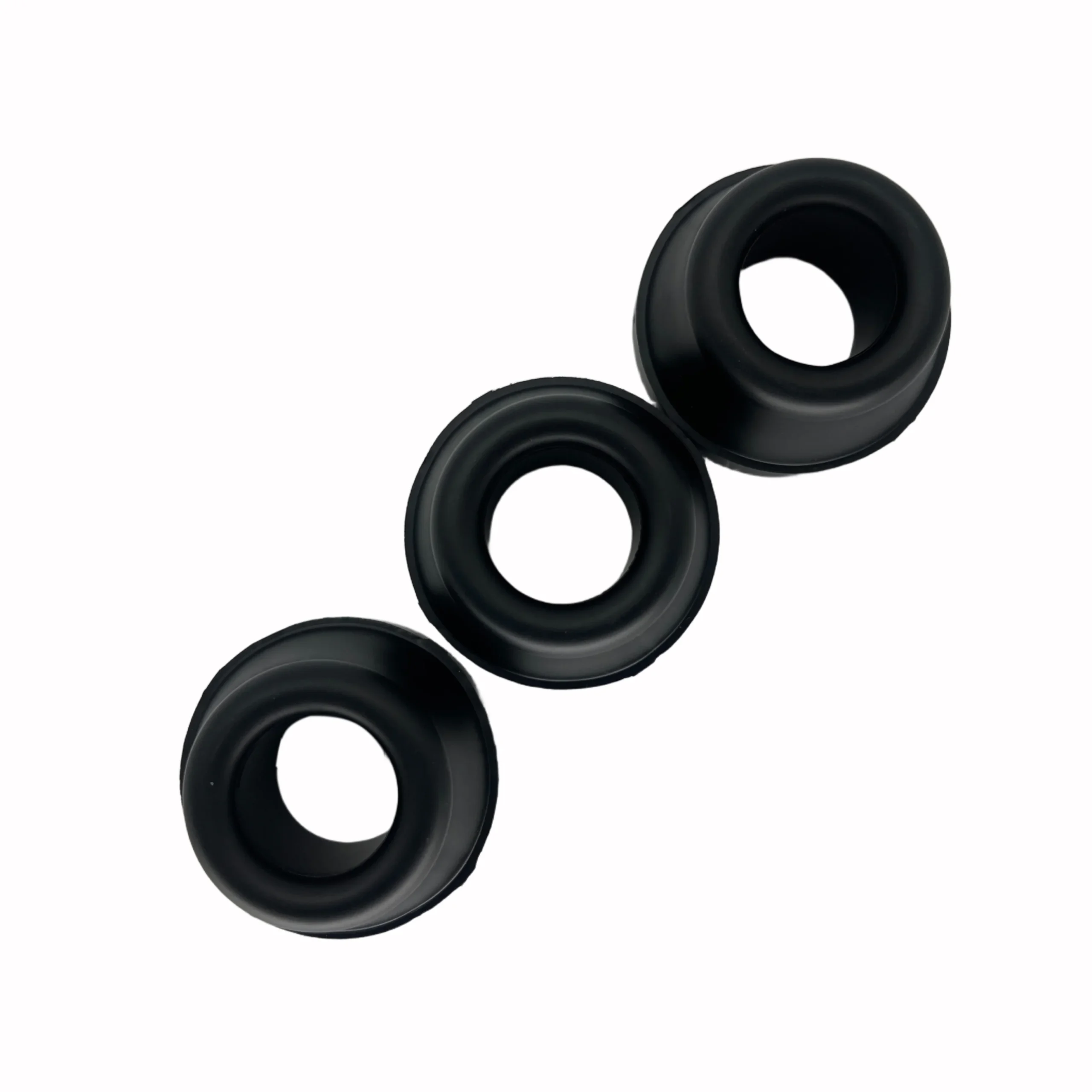
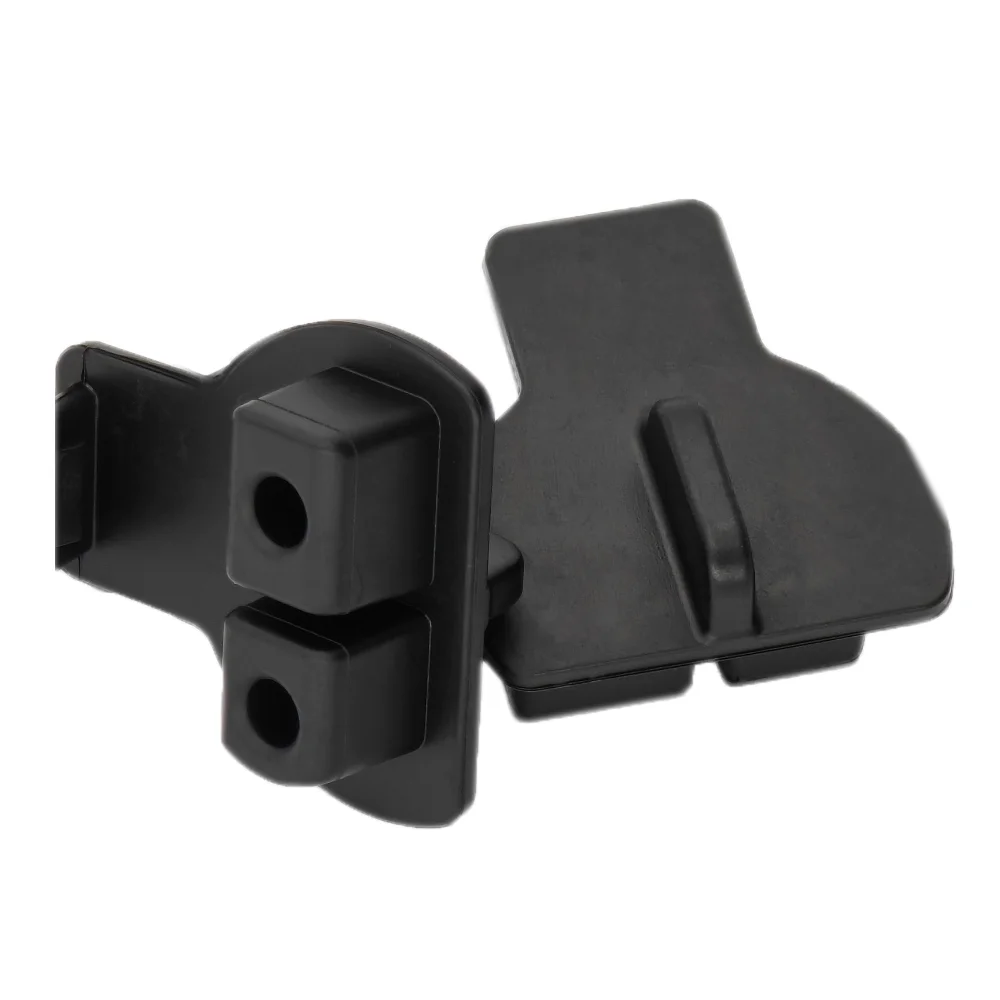
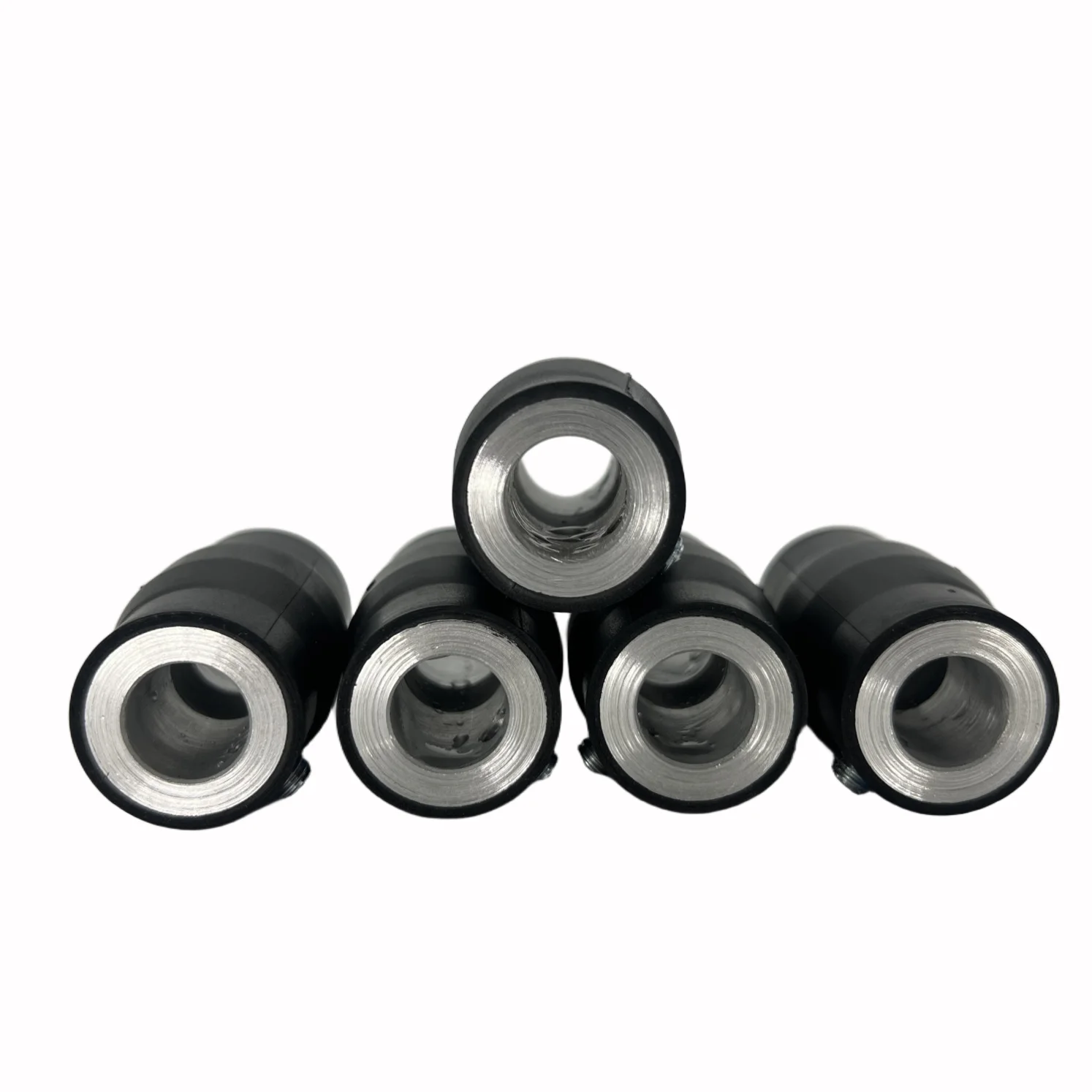
Effective weatherproofing is a marriage of material science and geometric precision. A UAV rubber plug must do more than just fill a hole; it must provide a multi-stage seal that accounts for the vibration and mechanical stresses of flight. High-quality plugs are designed with specialized interference fits, where the diameter of the plug is slightly larger than the port it is intended to seal. This creates a constant outward pressure that prevents the ingress of water even under high-velocity wind conditions. The integration of a UAV rubber plug into a drone’s maintenance ports or battery compartments ensures that the user can easily access internal systems without compromising the overall weather resistance of the platform.
The versatility of the UAV rubber plug allows for the protection of diverse airframe architectures. In modern modular drones, where sensors and payloads are frequently swapped, the airframe often contains several unused expansion ports. If these ports are left open, they become the primary entry point for dust and moisture. By utilizing a high-resilience UAV rubber plug, manufacturers can provide a "blanking" solution that maintains the aerodynamic profile of the aircraft while ensuring the internal cavity remains dry. The ergonomic design of these plugs often features a pull-tab or a textured surface, allowing technicians to remove and replace the seal quickly in the field, even while wearing protective gloves, thereby maintaining the balance between accessibility and atmospheric security.
Damping and Isolation via the Drone Rubber Stopper Component
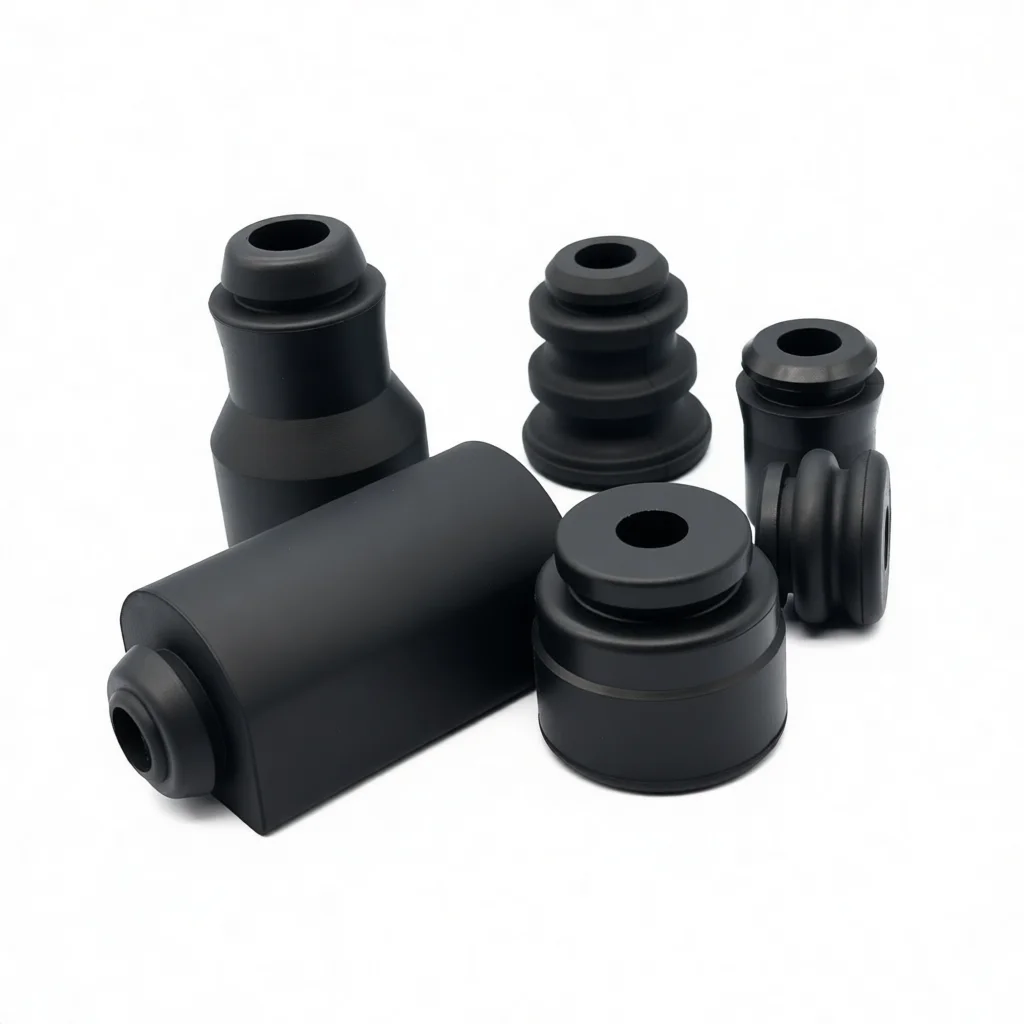
While moisture ingress is a visible threat, high-frequency vibration and impact force represent a silent danger to drone reliability. The drone rubber stopper is a critical component that serves a dual purpose: it acts as a secondary atmospheric seal while providing mechanical damping for sensitive payloads. These stoppers are often positioned at the contact points between the gimbal and the airframe or within the landing gear assembly. By absorbing the kinetic energy generated by the propulsion system, the drone rubber stopper prevents mechanical fatigue from creating micro-cracks in the airframe—cracks that could eventually allow water to bypass the primary seals.
In heavy-lift or tactical drones, the drone rubber stopper also functions as an impact buffer during rapid deployments or hard landings. If the aircraft strikes the ground with significant force, the stoppers prevent the high-G load from being transferred directly to the internal electronics. This "cushioning" effect is vital for maintaining the calibration of optical sensors and LIDAR systems. Because these stoppers are manufactured from the same weather-resistant elastomers as the primary plugs, they do not lose their damping characteristics in extreme cold or heat. This ensures that the aircraft’s performance remains consistent throughout the duration of the mission, regardless of the physical stresses encountered during takeoff and recovery.
Comprehensive Port Protection through the Drone Rubber Plug Strategy
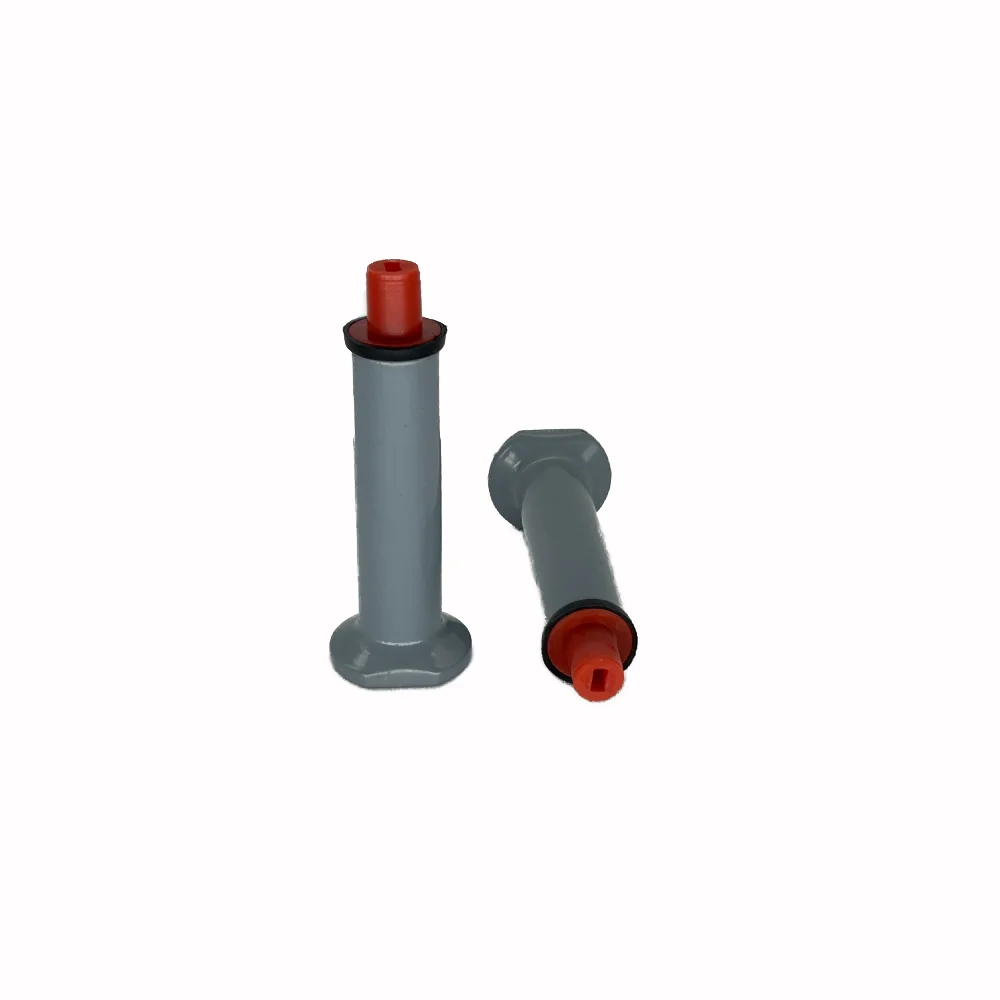
The complexity of modern UAV electronics means that there are numerous entry points for potential contamination, including USB ports, SD card slots, and charging interfaces. Protecting these small but vital connections requires a specialized drone rubber plug that can provide a hermetic seal in a very confined space. These micro-plugs are engineered to fit the exact contours of the electronic housing, ensuring that moisture cannot creep along the edges of the port. The precision molding of a drone rubber plug allows for a "snap-fit" engagement, providing tactile feedback to the technician that the seal is securely seated.
Implementing a comprehensive drone rubber plug strategy also involves addressing the issue of "wicking." In some designs, water can travel along the external cabling and enter the aircraft through the wire harness. By using a drone rubber plug with an integrated cable passthrough, manufacturers can "squeeze" the cable insulation, creating a moisture block that prevents capillary action from moving water into the fuselage. This level of detail is what separates an amateur weatherproofing attempt from a professional aerospace solution. By ensuring that every potential path for water—whether through a port, a joint, or a cable—is blocked by a high-performance elastomer, the drone becomes capable of surviving the most intense rainstorms and maritime environments.
In the contemporary aerospace sector, the ability of an unmanned aerial vehicle to operate across diverse and hostile climates is no longer a luxury—it is a baseline operational requirement.