

 Select Language
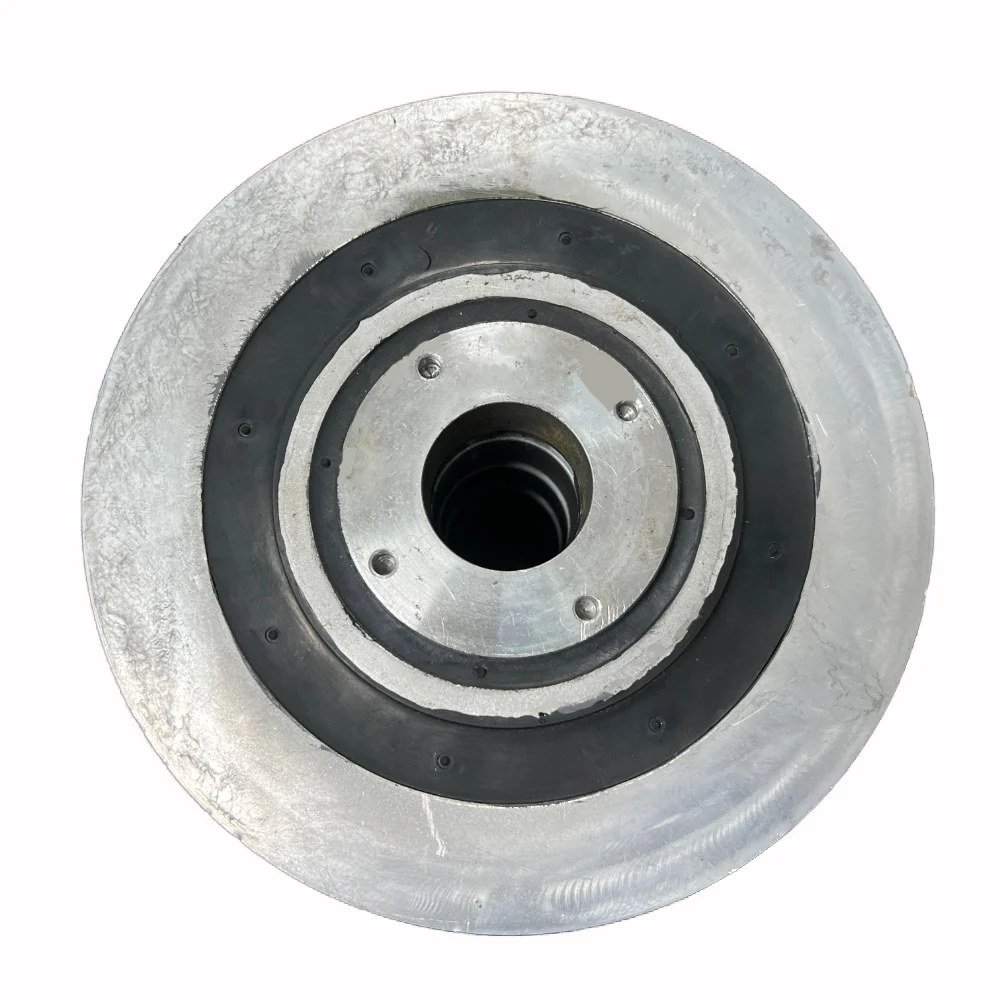
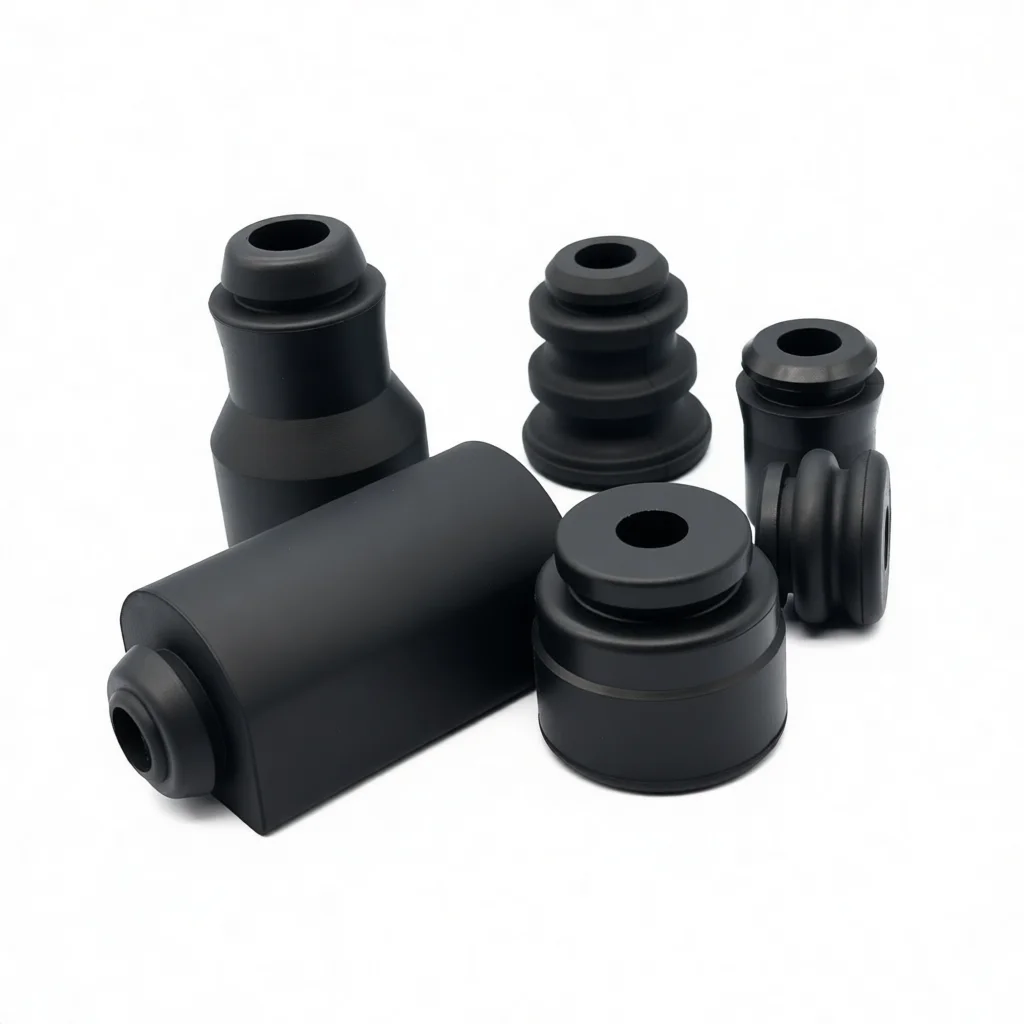
At the most fundamental level of vehicle refinement lies the challenge of separating the passenger compartment from the high-energy mechanical components of the chassis. The vibration isolation plate serves as the primary gateway in this defensive strategy. Unlike soft foams that merely absorb airborne sound, these plates are engineered to decouple rigid structures, preventing the direct transmission of mechanical energy through the frame of the car.
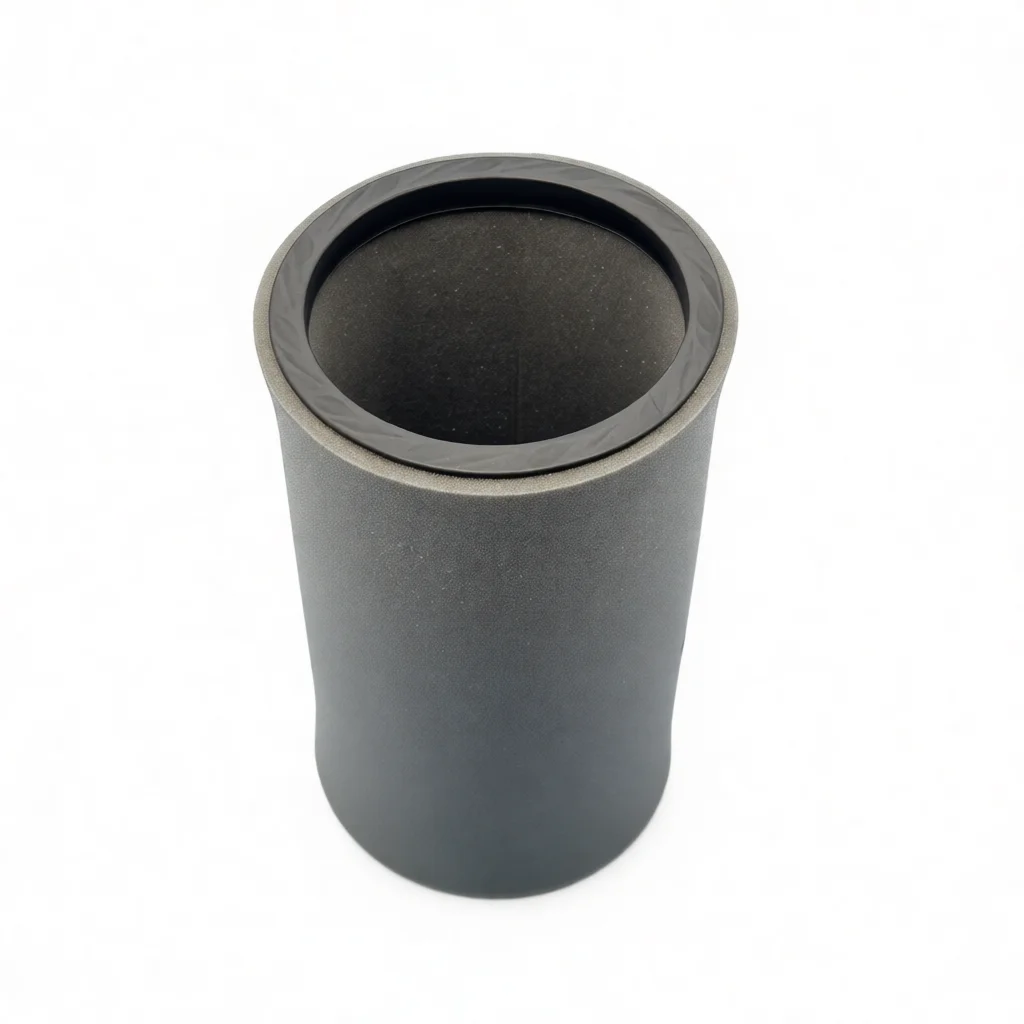
A vibration isolation plate is typically situated at critical junction points, such as engine mounts, suspension towers, or the firewall. These plates are designed to act as a buffer, possessing a molecular structure that can withstand immense compressive force while maintaining a degree of elasticity. By breaking the "solid-to-solid" contact between the powertrain and the cabin, these plates ensure that the violent oscillations of the engine are neutralized before they can be felt as a "buzz" in the steering wheel or the floorboards. This decoupling is the essential first step in creating a vehicle that feels solid and "well-built," as it eliminates the tactile harshness that often characterizes unrefined machinery.
Strategic Energy Dissipation with the Vibration Damping Pad
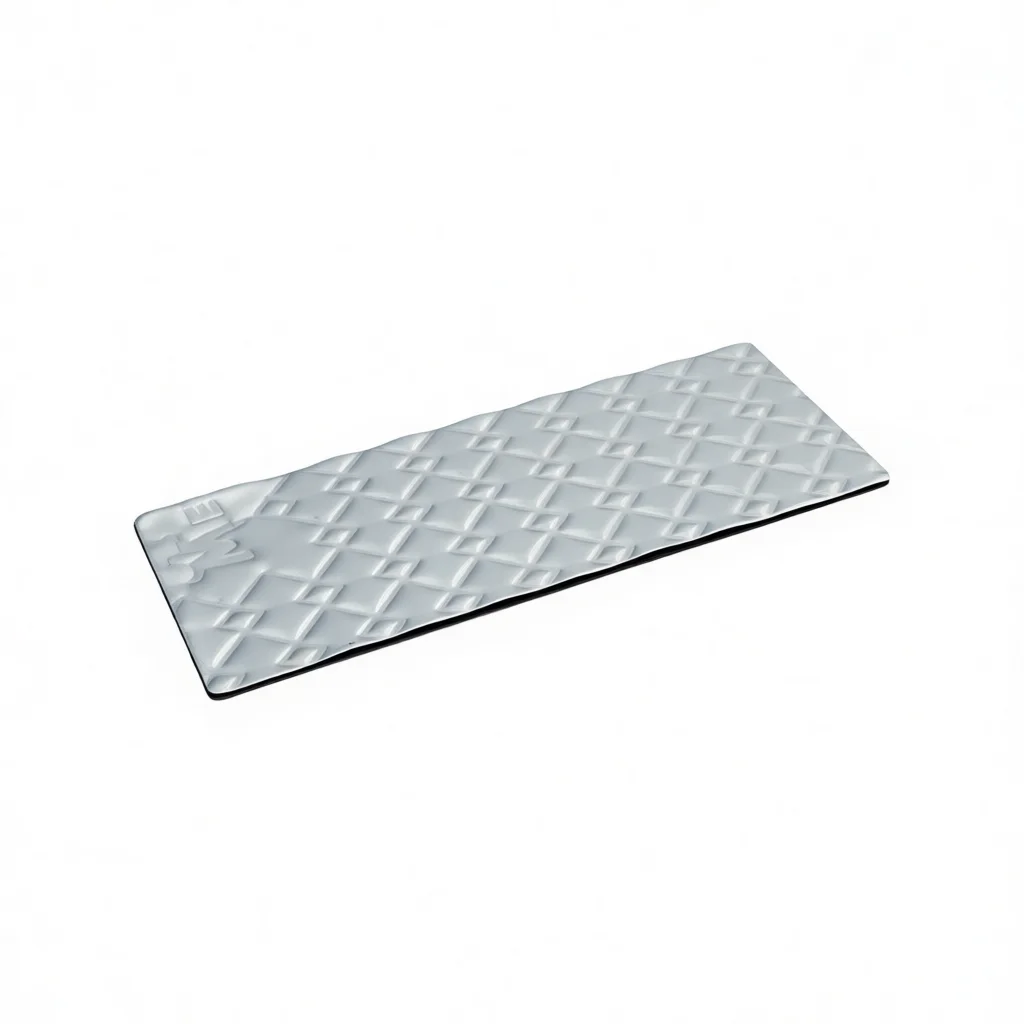
While isolation prevents energy from entering the cabin, damping is required to manage the energy that is already there. The vibration damping pad is a specialized tool used to address the "drumming" effect of large, thin metal panels. In an untreated vehicle, areas like the door skins, the roof, and the trunk floor act as acoustic radiators. When subjected to road impact, these panels flex and vibrate, creating a low-frequency drone that can cause significant listener fatigue over time.
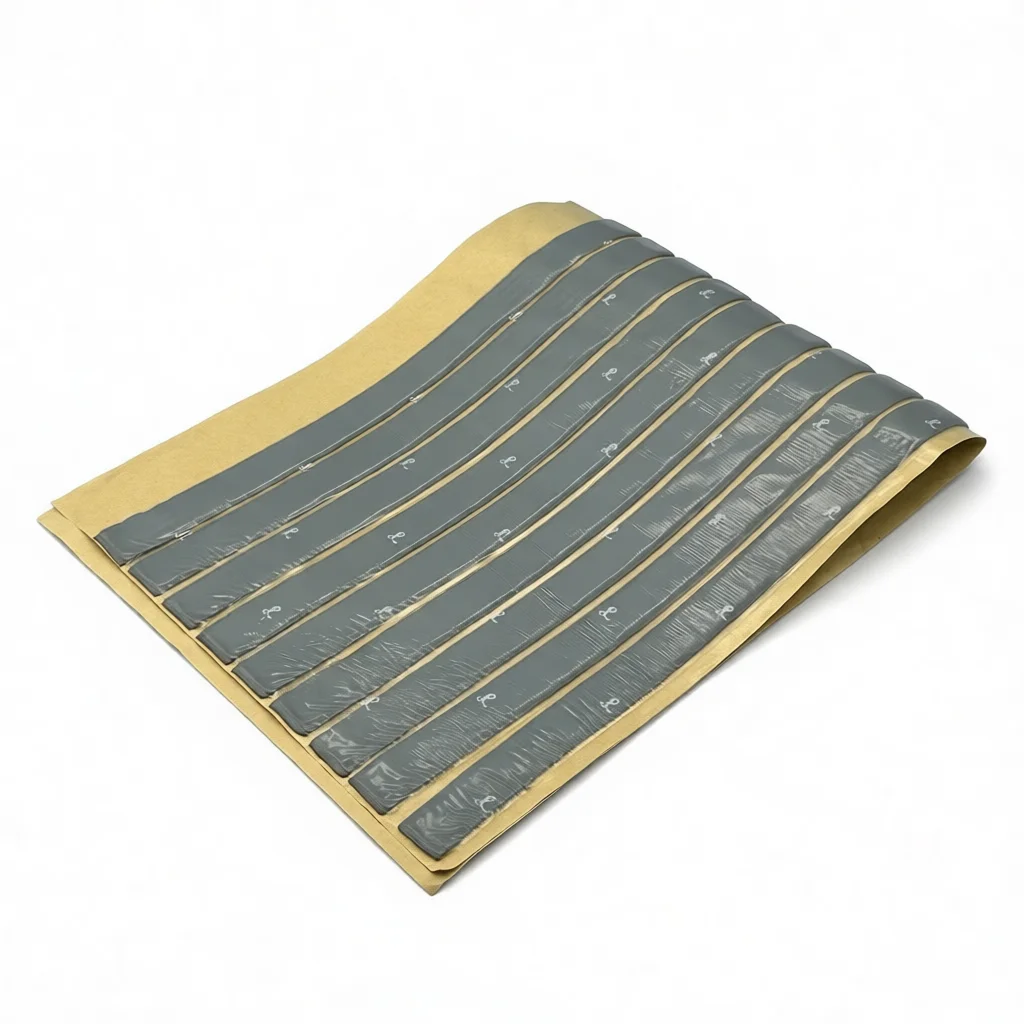
The magic of a vibration damping pad lies in the principle of visco-elastic damping. These pads, often composed of a heavy butyl rubber base bonded to a thin aluminum foil, are adhered directly to the metal surfaces of the car. When the metal panel attempts to vibrate, the damping pad stretches and compresses with it. This internal friction converts the kinetic energy of the vibration into trace amounts of heat. By increasing the "internal loss factor" of the metal, the damping pad effectively silences the panel. A door that once rang like a hollow bell when shut is transformed into a heavy, silent barrier that closes with a prestigious, dampened thud. This treatment is fundamental to creating a "hush" within the cabin that allows for effortless conversation and high-fidelity audio enjoyment.
Achieving Total Interior Serenity through Automotive Sound Deadening
Beyond the management of structural vibrations, the broader objective for luxury car manufacturers and aftermarket enthusiasts alike is comprehensive automotive sound deadening. This is a holistic approach that seeks to build an impenetrable acoustic envelope around the occupants. It involves a multi-layered strategy that addresses both structure-borne noise and airborne sound waves that leak through the gaps in the vehicle's body.
The process of automotive sound deadening is a meticulous craft. It begins with the application of damping materials to stabilize the chassis, followed by the installation of barriers and absorbers. For instance, in the door cavities, one might find a layer of damping material on the outer skin, a mass-loaded barrier on the inner frame, and a final layer of acoustic foam behind the door card. This "sandwich" of materials ensures that wind noise and the hiss of passing traffic are blocked and absorbed before they reach the driver’s ears. By treating the entire floor pan, the wheel arches, and even the pillars of the car, the interior is transformed into an acoustic sanctuary where the outside world feels distant and inconsequential.
The Critical Barrier Provided by the High Density Vibration Plate
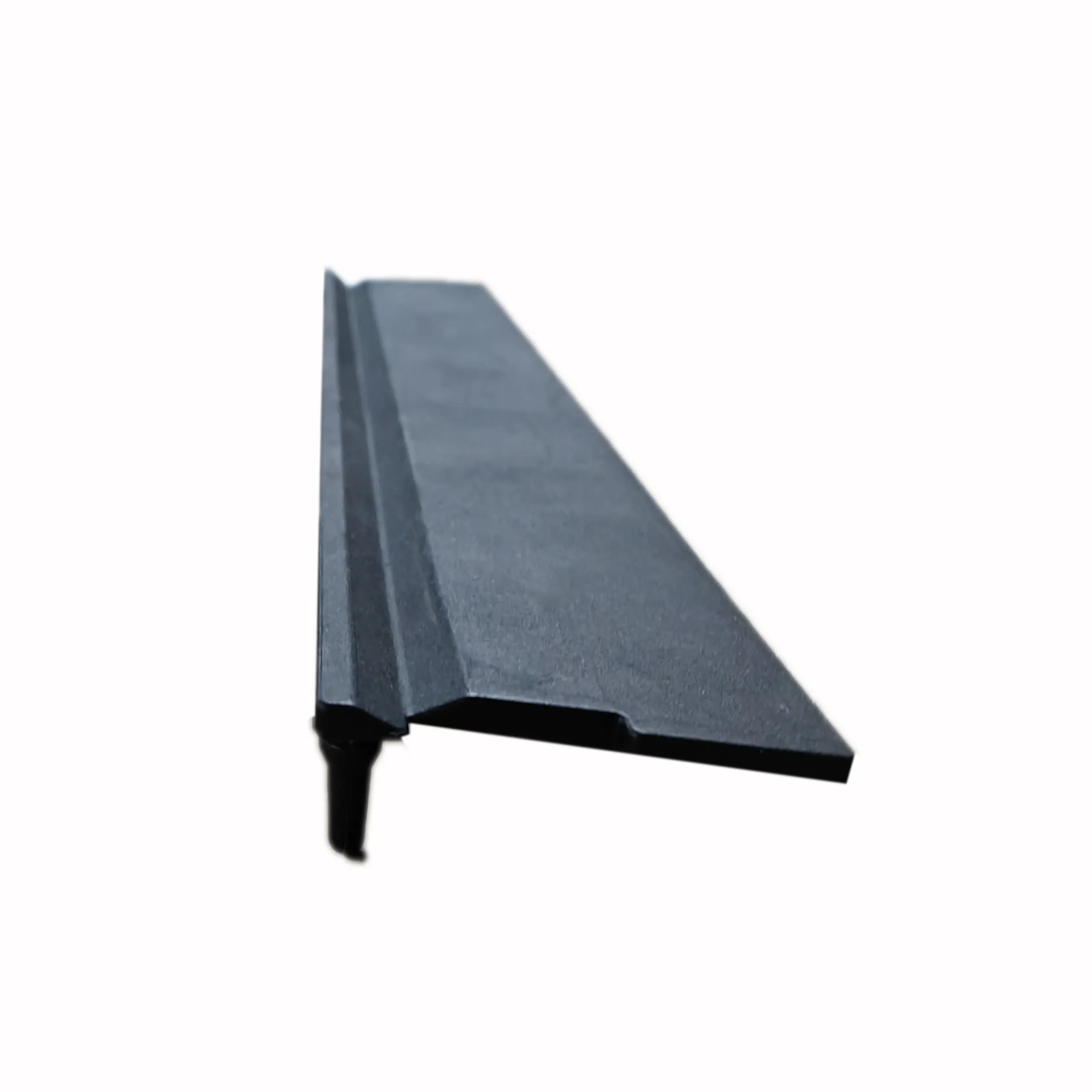
In areas where the energy levels are most extreme—such as the floor directly above the exhaust system or the firewall separating the cabin from a high-performance engine—standard materials are often insufficient. These environments require the heavy-duty intervention of a high density vibration plate. While lighter materials focus on high-frequency "tinkling" sounds, these high-density plates are designed to combat the powerful, low-frequency "rumble" that can vibrate the very bones of the passengers.
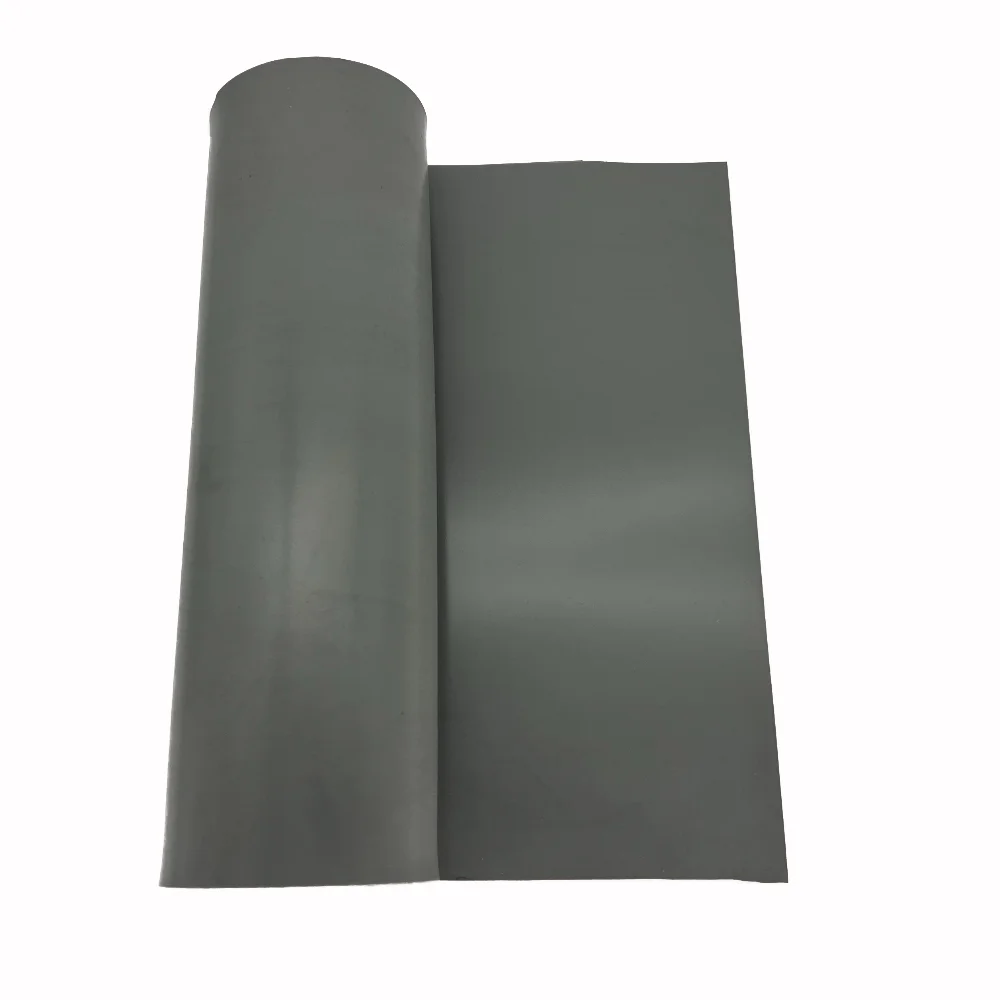
The high density vibration plate functions as a mass-loaded barrier. In the physics of acoustics, mass is the most effective enemy of sound transmission. By placing a significant, dense weight between the noise source and the listener, the sound waves are effectively "stopped in their tracks." These plates are often surprisingly heavy for their size, a testament to the specialized minerals and polymers used in their construction. Because they are dense, they also provide excellent thermal insulation, protecting the cabin from the heat generated by the transmission and exhaust. The result is a vehicle that feels truly isolated from the road, providing a "cloud-like" ride quality that is the hallmark of the world's most prestigious luxury sedans.
Refining the Acoustic Signature with Auto Sound Dampening
The final stage of the refinement process is auto sound dampening, which focuses on the "quality" of the sound within the cabin. While deadening seeks to eliminate noise, dampening seeks to control it. This is particularly important for the performance of the vehicle's entertainment system. In an untreated interior, sound waves from the speakers reflect off hard surfaces, creating "standing waves" and echoes that muddy the audio experience.
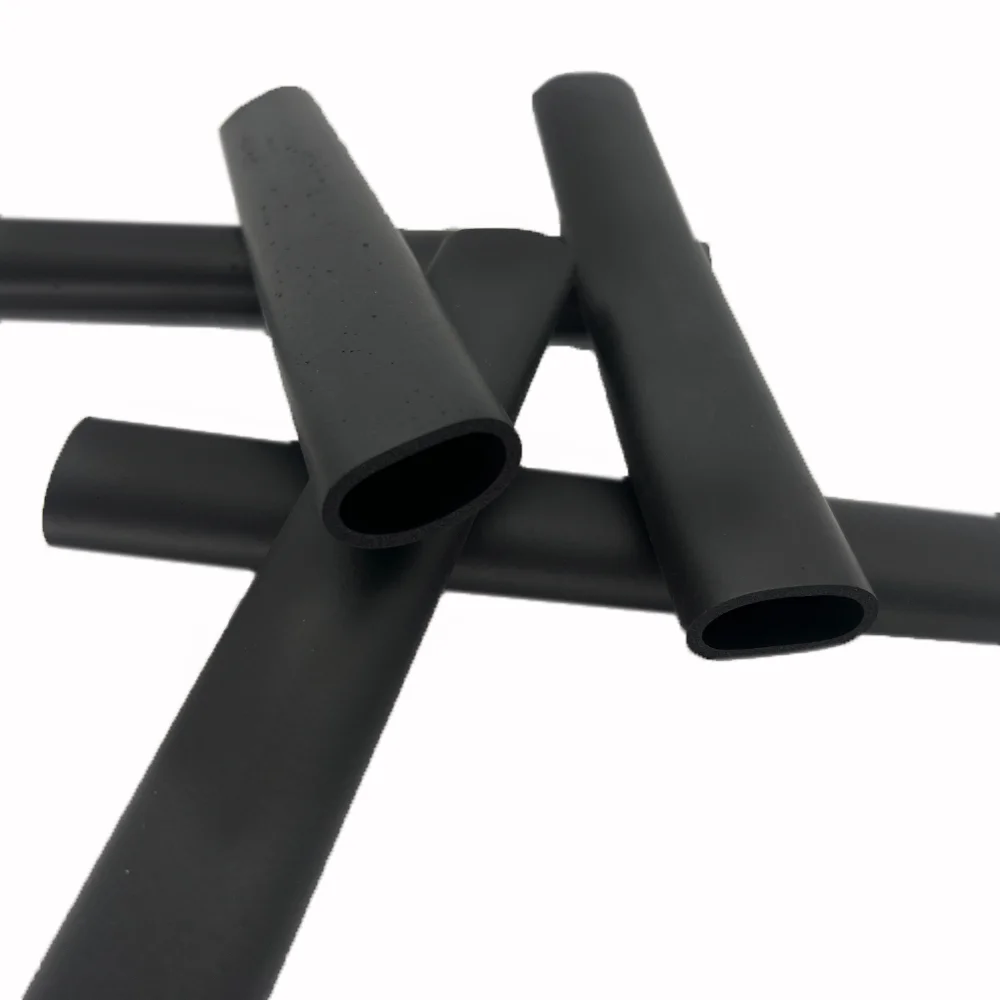
Through the use of auto sound dampening materials—such as specialized foams and diffusers—the interior of the car is tuned like a professional recording studio. These materials absorb reflections, ensuring that the listener hears the direct sound from the speakers without the interference of cabin resonance. Furthermore, by dampening the vibrations in the door panels where the speakers are mounted, the audio becomes punchier and more accurate. The bass becomes tight and controlled rather than boomy and distorted. This attention to acoustic detail ensures that every journey is not just quiet, but is an immersive sensory experience defined by clarity and refinement.
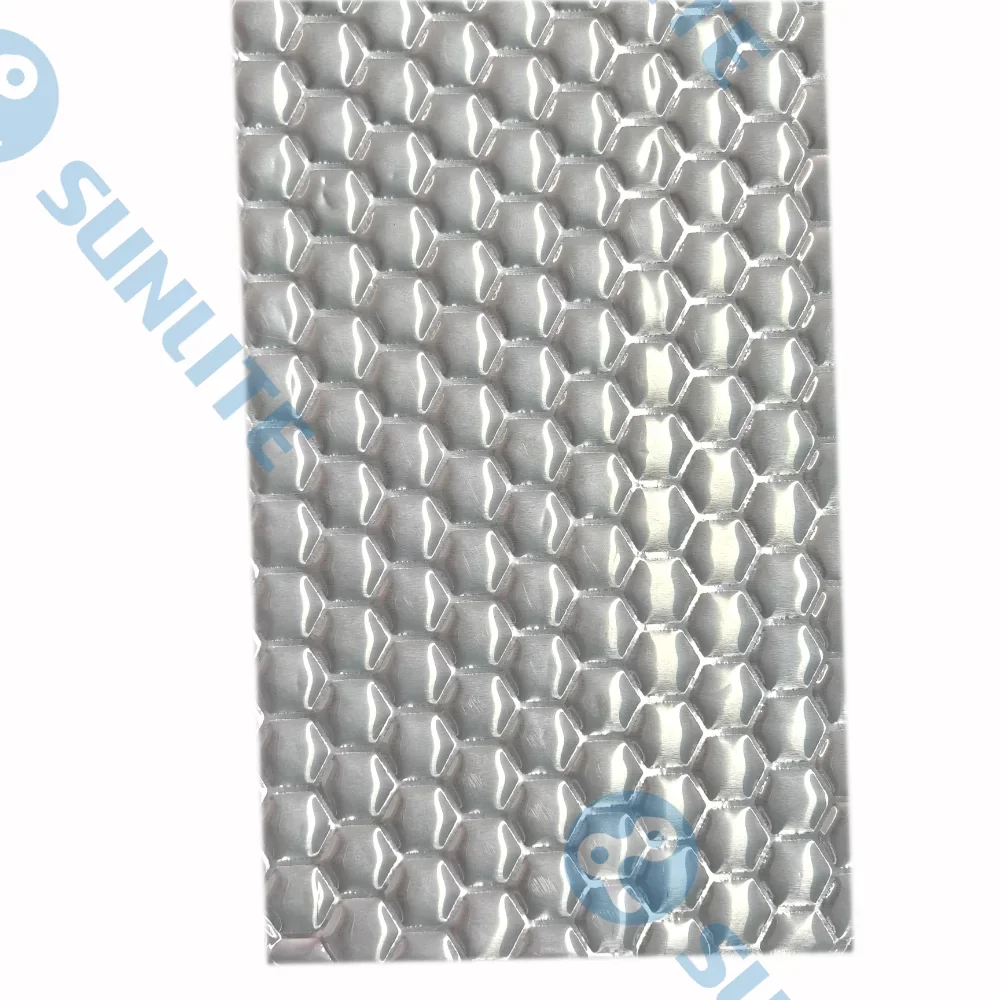
At the most fundamental level of vehicle refinement lies the challenge of separating the passenger compartment from the high-energy mechanical components of the chassis.