Select Language


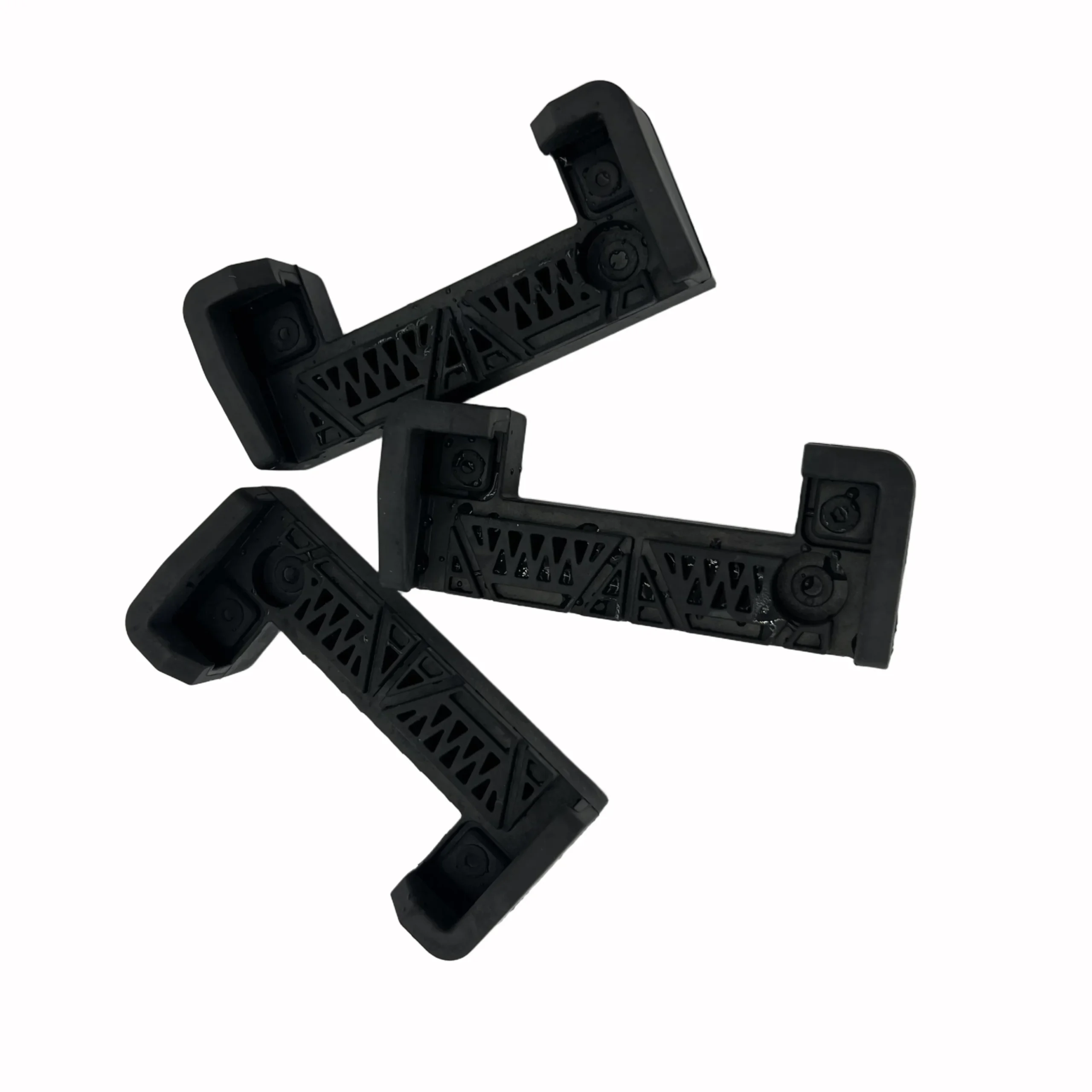
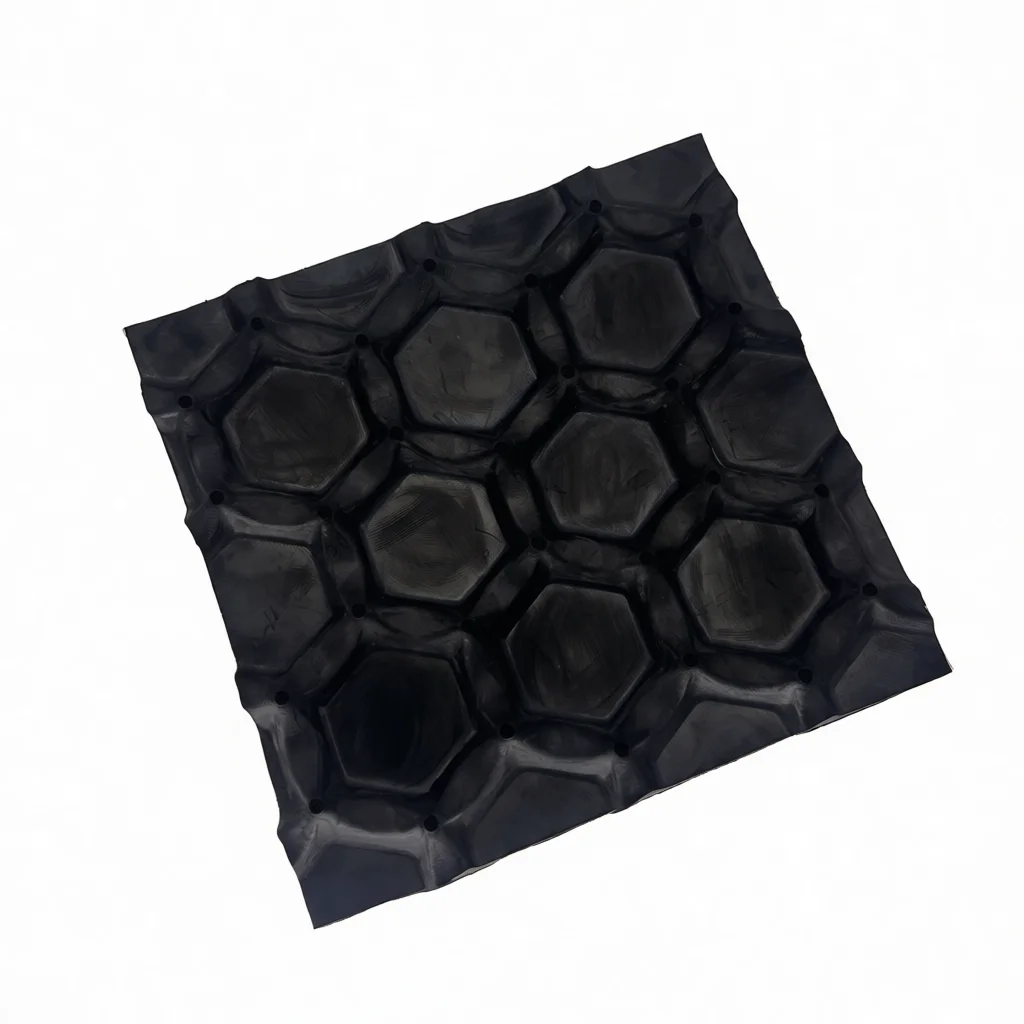
Our high-performance Roadbed Damping Pads are engineered with a regular hexagonal bionic mesh structure, specifically designed to mitigate dynamic loads and shock waves in modern rail infrastructure. By integrating advanced material science with biomimetic design, these pads provide a critical buffer between railway sleepers and the ballast bed, effectively converting vibration energy and protecting the underlying track substructure from premature wear and structural fatigue.
Optimized for high-speed rail, urban metro, and light rail systems, these damping solutions break through the performance limits of thin vibration-damping materials. They deliver exceptional noise reduction and broadband vibration suppression, ensuring environmental compliance in densely populated urban areas while significantly reducing long-term maintenance costs and extending the operational lifecycle of the rail corridor.
| Structural Form | Regular hexagonal bionic mesh integrated design | Standard Thickness | 20mm / 22mm (tolerance ±0.5mm) |
|---|---|---|---|
| Vibration Damping | 8-12dB insertion loss (ISO 10846) | Bearing Capacity | Vertical load capacity ≥25kN/㎡ |
| Static Stiffness | 8-12kN/mm | Material Efficiency | 30%+ weight reduction vs solid structures |
| Temperature Range | -40℃ to 80℃ (Long-term service) | Service Life | ≥15 years (5 million dynamic load cycles) |
| Frequency Band | Broadband suppression (50-500Hz) | Load Strength | Equivalent load strength ≥12MPa |
The hexagonal honeycomb structure precisely disperses shock waves, increasing vibration energy conversion efficiency by 40%.
Reduces peak impact forces on sleepers and ballast, minimizing ballast breakdown and frequent maintenance cycles.
Achieves 8-12dB noise reduction, suppressing resonance peaks across the 50-500Hz frequency range.
Mesh design reduces material usage by 30%, lowering unit area costs by 35% without sacrificing load strength.
Molded sheets support on-site cutting to perfectly match special-shaped equipment bases and complex track geometries.
Maintains mechanical properties and elasticity from -40℃ to 80℃ for global climate suitability.


Ideal for metro tunnel sleeper cushions and viaduct vibration-damping bearings.
Perfect for stamping machine foundations and air compressor noise-reducing pads.
Suitable for floating floors in precision labs and elevator shaft insulation.
Optimized for generator set pedestals and pipeline vibration damping supports.
Easily deployed on original foundations for rapid vibration damping upgrades.
Mitigates vibration transmission to adjacent urban buildings in dense city centers.
| Performance Metric | Solid Rubber Pads | Bionic Damping Pads |
|---|---|---|
| Material Usage | 100% (Baseline) | 70% (30% Reduction) |
| Noise Reduction | Standard Attenuation | High Efficiency (8-12dB) |
| Cost per Unit Area | Baseline Cost | ~35% Lower Cost |
| Energy Conversion | Linear Absorption | Non-Linear (40% Higher Eff.) |
| Maintenance Cycle | Frequent Ballast Repair | Significantly Extended Life |
The regular hexagonal honeycomb design precisely disperses shock waves and utilizes non-linear stiffness to convert vibration energy more efficiently, increasing conversion efficiency by 40% and providing superior broadband suppression.
Yes, they are ideal for reconstruction projects. They can be directly laid on existing foundations for vibration damping upgrades, and the molded sheets support on-site cutting for flexible adaptation.
These pads are designed for long-term durability, with a service life of ≥15 years, capable of withstanding over 5 million dynamic load cycles.
The pads are engineered for extreme environments, maintaining stable performance and elasticity within a temperature range of -40℃ to 80℃.
They act as a high-efficiency vibration barrier, preventing Metro-generated noise and vibrations from transmitting into the urban subsoil and neighboring building foundations, reducing structural fatigue and resident disturbance.
No. While the mesh structure reduces material usage by 30%, it is engineered to maintain an equivalent load strength (≥12MPa) and a high vertical bearing capacity of ≥25kN/㎡.