In the demanding world of industrial engineering, the quest for stability and structural protection often centers on the quality of cushioning and vibration control. While many engineers initially look for standard orings and seals to prevent leaks, the challenge of mechanical shock and high-frequency vibration requires a more specialized approach. Microcellular polyurethane technology has emerged as a critical solution for absorbing energy and extending the lifespan of precision equipment.
The global shift toward lightweight, high-performance materials is transforming how we protect sensitive electronics and heavy machinery. From the rapid expansion of UAV systems to the evolution of electric vehicle battery housings, the need for materials that offer both resilience and environmental stability is paramount. Understanding the intersection of energy absorption and structural integrity is key to reducing maintenance costs and preventing catastrophic equipment failure.
By integrating advanced micro-foam structures, industries can achieve superior noise reduction and impact isolation that traditional elastomers cannot provide. Whether you are designing for rail transit or automotive chassis, transitioning from basic orings and seals to high-performance cushioning blocks ensures that your systems remain stable under the harshest operating conditions.

The Science of Microcellular Polyurethane Cushioning
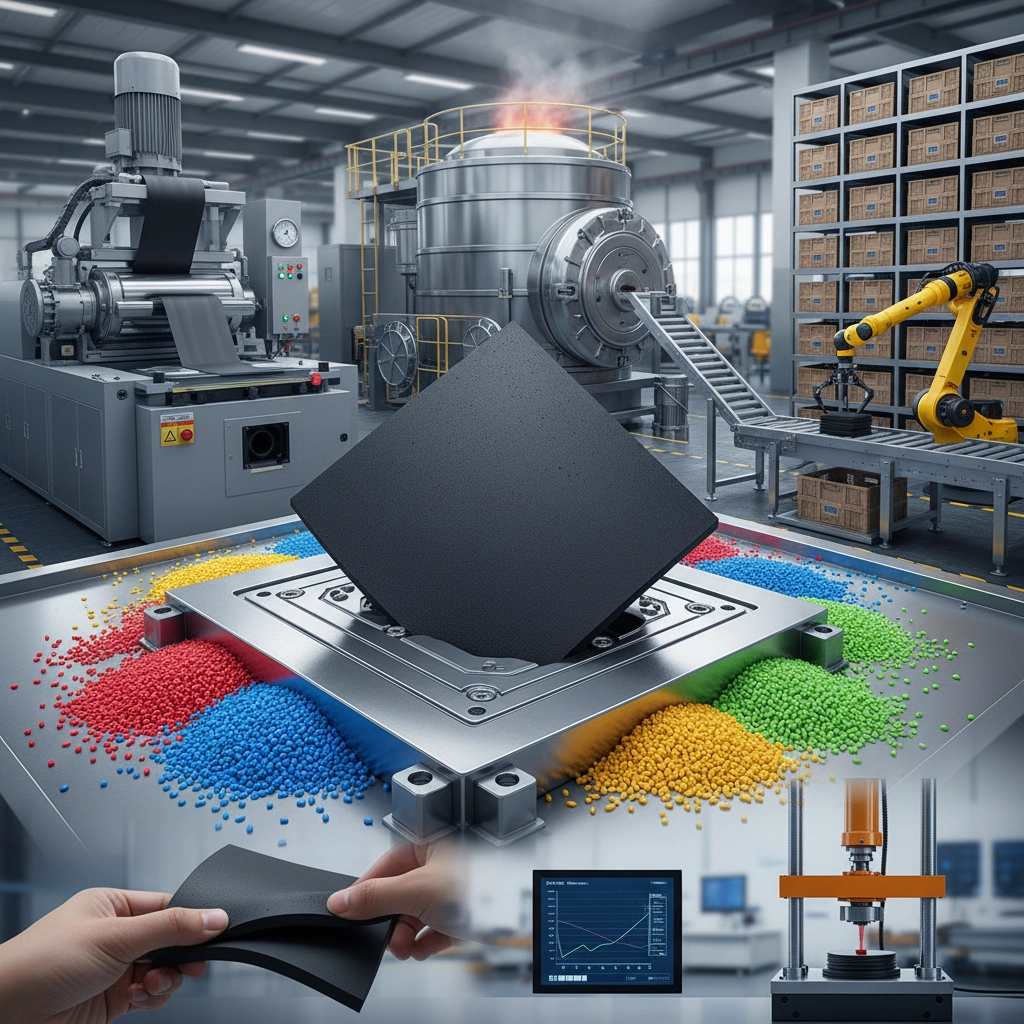
Microcellular polyurethane is engineered using advanced micro-foam technology, creating a uniform closed-cell internal architecture. Unlike standard rubbers, this structure allows the material to compress consistently under impact, dispersing force evenly across the surface. This ensures that stress is not transferred to sensitive internal components, providing a level of protection that exceeds basic orings and seals.
The synergy between its lightweight nature and high elasticity makes it ideal for dynamic load environments. By controlling the density—ranging from 400 to 800 kg/m³—manufacturers can tailor the block to either absorb sudden high-energy shocks or provide steady vibration isolation for precision instruments.
Core Performance Indicators for Shock Absorption
Tensile strength is a critical metric, with high-performance polyurethane blocks typically operating between 1.0 and 4.5 MPa. This ensures that the cushioning material does not rupture or tear when subjected to extreme stretching or sudden displacement, maintaining a reliable seal against mechanical failure.
Elongation at break, often ranging from 200% to 400%, allows these components to undergo significant deformation without permanent damage. This high elasticity is what enables the material to return to its original shape after an impact, reducing the rebound forces that often plague lower-quality damping solutions.
Operating temperature stability is another essential factor, as these materials must perform reliably from -40°C up to 80°C. This wide thermal window ensures that the cushioning remains flexible in freezing environments and stable under high-heat machinery zones, far surpassing the versatility of basic orings and seals used in general applications.
Comparative Advantages Over Traditional Materials
When compared to traditional rubber or EVA foams, microcellular polyurethane provides superior compression set resistance. This means the material retains its shape and mechanical properties over thousands of cycles, preventing the "bottoming out" effect often seen in cheaper industrial cushioning.
While many systems rely on standard orings and seals for static gaps, the dynamic energy-return control of PU blocks is unmatched. The material recovers slowly and controlled, which is vital for equipment that undergoes abrupt stops or continuous high-frequency oscillation.
Furthermore, the acoustic damping properties of the micro-foamed structure significantly reduce noise pollution. This makes it a preferred choice for handheld devices, medical equipment, and electric vehicle components where user comfort and silent operation are key selling points.
Industrial Application Scenarios and Efficiency
In the aerospace and UAV sector, microcellular PU blocks serve as essential vibration isolation pads. They protect delicate sensors and flight controllers from the high-frequency vibrations induced by motors, ensuring stable data transmission and precise navigation that standard orings and seals cannot facilitate.
For automotive and rail transit, these blocks are integrated into chassis systems and battery protection packs. By absorbing high-energy impacts and reducing harsh movements, they not only protect the hardware but also improve the overall safety and longevity of the transportation infrastructure.
Efficiency Rating of Damping Solutions
Environmental Adaptability in Harsh Conditions
One of the most significant advantages of high-performance polyurethane is its chemical resilience. These blocks exhibit excellent oil resistance and stability when exposed to fuels and common industrial cleaning agents, making them far more durable than standard foam inserts in automotive engines or industrial machinery.
Additionally, the closed-cell structure prevents water absorption and resists hydrolysis, which is critical for outdoor applications such as bridge vibration damping devices. While orings and seals prevent fluid leaks, the microcellular block protects the entire structural assembly from environmental degradation over decades of use.
Customization and Precision Engineering Requirements
Modern engineering demands tailored solutions rather than off-the-shelf components. Microcellular polyurethane allows for precise customization of density and hardness, enabling engineers to specify exactly how much compression is required for a specific load, ensuring a perfect fit within mechanical housings.
Customization extends to dimensions and complex geometries. Whether the application requires a simple rectangular block or a complex contoured pad for a battery pack, these materials can be manufactured to tight tolerances, providing a level of precision that integrates seamlessly with other orings and seals in a system.
This flexibility allows for the optimization of equipment weight. By using high-strength but lightweight PU foam, designers can reduce the overall mass of a drone or robot without compromising the safety of the internal electronic components during high-impact events.
Future Trends in Vibration Isolation Technology
The future of damping technology is moving toward "smart" materials that can adapt their stiffness based on real-time vibration data. While current polyurethane blocks provide a static high-performance baseline, the integration of additive manufacturing is allowing for graded density structures that provide varying levels of support within a single component.
Sustainability is also driving innovation. The industry is exploring bio-based polyurethanes that maintain the same rigorous performance standards as petroleum-based versions, ensuring that the protective benefits of these blocks do not come at a high environmental cost.
As robotics and automated transit systems become more prevalent, the demand for long-term, maintenance-free cushioning will grow. The shift from simple orings and seals to integrated, high-durability microcellular systems will be essential for the reliability of the next generation of autonomous machines.
Performance Analysis of Polyurethane Damping Solutions
| Material Variant | Density Range | Impact Recovery | Durability Score |
|---|
| Low-Density PU | 400 kg/m³ | Fast | 7/10 |
| Mid-Density PU | 600 kg/m³ | Balanced | 9/10 |
| High-Density PU | 800 kg/m³ | Controlled | 10/10 |
| Standard Rubber | 1100 kg/m³ | Slow | 6/10 |
| EVA Foam | 300 kg/m³ | Rapid | 5/10 |
| Silicone Foam | 500 kg/m³ | Consistent | 8/10 |
FAQS
Microcellular polyurethane features a unique closed-cell structure that allows for more consistent compression and superior energy dispersion. Unlike standard rubber, which can be too rigid or prone to permanent deformation, PU micro-foam provides a controlled rebound and higher elasticity, making it more effective for high-frequency noise reduction and impact isolation.
No, they serve different primary functions. While orings and seals are designed to create airtight or watertight barriers to prevent leaks, cushioning blocks are designed for shock absorption and vibration control. However, they often work together in a system to provide both structural sealing and mechanical protection.
The microcellular polyurethane blocks are engineered to operate in temperatures ranging from -40°C to 80°C. They maintain their flexibility in extreme cold to prevent cracking and remain structurally stable in high-heat environments, ensuring consistent damping performance across diverse climates and industrial zones.
Yes, one of the key performance indicators of this polyurethane series is its excellent oil resistance and chemical stability. This makes them ideal for use in automotive chassis, machinery mounts, and other industrial environments where exposure to lubricants, fuels, and cleaning agents is common.
Absolutely. The density can be adjusted between 400 and 800 kg/m³, which directly influences the hardness and compression strength. Whether you need a soft pad for sensitive electronics or a rigid block for heavy industrial machinery, the material can be tailored to your specific engineering requirements.
Due to their high compression set resistance and stability against hydrolysis and UV exposure, these blocks are designed for long-term durability. In most industrial applications, they maintain their mechanical properties over thousands of load cycles, significantly extending the service life of the equipment they protect.
Conclusion
In summary, the transition from basic sealing components to advanced microcellular polyurethane cushioning represents a significant leap in industrial protection. By combining lightweight properties with exceptional shock absorption, oil resistance, and thermal stability, these blocks solve the critical challenges of vibration and impact that standard orings and seals cannot address. Their ability to be customized in density and form makes them an indispensable tool for engineers across the automotive, UAV, and rail transit sectors.
Looking forward, as industries push toward greater automation and miniaturization, the role of precision damping will only become more vital. We recommend that engineers evaluate their current vibration isolation strategies and consider integrating microcellular PU solutions to enhance equipment reliability and reduce long-term maintenance costs. For those seeking high-performance cushioning and sealing solutions, visit our website: www.sunlitetek.com.

 Select Language