Select Language
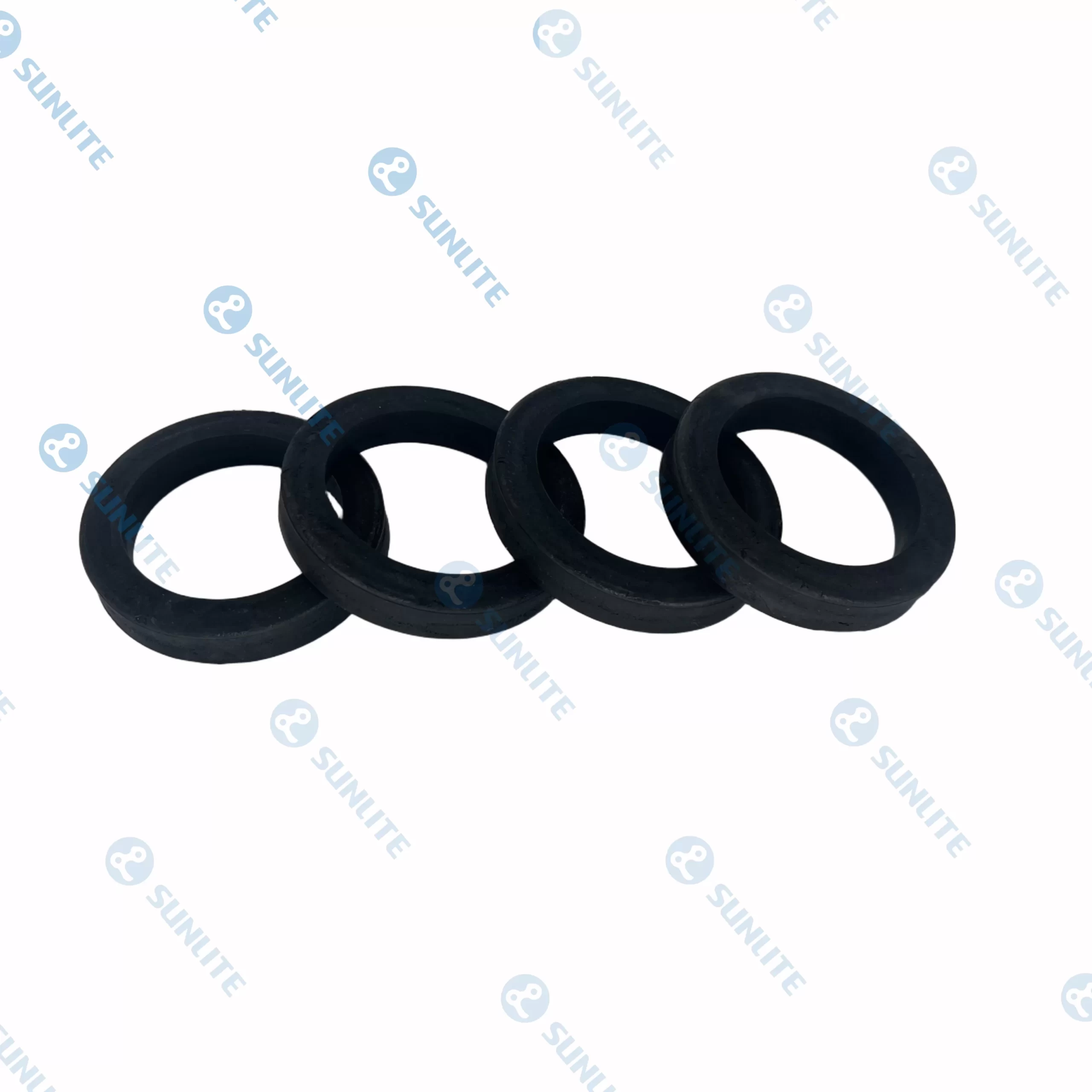
High Performance Custom Rubber Rings and PU Cushioning Blocks
Precision vibration control is critical in high-performance engineering, where uncontrolled oscillations can lead to structural fatigue or sensor failure. The Microcellular Polyurethane Cushioning Block addresses these challenges by utilizing a unique closed-cell internal architecture. Unlike standard elastomers, this high-performance material disperses impact energy non-linearly, providing a stable response under both dynamic and static loads. For engineers developing UAVs or robotics, selecting a cushioning solution with a low compression set is essential to ensure long-term operational reliability.
These components are engineered to replace traditional rubber or EVA foams in demanding industrial environments. By offering customizable density and hardness, they provide a lightweight yet robust alternative that maintains its structural integrity from -40°C to 80°C. Whether integrated into automotive chassis systems or EV battery packs, these blocks effectively mitigate mechanical noise and prevent permanent deformation of critical equipment, ensuring a higher return on investment through extended component lifespans.

Advanced Micro-Foam Technology for Superior Energy Dispersion
The core effectiveness of the Microcellular Polyurethane Cushioning Block lies in its uniform closed-cell architecture. This structure consists of millions of uniformly distributed microcells that allow the material to act as a sophisticated shock absorber. When a load is applied, the cells compress in a controlled manner, dispersing force evenly across the surface area. This prevents stress concentrations that typically cause failure in solid rubber components, making it an ideal choice for protecting sensitive electronic systems in UAVs and high-precision sensors.
From a material science perspective, the polyurethane base provides an exceptional balance between tensile strength (1.0-4.5 MPa) and elongation (200%-400%). This allows the block to absorb significant impact energy without rupturing. Furthermore, the closed-cell nature of the foam ensures that the material does not absorb moisture or oil, maintaining its mechanical properties even in contaminated industrial settings. This environmental stability is a key differentiator when compared to open-cell foams which degrade rapidly upon exposure to industrial chemicals.
For applications requiring extreme precision, the ability to control the density range between 400 and 800 kg/m³ allows engineers to tune the cushioning response to the exact weight of the equipment. This precision ensures that the natural frequency of the supported system is shifted away from the operating frequency of the machinery, effectively eliminating resonance and reducing acoustic noise pollution.

Industry-Specific Application Logic and Integration Scenarios
In the realm of UAV and robotics, the primary objective is the isolation of high-frequency oscillations. The Microcellular PU block acts as a high-efficiency vibration isolation pad, protecting flight controllers and IMUs from motor-induced noise. This ensures stable data transmission and prevents hardware fatigue over thousands of flight hours. In these scenarios, the lightweight design is critical, as it provides maximum protection without adding significant parasitic weight to the aircraft.
Within the automotive and EV sector, the focus shifts toward NVH (Noise, Vibration, and Harshness) performance. These cushioning blocks are strategically deployed in chassis systems and EV battery packs. In battery protection, the blocks provide controlled energy-return cushioning, which is vital for maintaining cell stability during sudden decelerations or impact events. The excellent oil and UV resistance ensures that these components do not perish when exposed to road salts, oils, or extreme weather conditions.
For rail transit and heavy industrial machinery, the requirements emphasize high load-bearing capacity and resistance to permanent deformation. The high compression set resistance of microcellular PU ensures that the block retains its original geometry even under continuous heavy loads. This prevents the "bottoming out" effect seen in lower-grade foams, providing consistent cushioning and reducing the maintenance frequency of structural mounts and supports.
Engineering Considerations for Material Selection and Customization
Selecting the right cushioning block requires a deep understanding of the load environment. Engineers must evaluate whether the primary stress is static (constant weight) or dynamic (repeated impacts). For dynamic loads, a lower density with higher elongation is often preferred to maximize energy absorption. Conversely, static loads in heavy machinery require higher density blocks (near 800 kg/m³) to prevent excessive sagging and maintain equipment alignment.
Customization is a critical part of the procurement process. Beyond basic dimensions, the hardness levels can be tailored to fit specific mechanical housings. This ensures a tight interference fit, which is necessary for effective vibration transmission from the source to the damping medium. When designing the interface, it is important to consider the contact area; a larger surface area reduces the pressure on the PU block, further extending its service life.
Furthermore, the operating temperature range (-40°C to 80°C) must be aligned with the application. In aerospace or outdoor robotics, the material's ability to remain flexible at sub-zero temperatures prevents the block from becoming brittle, which would otherwise lead to cracking under impact. The resistance to hydrolysis makes these blocks superior for underwater robotics or humid environments where traditional foams would absorb water and lose their damping properties.
Performance Comparison: Microcellular PU vs. Standard Elastomers
| Performance Metric | Standard Rubber/EVA | Microcellular PU Block | Industrial Impact |
|---|---|---|---|
| Compression Set | Moderate to High | Exceptional / Low | Higher Shape Retention |
| Energy Absorption | Linear / Basic | Non-linear / Advanced | Better Impact Protection |
| Weight Efficiency | Heavy / Bulky | Ultra-lightweight | Increased Payload Capacity |
| Chemical Resistance | Limited | High (Oil & UV) | Longer Outdoor Life |
| Service Lifespan | Short to Medium | Long-term Grade | Reduced Replacement Cost |
Manufacturing Excellence and Quality Assurance Systems
The production of high-performance cushioning blocks requires a rigorous "R&D-Design-Smart Manufacturing-Delivery" ecosystem. To achieve the precise cell structure required for microcellular PU, advanced molding processes with strict temperature and pressure control are employed. This ensures that the micro-foam architecture is uniform throughout the entire volume of the part, eliminating "soft spots" that could lead to premature failure in the field.
Quality control is integrated into every stage of the lifecycle. Utilizing DFM (Design for Manufacturing) concurrent engineering and CAE simulation analysis, the product structure is optimized before the first mold is cut. This digital-twin approach reduces the verification cycle and ensures that the final product meets the exact hardness and density specifications requested by the client. Precision control of mold development (down to ±0.005mm) ensures perfect fitment in tight industrial housings.
Compliance with international standards is paramount for B2B procurement. Adherence to ISO 9001, IATF 16949, and environmental standards such as RoHS, REACH, and PAHS ensures that the materials are safe for global export and suitable for the automotive and electronics industries. The use of a CNAS-certified testing center allows for empirical validation of tensile strength and compression sets, providing customers with verifiable data sheets for their own engineering certifications.
Future Trends in Vibration Isolation and Material Evolution
As industries move toward more autonomous systems, the demand for "smart" damping is increasing. The evolution of microcellular materials is heading toward variable-density structures, where a single component can offer different cushioning properties in different zones. This would allow for simultaneous support of heavy loads and isolation of high-frequency noise within a single part, further reducing assembly complexity and overall equipment weight.
Sustainability is also driving innovation in polymer materials. The industry is exploring high-performance bio-based polyurethanes that maintain the closed-cell integrity and oil resistance of traditional PU while reducing the carbon footprint of production. For procurement managers, transitioning to these advanced materials not only improves technical performance but also aligns with corporate ESG (Environmental, Social, and Governance) goals.
Ultimately, the shift toward Industry 4.0 means that cushioning components are no longer viewed as simple "rubber parts" but as engineered functional materials. The integration of AI-powered visual inspection and PLM systems in manufacturing ensures that every batch of cushioning blocks possesses identical mechanical properties, providing the consistency required for mass-produced EV platforms and aerospace components.
Technical FAQ: Microcellular Polyurethane Cushioning
What makes microcellular polyurethane superior to traditional rubber for cushioning?
Unlike traditional rubber, microcellular PU features millions of uniformly distributed microcells. This provides a more consistent compression response, superior energy return control, and significantly lower weight without sacrificing strength.
Can these cushioning blocks withstand extreme outdoor environments?
Yes. The material is engineered for stability in temperatures ranging from -40°C to 80°C and exhibits excellent resistance to UV radiation, hydrolysis, and moisture, making it ideal for outdoor industrial use.
Is it possible to customize the hardness of the PU blocks?
Absolutely. We offer full customization of density (400-800 kg/m³) and hardness levels, ranging from soft cushioning to high-density rigid blocks, depending on your specific load requirements.
How does the cushioning block improve UAV and robotics performance?
By serving as a high-efficiency vibration isolation pad, it protects delicate sensors and electronic boards from high-frequency motion, ensuring stable data transmission and preventing hardware fatigue.
Does the material react to oils or industrial chemicals?
Our microcellular polyurethane has excellent oil resistance and chemical durability, allowing it to maintain its mechanical properties even when exposed to fuels or common industrial cleaning agents.
What are the typical applications in the automotive industry?
It is commonly used in chassis systems for noise reduction, EV battery packs for impact protection, and various interior components to enhance NVH (Noise, Vibration, and Harshness) performance.
Technical References
- ISO Quality Management Standards for Polymer Manufacturing
- IATF 16949 Automotive Quality Management Systems
- EU REACH Regulation for Chemical Substances
- NIST Guide to Vibration and Shock Testing
To optimize your system's vibration control and extend the operational life of your high-precision equipment, contact our engineering team for a customized material analysis and prototyping solution.
Related Industrial Solutions