 Select Language
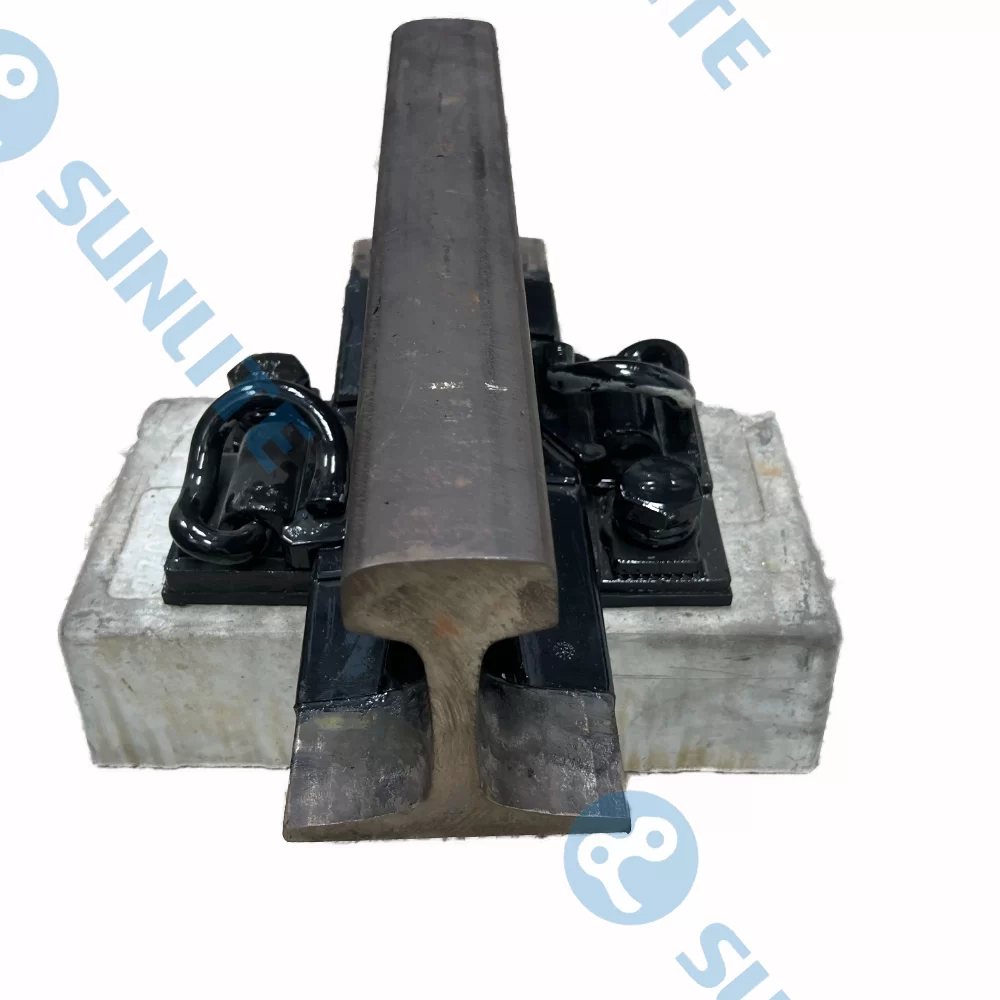
Railway Stray Current Insulation from rubber o ring manufacturers
Ensuring the operational integrity of high-speed rail and urban metro systems requires more than standard sealing; it demands advanced stray current mitigation to prevent catastrophic electrochemical corrosion. The stray current insulation protection system represents a critical engineering response to this challenge, utilizing a sophisticated polymer composite architecture. By integrating a high-performance encapsulation layer with a dual-hydrophobic coating, this technology establishes a robust electrical barrier that safeguards critical infrastructure from current leakage. For procurement managers and rail engineers, selecting the right polymer components is not merely a matter of material sourcing but a strategic decision to extend the maintenance-free service life of tracks, bridges, and turnouts in increasingly humid and corrosive environments.

The Engineering Logic Behind Dual-Layer Stray Current Insulation
The primary failure mechanism in electrified railway systems is the leakage of stray currents from the traction power system into the surrounding ground and metal structures. This phenomenon triggers accelerated corrosion, which can compromise the structural integrity of the rails and the reliability of track circuit signals. To solve this, the system employs a two-stage defense strategy. First, a specialized polymer encapsulation layer creates a three-dimensional physical wrap around the rail, providing a high-resistance barrier that blocks the primary path of current leakage between the metal and the ground.
Complementing this physical barrier is a nano dual-hydrophobic insulating coating. This amphiphobic surface repels both water and oil, preventing the formation of conductive liquid films that typically occur during rain or salt-spray exposure. By maintaining a rail-to-ground transition resistance exceeding 30 Ω·km, the system ensures that signal transmission remains stable and undisturbed. This synergy between the bulk polymer substrate and the surface coating allows the insulation to perform consistently across global climate zones, from extreme humidity to severe temperature fluctuations between -40℃ and 80℃.

Critical Application Scenarios for High-Reliability Railway Polymers
Different rail environments present unique challenges that necessitate specific material configurations. In urban metro tunnels, high humidity and confined spaces increase the risk of current leakage. Here, the underground stray current protection system is vital for maintaining signal reliability, as the amphiphobic coating prevents condensation from bridging the insulation. In contrast, coastal railway lines face the aggressive nature of airborne salts. The salt-spray resistance of over 1,000 hours (ISO 9227) ensures that the polymer does not degrade under constant exposure to corrosive electrolytes.
Furthermore, high-speed rail ballastless track sections and critical transition zones—such as rail bridges and turnouts—require maximum mechanical strength. The encapsulation layer provides a peel strength of ≥8 kN/m and can withstand over 5,000 ballast impact cycles. This ensures that the insulation remains intact even under the extreme dynamic loads and vibrations associated with high-speed transit, effectively reducing the electrochemical corrosion rate by over 70% and extending the rail insulation lifespan significantly.
Optimizing Maintenance Cycles and Infrastructure Lifecycle Costs
From an operational perspective, the value of a high-performance insulation system is measured by the reduction in unplanned downtime. Traditional insulation methods often require frequent inspections and premature replacements due to UV degradation or mechanical wear. By adhering to the EN 50122 and EN 45545-2 fire protection standards, this system provides a 25-year maintenance-free service life. This drastically lowers the track circuit failure rate by up to 90%, allowing operators to shift from reactive to predictive maintenance schedules.
For the procurement professional, the total cost of ownership (TCO) is optimized through the reduction of rail replacement frequency. The incorporation of corrosion-inhibiting ions within the coating further delays the oxidation of metal surfaces. When combined with the rigorous quality control and DFM concurrent engineering provided by professional rubber o ring manufacturers and polymer specialists, the resulting components minimize installation errors and maximize long-term performance, ensuring that the infrastructure investment is protected against the hidden costs of stray current damage.
Technical Performance Index for Stray Current Protection
| Performance Metric | Technical Requirement | Test Standard | Operational Benefit |
|---|---|---|---|
| Transition Resistance | >30 Ω·km | IEC 62128 (Wet) | Stable Signal Transmission |
| Peel Strength | ≥8 kN/m | Internal Standard | High Mechanical Adhesion |
| Salt Spray Resistance | >1000 Hours | ISO 9227 | Coastal Environment Durability |
| Thermal Stability | -40℃ to 80℃ | 200 Dynamic Cycles | All-Weather Reliability |
| Fire Safety | Compliant | EN 45545-2 | Tunnel Safety Certification |
Integrating Smart Manufacturing into Polymer Component Production
The transition from material science to a reliable industrial product requires an agile manufacturing system. Utilizing a PLM-driven approach, the production of these complex polymer parts achieves precision control within ±0.005mm during mold development. This level of accuracy is essential for ensuring that the encapsulation layer fits perfectly around the rail profile, leaving no gaps for current to escape. The use of CAE simulation analysis allows for the optimization of product structures before the first prototype is even cast, reducing the R&D verification cycle by 30%.
Quality assurance is further enhanced through a CNAS-certified testing center and a comprehensive product lifecycle database. By analyzing empirical data from over 10,000 successful cases, manufacturing parameters are continuously optimized to increase trial-production yield rates to 98.5%. This digital integration ensures that every batch of insulating components meets the stringent requirements of IATF 16949 and ISO 9001, providing rail operators with the confidence that the installed parts will perform consistently over several decades of service.
Future Trends in Elastomer-Based Railway Infrastructure Protection
As rail networks expand and speeds increase, the demand for "intelligent" materials is growing. The next evolution in stray current protection involves the integration of self-sensing polymers that can alert maintenance teams to insulation breaches before they result in signal failure. Current trends are moving toward materials that combine extreme amphiphobicity with enhanced UV resistance, further extending the 25-year lifespan in regions with high solar radiation. The shift toward sustainable chemistry, ensuring compliance with RoHS, REACH, and PAHS, is also becoming a non-negotiable requirement for global infrastructure projects.
For buyers and engineers, the focus is shifting from simple component replacement to full-lifecycle solution partnerships. The ability to provide a "R&D–Design–Smart Manufacturing–Delivery" ecosystem allows for the rapid prototyping of custom solutions for unique track geometries. By leveraging AI-powered visual inspection and supply chain collaboration, the industry is achieving significant cost reductions while simultaneously raising the safety and reliability benchmarks for high-speed rail and metro systems worldwide.
Technical FAQ on Stray Current Insulation Systems
What is the primary function of the dual-hydrophobic coating in rail insulation?
The dual-hydrophobic coating inhibits the formation of surface conductive films by repelling water and oils. This ensures that the rail-to-ground transition resistance remains high (above 30 Ω·km) even in humid, rainy, or salt-spray conditions, preventing signal interference in track circuits.
How does the polymer encapsulation layer prevent electrochemical corrosion?
It forms a three-dimensional physical barrier that isolates the metal rail from the ballast and ground media. By blocking the pathways of current leakage, it fundamentally reduces the rate of electrochemical corrosion by over 70%.
Is the system suitable for tunnels with strict fire safety regulations?
Yes, the system is designed to be compliant with the EN 45545-2 fire protection standard, making it suitable for deployment in subway tunnels and other enclosed railway environments where safety certifications are mandatory.
What is the expected service life of these insulation components?
The system is engineered for a 25-year maintenance-free service life, compliant with EN 50122 standards, which significantly reduces the long-term operation and maintenance costs for rail operators.
How do temperature extremes affect the performance of the polymer?
The materials are tested to withstand temperature alternations from -40℃ to 80℃. They are designed to resist cracking and maintain electrical stability after 200 dynamic thermal cycles, ensuring reliability across global climate zones.
Can these components be customized for specific rail profiles?
Yes, through a combination of DFM concurrent engineering and high-precision mold development (±0.005mm), the system can be tailored to specific rail geometries and application requirements to ensure a perfect fit and maximum insulation efficiency.
Technical References and Standards
- ISO 9227: Corrosion tests in artificial atmospheres - Salt spray tests
- IEC 62128: Railway applications - Electrical insulation requirements
- EN 50122: Railway applications - Fixed installations - Electrical safety
- EN 45545-2: Protection against fire on railway vehicles
Selecting a partner with deep expertise in polymer science and smart manufacturing is the only way to ensure that railway insulation components meet the rigorous demands of modern high-speed transit. By focusing on material integrity and precise execution, operators can secure the longevity of their infrastructure.
Industry Insights and Related Solutions