Welcome to the official website of Sunlite Tech
Specialist in Elastomer Applications
Best Solutions to NVH SINCE 1998

News

Industrial Isolation Solutions with epdm rubber material for Philippines

High-performance vibration damping and sealing engineering tailored for the humid tropical climate and industrial growth of the Philippine archipelago.

Industrial Isolation Solutions with epdm rubber material for Philippines

Providing cutting-edge noise reduction and mechanical stability through specialized rubber compounds designed to withstand extreme heat and humidity.

Market Status of Rubber Isolation in Philippines

Analyzing the intersection of tropical environmental stress and industrial machinery requirements.

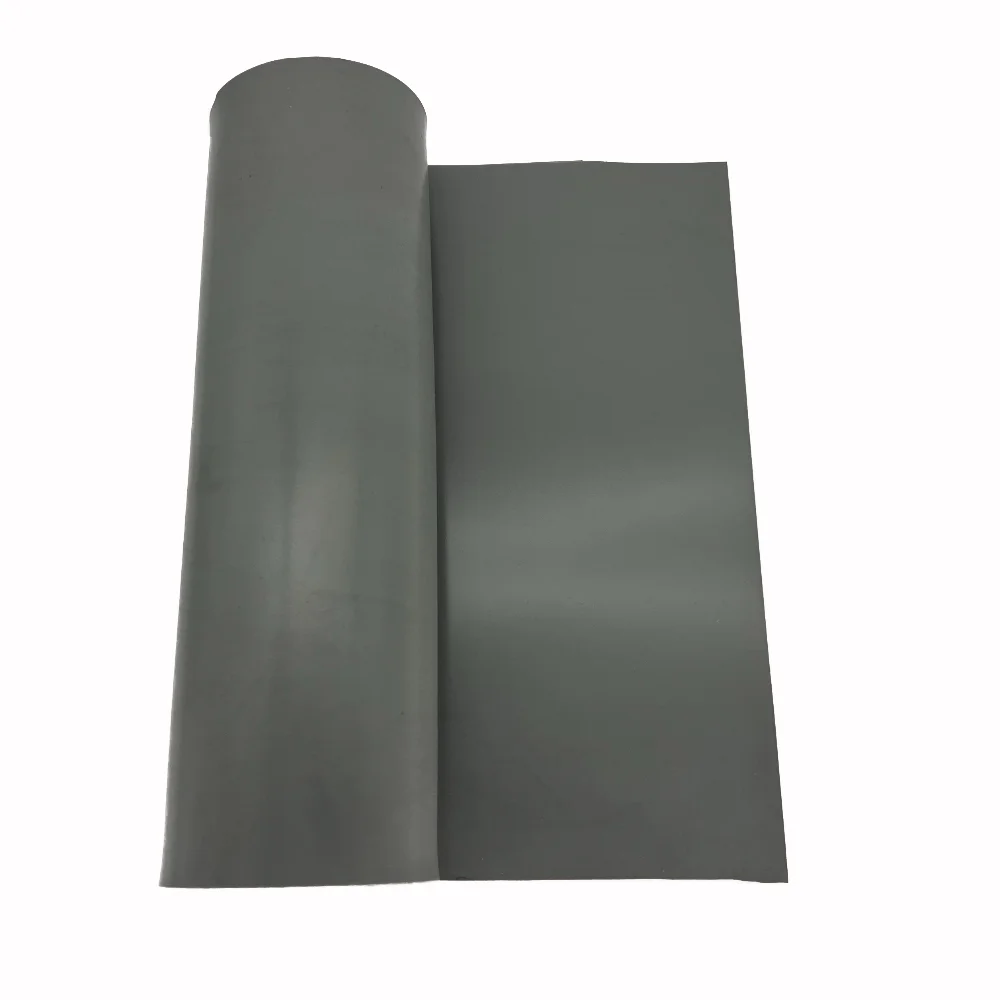
The Philippine industrial landscape, particularly in hubs like Metro Manila and Cebu, faces significant challenges due to high ambient humidity and saline air. Standard rubber components often degrade rapidly, leading to a surge in demand for high-grade silicone rubber which offers superior thermal stability and ozone resistance compared to traditional elastomers.

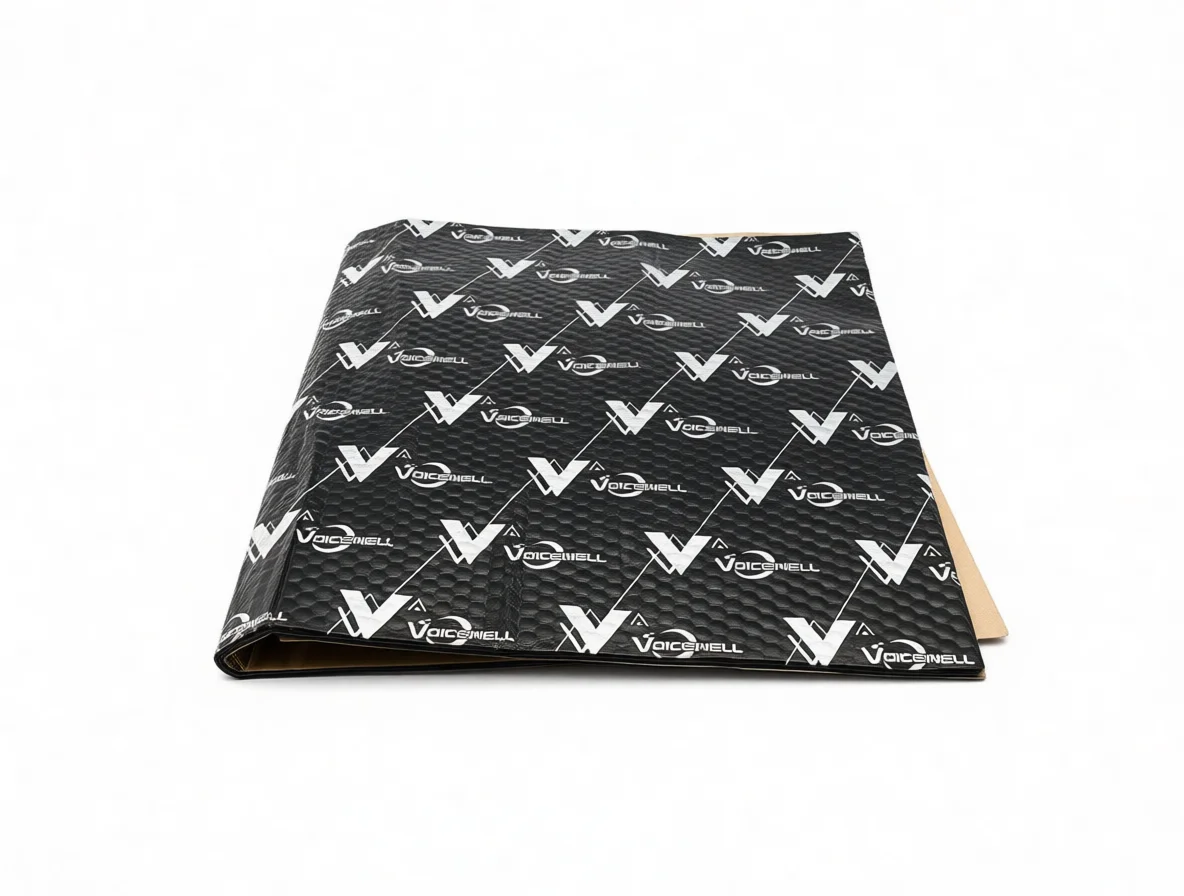
In the transportation sector, the prevalence of modified utility vehicles has driven a localized boom in car sound deadening. Users are increasingly seeking materials that can reduce cabin noise while resisting the mold and mildew growth common in Southeast Asian climates.

Furthermore, the expansion of BPO data centers and manufacturing plants has increased the requirement for precision anti vibration pads to protect sensitive server racks and heavy machinery from structural tremors and seismic activity common in the region.
Evolution of Rubber Vibration Control

From generic gaskets to precision-engineered damping systems.

Market Development History

In the early 2000s, the Philippine market relied heavily on general-purpose natural rubber. These materials often failed prematurely under the intense UV radiation and tropical heat, leading to frequent replacement cycles in industrial settings.

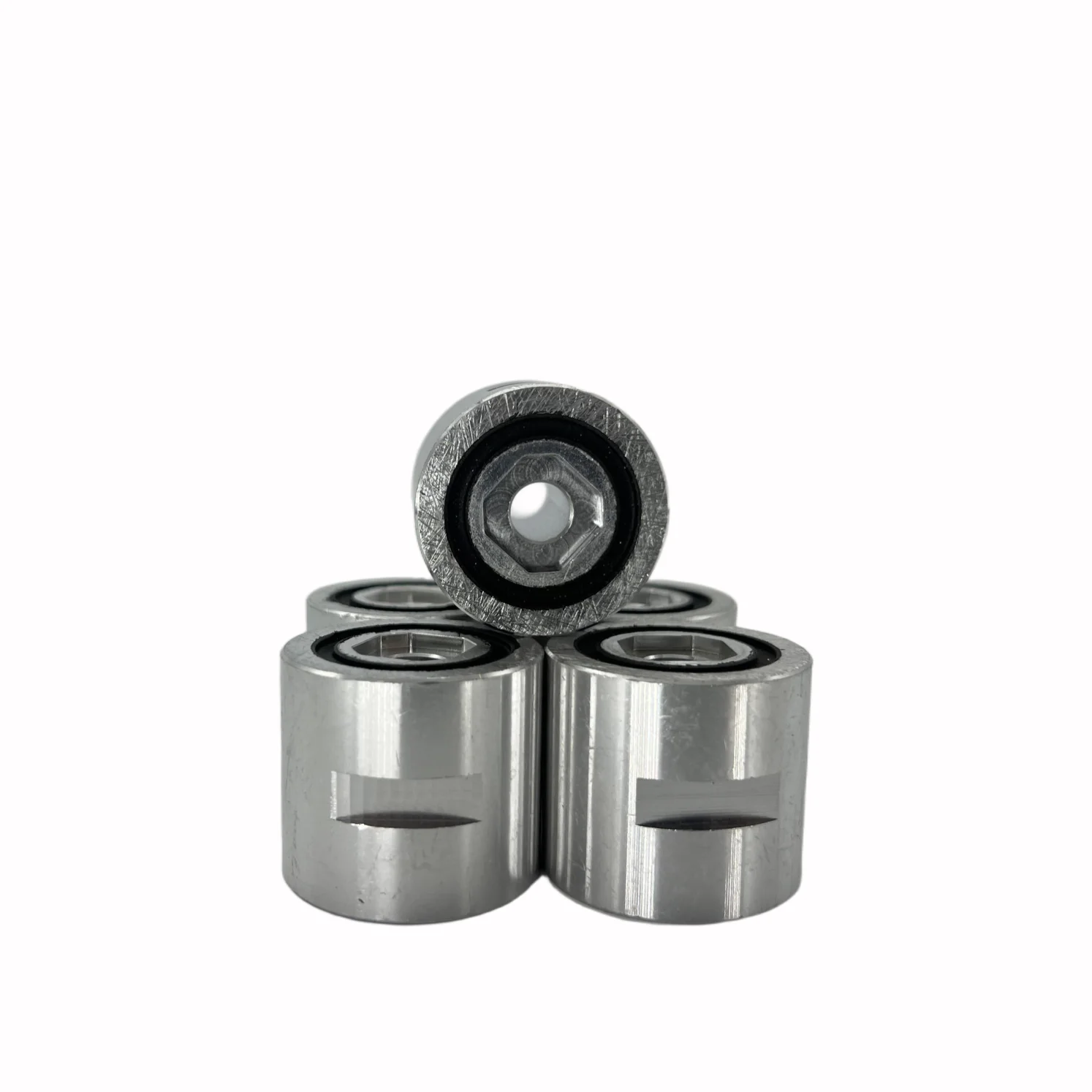
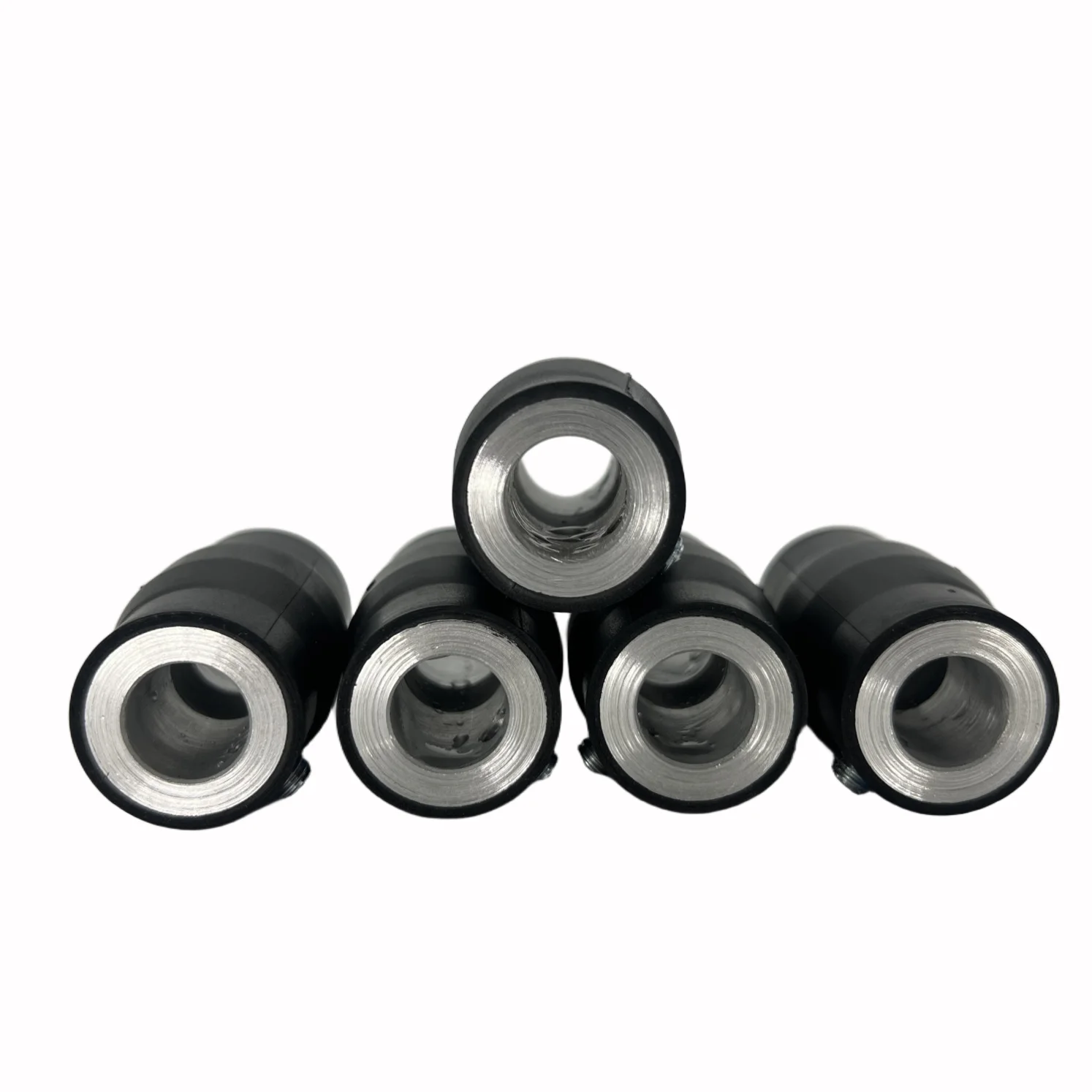
Between 2010 and 2020, there was a technical shift toward synthetic polymers. The adoption of rubber anti vibration mounts integrated with steel reinforcements became the standard for HVAC and power generation equipment to ensure long-term structural integrity.

Entering the current decade, the focus has shifted to "Smart Material" integration. The industry now emphasizes material purity and specific shore hardness levels to meet international ISO standards for noise and vibration (NVH) control.

Future Development Trends

Eco-Friendly Elastomers

Increasing regulatory pressure in Asia is pushing the market toward biodegradable or recyclable rubber compounds without sacrificing the durability of industrial mounts.

Hybrid Damping Systems

The integration of air-springs with rubber cores to provide adaptive vibration isolation for high-precision electronics manufacturing.

Nanocomposite Enhancement

Utilizing nano-fillers to increase the tear strength and heat dissipation of sealing materials used in the automotive and aerospace sectors.

Future Trends & Strategic Outlook

Predicting the trajectory of special rubber manufacturing in the Philippines.

Climate-Resilient Polymers
Developing rubber compounds specifically engineered to resist the rapid oxidation caused by the Philippine humidity.
EV Infrastructure Support
Customized mounts for Electric Vehicle battery packs to mitigate high-frequency vibrations in urban transit.
Precision Noise Control
Advanced layered materials for architectural acoustics in the growing commercial real estate sector.
Seismic Isolation Tech
Integrating rubber-lead bearings for structural protection against earthquakes in the Pacific Ring of Fire.

Industry Outlook

The demand for specialized rubber products is expected to grow by 6% CAGR in the Philippines over the next 5 years, driven by the "Build Better More" infrastructure program. We anticipate a shift toward materials that offer both vibration damping and thermal insulation.

Google search trends indicate a rising interest in "industrial noise reduction" and "long-life rubber seals," suggesting that the market is moving away from low-cost consumables toward value-engineered components with longer lifespans.

Localized Application Scenarios in Philippines

Real-world implementation of special rubber technology across various Philippine sectors.

1. Heavy Generator Sets in Manila

Using rubber anti vibration mounts to isolate large diesel generators from commercial building foundations, preventing noise pollution in dense urban areas.

2. Jeepney and SUV Cabin Upgrades

Applying high-density car sound deadening sheets to floor panels and doors to improve passenger comfort against road noise and engine roar.

3. Food Processing Plants in Laguna

Implementing silicone rubber gaskets and seals that meet food-grade safety standards while resisting the caustic cleaning agents used in factories.

4. HVAC System Installation for Malls

Installing heavy-duty anti vibration pads under chiller units to reduce structural resonance in multi-story shopping complexes.

5. Marine Equipment Sealing in Cebu

Utilizing epdm rubber material for weather-stripping and seals on marine vessels to ensure waterproof integrity against high-salinity seawater.

Brand Story

Global Development Journey of Guangdong Sunlite Technology Co., Ltd.

Foundational Excellence

Established with a focus on polymer science, we began by solving the most basic sealing failures in industrial machinery.

Material Innovation

Developed proprietary EPDM and Silicone blending techniques to extend product life in extreme environments.

Global Expansion

Expanded our footprint into Southeast Asia, establishing a robust supply chain to serve the Philippine industrial market.

Quality Certification

Achieved international certifications ensuring every mount and pad meets rigorous safety and durability standards.

Vision for Tomorrow

Committing to sustainable manufacturing and the development of "zero-failure" vibration isolation systems.

Comprehensive Rubber Solutions for the Philippine Market

A full portfolio of vibration and sealing products engineered for tropical industrial use.

Philippines Industrial Rubber FAQ

Expert answers to common questions regarding vibration control and rubber materials.

Which is better for Manila's heat: EPDM or Natural Rubber?

EPDM is significantly better as it offers superior resistance to heat, ozone, and UV radiation, preventing the "cracking" commonly seen in natural rubber in tropical climates.

How do I choose the right shore hardness for anti vibration pads?

Selection depends on the load. Heavier machinery requires higher shore hardness (stiffer rubber), while lighter, high-frequency equipment needs softer compounds for better absorption.

Can car sound deadening materials withstand humidity?

Yes, provided they are made from closed-cell materials that do not absorb moisture, which prevents mold and maintains acoustic properties in humid environments.

What are the benefits of silicone rubber for food-grade applications?

Silicone is non-toxic, odorless, and can withstand extreme temperature fluctuations, making it ideal for pharmaceutical and food processing plants.

How often should rubber anti vibration mounts be replaced?

In high-humidity regions, we recommend a professional inspection every 12-24 months to check for signs of degradation or permanent deformation.

Do you provide custom sizes for industrial isolation pads?

Yes, we offer full OEM/ODM services to create custom-molded components based on your specific load-bearing and frequency requirements.

Get Expert Engineering Support

Ready to optimize your industrial equipment's lifespan? Contact our technical team for a consultation tailored to the specific environmental needs of the Philippines.

Contact Us Now

If you are interested in our products, you can choose to leave your information here, and we will be in touch with you shortly.

  • captcha