Welcome to the official website of Sunlite Tech
Specialist in Elastomer Applications
Best Solutions to NVH SINCE 1998

News

Industrial Vibration Isolation Solutions for Tajikistan: Premium rubber anti vibration mounts

Engineering high-performance damping systems to withstand Tajikistan's extreme temperature fluctuations and rugged industrial environments.

Industrial Vibration Isolation Solutions for Tajikistan: Premium rubber anti vibration mounts

Providing cutting-edge sealing and vibration control technology specifically engineered for Tajikistan's heavy machinery and automotive sectors, ensuring operational stability in challenging terrains.

Current State of Rubber Engineering in Tajikistan

Analyzing the intersection of geographic challenges and industrial rubber requirements.

Tajikistan's industrial landscape is characterized by extreme continental climates, with searing summers and freezing winters. This puts immense stress on standard rubber components, leading to rapid degradation. The current demand is shifting towards epdm rubber material due to its superior resistance to ozone and weather extremes, which is critical for outdoor infrastructure in the Pamir region.

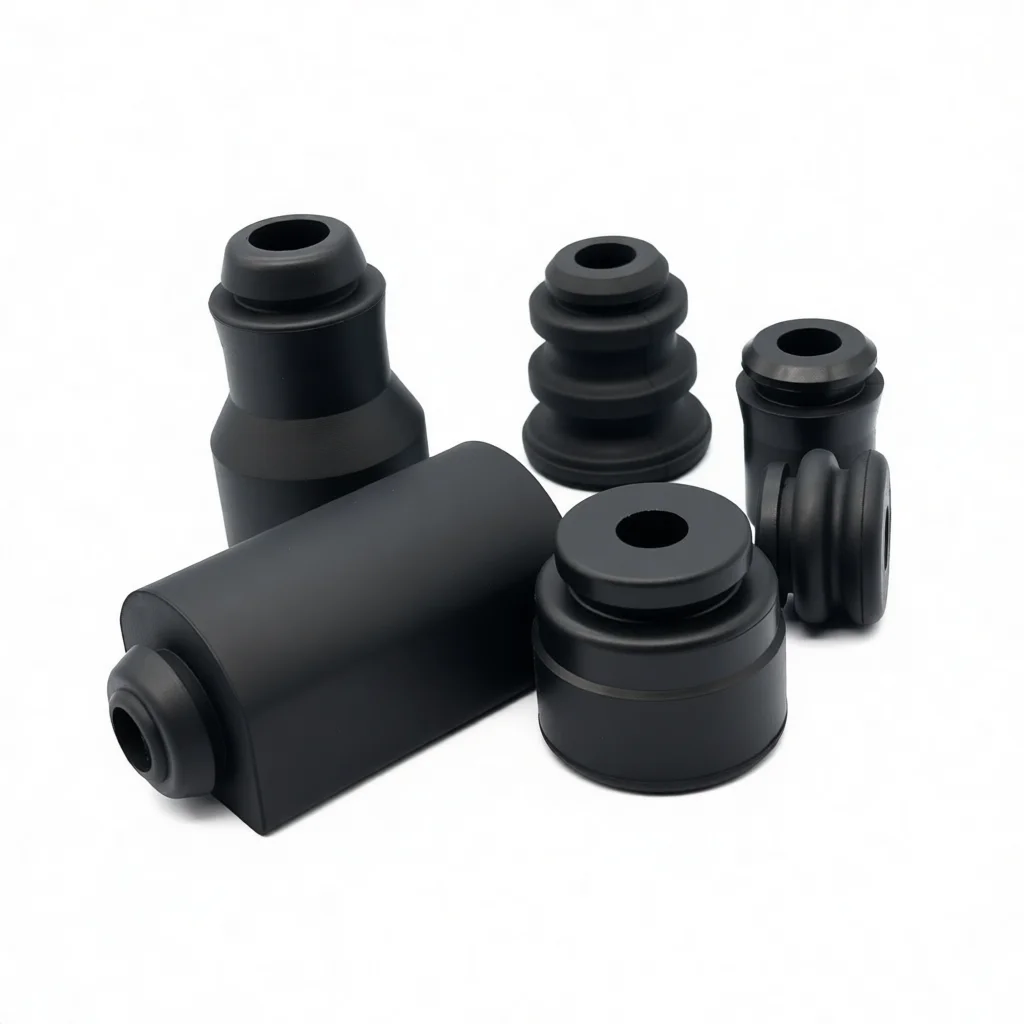
In the transport sector, the rugged topography necessitates reinforced damping. There is a growing reliance on high-grade anti vibration pads to protect heavy mining equipment and generators from structural fatigue caused by seismic activity and uneven ground conditions.

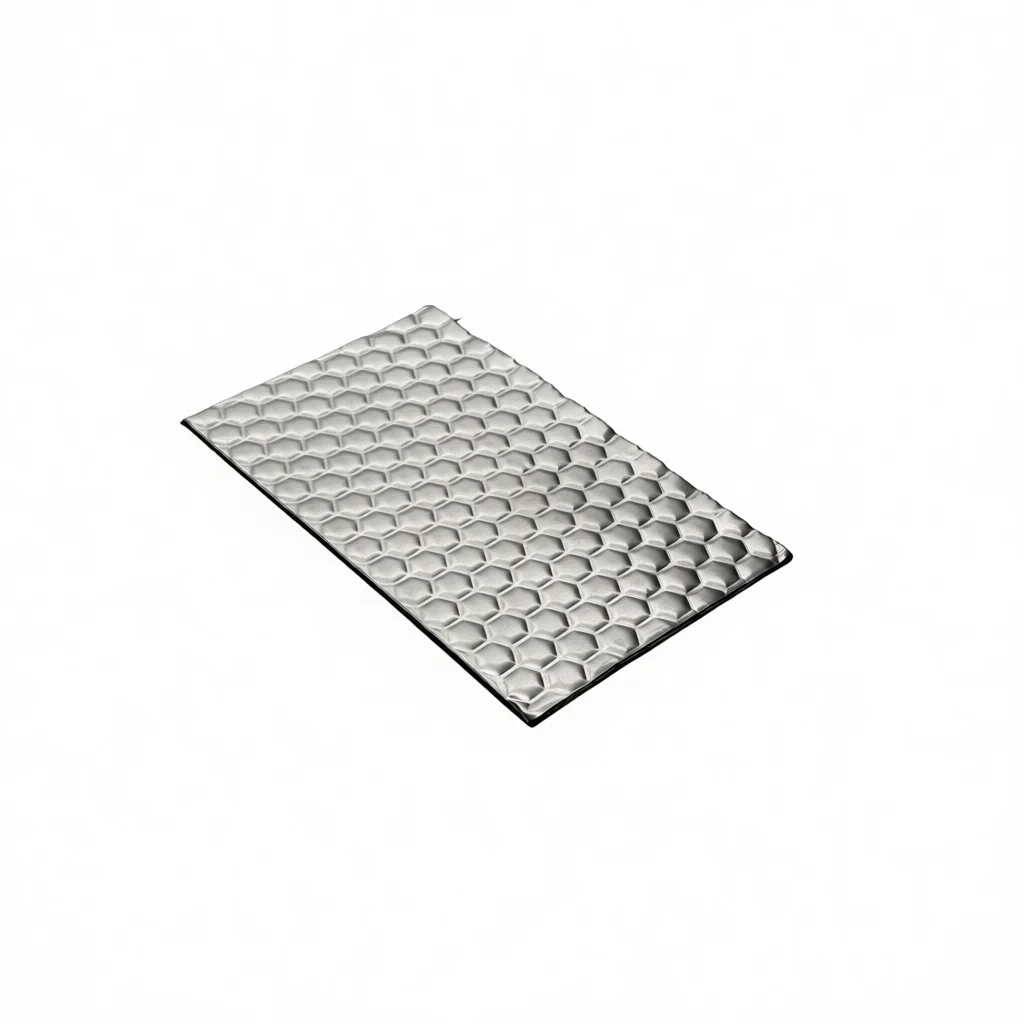
Furthermore, as the automotive aftermarket grows in Dushanbe and Khujand, the adoption of car sound deadening has transitioned from a luxury to a necessity for improving cabin comfort and protecting vehicle chassis from the noise pollution of deteriorating road networks.
Evolution and Trajectory of Rubber Damping Technology

From basic natural rubber to advanced synthetic polymers.

Market Development History

During the late 20th century, the Tajik industrial sector relied heavily on general-purpose natural rubber components, which frequently failed under the region's UV exposure and temperature swings, necessitating frequent maintenance cycles.

Between 2010 and 2020, a technical pivot occurred with the introduction of synthetic elastomers. The industry began integrating silicone rubber for high-temperature sealing applications in energy plants, significantly reducing downtime.

Currently, the market has entered a phase of "Precision Engineering," where vibration mounts are no longer generic but are custom-tuned to the specific frequency of industrial machinery used in Tajikistan's aluminum and textile factories.

Future Development Trends

Smart Damping Integration

Integration of sensor-based monitoring within rubber mounts to predict wear and tear before catastrophic failure occurs.

Eco-Friendly Polymer Synthesis

A shift toward bio-based synthetic rubbers to meet emerging environmental regulations in Central Asia.

Advanced Acoustic Layering

Development of multi-layered composite materials for soundproofing that combine rubber with recycled aerospace foams.

Future Trends and Strategic Outlook

Predicting the next 5 years of rubber technology in Asia - Tajikistan.

Thermal Resilience Scaling
Developing polymers that maintain elasticity from -40°C to +120°C to survive Tajik winters and summers.
Precision Frequency Tuning
Customizing the Shore hardness of rubber to eliminate specific resonance frequencies in hydropower plants.
Hybrid Composite Structures
Merging rubber with metallic cores to increase load-bearing capacity for mining machinery.
Acoustic Optimization
Applying advanced sound-absorbing rubber geometries for urban noise reduction in growing cities.

Industry Outlook

According to regional industrial data, the demand for specialized sealing and vibration control is projected to grow by 6.5% annually. This is driven by Tajikistan's investment in energy infrastructure and the modernization of its logistics corridors.

The future will see a transition from "replacement parts" to "integrated systems," where the rubber components are designed as part of a holistic machine lifecycle management strategy, emphasizing sustainability and long-term durability.

Localized Application Scenarios in Tajikistan

Practical implementation of rubber engineering in regional contexts.

1. Hydropower Plant Turbine Isolation

Using heavy-duty rubber anti vibration mounts to isolate massive turbines in Tajikistan's hydroelectric plants, preventing structural resonance in mountainous terrain.

2. Mining Equipment Protection

Installation of oversized anti vibration pads under crushing machinery in gold and silver mines to protect the foundation from high-impact loads.

3. Automotive Cabin Refinement

Application of high-density car sound deadening materials in luxury transport vehicles operating on the rugged roads between Dushanbe and the border.

4. Industrial HVAC Weather-stripping

Utilizing epdm rubber material for outdoor HVAC seals to ensure energy efficiency and prevent leakage during extreme winter freezes.

5. Food Processing Oven Seals

Employing high-grade silicone rubber gaskets in Tajikistan's expanding food processing industry to ensure hygiene and heat resistance.

Brand Story

Global Development Journey of Guangdong Sunlite Technology Co., Ltd.

Foundational Excellence

Established with a focus on polymer science, Sunlite began by solving the core problem of rubber degradation in extreme environments.

Technological Breakthroughs

Developed proprietary compounding techniques that enhanced the tensile strength and thermal stability of synthetic elastomers.

Global Expansion

Expanded our footprint into Central Asia, bringing world-class rubber standards to the challenging terrains of Tajikistan.

Quality Certification

Achieved international ISO and ASTM certifications, ensuring every component meets the strictest safety and performance benchmarks.

Vision for the Future

Committing to the development of sustainable, high-performance rubber solutions that empower global industrial growth.

Complete Product Portfolio for the Tajikistan Market

A comprehensive range of sealing and damping solutions tailored for regional industrial needs.

Frequently Asked Questions - Tajikistan

Expert answers to common technical queries regarding rubber components.

Which epdm rubber material grade is best for Tajikistan's winters?

We recommend a low-temperature grade EPDM that maintains flexibility down to -40°C to prevent cracking during the harsh winter months in high-altitude regions.

How do rubber anti vibration mounts differ in seismic zones?

In seismic-prone areas like Tajikistan, our mounts are designed with higher damping ratios and reinforced bonding to absorb both low-frequency seismic waves and high-frequency machine vibrations.

Can silicone rubber withstand industrial heat in factories?

Yes, our silicone rubber gaskets are engineered for continuous operation at temperatures up to 250°C, making them ideal for Tajikistan's heavy industrial ovens and boilers.

What is the lifespan of anti vibration pads in mining environments?

Depending on the load and chemical exposure, our high-density pads typically last 5-8 years, significantly longer than standard natural rubber alternatives.

How effective is car sound deadening for older vehicle models?

Extremely effective. Our butyl-based deadening sheets reduce panel vibration and external road noise, regardless of the vehicle's age, which is highly beneficial on uneven roads.

Do you provide custom specifications for rubber mounts in Tajikistan?

Yes, we provide full customization including Shore hardness, geometry, and material compounding based on the specific technical requirements of your machinery.

Ready to Optimize Your Industrial Stability?

Get expert consultation on the best rubber and sealing solutions tailored for the unique environmental demands of Tajikistan.

Contact Us Now

If you are interested in our products, you can choose to leave your information here, and we will be in touch with you shortly.

  • captcha