Welcome to the official website of Sunlite Tech
Specialist in Elastomer Applications
Best Solutions to NVH SINCE 1998

News

Industrial rubber anti vibration mounts Solutions for Colombia

Precision-engineered damping systems designed to withstand Colombia's diverse industrial terrain and tropical climates.

Industrial rubber anti vibration mounts Solutions for Colombia

Providing high-performance isolation and sealing technologies tailored for the Colombian manufacturing sector, ensuring equipment longevity and operational safety.

Current State of Vibration Control in Colombia

Analyzing the demand for specialized rubber components in the Andean region.

In Colombia, the manufacturing landscape is heavily influenced by its varied geography and humid tropical climate. Industries in Bogotá and Medellín face significant challenges with machinery stability due to varying altitudes and seismic activity, driving a critical need for high-grade anti vibration pads to protect sensitive industrial infrastructure.

The regional automotive and transport sectors are increasingly upgrading their standards. There is a notable shift toward using premium epdm rubber material because of its superior resistance to ozone and UV radiation, which is essential for vehicles operating under the intense solar exposure found in the Colombian Caribbean coast.

Furthermore, the burgeoning medical and food processing industries in Colombia are demanding non-toxic, heat-resistant solutions. This has led to an increase in the adoption of silicone rubber components that meet strict hygiene standards while maintaining flexible sealing properties in fluctuating temperatures.

Evolution of Vibration Isolation Technology

From traditional rubber blocks to intelligent damping systems.

Market Development History

Between 1990 and 2005, the Colombian market relied primarily on generic natural rubber mounts. These traditional materials often degraded rapidly due to the high humidity and tropical moisture of the region, leading to frequent equipment failures and increased downtime in textile and coffee processing plants.

From 2006 to 2015, the industry shifted toward synthetic polymers. The introduction of EPDM and Nitrile compounds allowed for better chemical resistance and durability. This era saw the integration of specialized rubber anti vibration mounts that could handle heavier industrial loads in the mining and oil sectors.

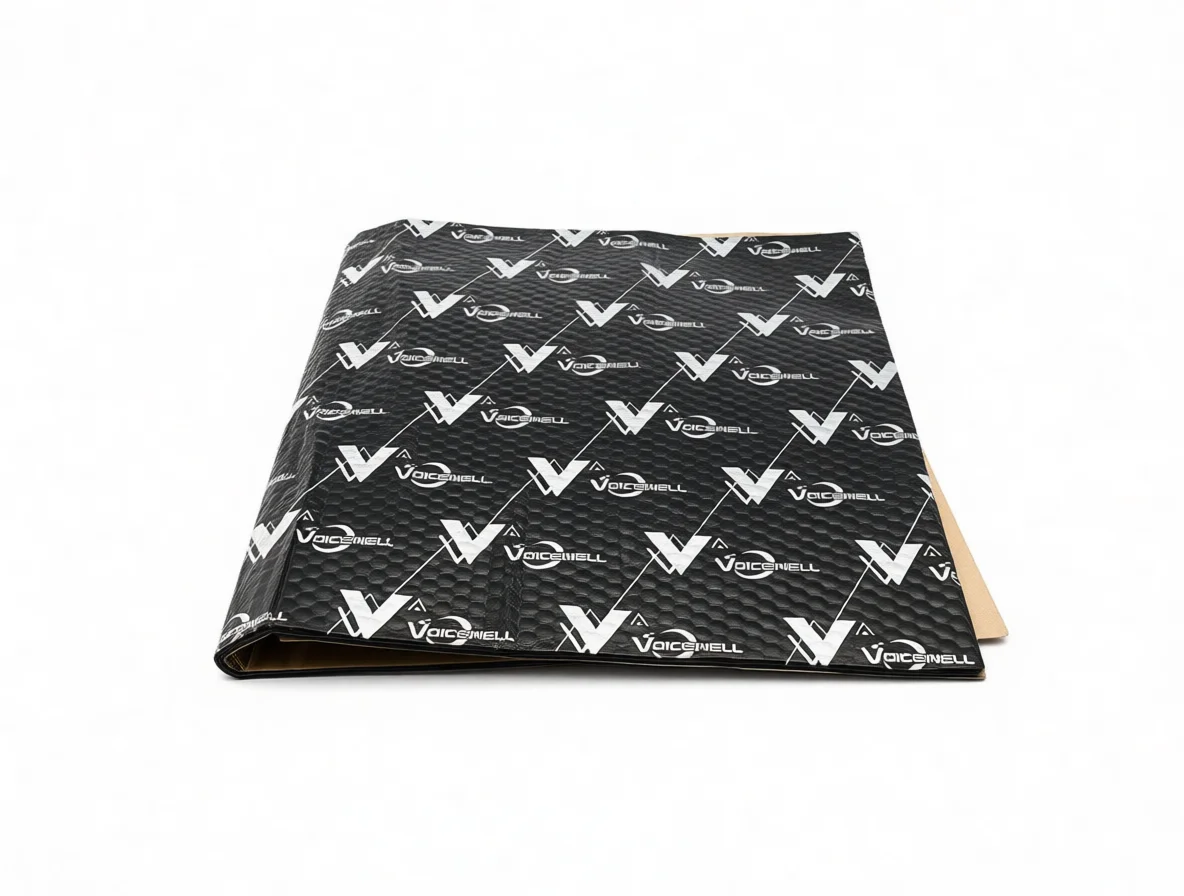
Since 2016, the focus has transitioned toward precision engineering and acoustic comfort. With the rise of urban development in major cities, there has been a surge in demand for high-performance car sound deadening materials to improve passenger experience and reduce noise pollution in dense traffic areas.

Future Development Trends

Smart Material Integration

The next 3-5 years will see a transition toward adaptive damping materials that can change their stiffness based on the frequency of vibration, reducing the need for manual adjustments.

Eco-Friendly Rubber Synthesis

Following global sustainability trends, Google search data indicates a rising interest in biodegradable and recycled elastomers that maintain the industrial strength of EPDM.

Nano-Composite Enhancement

Integration of carbon nanotubes into rubber matrices will likely increase the tear strength and thermal stability of seals used in Colombian high-pressure hydraulic systems.

Industry Trends and Future Outlook

Strategic directions for the rubber and plastics manufacturing sector in South America.

Climate-Resilient Polymers
Developing materials that resist extreme UV and humidity levels specific to Colombia's tropical zones.
NVH Optimization
Increasing focus on Noise, Vibration, and Harshness (NVH) reduction in the automotive sector.
Seismic-Ready Design
Implementing high-damping rubber systems for structural protection in seismic zones.
Precision Mold Engineering
Moving toward 3D printed molds for rapid prototyping of complex rubber seals.

Industry Outlook

The Colombian market is expected to see a steady CAGR growth in the rubber additives sector as the nation pushes for industrial modernization. The integration of sustainable sourcing for elastomers will become a key competitive advantage for manufacturers.

We anticipate that the convergence of automotive electrification and urban industrialization will drive an unprecedented demand for specialized damping and soundproofing solutions across the Andean region.

Local Application Scenarios in Colombia

Real-world implementation of vibration control and sealing solutions.

01. Coffee Processing Machinery

Utilizing heavy-duty anti vibration pads in the Eje Cafetero region to reduce mechanical oscillation during bean sorting and roasting processes.

02. Urban Transport Fleet Upgrade

Implementing advanced car sound deadening for public transit buses in Bogotá to lower cabin noise and improve driver concentration.

03. Mining Equipment Protection

Deploying reinforced rubber anti vibration mounts in large-scale mining excavators to prevent structural fatigue in harsh Andean terrains.

04. Pharmaceutical Clean Rooms

Using medical-grade silicone rubber for air-tight sealing in laboratories, ensuring zero contamination in sterilized environments.

05. Power Plant Infrastructure

Applying epdm rubber material for exterior cable sealing and weatherproofing in hydroelectric plants along the Magdalena River.

Brand Story

Global Development Journey of Guangdong Sunlite Technology Co., Ltd.

The Foundation of Precision

Started with a mission to solve the most critical sealing leaks and vibration failures in industrial machinery.

Material Innovation Phase

Invested heavily in R&D to master the synthesis of high-performance EPDM and Silicone compounds.

Global Expansion Strategy

Expanded operations to South America, bringing advanced manufacturing standards to the Colombian market.

Quality Certification Milestone

Achieved international ISO standards, ensuring every rubber component meets rigorous global safety benchmarks.

The Future of Damping

Leading the industry toward sustainable, smart-rubber solutions for a quieter and more stable industrial world.

Comprehensive Product Portfolio for Colombia

Integrated solutions for vibration isolation and environmental sealing.

Frequently Asked Questions in Colombia

Expert answers to common technical queries regarding rubber products.

How to choose the right anti vibration pads for heavy machinery in Bogotá?

Selection depends on the machine's static load and frequency. For the high-altitude conditions of Bogotá, we recommend high-density elastomers that maintain stability across temperature fluctuations.

Why is epdm rubber material preferred for outdoor use in Colombia?

EPDM offers exceptional resistance to ozone, UV radiation, and weathering, making it ideal for the intense tropical sunlight found in Colombian coastal cities.

What are the benefits of silicone rubber in Colombian medical devices?

Silicone rubber is biocompatible, chemically inert, and can withstand extreme sterilization temperatures, ensuring safety and longevity in medical applications.

Can rubber anti vibration mounts reduce noise in industrial generators?

Yes, these mounts isolate the vibration from the floor, preventing structural noise transmission and significantly reducing decibel levels in industrial settings.

How does car sound deadening improve vehicle longevity in urban traffic?

By reducing panel resonance and absorbing road noise, it decreases driver fatigue and prevents long-term rattling caused by uneven city road surfaces.

Which rubber compound is best for oil resistance in Colombian refineries?

For oil-rich environments, Nitrile (NBR) or specialized Fluorocarbon rubbers are recommended over standard EPDM to prevent swelling and degradation.

Get Expert Technical Advice

Our engineers are ready to optimize your vibration control systems across Colombia.

Contact Us Now

If you are interested in our products, you can choose to leave your information here, and we will be in touch with you shortly.

  • captcha