Welcome to the official website of Sunlite Tech
Specialist in Elastomer Applications
Best Solutions to NVH SINCE 1998

News

Industrial Vibration Isolation Solutions with rubber anti vibration mounts in India

High-performance damping and sealing systems engineered for India's diverse industrial climate and heavy-duty manufacturing requirements.

Industrial Vibration Isolation Solutions with rubber anti vibration mounts in India

Providing precision-engineered rubber components to mitigate structural resonance and enhance machinery longevity across the Indian subcontinent.

The Current State of Rubber Damping in the Indian Industrial Sector

Analyzing the intersection of extreme climatic stress and rapid industrialization.

India's manufacturing landscape is currently facing a critical need for durable anti vibration pads due to the proliferation of heavy machinery in sectors like textiles and automotive. The extreme temperature fluctuations and high humidity levels typical of the Indian monsoon season demand materials that can resist thermal degradation and ozone cracking.

Many local factories are transitioning from basic natural rubber to advanced epdm rubber material to ensure longer service life. The shift is driven by the need to reduce maintenance downtime in high-capacity production plants located in industrial hubs like Maharashtra and Gujarat, where operational efficiency is paramount.

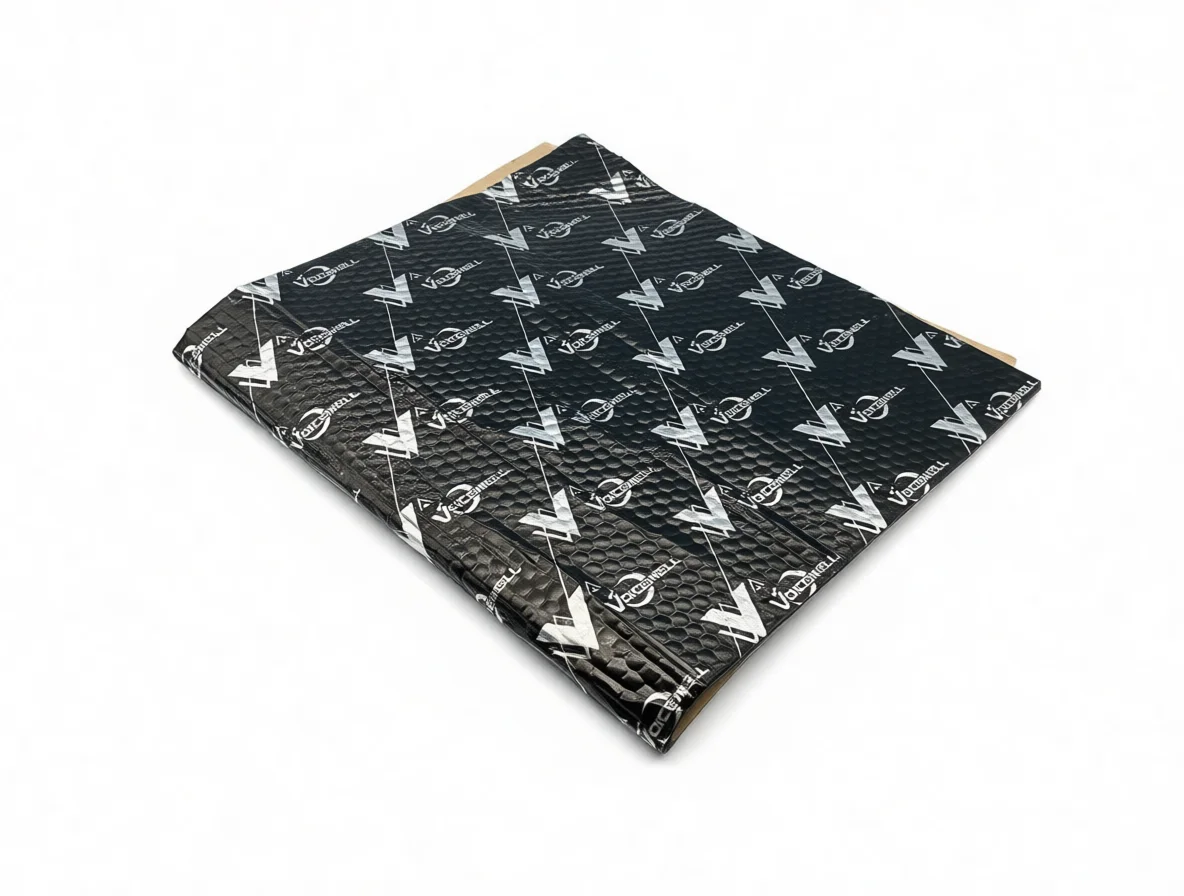
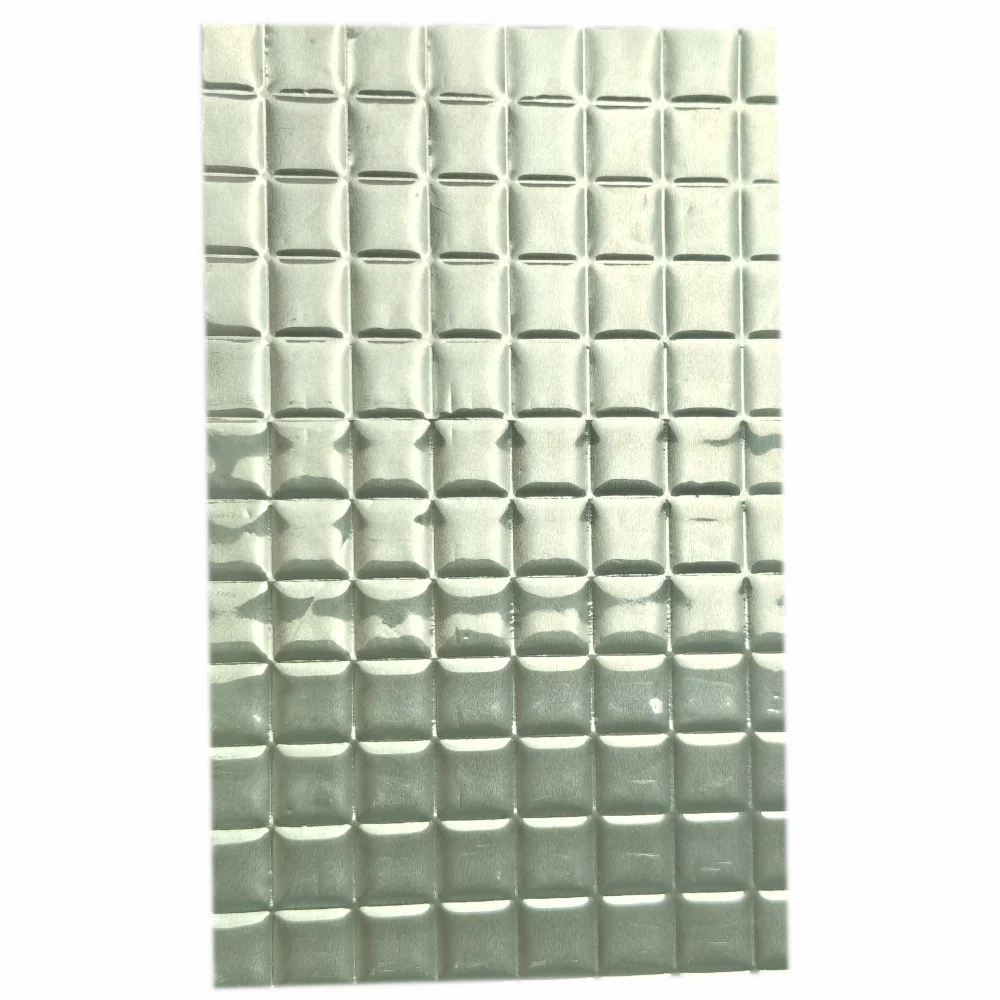
Furthermore, the rise of the premium automotive market in India has spiked the demand for specialized car sound deadening solutions. As consumers demand quieter cabins and better NVH (Noise, Vibration, and Harshness) levels, the integration of high-density rubber composites has become a standard requirement for tier-1 suppliers.
Evolution and Technical Trajectory of Vibration Control

From basic rubber blocks to precision-engineered synthetic polymers.

Market Development History

In the early 2000s, the Indian market relied primarily on generic natural rubber mounts. These were prone to rapid aging under the tropical sun and lacked the precise Shore hardness required for sophisticated machinery, leading to frequent equipment failure.

Between 2010 and 2020, there was a significant shift toward synthetic elastomers. The introduction of silicone rubber enabled applications in extreme temperature environments, particularly in the pharmaceutical and chemical processing plants across India.

Currently, the industry has entered the "Smart Damping" era, where materials are formulated based on specific frequency analysis. The focus has shifted from simple isolation to active energy dissipation, utilizing multi-layered composite structures.

Future Development Trends

Eco-friendly Thermoplastic Elastomers

Moving toward sustainable manufacturing by integrating recyclable polymers that maintain the high damping coefficients of traditional rubber.

Integration of Nano-composites

Enhancing the tear strength and oil resistance of mounts through graphene-augmented rubber matrices to support heavier industrial loads.

Customized Frequency Tuning

Utilizing AI-driven design to create mounts tailored to the specific vibration signatures of India's next-generation high-speed rail and energy infrastructure.

Industry Trends and Future Outlook for Rubber Engineering

Predicting the next shift in material science and industrial application.

Advanced Thermal Resistance
Development of polymers that remain stable up to 250°C to support India's heavy smelting and forging industries.
NVH Optimization
Precision engineering of sound-deadening layers to meet the rising luxury vehicle standards in urban centers.
Sustainable Elastomers
Transitioning to bio-based synthetic rubbers to align with India's green manufacturing initiatives.
Smart Damping Systems
Implementing sensors within rubber mounts for real-time structural health monitoring in infrastructure.

Industry Outlook

Based on search trends and industrial growth in South Asia, we anticipate a 15% CAGR in the demand for specialized rubber components. The focus will shift from "replacement" to "optimization," where companies invest in high-end materials to reduce long-term energy costs.

As India pushes for "Make in India" in the aerospace and defense sectors, the requirement for high-precision, aerospace-grade silicone and EPDM compounds will likely become the dominant market driver over the next five years.

Localized Applications of Rubber Damping in India

Solving real-world engineering challenges across diverse Indian industries.

01. Heavy Textile Machinery in Surat

Installation of high-load anti vibration pads under industrial looms to prevent structural resonance in multi-story factory buildings.

02. Automotive NVH Upgrade in Pune

Implementing advanced car sound deadening membranes in premium SUV models to isolate engine noise from the passenger cabin.

03. Chemical Processing Plants in Gujarat

Using chemically resistant silicone rubber seals and mounts to withstand corrosive environments and high-temperature steam.

04. Power Generation Infrastructure in Tamil Nadu

Deploying heavy-duty rubber anti vibration mounts for massive turbine generators to protect the foundation from low-frequency oscillations.

05. HVAC Systems for Commercial Hubs in Delhi

Utilizing epdm rubber material for outdoor chiller mounts to resist UV radiation and extreme heat during peak summer months.

Brand Story

Global Development Journey of Guangdong Sunlite Technology Co., Ltd.

Foundation and Vision

Established with a mission to solve the core problem of industrial instability, focusing on precision elastomer engineering.

Technical Breakthroughs

Pioneered the integration of hybrid synthetic materials to bridge the gap between durability and damping efficiency.

Global Market Expansion

Expanded operational footprints into Asia and Europe, adapting products to local climatic conditions and industrial standards.

Quality Certification

Achieved international certifications for automotive and industrial grade rubber, ensuring zero-defect delivery for global OEMs.

The Future of Damping

Now leading the transition toward smart, sustainable vibration control systems for the global industry 4.0 era.

Comprehensive Rubber Damping Portfolio for the Indian Market

From micro-precision seals to heavy-duty industrial isolators.

Common Queries on Vibration Control in India

Expert answers to technical challenges in rubber manufacturing.

Which material is best for high-temperature anti vibration pads in India?

For high-temperature environments, silicone rubber is the ideal choice due to its exceptional thermal stability and resistance to oxidation, far surpassing natural rubber.

How does epdm rubber material perform in monsoon humidity?

EPDM is highly resistant to water, ozone, and weathering, making it the perfect choice for outdoor installations in humid regions like Kerala or Maharashtra.

What is the lifespan of rubber anti vibration mounts in heavy industry?

Depending on the load and environment, high-grade synthetic mounts typically last 5-10 years, provided they are matched to the correct frequency and load.

Can car sound deadening be applied to electric vehicles (EVs)?

Yes, sound deadening is even more critical for EVs because the lack of engine noise makes road and wind noise more prominent to the passenger.

How to choose the right shore hardness for industrial pads?

Hardness should be selected based on the static load; higher hardness for heavier machinery to prevent bottoming out, and lower hardness for high-frequency isolation.

Do you provide custom molding for special rubber mounts in India?

Yes, we provide full OEM customization including material formulation, mold design, and precision casting to meet specific industrial blueprints.

Ready to Optimize Your Industrial Performance?

Our engineering team is ready to provide high-performance rubber solutions tailored for the specific challenges of India.

Contact Us Now

If you are interested in our products, you can choose to leave your information here, and we will be in touch with you shortly.

  • captcha