Welcome to the official website of Sunlite Tech
Specialist in Elastomer Applications
Best Solutions to NVH SINCE 1998

News

Industrial Noise Reduction Solutions with rubber anti vibration mounts in Turkey

High-performance damping and sealing technology engineered for Turkey's demanding manufacturing and automotive sectors, ensuring operational stability and acoustic excellence.

Industrial Noise Reduction Solutions with rubber anti vibration mounts in Turkey

We provide a comprehensive range of high-precision damping components, including specialized anti vibration pads and thermal-resistant seals, tailored to enhance the lifespan of heavy machinery in the Turkish industrial landscape.

Current State of Vibration Control in Turkey's Industrial Hubs

Analyzing the intersection of geographic demands and material science in the Eurasian bridge.

Turkey's industrial sector, particularly in cities like Istanbul, Kocaeli, and Bursa, faces unique challenges due to its diverse climate and high seismic activity. The demand for epdm rubber material has surged as manufacturers seek components that can withstand extreme UV exposure and temperature fluctuations characteristic of the Mediterranean and Anatolian regions.

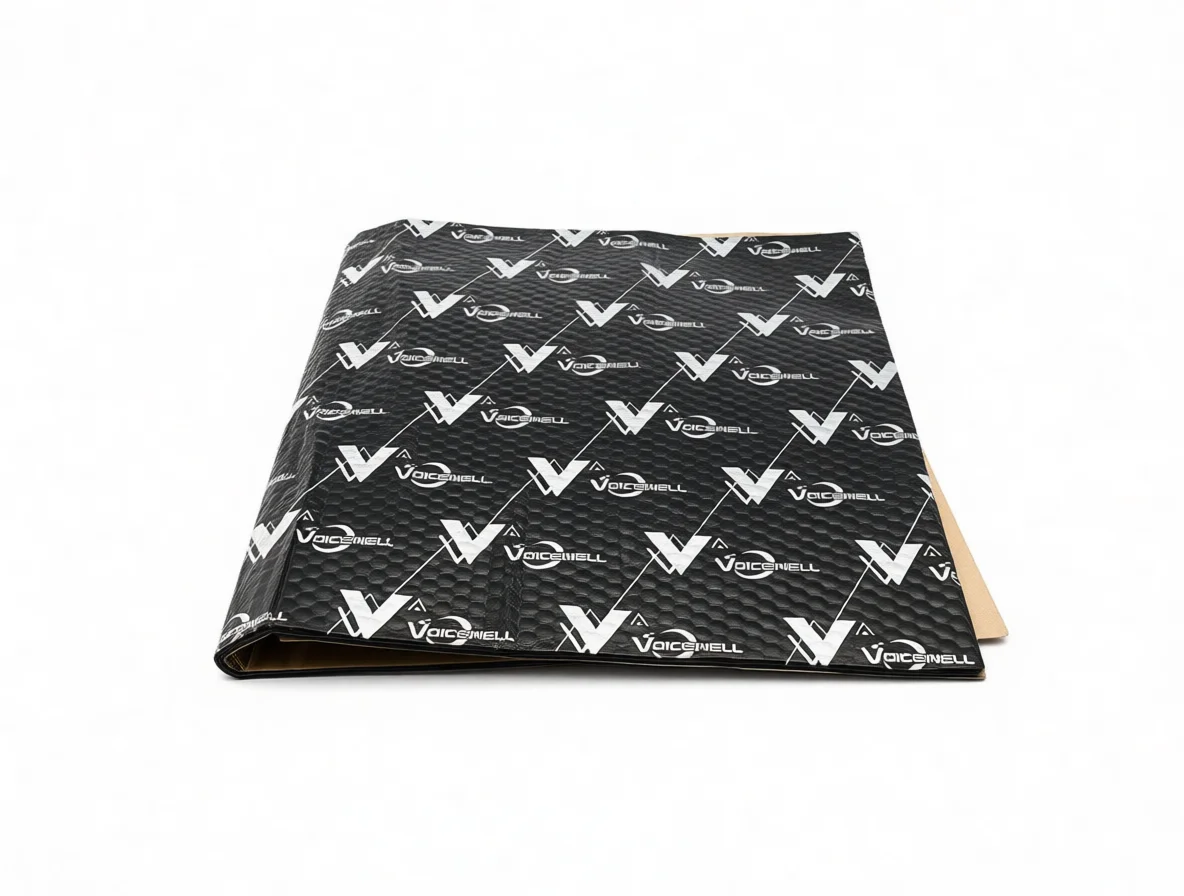
In the rapidly growing Turkish automotive cluster, there is a critical shift toward high-density car sound deadening materials. As the region transitions toward the production of electric vehicles (EVs), the absence of engine noise makes cabin acoustics more critical, forcing a transition from basic foams to advanced viscoelastic polymers.

Furthermore, the Turkish construction and heavy machinery industries are increasingly integrating silicone rubber for its superior chemical resistance and thermal stability. This is essential for sealing components used in the region's expanding geothermal energy plants and chemical processing facilities.
Evolution of Rubber Damping Technology in Turkey

From traditional natural rubber to high-performance synthetic polymers.

Market Development History

Until the early 2000s, the Turkish market relied heavily on generic natural rubber mounts. These provided basic support but suffered from rapid degradation under the salty coastal air and intense summer heat, leading to frequent maintenance cycles in the shipping and manufacturing sectors.

Between 2010 and 2020, a technical pivot occurred with the widespread adoption of EPDM and Nitrile compounds. This era marked the shift toward specialized rubber anti vibration mounts that offered specific Shore hardness levels and oil resistance, aligning with EU manufacturing standards for export-oriented Turkish factories.

Since 2021, the integration of "Smart Damping" has emerged. The focus has shifted from simple mass-damping to frequency-tuned solutions, utilizing advanced polymers that can neutralize specific harmonic vibrations found in high-speed CNC machinery and modern automotive chassis.

Future Development Trends

Sustainable Polymer Integration

Driven by the European Green Deal's influence on Turkey, we expect a surge in bio-based and recyclable rubber compounds that maintain the performance of traditional synthetics while reducing the carbon footprint.

Active Vibration Control

Integration of piezoelectric materials with traditional anti vibration pads to create adaptive systems that change stiffness based on real-time sensor data.

Nano-Composite Materials

The application of graphene-enhanced rubber to increase tear strength and thermal conductivity, particularly for high-load industrial mounts in Turkey's mining sector.

Industrial Trends and Future Outlook for Turkey

Strategic forecasting for the rubber and plastic sealing industry.

EV Acoustic Optimization
Expanding the use of car sound deadening for the Turkish electric vehicle production lines to ensure premium cabin silence.
High-Temp Resilience
Increasing adoption of silicone rubber for industrial ovens and textile machinery in Turkey's garment hubs.
Weatherproof Sealing
Advanced epdm rubber material formulations to resist the high salinity of Black Sea and Aegean coastal ports.
Seismic Damping
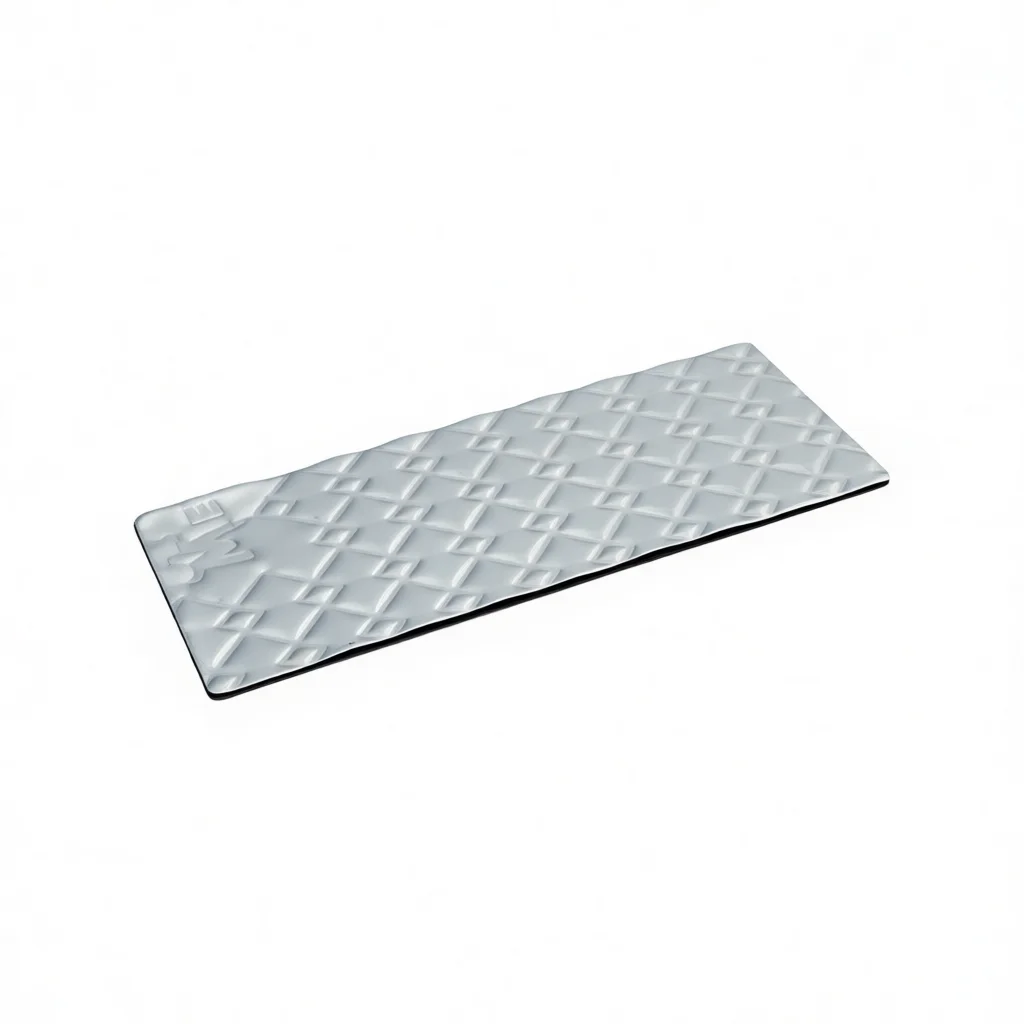
Custom-engineered anti vibration pads designed for earthquake-prone industrial zones in Turkey.

Industry Outlook

Based on Google search trends in the Asia-Turkey region, there is a marked increase in queries related to "industrial noise pollution" and "high-temp rubber seals." This suggests that Turkish factories are moving beyond basic functionality toward stringent environmental and occupational health standards.

Over the next 3-5 years, we project that the market will shift toward "Systemic Isolation." Instead of replacing single mounts, companies will invest in holistic vibration management plans that combine material science with structural engineering to optimize machine efficiency.

Localized Application Scenarios in Turkey

Real-world deployments of specialty rubber products across various Turkish sectors.

01. Bursa Automotive Assembly Lines

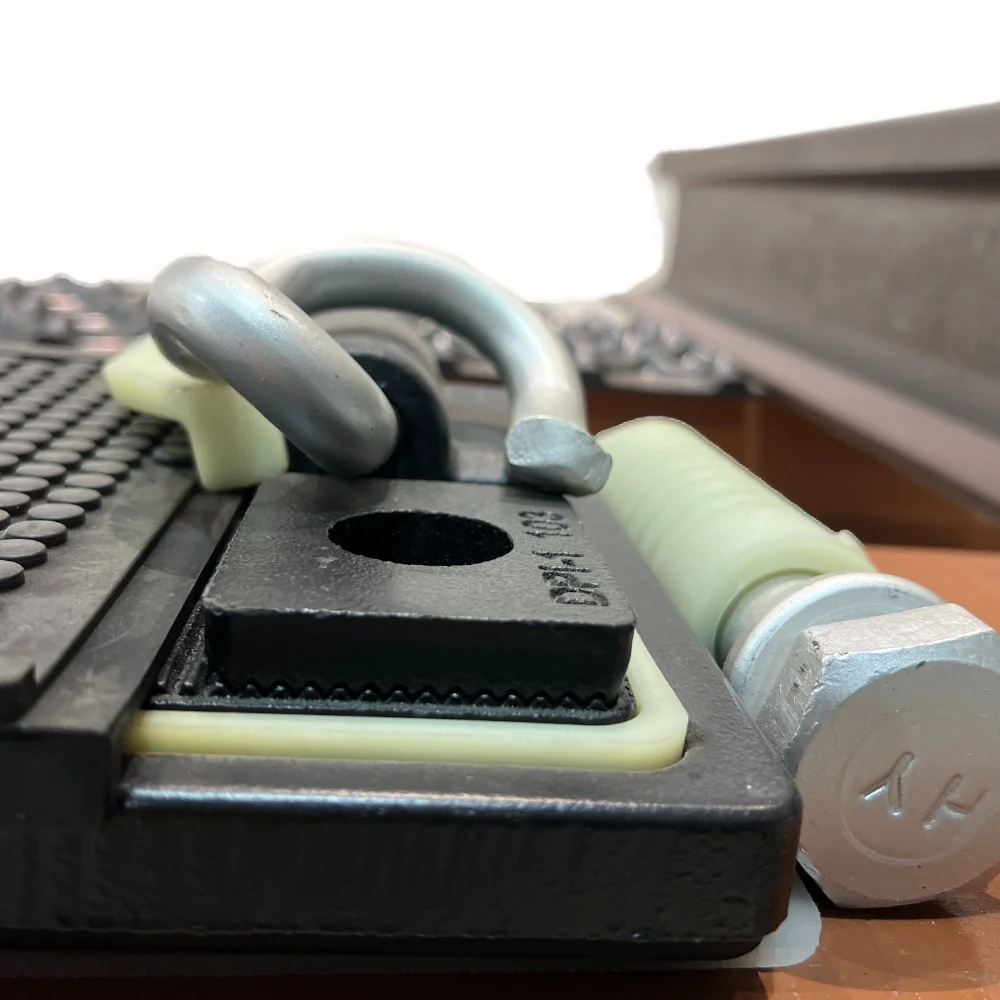
Implementing high-precision rubber anti vibration mounts for robotic arms and conveyor systems to reduce structural fatigue and improve assembly accuracy.

02. Istanbul Port Logistics Equipment

Utilizing epdm rubber material for heavy-duty bumpers and seals on gantry cranes, providing essential resistance against salt-spray corrosion and UV degradation.

03. Anatolian Textile Machinery

Installing customized anti vibration pads under high-speed looms to prevent vibration transmission to the factory floor, reducing noise and worker fatigue.

04. Turkish EV Start-up Prototypes

Applying advanced car sound deadening layers in the floor and door panels of electric vehicles to eliminate high-frequency road noise.

05. Izmir Chemical Processing Plants

Deploying silicone rubber gaskets and seals for acid-resistant piping systems, ensuring zero-leakage in hazardous chemical environments.

Brand Story

Global Development Journey of Guangdong Sunlite Technology Co., Ltd.

Foundational Innovation

Established with a mission to solve the core failure points of industrial rubber components, focusing on material purity and precise Shore hardness control.

Technical Expansion

Developed proprietary blending techniques for EPDM and Silicone, allowing us to create rubber that survives the most hostile industrial environments.

Global Certification

Achieved international quality standards (ISO/IATF), enabling our expansion into the European and Asian automotive supply chains.

Market Localization

Launched targeted solutions for the Turkish market, adapting our formulas to meet the specific climatic and seismic needs of the region.

Future Vision

Leading the transition toward eco-friendly, smart-damping materials to drive the next generation of sustainable manufacturing.

Integrated Rubber Solutions Portfolio for Turkey

A complete range of damping, sealing, and acoustic products designed for Eurasian industrial standards.

Turkey Industrial Rubber FAQ

Expert answers to common technical questions regarding vibration and sealing.

How do I choose the right anti vibration pads for seismic zones in Turkey?

For seismic zones, you need pads with a high damping ratio and specific load-bearing capacity. We recommend a combination of high-density EPDM and natural rubber composites to absorb both low-frequency seismic waves and high-frequency machine vibrations.

Is silicone rubber better than EPDM for high-temperature textile machines?

Yes, for temperatures exceeding 120°C, silicone rubber is superior due to its exceptional thermal stability. However, for outdoor applications with high UV exposure and mechanical wear, EPDM is often the more cost-effective and durable choice.

What is the most effective car sound deadening method for EV cabins?

The most effective method is a layered approach: using a butyl-based damping sheet to stop panel resonance, followed by a closed-cell foam layer for airborne noise insulation, ensuring a premium, quiet ride.

Can rubber anti vibration mounts be customized for specific machine frequencies?

Absolutely. By adjusting the rubber compound's hardness (Shore A) and the geometry of the mount, we can tune the natural frequency of the isolator to avoid resonance with your specific equipment.

How does epdm rubber material resist corrosion in Turkish coastal ports?

EPDM is chemically saturated, meaning it lacks the double bonds that ozone and salt attack. This makes it virtually immune to the oxidative stress found in port environments like Izmir or Istanbul.

What is the expected lifespan of industrial vibration pads in heavy manufacturing?

Depending on the load and environment, high-quality synthetic rubber pads typically last 3-7 years. Regular inspection for "compression set" or cracking is recommended to prevent machinery misalignment.

Get Expert Engineering Support

Ready to optimize your industrial vibration control? Contact our specialists for tailored solutions in Turkey.

Contact Us Now

If you are interested in our products, you can choose to leave your information here, and we will be in touch with you shortly.

  • captcha