Welcome to the official website of Sunlite Tech
Specialist in Elastomer Applications
Best Solutions to NVH SINCE 1998

News

Advanced Industrial rubber anti vibration mounts Solutions for the UK Market

Precision-engineered damping and sealing components designed to withstand the rigorous industrial standards of the United Kingdom.

Advanced Industrial rubber anti vibration mounts Solutions for the UK Market

Providing high-performance vibration isolation and sealing technologies tailored for UK's heavy machinery, automotive, and aerospace sectors using premium materials.

Current Landscape of Rubber Damping in the United Kingdom

Analyzing the intersection of UK environmental regulations and industrial vibration control.

The UK industrial sector currently faces stringent noise pollution regulations and a high demand for energy efficiency. The adoption of high-grade epdm rubber material has become standard due to its exceptional resistance to the damp, salty air of coastal regions and the fluctuating temperatures of the British climate, ensuring long-term durability for outdoor installations.

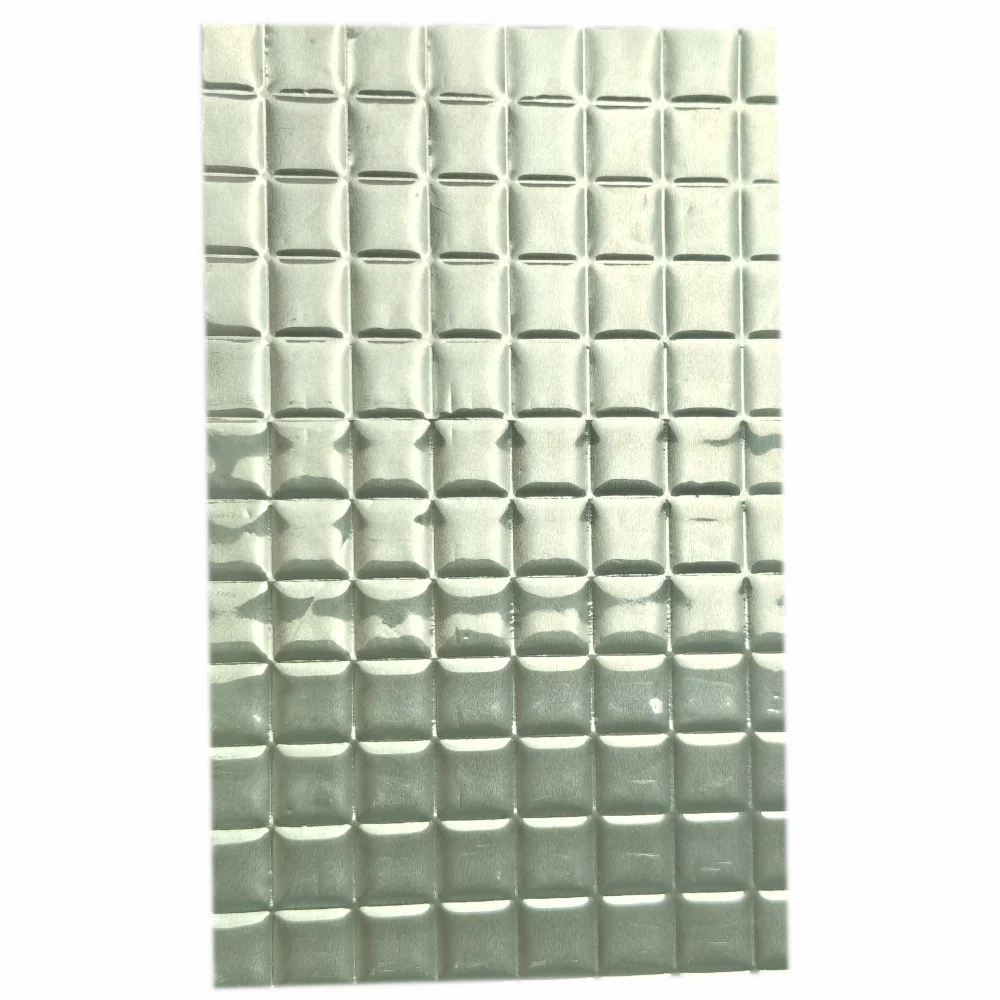
In the automotive hub of the Midlands, there is a critical shift towards enhancing cabin quietness. This has led to a surge in the integration of advanced car sound deadening technologies, as manufacturers strive to meet the luxury standards and NVH (Noise, Vibration, and Harshness) requirements of modern electric vehicles.

Furthermore, the UK's precision engineering firms are increasingly relying on silicone rubber for high-temperature seals and medical-grade damping, driven by the growth of the biotech corridors in Cambridge and Oxford, where stability and chemical inertness are non-negotiable.
Evolution and Technical Trajectory of Vibration Control

From basic rubber blocks to intelligent damping systems.

Market Development History

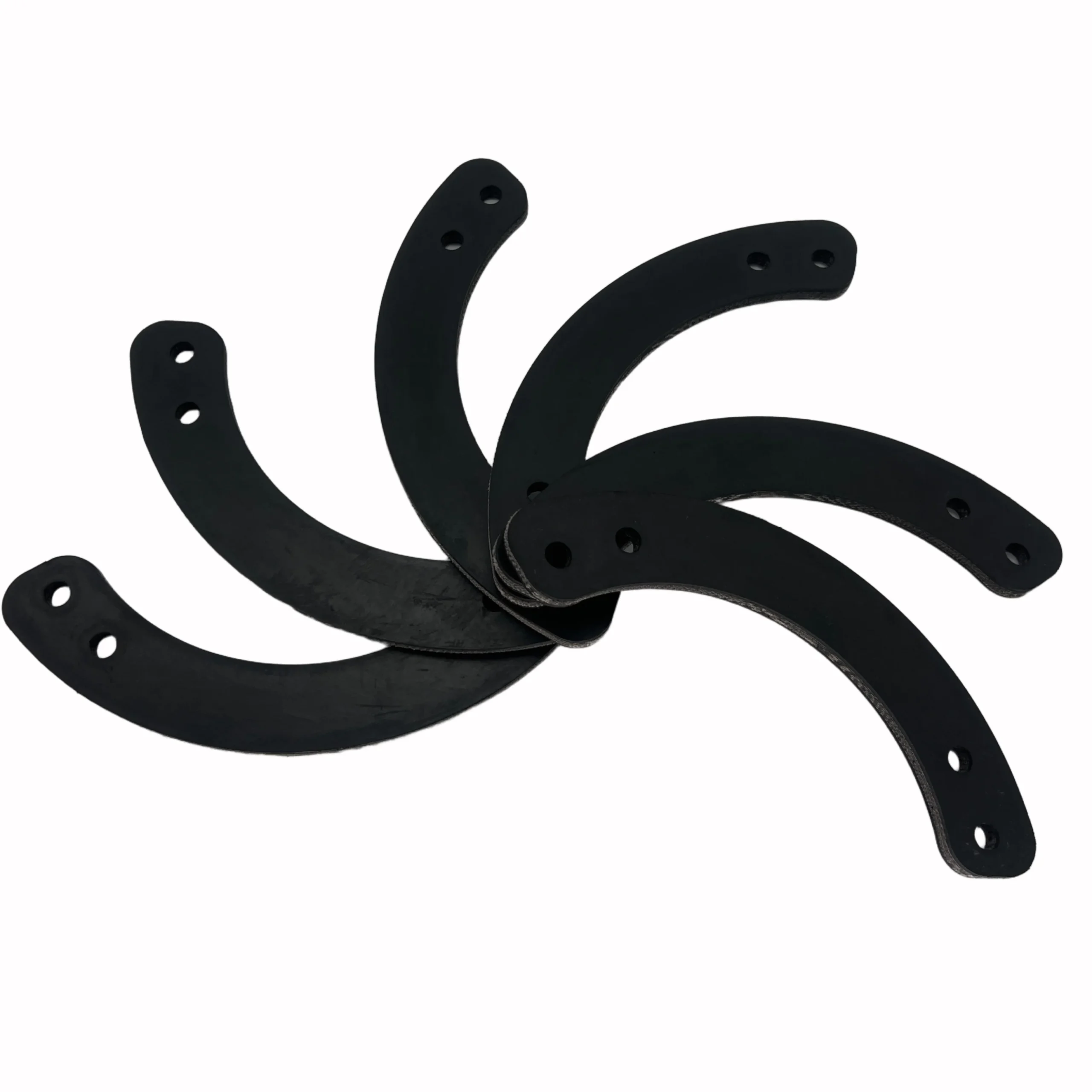
During the early industrial era (1950s-1980s), the UK relied heavily on natural rubber for basic isolation. The focus was purely on structural support, with simple anti vibration pads used to prevent machine walking in textile and steel mills.

The transition period (1990s-2010s) saw the introduction of synthetic polymers. The shift to EPDM and Nitrile allowed for better oil and ozone resistance, enabling rubber components to survive the harsh environments of North Sea oil rigs and advanced automotive assembly lines.

Entering the modern era (2015-Present), the focus has shifted to "precision damping." The use of computer-aided design (CAD) and finite element analysis (FEA) now allows for the creation of mounts that target specific frequency ranges to eliminate resonance entirely.

Future Development Trends

Sustainable Bio-Polymers

Driven by the UK's Net Zero 2050 goal, we are seeing a trend toward biodegradable and recyclable elastomers that maintain the mechanical properties of traditional rubber.

Smart Adaptive Damping

The integration of sensors within mounts to provide real-time data on wear and tear, allowing for predictive maintenance in critical infrastructure.

Nano-Composite Materials

The use of graphene-enhanced rubber to increase the load-bearing capacity while reducing the overall mass of the damping system.

Future Trends and Industry Outlook

Strategic forecasting for the special rubber manufacturing sector.

Green Manufacturing
Adopting closed-loop recycling for EPDM and silicone to meet UK environmental standards.
EV-Specific Damping
Developing lightweight mounts for electric drivetrains to maximize battery range.
Precision Molding
Using 3D-printed molds for rapid prototyping of complex sealing geometries.
Smart Monitoring
Integrating IoT sensors into mounts to detect structural fatigue in bridges.

Industry Outlook

Google search trends indicate a significant rise in queries for "eco-friendly industrial rubber" within the UK, suggesting that the market is moving away from carbon-heavy production methods toward sustainable elastomers.

Over the next 3-5 years, we expect a convergence of material science and digital twinning, where the specific dampening properties of a mount are simulated digitally before being manufactured to ensure zero-defect integration.

Localized Application Scenarios in the United Kingdom

Real-world deployment of special rubber solutions across UK industries.

01. London Underground Infrastructure

Installation of heavy-duty vibration isolation systems to reduce ground-borne noise and vibration in deep-level tube tunnels, protecting surrounding historical buildings.

02. Midlands Automotive EV Plants

Implementation of high-performance sound deadening and vibration mounts for new electric vehicle assembly lines, ensuring premium acoustic comfort for the end-user.

03. North Sea Oil & Gas Platforms

Using extreme-grade EPDM seals and mounts that resist saltwater corrosion and high-pressure environments for critical offshore pumping equipment.

04. Aerospace Hubs in Derby

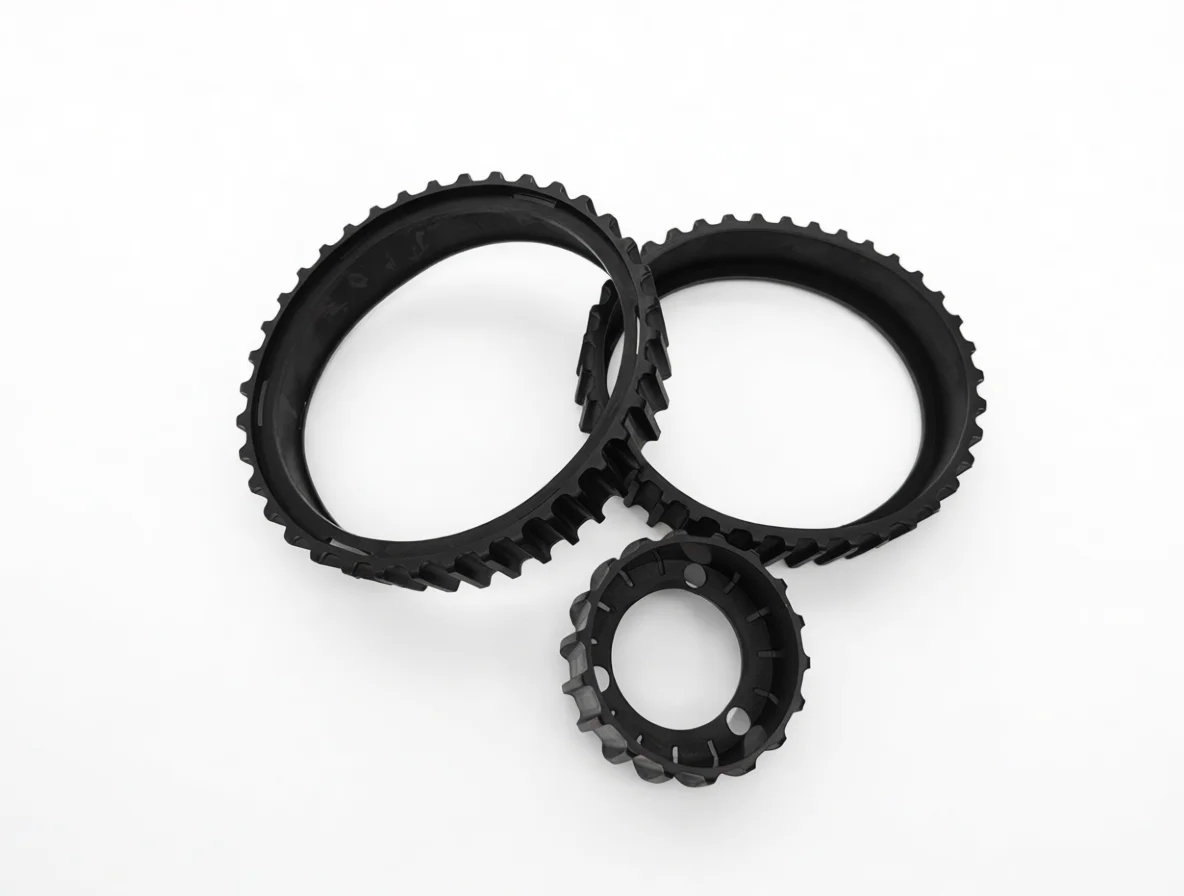
Precision silicone rubber gaskets for jet engine components that require stability at extreme temperature ranges and high chemical resistance.

05. Scottish Wind Turbine Foundations

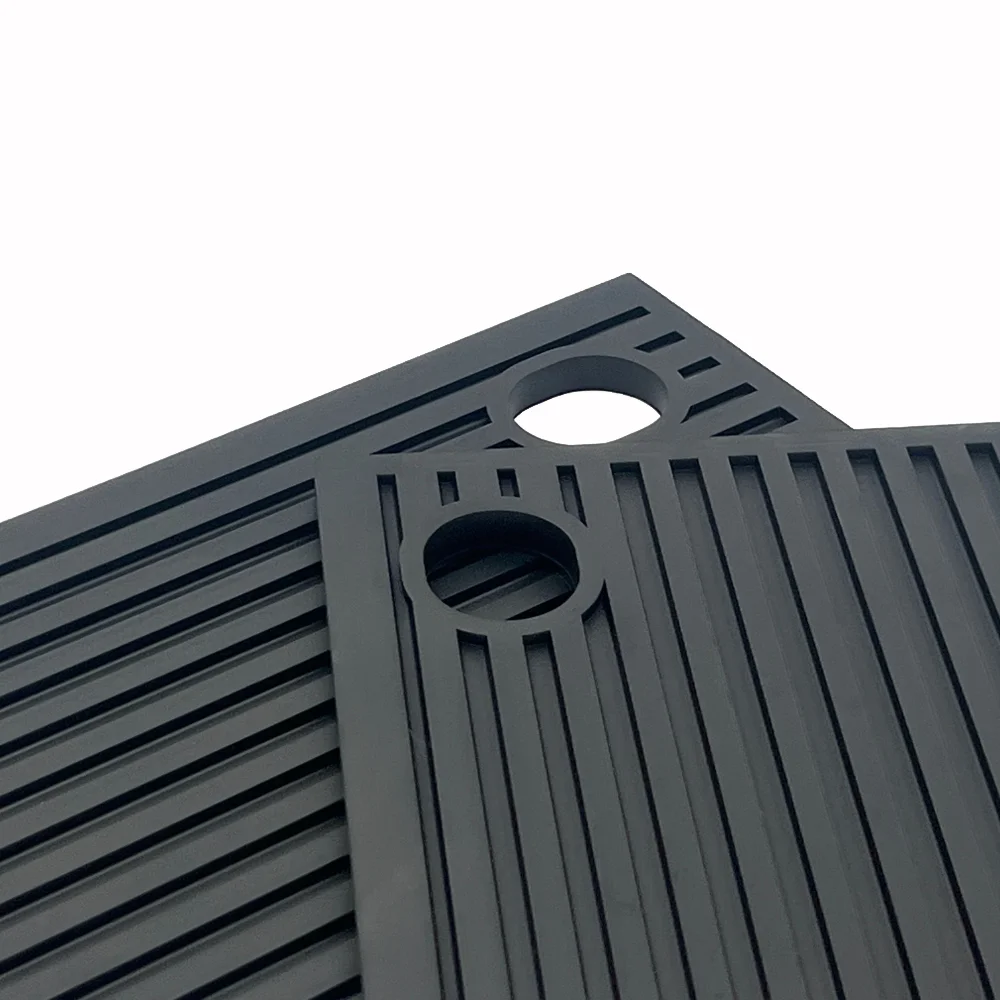
deployment of oversized anti-vibration pads at the base of onshore turbines to mitigate structural fatigue caused by constant wind-induced oscillation.

Brand Story

Global Development History of Guangdong Sunlite Technology Co., Ltd.

Foundation and Vision

Established with a mission to solve the most complex vibration and sealing challenges in the rubber industry through material innovation.

Technical Breakthroughs

Developing proprietary compounding techniques for EPDM and Silicone, significantly extending the lifespan of industrial mounts in harsh environments.

Global Expansion

Expanding our footprint into the European and UK markets, tailoring products to meet ISO and REACH environmental certifications.

Industry Leadership

Becoming a trusted partner for Fortune 500 automotive and aerospace companies by providing customized damping solutions.

Commitment to Future

Investing in R&D for sustainable elastomers to lead the transition toward a greener, quieter industrial future.

Complete Rubber Damping Portfolio for the UK Market

A comprehensive range of specialized rubber products designed for British industrial precision.

UK Industrial Rubber Solutions FAQ

Answers to common technical queries from our British partners.

How do I choose the right epdm rubber material for outdoor UK weather?

For the UK's high humidity and ozone exposure, we recommend EPDM with a specific peroxide cure for enhanced heat and weather resistance, ensuring the material doesn't crack during winter freezes.

What is the best way to apply car sound deadening in luxury EVs?

A multi-layered approach is best: using a butyl-based dampening sheet for vibration and a closed-cell foam layer for acoustic absorption, targeting the wheel wells and floor pan.

Can silicone rubber withstand the temperatures of aerospace engines?

Yes, our high-consistency silicone rubber (HCR) is designed to maintain mechanical properties from -60°C up to +250°C, making it ideal for aerospace sealing.

How often should industrial anti vibration pads be replaced?

Depending on the load and frequency, we typically recommend an inspection every 24 months. Signs of "settling" or visible cracking indicate that the damping efficiency has dropped.

What makes your rubber anti vibration mounts superior for heavy machinery?

Our mounts use a precision-bonded metal-to-rubber process that prevents delamination under high shear loads, providing superior stability compared to generic mounts.

Do your rubber products comply with UK REACH regulations?

Absolutely. All our materials, including our special elastomers, are fully compliant with UK REACH and RoHS standards to ensure safety and environmental sustainability.

Get Expert Engineering Support

Contact our technical team for customized damping and sealing solutions delivered across the United Kingdom.

Contact Us Now

If you are interested in our products, you can choose to leave your information here, and we will be in touch with you shortly.

  • captcha