Select Language
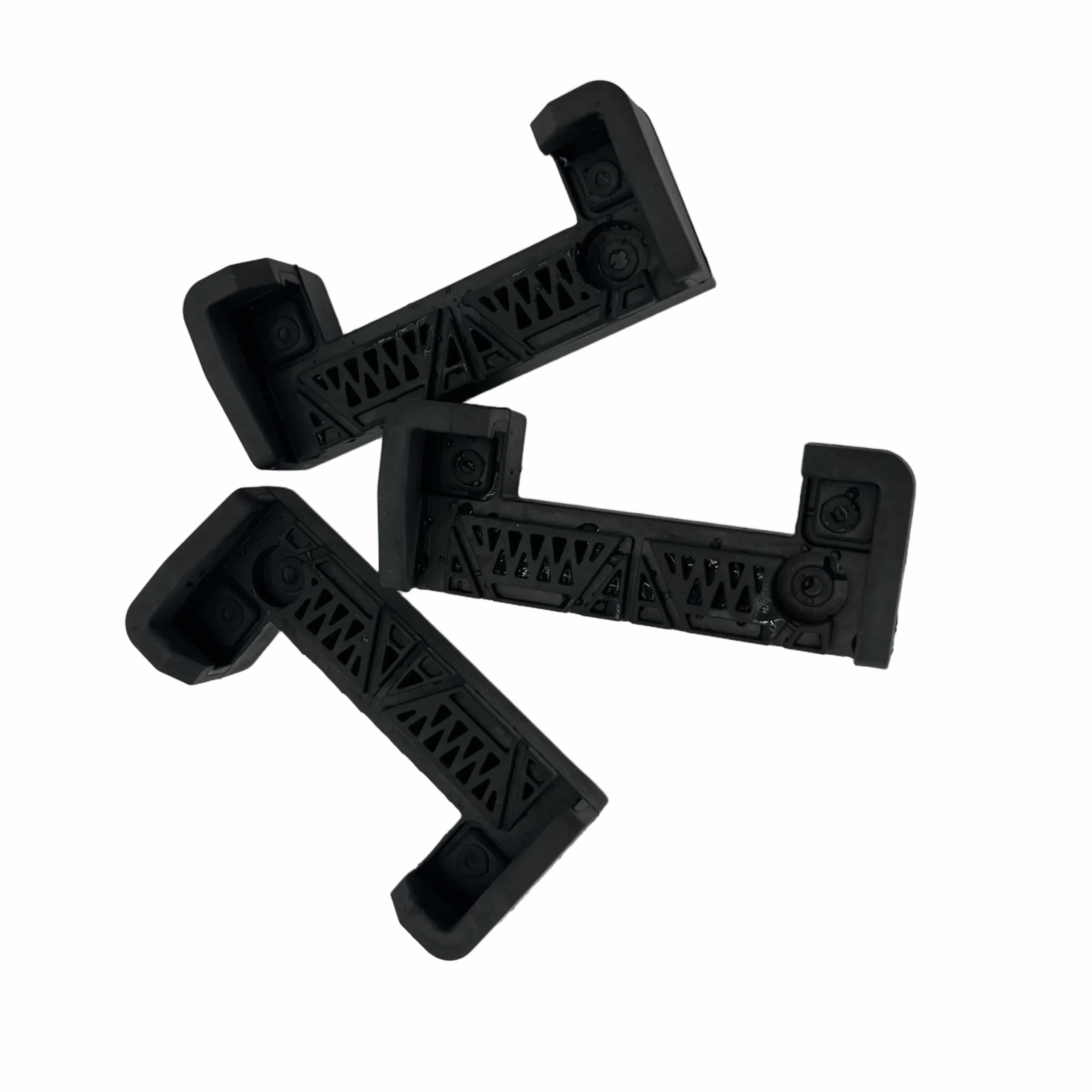
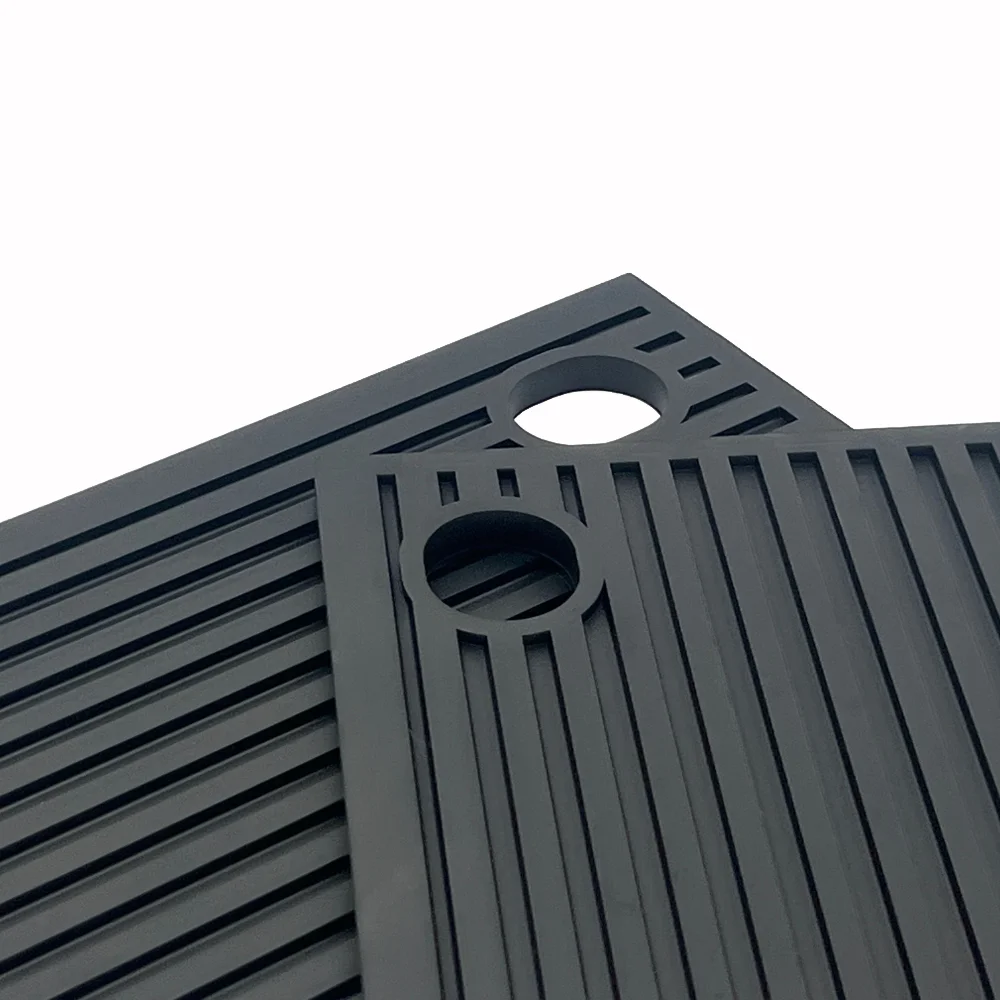
Japan's manufacturing sector operates under extreme precision and strict noise pollution regulations. The widespread use of anti vibration pads is not merely a preference but a necessity for protecting high-end CNC machinery and semiconductor equipment from micro-vibrations and seismic interference.
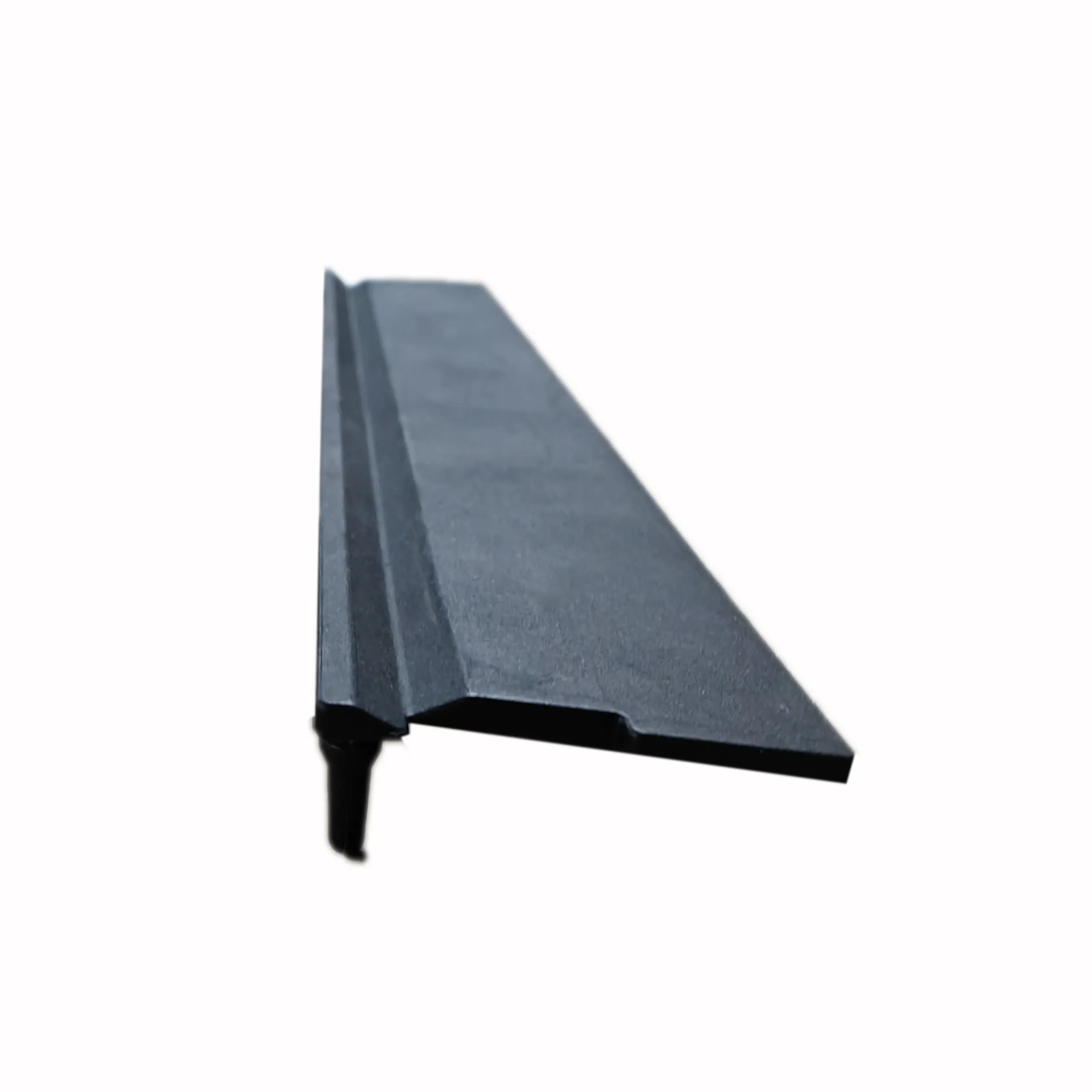
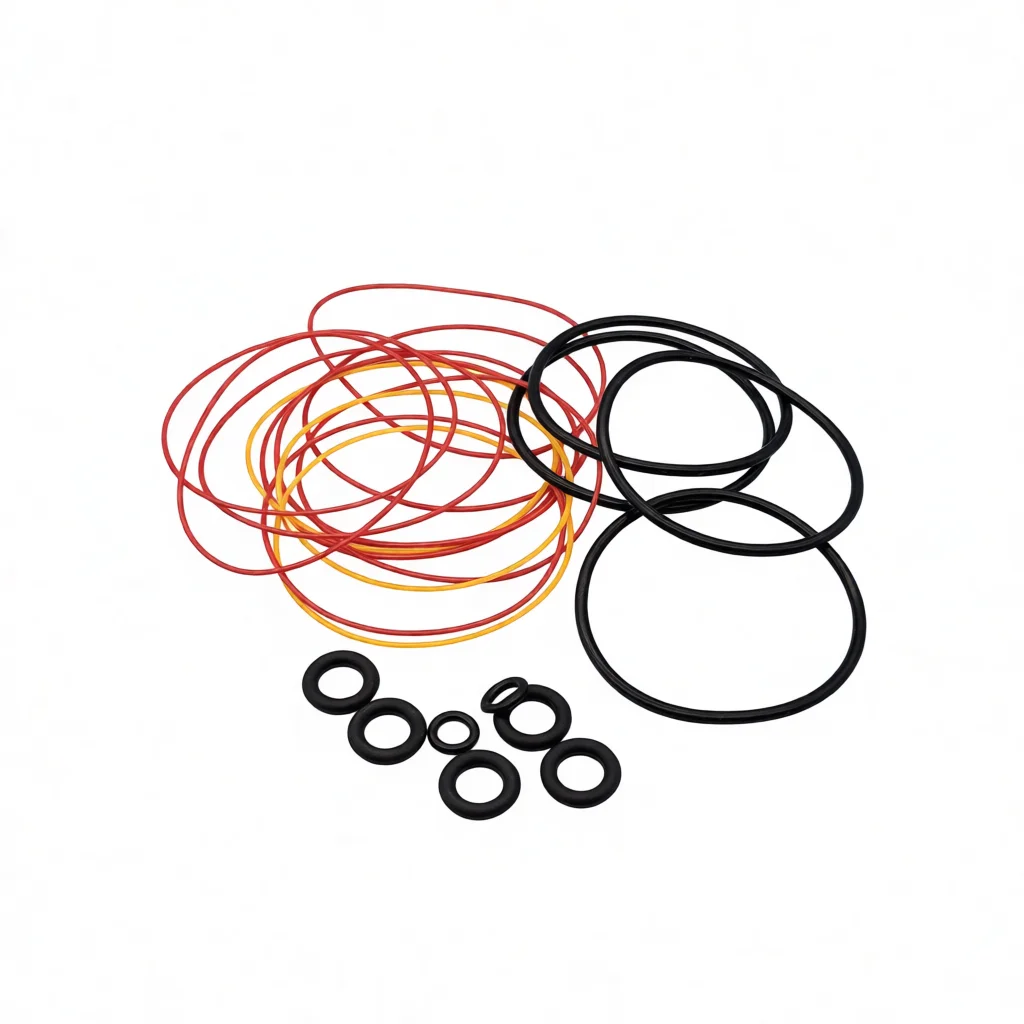
Environmental factors, including high humidity and saline coastal air, drive the demand for epdm rubber material. This material is preferred in Japan for its exceptional ozone resistance and weathering capabilities, ensuring that outdoor infrastructure and automotive components maintain their integrity over decades.
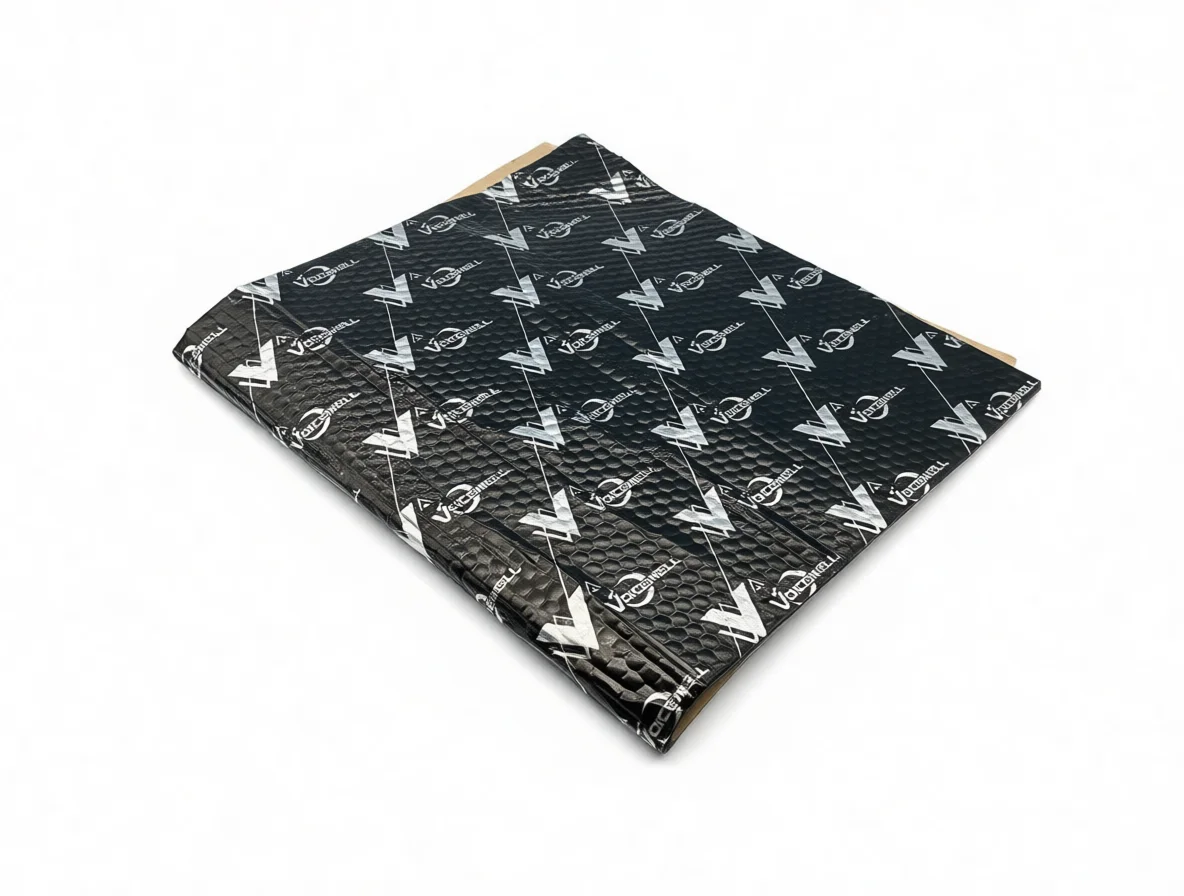
Furthermore, the Japanese automotive industry continues to push the boundaries of NVH (Noise, Vibration, and Harshness) reduction. The integration of high-grade car sound deadening materials has become a competitive benchmark for luxury vehicle manufacturers in Tokyo and Nagoya.