Welcome to the official website of Sunlite Tech
Specialist in Elastomer Applications
Best Solutions to NVH SINCE 1998

News

Precision Engineering for rubber anti vibration mounts in the Netherlands

Advanced noise reduction and vibration isolation solutions tailored for Dutch industrial standards and extreme climate resilience.

Precision Engineering for rubber anti vibration mounts in the Netherlands

Providing high-performance damping solutions using premium epdm rubber material and silicone composites to ensure structural stability for the Dutch manufacturing sector.

Industrial Damping Landscapes in the Netherlands

Analyzing the demand for high-durability sealing and vibration control in Western Europe.

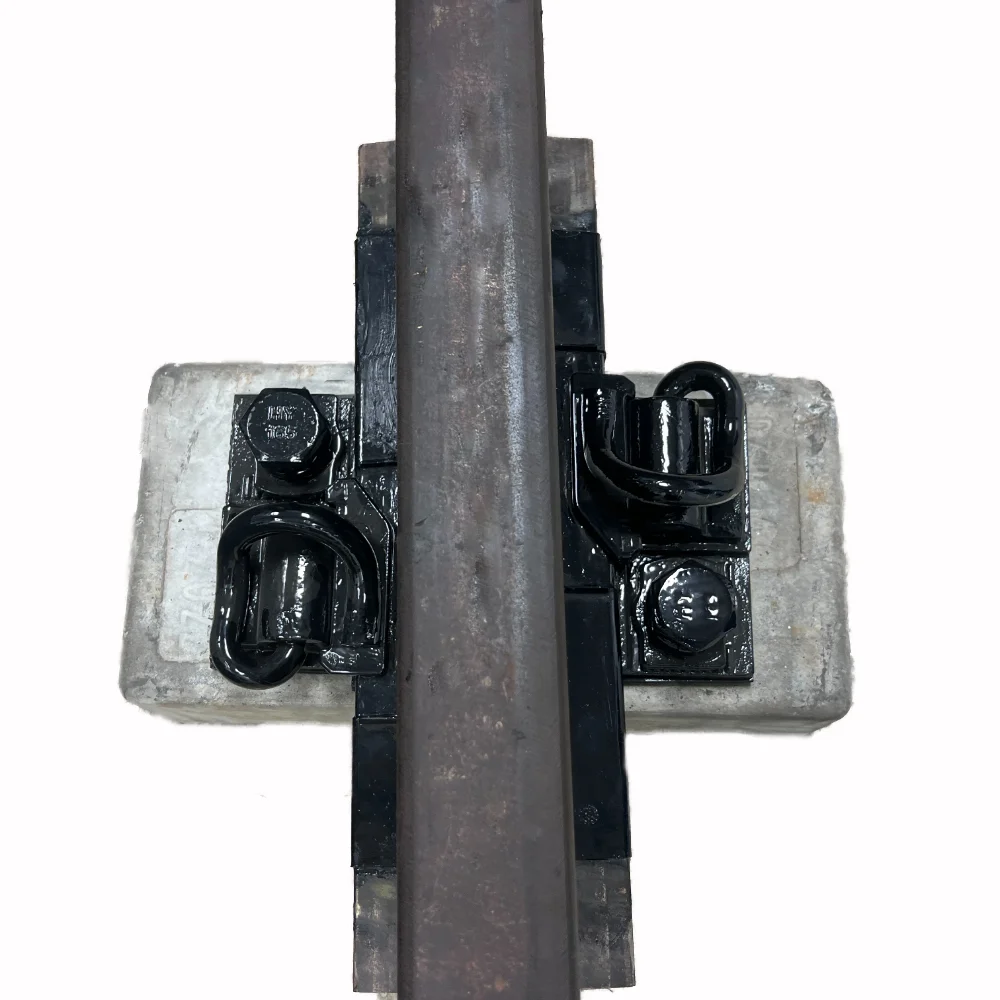
The Netherlands, characterized by its soft soil and high density of industrial ports like Rotterdam, faces unique challenges regarding structural resonance. The widespread use of anti vibration pads is critical here to prevent machinery vibrations from propagating through the unstable ground, which could otherwise jeopardize the integrity of surrounding infrastructure.

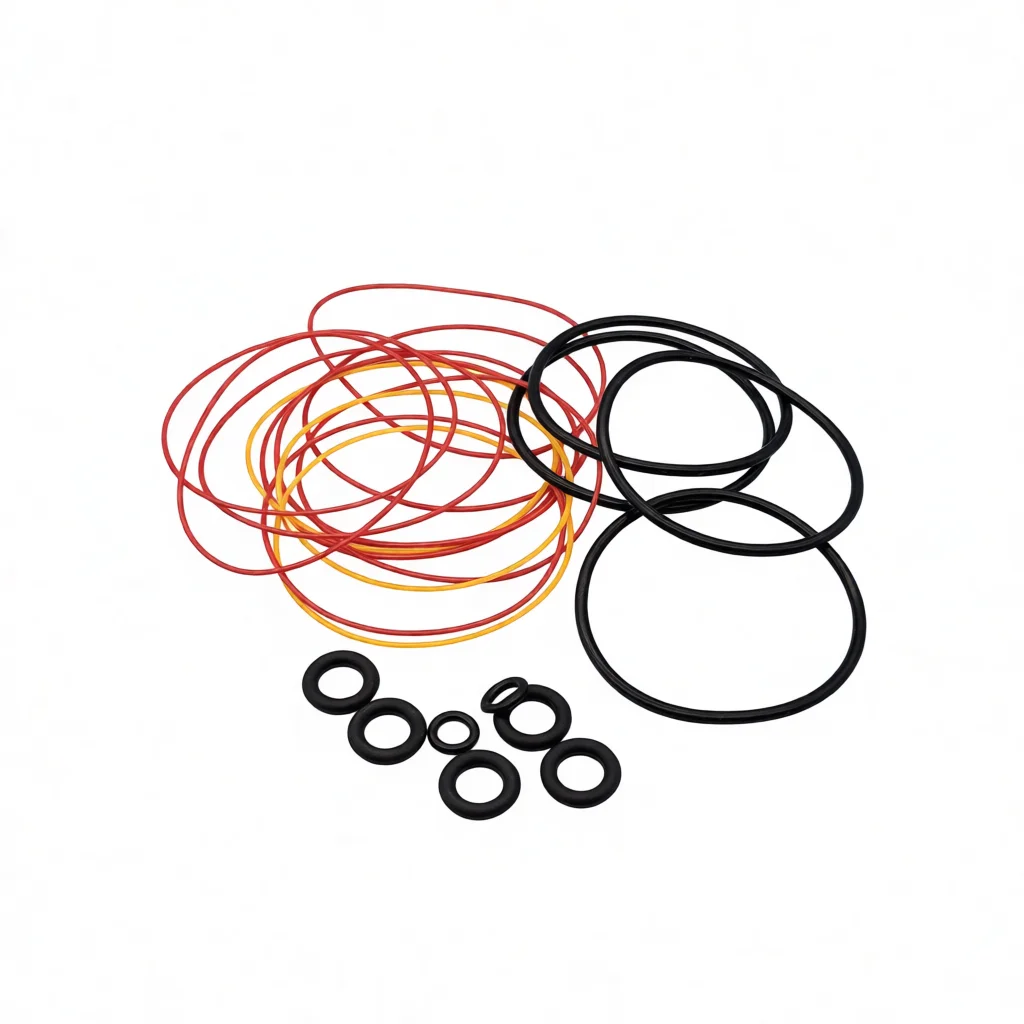
Due to the humid maritime climate and exposure to saline air, the demand for epdm rubber material has surged. This material's superior resistance to ozone and UV radiation makes it the gold standard for outdoor industrial sealing and mounting in the Dutch region, ensuring long-term operational safety.

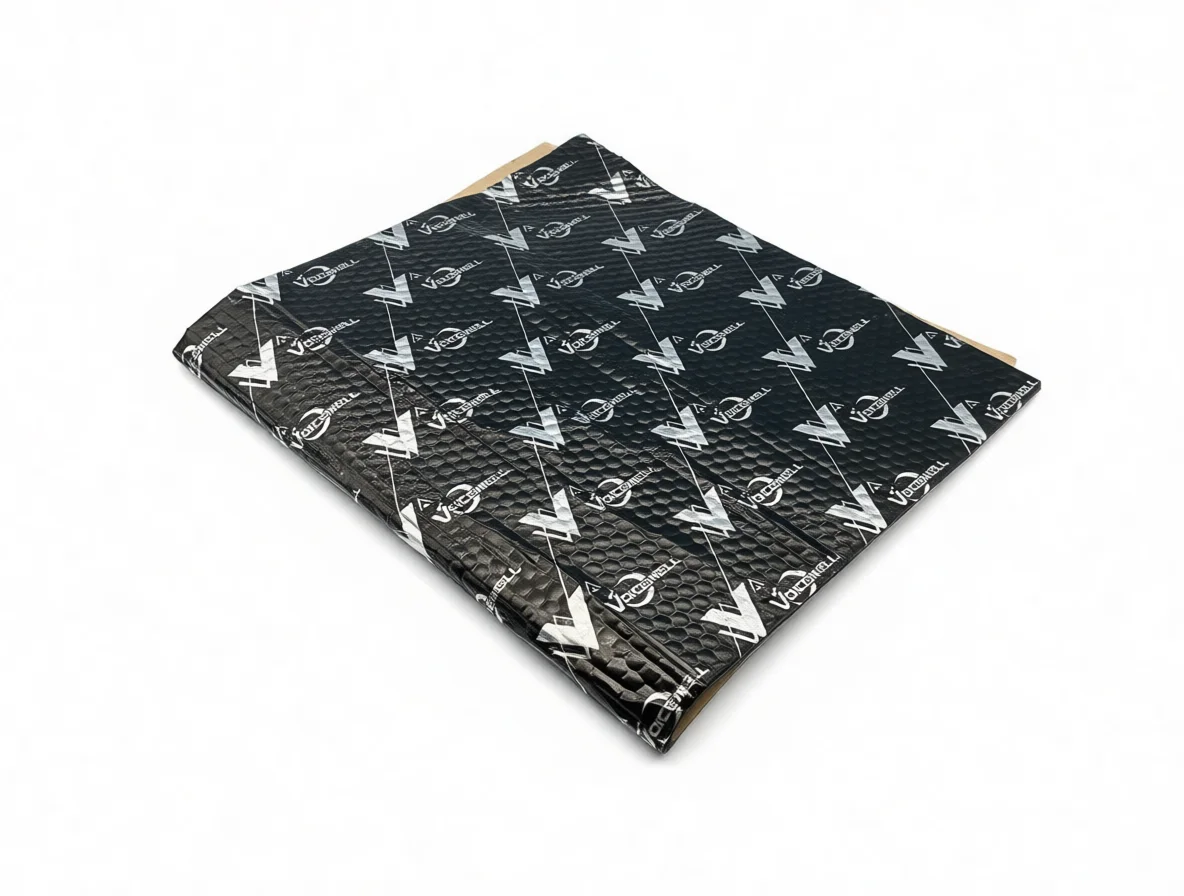
Furthermore, the Dutch automotive aftermarket is increasingly focusing on premium cabin comfort. The integration of advanced car sound deadening technologies is no longer a luxury but a requirement for high-end electric vehicle (EV) conversions and luxury fleet upgrades across the country.
Evolution of Vibration Control Technology

From basic rubber blocks to intelligent polymer engineering.

Market Development History

In the early 1990s, the Dutch industry relied heavily on standard natural rubber. However, these materials often failed under the thermal fluctuations of the North Sea climate, leading to premature degradation and frequent replacement cycles.

Between 2005 and 2015, there was a strategic shift toward synthetic elastomers. The adoption of silicone rubber allowed for higher temperature tolerance and better biocompatibility, expanding the application of damping products into the medical and food processing sectors in the Netherlands.

From 2018 to the present, the focus has transitioned to "precision damping." Modern rubber anti vibration mounts now incorporate Finite Element Analysis (FEA) to optimize the shore hardness and geometry for specific frequency ranges.

Future Development Trends

Bio-based Polymer Integration

Driven by the EU Green Deal, there is a significant shift toward sustainable elastomers that reduce the carbon footprint without sacrificing the damping coefficient.

Smart Active Damping

The integration of sensors into rubber mounts to provide real-time feedback on structural stress, moving from passive isolation to active vibration management.

Hybrid Composite Materials

Combining the resilience of EPDM with the precision of silicone to create multi-layered pads that can handle both high-frequency noise and low-frequency shock.

Future Prospects of Rubber Engineering

Strategic forecasting for the next 3-5 years in the Dutch market.

Carbon Neutral Manufacturing
Implementation of closed-loop recycling for EPDM and silicone waste to meet Netherlands' strict environmental regulations.
EV-Specific Damping
Developing ultra-low frequency absorption materials for electric drivetrains to eliminate high-pitched humming.
Additive Manufacturing
Utilizing 3D printing for complex internal lattice structures in silicone mounts for targeted damping.
Extreme Weather Resilience
Developing polymers specifically resistant to the high-salinity and moisture levels of the Dutch coast.

Industry Outlook

Based on current search trends and industrial growth in the Randstad region, the demand for high-performance anti vibration pads is expected to grow by 4.2% annually. This is driven by the modernization of logistics hubs and the stringent noise pollution laws in Dutch urban areas.

The transition toward the "Circular Economy" will force manufacturers to move away from non-recyclable rubber blends, favoring high-purity silicone and EPDM that can be reclaimed and reprocessed without significant loss of mechanical properties.

Localized Application Scenarios in the Netherlands

Real-world deployments of our specialized rubber solutions across Dutch industries.

1. Port of Rotterdam Heavy Machinery

Deployment of heavy-duty rubber anti vibration mounts for container cranes to mitigate shock loads and reduce structural fatigue during high-intensity loading operations.

2. Amsterdam Urban Data Centers

Installation of precision anti vibration pads under cooling towers and backup generators to prevent noise complaints and structural resonance in dense city centers.

3. Dutch Automotive Customization

Application of multi-layer car sound deadening materials in luxury EV retrofits to eliminate road noise and enhance the quiet-cabin experience.

4. Greenhouse Automation Systems

Use of silicone rubber seals and mounts in the Westland greenhouse cluster, ensuring resistance to high humidity and agricultural chemicals.

5. Offshore Wind Energy Infrastructure

Utilizing epdm rubber material for cable seals and vibration isolation in North Sea wind turbine foundations to withstand salt spray and extreme wind loads.

Brand Story

Global Development Journey of Guangdong Sunlite Technology Co., Ltd.

Foundational Excellence

Established with a focus on polymer science, we began by solving the most basic damping failures in industrial machinery through rigorous material testing.

Material Innovation

We pioneered the integration of hybrid EPDM and silicone blends, allowing our clients to achieve custom hardness and temperature resistance levels.

Global Expansion

Expanding our footprint into Europe, we localized our engineering standards to meet the stringent EU REACH and RoHS certifications.

Precision Engineering

Investing in state-of-the-art molding technology, we reduced tolerances to microns, enabling the creation of high-precision mounts for the automotive sector.

Sustainable Future

Our current mission is to lead the transition to bio-based rubber, ensuring that vibration control does not come at the cost of the planet.

Complete Rubber Solution Portfolio for the Netherlands

A comprehensive range of vibration isolation and sealing products engineered for Dutch industrial excellence.

Common Industrial Inquiries in the Netherlands

Technical answers to the most frequent questions regarding rubber damping.

How do I choose the right anti vibration pads for heavy machinery in Dutch soft soil?

You must consider the static load and the natural frequency of the machine. For soft soil, we recommend a higher shore hardness to prevent excessive settling while maintaining high damping coefficients to isolate vibrations.

Why is epdm rubber material preferred over natural rubber for outdoor use in the Netherlands?

EPDM is specifically engineered for ozone, UV, and weather resistance. In the damp and saline environment of the Netherlands, it prevents the "dry rot" and cracking common in natural rubber.

Can silicone rubber be used for high-temperature industrial sealing?

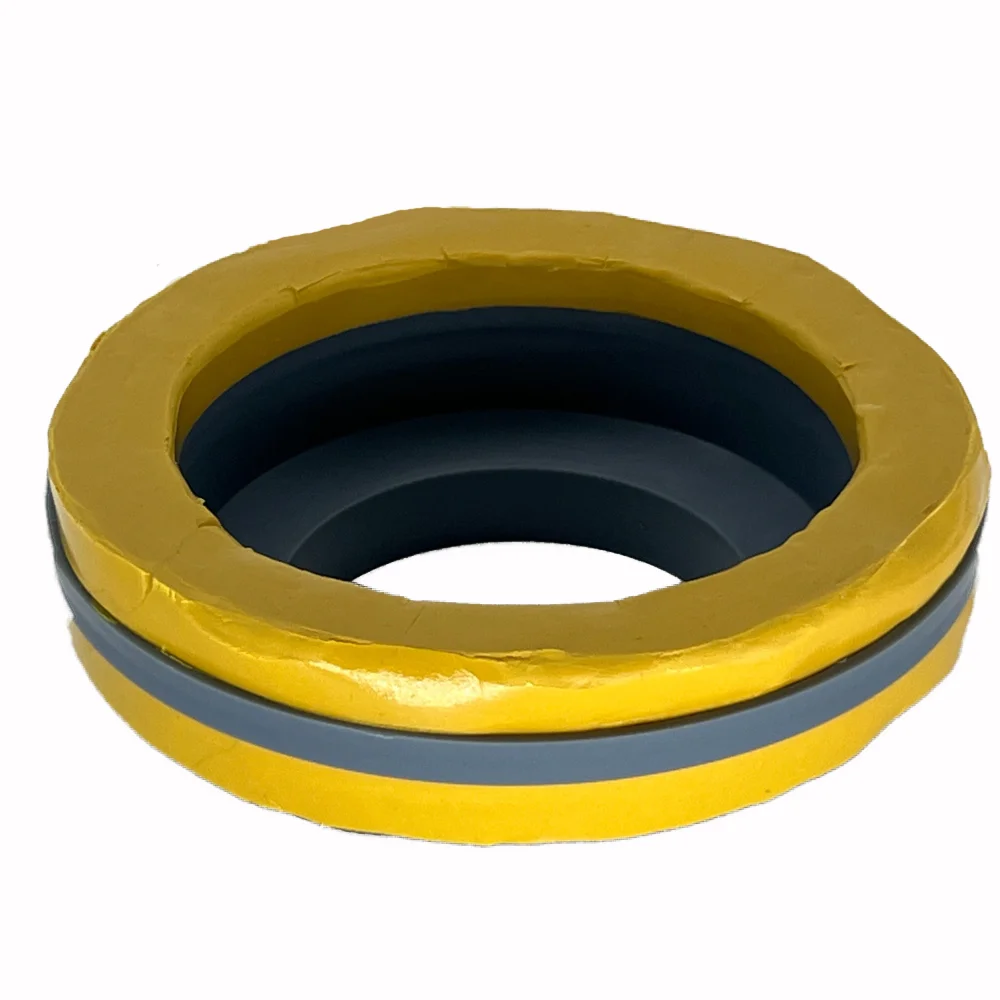
Yes, silicone rubber is ideal for applications exceeding 150°C. It maintains its flexibility and sealing properties in extreme temperatures where other elastomers would harden or melt.

What is the best way to install car sound deadening for maximum NVH reduction?

For maximum effect, use a layered approach: a butyl-based dampening sheet to stop panel vibration, followed by a closed-cell foam layer for sound absorption.

How often should rubber anti vibration mounts be inspected in industrial settings?

We recommend a bi-annual inspection. Check for signs of compression set, surface cracking, or oil contamination which could compromise the damping performance.

Do you provide custom Shore hardness for specialized industrial mounts?

Yes, we can customize the hardness from 30A to 90A depending on your specific load requirements and the target vibration frequency you wish to isolate.

Request a Technical Consultation

Our engineering team is ready to provide customized damping solutions for your projects in Netherlands.

Contact Us Now

If you are interested in our products, you can choose to leave your information here, and we will be in touch with you shortly.

  • captcha