Welcome to the official website of Sunlite Tech
Specialist in Elastomer Applications
Best Solutions to NVH SINCE 1998

News

High-Performance rubber anti vibration mounts for Papua New Guinea Infrastructure

Engineered for extreme tropical climates, providing superior damping and sealing solutions for industrial and automotive applications across PNG.

High-Performance rubber anti vibration mounts for Papua New Guinea Infrastructure

Providing the most durable vibration isolation and sealing components designed to withstand the unique geological and climatic challenges of the Papua New Guinea region.

Industrial Rubber State in Papua New Guinea

Analyzing the impact of humidity and seismic activity on material longevity.

In Papua New Guinea, the manufacturing sector faces extreme challenges due to high humidity, heavy rainfall, and frequent seismic activity. Standard rubber components often fail prematurely, creating a high demand for specialized epdm rubber material that can resist ozone degradation and UV exposure in tropical environments.

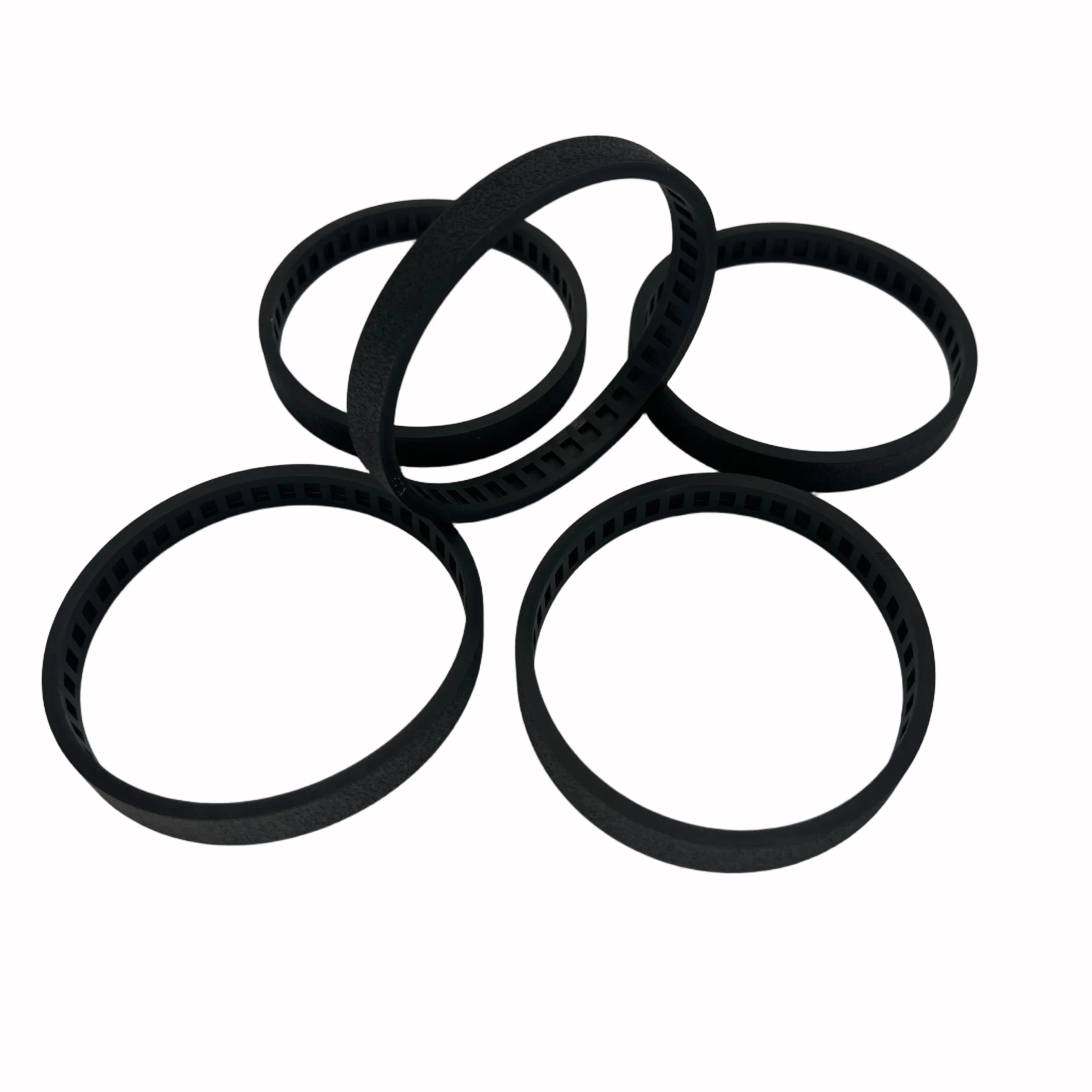
The mining and energy sectors in the highlands and coastal regions rely heavily on heavy machinery. Without precise anti vibration pads, the constant oscillation of industrial generators and crushers leads to rapid structural fatigue, increasing maintenance costs for local operators.

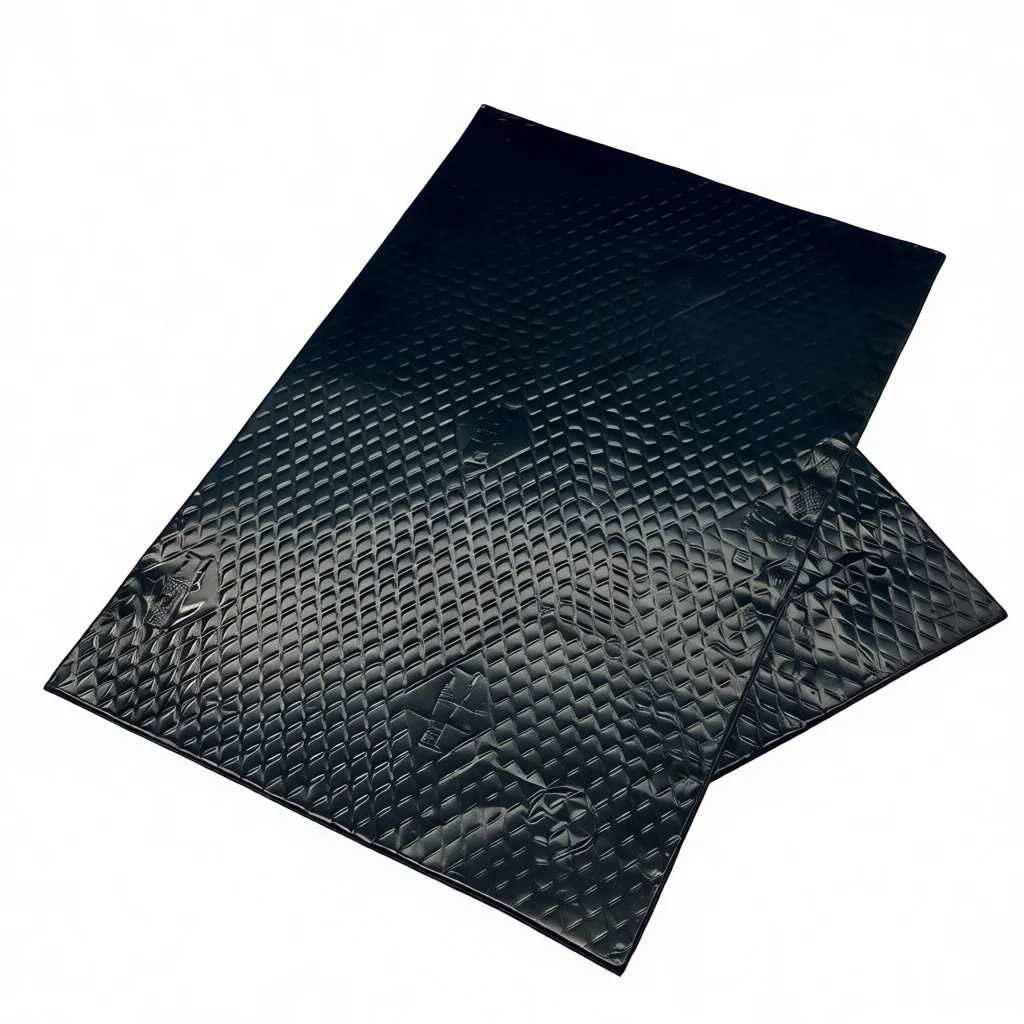
Furthermore, the growing automotive aftermarket in Port Moresby and Lae has seen a surge in demand for high-grade car sound deadening solutions to improve vehicle cabin comfort against the noise of rugged terrains and heavy-duty transport.
Evolution of Vibration Control in PNG

From basic natural rubber to advanced synthetic polymer engineering.

Market Development History

Initially, the PNG market relied on low-grade natural rubber products provided by general traders. These materials lacked the chemical stability needed for the tropics, resulting in rapid cracking and loss of elasticity within 12-24 months.

Between 2010 and 2020, the shift toward synthetic elastomers began. The introduction of silicone rubber allowed for specialized sealing in higher-temperature environments, particularly in oil and gas extraction sites where thermal stability is non-negotiable.

Currently, the industry has moved toward "Integrated Damping Systems," where precision-molded components are customized for specific frequencies, ensuring that industrial infrastructure survives the region's unique geological stresses.

Future Development Trends

Smart Adaptive Damping

Integrating sensors with rubber mounts to monitor structural health in real-time, predicting failure before it occurs in remote mining sites.

Bio-based Sustainable Polymers

Developing eco-friendly alternatives that maintain the performance of synthetic rubbers while reducing the environmental footprint in PNG's pristine rainforests.

Advanced Acoustic Layering

Transitioning from simple mats to multi-layered composite membranes for high-performance sound isolation in commercial transport.

Future Trends & Strategic Outlook

Predicting the next 5 years of rubber technology in the Oceania region.

Climate-Resilient Polymers
Next-gen materials specifically engineered to prevent hydrolysis in high-humidity zones of Papua New Guinea.
Seismic Isolation Focus
Increasing adoption of high-damping rubber bearings for civil engineering to mitigate earthquake damage.
NVH Optimization
Advanced Noise, Vibration, and Harshness (NVH) reduction strategies for commercial vehicle fleets.
Modular Componentry
Shift toward standardized, easy-to-replace modular rubber inserts for rapid on-site maintenance.

Industry Outlook

Google search trends indicate a rising interest in "heavy-duty industrial damping" within the Oceania region, reflecting PNG's shift toward more sustainable and durable mining infrastructure. The focus is moving from "lowest cost" to "lowest total cost of ownership" via longer material lifespans.

We expect a 15% annual growth in the demand for specialized elastomers as the PNG government invests more in roads and bridges, requiring high-performance bridge bearings and expansion joints that can withstand extreme thermal cycling.

Localized Applications in Papua New Guinea

Real-world implementation of advanced rubber solutions across various PNG sectors.

1. Mining Equipment Stabilization

Using heavy-duty anti vibration pads under massive ore crushers in the Highlands to prevent structural cracking of concrete foundations during 24/7 operation.

2. Tropical HVAC Sealing

Implementing high-grade silicone rubber gaskets for industrial cooling systems in Port Moresby to ensure airtight seals against extreme humidity and heat.

3. Off-Road Vehicle Refurbishment

Applying premium car sound deadening materials in 4x4 fleets used for remote site exploration to reduce operator fatigue and cabin noise.

4. Power Generation Damping

Installing customized rubber anti vibration mounts for diesel generators in rural villages, reducing noise pollution and ground-borne vibration.

5. Marine Docking Buffers

Deploying weather-resistant epdm rubber material for fender systems at coastal ports to absorb impact energy from cargo ships in rough seas.

Brand Story

Global Development Journey of Guangdong Sunlite Technology Co., Ltd.

The Foundation of Precision

Established with a mission to solve the most complex sealing and vibration challenges in the manufacturing sector through rigorous material science.

Material Innovation Era

Developed proprietary blends of synthetic rubbers to overcome the limitations of natural rubber in extreme temperature and chemical environments.

Global Quality Certification

Achieved international standards for automotive and industrial rubber, enabling the expansion of our solutions into the Oceania and Asian markets.

Solving Tropical Pain-Points

Specialized our R&D to create "Tropical Grade" elastomers that resist the specific UV and humidity profiles of regions like Papua New Guinea.

Sustainable Future Vision

Committed to lead the industry toward biodegradable and recyclable rubber components without compromising industrial strength.

Comprehensive Rubber Solutions for Papua New Guinea

A full suite of vibration isolation and sealing products tailored for the PNG industrial landscape.

Common Questions for PNG Rubber Applications

Technical guidance for selecting rubber components in tropical environments.

Which rubber material is best for high humidity in Papua New Guinea?

EPDM is highly recommended due to its exceptional resistance to ozone, UV, and weathering, making it far superior to natural rubber in humid tropical climates.

How do I choose the right anti vibration pads for industrial generators?

Selection depends on the static load and the frequency of the machine. We analyze the machine's RPM to provide a pad with the correct Shore hardness to ensure maximum isolation.

Can silicone rubber withstand the heat of mining equipment?

Yes, silicone rubber is ideal for high-temperature applications, maintaining its flexibility and seal integrity where other rubbers would melt or harden.

What is the most effective way to install car sound deadening in older vehicles?

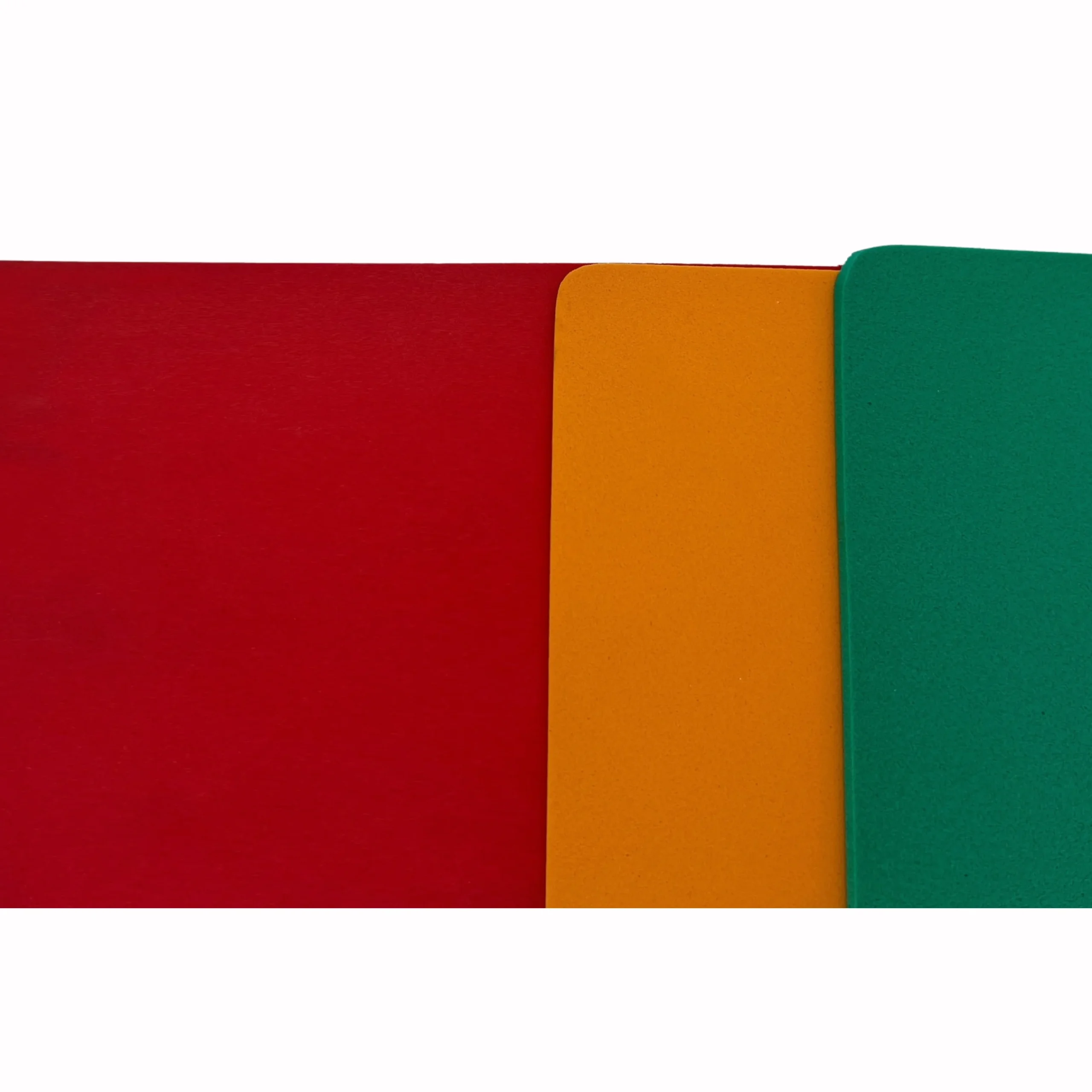
A multi-layer approach is best: first apply a butyl-based damping sheet to stop panel vibration, followed by a closed-cell foam layer for thermal and acoustic insulation.

How often should rubber anti vibration mounts be replaced in seismic zones?

In high-seismic areas like PNG, we recommend a professional inspection every 24 months to check for stress fractures or permanent deformation.

Do you provide customized rubber solutions for PNG infrastructure projects?

Absolutely. We provide custom molding based on technical drawings to ensure a perfect fit for specific industrial machinery and civil engineering needs.

Request Your Technical Consultation

Our engineering team is ready to support your industrial projects in Papua New Guinea with precision rubber components.

Contact Us Now

If you are interested in our products, you can choose to leave your information here, and we will be in touch with you shortly.

  • captcha