Welcome to the official website of Sunlite Tech
Specialist in Elastomer Applications
Best Solutions to NVH SINCE 1998

News

Industrial Vibration Control Solutions in Ecuador with rubber anti vibration mounts

High-performance damping and sealing technology engineered for the diverse industrial landscape of South America - Ecuador, from the Andean highlands to the coastal ports.

Industrial Vibration Control Solutions in Ecuador with rubber anti vibration mounts

Our comprehensive range of specialized rubber components is designed to mitigate mechanical noise and structural wear in Ecuador's most demanding manufacturing sectors, ensuring operational longevity and safety.

Current State of Rubber Damping Industry in Ecuador

Analyzing the intersection of geological challenges and industrial rubber requirements.

In Ecuador, the manufacturing sector faces unique challenges due to high seismic activity and varied humidity levels. The demand for high-grade anti vibration pads has surged as industrial plants in Quito and Guayaquil seek to protect precision machinery from both operational tremors and environmental instability.

The prevalence of saltwater corrosion in coastal regions has pushed the market toward advanced materials. There is a significant shift from natural rubber to epdm rubber material, which offers superior resistance to ozone and extreme weather, critical for the longevity of outdoor infrastructure and transportation systems.

Furthermore, the automotive aftermarket in South America - Ecuador is evolving, with an increasing focus on cabin comfort. This has led to a growing integration of car sound deadening materials to reduce road noise and improve the driving experience across the country's diverse terrains.
Evolution of Rubber Sealing and Damping Technology

From traditional elastomers to high-performance synthetic polymers.

Market Development History

During the early 2000s, the Ecuadorian market relied primarily on basic natural rubber compounds. These provided essential cushioning but failed prematurely under the intense UV exposure and fluctuating temperatures of the Andean regions.

By 2010-2015, a technical pivot occurred. The industry began adopting synthetic blends, integrating silicone rubber for medical and food-grade applications, allowing for high-temperature stability and chemical inertness that natural rubber could not match.

From 2018 to the present, the focus has shifted toward "precision damping." The integration of computer-aided design (CAD) has allowed for the creation of custom-molded mounts that target specific vibration frequencies, significantly reducing energy loss in heavy machinery.

Future Development Trends

Smart Material Integration

The next 3-5 years will see the rise of adaptive elastomers that change stiffness based on load, reducing the need for manual adjustments in industrial setups.

Eco-Friendly Bio-Polymers

Driven by global sustainability trends, we expect a shift toward recyclable rubber composites that maintain the performance of EPDM while reducing the carbon footprint of manufacturing.

Advanced Acoustic Engineering

The evolution of noise-reduction technology will move toward multi-layered composite structures, combining mass-loading and decoupled air gaps for superior sound isolation.

Industry Trends and Future Outlook for Ecuador

Strategic forecasts for special rubber manufacturing and application.

Seismic Resilience
Increasing demand for specialized mounts that can withstand tectonic shifts common in Ecuador's geography.
Material Hybridization
Combining EPDM and Silicone to create components that are both chemically resistant and thermally stable.
EV Adoption
The shift to electric vehicles requires new acoustic deadening solutions due to the absence of engine noise.
Digital Twin Testing
Using simulation software to predict rubber fatigue and failure in Ecuadorian industrial environments.

Industry Outlook

Based on current Google search trends for "industrial vibration control" and "rubber seals" in South America, we anticipate a compound annual growth rate of 4.5% in the specialized rubber sector in Ecuador over the next five years.

The focus is shifting from "generic replacement" to "engineered solutions." Companies are no longer looking for just any rubber mount, but specifically those tailored to the frequency and amplitude of their specific machinery, leading to a more sophisticated supply chain.

Localized Application Scenarios in Ecuador

Real-world deployments of special rubber products across Ecuadorian industries.

1. Oil and Gas Extraction in the Oriente Region

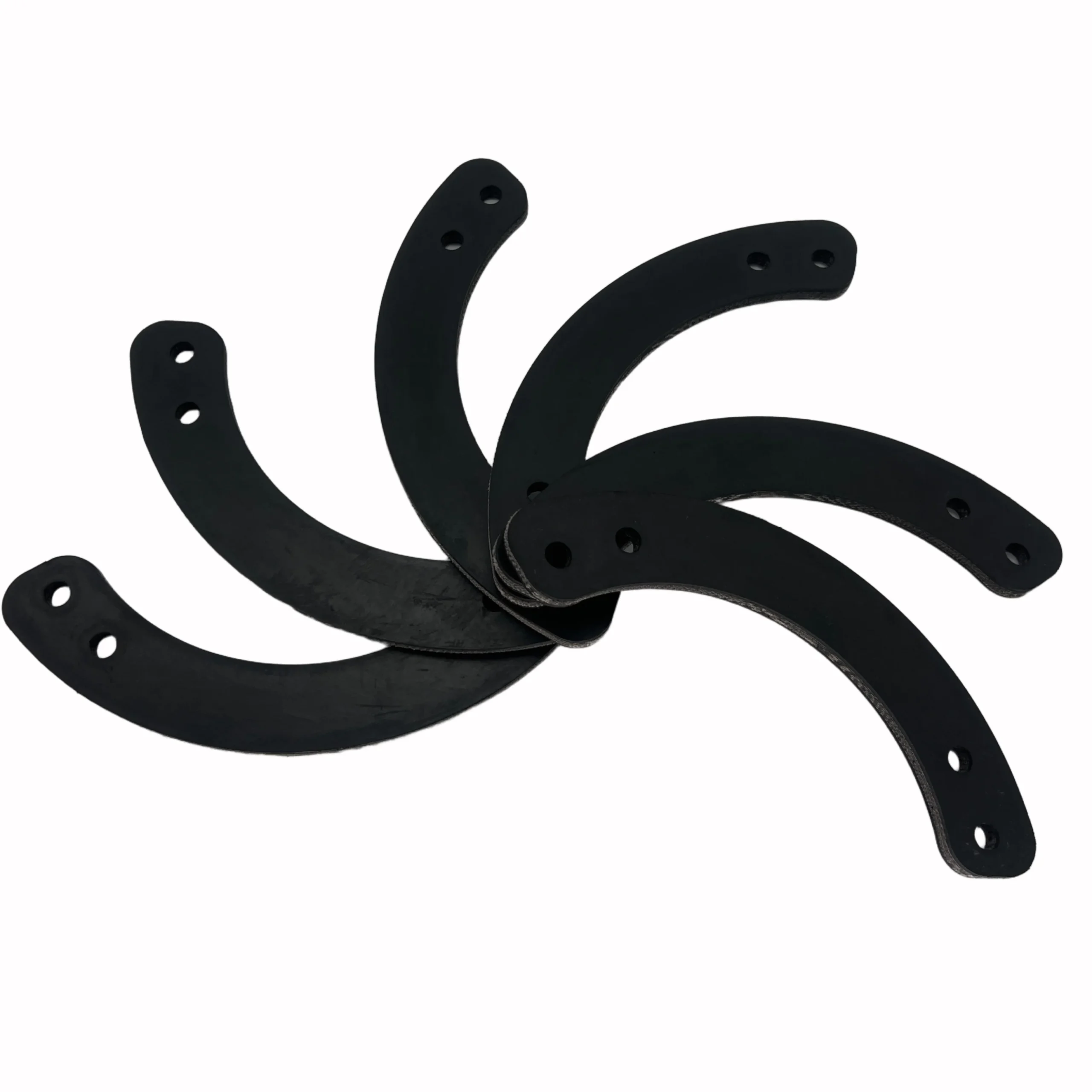
Utilizing high-durability rubber anti vibration mounts for pump stations to mitigate vibration in rainforest soils, preventing pipeline fatigue and leakage.

2. Shrimp Farming Infrastructure in Guayas

Implementing epdm rubber material for aeration system supports, providing essential resistance to high salinity and humidity found in coastal aquaculture.

3. Food Processing Plants in the Highlands

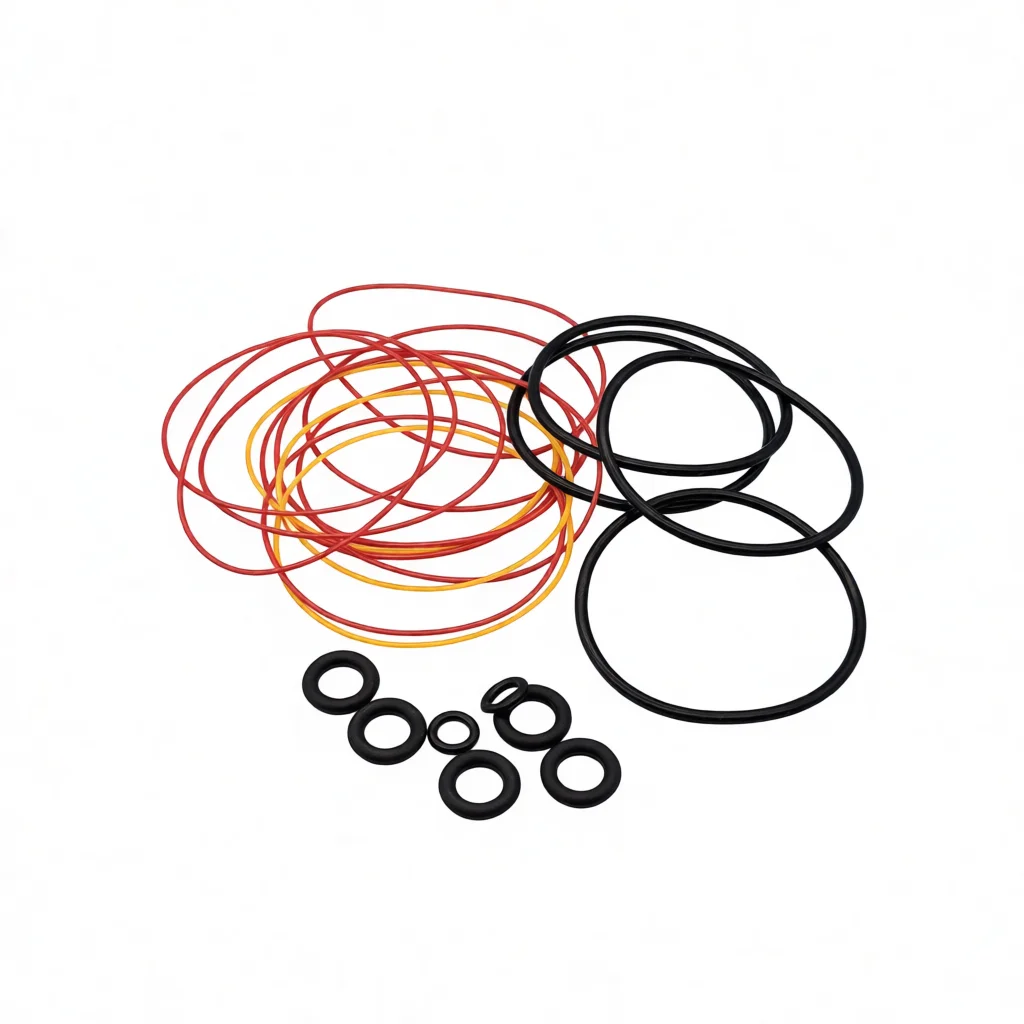
Applying silicone rubber seals and gaskets in dairy and fruit processing lines to ensure FDA-compliant hygiene and thermal resistance during pasteurization.

4. Public Transit Fleet Upgrades in Quito

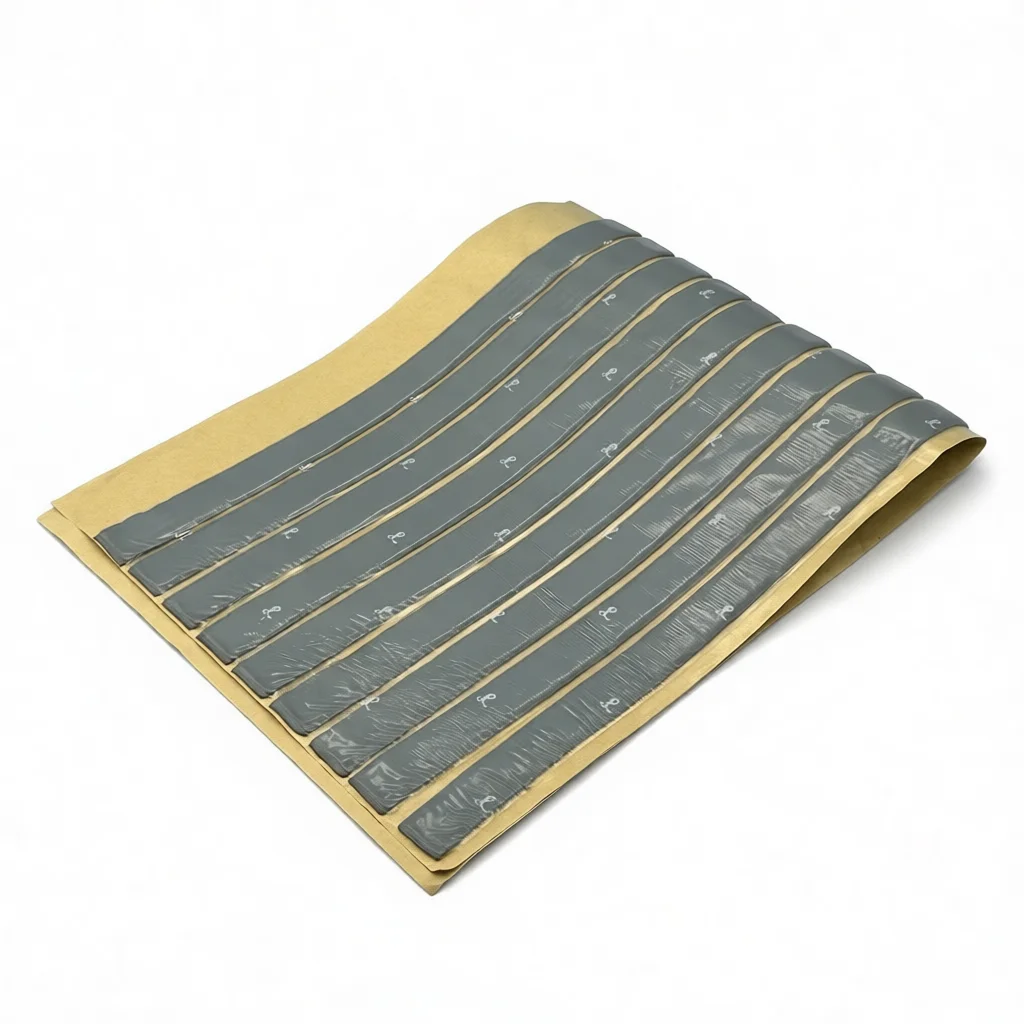
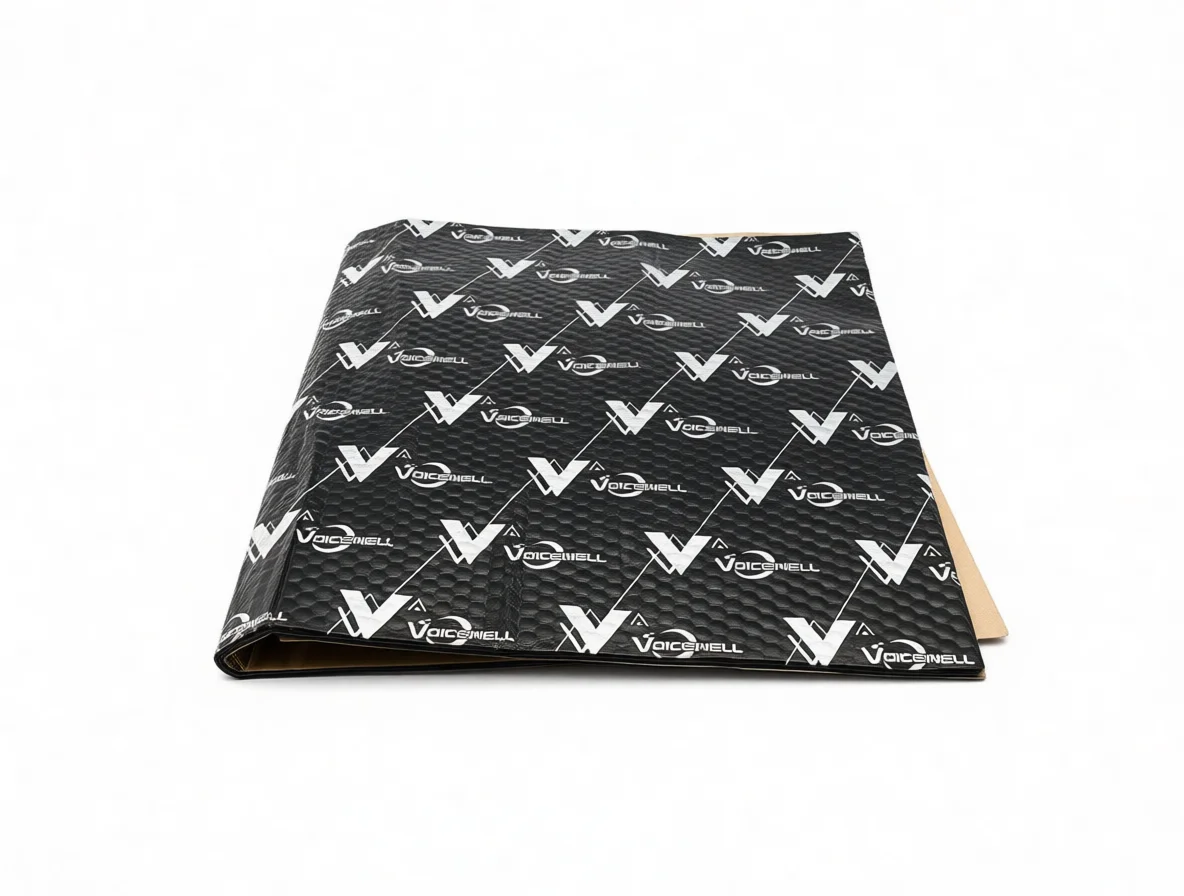
Integrating advanced car sound deadening and floor damping for municipal buses to reduce cabin noise during steep climbs in the Andes.

5. Industrial Generator Sets for Remote Mines

Deploying heavy-duty anti vibration pads under power generators to isolate vibration from fragile mining facility structures.

Brand Story

Global Development History of Guangdong Sunlite Technology Co., Ltd.

Founding and Technical Core

Established with a vision to solve critical sealing failures, we began by mastering the chemistry of synthetic elastomers to eliminate industrial leakage.

Expansion into Vibration Control

Recognizing the link between sealing and stability, we developed a proprietary line of damping mounts that reduced machine downtime for our first global clients.

Global Standard Certification

We achieved ISO and international environmental certifications, allowing our products to enter the most regulated markets in Europe and the Americas.

Strategic Focus on South America

We customized our R&D to meet the seismic and climatic needs of regions like Ecuador, ensuring our rubber materials survive extreme environments.

Innovation for the Future

Today, we integrate smart materials and sustainable production to lead the rubber industry toward a zero-failure, eco-friendly future.

Complete Product Portfolio for the Ecuadorian Market

A tailored selection of rubber solutions designed for seismic stability and environmental resistance.

Frequently Asked Questions in South America - Ecuador

Expert answers to common technical queries regarding rubber damping.

How do I choose the right anti vibration pads for high-humidity coastal areas in Ecuador?

For coastal regions like Guayaquil, we recommend pads made from EPDM or high-grade silicone. These materials resist moisture, salt spray, and ozone degradation far better than standard natural rubber.

Can rubber anti vibration mounts help protect equipment during seismic events?

Yes, high-damping mounts act as a buffer that absorbs kinetic energy from tectonic shifts, reducing the transmission of shock to the machine frame and preventing structural failure.

What is the best epdm rubber material for outdoor piping in the Andes?

For the Andean climate, a peroxide-cured EPDM is best. It provides the necessary elasticity at low temperatures while remaining resistant to the intense UV radiation found at high altitudes.

How does car sound deadening improve vehicle longevity in rough terrains?

By reducing vibration and resonant noise, sound deadening materials prevent panel fatigue and rattles, which are common when driving on the uneven roads of rural Ecuador.

Is silicone rubber suitable for the food processing industry in Quito?

Absolutely. Silicone rubber is non-toxic, odorless, and heat-resistant, making it the ideal choice for seals and gaskets in Ecuador's thriving food and beverage sector.

What is the expected lifespan of industrial rubber mounts in tropical climates?

Depending on the material, high-performance synthetic mounts typically last 5-10 years. We recommend semi-annual inspections in tropical zones to check for ozone cracking or compression set.

Request a Technical Consultation

Our engineering team is ready to provide customized rubber solutions for your specific industrial needs in South America - Ecuador.

Contact Us Now

If you are interested in our products, you can choose to leave your information here, and we will be in touch with you shortly.

  • captcha