Welcome to the official website of Sunlite Tech
Specialist in Elastomer Applications
Best Solutions to NVH SINCE 1998

News

Industrial Rubber Solutions for Argentina: silicone rubber Integration

Advanced vibration damping and sealing systems engineered for Argentina's heavy industry and automotive sectors.

Industrial Rubber Solutions for Argentina: silicone rubber Integration

Providing high-performance rubber anti vibration mounts and sealing components to enhance machinery longevity and operational efficiency across Argentina.

Rubber Manufacturing Landscape in Argentina

Analyzing the intersection of industrial demand and material durability in the Southern Cone.

In Argentina, the manufacturing sector faces unique challenges due to extreme temperature fluctuations between the Pampas and Patagonia regions. This requires materials like epdm rubber material, which offers superior resistance to ozone and weather, ensuring that industrial seals do not degrade under harsh UV exposure.

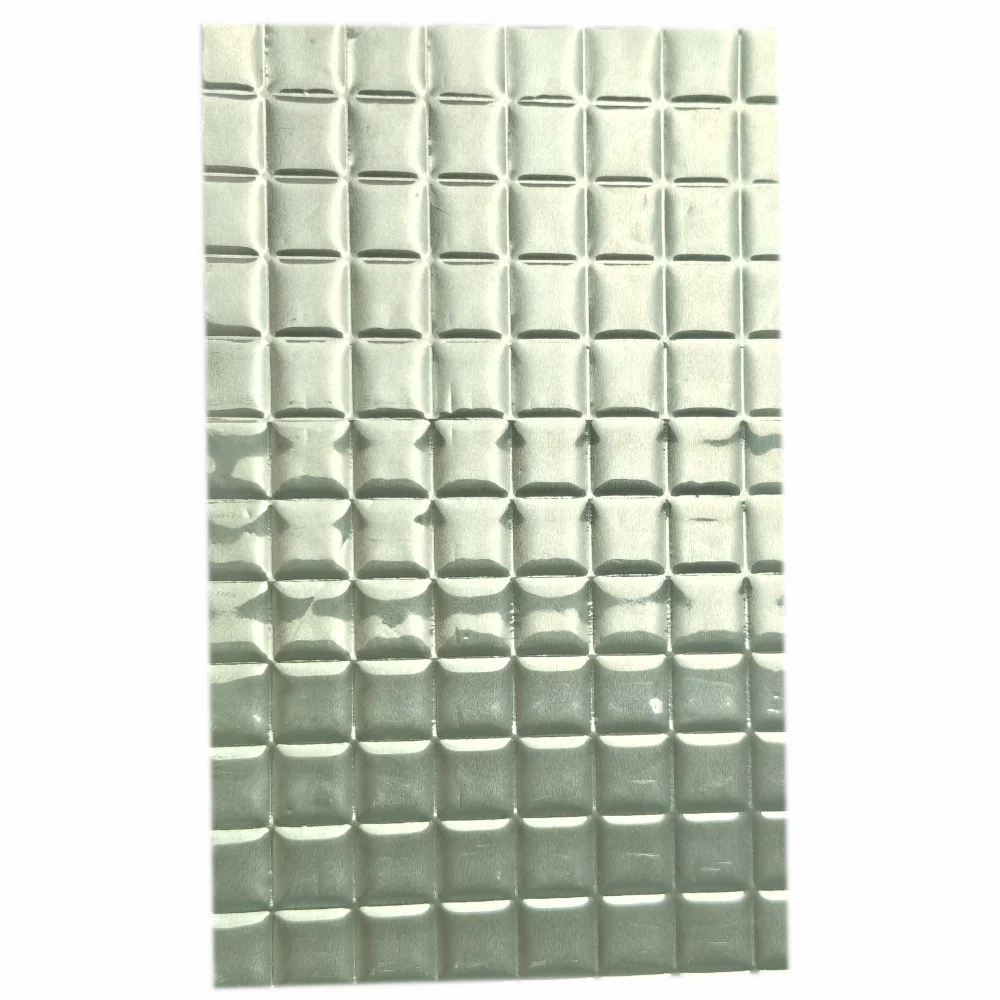
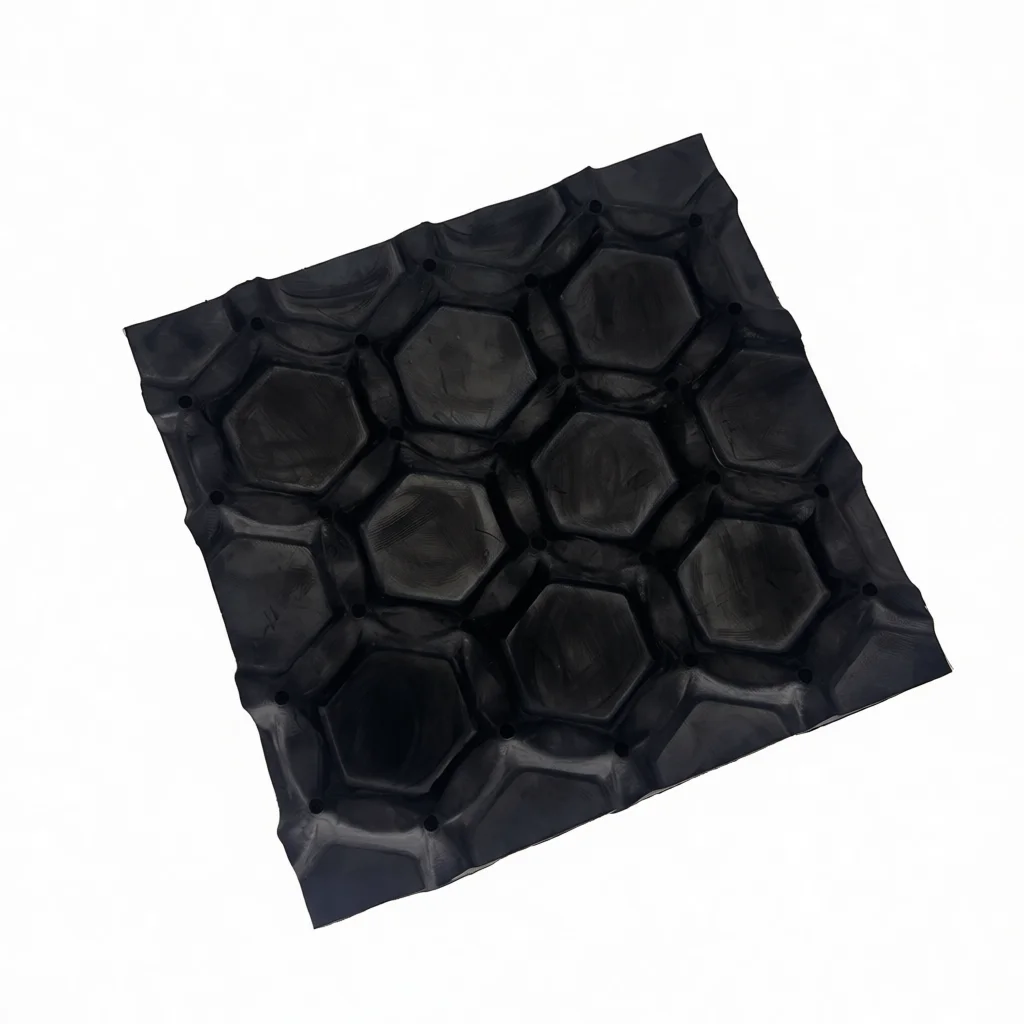
The automotive hub in Córdoba and Buenos Aires is increasingly demanding higher standards for noise, vibration, and harshness (NVH). The adoption of specialized car sound deadening solutions has shifted from basic foam to high-density viscoelastic polymers to meet the expectations of modern vehicle manufacturing.

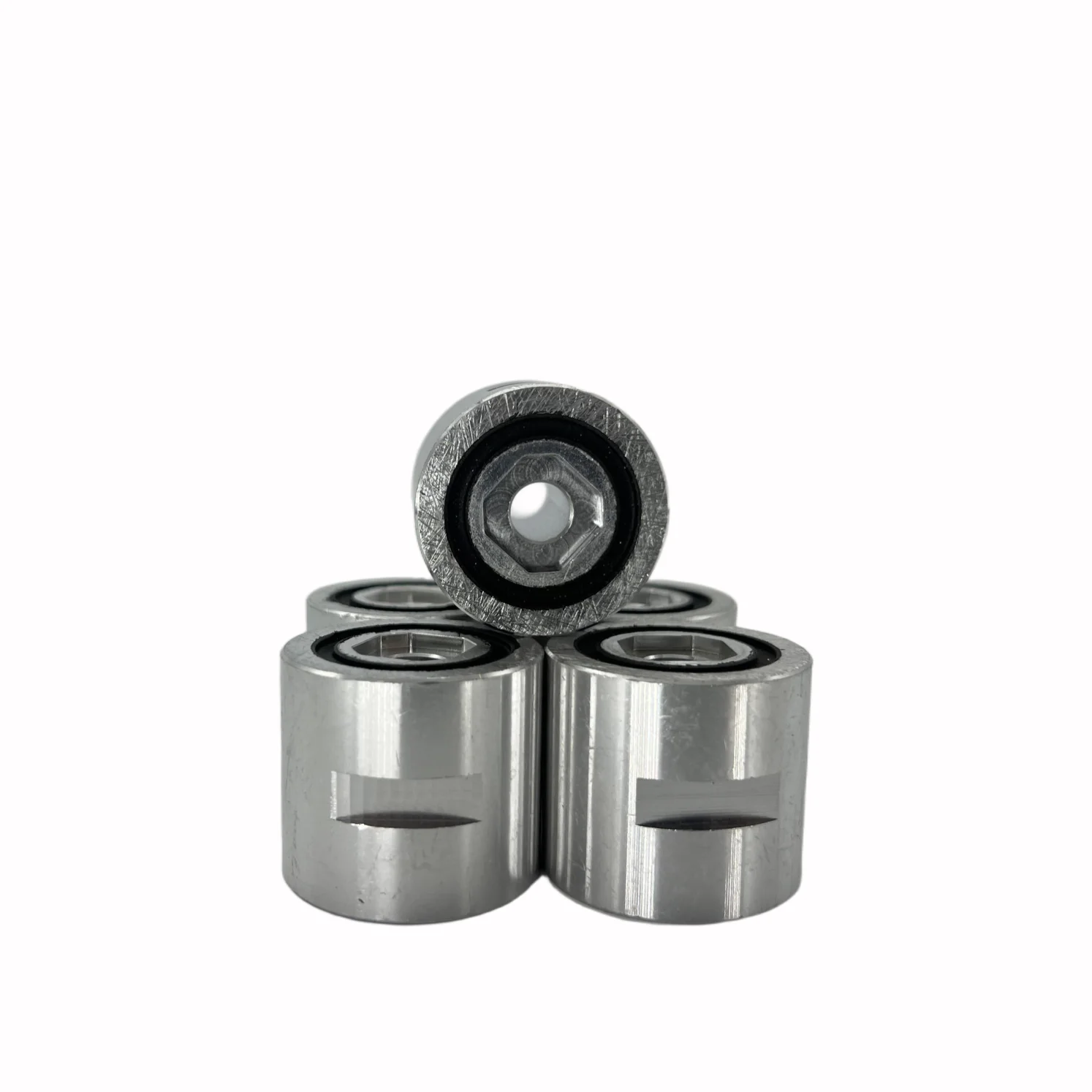
Furthermore, Argentina's agricultural machinery industry relies heavily on anti vibration pads to protect heavy-duty equipment from soil-induced shocks, highlighting a critical need for customized hardness and load-bearing capacities in rubber engineering.
Evolution of Vibration Control Technology

From traditional natural rubber to high-tech synthetic elastomers.

Market Development History

During the 1980s and 90s, the Argentinian market relied primarily on natural rubber compounds. These provided basic cushioning but failed under chemical exposure or extreme heat, leading to frequent maintenance cycles for industrial plants.

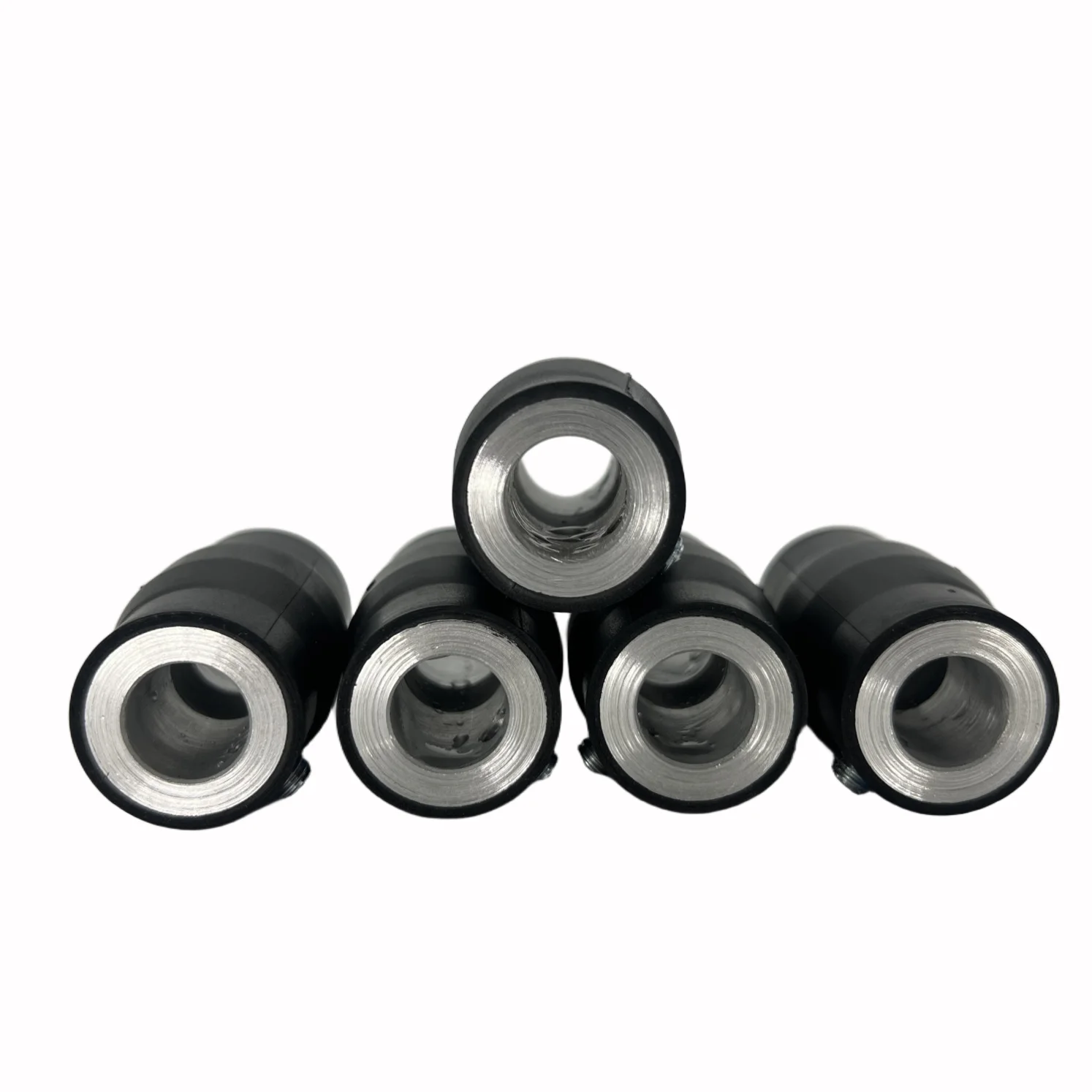
By the early 2010s, a technological shift occurred with the widespread introduction of EPDM and Nitrile blends. This era marked the transition toward precision-molded rubber anti vibration mounts, allowing for targeted frequency attenuation in rotating machinery.

Currently, the industry has entered the era of "intelligent materials," where silicone and fluorocarbon elastomers are used for critical sealing in the petrochemical and aerospace sectors, ensuring zero-leakage and extreme thermal stability.

Future Development Trends

Bio-based Elastomers

Integration of sustainable, bio-derived polymers to reduce the carbon footprint of rubber production in line with global ESG standards.

Smart Damping Systems

Development of adaptive vibration pads that can alter their stiffness based on real-time sensor data to optimize machinery performance.

Nanocomposite Reinforcement

Utilizing graphene and carbon nanotubes within rubber matrices to increase tear strength and thermal conductivity for high-load applications.

Industry Outlook & Strategic Foresight

Predicting the next wave of innovation in rubber engineering for the South American market.

High-Temperature Resilience
Increasing demand for silicone-based components that maintain elasticity from -60°C to 230°C.
NVH Optimization
Shift towards multi-layered damping structures to eliminate complex harmonic resonances.
Precision Customization
Growth in 3D printed elastomeric prototypes for rapid industrial deployment.
Eco-Rubber Standards
Implementation of REACH and RoHS compliance across all exported rubber products.

Industry Outlook

Based on regional search trends and industrial growth data, the demand for advanced anti vibration pads in Argentina is expected to grow by 4.5% annually, driven by the modernization of the mining sector in the North.

The integration of high-performance polymers will lead to longer equipment lifecycles, reducing the overall cost of ownership for Argentinian factories and promoting a more sustainable industrial ecosystem.

Local Application Scenarios in Argentina

Real-world implementations of specialized rubber components in key regional sectors.

01. Mining Machinery in the Puna Region

Deployment of heavy-duty rubber anti vibration mounts for crushers and conveyors operating in high-altitude, low-temperature environments to prevent structural fatigue.

02. Automotive Assembly in Córdoba

Integration of premium car sound deadening membranes in passenger vehicle cabins to reduce road noise and improve interior luxury standards.

03. Agricultural Equipment in the Pampas

Using high-density anti vibration pads for harvester engines to withstand constant vibration and exposure to fertilizers and oils.

04. Food & Beverage Processing in Mendoza

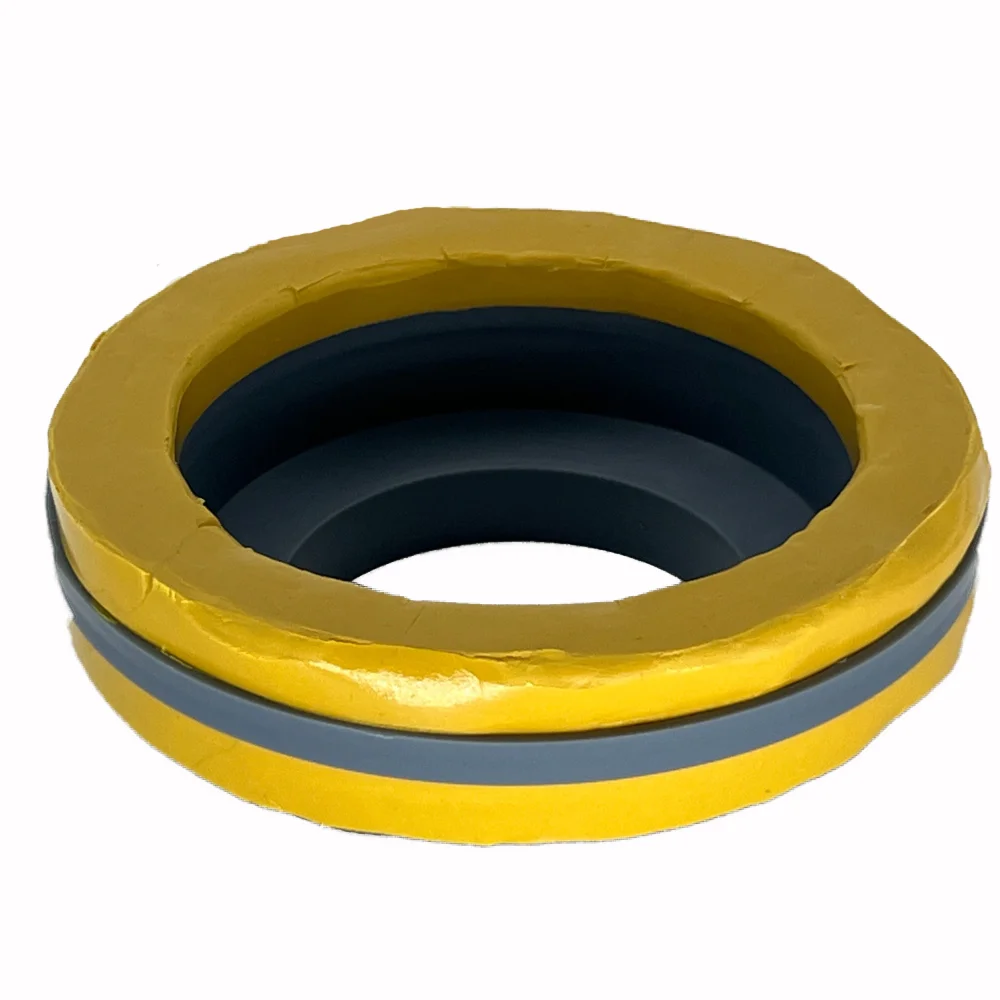
Application of FDA-compliant silicone rubber seals for bottling lines, ensuring hygiene and resistance to caustic cleaning agents.

05. Energy Infrastructure in Patagonia

Installation of epdm rubber material weather-stripping for wind turbine control panels to block moisture and extreme wind infiltration.

Brand Story

Global Development Journey of Guangdong Sunlite Technology Co., Ltd.

Foundation & Technical Core

Established with a focus on high-performance elastomers, we began by solving basic sealing failures in industrial pumps.

R&D Expansion

Invested in advanced polymer labs to develop proprietary EPDM and silicone blends for extreme environments.

Global Market Entry

Expanded our footprint into South America, specializing in customized damping solutions for the Argentinian market.

Quality Certification

Achieved ISO and IATF 16949 certifications, ensuring our automotive-grade rubber meets international safety standards.

Sustainable Future

Leading the transition toward eco-friendly rubber manufacturing to support global carbon neutrality goals.

Comprehensive Rubber Portfolio for Argentina

A full suite of specialized elastomers tailored for the regional industrial climate.

Common Questions on Rubber Solutions in Argentina

Expert answers to technical queries regarding rubber selection and application.

How to choose the right anti vibration pads for mining equipment?

Selection depends on the load frequency and static weight. For heavy mining machinery in Argentina, we recommend high-shore hardness rubber to prevent bottoming out.

Is epdm rubber material better than natural rubber for outdoor use?

Yes, EPDM is significantly more resistant to ozone, UV, and weathering, making it ideal for Argentina's diverse climate compared to natural rubber.

Can silicone rubber handle food-grade requirements?

Absolutely. Our silicone rubber is formulated to meet FDA and LFGB standards, ensuring it is non-toxic and safe for the food and pharmaceutical industries.

What is the most effective car sound deadening method for old vehicles?

A combination of butyl-based damping sheets for vibration and closed-cell foam for airborne noise absorption is most effective for aging vehicle fleets.

How long do rubber anti vibration mounts typically last?

Depending on the environment and load, our industrial mounts are designed to last 3-5 years before showing signs of compression set or cracking.

Do you offer customized rubber compounds for specific chemical resistance?

Yes, we provide custom compounding services to ensure the material resists specific oils, acids, or solvents used in Argentinian industrial processes.

Request a Technical Consultation

Our engineers are ready to provide tailored rubber solutions for your projects in Argentina.

Contact Us Now

If you are interested in our products, you can choose to leave your information here, and we will be in touch with you shortly.

  • captcha