

 Select Language
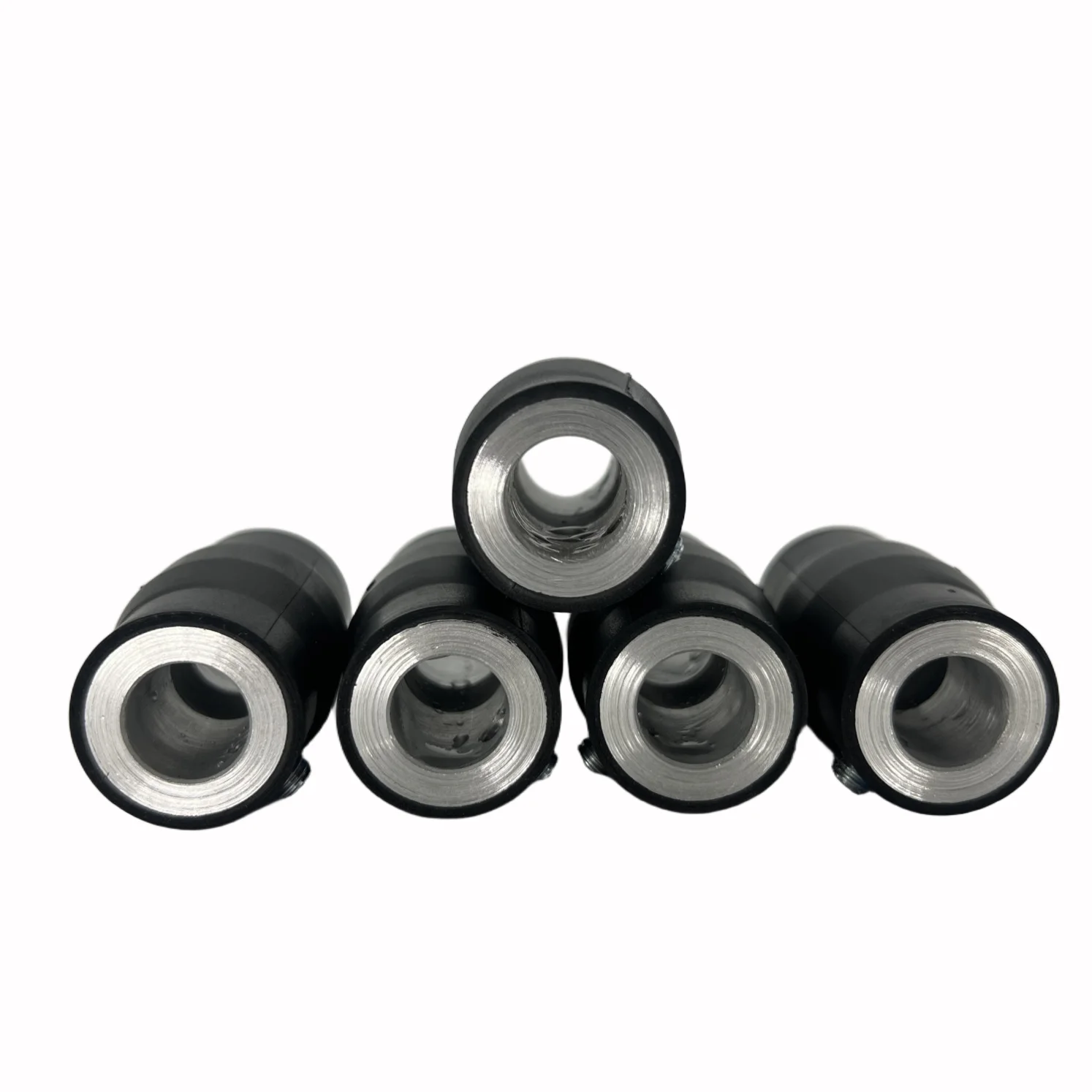
Germany's industrial landscape, characterized by high-precision engineering and a dense concentration of automotive OEMs, demands unprecedented levels of durability. The widespread adoption of rubber anti vibration mounts is essential to maintain the tight tolerances required in CNC machining and robotic assembly lines across the Baden-Württemberg and Bavaria regions.
Environmental factors in Central Europe, including fluctuating seasonal temperatures and humidity, necessitate the use of weather-resistant materials. This has led to a dominant market preference for epdm rubber material, which offers superior ozone and UV resistance compared to standard nitrile rubbers, ensuring that outdoor infrastructure remains secure.
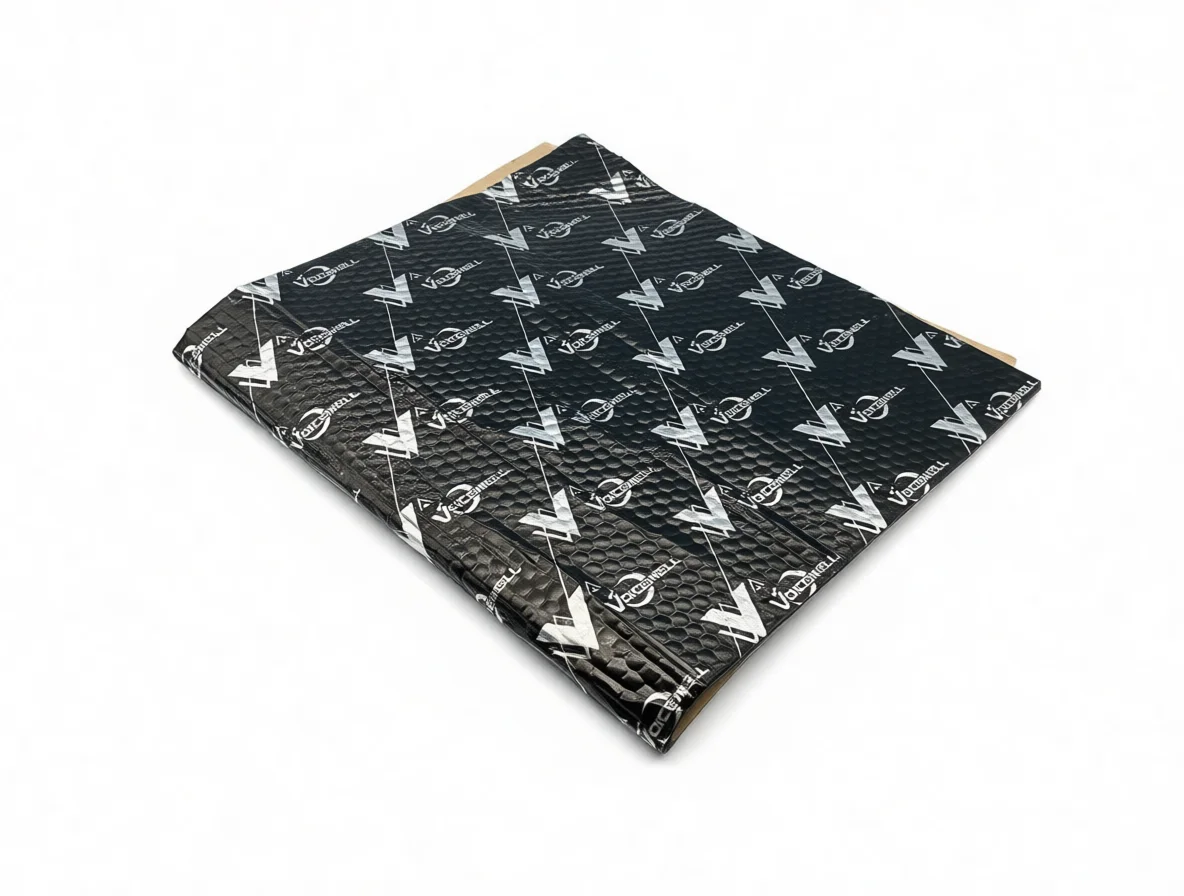
Furthermore, the shift toward electric mobility (e-mobility) has amplified the need for noise, vibration, and harshness (NVH) optimization. As internal combustion engine noise vanishes, the requirement for high-grade car sound deadening has surged to eliminate high-frequency road noise and chassis resonance in luxury EV models.