Welcome to the official website of Sunlite Tech
Specialist in Elastomer Applications
Best Solutions to NVH SINCE 1998

News

Industrial-Grade silicone rubber Isolation Solutions for US Infrastructure

High-performance vibration damping and sealing components engineered for the demanding climates and industrial standards of North America.

Industrial-Grade silicone rubber Isolation Solutions for US Infrastructure

Providing the United States market with advanced elastomeric engineering to eliminate structural noise and mechanical wear through precision-molded damping components.

The State of Vibration Control in the United States

Addressing the challenges of mechanical stability across diverse American geographical terrains.

In the United States, the demand for high-durability anti vibration pads is driven by a vast industrial landscape ranging from heavy manufacturing in the Midwest to high-tech data centers on the West Coast. The diversity of regional climates, from Alaskan frosts to Arizonan heat, requires materials that maintain elastic stability without degradation.

The current market is heavily focused on reducing operational downtime. With the rise of stringent OSHA regulations and noise pollution ordinances in urban hubs like New York and Chicago, the integration of high-density epdm rubber material has become standard for outdoor weather-proofing and structural sealing.

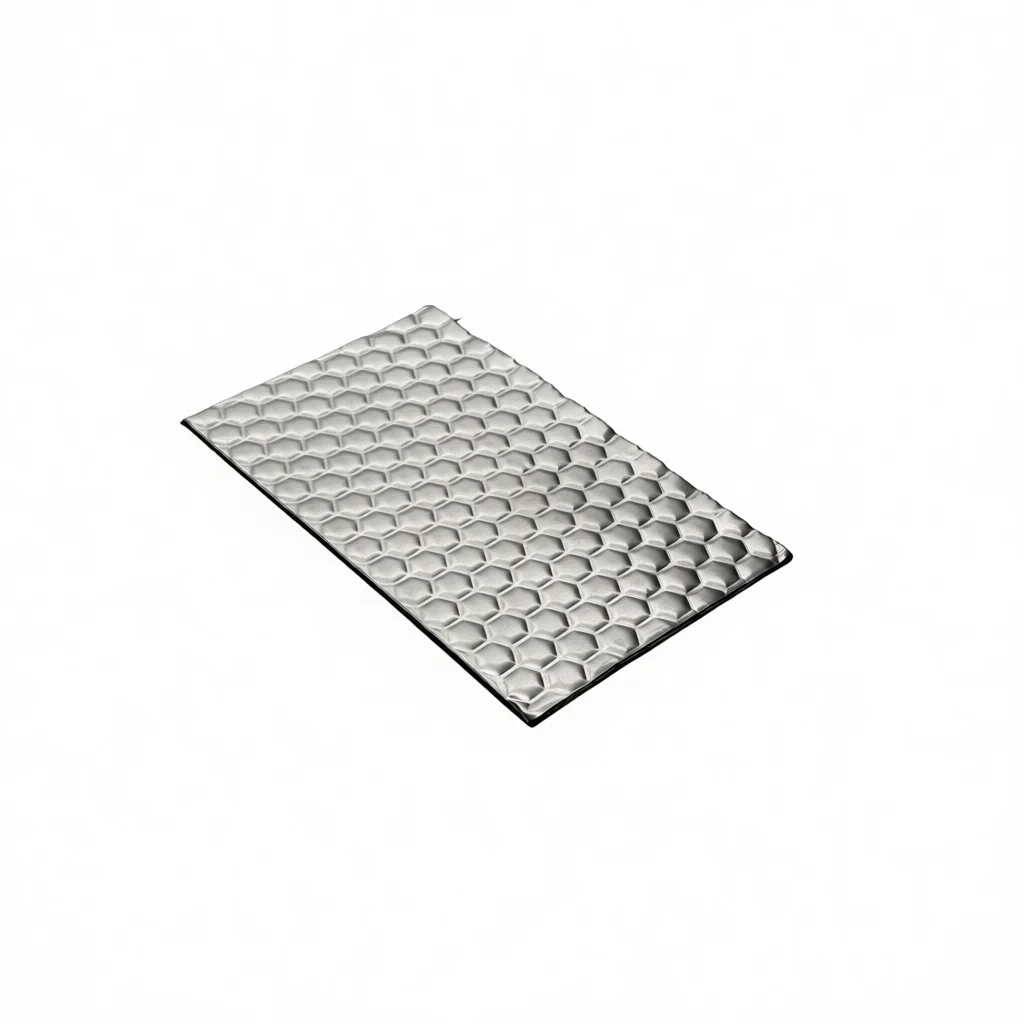
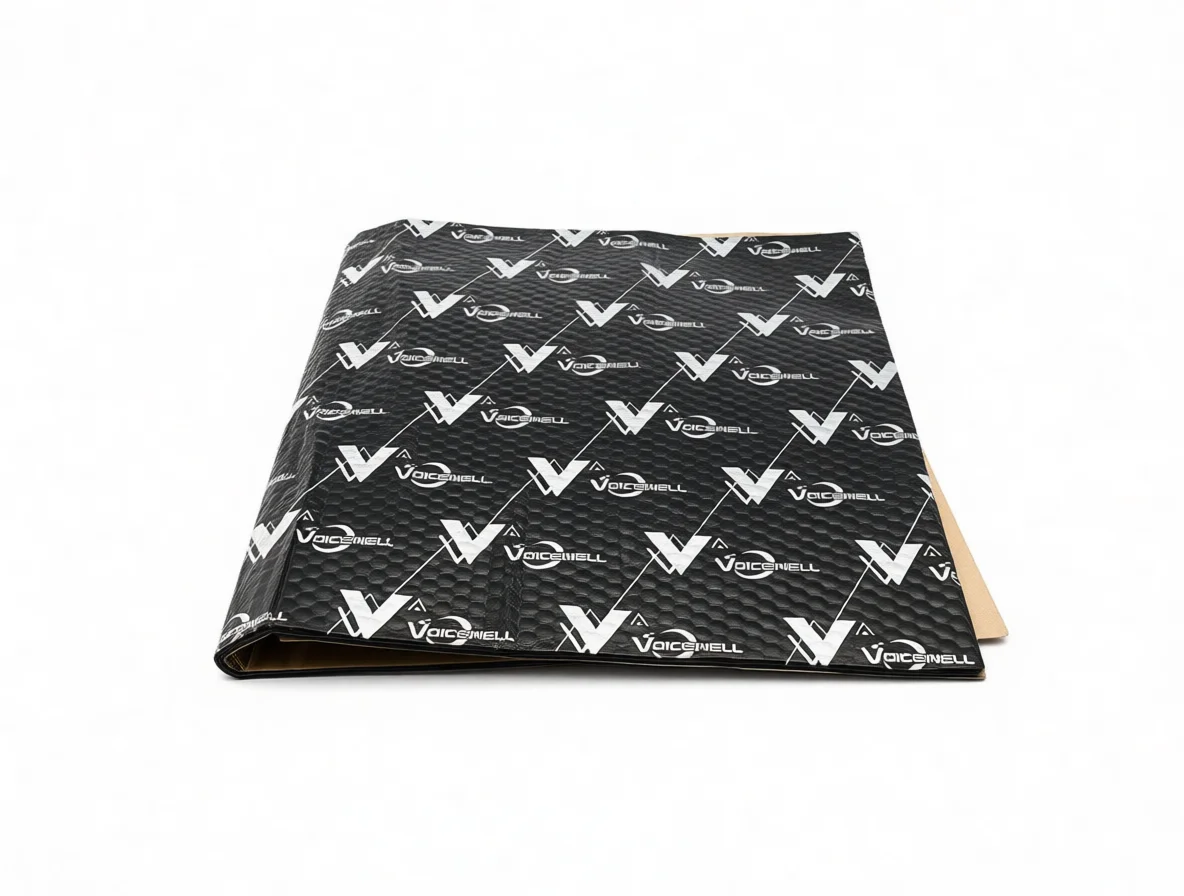
Furthermore, the US automotive aftermarket continues to evolve, with a significant surge in demand for car sound deadening solutions. Consumers are increasingly prioritizing cabin quietness and NVH (Noise, Vibration, and Harshness) reduction in luxury and electric vehicles.
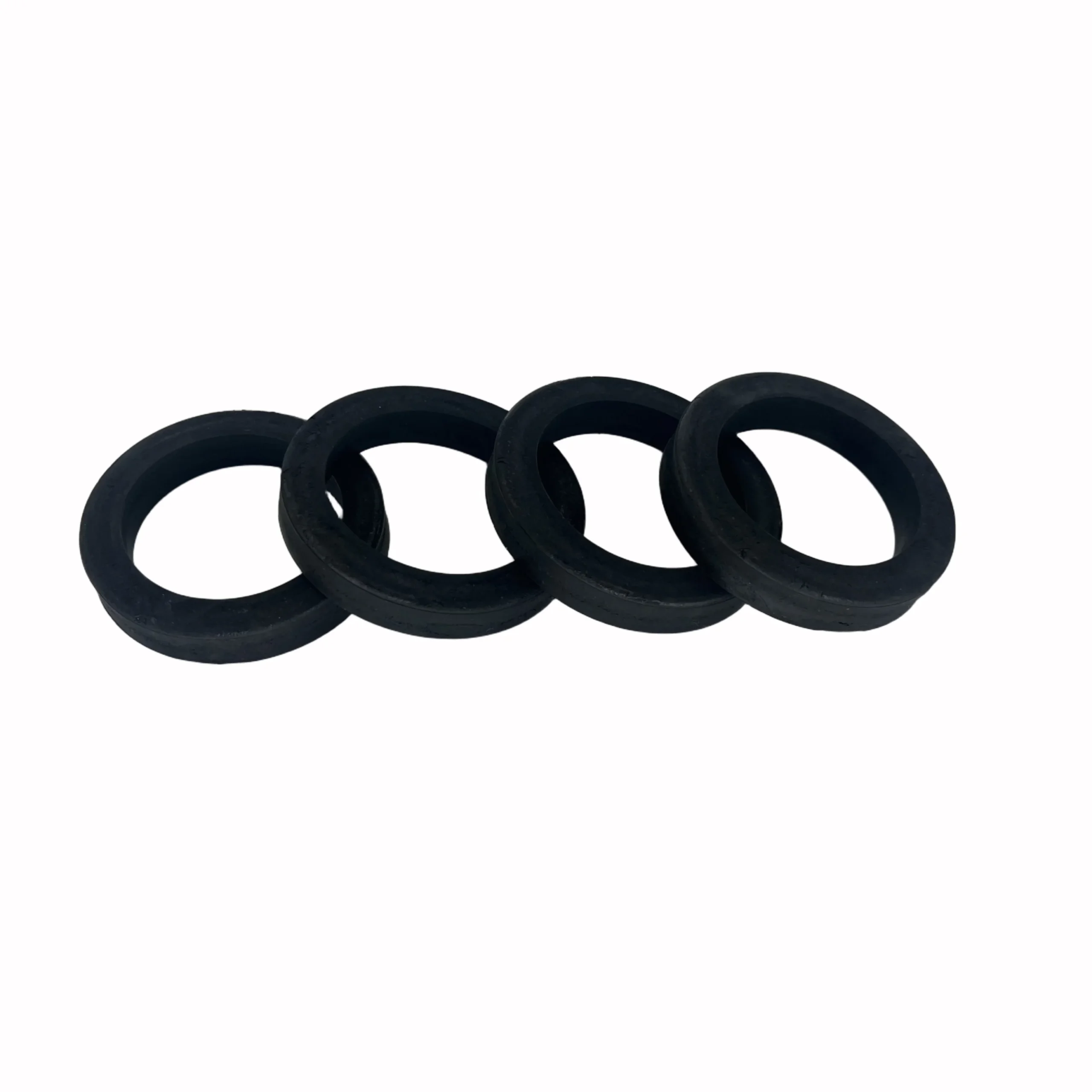
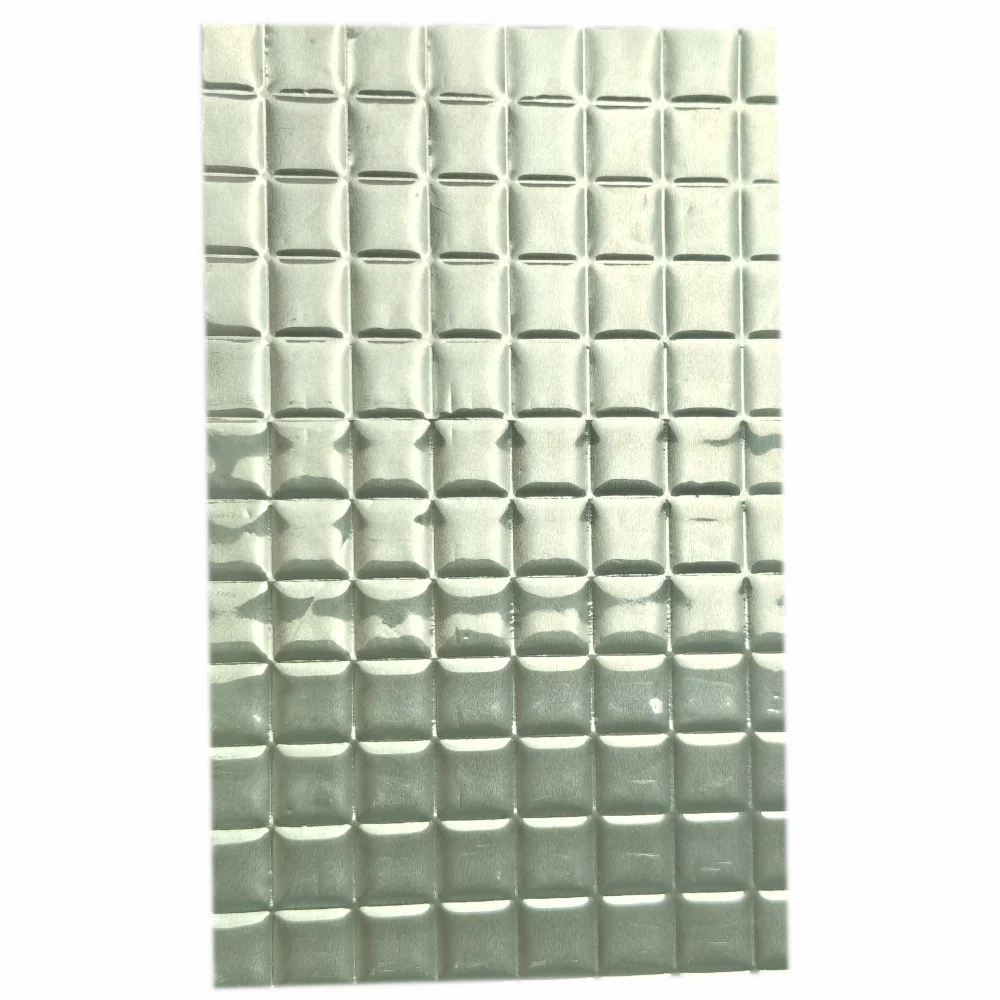
Evolution of Elastomeric Damping Technology

Tracing the transition from basic rubber blocks to precision-engineered vibration mounts.

Market Development History

During the mid-20th century, the US industry relied on basic natural rubber compounds. These early iterations offered basic cushioning but failed under extreme UV exposure and temperature fluctuations common in North American climates.

By the 1980s and 90s, the introduction of synthetic polymers led to the widespread adoption of rubber anti vibration mounts. This era marked a shift toward calculated spring rates and resonance frequency tuning for heavy machinery.

In the modern era (2010-present), the focus has shifted toward hybrid materials and specialized silicone compounds, allowing for extreme temperature resistance and chemical stability in aerospace and medical applications.

Future Development Trends

Smart Material Integration

Integration of piezo-electric sensors within damping pads to monitor real-time wear and vibration levels in critical infrastructure.

Eco-Friendly Polymer Synthesis

Transitioning toward bio-based elastomers to meet the tightening EPA environmental regulations and corporate sustainability goals in the US.

Nano-Composite Reinforcement

Utilizing carbon nanotubes to enhance the load-bearing capacity of mounts without increasing the physical footprint of the component.

Future Outlook for Rubber Engineering

Predicting the trajectory of NVH solutions in the North American industrial sector.

EV-Centric NVH Design
With the US shift to Electric Vehicles, the absence of engine noise makes road vibration more apparent, increasing demand for precision damping.
Extreme Climate Resilience
Development of polymers that maintain a constant Shore hardness from -40°C to +150°C for North American logistics.
Additive Manufacturing
3D printing of complex rubber geometries to create customized vibration profiles for specialized US aerospace parts.
Automation-Ready Seals
Designing seals specifically for rapid robotic assembly lines in the US smart-factory movement.

Industry Outlook

Looking ahead, Google search trends indicate a sharp increase in "industrial noise reduction" and "sustainable elastomer" queries within the US. This suggests a market shift toward integrated acoustic management rather than just physical vibration isolation.

We expect a convergence of material science and digital twins, where rubber components are simulated under North American load profiles before production to ensure a 100% fit-first-time rate.

Local Applications across the United States

Real-world deployment of specialized rubber components in US key sectors.

01. HVAC Systems in Urban High-Rises

Deployment of heavy-duty anti vibration pads for rooftop chillers in NYC and Chicago to prevent structural resonance and noise transmission into residential units.

02. Automotive NVH Upgrades in Detroit

Implementing high-performance car sound deadening materials in luxury SUV assembly to meet the high acoustic expectations of the North American consumer.

03. Industrial Machinery in the Rust Belt

Using customized rubber anti vibration mounts for stamping presses in Ohio and Pennsylvania to reduce floor fatigue and increase machine lifespan.

04. Aerospace Sealing in Washington State

Utilizing high-grade silicone rubber for critical seals in aircraft components, ensuring stability across the extreme pressure and temperature shifts of flight.

05. Outdoor Infrastructure in the Sun Belt

Applying UV-resistant epdm rubber material for bridge expansion joints and outdoor electrical enclosures across Texas and Florida.

Brand Story

Global Development History of Guangdong Sunlite Technology Co., Ltd.

The Foundation of Precision

Started with a vision to solve the most complex sealing challenges in the industrial rubber sector, focusing on material purity and consistency.

Technological Breakthroughs

Developed proprietary vulcanization processes that significantly improved the fatigue life of vibration mounts compared to industry averages.

Expanding the Global Footprint

Established strategic supply chains to support North American manufacturers with just-in-time delivery of custom rubber components.

Quality Certification Era

Achieved international certifications ensuring all products meet the strict ASTM and SAE standards required by US aerospace and automotive clients.

Future-Proofing Industry

Investing in R&D for smart elastomers and biodegradable rubber to lead the green transition in the global manufacturing landscape.

Comprehensive Vibration & Sealing Portfolio for the US Market

From industrial-grade damping pads to high-performance automotive acoustic materials.

Common Questions for North American Clients

Technical guidance and material selection for US-based engineers and procurement officers.

How do I choose the right shore hardness for anti vibration pads in industrial settings?

Selection depends on the static load of your equipment. For heavier machinery, a higher durometer rubber is required to prevent excessive compression, while lighter equipment requires a softer compound to effectively absorb higher-frequency vibrations.

Is epdm rubber material superior to natural rubber for outdoor US weather?

Yes, EPDM is significantly more resistant to ozone, UV radiation, and extreme temperature swings, making it the ideal choice for outdoor installations across the diverse climates of the United States.

What are the primary benefits of using silicone rubber for medical or food-grade seals?

Silicone offers exceptional biocompatibility, non-toxicity, and the ability to withstand autoclave sterilization temperatures, which is critical for US FDA-compliant facilities.

Can rubber anti vibration mounts be customized for specific resonance frequencies?

Absolutely. By adjusting the rubber geometry and compound density, we can tune the mounts to ensure the natural frequency of the system is well away from the operating frequency of the machine.

Which car sound deadening materials are most effective for wheel well noise?

A combination of butyl-based damping sheets to stop panel vibration and closed-cell foam for sound absorption is the most effective strategy for reducing road noise in US vehicles.

How is the longevity of these rubber components tested for the US market?

We perform accelerated aging tests including heat cycling, ozone exposure, and dynamic load testing to simulate a 10+ year service life under typical North American industrial conditions.

Ready to Optimize Your Vibration Control?

Our engineering team is ready to provide customized elastomeric solutions for your projects across the United States.

Contact Us Now

If you are interested in our products, you can choose to leave your information here, and we will be in touch with you shortly.

  • captcha