Select Language
 Why waterproof foam gasket material is a Game-Changer in Industrial Sealing
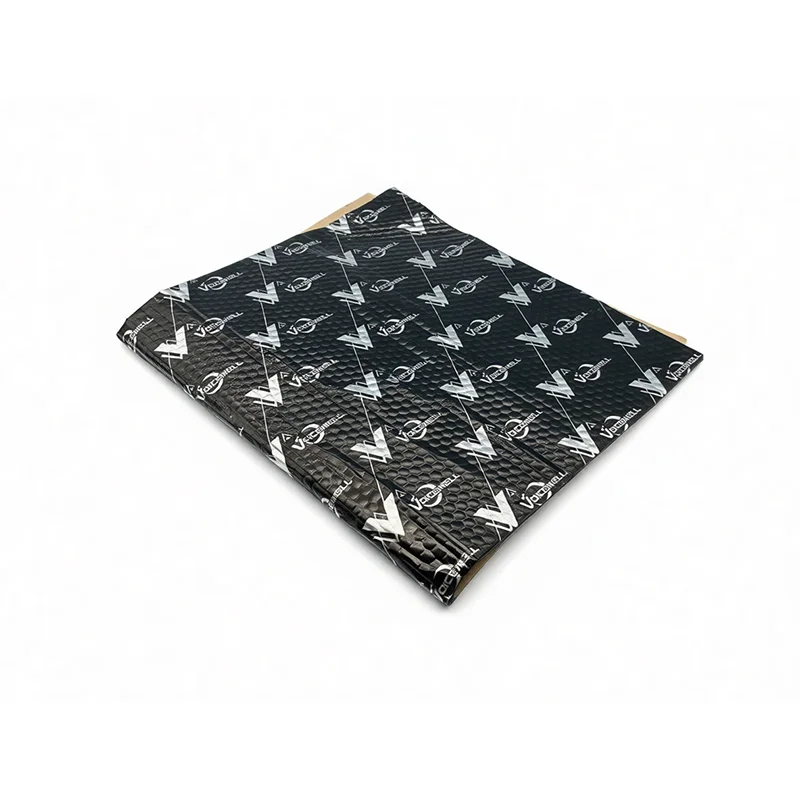
Having worked in industrial equipment manufacturing for more than a decade, I can tell you that sealing solutions often don’t get the attention they deserve — until they fail. Then suddenly, they’re the center of everyone's focus. One type of sealing innovation that has quietly transformed many applications is waterproof foam gasket material. It might sound mundane, but trust me, the right gasket can save downtime, headaches, and a tidy sum in repairs.
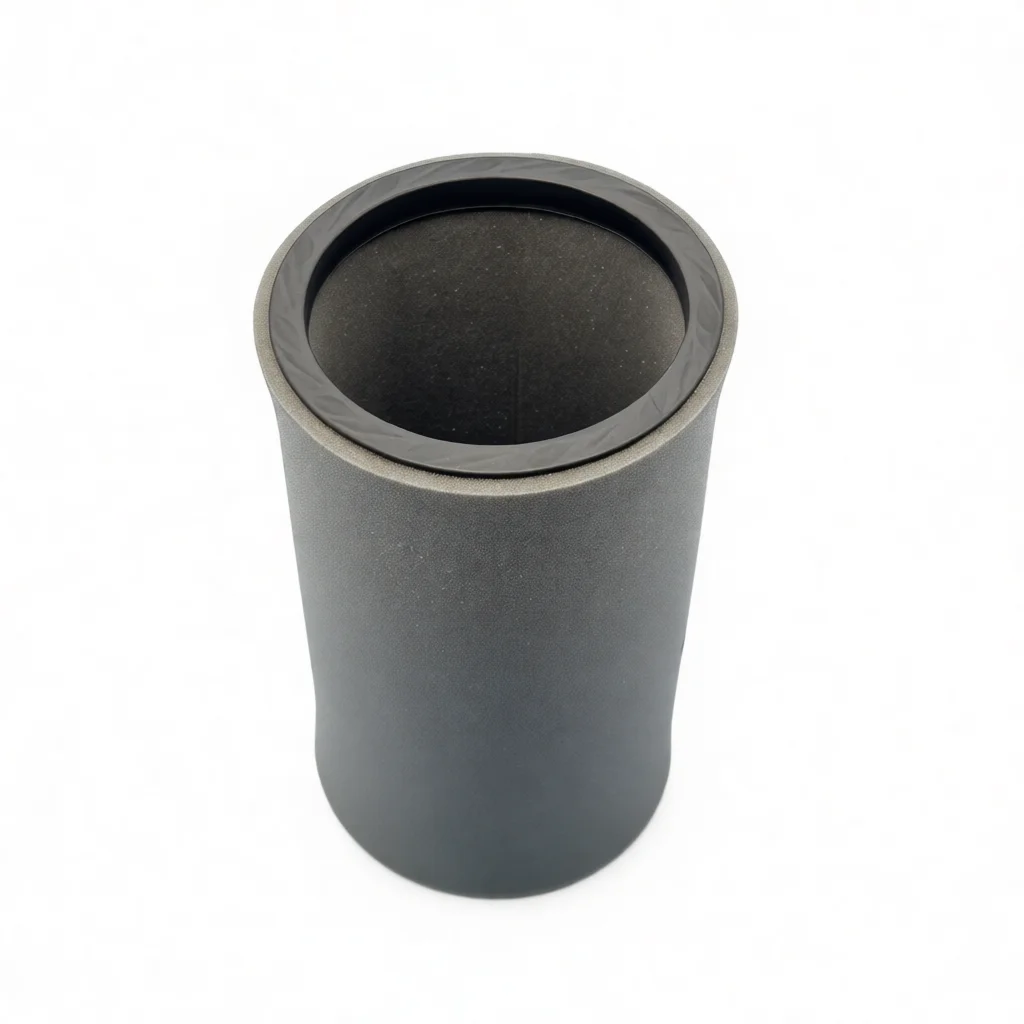
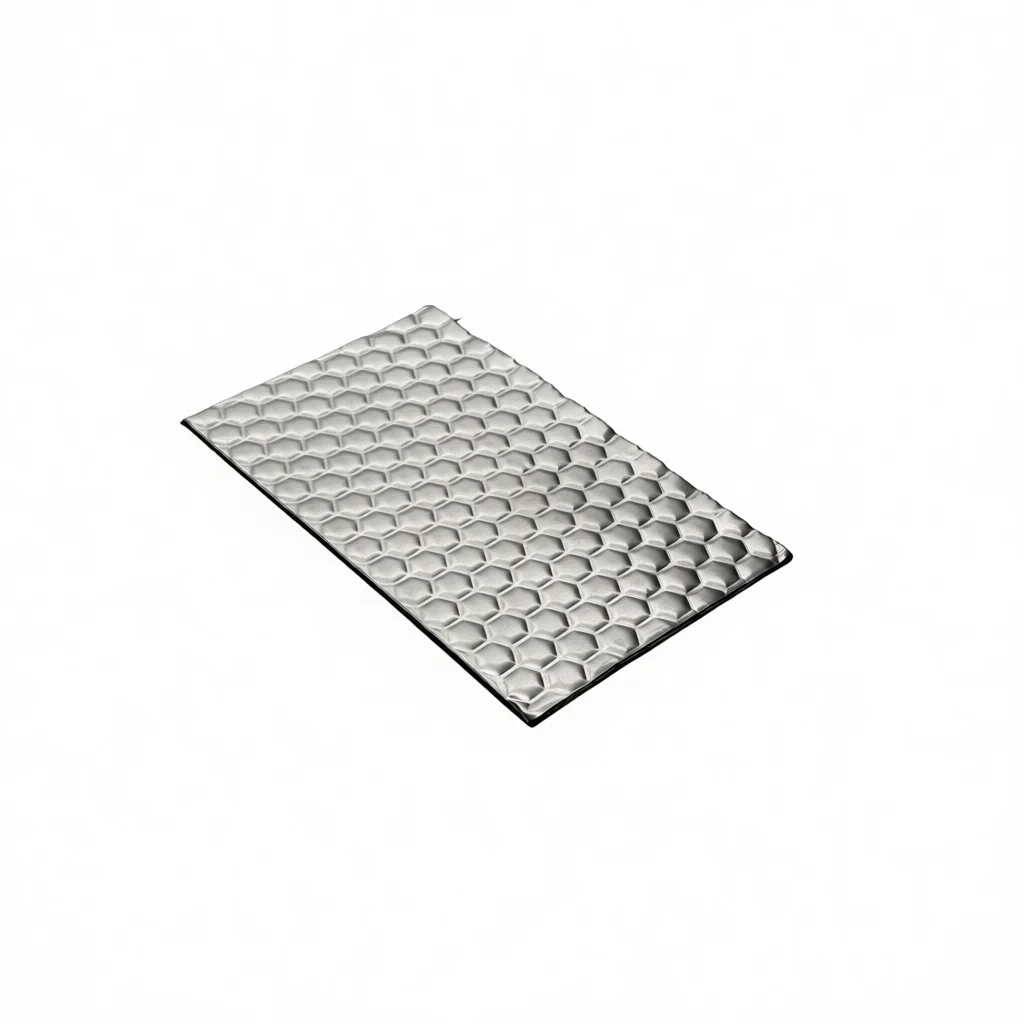
So, what makes waterproof foam gasket material particularly suited for industrial environments? Frankly, it boils down to durability and adaptability. Most plants face humid atmospheres, occasional washes, or even outdoor exposure — conditions where an ordinary rubber or foam seal just wouldn’t last. Waterproof foam gaskets resist water infiltration and maintain their shape and sealing force even after repeated exposure to moisture. This keeps contaminants out, machine integrity intact, and downtime minimal.
Oddly enough, the foam’s cellular structure is a bit of a balancing act. You want it dense enough to block water, but flexible enough to conform to uneven surfaces. The materials typically used—like closed-cell EPDM or neoprene foam—offer excellent weather, chemical, and UV resistance. I once handled a custom order for an OEM where the gasket had to survive not just water, but also exposure to oils and occasional steam. Closed-cell foams did the trick without needing frequent replacement.
| Property | Specification | Notes |
|---|---|---|
| Material | Closed-cell EPDM / Neoprene foam | Resists water, oils, UV |
| Density | 40–60 kg/m³ | Balance of softness and sealing force |
| Temperature Range | -40°C to 120°C (-40°F to 248°F) | Typical working range |
| Hardness | 20–40 Shore A | Soft enough to compress but durable |
| Water Absorption | After 24-hour immersion |
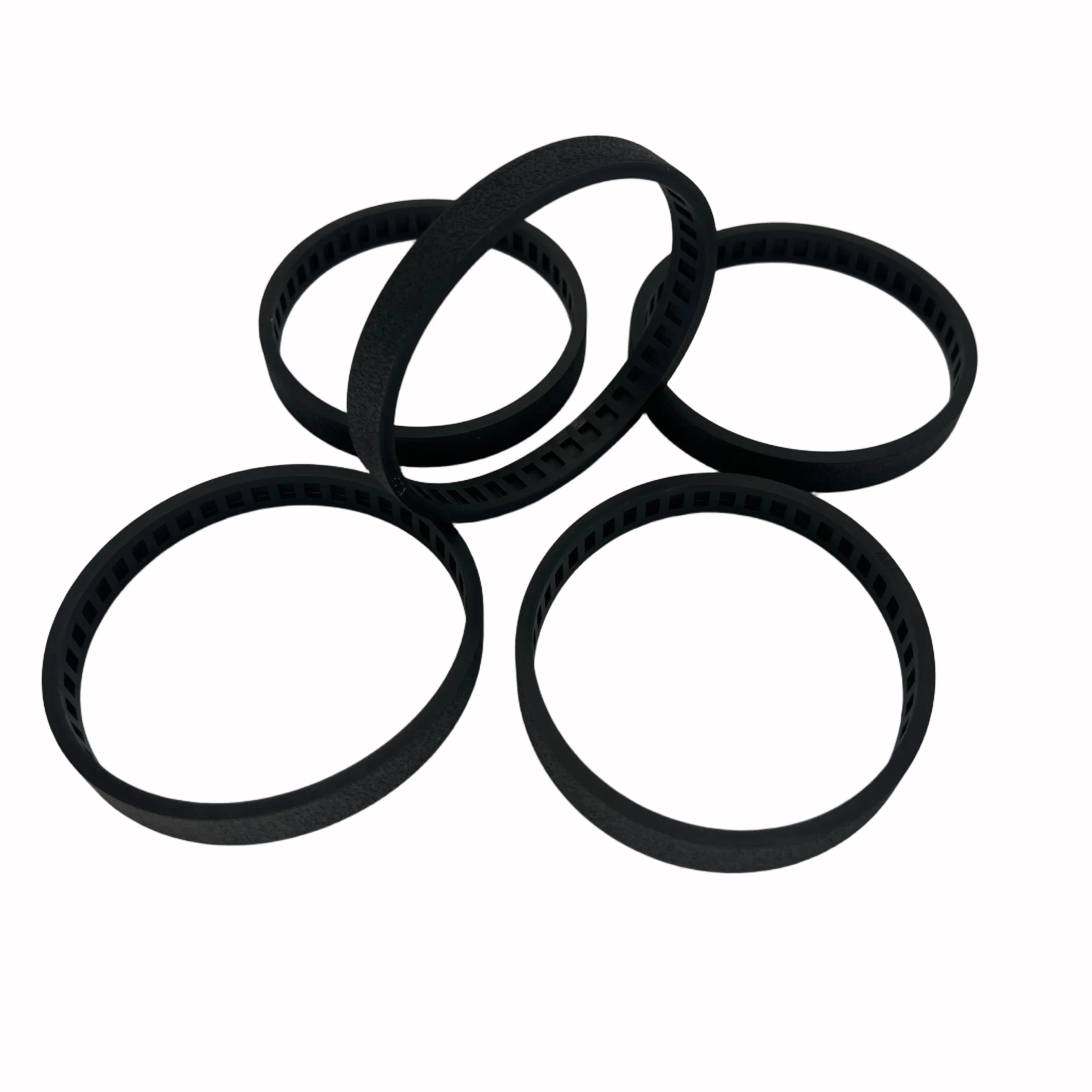
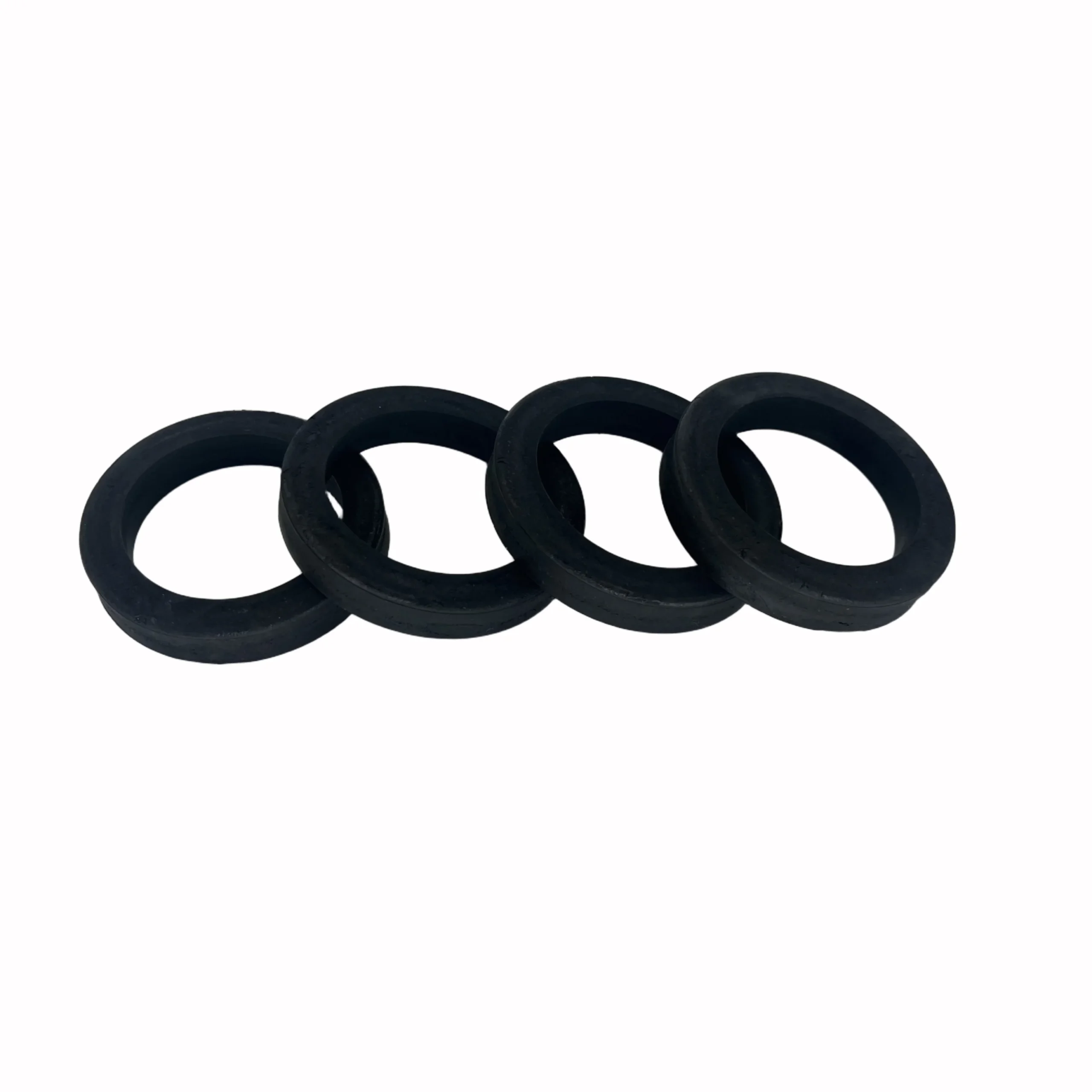
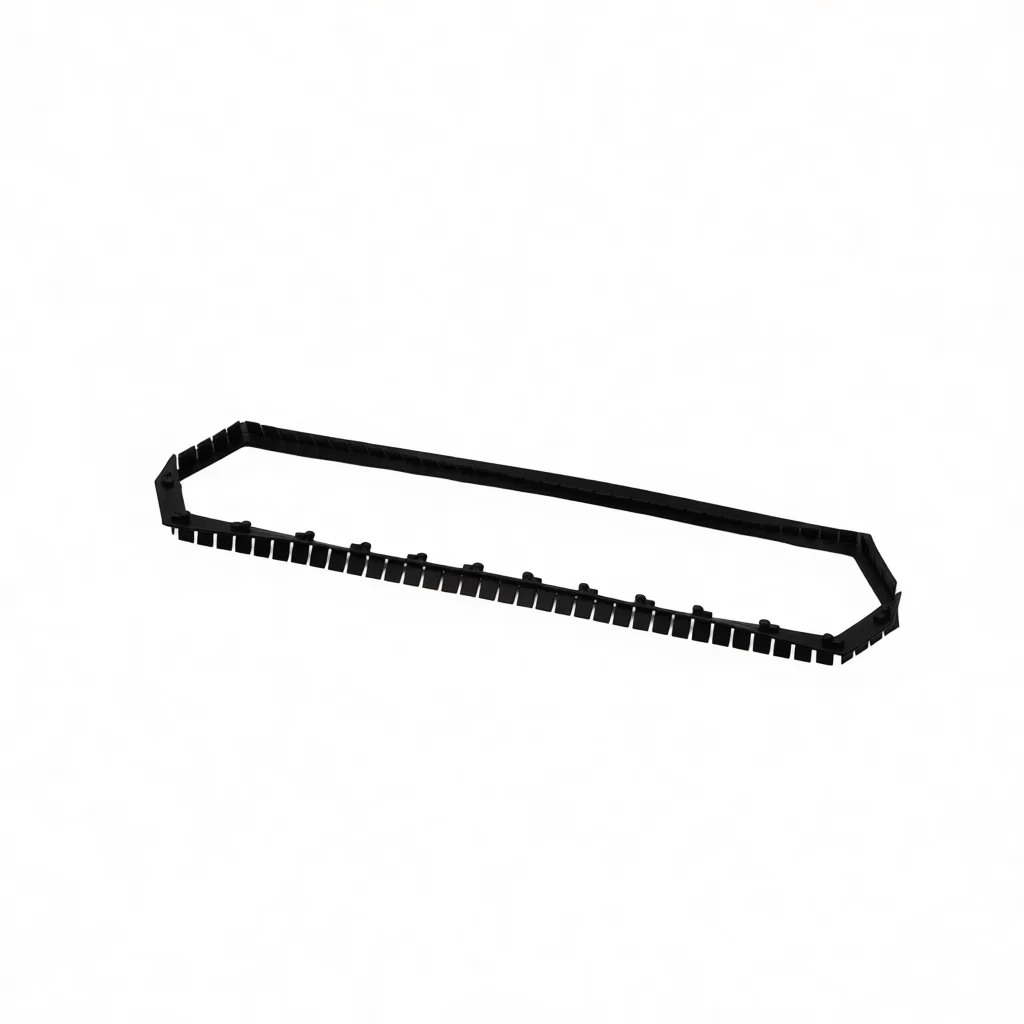
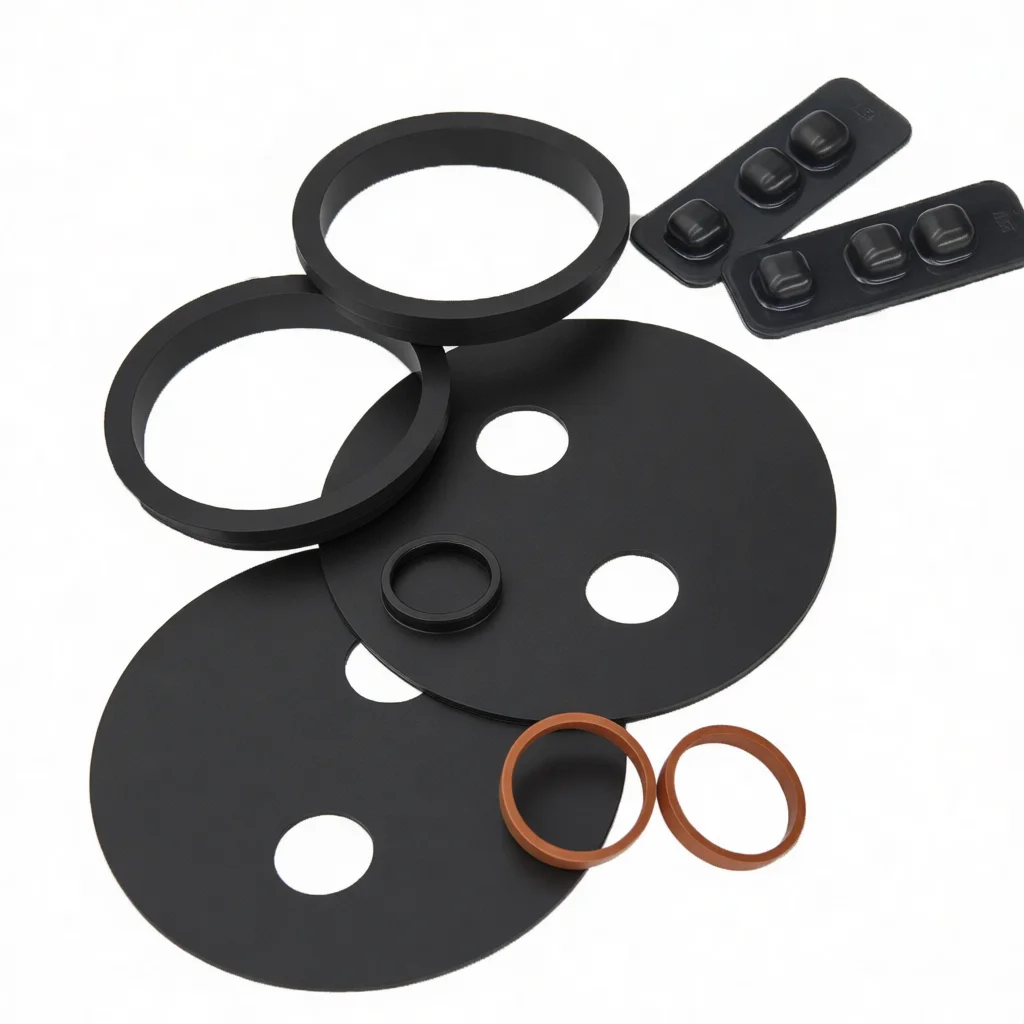
Manufacturers often provide customization, which frankly is essential because gasket shapes and sizes rarely fit a cookie-cutter mold in real industrial gear. We once worked with a packaging line OEM that needed an oddly shaped gasket to go around conveyor access panels. Custom die-cut waterproof foam gaskets from reliable vendors saved installation time and improved seal longevity.
| Supplier | Material Options | Customization | Lead Time | Typical Industries |
|---|---|---|---|---|
| SunliteTek | Closed-cell EPDM, Neoprene, Silicone | Die-cut, custom shapes, thicknesses | 1-2 weeks | Industrial, automotive, electronics |
| FoamSeal Co. | Neoprene, Nitrile, EPDM | Standard shapes; limited custom | 3-4 weeks | HVAC, marine |
| SealTech Networks | EPDM, Silicone | Custom extrusions available | 2-3 weeks | Medical, industrial |
Now, if you’re wondering about testing – many vendors will provide certifications for compression set, water absorption, and aging resistance. I recommend asking for these test reports before buying, especially if your application is critical. I personally learned that lesson the hard way when a seal failed prematurely due to unexpected steam exposure; a checklist of certifications would have flagged the mismatch upfront.
In day-to-day terms, waterproof foam gaskets also simplify maintenance. Because they’re less prone to water damage and degradation, you get longer intervals between service, which operators appreciate — they tend to tell me this off the record. And honestly, when parts last longer, it feels like a small victory against constant equipment hustling.
So, whether you’re rethinking seals for food packaging, outdoor electrical enclosures, or even automotive door seals, considering waterproof foam gasket material isn’t just wise — it’s practical. It’s one of those components where upfront investment and careful selection pay dividends rather quietly but reliably.
To wrap up, here’s what I keep in mind when dealing with these gasket materials:
- Know your environment — moisture, chemicals, temperature — all matter.
- Get proper specs and certifications — don’t skip testing documentation.
- Custom shapes often save hassle and improve performance.
- Consider the vendor’s lead times and flexibility — quick turnaround matters.
I hope this sheds some light on why waterproof foam gasket materials have quietly become a staple in industrial sealing. It’s a subtle hero in the manufacturing story, really.
References:
- SunliteTek Product Data Sheets
- Industry case studies on industrial sealing materials
- Personal experience working with OEMs and gasket suppliers

Why waterproof foam gasket material is a Game-Changer i […]