

 Select Language
In the rigorous disciplines of automotive engineering and high-speed industrial automation,uncontrolled kinetic energy is a silent,destructive force.The root cause of acoustic resonance,operator fatigue,and premature mechanical failure rarely originates from a primary engine defect.Instead,it stems from the cumulative effect of harmonic resonance.When operational vibrations from motors,road friction,or high-speed tooling transfer into thin-walled sheet metal or structural enclosures,they create low-frequency reverberations and severe mechanical stress.
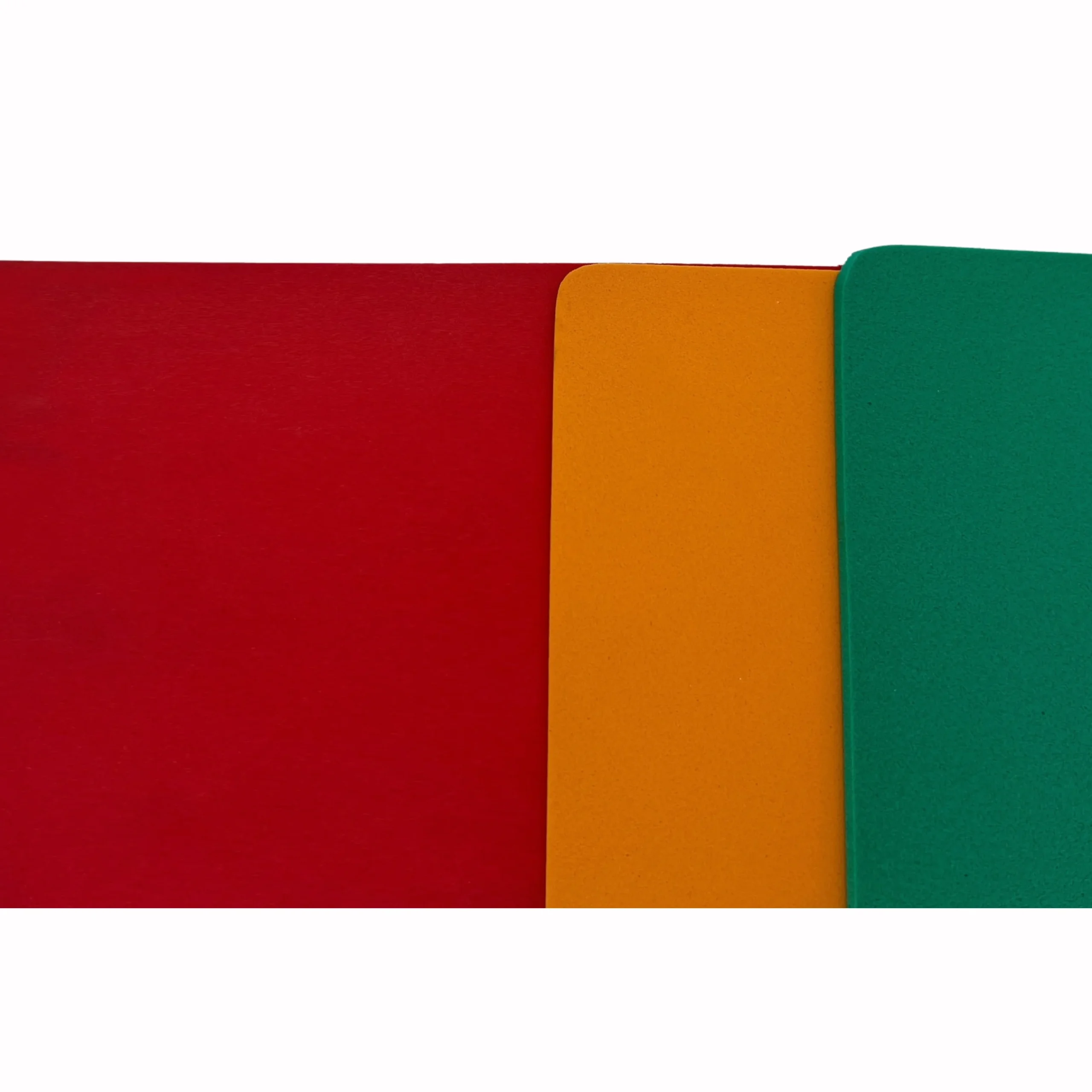
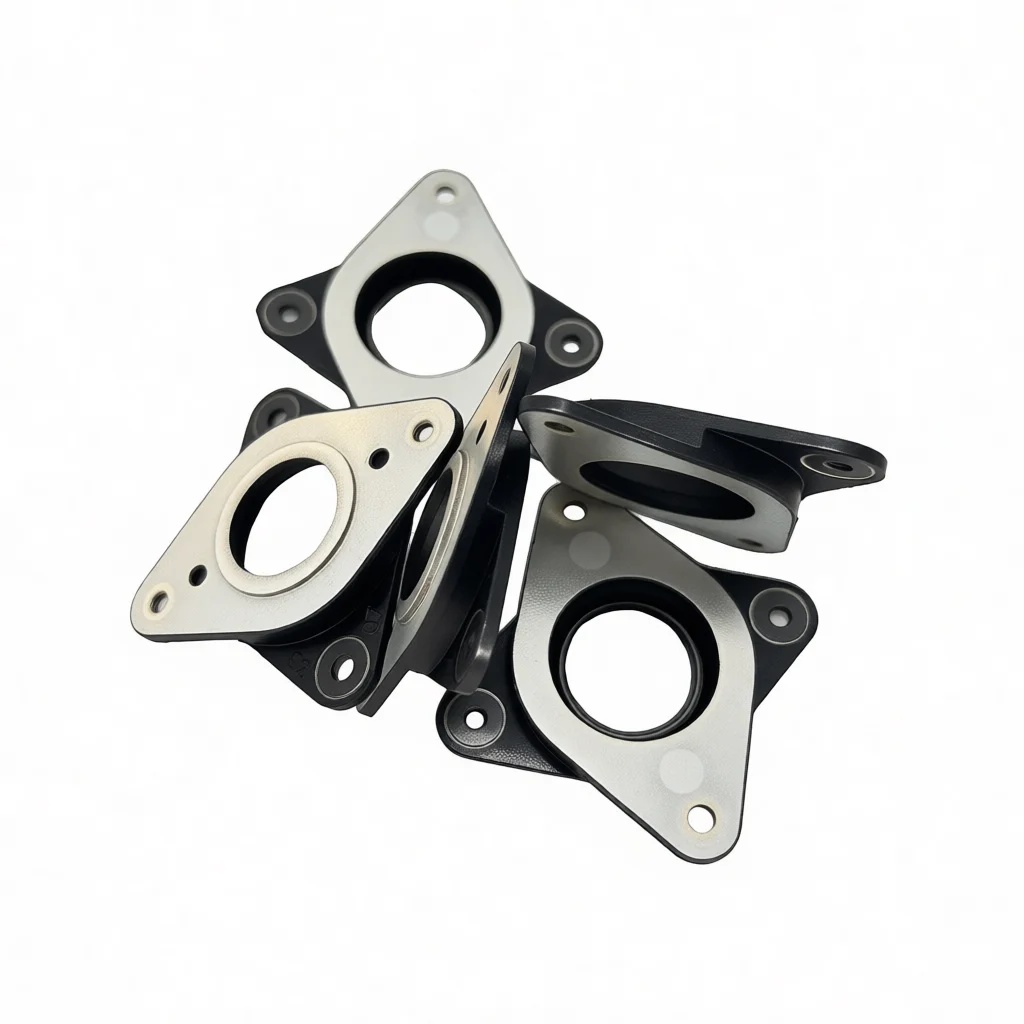
To eliminate this vulnerability,engineers must adopt a"Small Product,Big Impact"philosophy.Standard,single-layer rubber mats or acoustic foams simply absorb airborne sound;they do nothing to alter the dynamic stiffness or mass of a vibrating solid.This is where precision kinetic energy dissipation becomes mandatory.Engineered by Guangdong Sunlite Science&Technology Co.,Ltd.,the Multi-Layer Composite High-Damping Vibration Damper is not a passive acoustic barrier—it is an active mechanical stabilizer designed to suppress multi-source resonance directly at the structural interface.
Technical Breakdown:The Engineering Superiority of Constrained Layer Damping
High-efficiency vibration control relies on the principles of Constrained Layer Damping(CLD).A standard unconstrained rubber pad will flex sympathetically with a metal panel,offering negligible energy dissipation.
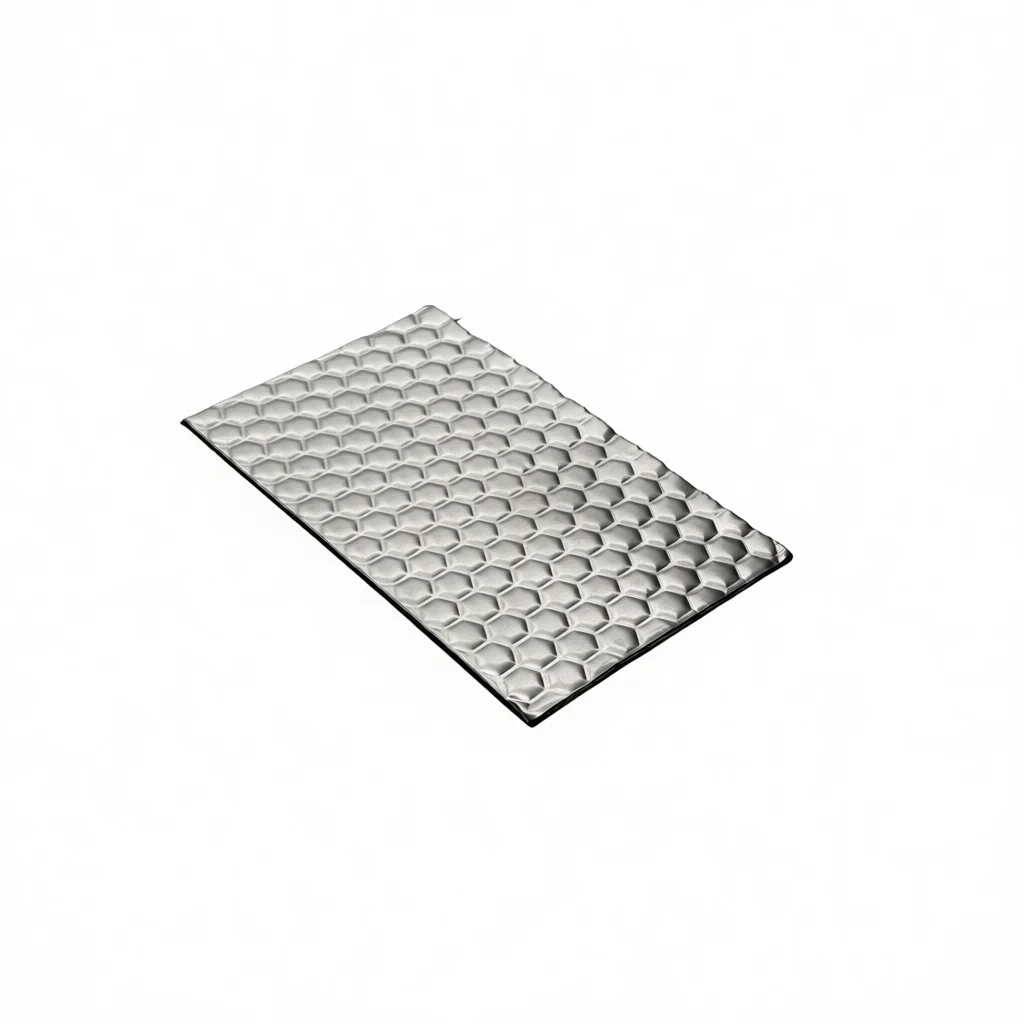
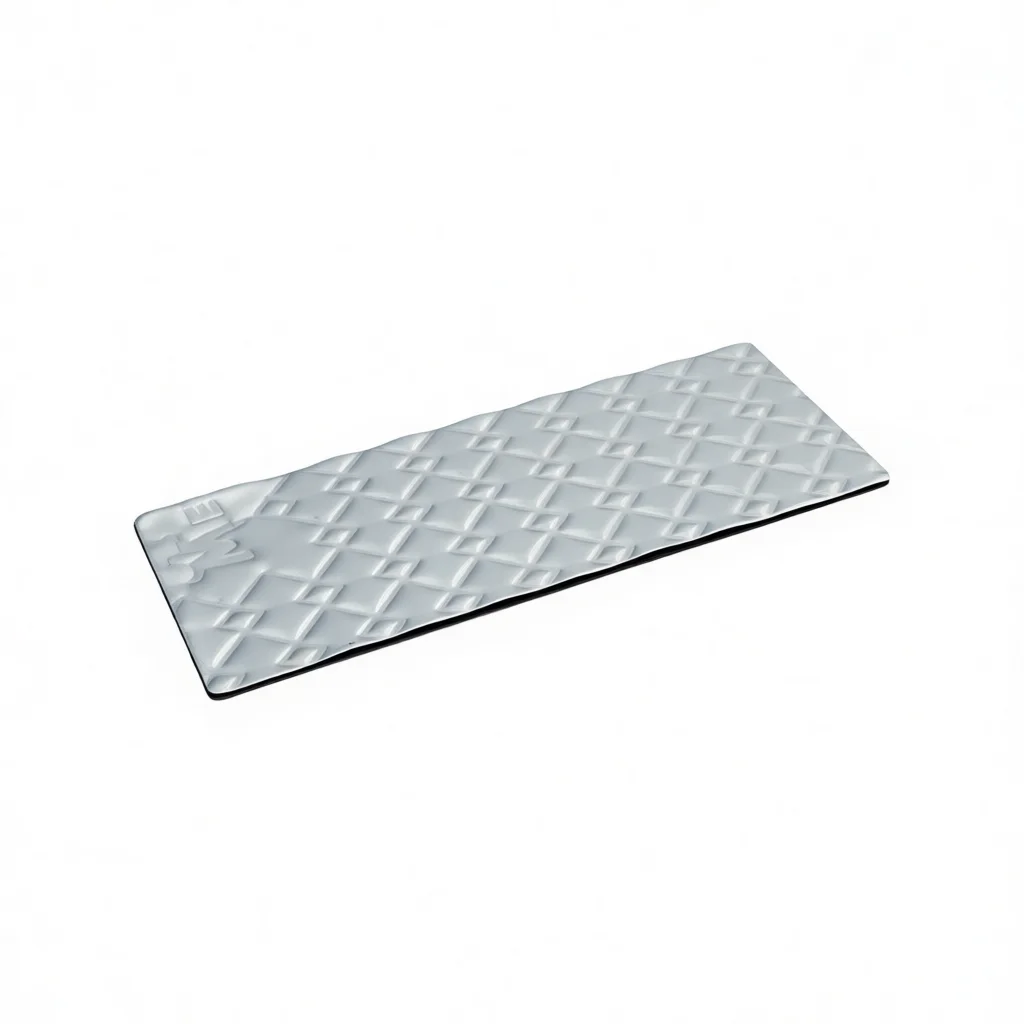
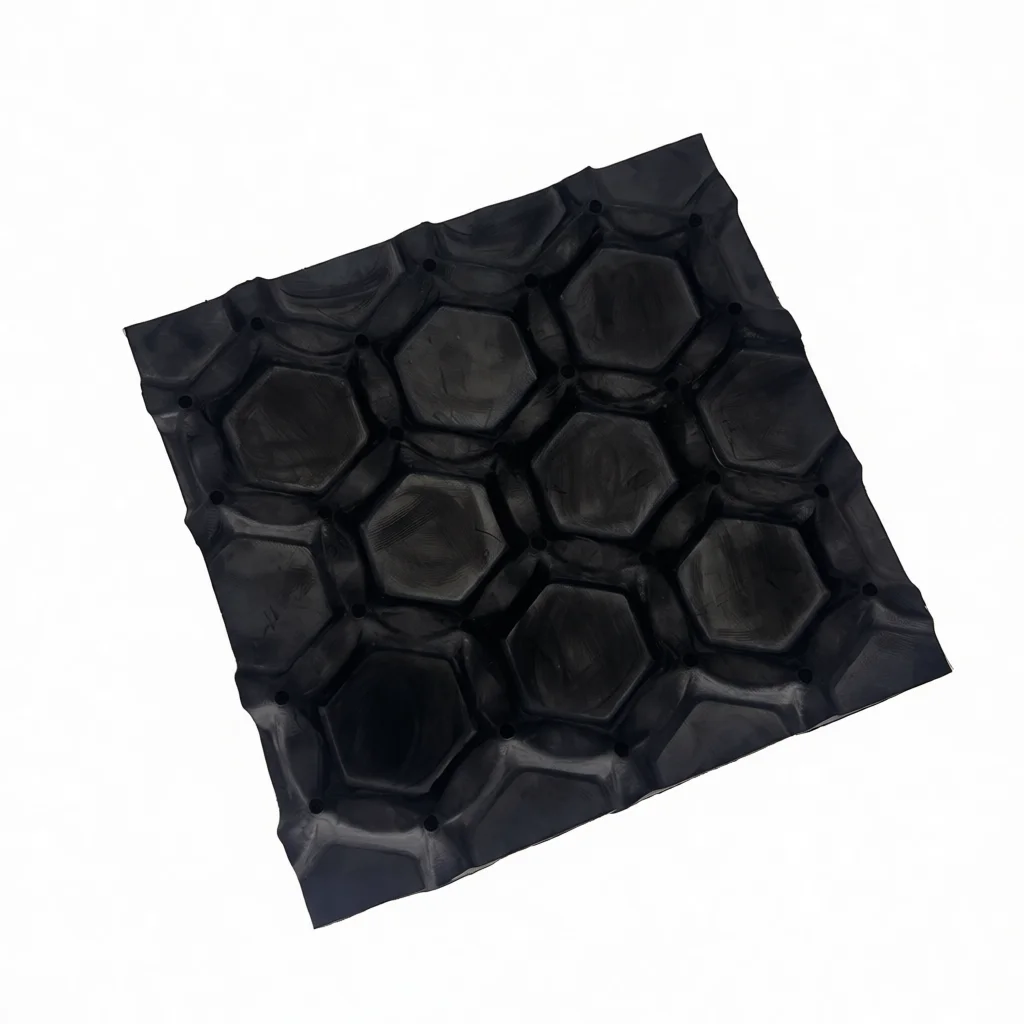
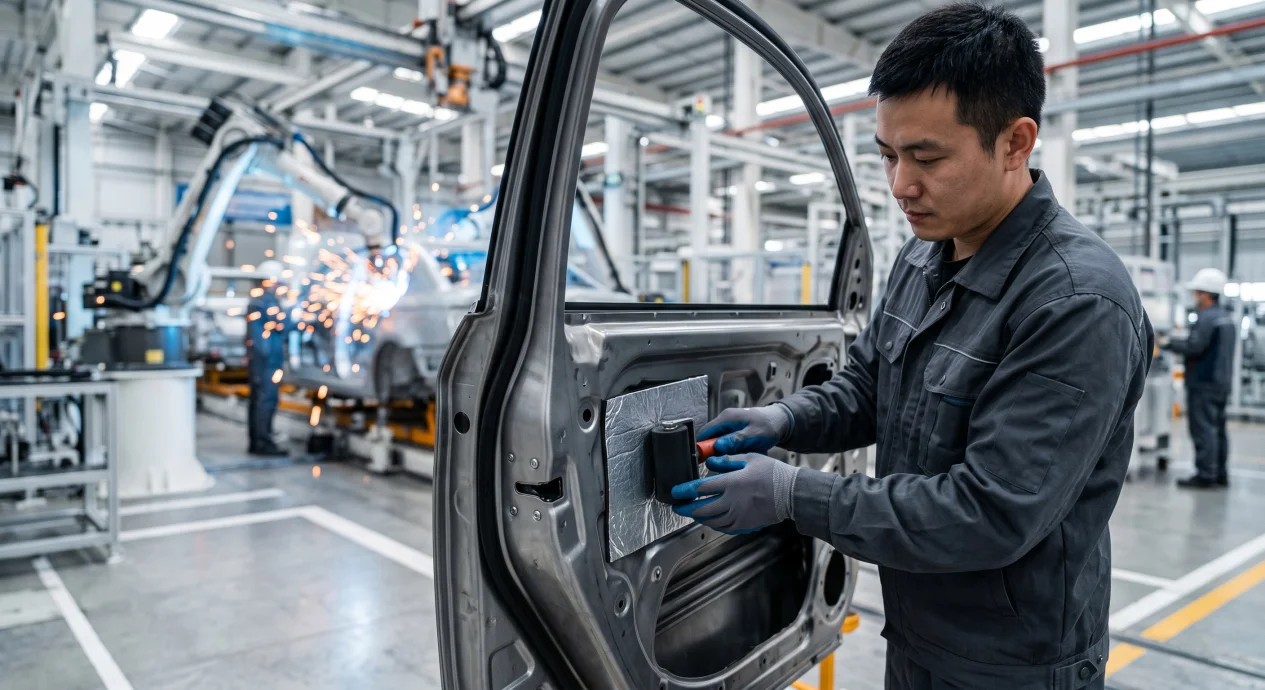
Guangdong Sunlite solves this by engineering a sophisticated multi-layer architecture.Our damper consists of specialized viscoelastic butyl rubber,high-damping polymers,and fiber-reinforced layers,all fused to a rigid aluminum foil constraining layer.When the host structure vibrates,the rigid aluminum layer forces the underlying viscoelastic elastomer into a state of extreme shear strain.This internal molecular friction maximizes the material's hysteresis,rapidly converting vibrational kinetic energy into low-level thermal energy.
By broadening the glass transition temperature range,this advanced formulation achieves an exceptional composite loss factor of≥0.40.This industry-leading damping efficiency ensures that mechanical ringing and acoustic reverberations are deadened instantly,protecting sensitive instrumentation and improving overall system acoustics.
Material Specification Comparison:Multi-Layer Composite vs.Standard Rubber Pads
To quantify the engineering advantage of advanced composite damping,we must compare it against traditional single-layer rubber pads historically used in industrial assembly.
Engineering Metric | Sunlite Multi-Layer Composite Damper | Standard Single-Layer Rubber/Foam |
Composite Loss Factor(η) | ≥0.40(Exceptional kinetic energy conversion) | <0.10(Poor mechanical damping) |
Structural Architecture | Viscoelastic Butyl+Aluminum Foil+Polymers | Homogeneous Rubber/Polyurethane |
Operating Temperature Range | -50°C to+100°C | 0°C to+60°C(Embrittles or softens) |
Environmental Stability | Outstanding(Moisture,oil,and ozone resistant) | Moderate(Prone to chemical degradation) |
Adhesion Mechanism | High-Bond Pressure Sensitive Adhesive | Requires secondary liquid contact cements |
Real-World Applications:Where Precision Damping is Non-Negotiable
The structural integration of our composite dampers is utilized across several heavy-duty sectors where uncontrolled vibration leads to compromised performance or mechanical fatigue.
1.Electric Vehicle(EV)NVH Optimization
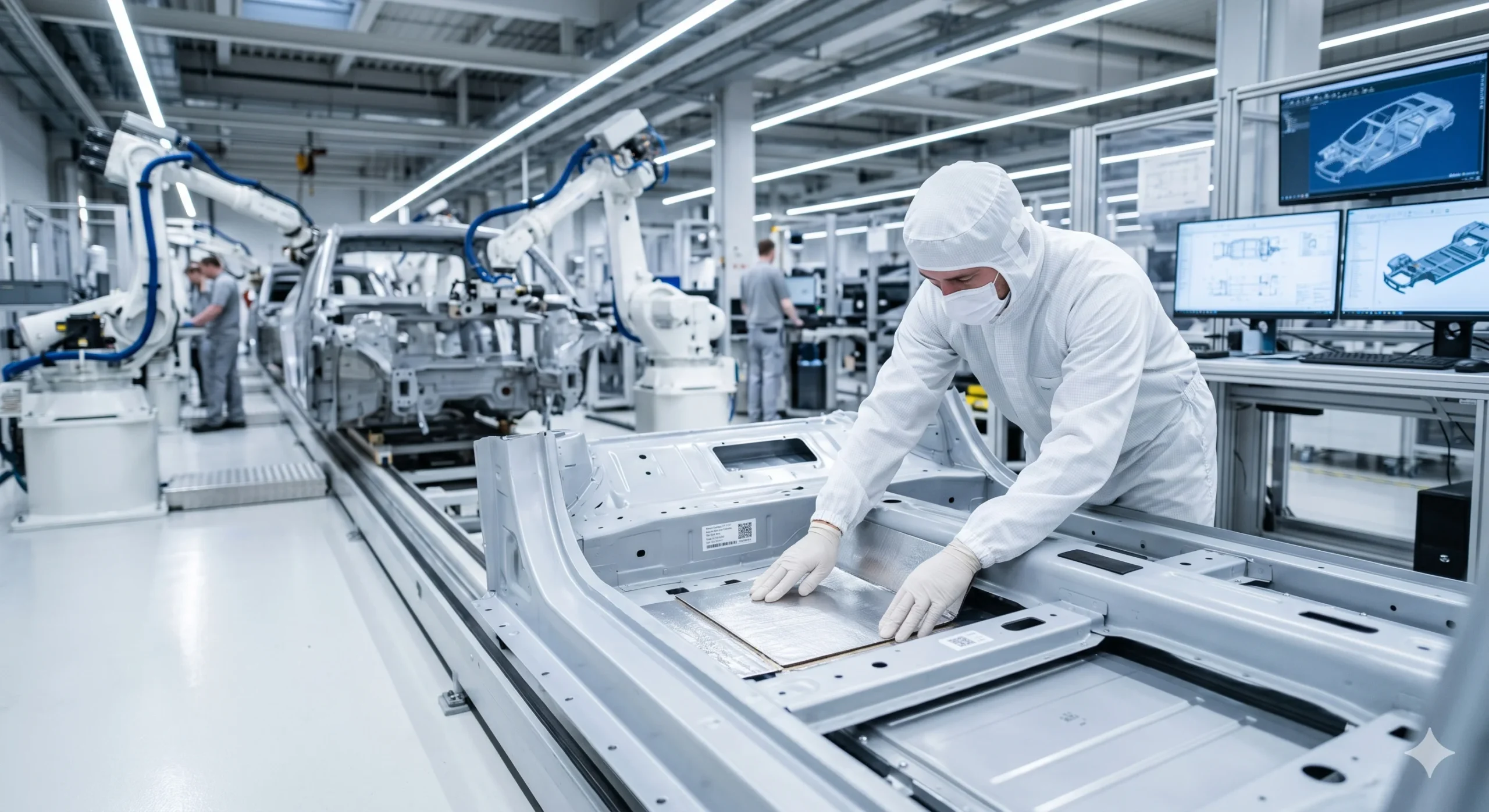
Without the masking noise of an internal combustion engine,EVs are highly vulnerable to tire resonance and high-frequency inverter hum.Traditional heavy asphalt pads compromise the vehicle's lightweighting targets.By applying our Multi-Layer Composite High-Damping Vibration Damper to the chassis floor,wheel arches,and trunk areas,automotive engineers can achieve massive reductions in the interior sound pressure level(SPL).This composite seamlessly meets the dual requirements of lightweight design and stringent NVH(Noise,Vibration,and Harshness)standards.
2.CNC Machining and Semiconductor Manufacturing
In high-precision manufacturing,micro-vibrations dictate the reject rate of milled parts and silicon wafers.Heavy industrial compressors and high-speed servo motors generate harmonic frequencies that travel through the machine bed.Our multi-layer composite dampers are applied to gearbox support frames and motor housings to sever this transmission path.By dissipating the kinetic energy,the damper ensures the cutting tool or optical laser maintains micron-level accuracy without calibration drift.
3.Rail Transit and Commercial Vehicles
Railway carriages and heavy commercial vehicles experience constant,low-frequency structural shuddering.These environments demand a damping solution that maintains its viscoelasticity across massive thermal shifts.Guangdong Sunlite's formulation operates effectively down to-50°C,preventing the damping layer from freezing and cracking during winter transit,thereby protecting structural sheet metal from vibration-induced micro-fractures.
Total Cost of Ownership(TCO)Analysis:The ROI of Kinetic Energy Dissipation
A persistent vulnerability in B2B hardware procurement is optimizing for the lowest unit price per square meter of insulation.Evaluating the Total Cost of Ownership(TCO)fundamentally invalidates this approach.
If an OEM saves 15%on initial material costs by utilizing a low-grade bitumen or standard rubber pad,that capital is instantly erased when the material degrades.Cheap pads harden,crack,and lose adhesion within 24 months.When a damping pad detaches inside a high-speed machine enclosure or a vehicle door,it leaves the metal entirely exposed to resonance.The true cost includes expensive warranty repairs,severe brand damage due to consumer noise complaints,and the premature mechanical wear of surrounding electronic components.
Guangdong Sunlite’s Multi-Layer Composite High-Damping Vibration Damper is engineered to outlast the technological lifecycle of the primary hardware.Our advanced pressure-sensitive adhesive and anti-aging properties ensure zero hollowing or edge-warping over long-term use.By significantly increasing the Mean Time Between Failures(MTBF)of your structural frames and internal electronics,our precision damping solutions yield massive financial dividends in reduced maintenance and liability costs.
Frequently Asked Questions(Technical FAQs)
What is the significance of a composite loss factor of≥0.40?
The composite loss factor dictates a material's ability to convert structural vibration(kinetic energy)into heat.A loss factor of≥0.40 represents an exceptionally high damping efficiency,meaning structural resonance and acoustic ringing are suppressed in a fraction of a cycle compared to standard materials that simply let the metal ring.
Can this multi-layer damper operate in extreme thermal environments?
Yes.Through advanced formulation and structural optimization,Guangdong Sunlite has broadened the glass transition temperature of the internal elastomer core.The damper maintains its high internal friction and structural integrity across a massive operating range of-50°C to+100°C.
How is the multi-layer vibration damper installed on complex structural geometries?
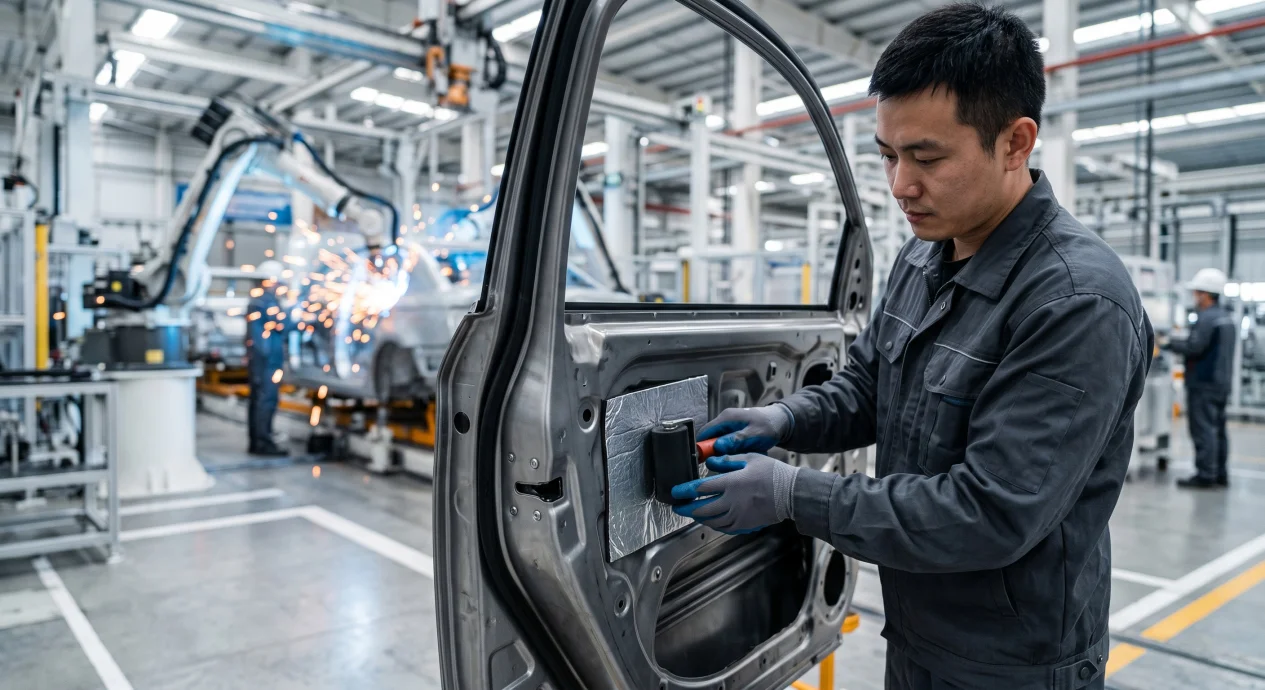
The damper features a high-bond,pressure-sensitive adhesive backing.The aluminum foil constraining layer is highly pliable,allowing technicians to easily cut the material and press it seamlessly onto irregular,complex curved sheet metal surfaces without the need for heat guns or secondary chemical adhesives.
Secure Your Systems with Precision Engineering
Do not allow harmonic resonance and acoustic reverberation to compromise the quality,safety,and longevity of your advanced mechanical designs.The integrity of your kinetic energy management dictates the perceived quality and reliability of your entire platform.
Partner with the experts in advanced elastomer and acoustic science.Contact the engineering team at Guangdong Sunlite Science&Technology Co.,Ltd.today for detailed NVH material selection,custom structural analysis,and to request high-performance composite samples tailored to your exact manufacturing requirements.
In the rigorous disciplines of automotive engineering and high-speed industrial automation,uncontrolled kinetic energy is a silent,destructive force.