

 Select Language
In the sophisticated world of commercial property management and large-scale architectural maintenance, the efficiency of a bathroom's hydraulic system is often the difference between a high-performing facility and an operational liability. As building standards have evolved to prioritize rapid waste removal and extreme water conservation, the internal components of the porcelain reservoir have undergone a significant transformation. One of the most critical shifts in recent years is the move toward high-velocity discharge systems, which rely on the integration of a large flapper for toilet mechanisms. For facility managers, identifying the correct size and material of these components is not merely a matter of maintenance; it is a strategic requirement for protecting the building’s structural integrity and minimizing utility overhead.
The transition from the traditional 2-inch standard to the modern high-performance valve has created a diverse landscape of internal hardware. In a high-traffic commercial environment, such as a shopping mall, office complex, or hotel, the demand on a flapper toilet tank interface is immense. These systems are designed to move a large volume of water in a fraction of a second to create a powerful siphoning action. If a technician incorrectly identifies the required seal size, the resulting mismatch can lead to chronic leaking, "phantom flushing," or a complete failure of the flush cycle. Understanding the visual and mechanical cues of a 4 inch toilet flapper is therefore essential for any professional tasked with the upkeep of modern commercial sanitation.
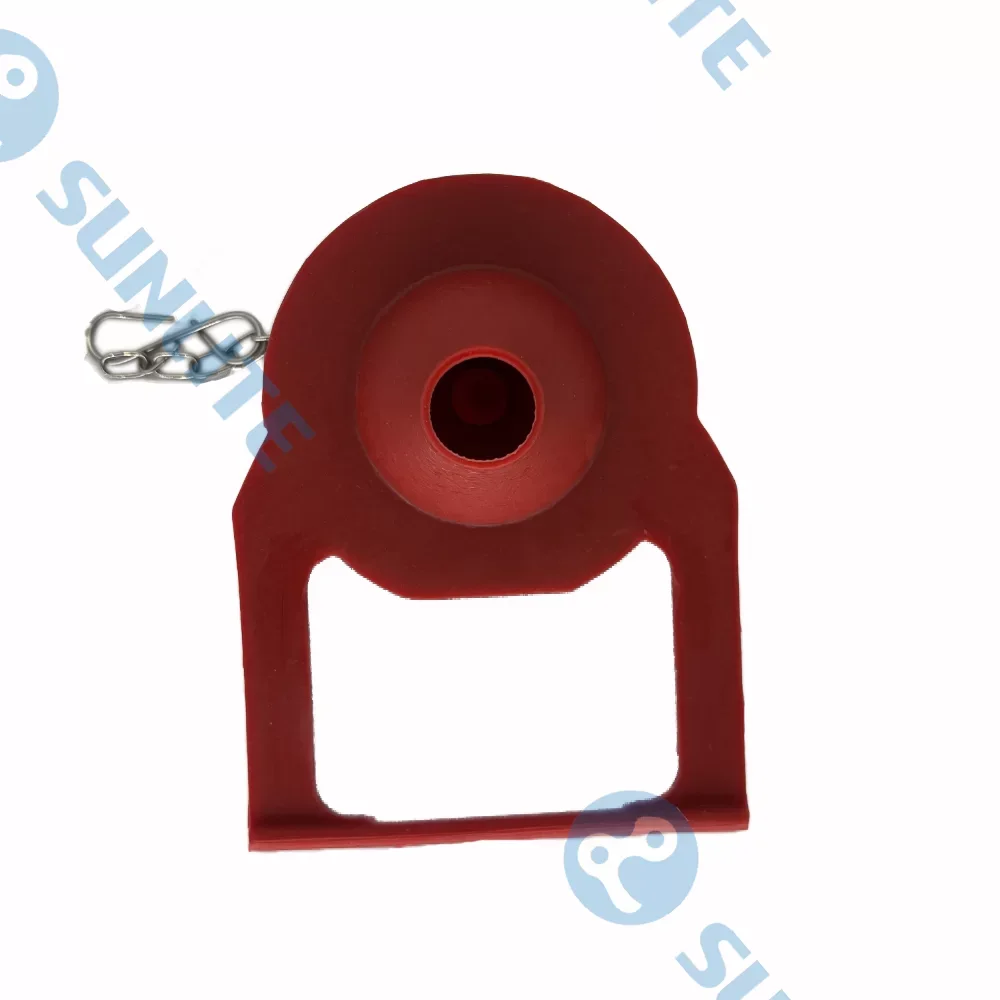
Visual And Physical Characteristics Of The 4 Inch Toilet Flapper In High-Velocity Systems
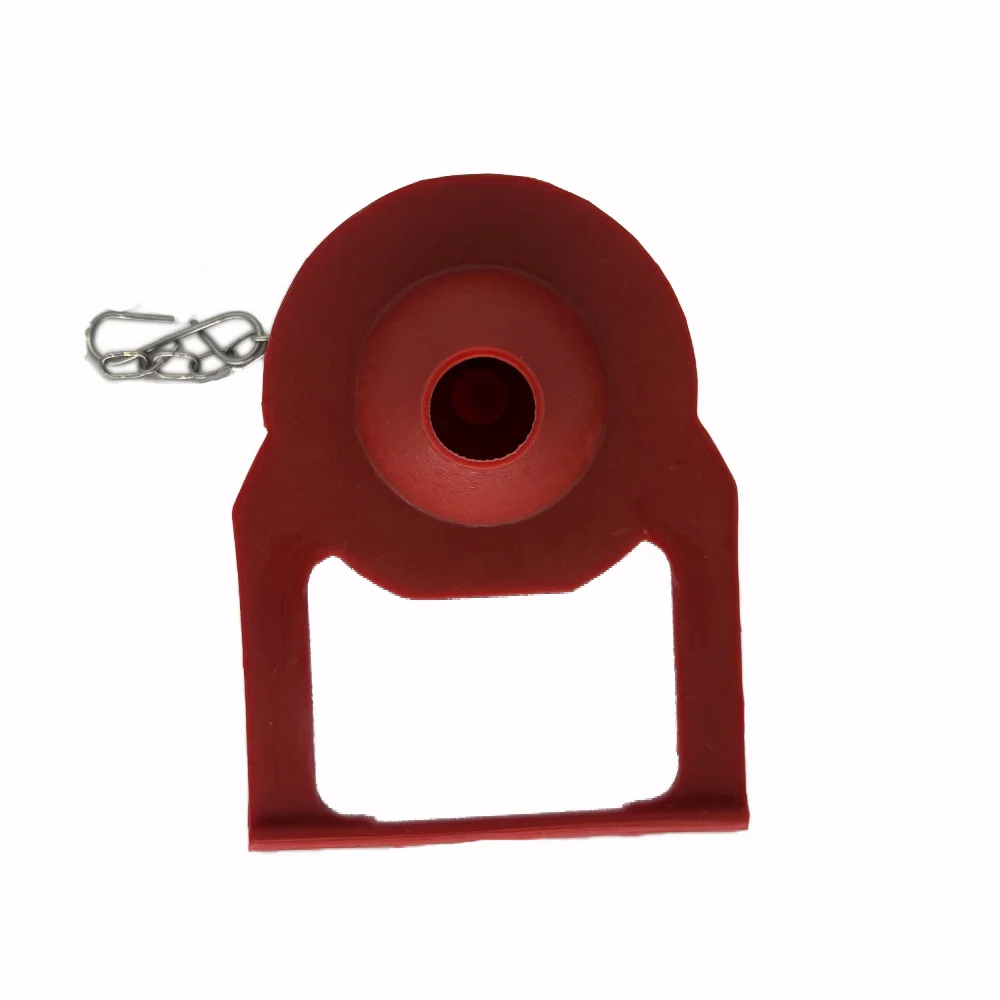
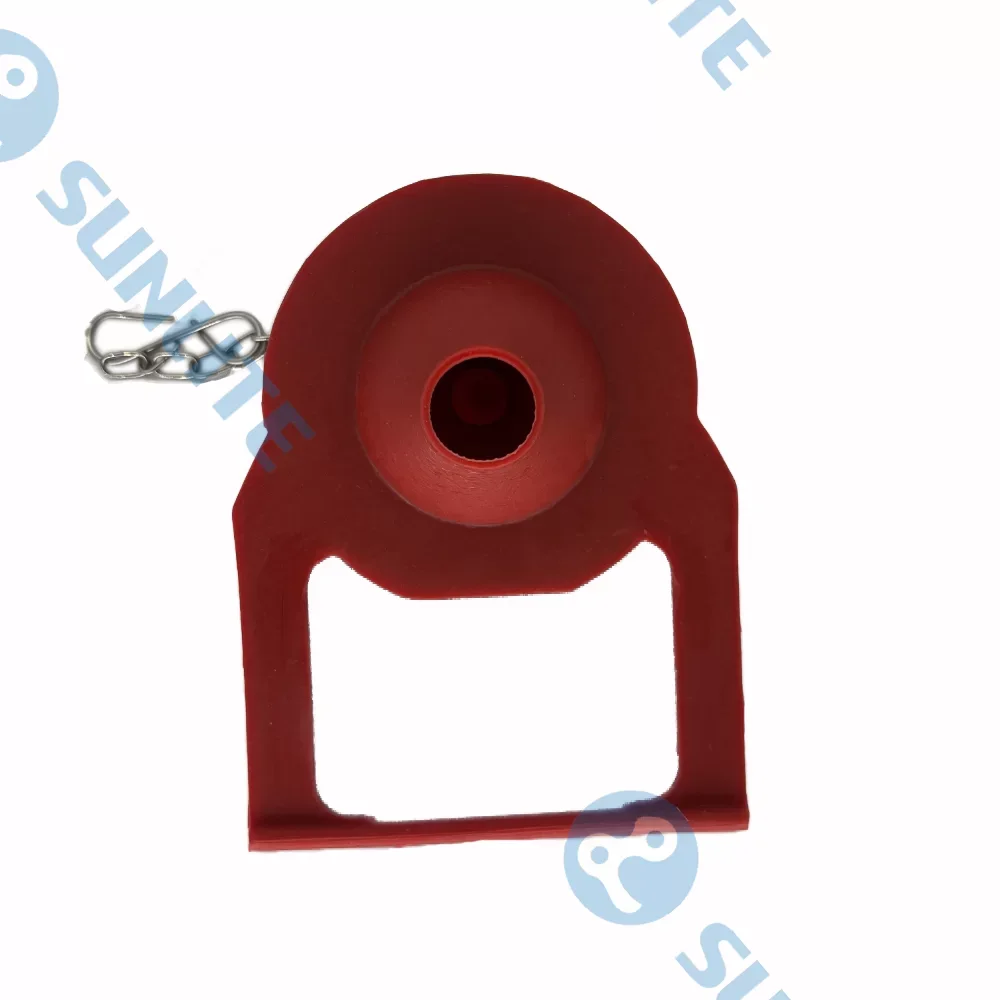
When opening the reservoir of a modern commercial fixture, the most immediate indicator of a high-performance system is the sheer scale of the flush valve opening. Identifying a 4 inch toilet flapper begins with a visual assessment of the valve seat. Unlike the older, more compact designs found in mid-century architecture, these modern valves appear cavernous. The flapper itself is often designed with a reinforced circular frame to prevent the rubber from warping under the increased weight of the water column. Because a larger surface area is subject to more pressure, a 4 toilet flapper must be structurally more rigid than its smaller counterparts, often featuring a heavy-duty "backbone" or a specialized float to control the speed at which it closes.
Furthermore, the physical footprint of a large flapper for toilet systems often dictates the internal layout of the tank. In many commercial-grade toilets, the overflow tube and the fill valve are spaced further apart to accommodate the wider swing of the oversized flapper. When a technician is inspecting a flapper for toilet bowl compatibility, they should look for specialized attachment points. Many 4-inch designs utilize a "large-wing" hinge system that clips onto oversized pegs on the overflow pipe. If the flapper appears to dominate the bottom of the tank and covers an opening roughly the size of a grapefruit, it is a definitive sign that the system is built for the high-velocity 4-inch standard.
The Role Of Material Resilience In A Professional Flapper Toilet Tank Interface
In a commercial setting, the water supply is frequently treated with high concentrations of chlorine and other aggressive disinfectants to maintain hygiene across a large network of pipes. This chemical environment is particularly taxing on a flapper toilet tank seal. To identify a high-quality replacement, one must look beyond the size and evaluate the material composition. Professional-grade flappers for commercial use are typically manufactured from specialized elastomers that resist "blistering" or chemical softening. A flapper that feels overly gummy or shows signs of black residue when touched has already begun to degrade, regardless of its size.
The durability of a large flapper for toilet is also tied to its ability to resist the physical forces of a commercial flush. Because the 4-inch valve allows water to exit the tank so rapidly, the flapper is subjected to a violent "pull" as the vacuum is created. A standard residential-grade material would quickly tear or lose its shape under these conditions. Identifying the correct 4 inch toilet flapper involves looking for "chlorine-resistant" or "heavy-duty" branding on the component itself. These seals are engineered to maintain a perfectly flat, watertight contact with the valve seat for hundreds of thousands of cycles, providing the "fit and forget" reliability that commercial facility managers demand to avoid constant "out of order" signs on restroom stalls.
Optimizing Hydraulic Performance With The Correct Flapper For Toilet Bowl Siphoning
The engineering logic behind a 4 toilet flapper is rooted in the physics of the siphon. A larger opening allows the tank to dump its contents into the bowl with much higher kinetic energy than a traditional 2-inch valve. This energy is what allows modern low-flow toilets to clear the bowl effectively with significantly less water. If a technician attempts to use a smaller flapper or a poorly fitted universal seal, the flush will lack the necessary "punch" to initiate a full siphon. This leads to the dreaded "double-flush" scenario, which effectively doubles the building's water consumption and negates all sustainability efforts.
Identifying the specific flapper for toilet bowl siphoning requirements often involves checking the model number of the porcelain fixture itself. Most major manufacturers of commercial toilets have transitioned their high-efficiency (HET) lines to the 4-inch standard. By matching the flapper to the engineered flow rate of the bowl, a building can maintain its LEED certifications and ensure that the plumbing system remains free of clogs. The synergy between a perfectly seated large flapper for toilet and a precision-engineered bowl is what creates a modern, hygienic restroom environment. It is a testament to how a small, often overlooked piece of hardware can dictate the performance of an entire building's infrastructure.
In the sophisticated world of commercial property management and large-scale architectural maintenance, the efficiency of a bathroom's hydraulic system is often the difference between a high-performing facility and an operational liability.