Select Language
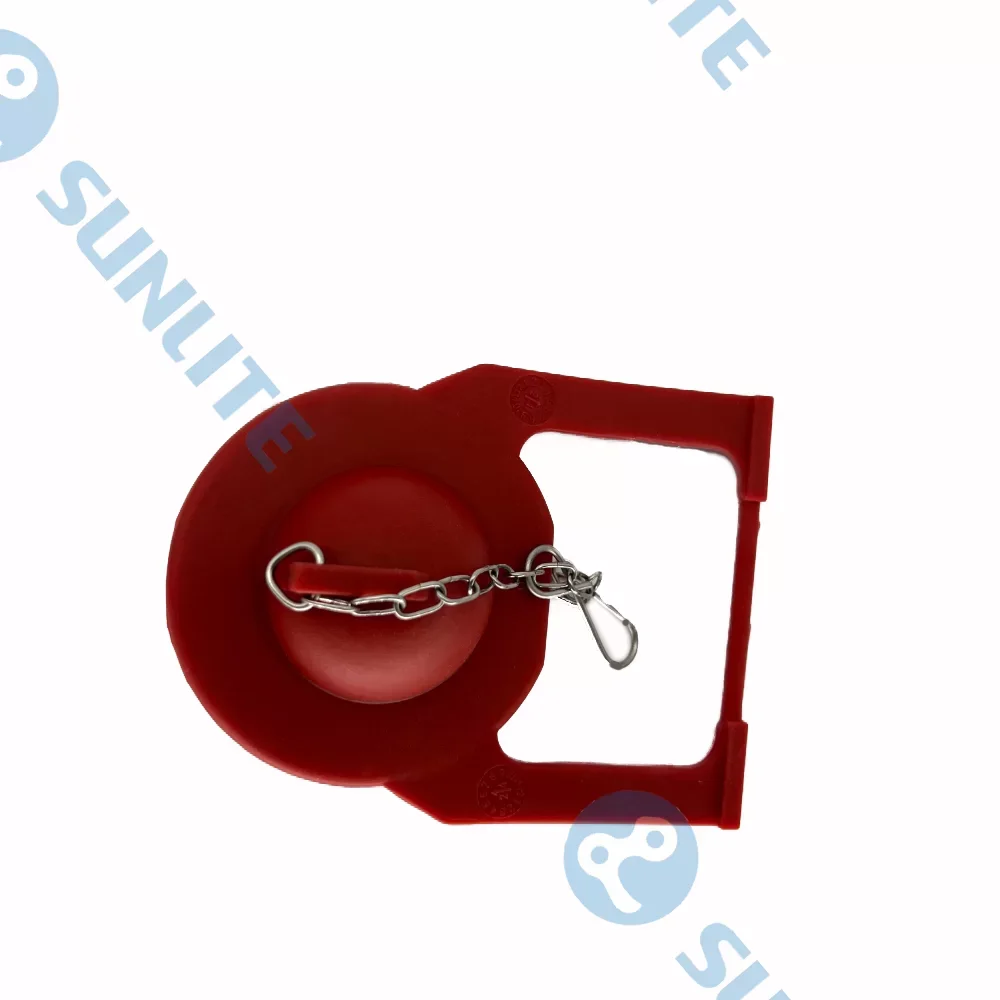
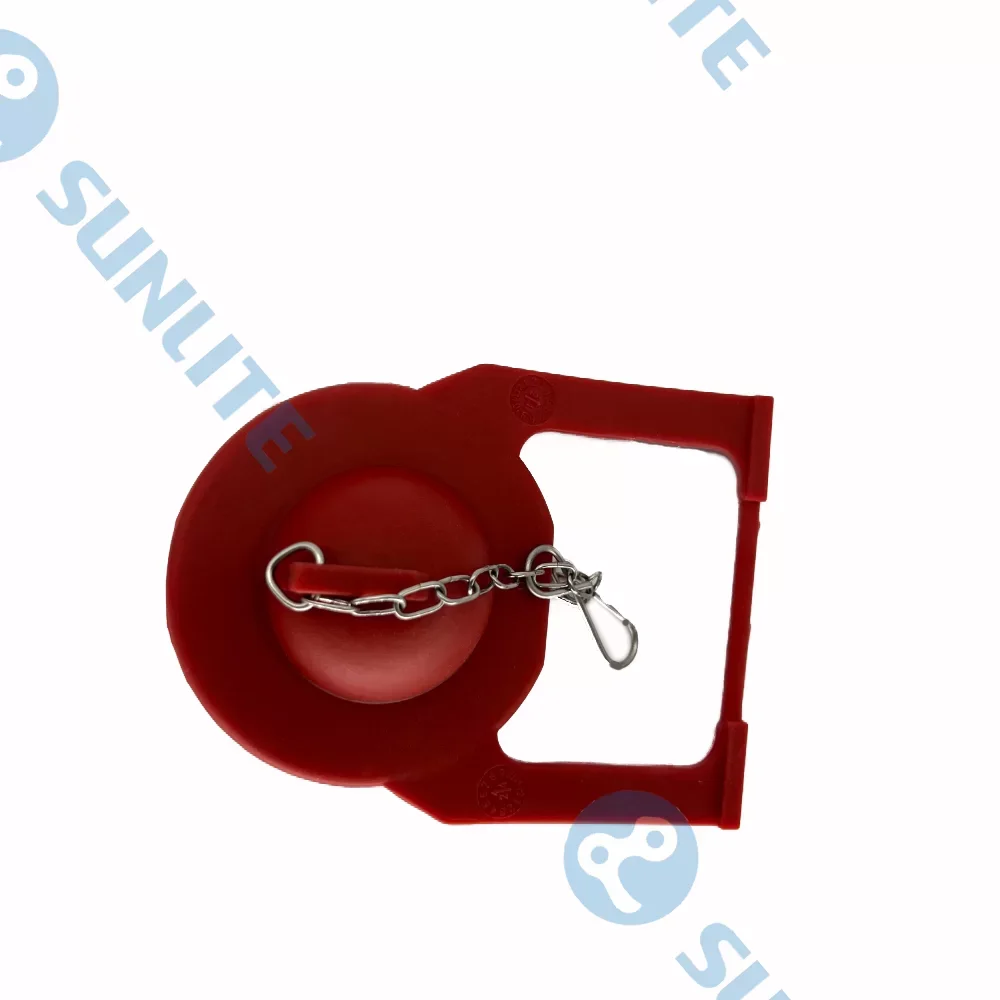
The history of domestic plumbing is often told through the lens of grand architectural achievements or massive municipal sewer projects. However, the true narrative of water conservation and household reliability is found in the microscopic refinements of the components hidden within the porcelain ceramic. For decades, the standard method of initiating a flush involved a complex, often temperamental assembly of levers and metal links. The most significant modern breakthrough in this field has been the transition toward the chainless toilet flapper. This innovation addresses the primary failure point of traditional gravity-flush systems: the metallic or plastic chain that connects the flush lever to the seal. By eliminating this mechanical middleman, engineers have created a more robust, consistent, and leak-resistant environment within the modern water closet.
The primary motivation behind the development of a chainless toilet flapper was the elimination of "hang-ups." In traditional systems, a chain that is too long can get caught under the flapper as it closes, leading to a "silent leak" that wastes hundreds of gallons of water per day. Conversely, a chain that is too short may prevent the flapper from seating fully against the flush valve. The chainless design utilizes a rigid or semi-rigid integrated arm that provides a direct, linear connection between the flush actuator and the sealing disc. This ensures that every movement of the handle translates into a precise, repeatable lift and drop, significantly reducing the maintenance requirements for the average homeowner.
Technical Superiority Of The Modern Cistern Flapper
In the context of the internal mechanics of a toilet, the cistern flapper serves as the primary gatekeeper of water flow. When the flush is initiated, this component must lift quickly to allow a high-volume rush of water into the bowl, and then descend at a calculated rate to ensure the tank is fully evacuated before resealing. The engineering of a high-performance cistern flapper involves complex fluid dynamics. Modern versions are often designed with adjustable "timing" features, such as a rotatable bulb or a specialized float, which allows the installer to calibrate the duration of the flush based on the specific requirements of the toilet bowl.
Beyond the timing, the material composition of a cistern flapper has seen a radical shift. Early versions were made of natural rubber, which was highly susceptible to the corrosive effects of chlorine and other water-treatment chemicals. Over time, these organic materials would warp, harden, or develop a slimy biofilm, all of which compromise the integrity of the seal. Contemporary flappers are manufactured from advanced synthetic elastomers and specialized polymers that are "chemical resistant." These materials maintain their flexibility and shape for years, even in areas with "hard" water or high concentrations of bleach-based tank cleaners. By focusing on material longevity, manufacturers have ensured that the modern cistern remains a "set-it-and-forget-it" system for the consumer.
Material Resilience In The Water Tank Flapper
The environment inside a toilet tank is surprisingly harsh. Constant immersion in water, fluctuating temperatures, and the presence of oxidizing agents create a highly corrosive atmosphere for mechanical parts. The water tank flapper must be able to withstand these conditions without losing its structural memory. A flapper that develops a slight curve or a "lip" over time will fail to create the vacuum seal necessary to hold water in the tank. This is why the latest generation of the water tank flapper often incorporates a reinforced "rigid frame" design. This frame prevents the flexible sealing surface from twisting or distorting under the weight of the water column.
Furthermore, the seating surface of a water tank flapper is now often treated with specialized coatings that repel mineral deposits. In many regions, calcium and magnesium buildup on the flush valve seat is the leading cause of minor leaks. A high-quality flapper with a micro-smooth sealing face can conform to minor irregularities on the valve seat, maintaining a watertight barrier that prevents the "ghost flushing" phenomenon—where the toilet seemingly flushes itself as the tank refills to compensate for a slow leak. This focus on the interface between the flapper and the valve is the cornerstone of modern water-saving initiatives.
Precision Alignment Of The Toilet Water Tank Flapper
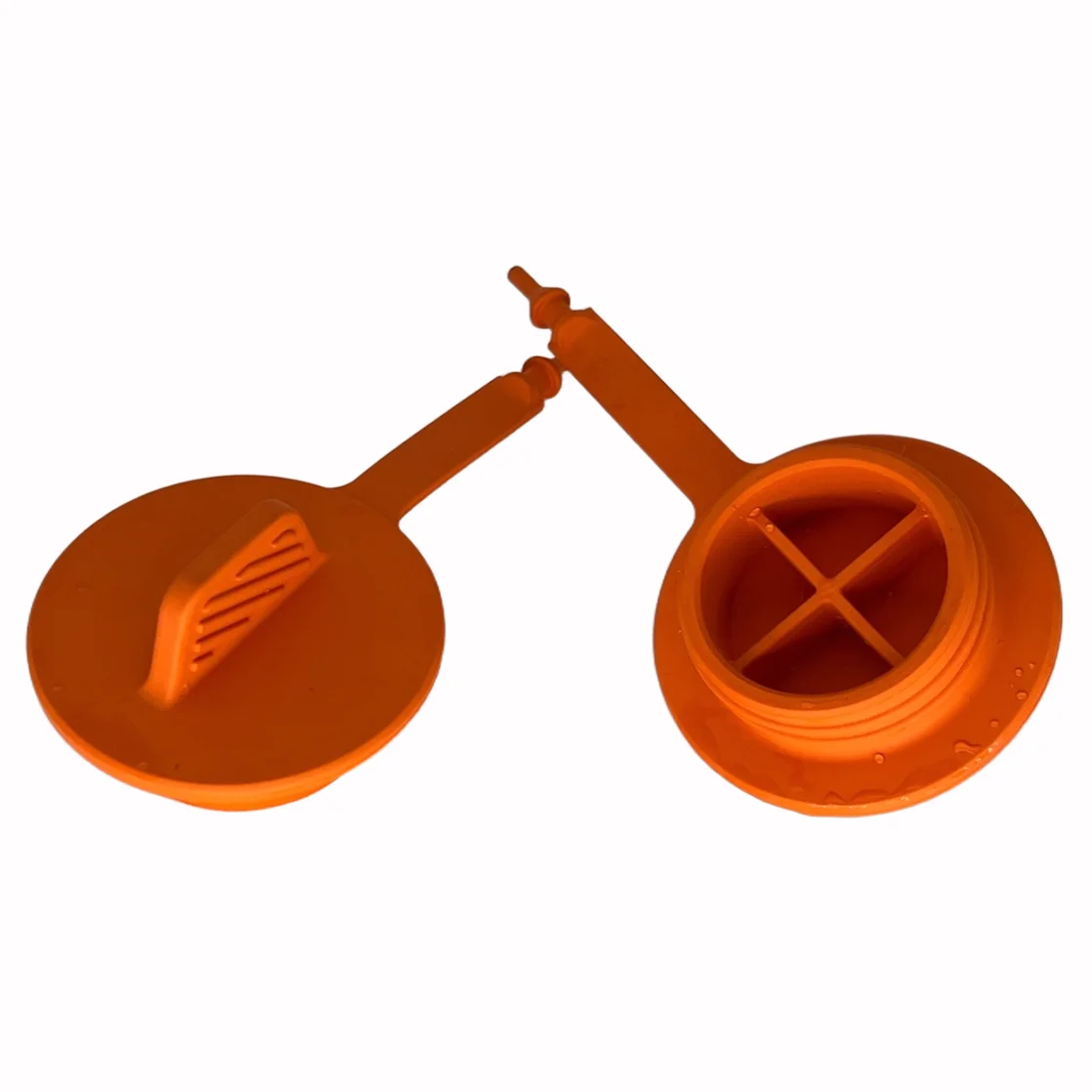
The geometry of the toilet water tank flapper is a masterpiece of simplified mechanical engineering. Unlike older "ball-style" seals that relied on a vertical guide wire—which often became bent or misaligned—the modern flapper uses a hinge-and-arm system. This system ensures that the toilet water tank flapper always follows the exact same arc as it opens and closes. By pivoting on two fixed "ears" on the overflow tube, the flapper is physically incapable of landing off-center. This self-aligning nature is what makes the chainless and rigid-arm designs so much more reliable than their predecessors.
Another critical aspect of the toilet water tank flapper design is the "buoyancy chamber." This is the hollow area underneath the flapper that traps air when the tank is full. The size and shape of this chamber determine how much "lift" the flapper has during the flush. In high-efficiency toilets (HET), the flapper must close much faster than in older, high-volume models to conserve water. Modern flappers often feature adjustable vents that allow air to escape at a controlled rate, giving the homeowner or plumber the ability to fine-tune the flush volume to the exact gallon-per-flush (GPF) rating of the porcelain. This level of customization ensures that the toilet clears the bowl effectively without wasting a single drop of excess water.
Maintaining The Integrity Of The Flap Inside Toilet Tank
For many homeowners, the only time they interact with the flap inside toilet tank is when something goes wrong. However, understanding the role of this simple component is key to household efficiency. The flap inside toilet tank is the only moving part that stands between the potential energy of the stored water and the gravity of the drain. Because it operates under the pressure of several gallons of water, even a microscopic tear can lead to a significant increase in the monthly water bill. Modern designs have made the replacement of the flap inside toilet tank a tool-free process, encouraging consumers to perform preventative maintenance.
The shift toward the "all-in-one" chainless flapper assembly has also reduced the complexity of these repairs. Instead of having to measure and cut a metal chain to the perfect length—a task that often requires pliers and multiple attempts—the user simply snaps the rigid arm onto the flush lever. This democratization of plumbing maintenance ensures that leaks are fixed faster, leading to a massive cumulative reduction in water waste across the globe. As we move toward smarter homes, even this humble rubber flap is being integrated with electronic sensors that can detect a leak and send an alert to a smartphone, but the fundamental mechanical seal remains the most important line of defense.
The history of domestic plumbing is often told through the lens of grand architectural achievements or massive municipal sewer projects.