

 Select Language
For over a century, the standard method for securing a bathroom fixture to the drainage system involved a simple, somewhat messy ring of petroleum-based wax. While this traditional approach served the industry for decades, the evolution of material science and the demands of modern architecture have led to a significant transition. Today, professional plumbers and building contractors are increasingly turning toward the waxless toilet seal as the preferred choice for both new construction and high-end renovations. This shift is not merely a trend but a response to the inherent limitations of organic wax in a world where durability, ease of installation, and structural flexibility have become the primary benchmarks of quality in the construction sector.
The fundamental purpose of a toilet bowl seal ring is to provide an airtight and watertight bridge between the porcelain fixture and the floor flange. If this seal fails, the consequences range from unpleasant odors escaping into the living space to catastrophic structural rot caused by hidden leaks. While traditional wax rings can provide a competent seal under perfect conditions, they are notoriously unforgiving. Once a wax ring is compressed, it cannot be adjusted; if the toilet is moved or if the floor settles even slightly, the wax does not "spring back," leaving a gap that invites disaster. This lack of resilience is the primary driver behind the rising dominance of advanced synthetic alternatives.
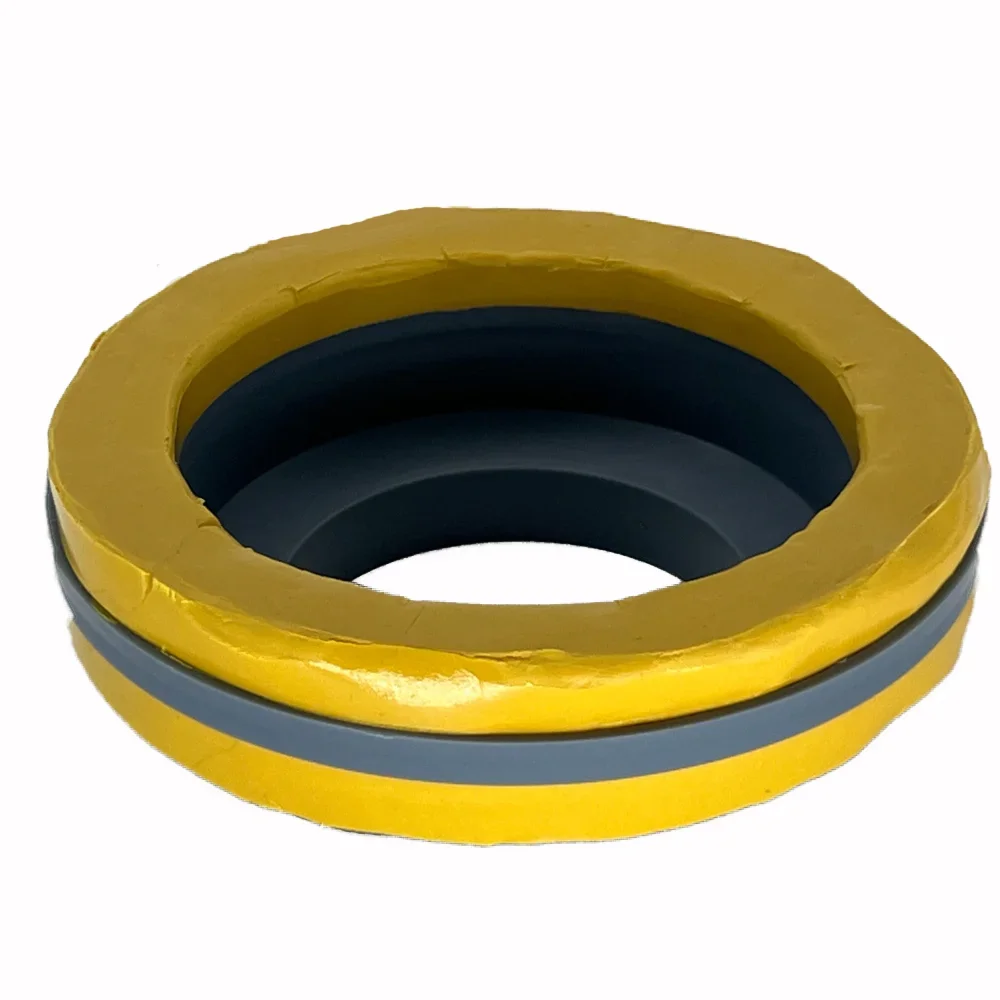
The Superior Resilience Of The Waxless Toilet Ring In Dynamic Building Environments
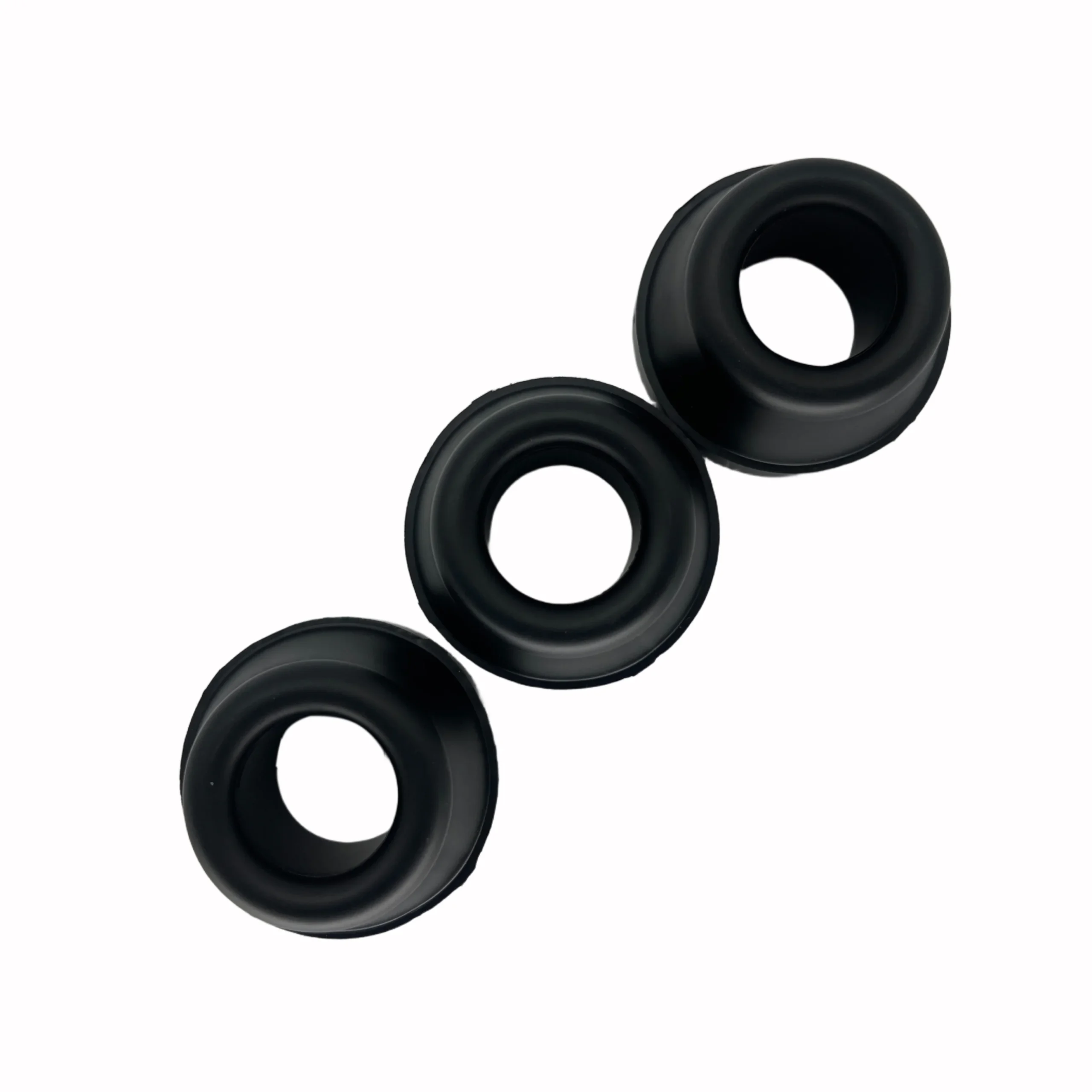
In modern residential and commercial construction, buildings are designed to be somewhat dynamic. Wood frames shrink as they dry, subfloors settle, and high-rise structures experience subtle shifts due to wind loads and thermal expansion. In these environments, the rigid nature of a traditional wax seal becomes a liability. The waxless toilet ring is engineered from high-grade elastomers and specialized polymers that possess memory. Unlike wax, which deforms permanently under pressure, these modern materials can compress and expand, maintaining a constant, tensioned seal against both the flange and the toilet base even as the building experiences micro-movements over time.
This mechanical resilience makes the waxless toilet seal particularly valuable in regions prone to temperature extremes. Wax becomes brittle in the cold and dangerously soft in extreme heat, which can lead to thinning of the seal during hot summer months or cracking during winter freezes. Synthetic seals, however, maintain their structural integrity across a massive temperature gradient. By choosing a non-petroleum-based solution, contractors ensure that the bathroom infrastructure remains secure regardless of the climate or the age of the building. This "set and forget" reliability is a hallmark of premium plumbing hardware in the 2026 market.
Installation Efficiency And Cleanliness With The Non Wax Toilet Ring
One of the most immediate benefits noted by installers is the cleanliness and simplicity of the non wax toilet ring. Anyone who has performed a traditional toilet repair knows the frustration of scraping away old, bacteria-laden wax from a floor flange. It is a time-consuming, unpleasant task that requires specialized tools and chemical cleaners to ensure a clean surface for the new seal. In contrast, modern synthetic seals are mess-free. They can be handled without gloves, do not stick to clothing or tools, and require no scraping during future maintenance.
The "one-shot" nature of wax often leads to wasted materials and increased labor costs. If a plumber sets a toilet down on a wax ring and realizes the leveling is slightly off, that wax ring is ruined and must be replaced. However, a non wax toilet ring allows for multiple attempts at positioning. Because the material does not rely on a sticky bond but rather on engineered mechanical compression and suction, the fixture can be lifted, adjusted, and reset as many times as necessary to achieve a perfect, level fit. This flexibility significantly reduces the margin for error on the job site and speeds up the completion of large-scale multi-unit housing projects where every minute of labor counts toward the bottom line.
Long-Term Cost Savings And The Benefits Of A Reusable Wax Ring Alternative
While the initial procurement of a reusable wax ring alternative might represent a higher upfront investment compared to the cheapest wax options, the long-term economic benefits are undeniable. In the commercial property management sector, the greatest expense is not the hardware itself but the labor and potential damage associated with a failure. A wax seal that fails after five years because of floor vibration or a loose mounting bolt can result in thousands of dollars in subfloor repairs and mold remediation. The synthetic waxless toilet seal is designed to last for the entire lifespan of the toilet itself, often backed by multi-decade warranties that traditional wax could never support.
Furthermore, the concept of a reusable wax ring (a term often used for high-end rubber or foam-core seals) offers environmental benefits that resonate with modern green building standards. When a toilet is removed for flooring replacement or a bathroom remodel, a traditional wax ring must be scraped off and sent to a landfill. A high-quality synthetic seal, provided it is cleaned and inspected, can often be reused or, at the very least, represents a much smaller environmental footprint because it does not require the heavy chemical processing associated with petroleum wax. This alignment with sustainable building practices makes it a preferred specification for architects working on LEED-certified projects or eco-conscious residential developments.
Universal Compatibility Of The Modern Toilet Bowl Seal Ring
The complexity of modern plumbing often involves flanges that are set too high, too low, or slightly tilted relative to the finished floor. Traditional wax rings struggle with these irregularities; if the flange is too low, the installer must "double-stack" wax rings, a practice that is notoriously prone to leaking. The modern toilet bowl seal ring is often designed with a universal fit, featuring tiered gaskets or integrated spacers that can adapt to varying flange heights. This adaptability eliminates the need for installers to carry multiple types of wax rings, streamlining inventory and ensuring that the right solution is always on hand.
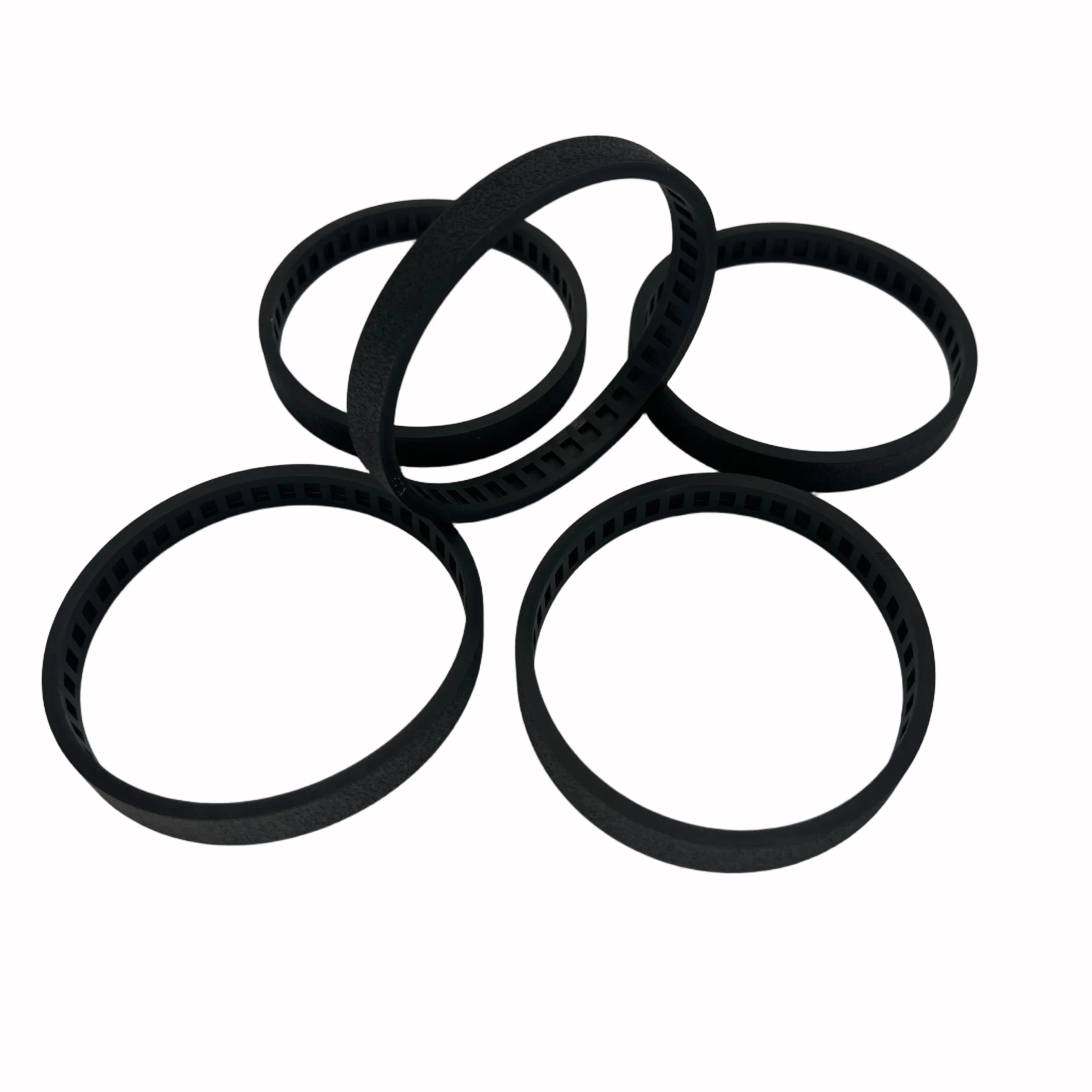
Whether dealing with a standard floor-mounted unit or a specific rv toilet ring application, the engineering behind the waxless toilet seal provides a superior gas-tight barrier. These seals often incorporate deep-ribbed designs that grip the internal walls of the waste pipe, creating multiple layers of protection against the escape of sewer gases. As homeowners and building owners become more educated about indoor air quality and the long-term health of their structures, the transition away from wax becomes an obvious choice. The future of bathroom sanitation is clean, resilient, and wax-free, ensuring that the most critical connection in the home is also the most durable.
By prioritizing these advanced sealing technologies, the construction industry is moving toward a more efficient and reliable standard. The non wax toilet ring has proven itself not just as a convenient alternative, but as a necessary evolution in hardware design that meets the high-performance demands of the modern world.
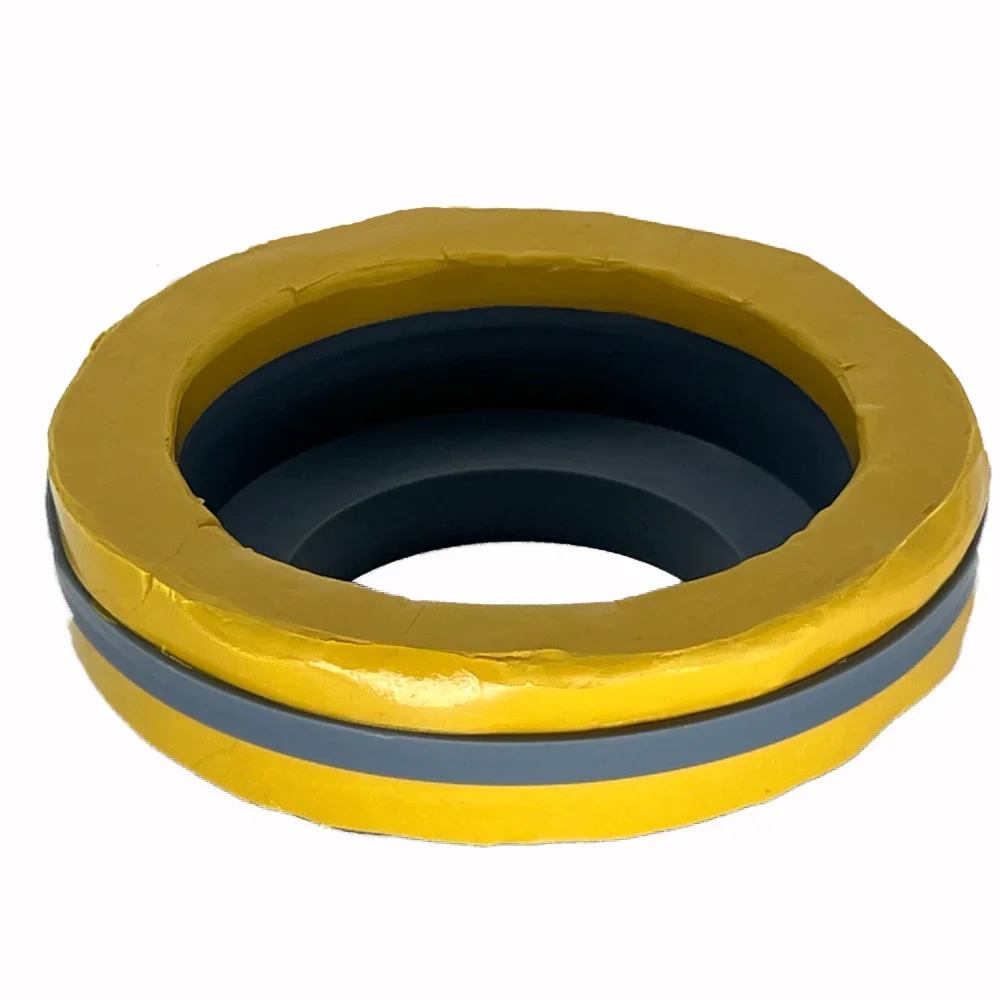
For over a century, the standard method for securing a bathroom fixture to the drainage system involved a simple, somewhat messy ring of petroleum-based wax.