

 Select Language
Content:
In the era of rapidly advancing smart manufacturing, every step from raw materials to finished products embodies the pursuit of perfection. The inefficiencies and high error rates of traditional manual inspections are being redefined by a new “eagle-eyed” solution—vision inspection machines. By equipping industrial quality control with an intelligent brain, they are enabling a qualitative leap in both production efficiency and quality assurance.
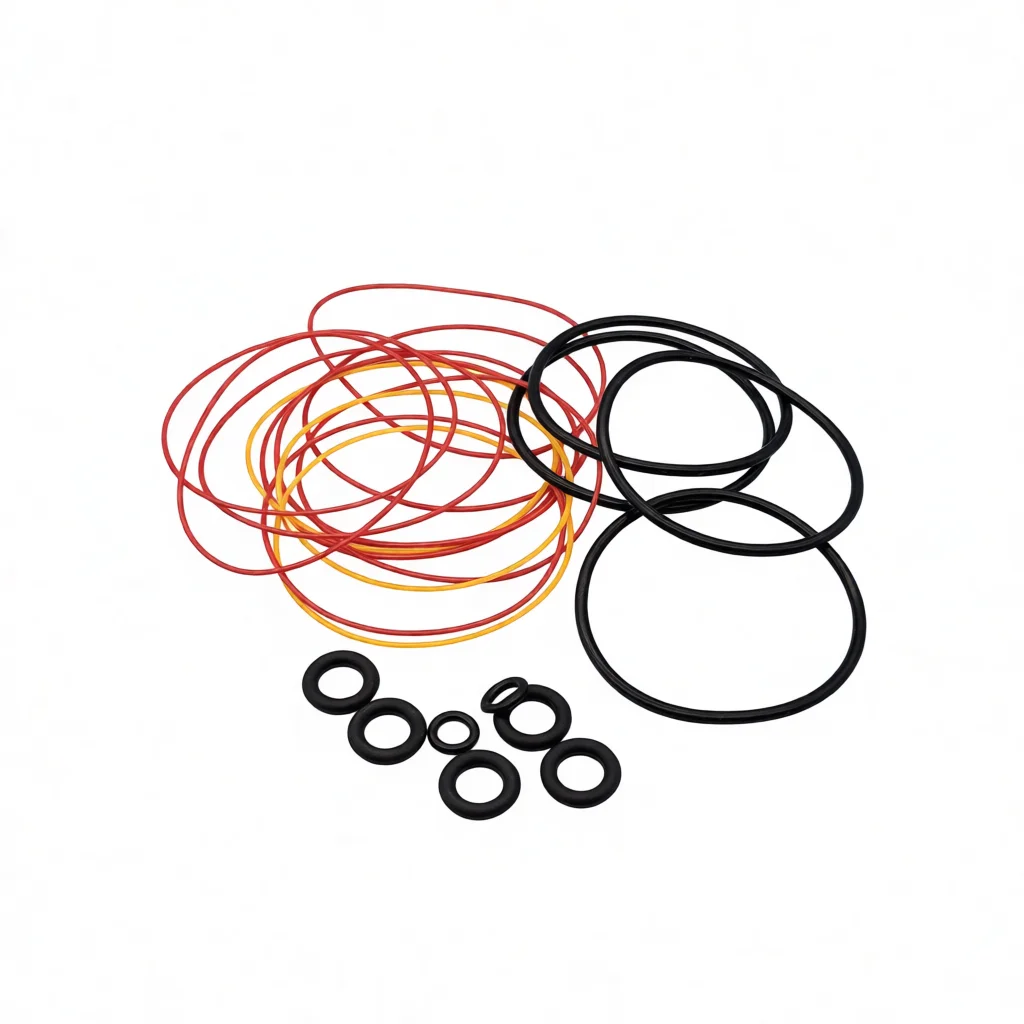
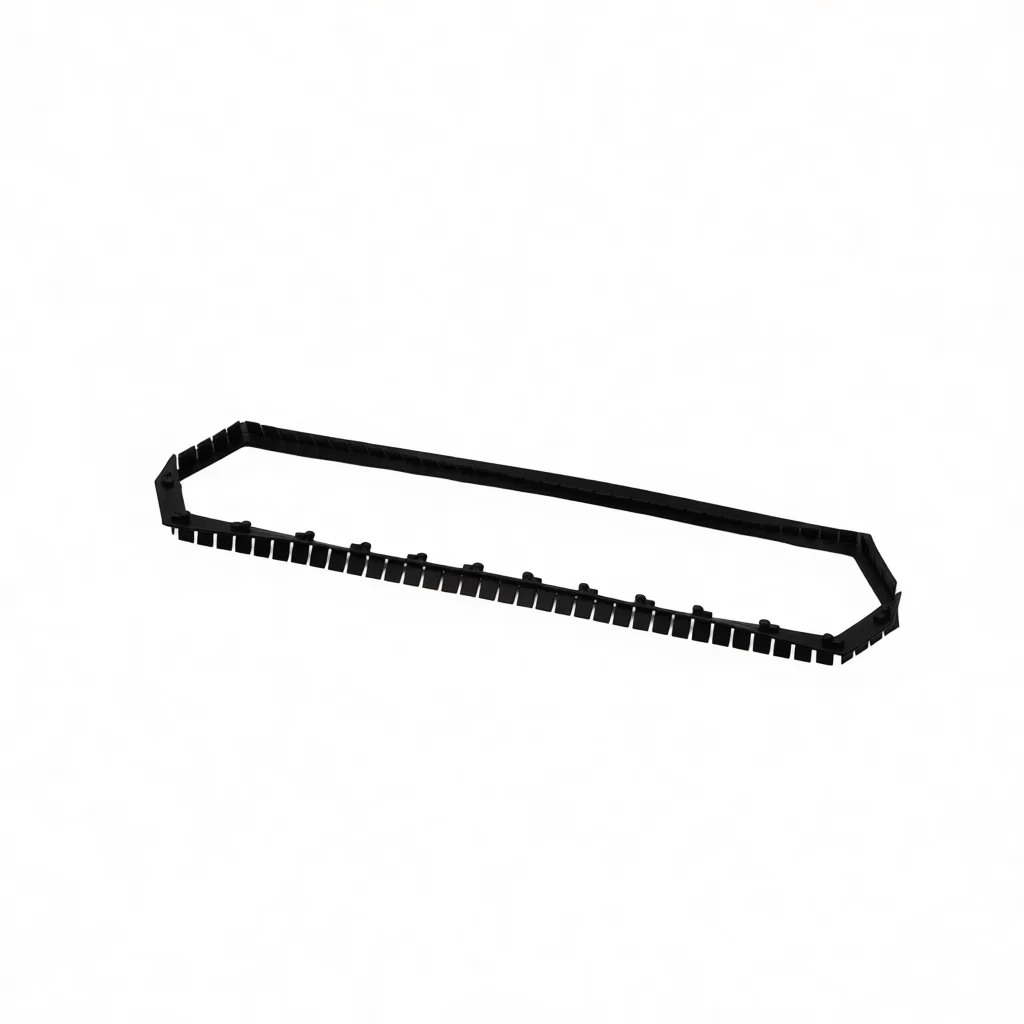
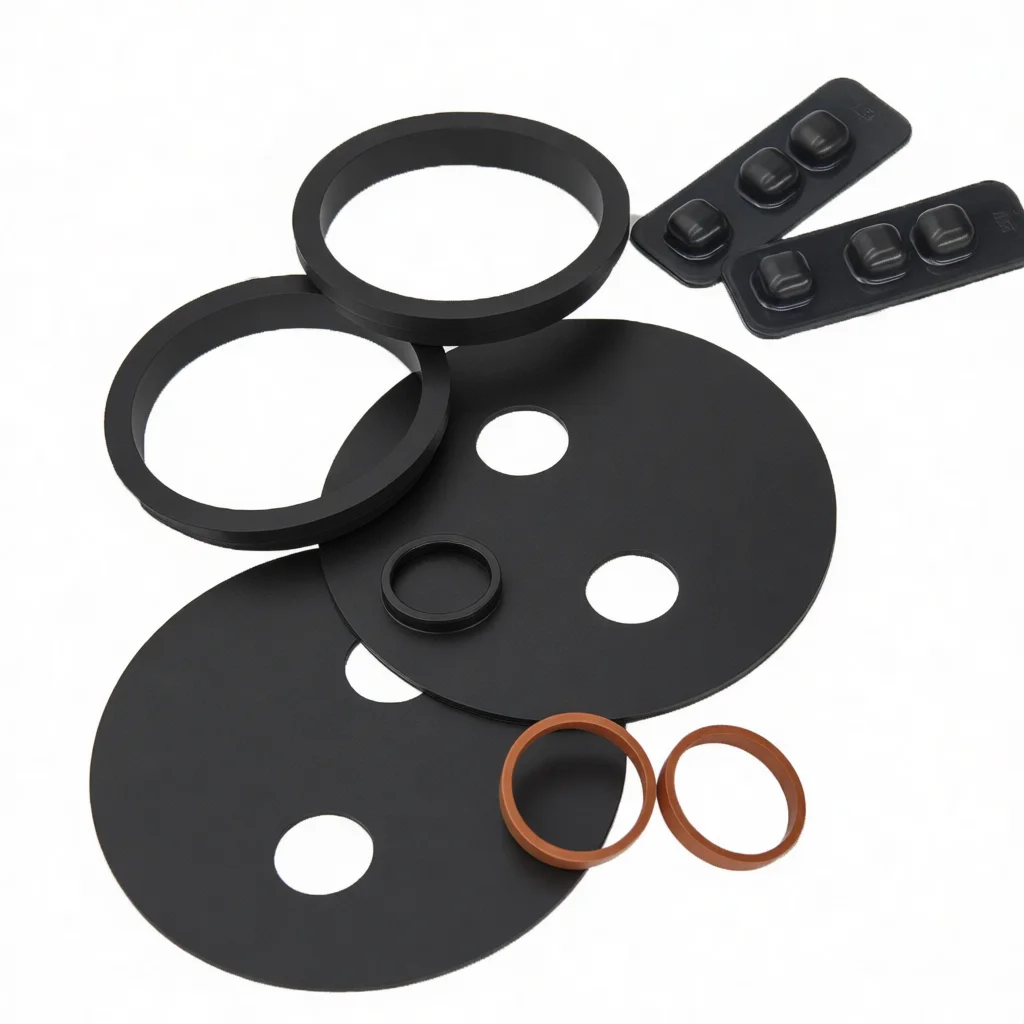
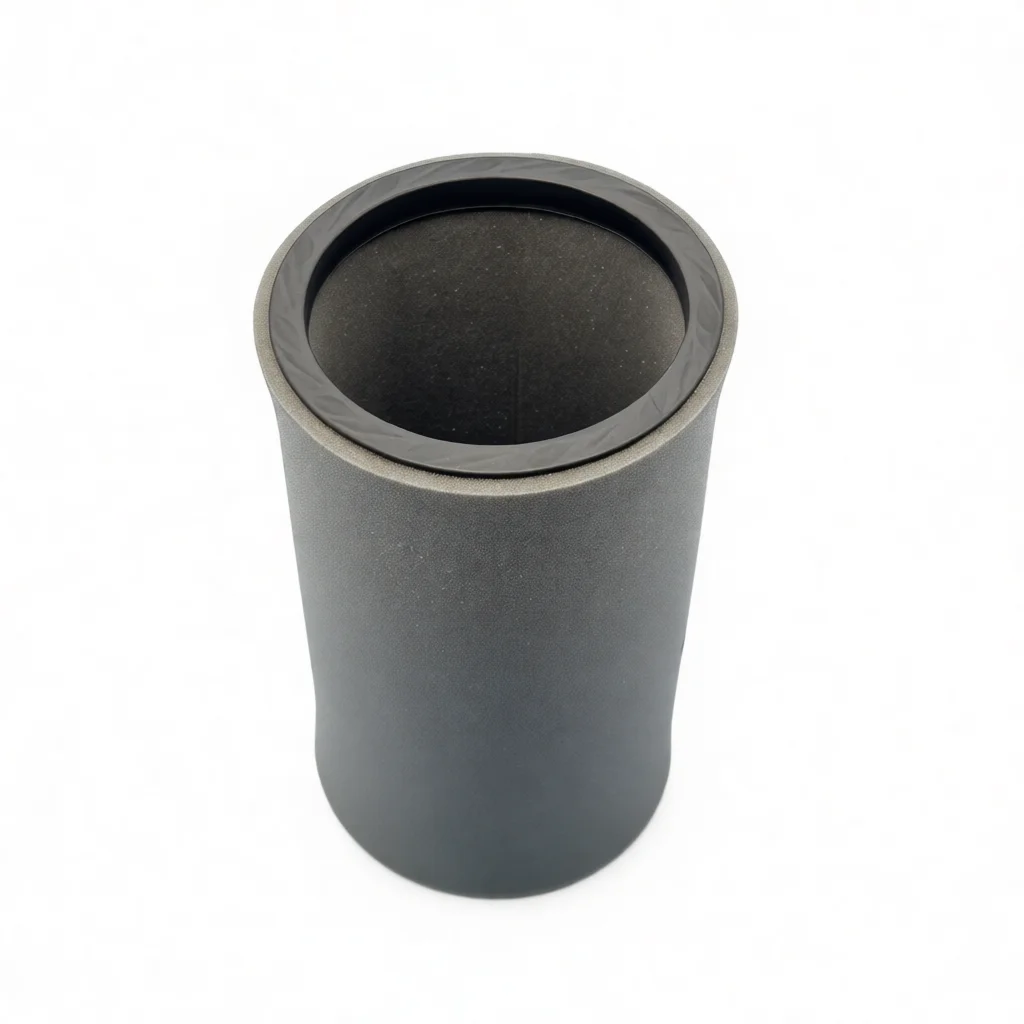
On production lines for automotive sealing parts, household appliance damping pads, and battery pads, traditional quality inspection faces dual challenges. The elasticity of rubber often causes fluctuations in inspection standards, while human visual checks struggle to effectively identify defects such as flash and bubbles. Vision inspection systems overcome these pain points with flexible detection solutions, transforming quality control from “experience-based judgment” to “digitally defined standards.”
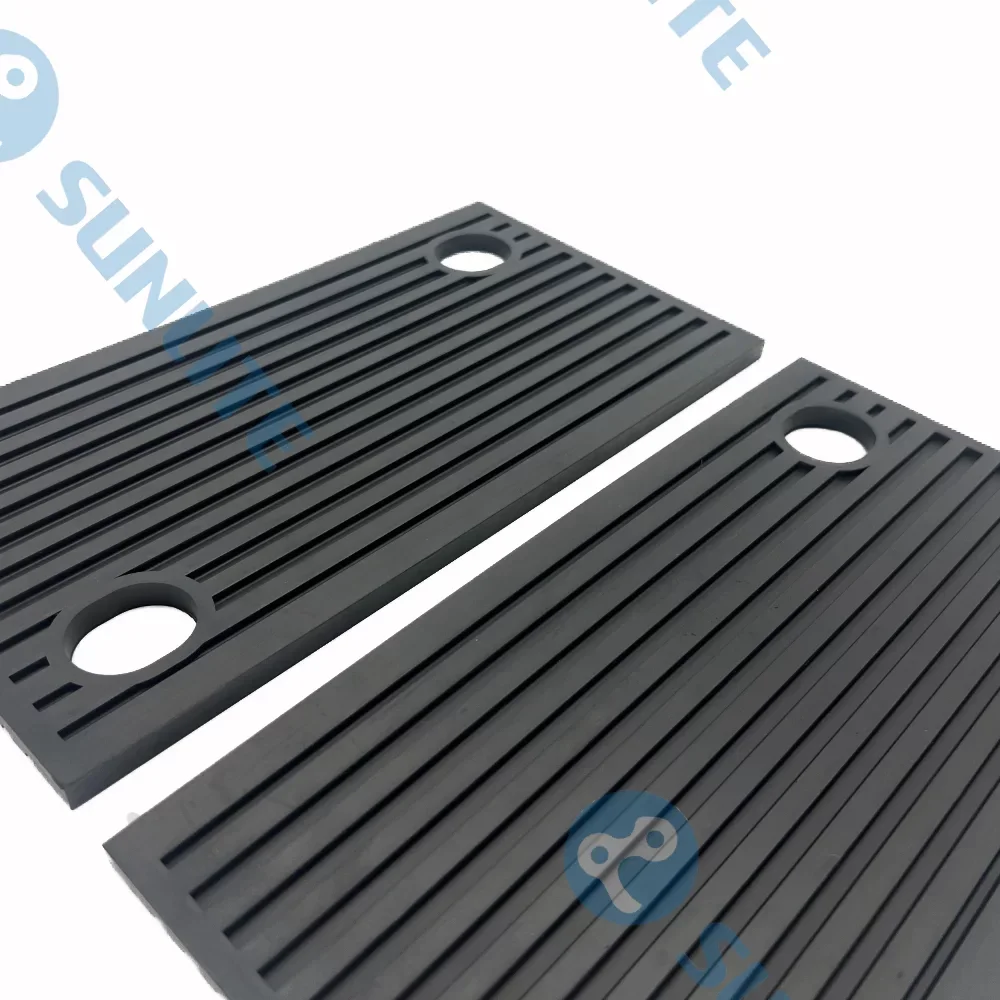
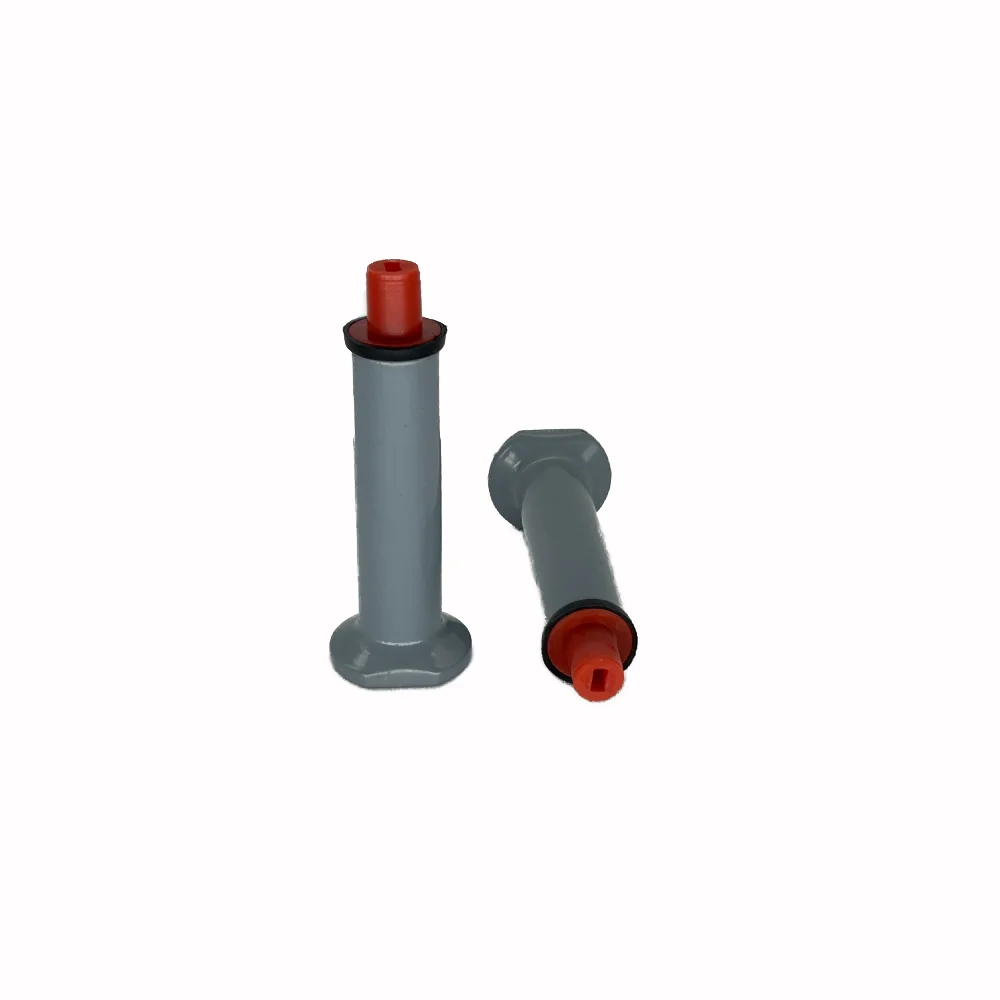
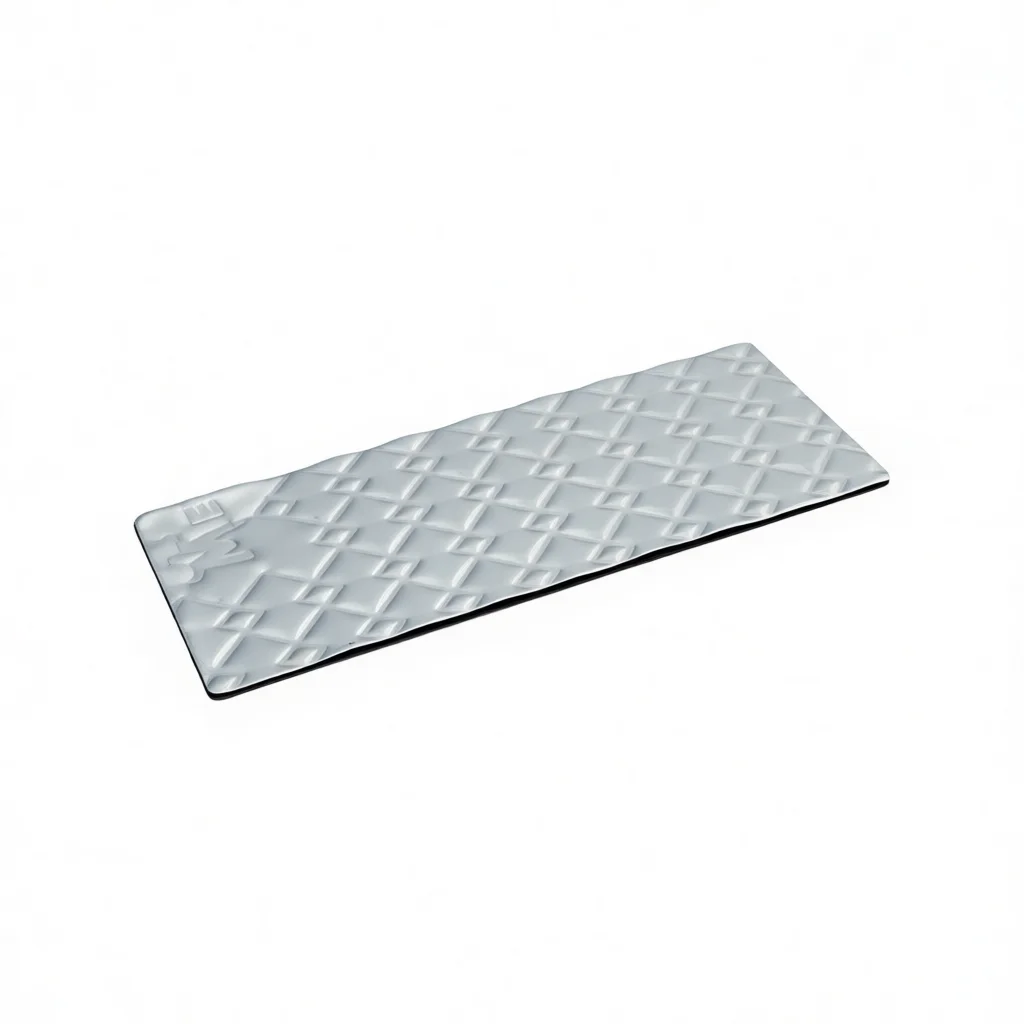
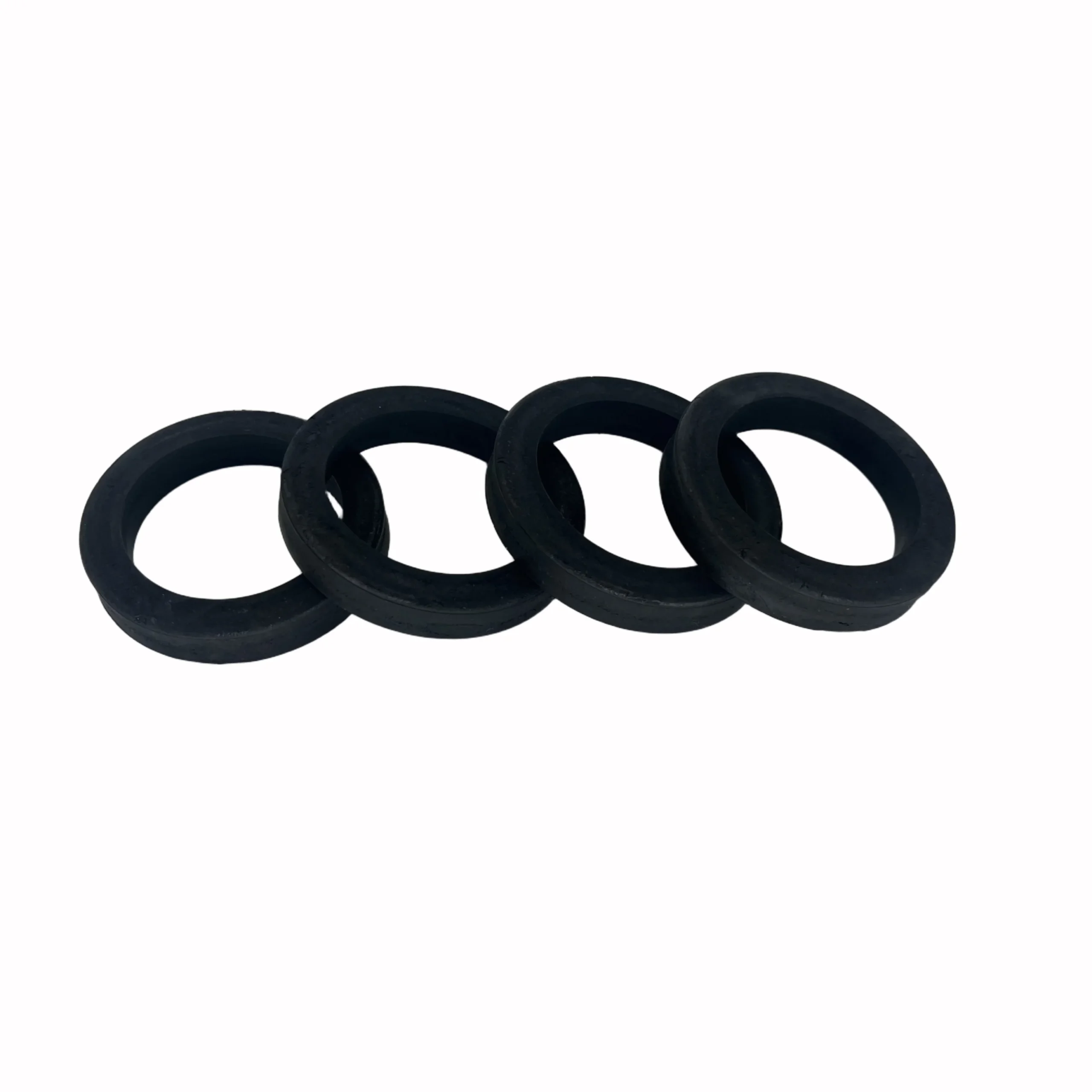
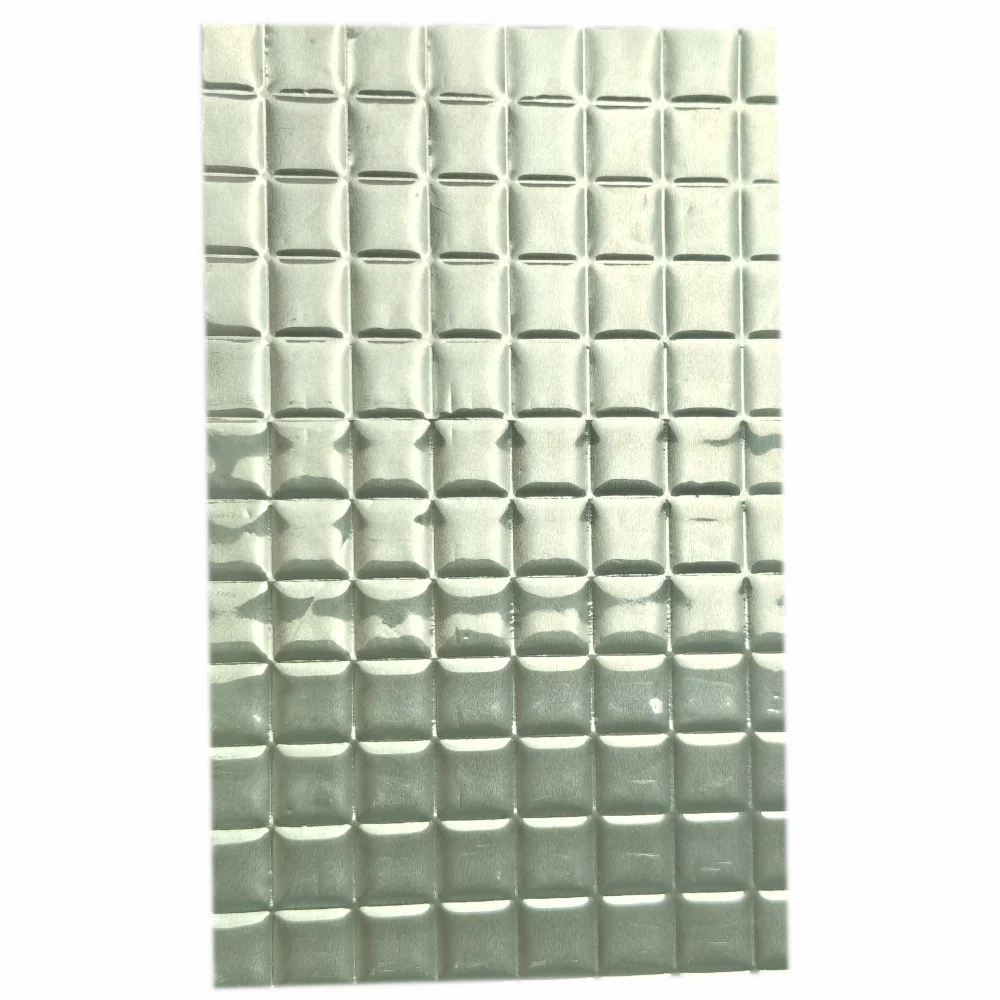
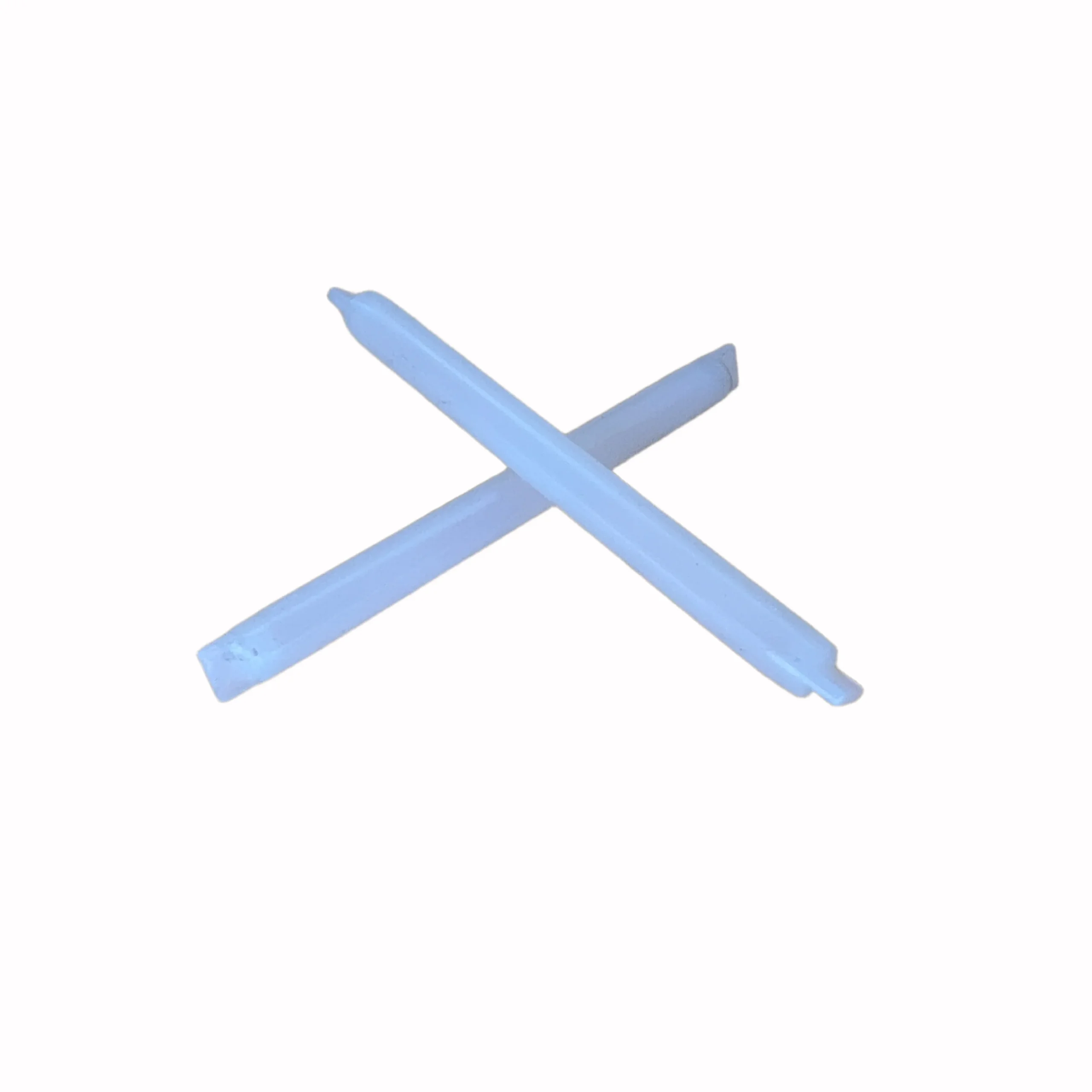
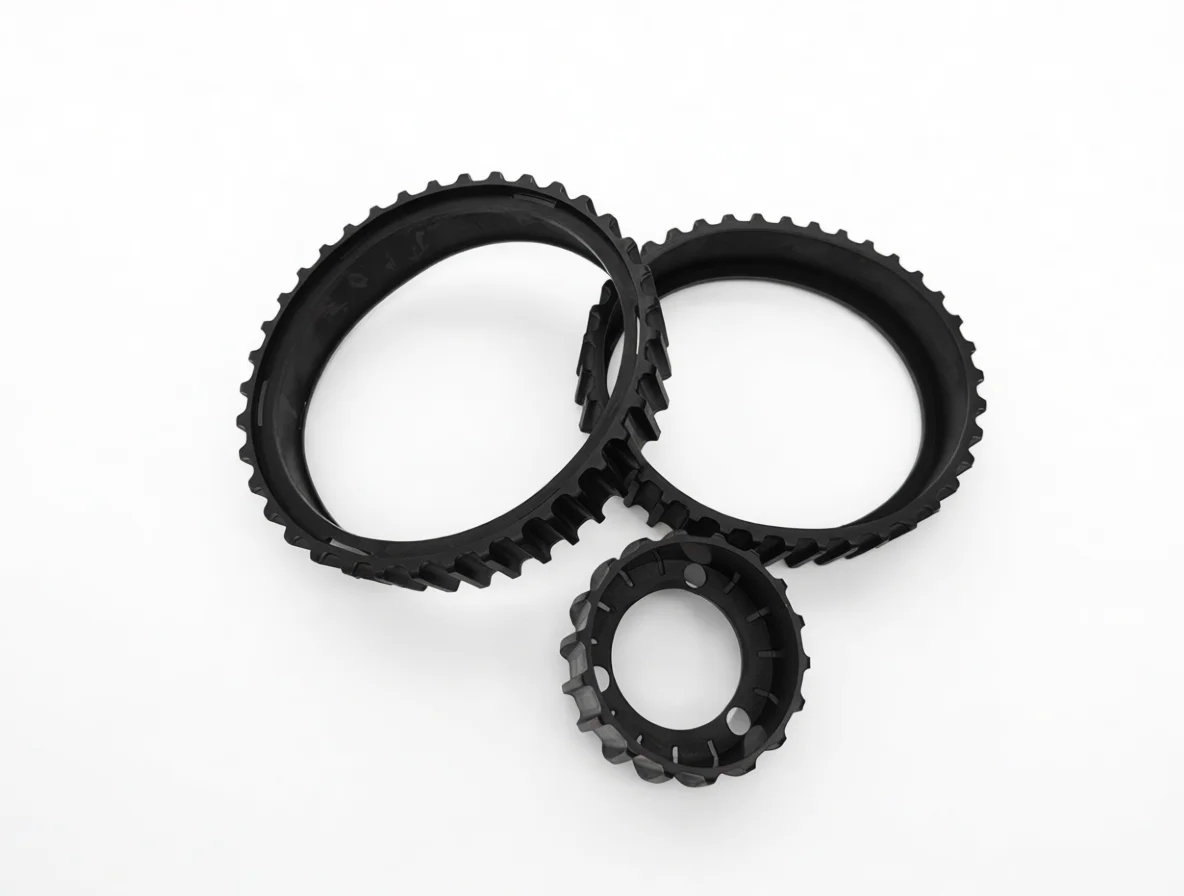
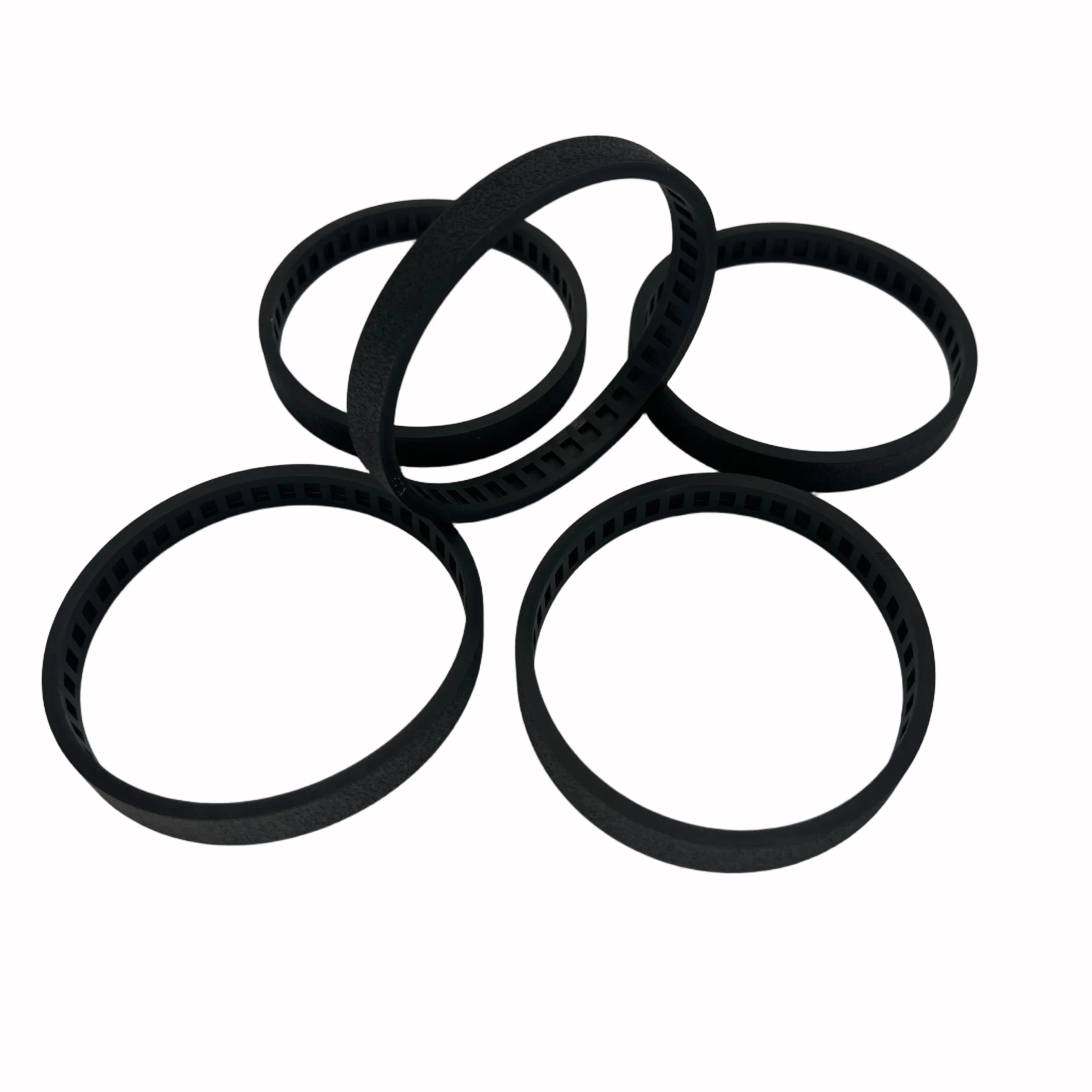
Suntite has introduced multiple vision inspection systems to inspect rubber products such as household appliance damping pads and battery pads. Equipped with high-resolution industrial cameras and AI image algorithms, the equipment can capture subtle defects in real time, including surface imperfections, dimensional deviations, and assembly misalignments. With a detection accuracy rate far surpassing manual methods, each machine inspects 120–140 products per minute on average, significantly improving efficiency while reducing missed defects by 99%.
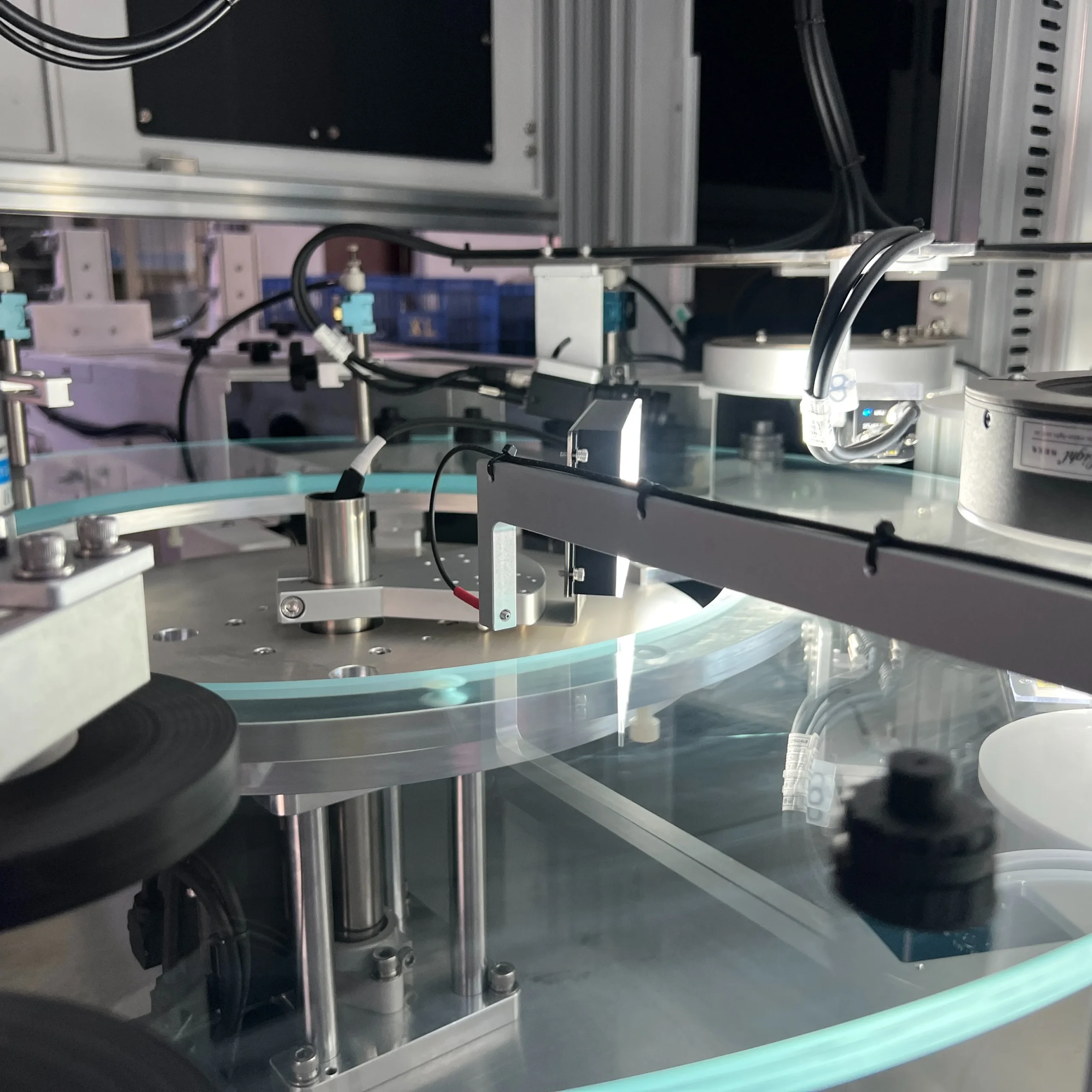
During the inspection process, products are elevated sequentially onto a glass turntable. Uniform LED illumination highlights key features such as defects and dimensional contours while minimizing environmental light interference. As products rotate, seven industrial cameras capture high-resolution images from multiple angles, covering the top, bottom, and sides. Advanced algorithms then remove image noise, sharpen edges, and enhance contrast to optimize detection quality.
The PLC control system calculates product features such as dimensions, roughness, cracks, and defects from the images and compares them with preset standard templates (defect-free samples). Deviation values are computed, and algorithms identify any nonconforming products. Pneumatic actuators then automatically separate defective products from qualified ones. Good products are transferred to a conveyor equipped with photoelectric sensors, which scan and count each item before pushing them into pre-prepared packaging bags. Once the set quantity is reached, the system triggers the sealing unit, completes bag sealing with heat, and simultaneously prints batch and quantity labels.
For the company, vision inspection equipment is a powerful tool to reduce costs and increase efficiency, enabling 24/7 uninterrupted operation and avoiding the oversight caused by human fatigue. For consumers, it serves as a guardian of quality—ensuring that every product passes the rigorous screening of a “digital inspector.”
From “human eyes” to “intelligent selection,” vision inspection machines are more than just equipment; they are a critical piece of the smart manufacturing transformation. They ensure that every detail is treated with precision and every product withstands the test of time.
In the era of rapidly advancing smart manufacturing, every step from raw materials to finished products embodies the pursuit of perfection.