

 Select Language
Optimization of Oil Seal Compound Properties and Reinforcement Systems
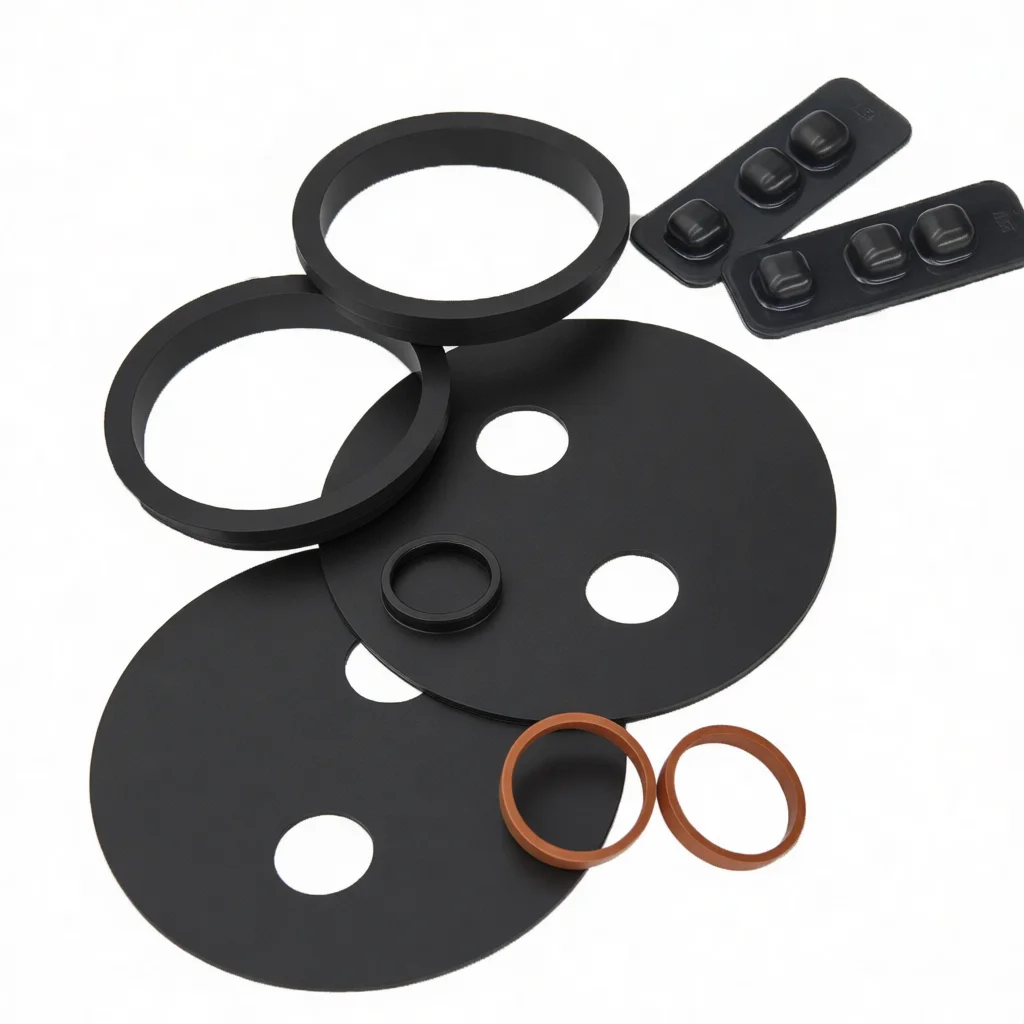
Oil seals serve as critical sealing components in drive shaft systems, with their performance directly impacting equipment operational stability. Under dynamic friction and oil contact conditions, the compound must exhibit excellent oil resistance, wear resistance, low friction coefficient, and thermal aging resistance. Significant heat generation occurs at the lip friction point, making thermal resistance particularly crucial. Common rubber compounds are selected based on temperature range: nitrile rubber (≤120°C), acrylate rubber (120–170°C), and fluorocarbon rubber (170–220°C).
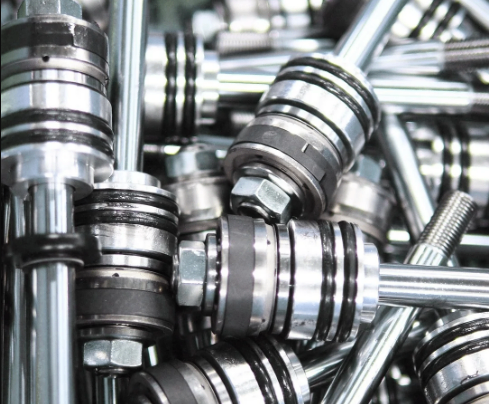
After prolonged use, lip aging, hardening, and cracking are primary causes of oil leakage; enhancing heat resistance extends service life. For example, nitrile compounds can utilize a DCP peroxide curing system supplemented with accelerators like magnesium methacrylate to enhance heat resistance.
Reinforcement systems often combine high-wear-resistant furnace carbon black with fast-extrusion carbon black to balance strength, tear resistance, and abrasion resistance. Silica is a common filler; adding silane coupling agents improves mechanical strength and adhesion to metal substrates.
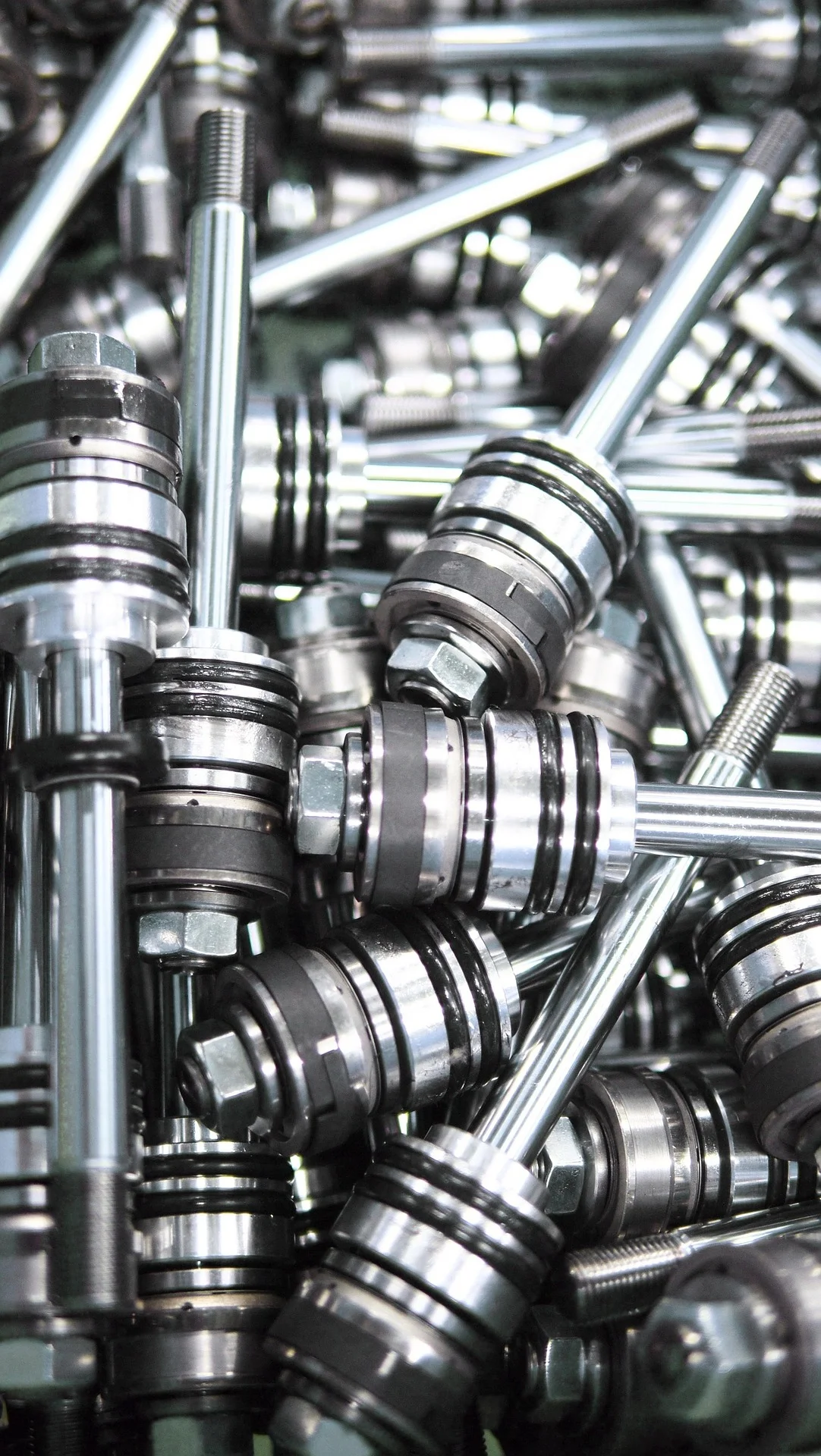
Fluorocarbon rubber should use coarse thermal-cracked carbon black or spray carbon black. To reduce friction coefficients, graphite powder or molybdenum disulfide can be added to enhance self-lubrication.