Select Language
The longevity of modern engineering structures—from high-speed aerospace components to massive industrial turbines—is constantly threatened by the invisible force of mechanical vibration. When a material is subjected to repetitive stress cycles, microscopic cracks begin to form, eventually leading to catastrophic structural failure, a phenomenon known as fatigue. To combat this, materials science has evolved beyond simple rigid alloys to embrace the sophisticated physics of the high-damping viscoelastic sandwich material. This specialized composite serves as a primary defense mechanism, absorbing the kinetic energy that would otherwise tear a structure apart from the inside out.
The Physics of Energy Dissipation in High-Damping Viscoelastic Sandwich Material
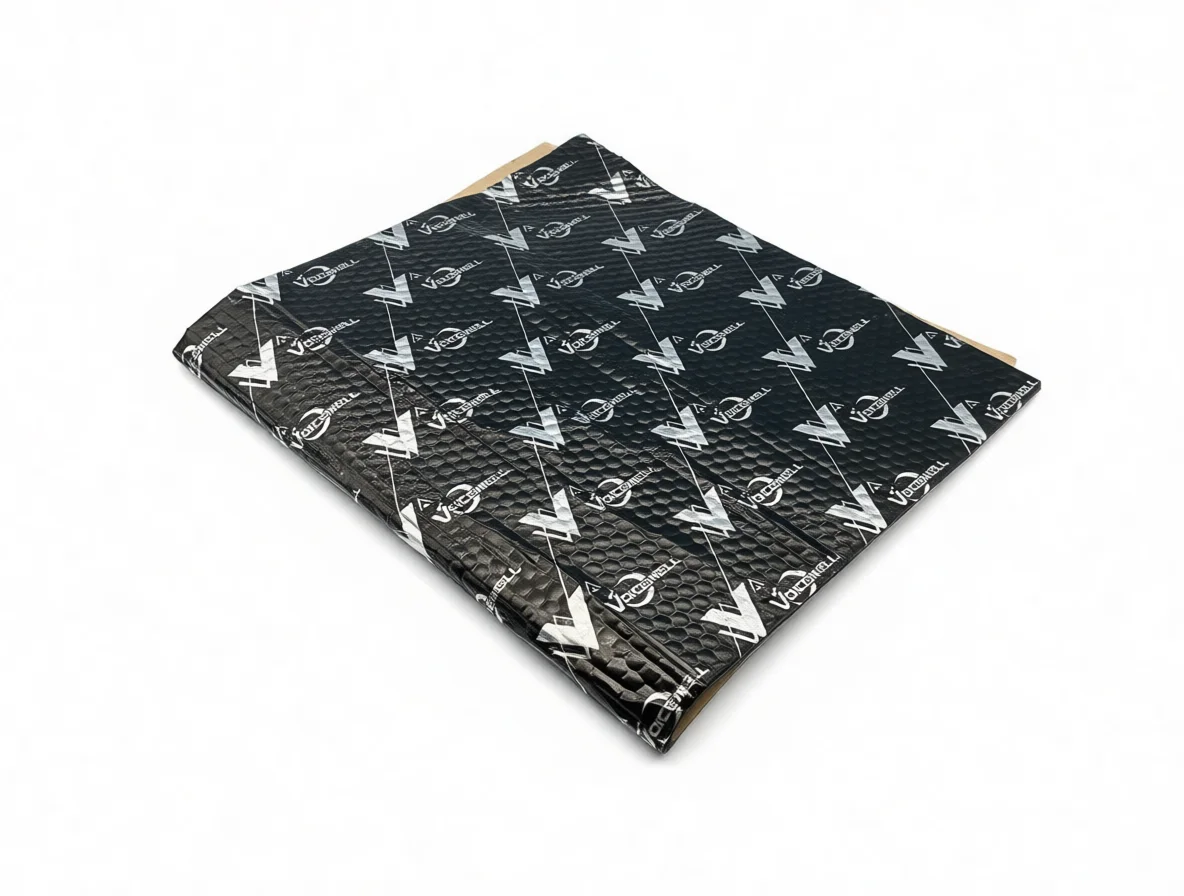
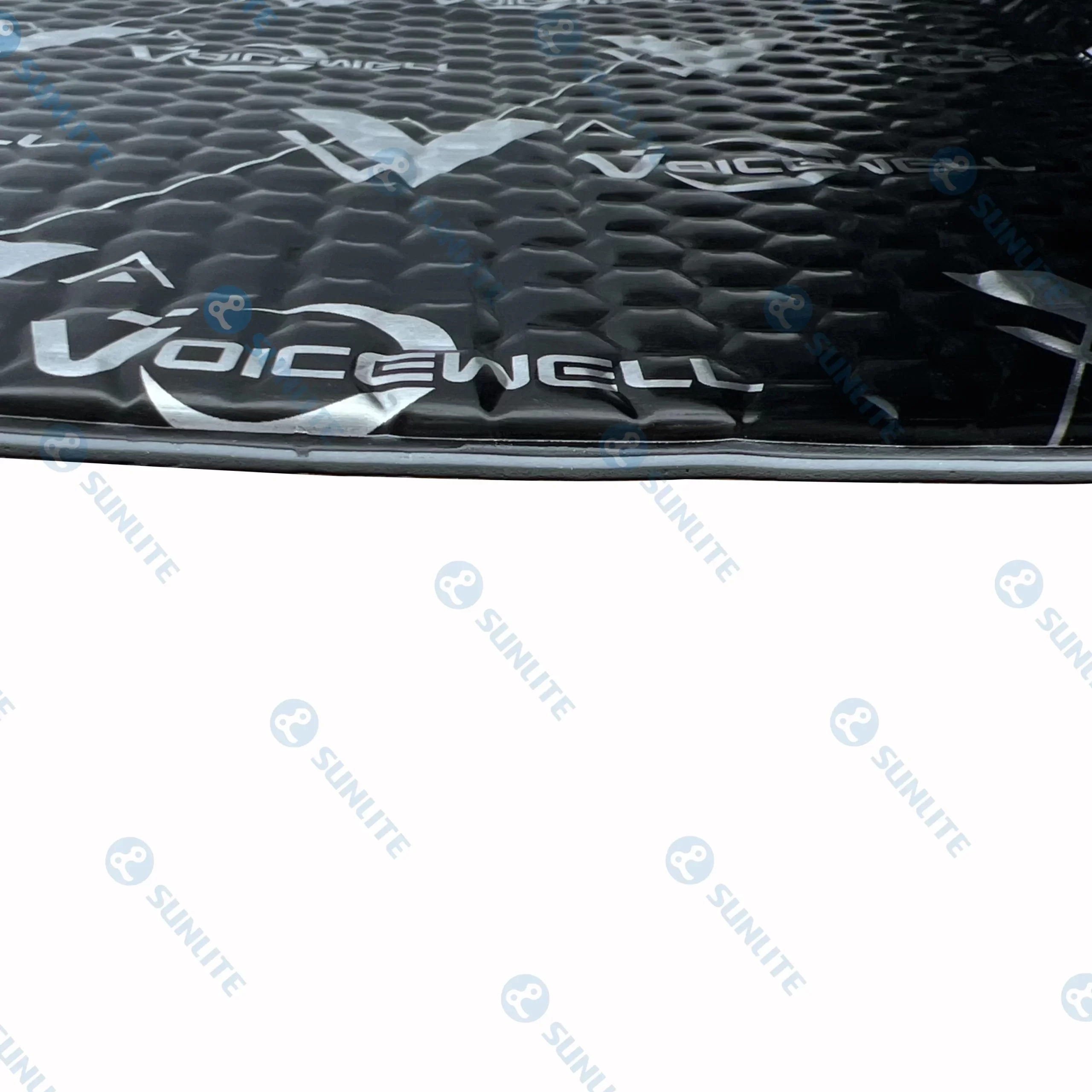
At the core of structural preservation lies the unique molecular behavior of viscoelasticity. Unlike purely elastic materials that store and return energy (like a spring) or purely viscous materials that flow under stress (like honey), a high-damping viscoelastic sandwich material possesses a "memory" that allows it to dissipate energy as heat. When a structural component vibrates, the viscoelastic layer within the sandwich is subjected to shear strain. Because of its molecular structure, the polymer chains slide against one another, creating internal friction.
This internal friction is the key to reducing fatigue. By converting the mechanical energy of vibration into a negligible amount of thermal energy, the sandwich material prevents the build-up of resonant peaks. In traditional monolithic materials, these peaks amplify stress at specific frequencies, rapidly accelerating the "work hardening" and eventual cracking of the metal. The integration of a viscoelastic core ensures that the energy is "bled off" before it can reach critical levels, effectively insulating the structural skins from the destructive forces of resonance.
Enhanced Load Distribution via the Structural Composite Vibration Damping Plate
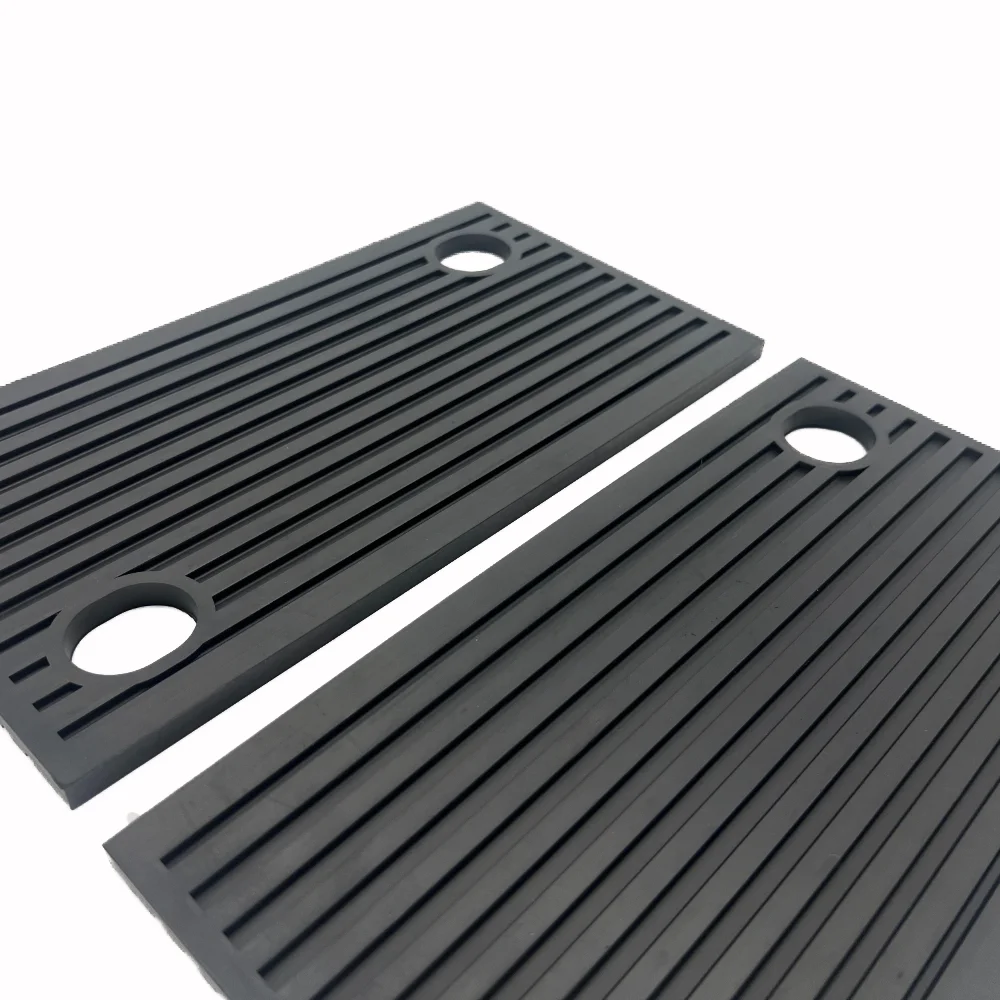
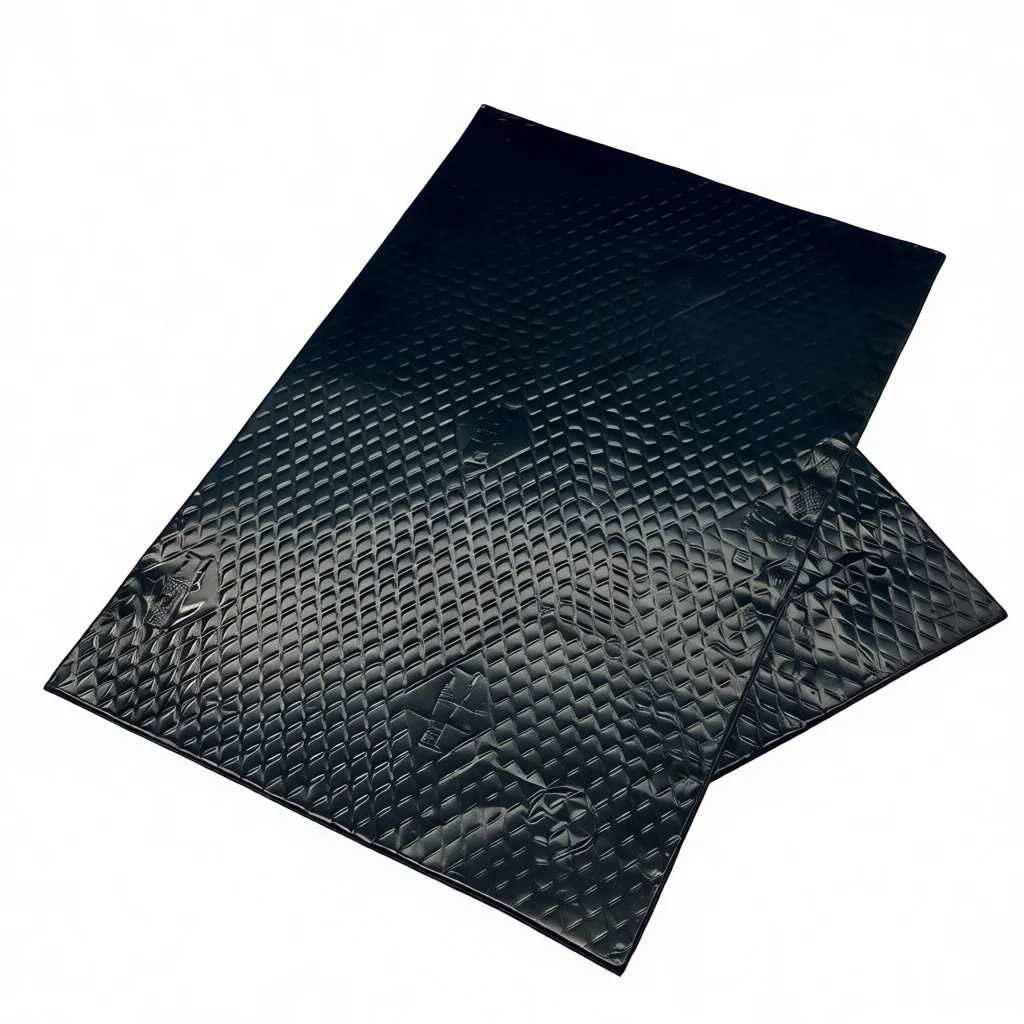
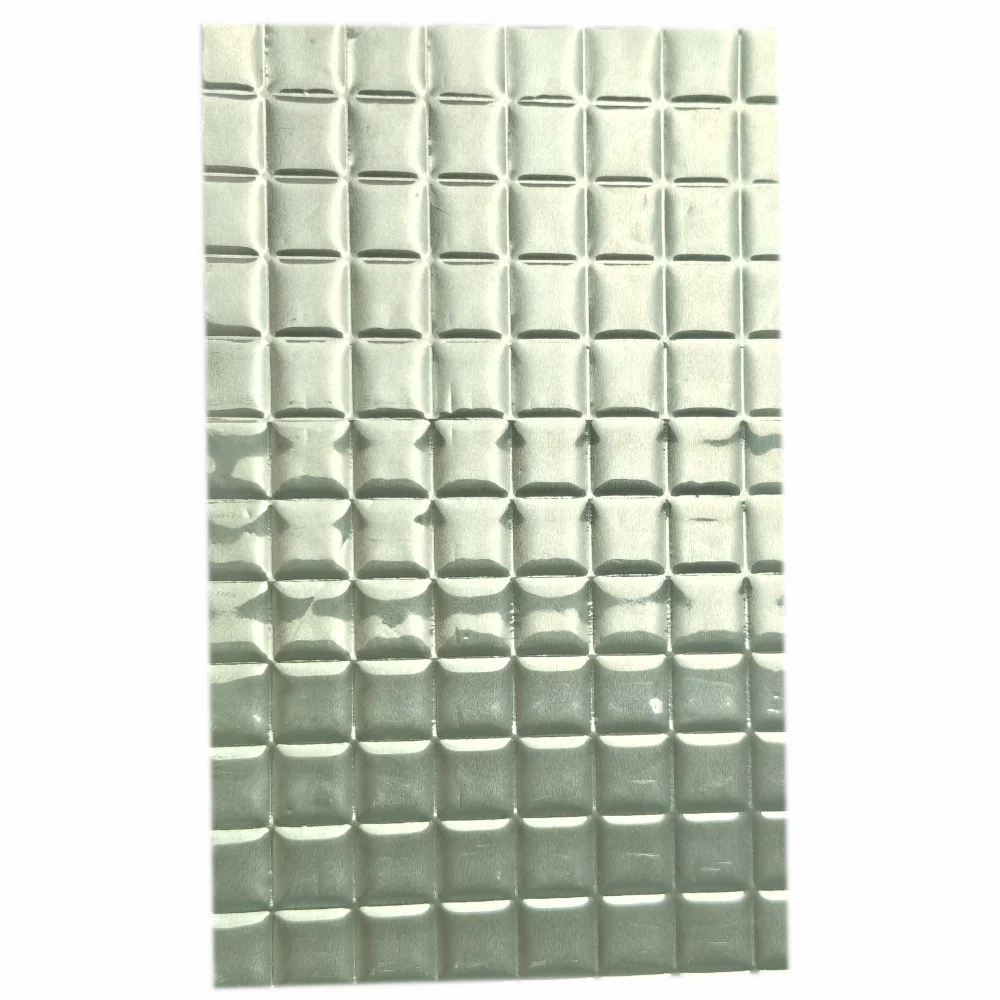
In heavy-duty applications such as maritime hulls or railway bridge supports, damping cannot be an afterthought; it must be part of the structural load path. This is the primary role of the structural composite vibration damping plate. These plates are engineered to maintain high tensile and compressive strength while offering internal damping properties. By weaving high-strength fibers—such as carbon or aramid—into a matrix that includes damping resins, engineers create a material that is both a shield and a skeleton.
The structural composite vibration damping plate works by distributing vibrational loads across a wider surface area. In standard steel plates, vibration often localizes at joints, fasteners, or welds, creating "hot spots" for fatigue failure. The composite nature of these damping plates allows the energy to diffuse through the fiber network, where it is intercepted by the damping matrix. This globalized approach to energy management ensures that no single point of the structure bears the full brunt of the mechanical stress, significantly extending the time between maintenance cycles and reducing the total cost of ownership for large-scale infrastructure.
Precision Isolation through the Multilayer High-Damping Vibration Damper
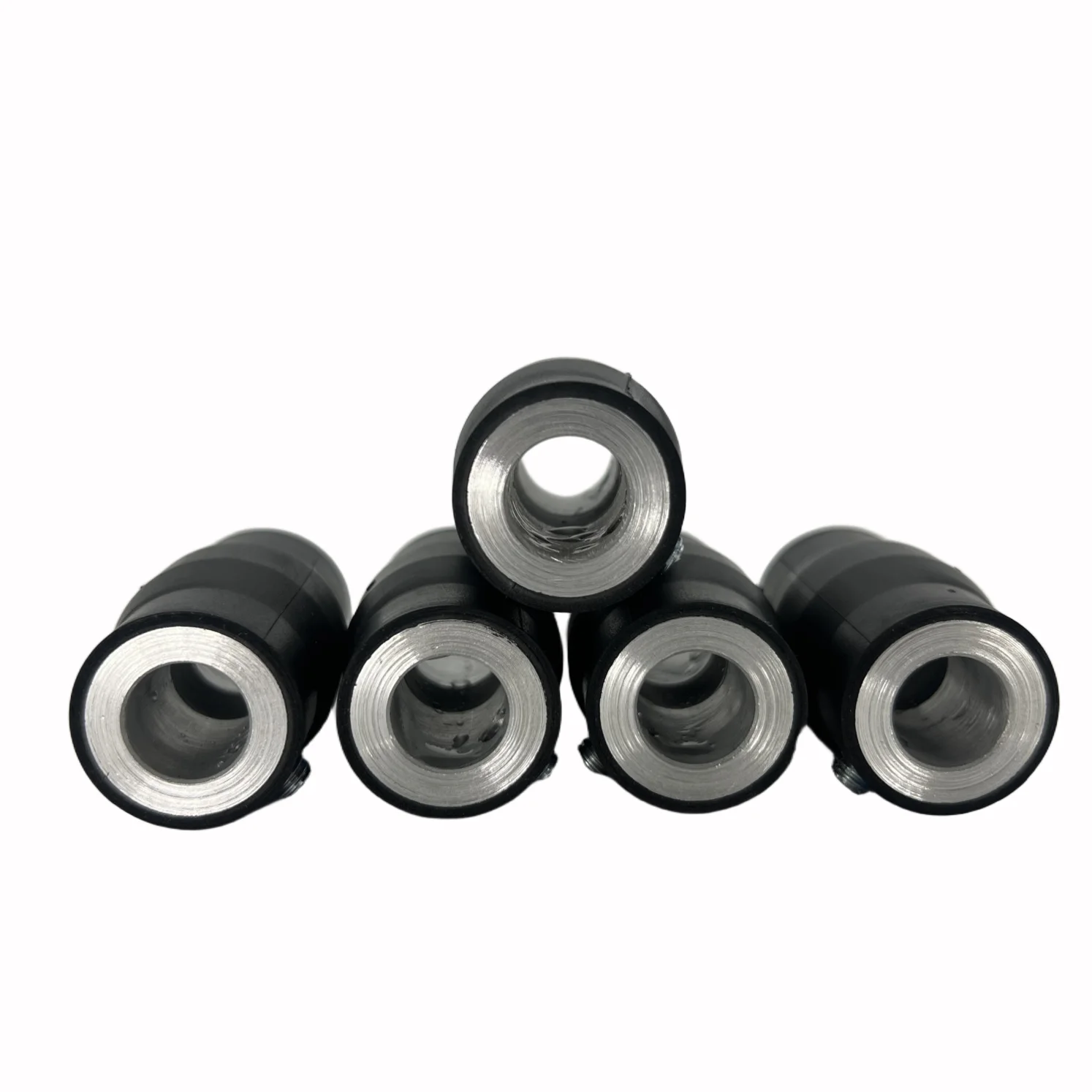
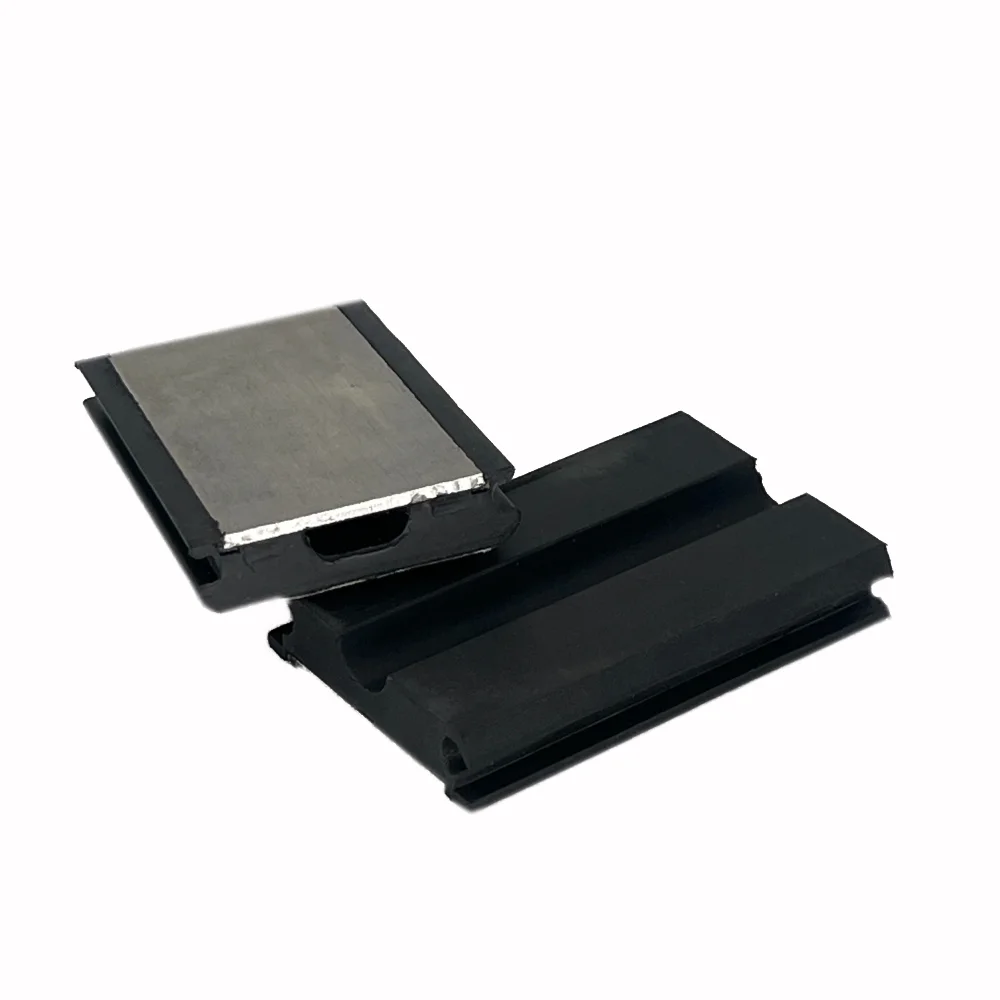
While large plates handle structural loads, precision machinery requires a more targeted approach to isolation. The multilayer high-damping vibration damper is a compact, high-efficiency solution designed to decouple sensitive components from high-frequency noise and jitter. These dampers are frequently utilized in the semiconductor industry, medical imaging, and high-fidelity audio equipment, where even a micron of movement can result in data loss or mechanical error.
A multilayer high-damping vibration damper operates on the principle of impedance mismatching. By stacking layers of varying densities and elasticities, the damper creates a difficult path for vibrations to travel. As a vibration wave moves through the layers, it must cross multiple interfaces, each designed to reflect a portion of the energy back or absorb it through viscoelastic shear. This "labyrinth" for kinetic energy ensures that the output side of the damper remains virtually silent, protecting delicate sub-assemblies from the fatigue-inducing vibrations of cooling fans, motors, or external environmental factors.
The Holistic Protection of Multi-layer High Damping Shockproof Solutions
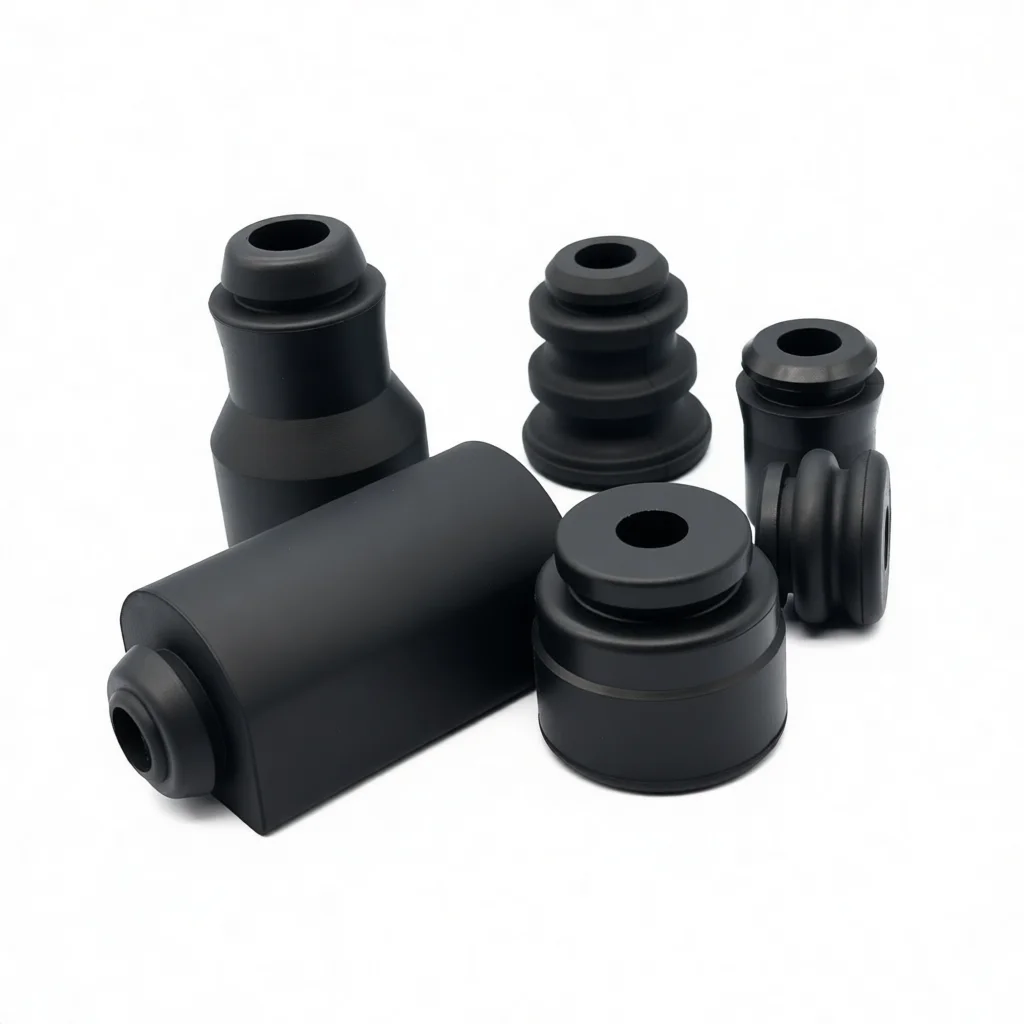
In extreme environments—such as off-road military vehicles or aerospace launch vehicles—vibration is often accompanied by sudden, high-intensity shocks. Standard damping materials often "bottom out" during a shock event, losing their effectiveness exactly when they are needed most. This is where multi-layer high damping shockproof solutions prove their worth. These systems are designed to be "non-linear," meaning their resistance increases as the force of the impact grows.
The "shockproof" aspect of a multi-layer high damping shockproof assembly is achieved through the strategic layering of soft, energy-absorbing foams and rigid, load-bearing elastomers. During normal operation, the softer layers manage low-level vibrations to prevent long-term fatigue. During a shock event, the stiffer layers engage to prevent the structure from hitting its mechanical limits. This multi-tiered defense ensures that the structure survives the immediate impact while also preventing the high-frequency "ringing" that follows a shock, which is often a hidden contributor to fast-track fatigue in electronic enclosures and airframes.
Multilayer High-Damping Vibration Damper: Future Innovations in Viscoelastic Material Science
The evolution of the high-damping viscoelastic sandwich material is moving toward the realm of "active" and "smart" composites. Researchers are currently exploring the integration of piezoelectric fibers into the structural composite vibration damping plate. These fibers can generate an electric charge when deformed by vibration, which can then be used to power sensors that monitor the structural health of the material in real-time. This creates a "self-diagnostic" structure that can alert engineers to the onset of fatigue before it is visible to the naked eye.
Furthermore, the environmental impact of these materials is a growing focus of the industry. The next generation of the multilayer high-damping vibration damper is being developed using recycled polymers and bio-based resins that provide the same viscoelastic performance without the carbon footprint of traditional petroleum-based products. By refining the molecular geometry of these sustainable materials, manufacturers are achieving higher damping ratios while using less overall mass, contributing to the global push for lightweight, energy-efficient engineering.
The longevity of modern engineering structures—from high-speed aerospace components to massive industrial turbines—is constantly threatened by the invisible force of mechanical vibration.