

 Select Language
The global industrial landscape is currently navigating a profound shift toward environmental responsibility without compromising on mechanical performance. As regulatory frameworks like REACH and RoHS become more stringent, the demand for non-toxic, flame-retardant materials has surged. At the heart of this transition is the China damping halogen-free factory, a specialized manufacturing hub dedicated to producing advanced vibration control solutions that prioritize both human safety and ecological sustainability. These facilities are redefining the "made in China" label by merging high-tech chemical engineering with green manufacturing protocols, ensuring that the next generation of industrial isolation tools is as clean as it is effective.
The Green Evolution Of The China Damping Halogen-Free Factory
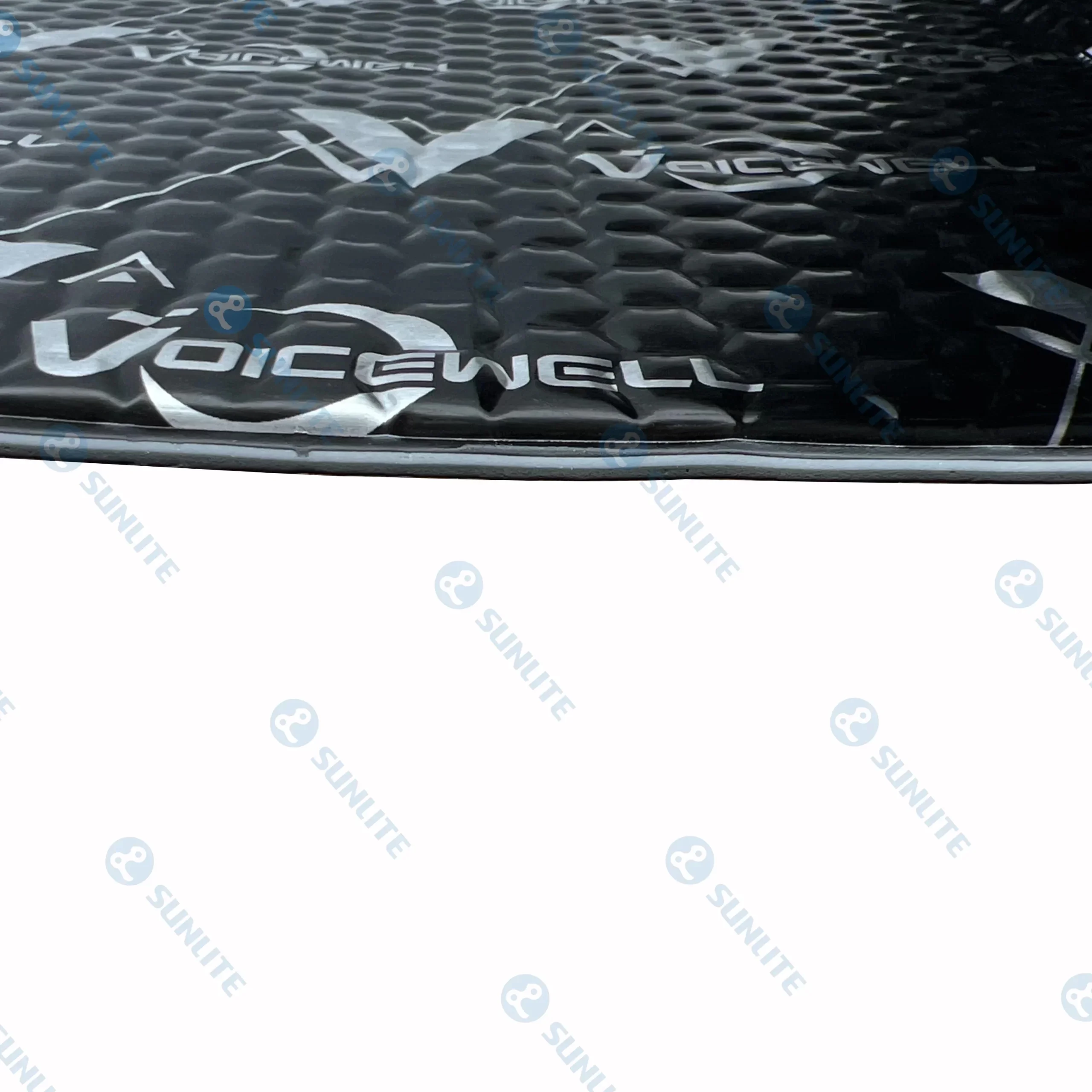
The traditional production of damping materials often relied on halogenated flame retardants, such as bromine or chlorine, to meet safety standards. However, when exposed to high heat or fire, these materials can release toxic, corrosive gases. The modern China damping halogen-free factory has effectively eliminated these hazards by pioneering the use of phosphorus-based or inorganic mineral flame retardants. This shift does not merely satisfy a legal checkbox; it fundamentally changes the safety profile of the factories themselves and the environments where their products are ultimately installed.
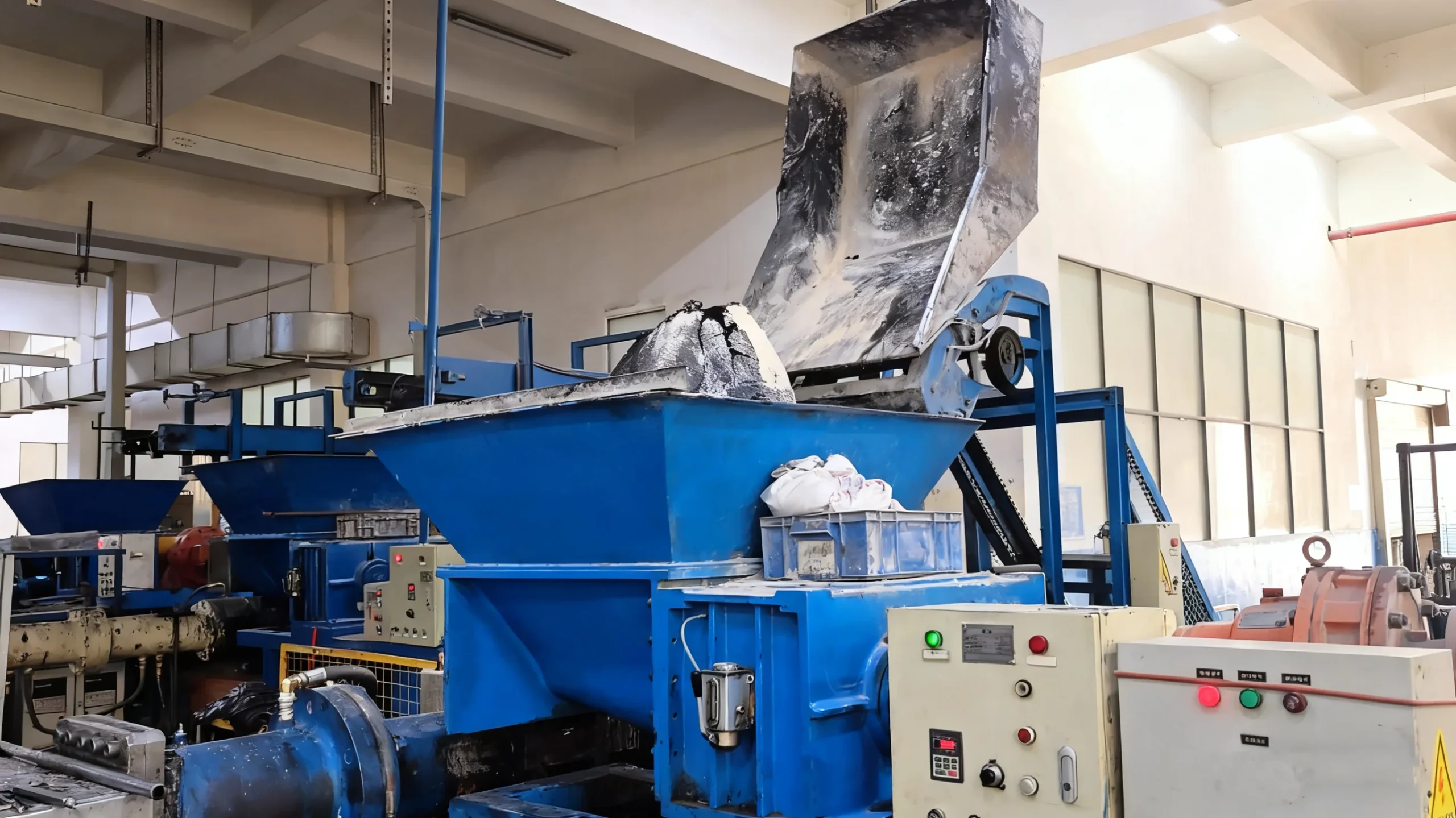
By focusing on halogen-free chemistry, these factories reduce the environmental footprint of the entire production cycle. The manufacturing process involves specialized mixing and extrusion lines that maintain the purity of the polymer matrix while ensuring that the damping properties remain uncompromised. This commitment to "green chemistry" ensures that the materials are easier to recycle at the end of their lifecycle and do not contribute to persistent organic pollutants in the ecosystem. This proactive approach has positioned Chinese manufacturers as leaders in the sustainable supply chain for the automotive, high-speed rail, and aerospace industries.
Reliability And Precision From A Damping Shockproof Supplier
For international procurement teams, selecting a damping shockproof supplier is no longer just about finding the lowest price; it is about finding a partner capable of navigating complex engineering requirements. A top-tier supplier operates as an extension of the client’s R&D department, providing technical support that spans from material selection to final field testing. These suppliers understand that "shockproof" is a relative term—what works for a heavy-duty mining drill will not be suitable for a sensitive laboratory centrifuge.
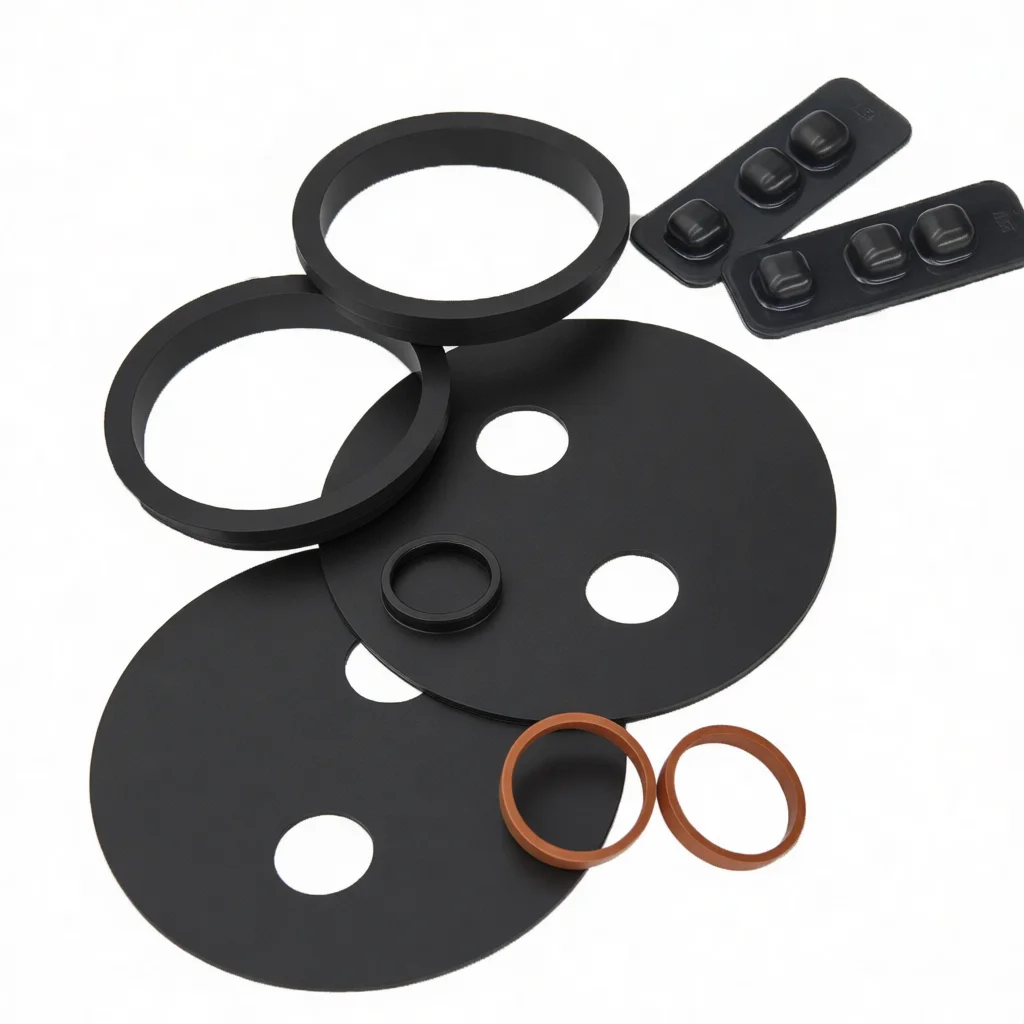
A professional damping shockproof supplier maintains rigorous quality control laboratories where products are subjected to accelerated aging tests, salt spray exposure, and extreme thermal cycling. This ensures that the damping materials retain their viscoelastic properties over decades of service. By maintaining a deep inventory of halogen-free raw materials and utilizing precision die-cutting and molding technologies, these suppliers can deliver components that fit perfectly into the structural assembly of a machine, providing a "plug-and-play" solution that minimizes assembly time and maximizes long-term reliability.
Enhancing Longevity With Laminated Damping Material For Industrial Equipment
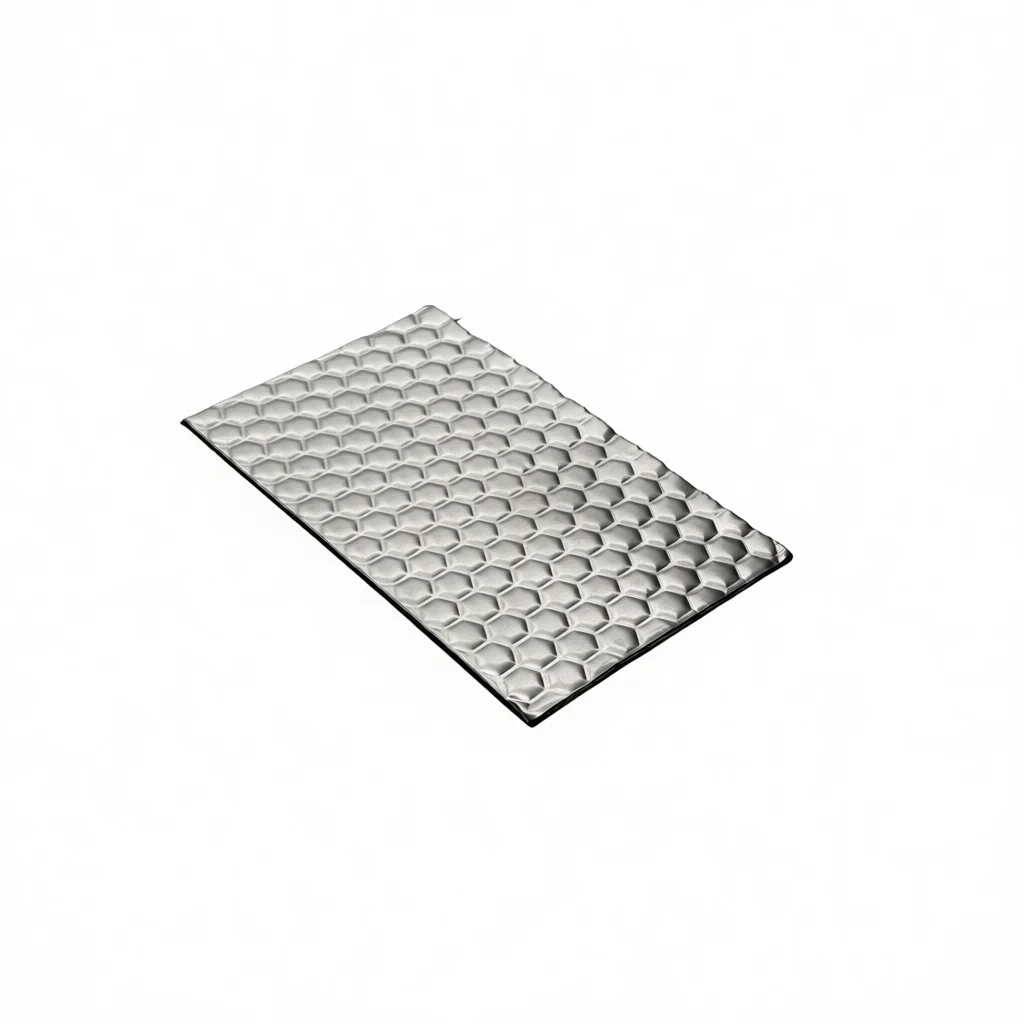
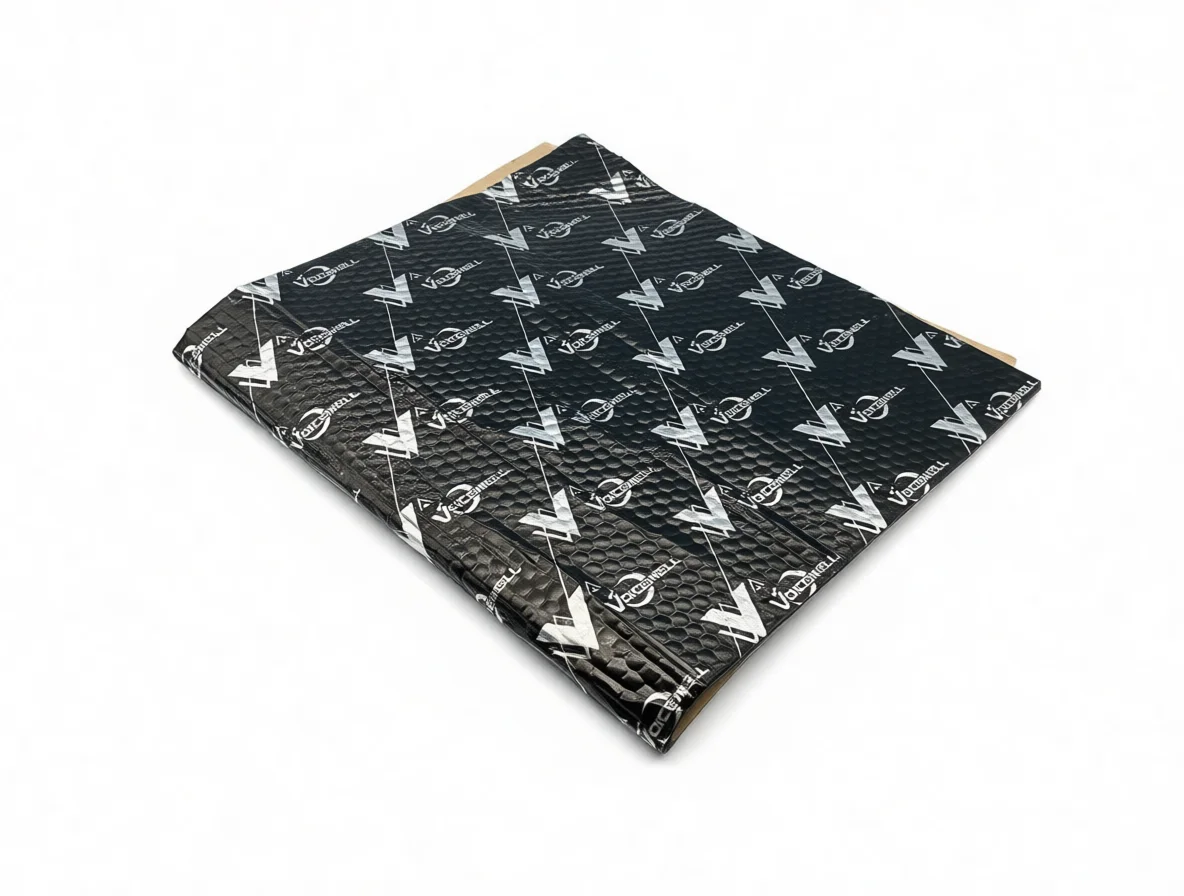
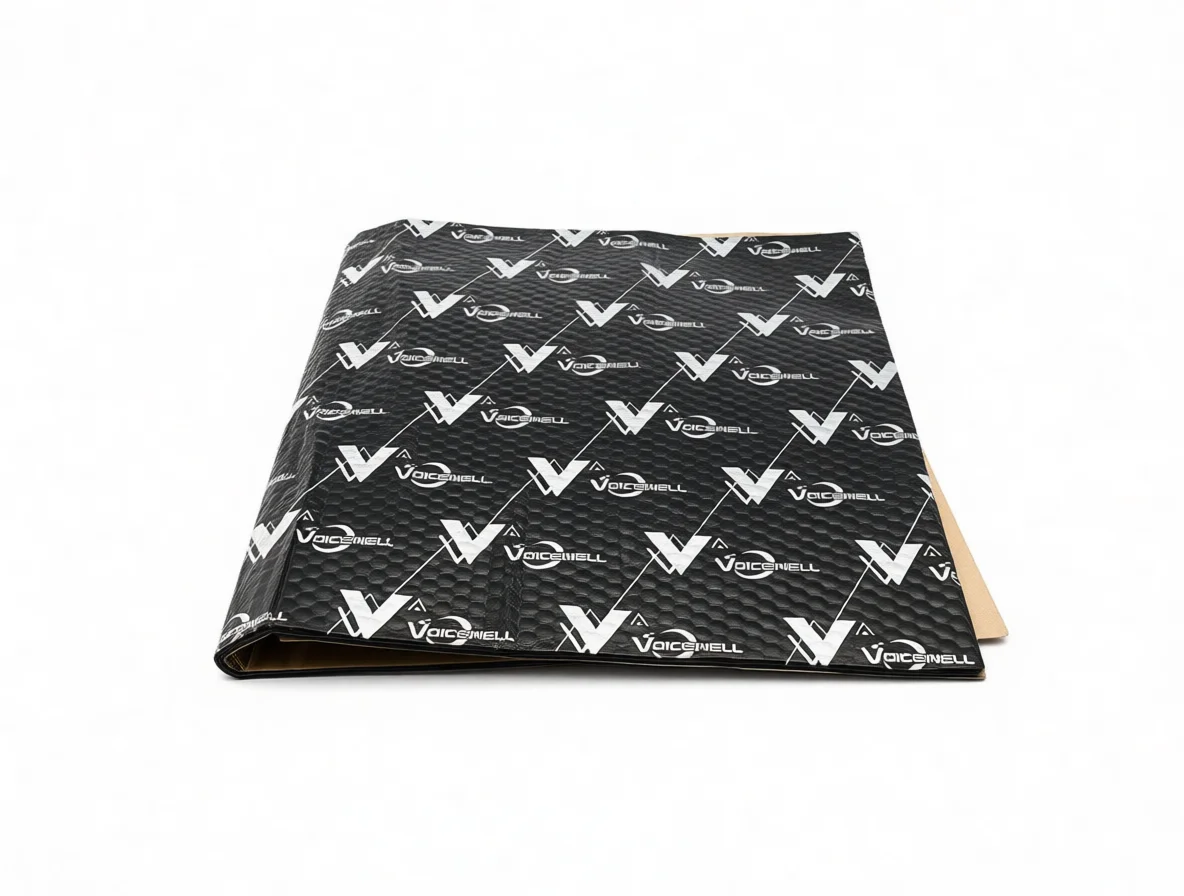
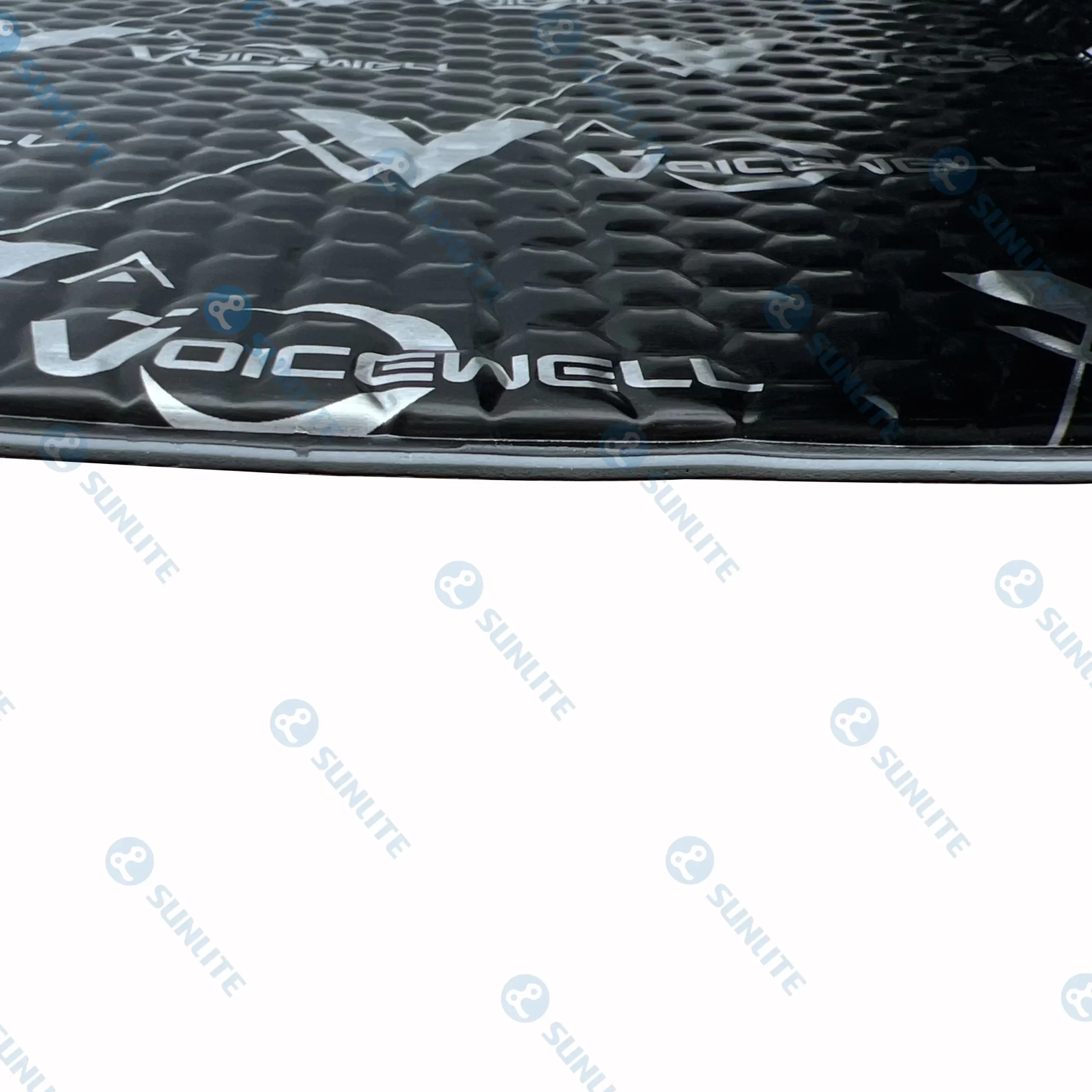
The most challenging environments for vibration control are found in heavy industry, where constant, low-frequency oscillations can lead to catastrophic structural fatigue. The solution often involves the use of laminated damping material for industrial equipment. Unlike single-layer rubber mats, which can compress and lose their efficacy over time, laminated materials utilize a "constrained layer" design. This involves sandwiching a high-performance damping core between two rigid skins, creating a composite that is far superior to the sum of its parts.
The efficacy of laminated damping material for industrial equipment lies in its ability to convert kinetic energy into microscopic amounts of thermal energy through shear strain. When the industrial equipment vibrates, the rigid outer layers of the laminate force the internal damping core to stretch and deform. This internal friction is where the "magic" happens, effectively silencing the machine and preventing vibrations from traveling through the floor or the chassis. This technology is particularly vital for large-scale power generators, industrial pumps, and HVAC systems, where reducing the "hum" is essential for both mechanical longevity and worker comfort.
Engineering Versatility Through The Customized Multi-layer Isolation Damping Pad
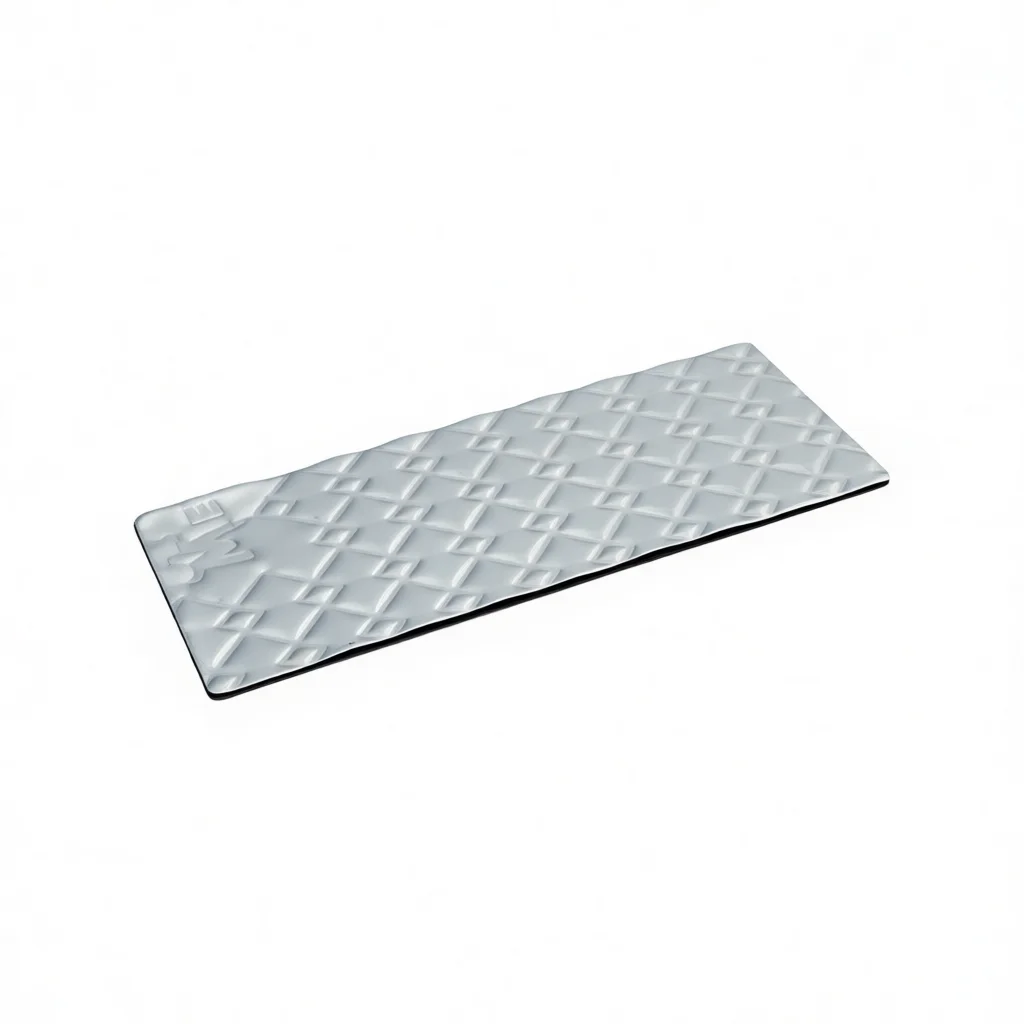
Every piece of machinery has a unique "vibrational signature" based on its mass, operating speed, and mounting configuration. This variability is why the customized multi-layer isolation damping pad has become an essential tool for modern plant managers. A one-size-fits-all approach often fails to address specific resonant frequencies, leading to "noise leakage" or insufficient protection. Customization allows engineers to tune the damping pad by adjusting the thickness and density of each individual layer within the stack.
The production of a customized multi-layer isolation damping pad involves advanced finite element analysis (FEA) to predict how the material will behave under specific loads. By stacking different grades of halogen-free polymers, manufacturers can create a "frequency filter." For example, the outer layers might be designed to handle high-impact shocks, while the internal layers are tuned to absorb high-frequency acoustic noise. This bespoke approach ensures that even the most specialized equipment—such as semiconductor lithography machines or medical imaging devices—can operate in a state of perfect, vibration-free stability.
Structural Decoupling Via The Multi-layer Vibration Absorber Pad
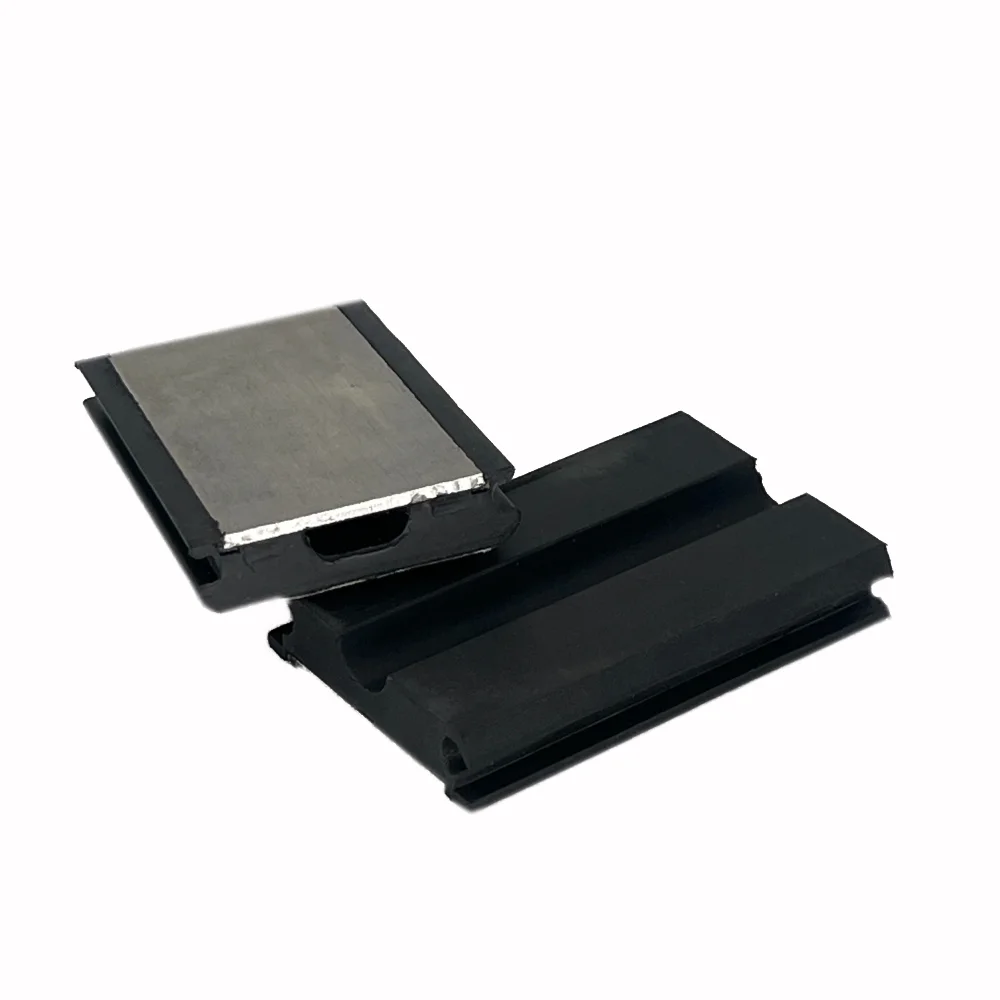
When vibrations are allowed to travel from a machine into the building’s foundation, they can cause "structure-borne noise" that is audible several floors away. The multi-layer vibration absorber pad serves as a mechanical barrier that decouples the machine from its environment. This is achieved through a multi-stage isolation process. As the vibration enters the top of the pad, it is diffused by the first layer of high-density material before being absorbed by the more compliant internal layers.
The multi-layer vibration absorber pad is designed to maintain its "spring rate" even under massive static loads. This is a critical distinction, as lower-quality pads often "bottom out" under heavy weight, becoming essentially rigid and losing all damping capability. By utilizing high-performance, halogen-free elastomers that are resistant to oils and chemicals, these pads provide a permanent solution for factory floors. They not only protect the building’s structural integrity but also improve the accuracy of the machines themselves by eliminating the "cross-talk" of vibrations from neighboring equipment.
The global industrial landscape is currently navigating a profound shift toward environmental responsibility without compromising on mechanical performance.