

 Select Language
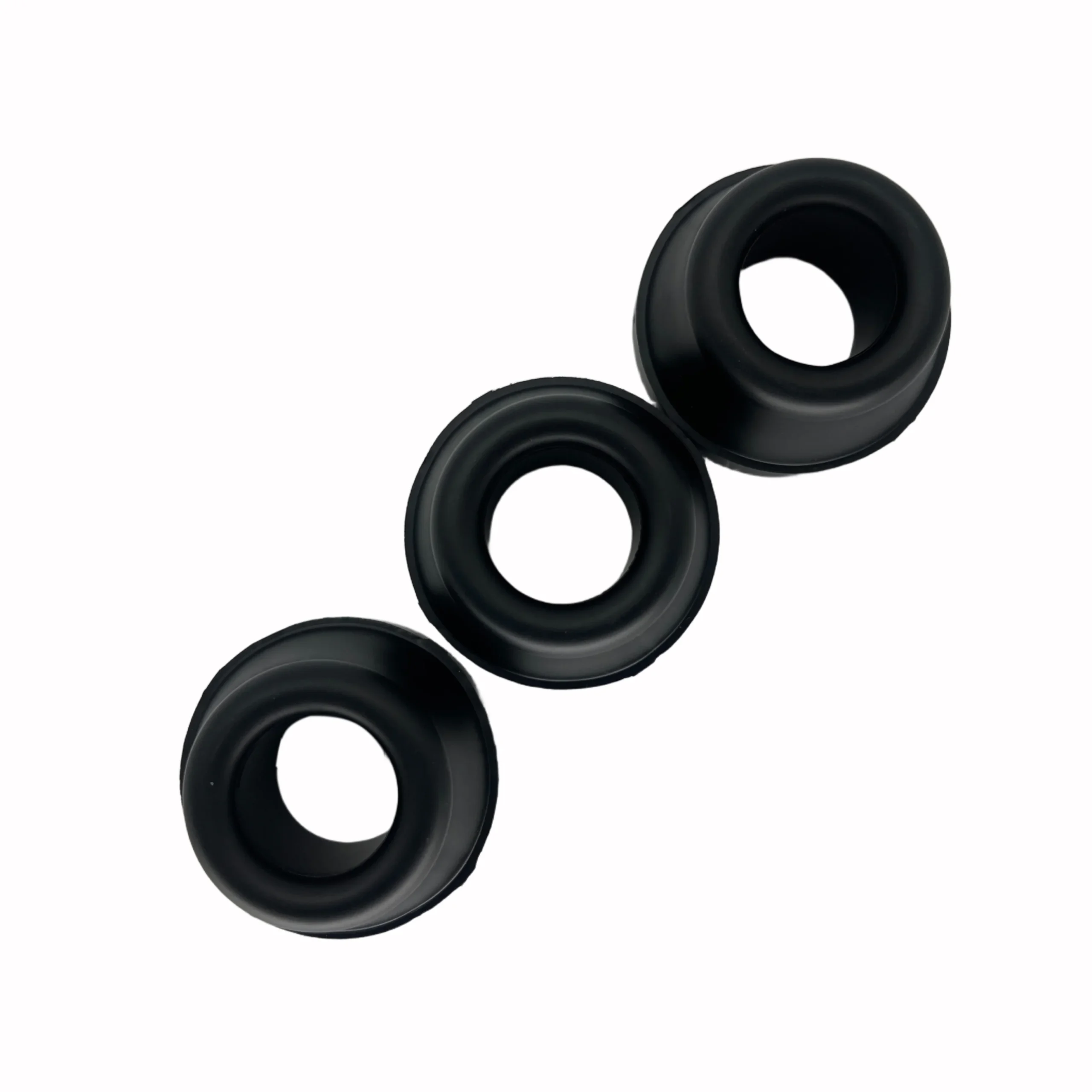
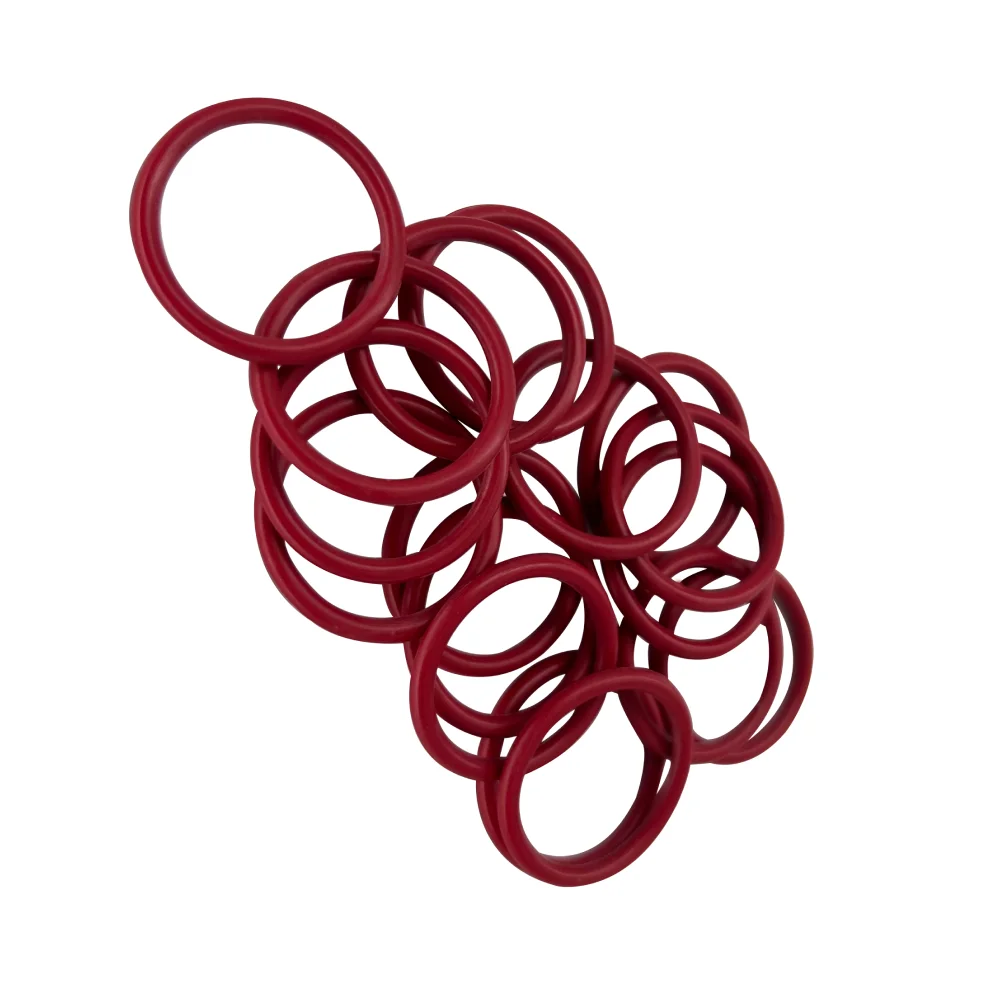
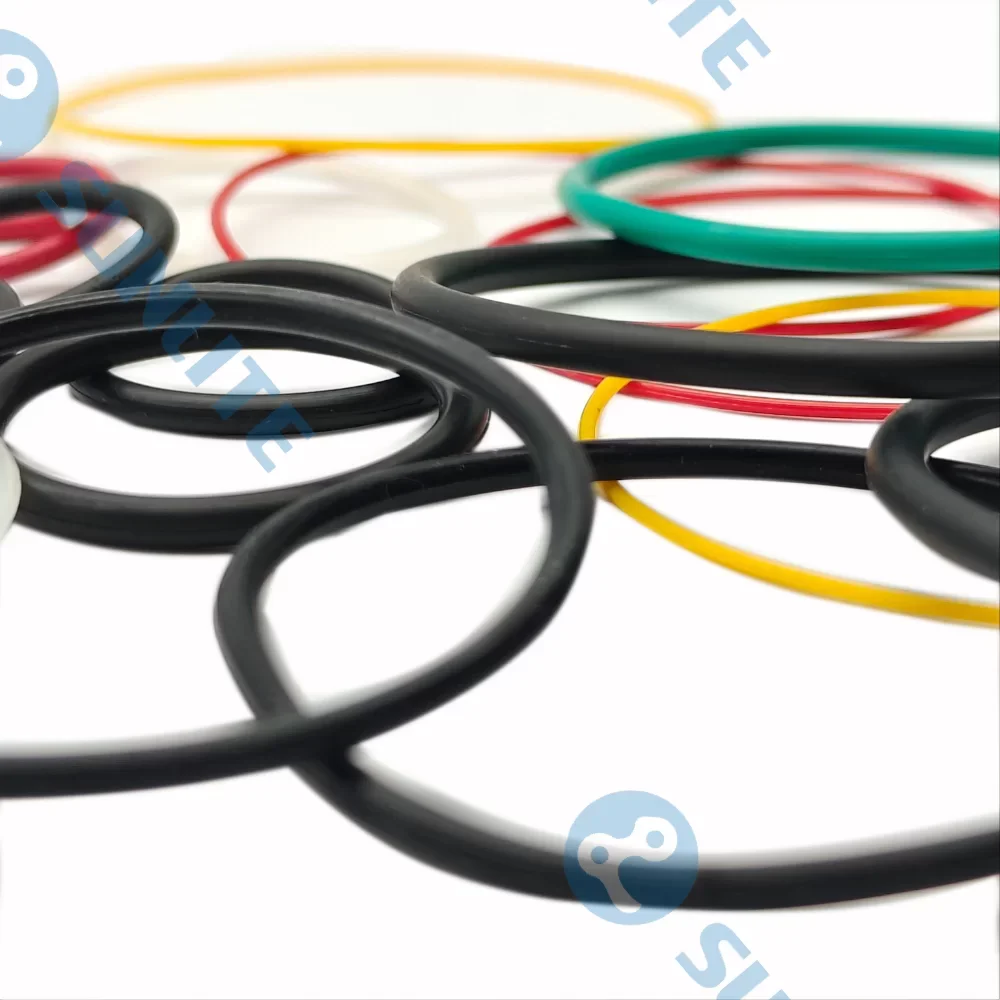
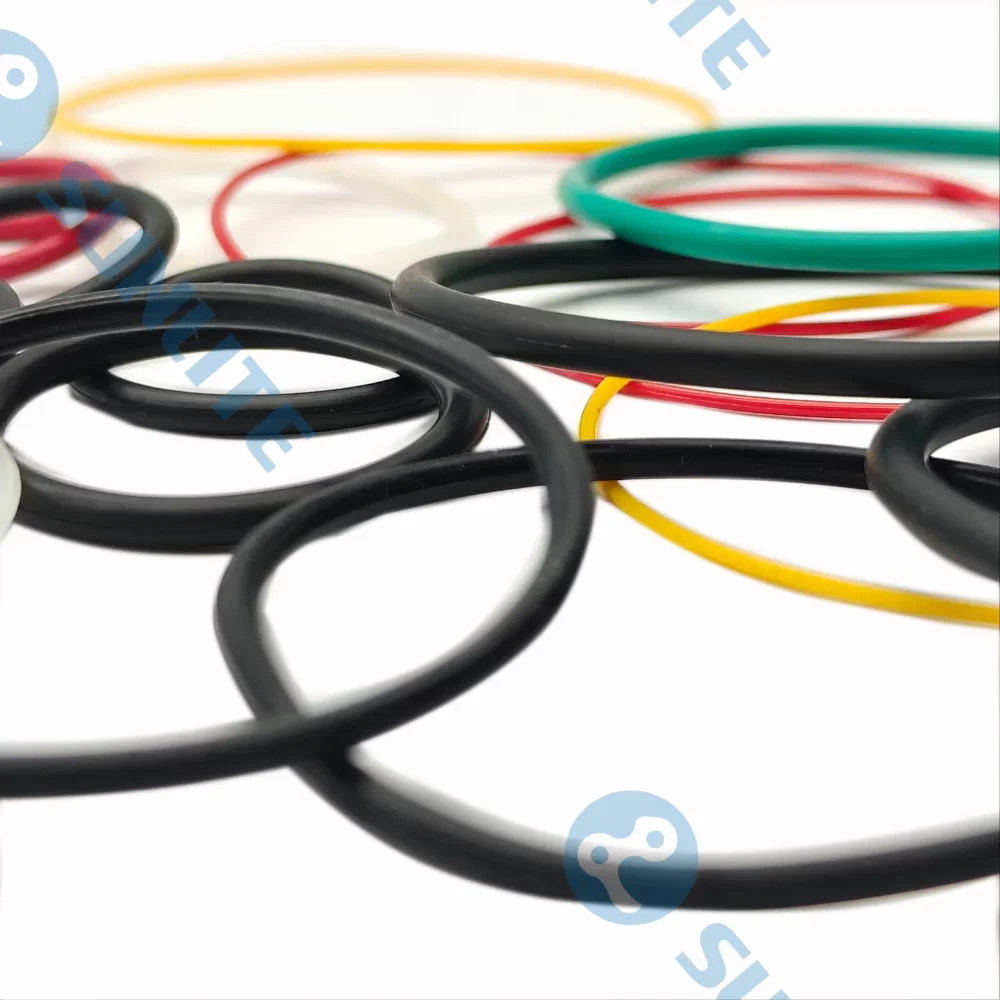
You know, it’s funny how often the smallest components play the biggest roles. In the world of engineering, that's often the case with seals. And when you’re talking about demanding environments – think high heat, aggressive oils, or even chilling low temperatures – a standard seal just won't cut it. That's where specialized solutions like the rubber O ring, O-ring, anti-low temperature O-Ring, oil resistant O-ring, ozone resistant O-ring really shine. We're talking about components that quietly ensure systems run smoothly, preventing leaks that could lead to catastrophic failures or, at the very least, costly downtime.
The Rise of AEM: A True Workhorse Material
In recent years, the industry has really leaned into advanced elastomers, and AEM (Ethylene-Acrylic Ester Rubber) has emerged as a true standout. To be honest, it’s an incredibly versatile material. When engineers started pushing the boundaries – think new engine designs, more aggressive transmission fluids, or the need for reliable seals in aerospace – traditional rubbers often hit their limits. AEM, surprisingly, steps up to the plate, offering a compelling blend of high-temperature resistance, excellent oil resistance, and even decent low-temperature flexibility. It's essentially engineered for those "tough spot" applications where other materials might fail.
Many customers I've spoken with in the automotive and industrial sectors specifically seek out AEM for its robust performance profile. It’s not just about resisting one extreme; it’s about handling a combination of them simultaneously, which is actually quite rare for a single elastomer.
Key Advantages: Why AEM Stands Out
· Exceptional High-Temperature Endurance: We're talking long-term stability up to 175℃, with short bursts reaching 200℃. Perfect for engine compartments or supercharging systems.
· Outstanding Oil Resistance: From hot engine oil to ATF fluid and even aviation fuels, AEM holds its integrity. This is where it often outshines NBR and rivals more expensive FKM options in certain applications.
· Reliable Low-Temperature Flexibility: Unlike some other high-performance materials that get stiff in the cold, AEM maintains its elasticity down to -40℃, crucial for cold starts.
· Refrigerant Compatibility: It can handle modern refrigerants like R134a and R1234yf without degradation, a must for HVAC systems.
· Anti-Aging & Ozone Resistance: AEM offers superb resistance to ozone, UV, and general environmental aging, contributing to a longer service life, which, let's be honest, saves money in the long run.
Technical Specifications: What the Numbers Say
When evaluating a sealing solution, the numbers matter. Here's a quick look at typical performance indices for a high-quality AEM O-ring:
Performance Metric | Typical Value |
Temperature Range | -40℃ to 175℃ (long-term), short-term up to ≈200℃ |
Oil Resistance (ASTM #3 oil @ 150℃ x 70h) | Volume change <10%, hardness change <±5 points |
Compression Set (150℃ x 22h) | ≤25% (real-world use may vary slightly) |
Tensile Strength | ≥10MPa |
Elongation at Break | ≥200% |
Refrigerant Resistance (R134a @ 120℃ x 500h) | No cracks or performance failure |
Environmental Compliance | RoHS, REACH, PAHs, TSCA, PFAS compliant |
Where AEM Seals Make a Difference: Application Scenarios
The robust nature of AEM means it finds its way into some truly critical applications:
· Automotive Industry: From engine oil seals and turbocharger pipes to AT transmission seals and PCV system seals, AEM handles the heat and fluids with ease.
· Industrial Equipment: Hydraulic systems, refrigerant compressors, and other heavy machinery benefit from its superior resistance to oils and compression set.
· Aerospace: Aviation fuel systems and high-temperature oil product seals around aero-engines rely on materials that simply cannot fail, making AEM a go-to choice.
· New Energy: As electric vehicles and other new energy systems emerge, the need for heat-resistant oil resistant O-ring solutions in electric drive cooling systems is growing, and AEM fits the bill.
Choosing Your Supplier: More Than Just a Price Tag
When you're sourcing specialized components like an anti-low temperature O-Ring, you’re not just buying a piece of rubber. You're investing in reliability, expertise, and consistency. That’s why choosing a reputable `special rubber o ring factory` is paramount. It’s about material integrity, precise manufacturing, and stringent quality control.
Vendor Comparison: What to Look For
Feature | Generic Vendor A (Lower Cost) | Specialized Factory (e.g., Sunlitetek) |
Material Sourcing & Quality | May use varied or uncertified raw materials. | Certified, consistent, high-grade AEM compounds. |
Manufacturing Process | Standard tooling, less strict process control. | Precision molding, advanced curing, tight tolerances. |
Testing & Certifications | Basic QC, limited compliance documentation. | Full suite of performance tests, RoHS, REACH, etc. |
Customization | Limited options for custom sizes or compounds. | Extensive customization, engineering support for specific needs. |
Technical Support | Minimal or generic advice. | Expert consultation, application-specific guidance. |
This really highlights the importance of partnering with a manufacturer that understands the nuances of high-performance elastomers. For example, a customer working on an advanced aerospace engine needs assurance that their ozone resistant O-ring won't degrade under extreme conditions, and that comes from rigorous testing and quality control from their supplier.
Conclusion: Investing in Reliability
In a world where systems are constantly pushed to their limits, the humble O-ring, particularly one made from advanced materials like AEM, remains absolutely vital. Its ability to withstand high temperatures, aggressive oils, and environmental stressors makes it an indispensable component across numerous industries. Investing in quality AEM rubber O ring solutions isn't just about meeting a spec; it's about safeguarding performance, enhancing longevity, and ultimately, ensuring peace of mind for engineers and end-users alike.
Authoritative Citations
1. ASTM International. (2023). ASTM D2000 - Standard Classification System for Rubber Products in Automotive Applications.
2. SAE International. (2022). J200 - Classification System for Rubber Materials in Automotive Applications.
3. Freudenberg Sealing Technologies. (2021). Elastomer Handbook: Guide to Sealing Technology.
4. European Chemicals Agency (ECHA). (2023). REACH Regulation (EC) No 1907/2006.
You know, it’s funny how often the smallest components play the biggest roles. In the world of engineering, that's often the case with seals.